
Milk's Journey: A Blockchain Case Study in Ensuring Dairy Supply Chain Integrity and Safety

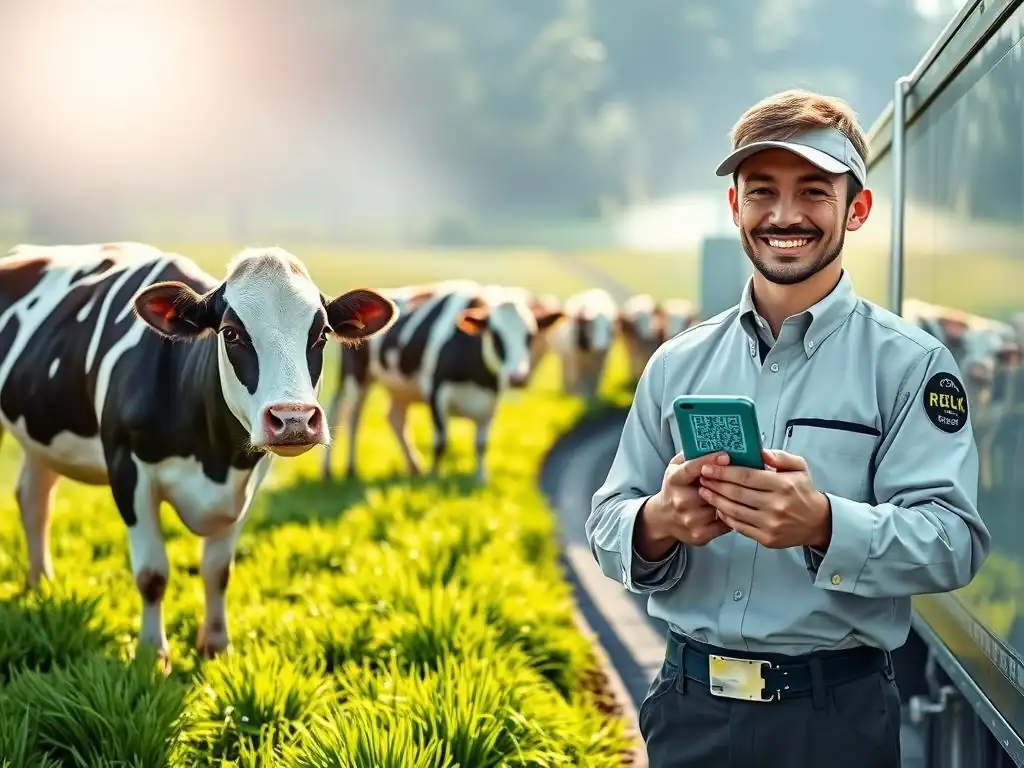
Welcome to Blockchain Trends, your gateway to understanding the transformative power of blockchain technology! Milk's Journey: A Blockchain Case Study in Ensuring Dairy Supply Chain Integrity and Safety unveils how this revolutionary technology is tackling critical challenges beyond cryptocurrency. Ever wondered how blockchain can guarantee the freshness and authenticity of your milk? Dive in to explore a real-world example of blockchain dairy supply chain integrity and discover how decentralized solutions are shaping the future of supply chain management.
Organic Milk's Journey: A Blockchain Case Study in Ensuring Dairy Supply Chain Integrity and Safety
- Introduction: The Need for Transparency in the Dairy Industry
- Problem: Inefficiencies and Opacity in the Traditional Dairy Supply Chain
- Solution: Implementing Blockchain for Dairy Supply Chain Integrity
- Case Study: Alexandre Family Farm's Blockchain Implementation
- Results: Improved Transparency and Safety in the Dairy Supply Chain
- Blockchain Dairy Supply Chain Integrity: A Competitive Advantage
- Addressing Challenges and Considerations for Blockchain Adoption in the Dairy Industry
- Future of Blockchain in the Dairy Industry: Beyond Traceability
- Conclusion: Blockchain's Role in Shaping a More Transparent and Safe Dairy Future
-
Frequently Asked Questions
- What are the primary benefits of using blockchain for dairy supply chain integrity?
- How does blockchain technology help ensure the safety of dairy products?
- Can blockchain be implemented in a dairy supply chain of any size, from small farms to large corporations?
- What regulatory challenges exist for implementing blockchain solutions in the dairy industry, particularly related to data privacy?
- Beyond traceability and safety, what other potential applications of blockchain exist within the dairy industry?
- Final Reflection: Ensuring Trust in Every Sip
- Uncover Dairy's Future: Join the Blockchain Revolution!
Introduction: The Need for Transparency in the Dairy Industry
Addressing Consumer Concerns About Dairy Product Safety and Origin
Modern consumers are increasingly demanding greater transparency regarding the food they consume, especially dairy products. Concerns range from the safety and quality of milk to the ethical treatment of animals and the environmental impact of dairy farming. A 2022 survey indicated that over 70% of consumers globally believe it is important for companies to be transparent about how their products are made and sourced.
This heightened scrutiny puts pressure on dairy producers and distributors to provide verifiable information about every step of the supply chain, from farm to table. Without a robust system to track provenance and production practices, building consumer trust becomes a significant challenge, potentially impacting brand loyalty and sales.
The lack of clear, verifiable information can lead to consumer skepticism, particularly following food safety incidents or scandals in the industry. For instance, contamination events, even if isolated, can erode public confidence in the entire dairy sector. Consumers want to know that the milk they purchase is free from harmful contaminants, that it hasn't been adulterated, and that it genuinely comes from the source claimed on the label.
This requires a system that can provide an immutable record of the product's journey, ensuring blockchain dairy supply chain integrity is maintained throughout its lifecycle. Providing this level of detail and assurance is difficult, if not impossible, with traditional paper-based or fragmented digital tracking methods.
The Challenges of Traditional Dairy Supply Chain Management
The traditional dairy supply chain is often characterized by multiple intermediaries, including farmers, cooperatives, processors, distributors, wholesalers, and retailers. Each handoff represents a potential point of information loss, delay, or even manipulation. Information about milk batches—such as collection time, temperature during transport, processing details, and handling conditions—is typically recorded in disparate systems or even manually. This creates data silos, making it exceedingly difficult to get a comprehensive, end-to-end view of a specific product's journey.
Furthermore, the sheer volume and perishable nature of milk add complexity. Milk must be transported and processed quickly under specific temperature controls. Tracking these conditions reliably across multiple handoffs is a logistical nightmare using conventional methods. If a problem arises, such as a quality issue or a potential recall, identifying the source and tracing affected batches can take days or weeks, leading to significant financial losses, product waste, and potential health risks. Ensuring blockchain dairy supply chain integrity in this complex environment requires a fundamental shift in how data is captured, shared, and verified across all participants.
Problem: Inefficiencies and Opacity in the Traditional Dairy Supply Chain
Lack of Real-Time Tracking and Traceability of Milk Products
One of the most significant drawbacks of traditional dairy supply chains is the absence of real-time visibility. Information about a specific batch of milk often lags significantly behind its physical movement. For example, a processor might not receive confirmation of a milk tanker's contents or origin details until hours after arrival, based on paper manifests.
Similarly, a retailer might only know the distributor it received milk from, not the specific farm or processing plant. This delay and fragmentation of information make it nearly impossible to pinpoint the exact location and status of any given milk product at any moment in time.
This lack of real-time tracking hampers operational efficiency and responsiveness. Inventory management becomes less precise, leading to potential overstocking or shortages. More critically, in the event of a food safety scare, tracing the affected products back to their source and forward to all points of sale is a time-consuming and error-prone process. Recalls can take days or even weeks to execute effectively, increasing the risk to consumers and the cost to businesses. The inability to provide immediate, granular traceability undermines overall blockchain dairy supply chain integrity.
Vulnerability to Fraud and Counterfeiting in the Dairy Sector
The opacity inherent in traditional dairy supply chains creates fertile ground for fraudulent activities. Milk, particularly premium or organic varieties, can be susceptible to adulteration—such as watering down or adding unauthorized substances—to increase volume or hide quality issues. Mislabeling of origin is another common problem, where milk from conventional farms might be falsely marketed as organic or from a specific, high-value region. According to some estimates, food fraud costs the global industry billions of dollars annually, with dairy being one of the targeted sectors.
Counterfeiting, where fake products are passed off as genuine brands, also poses a threat. Without a robust, verifiable system of provenance, it is difficult for consumers and retailers to distinguish authentic products from fakes. These fraudulent activities not only harm legitimate businesses but also pose serious health risks to consumers if the adulterated or counterfeit products are unsafe. Establishing verifiable blockchain dairy supply chain integrity is crucial to combating these pervasive issues and protecting both consumers and the reputation of the industry.
Difficulty in Verifying Ethical Sourcing and Production Practices
Consumers are increasingly concerned about the ethical and sustainable aspects of food production, including the welfare of dairy cows, labor practices on farms, and environmental sustainability initiatives. Verifying claims about grass-fed cattle, antibiotic-free milk, fair labor practices, or reduced carbon footprints is challenging within traditional supply chains. Certification processes exist, but the chain of custody for these certifications can be difficult to maintain and verify across multiple intermediaries.
Producers and brands that invest in ethical and sustainable practices struggle to communicate this verifiable information effectively to consumers. Marketing claims are often met with skepticism if they cannot be substantiated with transparent data. This makes it hard for ethical producers to differentiate themselves and command a premium price. A system that provides transparent, auditable records of production and sourcing practices is needed to build trust and reward responsible actors, thereby enhancing blockchain dairy supply chain integrity beyond just safety and quality.
Solution: Implementing Blockchain for Dairy Supply Chain Integrity
Blockchain Technology: A Foundation for Trust and Transparency
Blockchain technology offers a decentralized and immutable ledger system that can fundamentally transform the dairy supply chain by providing an unprecedented level of trust and transparency. Unlike traditional databases where data can be altered or deleted, information recorded on a blockchain is cryptographically secured and linked in a chain of blocks. Once a transaction or data point is added, it is extremely difficult and computationally expensive to modify or remove, creating a permanent and verifiable history. This inherent immutability makes it an ideal technology for tracking sensitive information like product origin, handling conditions, and certifications.
By providing a single, shared source of truth accessible to authorized participants, blockchain eliminates the information silos that plague traditional systems. Each participant in the supply chain—from the farmer to the retailer—can record relevant data onto the blockchain. This shared ledger provides a comprehensive, end-to-end view of the product's journey, visible to all parties involved. This transparency is the cornerstone for building trust among supply chain partners and, ultimately, with the consumer, ensuring robust blockchain dairy supply chain integrity.
Key Features of a Blockchain-Based Dairy Supply Chain System: Immutable Records, Smart Contracts
A blockchain-based system for the dairy supply chain leverages several key features to enhance integrity and efficiency. The most fundamental is the creation of immutable records. Every significant event in the milk's journey—such as pickup from the farm, arrival at the processor, pasteurization temperature, packaging date, and shipping details—is recorded as a transaction on the blockchain. These records cannot be tampered with, providing a reliable audit trail for every batch. This feature is critical for verifying authenticity and investigating discrepancies.
Another powerful feature is the use of smart contracts. These are self-executing contracts with the terms of the agreement directly written into code. In a dairy supply chain, smart contracts can automate processes based on predefined conditions. For example, a smart contract could automatically trigger payment to a farmer once a milk tanker arrives at the processing plant and specific quality parameters (like temperature) recorded on the blockchain are met. Smart contracts can also automate compliance checks or trigger alerts if conditions, such as temperature during transit, fall outside acceptable ranges, further enhancing blockchain dairy supply chain integrity.
How Blockchain Enhances Traceability and Accountability
Blockchain significantly enhances traceability by creating a digital thread for each batch of milk from its point of origin to its final destination. By scanning a QR code on the product packaging, consumers or retailers could potentially access a summary of this journey, viewing key data points recorded on the blockchain. This level of granular traceability allows for immediate verification of the product's origin, processing details, and handling history. If a safety issue arises, affected batches can be identified and traced back to the source within minutes, rather than days.
This enhanced traceability naturally leads to greater accountability. Because every participant's actions (or the data they record) are logged on the immutable ledger, it becomes clear who handled the product at each stage and under what conditions. If a problem is identified, the blockchain record can quickly pinpoint where the deviation occurred, enabling swift corrective action and assigning responsibility. This inherent accountability incentivizes all parties to adhere to quality and safety standards, fundamentally strengthening blockchain dairy supply chain integrity.
Case Study: Alexandre Family Farm's Blockchain Implementation
Overview of the Dairy Supply Chain Participants: Farmers, Processors, Distributors, Retailers
A notable real-world example of blockchain implementation in the dairy sector is the initiative involving Alexandre Family Farm, a multi-generational organic dairy farm in Crescent City, California. Their supply chain involves several key participants: the farm itself as the producer, a processor who handles pasteurization and packaging (sometimes on-site, sometimes external depending on the product line), distributors who transport the finished products to various locations, and finally, retailers (grocery stores, markets) where consumers purchase the milk. Coordinating information flow and ensuring transparency across these distinct entities using traditional methods presented challenges.
The complexity arises from the need to track specific attributes like the organic certification, pasture-raised claims, and the unique characteristics of their A2/A2 milk across every handoff. Each participant needs access to relevant, verifiable information without compromising sensitive business data. For instance, retailers need assurance of the product's authenticity and safety, while consumers desire detailed provenance information. Implementing blockchain dairy supply chain integrity required onboarding these diverse participants onto a shared platform.
Blockchain Platform Selection and Integration: IBM Food Trust, API Integrations
To address these challenges and enhance transparency, Alexandre Family Farm collaborated with industry partners to implement a blockchain solution, leveraging platforms like IBM Food Trust. IBM Food Trust is a permissioned blockchain network designed specifically for the food industry, facilitating data sharing among supply chain participants while maintaining control over access. The choice of a platform like IBM Food Trust was strategic, providing a proven infrastructure and the ability to connect with other food industry participants already on the network.
Integration involved connecting the farm's existing data systems, the processor's manufacturing execution systems, and the distributors' logistics platforms with the blockchain network. This was achieved through Application Programming Interfaces (APIs) that allowed different systems to securely write and read relevant data onto the blockchain ledger. This technical integration was crucial for automating data capture and ensuring that information flowed seamlessly and immutably across the supply chain, building a robust foundation for blockchain dairy supply chain integrity.
Data Points Tracked on the Blockchain: Farm Location, Pasteurization Date, Transportation Temperature, Expiration Date
The blockchain implementation by Alexandre Family Farm focused on tracking critical data points essential for verifying product authenticity, safety, and quality. Key information recorded on the immutable ledger included:
- Farm Location: Verifying the origin of the raw milk from their specific certified organic pastures.
- Milking Dates/Batch IDs: Identifying specific milk batches collected on certain dates.
- Transportation Details from Farm to Processor: Including pickup time and temperature logs during transit.
- Processing Plant Location: Where the milk was pasteurized and bottled.
- Pasteurization Date and Parameters: Recording the date and specific temperature/time used during pasteurization.
- Packaging Date and Batch/Lot Number: Linking the processed milk to specific consumer-facing product units.
- Transportation Temperature (Processor to Distributor, Distributor to Retailer): Continuous monitoring and recording of temperature conditions during subsequent logistics steps.
- Arrival Dates at Distribution Centers and Retailers: Timestamping the product's movement.
- Expiration Date: The final date for consumption.
By tracking these granular details on the blockchain, Alexandre Family Farm and its partners created a verifiable history for each carton of milk, enabling consumers to potentially trace its journey and confirm claims about its origin and handling, thereby showcasing tangible blockchain dairy supply chain integrity.
Results: Improved Transparency and Safety in the Dairy Supply Chain
Enhanced Product Traceability from Farm to Consumer
The implementation of blockchain technology dramatically improved the traceability of Alexandre Family Farm's dairy products. What previously might have taken hours or days to manually piece together across various systems could now be accessed in near real-time through the blockchain network. Each product unit, identifiable by a batch or lot number, was linked to a comprehensive, immutable record detailing its entire journey. This allowed for instant verification of origin, processing, and handling.
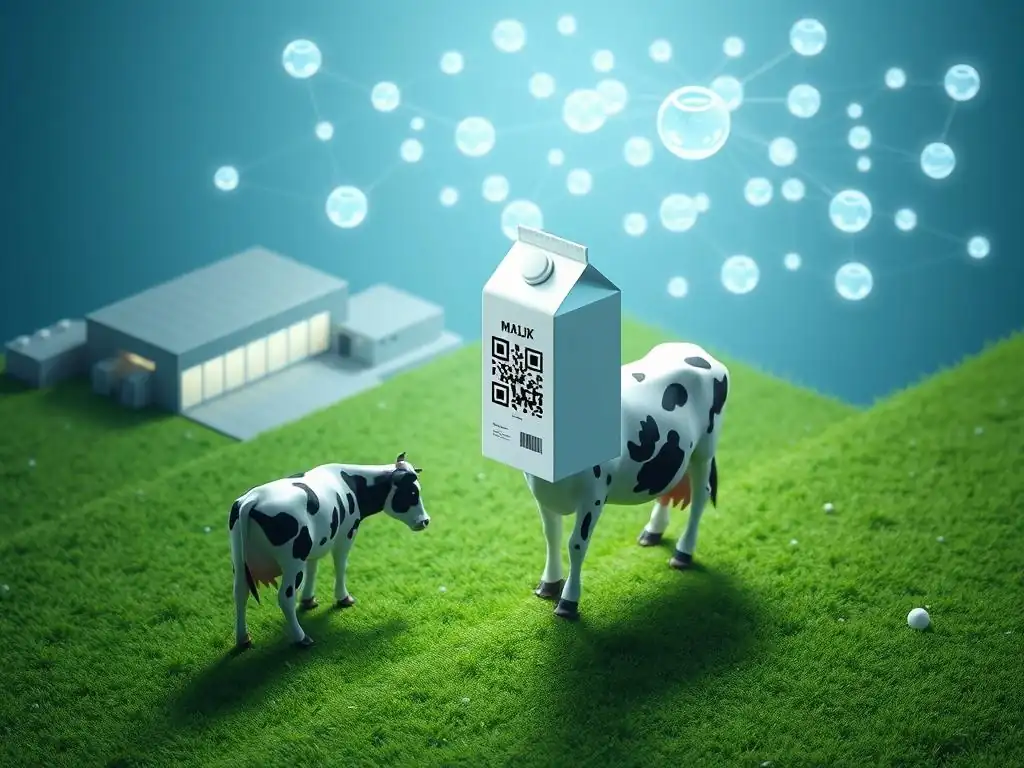
This enhanced traceability extends beyond just internal operations; it can also be made available to consumers. By potentially scanning a QR code on the milk carton, consumers could access a simplified view of the blockchain data, seeing information like the farm of origin, the processing date, and key certifications. This level of transparency builds direct trust with the end consumer, allowing them to verify the claims made on the packaging and feel more confident about the product's journey and the overall blockchain dairy supply chain integrity.
Reduced Instances of Fraud and Counterfeiting
While specific public data on reduced fraud instances for Alexandre Family Farm's blockchain project is not readily available, the mechanism provided by blockchain inherently deters fraudulent activities like adulteration or mislabeling. Because every transaction and data point related to a specific milk batch is recorded immutably on the shared ledger, it becomes incredibly difficult to introduce counterfeit products or falsify origin data without detection. Any discrepancy between the physical product and its digital twin on the blockchain would be immediately apparent to network participants.
The cost and complexity involved in trying to manipulate a distributed, cryptographically secured ledger are significantly higher than altering paper records or isolated digital files. This inherent security feature acts as a strong deterrent against fraud, protecting both the brand's reputation and consumer safety. The verifiable chain of custody established by blockchain provides a robust defense against counterfeiting, significantly bolstering blockchain dairy supply chain integrity.
Increased Consumer Confidence in Dairy Product Quality and Origin
Providing consumers with the ability to verify the journey and origin of their milk directly impacts their confidence. When consumers can see transparent, verifiable data about where their milk came from, how it was processed, and that temperature controls were maintained during transport, it validates the quality and safety claims made by the brand. For a premium organic producer like Alexandre Family Farm, whose brand identity is built on transparency and ethical practices, this is invaluable.
Anecdotal evidence and industry reports suggest that consumers are willing to pay a premium for products where provenance and ethical sourcing are clearly demonstrated. The ability to back up claims with immutable blockchain data transforms marketing from mere assertion into verifiable fact, fostering deeper trust and loyalty. This increased confidence is a direct result of establishing clear and auditable blockchain dairy supply chain integrity.
Improved Efficiency in Supply Chain Operations: Faster Recall Processes, Reduced Waste
Beyond transparency for consumers, blockchain implementation yields significant operational efficiencies. The real-time visibility provided by the shared ledger allows for better inventory management and logistics planning across the network. Furthermore, the speed and accuracy of tracing products on the blockchain drastically improve recall processes. Instead of manual investigations that could take days to identify affected batches and their locations, a blockchain system allows for near-instantaneous identification and notification of downstream partners and retailers.
Faster, more targeted recalls reduce the amount of product that needs to be pulled from shelves, minimizing waste and financial losses for everyone involved. For instance, a traditional recall might require pulling all products produced within a week, whereas a blockchain-enabled recall could pinpoint only the specific batches affected by a particular issue on a particular day. This efficiency gain is a tangible benefit of implementing blockchain dairy supply chain integrity.
Blockchain Dairy Supply Chain Integrity: A Competitive Advantage
Meeting Growing Consumer Demand for Sustainable and Ethical Dairy Products
Consumer demand for sustainably produced and ethically sourced food is on a steady rise. Reports indicate that a significant percentage of consumers actively seek out products with clear ethical or environmental certifications. However, the market is also rife with unsubstantiated "greenwashing" claims. Blockchain provides a powerful tool for dairy producers to credibly demonstrate their commitment to sustainable farming practices, animal welfare, and fair labor.
By recording certifications, audit results, and even real-time data from IoT sensors on farms (e.g., monitoring cow health or pasture conditions) onto the blockchain, producers can provide immutable proof of their practices. This verifiable transparency allows them to meet and exceed consumer expectations, differentiating their products in a crowded market and appealing directly to the growing segment of conscious consumers. Leveraging blockchain dairy supply chain integrity becomes a key strategy for capturing this market share.
Building Brand Trust and Loyalty Through Transparency
In an era of widespread skepticism regarding food production, transparency is the new currency of trust. Brands that can offer verifiable proof of their product's journey and claims are better positioned to build lasting relationships with consumers. Blockchain enables a level of transparency that was previously impossible, moving beyond marketing stories to present factual, immutable data.
When consumers can scan a product and see its history – the farm it came from, the date it was processed, assurances about temperature control – it creates a powerful connection and reinforces the brand's authenticity. This deep level of transparency fosters trust, which in turn drives brand loyalty. Consumers are more likely to repeatedly purchase from brands they trust, especially when it comes to something as fundamental as the milk they drink daily. Establishing robust blockchain dairy supply chain integrity is thus directly linked to enhancing brand equity and consumer loyalty.
Opportunities for Supply Chain Optimization and Cost Reduction
Beyond external benefits like trust and transparency, implementing blockchain can lead to significant internal efficiencies and cost reductions within the dairy supply chain. Improved real-time visibility allows for better forecasting, inventory management, and logistics planning, reducing waste associated with spoilage or expired products. Streamlined communication and data sharing among partners can reduce administrative overhead and disputes.
Automating processes through smart contracts, such as payments based on verified delivery and quality checks, can reduce transaction costs and speed up payment cycles. Furthermore, the ability to conduct rapid and precise recalls minimizes the financial impact and logistical burden compared to traditional, broad recalls. While initial investment in blockchain infrastructure can be substantial, the long-term operational efficiencies and risk mitigation benefits contribute to overall cost reduction and supply chain optimization, reinforcing the value of blockchain dairy supply chain integrity.
Addressing Challenges and Considerations for Blockchain Adoption in the Dairy Industry
Data Privacy and Security Concerns
While blockchain is inherently secure due to its cryptographic nature, implementing it in a supply chain raises important data privacy and security considerations. Not all data related to the supply chain is suitable for a public, fully transparent ledger. Sensitive business information, such as pricing agreements between partners or proprietary processing techniques, needs to be protected. Permissioned blockchains, like the ones often used in enterprise supply chain solutions (e.g., IBM Food Trust), address this by allowing participants to control who sees what data, balancing transparency with privacy needs.
Ensuring the security of data before it is written to the blockchain is also critical. Data integrity relies on accurate information being entered into the system in the first place. This requires secure data capture methods, whether through manual entry, API integrations, or IoT devices, and robust access controls to prevent unauthorized data submission. Addressing these privacy and security aspects is paramount for successful and trustworthy blockchain dairy supply chain integrity.
Scalability and Interoperability of Blockchain Solutions
The dairy industry handles massive volumes of product daily. Any blockchain solution implemented must be capable of handling this scale, processing a high volume of transactions (data entries) quickly and efficiently without becoming prohibitively expensive or slow. The underlying blockchain platform's scalability is a key technical consideration. As the network grows and more participants join, the system must maintain performance.
Interoperability is another challenge. The dairy supply chain involves diverse systems used by different companies – from farm management software to logistics platforms and retail POS systems. A blockchain solution needs to be able to integrate seamlessly with these existing technologies, often requiring the development of robust APIs and data standards. Ensuring different blockchain networks or systems can communicate with each other (interoperability) is also important for creating truly connected supply chains that extend across different platforms or industries, which is vital for comprehensive blockchain dairy supply chain integrity.
Regulatory Compliance and Industry Standards
Adopting blockchain in the dairy industry must also navigate existing regulatory landscapes and industry standards. Food safety regulations, labeling laws, and organic certification requirements vary by region and country. The blockchain system needs to be designed to capture and present data in a way that meets these compliance requirements. For example, lot tracking data recorded on the blockchain must align with regulatory mandates for recall purposes.
Furthermore, establishing industry-wide standards for how dairy data is recorded and shared on blockchain networks is crucial for broader adoption and interoperability. Without common data formats and protocols, integrating different participants and systems becomes more complex. Collaboration among industry bodies, technology providers, and regulators is necessary to develop these standards and ensure blockchain solutions contribute effectively to existing frameworks for food safety and quality, reinforcing blockchain dairy supply chain integrity on a larger scale.
Future of Blockchain in the Dairy Industry: Beyond Traceability
Smart Contracts for Automated Payments and Quality Control
The future of blockchain in the dairy industry extends far beyond basic traceability. Smart contracts hold immense potential for automating complex processes. For instance, payments to farmers could be automatically triggered by a smart contract when a milk tanker arrives at the processing plant and IoT sensors confirm the milk's temperature and volume meet predefined conditions recorded on the blockchain. This eliminates manual invoicing, reduces payment delays, and minimizes disputes based on verifiable, automated data.
Smart contracts can also enhance quality control. If temperature data recorded during transit exceeds a certain threshold, a smart contract could automatically trigger alerts, flag the affected batch for specific quality checks upon arrival, or even initiate a rejection process based on pre-agreed terms. This moves from reactive problem identification to proactive, automated quality assurance embedded within the supply chain processes, further solidifying blockchain dairy supply chain integrity.
Integration with IoT Devices for Real-Time Monitoring of Milk Conditions
The combination of blockchain with Internet of Things (IoT) devices offers powerful capabilities for real-time monitoring. IoT sensors can be placed in milk tanks on farms, in transportation tankers, and in storage facilities to continuously measure and record critical conditions like temperature, humidity, and even potentially indicators of milk quality. This data can be automatically and securely written to the blockchain ledger as frequently as needed.
This integration provides an unprecedented level of visibility into the environmental conditions milk experiences throughout its journey. Instead of relying on periodic manual checks or loggers that only provide data later, stakeholders can have access to real-time, immutable data streams. This enables immediate intervention if conditions deviate from standards, preventing spoilage and ensuring product quality and safety are maintained, significantly enhancing blockchain dairy supply chain integrity through continuous, verifiable monitoring.
Exploring Decentralized Finance (DeFi) for Dairy Farmers and Producers: Access to Funding
Beyond supply chain operations, blockchain and decentralized finance (DeFi) could potentially offer new financial opportunities for dairy farmers and producers. DeFi platforms aim to provide financial services like lending, borrowing, and payments using decentralized networks, often leveraging cryptocurrencies and smart contracts. For farmers, this could mean alternative ways to access capital, potentially using future milk production contracts recorded on the blockchain as collateral, or participating in tokenized agricultural assets.
While still nascent, the potential exists for creating more transparent and potentially more accessible financing options outside traditional banking systems. Smart contracts could automate payments based on delivery and quality, potentially streamlining cash flow for farmers. Exploring how DeFi principles and blockchain tokens could be applied to agricultural financing could provide new avenues for investment and financial stability within the dairy sector, complementing the operational benefits of blockchain dairy supply chain integrity.
Conclusion: Blockchain's Role in Shaping a More Transparent and Safe Dairy Future
Blockchain as a Catalyst for Supply Chain Innovation
Blockchain technology is proving to be a powerful catalyst for innovation across various industries, and the dairy supply chain is no exception. By providing a foundation of trust through immutable records and decentralized transparency, it enables solutions that address long-standing challenges related to traceability, fraud, and efficiency. The case of Alexandre Family Farm illustrates how implementing blockchain can transform abstract concepts like "farm-to-table" into verifiable realities, enhancing operational processes and building stronger connections with consumers.
The technology encourages collaboration among supply chain partners by providing a shared, reliable platform for data exchange. It pushes the industry towards adopting digital processes and integrating new technologies like IoT and smart contracts, paving the way for more sophisticated and responsive supply chain management. This foundational shift is essential for the dairy industry to meet the evolving demands of global markets and consumers, driving innovation specifically focused on blockchain dairy supply chain integrity.
Ensuring Dairy Supply Chain Integrity for a Healthier and More Sustainable Food System
Ultimately, the primary impact of blockchain in the dairy industry is its contribution to ensuring blockchain dairy supply chain integrity. This integrity encompasses not just the physical safety and quality of the milk but also the integrity of the information about its origin, production methods, and ethical journey. By making this information transparent and verifiable, blockchain empowers consumers to make informed choices and holds supply chain participants accountable for their practices.
A more transparent and trustworthy dairy supply chain contributes to a healthier food system by reducing the risks of foodborne illnesses through improved traceability and quality control. It also supports a more sustainable system by enabling verifiable tracking of environmental practices and potentially facilitating fairer compensation through automated processes. As the technology matures and adoption grows, blockchain is set to play an increasingly vital role in shaping a dairy industry that is safer, more efficient, and more aligned with the values of conscious consumers globally, solidifying its position as a key enabler of blockchain dairy supply chain integrity.
Frequently Asked Questions
What are the primary benefits of using blockchain for dairy supply chain integrity?
Blockchain offers enhanced traceability of milk products from farm to consumer, improved transparency across the supply chain, and increased consumer trust due to verifiable data.
How does blockchain technology help ensure the safety of dairy products?
Blockchain creates an immutable record of each stage, allowing for quick identification of potential contamination sources, faster recall processes, and improved food safety management.
Can blockchain be implemented in a dairy supply chain of any size, from small farms to large corporations?
Yes, although the implementation complexity and cost may vary. Blockchain solutions can be tailored to fit different scales, offering benefits such as improved efficiency and reduced costs in the long run.
Regulations regarding data privacy (e.g., GDPR) must be carefully considered. Solutions need to be designed to ensure compliance and protect sensitive information throughout the supply chain.
Beyond traceability and safety, what other potential applications of blockchain exist within the dairy industry?
Blockchain can facilitate smart contracts for automated payments, improve inventory management, and enable decentralized marketplaces connecting producers directly with consumers.
Final Reflection: Ensuring Trust in Every Sip
The journey of milk, from farm to table, is far more complex than most consumers realize, and the need for transparent and verifiable supply chains has never been more critical. This exploration of blockchain technology's potential in ensuring dairy supply chain integrity isn't just a theoretical exercise; it's a response to growing consumer demand for safe, ethically sourced food and a proactive step towards building a more resilient and trustworthy food system.
The implementation of blockchain in the dairy industry represents a significant shift, moving away from opaque processes towards a future where consumers can trace the origins of their milk with unprecedented accuracy. This transformation is deeply personal for me, as it speaks to the fundamental right of knowing where our food comes from and trusting that it's safe for our families. Trust is built with consistency.
This quote perfectly encapsulates the core benefit of blockchain: providing a consistent, immutable record that fosters trust among all stakeholders in the dairy supply chain.
As we conclude this exploration, I invite you to consider the implications of this technology beyond the dairy aisle. How can we apply these principles of transparency and traceability to other industries, ensuring a safer and more ethical future for all? Let us embrace innovation and demand accountability, working together to build a world where trust is not just an ideal, but a fundamental component of every product we consume.
Okay, I'm ready to craft a Call to Action for an article titled "Milk's Journey: A Blockchain Case Study in Ensuring Dairy Supply Chain Integrity and Safety" on the website "Blockchain Trends" (blockchaintrends.org). Here's my attempt:
Uncover Dairy's Future: Join the Blockchain Revolution!
Thank you for exploring how blockchain is transforming the dairy industry and ensuring safer, more transparent milk production. Now that you're equipped with this knowledge, it's time to take action and be a part of this exciting technological shift!
- Dive deeper: Research other real-world blockchain applications in food safety and supply chain management.
- Share this article with your network to spread awareness about the importance of blockchain in ensuring food integrity.
- Consider supporting dairy farms that are actively implementing blockchain solutions by choosing their products when you shop.
What innovative blockchain application are you most excited to see revolutionize the food industry next? Share your thoughts in the comments below!
Leave a Reply