
Component Clarity: A Blockchain Solution for Supply Chain Visibility in Electronics

Welcome to Blockchain Trends, your go-to source for understanding the real-world impact of blockchain technology. Beyond the hype, we delve into its transformative potential across various industries.
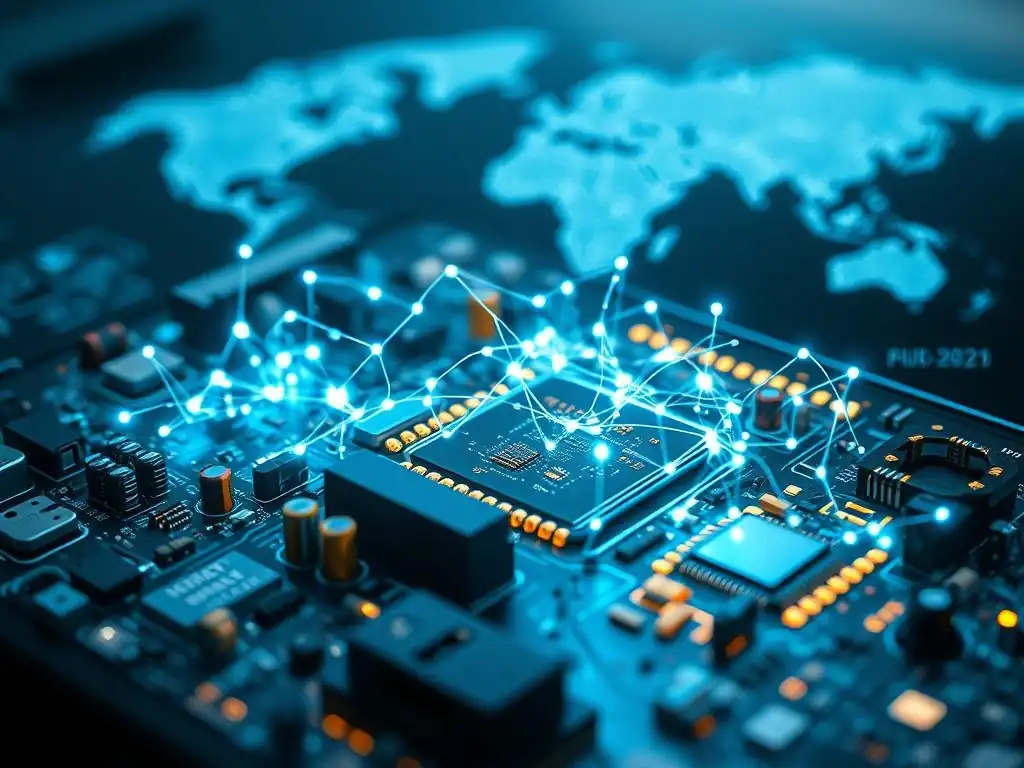
Ever wondered how blockchain can revolutionize the electronics industry? In this article, we unpack how blockchain supply chain electronics visibility is becoming a game-changer, ensuring component clarity and combating counterfeiting. Discover how this innovative approach is reshaping the future of supply chain management and what it means for your business...
Component Clarity: A Blockchain Solution for Supply Chain Visibility in Pharmaceuticals
- The Challenge: Opaque Pharmaceutical Supply Chains and Counterfeit Drugs
- Blockchain for Supply Chain Visibility: A Transformative Solution
- Case Study: Implementing Blockchain for Drug Provenance
- Building a Blockchain-Enabled Pharmaceutical Supply Chain
- Benefits of Blockchain Supply Chain Pharmaceutical Visibility
- Overcoming Challenges in Blockchain Adoption for Pharmaceuticals
- The Future of Blockchain in Pharmaceutical Supply Chain Management
- Conclusion: Blockchain's Role in Securing the Pharmaceutical Supply Chain
-
Frequently Asked Questions
- How does blockchain enhance supply chain visibility in the electronics industry?
- What are the primary benefits of using blockchain for electronics supply chains?
- Can blockchain help companies comply with regulations regarding electronics components?
- What types of electronics companies can benefit from implementing a blockchain-based supply chain solution?
- What are some of the challenges associated with adopting blockchain for supply chain visibility in electronics?
- Final Reflection: Illuminating the Supply Chain
- Unlock Supply Chain Secrets: Take Control Today!
The Challenge: Opaque Pharmaceutical Supply Chains and Counterfeit Drugs
Understanding the Complexity of Pharmaceutical Manufacturing Supply Chains
The pharmaceutical supply chain is a global network involving raw material suppliers, manufacturers, distributors, wholesalers, pharmacies, hospitals, and ultimately, patients. This intricate web is characterized by multiple handoffs, diverse geographical locations, and varying regulatory environments across countries. A single drug might pass through dozens of entities before reaching the end consumer.
This multi-layered structure, while facilitating global distribution, inherently creates points of opacity and vulnerability. Tracing the origin and journey of a specific drug batch through this convoluted path poses a significant challenge, making it difficult to pinpoint exactly where a product has been and who has handled it at any given moment.
Furthermore, the manufacturing process itself adds layers of complexity. Active Pharmaceutical Ingredients (APIs) are often sourced from different regions, processed in various facilities, and combined with excipients before final packaging. Each step requires stringent quality control and adherence to Good Manufacturing Practices (GMP). Maintaining detailed, verifiable records across all these stages and participants is crucial but often fragmented, residing in disparate, siloed systems. This lack of a unified, transparent record makes it difficult to verify the legitimacy and quality of products as they move through the chain, opening avenues for illicit activities.
The High Cost of Counterfeit Pharmaceutical Drugs
Counterfeit drugs represent a grave threat to public health and the global economy. Estimates suggest that the value of the counterfeit drug market could be as high as \$200 billion annually. These fake medications often contain incorrect dosages, harmful substances, or no active ingredients at all, leading to treatment failure, adverse health effects, and even death.
The World Health Organization (WHO) estimates that up to 10% of medical products in low- and middle-income countries are substandard or falsified, though the problem exists globally. Beyond the devastating human cost, counterfeiting erodes patient trust, damages brand reputation for legitimate manufacturers, and results in significant financial losses for the pharmaceutical industry through lost sales and remediation efforts.
Combating this pervasive issue requires robust systems that can verify the authenticity of drugs at multiple points in the supply chain. Current tracking methods, such as paper-based records or centralized databases, are susceptible to tampering, errors, and breaches. Once a counterfeit product enters the legitimate supply chain, it is incredibly difficult to detect and remove, potentially reaching vulnerable patients. The opaque nature of traditional supply chains provides fertile ground for counterfeiters to insert their fraudulent products, highlighting the urgent need for enhanced security and traceability.
The Need for Enhanced Transparency in Pharmaceutical Sourcing
Achieving enhanced transparency throughout the pharmaceutical supply chain, from raw materials to finished products, is paramount. This involves not just tracking finished goods but also understanding the provenance of APIs and other key ingredients. Knowing where ingredients come from, who processed them, and under what conditions is essential for ensuring quality, safety, and ethical sourcing. Current practices often lack this granular level of detail, making it hard to verify claims of origin or sustainability. Regulatory bodies worldwide are increasingly pushing for greater traceability, driven by concerns over drug quality, safety, and the fight against counterfeiting.
Increased transparency also aids in managing recalls more effectively. When a safety issue arises with a specific batch of medication, quickly identifying every entity that received that batch is critical for a rapid and efficient recall. Opaque systems delay this process, potentially exposing more patients to risk. Furthermore, clear visibility into inventory levels and locations across the supply chain can optimize logistics, reduce waste, and ensure that life-saving medications reach where they are needed most, especially during health crises. The demand for verifiable, end-to-end visibility is growing from regulators, healthcare providers, and informed patients alike.
Blockchain for Supply Chain Visibility: A Transformative Solution
How Blockchain Technology Enhances Supply Chain Traceability
Blockchain technology offers a fundamentally new approach to enhancing supply chain traceability by creating a shared, immutable ledger of transactions. In the context of pharmaceutical supply chains, every significant event in a product's journey—from manufacturing completion, packaging, quality control clearance, shipment from a factory, reception by a distributor, transfer to a pharmacy, and even dispensing to a patient—can be recorded as a transaction on the blockchain.
Each transaction is time-stamped, cryptographically secured, and linked to the previous one, forming a chain of blocks. Participants in the network (such as manufacturers, distributors, and pharmacies) can have permissioned access to view this ledger, creating a shared, single source of truth about the product's history.
This distributed ledger eliminates the reliance on siloed, proprietary databases that cannot easily communicate with one another. Instead, all authorized parties contribute to and access the same decentralized record. For example, when a batch of medication leaves a manufacturing plant, this event is recorded on the blockchain.
When it arrives at a distribution center, the reception is also recorded, linking back to the previous event. This creates a verifiable, step-by-step audit trail that is far more comprehensive and trustworthy than traditional methods. This enhanced blockchain supply chain pharmaceuticals visibility allows stakeholders to trace a drug's journey forward from origin or backward from its current location with unprecedented accuracy.
Immutability and Security: Key Advantages of Blockchain for Pharmaceuticals
Two of the most compelling advantages of blockchain technology for the pharmaceutical sector are its immutability and inherent security features. Once a transaction is added to the blockchain and verified by the network participants, it cannot be altered or deleted. If an error occurs, a new transaction must be added to correct it, with the original (erroneous) transaction remaining visible.
This immutability makes the ledger highly resistant to tampering and fraud, a critical feature for combating counterfeit drugs and ensuring data integrity in a regulated industry. Unlike traditional databases which can be centrally modified, altering a blockchain record would require altering every subsequent block across a distributed network, an almost impossible task.
Security is further enhanced through cryptography. Each transaction is cryptographically signed, ensuring its authenticity and verifying the identity of the participant who recorded it. The blocks themselves are linked using cryptographic hashes, where the hash of the previous block is included in the current block. This interlocking mechanism ensures that any attempt to tamper with a historical record would break the chain, immediately alerting network participants to the attempted fraud. This robust security framework provides a high level of trust in the data recorded on the blockchain, making it ideal for tracking sensitive pharmaceutical products.
Decentralized Ledger Technology (DLT) for Improved Data Integrity
Blockchain is a type of Decentralized Ledger Technology (DLT). Unlike traditional centralized databases where a single entity controls and maintains the data, DLT distributes copies of the ledger across a network of participants. This decentralization means there is no single point of failure or control that can be easily compromised.
Even if one node on the network goes offline or is attacked, other nodes maintain the complete ledger, ensuring data availability and resilience. For the pharmaceutical supply chain, this means that critical tracking data is not held hostage by a single company's IT infrastructure but is redundantly stored and accessible to authorized parties across the ecosystem.
This distributed nature, combined with cryptographic security and immutability, significantly improves data integrity. Participants can trust that the data they are viewing is accurate, complete, and has not been tampered with since it was recorded. This shared, tamper-evident record fosters collaboration and trust among supply chain partners who might otherwise be hesitant to share sensitive data. Improved data integrity is fundamental for regulatory compliance, ensuring product quality, and building confidence in the authenticity of medications circulating in the market. Blockchain supply chain pharmaceuticals visibility relies heavily on this foundational integrity provided by DLT.
Case Study: Implementing Blockchain for Drug Provenance
Merck: A Real-World Example of Blockchain in Pharmaceuticals
While a comprehensive public rollout across the entire supply chain is still evolving, major pharmaceutical companies have actively explored and piloted blockchain solutions. Merck (known as MSD outside the US and Canada), a leading global biopharmaceutical company, has been a notable participant in blockchain initiatives aimed at improving drug traceability and fighting counterfeiting. Merck, along with other pharmaceutical giants like Pfizer, Novartis, and Amgen, was part of the MediLedger Project, a consortium focused on developing a blockchain network for the pharmaceutical industry.
The MediLedger Project specifically aimed to address requirements set forth by the U.S. Drug Supply Chain Security Act (DSCSA), which mandates enhanced traceability for prescription drugs. Merck's involvement demonstrated a commitment to exploring how DLT could meet these regulatory demands and provide greater visibility into the complex drug distribution network. Their participation helped validate the potential of blockchain technology to manage transaction data and verify product identifiers across multiple trading partners in a secure and interoperable manner.
The Problem: Lack of Visibility and Counterfeit Risks
Before exploring blockchain, like many pharmaceutical companies, Merck faced the inherent challenges of a fragmented supply chain. Tracking individual drug packages from manufacturing to dispensing involved relying on disparate systems and manual processes at various points. This lack of a seamless, end-to-end view made it difficult to quickly verify the legitimacy of a product encountered further down the chain. The risk of counterfeit products entering the supply chain was a constant concern, not only threatening patient safety but also potentially damaging Merck's reputation and incurring significant costs associated with investigations and recalls.
Ensuring compliance with evolving global regulations, such as the DSCSA which requires unit-level traceability, presented a significant data management challenge. Traditional methods struggled to provide the necessary level of detail and interoperability required to share verifiable transaction history across the diverse network of wholesalers, distributors, and dispensers. The system needed to be robust, secure, and capable of handling a high volume of transactions while maintaining data integrity—a tall order for legacy systems.
The Solution: Blockchain-Based Drug Provenance Platform
Merck's participation in initiatives like MediLedger focused on building a blockchain-based network designed to track prescription drugs at the salable unit level. The core idea was to create a shared, immutable ledger where each movement and change of ownership for a drug package could be recorded. When a manufacturer ships a product, they record this event on the blockchain. When a wholesaler receives it, they record the reception, linking it to the shipment event. This creates a chain of custody verified by network participants.
The platform utilized cryptographic identifiers (like unique serial numbers mandated by DSCSA) linked to blockchain transactions. This allowed participants downstream, such as pharmacies, to scan a drug package and query the blockchain to verify its transaction history and confirm its legitimacy against the recorded chain of ownership.
This provided enhanced blockchain supply chain pharmaceuticals visibility, making it significantly harder for counterfeit products (which would lack a verifiable history on the ledger) to penetrate the legitimate supply chain undetected. The pilot projects demonstrated the technical feasibility and potential benefits of using DLT to meet stringent traceability requirements and build trust across the network.
Building a Blockchain-Enabled Pharmaceutical Supply Chain
Key Features of a Blockchain Supply Chain Platform for Pharmaceuticals
Developing a successful blockchain platform for the pharmaceutical supply chain requires incorporating several key features tailored to the industry's specific needs and regulatory environment. At its core, the platform must provide a shared, permissioned ledger accessible only to authorized participants (manufacturers, distributors, pharmacies, regulators). This ledger should record critical events such as manufacturing batch creation, packaging serialization, quality control release, shipping, receiving, and dispensing. Cryptographic security, including digital signatures and hashing, is essential to ensure the authenticity and integrity of recorded data.
Interoperability is another crucial feature. The platform must be able to integrate with existing enterprise resource planning (ERP) systems, warehouse management systems (WMS), and serialization systems used by different supply chain partners. This ensures a smooth flow of data onto the blockchain without requiring a complete overhaul of legacy infrastructure.
Smart contracts, self-executing contracts with the terms of the agreement directly written into code, can automate processes like payment upon verified delivery or triggering alerts based on specific conditions, adding efficiency and trust. Finally, robust identity management and access control mechanisms are vital to ensure that only authorized personnel and entities can access and write specific types of data to the ledger, maintaining data privacy and security.
Real-Time Tracking and Monitoring of Drugs
One of the significant benefits of a blockchain-enabled pharmaceutical supply chain is the potential for near real-time tracking and monitoring of drugs. As products move through the supply chain, each handoff or status change (e.g., 'in transit', 'received', 'stored at facility X') can be recorded as a transaction on the blockchain. With appropriate integrations and data inputs (potentially from IoT sensors monitoring temperature or location), this ledger provides an up-to-the-minute record of a product's location and condition. This level of granular, timely information is a substantial improvement over traditional batch-level tracking or delayed updates from disparate systems.
This real-time blockchain supply chain pharmaceuticals visibility allows for proactive management of potential issues. For instance, if a shipment is delayed or deviates from its expected route, the system can trigger alerts. If temperature-sensitive medications are being tracked, data from IoT sensors can be written to the blockchain (or referenced by a transaction), providing an immutable record of temperature excursions that might affect product quality. This ability to monitor the journey and condition of drugs in near real-time enhances operational efficiency, improves logistics, and is critical for maintaining the integrity and safety of pharmaceutical products throughout their complex journey.
Secure Data Sharing Among Supply Chain Participants
Secure data sharing is a cornerstone of an effective pharmaceutical supply chain, yet it's often hindered by trust issues and technical barriers between competing or independent entities. A blockchain platform addresses this by providing a secure, shared source of truth. Participants can share relevant transaction data on the distributed ledger without needing to grant direct access to their internal, proprietary databases.
The permissioned nature of enterprise blockchains ensures that participants only see the data they are authorized to view, respecting privacy and confidentiality agreements. For example, a manufacturer might record shipment details, a distributor might record receipt and onward shipment, and a pharmacy might record receipt and dispensing—all on the same ledger, but with different visibility levels depending on their role.
Cryptographic proofs and digital signatures ensure that the data shared is authentic and originates from a verified participant. This builds trust among supply chain partners, enabling smoother collaboration and more efficient processes. Rather than relying on emails, faxes, or insecure data exchanges, all relevant parties can access verifiable, tamper-evident data on the blockchain. This secure, shared infrastructure facilitates compliance reporting, streamlines audits, and creates an environment where information flows transparently and securely, significantly enhancing blockchain supply chain pharmaceuticals visibility across the entire network.
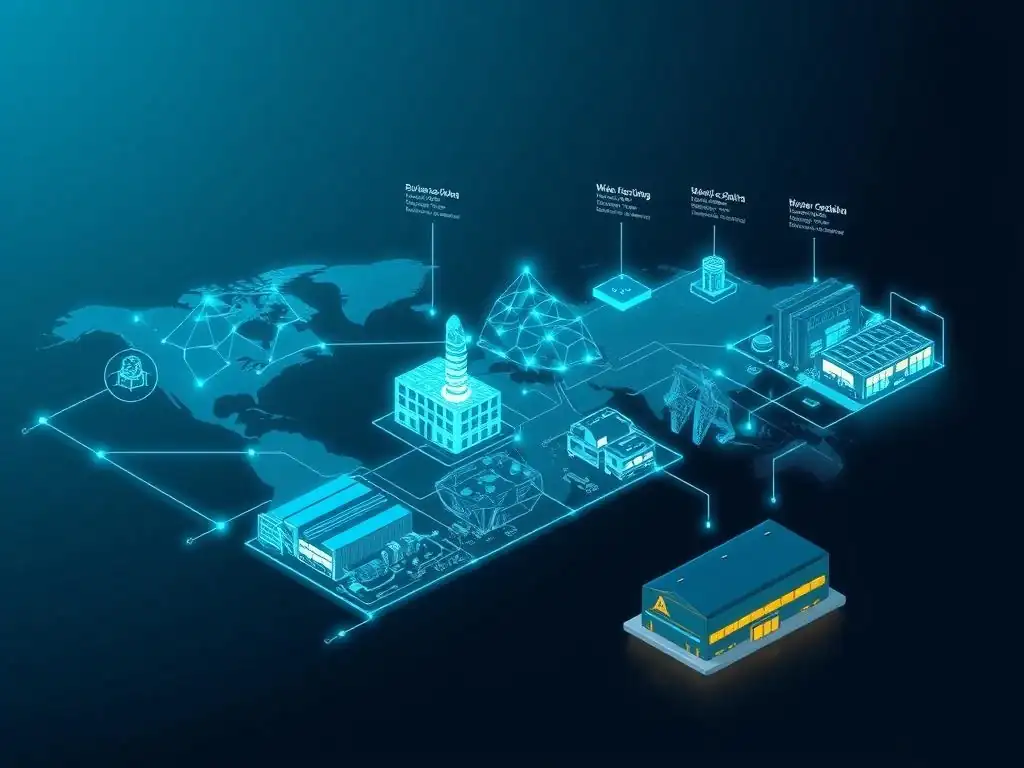
Benefits of Blockchain Supply Chain Pharmaceutical Visibility
Reduced Risk of Counterfeit Drugs
The primary and most impactful benefit of implementing blockchain for pharmaceutical supply chains is the significant reduction in the risk of counterfeit drugs reaching patients. By creating a secure, immutable, and transparent record of a drug's journey from manufacturer to dispenser, blockchain makes it extremely difficult for counterfeit products to infiltrate the legitimate supply chain undetected. Each authentic drug package can be associated with a unique digital identity linked to its blockchain transaction history. Downstream participants, such as pharmacists, can scan the product's identifier and instantly verify its provenance against the blockchain ledger.
A counterfeit product, lacking this verifiable transaction history on the authorized network, would immediately raise a red flag. This point-of-dispensing verification acts as a powerful deterrent to counterfeiters. While no system is foolproof, blockchain dramatically increases the complexity and risk for those attempting to introduce fake medications. The enhanced blockchain supply chain pharmaceuticals visibility allows for rapid identification and isolation of suspicious products, protecting patients from potentially harmful substances and preserving the integrity of the drug supply.
Improved Supply Chain Efficiency and Reduced Costs
Beyond security, blockchain can drive significant improvements in supply chain efficiency and lead to cost reductions. The shared, transparent ledger eliminates the need for time-consuming manual reconciliation of records between different parties. Discrepancies in shipments or receipts can be identified and resolved more quickly. Automation through smart contracts can streamline processes like order fulfillment and payment, reducing administrative overhead. For instance, a smart contract could automatically trigger payment to a distributor once the blockchain confirms that a shipment has been received at the next node in the chain.
Improved inventory management is another area of benefit. With enhanced visibility into the location and status of goods across the network, companies can optimize stock levels, reduce waste due to expiry, and minimize the need for buffer stock. Faster and more accurate recalls also contribute to cost savings by limiting the scope and duration of the recall process. While initial investment in blockchain infrastructure can be substantial, the long-term operational efficiencies and reduced losses from counterfeiting and inefficiencies can lead to significant cost savings across the entire pharmaceutical ecosystem.
Enhanced Compliance and Regulatory Adherence
The pharmaceutical industry is one of the most heavily regulated sectors globally. Regulations like the U.S. DSCSA, the EU's Falsified Medicines Directive (FMD), and similar mandates in other countries require detailed tracking and verification of drug products. Blockchain technology is uniquely suited to help companies meet and exceed these stringent compliance requirements. The immutable ledger provides a tamper-evident audit trail of every transaction, making it easy to generate reports and demonstrate compliance to regulatory bodies.
The ability to quickly access and verify transaction history for specific drug batches or individual units simplifies audits and regulatory checks. Regulators can potentially gain permissioned access to the network to monitor compliance in near real-time, reducing the burden of manual reporting. By providing irrefutable proof of a product's legitimate journey through the supply chain, blockchain helps pharmaceutical companies ensure adherence to serialization, traceability, and verification mandates, thereby avoiding costly fines and legal issues associated with non-compliance. This enhanced blockchain supply chain pharmaceuticals visibility is becoming essential for navigating the complex regulatory landscape.
Increased Patient Trust and Brand Reputation
Ultimately, the goal of securing the pharmaceutical supply chain is to protect patients. By implementing blockchain solutions that reduce the risk of counterfeit drugs and ensure product integrity, pharmaceutical companies can significantly increase patient trust. Patients and healthcare providers can have greater confidence that the medications they receive are authentic, safe, and effective. This transparency builds credibility and strengthens the relationship between drug manufacturers and the end consumers of their products.
A strong track record of ensuring product safety and authenticity through verifiable means like blockchain enhances a pharmaceutical company's brand reputation. In an industry where trust is paramount, demonstrating a proactive approach to combating counterfeiting and ensuring supply chain integrity can be a key differentiator. Positive brand reputation, built on a foundation of safety and reliability, can contribute to market leadership and long-term success. Blockchain supply chain pharmaceuticals visibility is not just about compliance and efficiency; it's fundamentally about safeguarding public health and building lasting trust.
Overcoming Challenges in Blockchain Adoption for Pharmaceuticals
Scalability and Interoperability Considerations
Implementing blockchain across a global, high-volume industry like pharmaceuticals presents significant technical challenges, particularly concerning scalability and interoperability. The pharmaceutical supply chain involves millions of transactions daily, and a blockchain network must be able to handle this volume without becoming slow or prohibitively expensive in terms of transaction fees (relevant for public blockchains, less so for permissioned ones). While enterprise blockchain platforms are designed for higher throughput than public networks like Bitcoin or Ethereum, scaling to accommodate every single drug unit and every transaction globally is a complex undertaking that requires careful architectural design and ongoing optimization.
Interoperability is equally critical. The pharmaceutical ecosystem comprises numerous companies using diverse, often legacy, IT systems. A blockchain platform needs to seamlessly integrate with these existing systems (ERP, WMS, serialization databases) used by manufacturers, wholesalers, distributors, and pharmacies. Ensuring that data can flow accurately and efficiently from these disparate systems onto the blockchain, and that the blockchain data can be accessed and utilized by these systems, requires robust APIs, middleware, and standardization efforts. Achieving true end-to-end blockchain supply chain pharmaceuticals visibility necessitates overcoming these integration hurdles across a fragmented technological landscape.
Data Privacy and Security Concerns
While blockchain offers inherent security features like immutability and cryptography, deploying it in the pharmaceutical sector raises specific data privacy and security concerns. Pharmaceutical supply chain data can be highly sensitive, including information about product quantities, locations, pricing, and potentially even patient dispensing data (though patient data itself should ideally remain off-chain, referenced via anonymized IDs). Ensuring that sensitive commercial data remains private between trading partners while still leveraging the shared ledger for verification requires careful design of permissioning layers and data architecture.
Deciding which data resides on-chain versus off-chain (with hashes on-chain for verification) is a key architectural decision. Protecting the private keys that grant access to the network and the ability to write transactions is paramount. Cybersecurity risks, while different from traditional systems, still exist, such as potential vulnerabilities in smart contract code or attacks on network nodes. Implementing robust governance frameworks, access controls, and undergoing rigorous security audits are essential to mitigate these risks and build confidence in the blockchain platform's ability to protect sensitive pharmaceutical data.
Collaboration and Standardization Across the Supply Chain
Perhaps the most significant non-technical challenge to widespread blockchain adoption in pharmaceuticals is the need for extensive collaboration and standardization across the entire supply chain. A blockchain network is most effective when a critical mass of participants joins and agrees on common protocols and data standards. This requires competing companies—manufacturers, wholesalers, and distributors—to agree on a shared platform and how they will interact with it. Reaching consensus on data formats, transaction types, governance models, and dispute resolution mechanisms is a complex process involving numerous stakeholders with potentially conflicting interests.
Industry-wide initiatives and consortia, like the MediLedger Project mentioned earlier, are crucial for driving this collaboration and developing necessary standards. However, gaining widespread adoption across thousands of companies globally takes time and effort. Educating stakeholders about the benefits of blockchain, addressing concerns about data sharing and control, and aligning incentives are necessary steps to foster the collaborative environment required for a truly interconnected, blockchain-enabled pharmaceutical supply chain that delivers comprehensive blockchain supply chain pharmaceuticals visibility.
The Future of Blockchain in Pharmaceutical Supply Chain Management
Emerging Trends and Innovations
The application of blockchain technology in pharmaceutical supply chain management is rapidly evolving, with several emerging trends and innovations on the horizon. One significant area is the development of more sophisticated smart contracts that can automate complex processes, such as managing chargebacks, handling returns, or even verifying compliance steps programmatically.
Another trend is the exploration of zero-knowledge proofs (ZKPs), a cryptographic technique that allows one party to prove something is true to another party without revealing any specific information beyond the validity of the statement itself. ZKPs could enable participants to verify aspects of a transaction or product history on the blockchain (e.g., verifying a product's origin is within a certain region) without revealing sensitive details (like the exact facility address), enhancing privacy while maintaining verifiability.
Furthermore, advancements in blockchain architecture itself, such as sharding or layer-2 scaling solutions, are being explored to address the scalability challenges inherent in high-volume enterprise applications. The development of industry-specific blockchain protocols tailored to the unique needs and regulatory requirements of the pharmaceutical sector is also a key trend. These innovations aim to make blockchain platforms more performant, private, and adaptable for widespread use across the complex pharmaceutical ecosystem, paving the way for more granular and secure blockchain supply chain pharmaceuticals visibility.
Integration with IoT and Other Technologies
The true power of blockchain in the pharmaceutical supply chain is unlocked when integrated with other complementary technologies, most notably the Internet of Things (IoT). IoT sensors can be attached to drug shipments or storage facilities to monitor critical environmental conditions like temperature, humidity, or location in real-time. This data, collected by sensors, can be fed directly into the blockchain network or referenced by blockchain transactions. This creates an immutable record of the conditions a product experienced throughout its journey, providing verifiable proof of its quality and integrity.
Beyond IoT, integration with Artificial Intelligence (AI) and machine learning can add further value. AI algorithms can analyze the vast amounts of data collected on the blockchain to identify patterns indicative of potential fraud, supply chain bottlenecks, or quality deviations. Machine learning can optimize routes, predict demand, and improve overall supply chain planning based on the transparent, real-time data available on the distributed ledger. Integrating blockchain with serialization systems, ERPs, and regulatory databases through APIs will be crucial for creating a truly intelligent, interconnected, and transparent pharmaceutical supply network.
The Potential for a More Transparent and Secure Pharmaceutical Industry
The widespread adoption of blockchain technology holds the potential to fundamentally transform the pharmaceutical industry, making it significantly more transparent, secure, and trustworthy. By providing end-to-end, verifiable visibility into the movement and provenance of drugs, blockchain can drastically reduce the prevalence of counterfeit medications, safeguarding patient health on a global scale. The resulting increase in trust among supply chain partners, regulators, healthcare providers, and patients can foster a more collaborative and efficient ecosystem.
A future where blockchain is standard in pharmaceutical supply chains means faster recalls, reduced waste, optimized logistics, and streamlined compliance processes. It means a supply chain where the authenticity and quality of every drug can be verified at any point. While challenges remain in achieving this vision, the momentum from industry leaders, regulatory pushes, and technological advancements suggests that blockchain will play an increasingly vital role in securing the pharmaceutical supply chain, leading to a safer and more reliable global drug supply for everyone.
Conclusion: Blockchain's Role in Securing the Pharmaceutical Supply Chain
Blockchain Supply Chain Pharmaceutical Visibility: A Key to Future Success
Achieving comprehensive blockchain supply chain pharmaceuticals visibility is not merely a technical upgrade; it is a strategic imperative for the future success and integrity of the industry. The complexities of global drug distribution, coupled with the persistent threat of counterfeiting and evolving regulatory demands, necessitate a robust, transparent, and secure system. Blockchain technology, with its core attributes of immutability, security, and decentralization, offers a powerful solution to these challenges. By creating a shared, tamper-evident ledger of transactions, it provides an unprecedented level of transparency into the journey of each drug product, from its origin to the patient.
This enhanced visibility is key to unlocking numerous benefits, including a significant reduction in the circulation of dangerous counterfeit drugs, improved operational efficiencies leading to cost savings, streamlined compliance with stringent regulations, and ultimately, increased trust among all stakeholders. While the path to widespread adoption involves overcoming technical hurdles like scalability and interoperability, as well as fostering collaboration and standardization across the ecosystem, the foundational capabilities of blockchain make it uniquely suited to address the pharmaceutical industry's most pressing supply chain challenges.
Moving Towards a More Transparent and Trustworthy Pharmaceutical Ecosystem
The pharmaceutical industry is on a trajectory towards a more transparent and trustworthy ecosystem, and blockchain technology is a crucial enabler of this transformation. By providing a single, shared source of truth about product provenance and movement, blockchain helps dismantle the silos and opacity that have historically plagued the supply chain. This increased transparency not only enhances security and facilitates compliance but also empowers stakeholders with reliable information, fostering greater accountability across the network.
As pilot projects demonstrate feasibility and industry consortia drive standardization, the adoption of blockchain is expected to grow. Integrating blockchain with IoT for real-time condition monitoring and with AI for data analysis will further enhance the capabilities of future pharmaceutical supply chains. The vision is a global network where the authenticity and integrity of every medication can be verified with confidence, ensuring that patients receive safe and effective treatments. Blockchain supply chain pharmaceuticals visibility is poised to become a cornerstone of this safer, more efficient, and ultimately more trustworthy global health infrastructure.
Frequently Asked Questions
How does blockchain enhance supply chain visibility in the electronics industry?
Blockchain provides a shared, immutable ledger, allowing all participants in the supply chain to track components from origin to end-user, creating unprecedented transparency and reducing counterfeiting.
What are the primary benefits of using blockchain for electronics supply chains?
The main advantages include improved traceability of components, enhanced trust among stakeholders, and reduced risk of counterfeit parts entering the market. This translates to cost savings and increased consumer confidence.
Can blockchain help companies comply with regulations regarding electronics components?
Yes, blockchain facilitates compliance by providing an auditable trail of component history, verifying authenticity, and ensuring adherence to environmental and ethical standards.
What types of electronics companies can benefit from implementing a blockchain-based supply chain solution?
Any company involved in the manufacturing, distribution, or resale of electronics, from component manufacturers to final product assemblers, can benefit from increased visibility and security.
What are some of the challenges associated with adopting blockchain for supply chain visibility in electronics?
Challenges include the initial investment in infrastructure, the need for industry-wide collaboration to establish standards, and ensuring data privacy while maintaining transparency.
Final Reflection: Illuminating the Supply Chain
The journey of electronic components from raw materials to finished products is often shrouded in opacity, a challenge that blockchain technology promises to overcome with unprecedented visibility. This article has explored how blockchain can revolutionize supply chain management in the electronics industry, offering a tamper-proof and transparent ledger for tracking components every step of the way.
The potential impact of this technology extends far beyond mere efficiency gains. It's about building trust and accountability within a complex global ecosystem, ensuring ethical sourcing, combating counterfeiting, and ultimately empowering consumers with knowledge. As the demand for electronics continues to surge, the need for verifiable and transparent supply chains becomes ever more critical. Transparency is the currency of trust.
This quote encapsulates the fundamental shift blockchain enables, moving from opaque systems to a future where information is readily accessible and verifiable.
Now, consider the implications of this technology in your own life. How can you, as a consumer, a professional, or simply an informed citizen, advocate for greater transparency in the products you use? Let us embrace the potential of blockchain to build a more ethical, sustainable, and trustworthy future for the electronics industry, one component at a time.
Unlock Supply Chain Secrets: Take Control Today!
Thank you for exploring how blockchain technology can transform supply chain transparency in the electronics industry. We hope you've gained valuable insights into how this innovative approach can improve visibility and efficiency. Now, it's time to turn knowledge into action.
Start by identifying a crucial component in your supply chain and chart its journey using a simple ledger or tracking system. Even a basic spreadsheet can help you visualize the process and identify potential vulnerabilities. This is an important first step toward achieving true transparency.
Consider researching open-source blockchain platforms designed for supply chain management. Tools like Hyperledger Fabric offer tailored solutions that can meet your organization's needs and budget.
Share this article with colleagues in procurement or logistics to spark discussions about blockchain's benefits and how your organization might leverage this technology for greater supply chain resilience.
What is the biggest challenge you face in improving supply chain visibility for your electronics operations? What's one small step inspired by blockchain that you could take this week? Share your thoughts in the comments below!
Leave a Reply