
Interoperability Hurdles: Bridging the Gaps in Blockchain & IoT Ecosystems


Welcome to Blockchain Trends, your compass in the rapidly evolving landscape of decentralized technologies! Beyond the hype of cryptocurrencies, blockchain is revolutionizing industries, from finance to supply chains. This week, we dive deep into a critical aspect of this transformation: the often-overlooked blockchain IoT interoperability challenges. Discover why seamlessly connecting these two powerful technologies is harder than it seems and what innovative solutions are emerging to overcome these hurdles. Intrigued? Let's explore the future of connected, decentralized systems.
Interoperability Hurdles: Bridging the Gaps in Blockchain & IoT Ecosystems
- Introduction: The Promise and Peril of Blockchain IoT Integration
- Understanding the Current State of Blockchain and IoT
- Key Blockchain IoT Interoperability Challenges
- Addressing Blockchain IoT Interoperability Challenges: Potential Solutions
- Blockchain IoT Interoperability Use Cases: Real-World Examples
- Overcoming Blockchain IoT Interoperability Challenges: Future Trends
- Conclusion: Embracing Interoperability for a Connected Future
-
Frequently Asked Questions
- What are the main interoperability challenges facing the integration of Blockchain and IoT?
- How does the lack of standardized protocols hinder Blockchain IoT interoperability?
- What role does decentralized identity play in securing Blockchain IoT ecosystems and addressing interoperability?
- How can middleware solutions facilitate better interoperability between Blockchain and IoT devices?
- What regulatory considerations impact the development and deployment of interoperable Blockchain IoT solutions?
- Final Reflection: Embracing Seamless Connection
- Ignite Innovation: Forge the Future of Interconnected IoT!
Introduction: The Promise and Peril of Blockchain IoT Integration
Exploring the Synergistic Potential of Blockchain and IoT
The convergence of blockchain technology and the Internet of Things (IoT) presents a paradigm shift with the potential to revolutionize industries and reshape how we interact with technology. IoT, with its vast network of interconnected devices generating massive streams of data, promises enhanced efficiency, automation, and real-time insights. Blockchain, on the other hand, offers decentralized security, transparency, and immutability, attributes that are increasingly crucial in an interconnected world.
When these technologies are combined, the synergy is compelling: IoT provides the data and connectivity, while blockchain ensures the integrity, security, and provenance of that data. This integration could unlock new levels of trust and efficiency in sectors ranging from supply chain management to healthcare and smart cities.
However, realizing this synergistic potential is not without its hurdles. While the theoretical benefits of Blockchain IoT integration are widely acknowledged, the practical implementation faces significant obstacles, primarily centered around interoperability. The lack of seamless communication and data exchange between diverse blockchain platforms and heterogeneous IoT devices is a critical bottleneck. Overcoming these interoperability challenges is paramount to unlocking the full transformative power of this technological convergence and ensuring that the promise of a secure, transparent, and efficient future driven by Blockchain and IoT becomes a reality.
Identifying Key Blockchain IoT Interoperability Challenges
The path to successful Blockchain IoT integration is fraught with complexities. The inherent nature of both technologies presents distinct challenges that are amplified when they are brought together. Firstly, the decentralized and often siloed nature of blockchain networks clashes with the diverse and fragmented landscape of IoT devices and communication protocols. This disparity creates significant barriers to seamless data exchange and interoperability. Secondly, security concerns are paramount. IoT devices are often resource-constrained and vulnerable, while blockchain security relies on robust cryptographic mechanisms. Ensuring end-to-end security across this integrated ecosystem requires careful consideration of potential vulnerabilities and trust issues.
Furthermore, scalability is a major concern. IoT networks generate massive volumes of data, and blockchain networks, particularly public blockchains, often struggle with transaction throughput and scalability. Bridging this gap and ensuring that blockchain can handle the demands of IoT data streams is critical.
Finally, regulatory compliance and legal frameworks add another layer of complexity. Data privacy regulations like GDPR and cross-border data transfer issues necessitate careful consideration when implementing Blockchain IoT solutions, particularly given the decentralized and global nature of these technologies. Addressing these key Blockchain IoT interoperability challenges is essential for realizing the full potential of this transformative convergence.
Understanding the Current State of Blockchain and IoT
The Growth of IoT Devices and Data Streams
The Internet of Things is experiencing exponential growth, transforming the digital landscape at an unprecedented pace. Estimates suggest that by 2025, there will be over 75 billion IoT devices globally, ranging from smart sensors in agriculture to connected industrial machinery and wearable health trackers. This proliferation of devices is generating colossal volumes of data.
For example, a single smart factory can generate terabytes of data daily from sensors monitoring production lines, environmental conditions, and equipment performance. Similarly, smart cities initiatives, encompassing everything from traffic management systems to smart grids, are creating vast data streams that hold immense potential for optimization and improved quality of life.
This explosive growth in IoT devices and data streams presents both opportunities and challenges. The sheer volume of data offers unprecedented insights and the potential for automation and efficiency gains across various sectors. However, managing, securing, and effectively utilizing this data deluge requires robust infrastructure and innovative solutions. Traditional centralized systems are increasingly struggling to cope with the scale and complexity of IoT data. This is where blockchain technology emerges as a potentially transformative solution, offering a decentralized and secure framework for managing and leveraging the vast data generated by the expanding IoT ecosystem.
Blockchain's Role in Securing IoT Data
Blockchain technology, initially popularized by cryptocurrencies, offers a suite of features that are particularly well-suited to address the security and data integrity challenges inherent in IoT ecosystems. Its decentralized nature eliminates single points of failure, making the system more resilient to attacks. Cryptographic hashing and consensus mechanisms ensure data immutability and tamper-proof records, crucial for maintaining the integrity of IoT data streams. Furthermore, blockchain's transparency allows for auditable data trails, enhancing trust and accountability in IoT networks.
Consider, for instance, the application of blockchain in securing sensor data in a pharmaceutical supply chain. Temperature sensors monitoring vaccine shipments can record data onto a blockchain. This data, once recorded, is immutable and verifiable, providing irrefutable proof of proper storage conditions throughout the supply chain. This enhanced security and transparency, provided by blockchain, can significantly reduce the risk of counterfeit drugs and ensure the integrity of sensitive pharmaceutical products. Beyond supply chains, blockchain can bolster security in smart grids, industrial IoT, and other sectors where data integrity and security are paramount.
Limitations of Isolated Blockchain and IoT Systems
While both blockchain and IoT offer significant individual advantages, their isolated deployment often falls short of realizing their full potential. Standalone IoT systems, while capable of generating and collecting data, often suffer from security vulnerabilities, data silos, and a lack of transparency. Data collected by IoT devices is frequently stored in centralized databases, creating single points of failure and making the data susceptible to breaches and manipulation. Furthermore, the lack of interoperability between different IoT platforms often leads to data silos, hindering data sharing and collaboration.
Similarly, isolated blockchain networks, without integration with real-world data sources like IoT, remain largely confined to digital assets and transactions. While providing secure and transparent ledgers, their impact on physical processes and real-world applications is limited.
For example, a blockchain-based supply chain tracking system that relies solely on manually entered data is still vulnerable to human error and data manipulation at the point of entry. To truly unlock the transformative potential of both technologies, it is crucial to bridge the gap between the digital realm of blockchain and the physical world of IoT, fostering seamless interoperability and data flow between these ecosystems.
Key Blockchain IoT Interoperability Challenges
Data Silos and Lack of Standardized Protocols
Fragmentation in IoT Device Communication
One of the most significant Blockchain IoT interoperability challenges stems from the fragmented nature of the IoT landscape. The IoT ecosystem is characterized by a vast array of devices from diverse manufacturers, utilizing a multitude of communication protocols. These protocols range from low-power wireless technologies like Zigbee and LoRaWAN, commonly used in sensor networks, to higher-bandwidth protocols like Wi-Fi and cellular technologies for more data-intensive applications. This heterogeneity in communication protocols creates significant barriers to seamless data exchange between different IoT devices and platforms.
Consider a smart home environment. Different smart devices, such as lighting systems, security cameras, and smart appliances, might use proprietary communication protocols or different standards like Z-Wave or Thread. Integrating data from these disparate devices into a unified blockchain platform becomes a complex undertaking, requiring protocol translation and data harmonization. This fragmentation extends beyond smart homes to industrial IoT and other sectors, hindering the creation of truly interoperable and integrated Blockchain IoT solutions. The lack of standardized communication protocols necessitates the development of bridging technologies and standardized interfaces to facilitate seamless data flow across diverse IoT ecosystems.
Diverse Blockchain Network Architectures
Adding to the complexity, the blockchain ecosystem itself is also characterized by diverse network architectures and consensus mechanisms. Various blockchain platforms exist, each with its own unique features, functionalities, and governance models. Public blockchains like Ethereum and Bitcoin, permissioned blockchains like Hyperledger Fabric, and private blockchains each operate with different levels of openness, scalability, and security characteristics. This diversity in blockchain architectures presents a significant interoperability challenge when integrating with IoT systems.
For instance, an IoT application might be built to interact with a permissioned blockchain optimized for enterprise use, while another part of the system might rely on data stored on a public blockchain for transparency and immutability. Bridging these different blockchain networks and ensuring seamless data exchange between them is a non-trivial task. Different blockchains often use incompatible data formats, transaction structures, and smart contract languages, further complicating interoperability efforts. Overcoming this challenge requires the development of cross-chain communication technologies and standardized interfaces that can facilitate data exchange and interaction across diverse blockchain platforms.
Security Vulnerabilities and Trust Issues
Addressing IoT Device Security Risks
Security is a paramount concern in IoT deployments, and these vulnerabilities are amplified when integrating with blockchain. Many IoT devices, particularly low-cost sensors and embedded systems, are designed with limited processing power and memory, making robust security implementations challenging. Default passwords, unpatched firmware vulnerabilities, and insecure communication protocols are common weaknesses that attackers can exploit to compromise IoT devices. A compromised IoT device can not only disrupt operations but also inject malicious data into the blockchain, undermining the integrity of the entire system.
Consider the example of a smart agriculture deployment using IoT sensors to monitor soil conditions and automate irrigation systems. If these sensors are not adequately secured, attackers could compromise them and manipulate the data, leading to incorrect irrigation decisions, crop damage, and financial losses. In a Blockchain IoT system, such compromised data could be recorded onto the blockchain, potentially leading to irreversible consequences based on faulty information. Therefore, addressing IoT device security risks through robust authentication mechanisms, secure firmware updates, and network segmentation is crucial for building secure and trustworthy Blockchain IoT solutions.
Establishing Trust Across Decentralized Ledgers
While blockchain inherently enhances trust through decentralization and immutability, establishing trust across different decentralized ledgers in a Blockchain IoT ecosystem presents its own set of challenges. In a multi-blockchain environment, where data and transactions might span across different blockchain networks, ensuring consistent trust and security policies across these diverse ledgers is critical. Different blockchains may have varying levels of security, consensus mechanisms, and governance models, which can impact the overall trust level of the integrated system.
For example, in a supply chain application involving multiple stakeholders, each stakeholder might operate on a different blockchain network tailored to their specific needs. Ensuring that data and transactions exchanged between these blockchains are consistently verified and trusted requires robust cross-chain trust mechanisms. This could involve techniques like atomic swaps, sidechains, or relay chains to facilitate secure and verifiable data transfer between different blockchain networks. Establishing trust across decentralized ledgers is essential for building truly interoperable and secure Blockchain IoT ecosystems that can withstand attacks and maintain data integrity across diverse network environments.
Scalability Bottlenecks and Performance Constraints
Handling High Volumes of IoT Data on Blockchains
Scalability is a critical bottleneck in Blockchain IoT interoperability, particularly when dealing with the massive data volumes generated by IoT devices. Traditional blockchain networks, especially public blockchains using proof-of-work consensus mechanisms, often suffer from limited transaction throughput and high latency. These limitations can become a significant bottleneck when handling the continuous data streams from thousands or even millions of IoT devices. Recording every piece of sensor data directly onto a blockchain can quickly overwhelm the network, leading to congestion, delays, and high transaction fees.
Imagine a smart city deployment with thousands of sensors monitoring traffic flow, air quality, and public transportation. If each sensor reading is recorded as a separate transaction on a blockchain, the sheer volume of transactions could overwhelm even relatively scalable blockchain platforms. This scalability bottleneck necessitates the adoption of innovative solutions to handle high volumes of IoT data on blockchains. Techniques like data aggregation, off-chain storage, and layer-2 scaling solutions are crucial for enabling blockchain to effectively manage the data deluge from large-scale IoT deployments.
Optimizing Transaction Throughput for IoT Applications
Optimizing transaction throughput is crucial for enabling real-time or near-real-time IoT applications on blockchain. Many IoT applications, such as industrial automation, autonomous vehicles, and real-time monitoring systems, require low latency and high transaction processing speeds. Traditional blockchain transaction processing times, which can range from seconds to minutes, are often insufficient for these time-sensitive applications. Achieving the required transaction throughput for IoT applications necessitates exploring and implementing various optimization techniques.
Layer-2 scaling solutions, such as state channels and rollups, offer promising approaches to improve transaction throughput without compromising the security and decentralization of the underlying blockchain. These solutions enable off-chain transaction processing and aggregation, reducing the load on the main blockchain. Furthermore, exploring alternative consensus mechanisms, such as proof-of-stake or delegated proof-of-stake, which offer higher throughput compared to proof-of-work, can also contribute to optimizing transaction speeds for IoT applications. Developing and implementing these optimization strategies is essential for making blockchain a viable technology for real-time and high-throughput IoT use cases.
Regulatory Compliance and Legal Frameworks
Navigating Data Privacy Regulations (e.g., GDPR)
Regulatory compliance, particularly data privacy regulations like the General Data Protection Regulation (GDPR) in Europe, poses significant challenges for Blockchain IoT interoperability. GDPR and similar regulations grant individuals significant rights over their personal data, including the right to access, rectify, and erase their data. The immutable nature of blockchain, while beneficial for data integrity, can conflict with the "right to be forgotten" under GDPR. Storing personal data directly on a public blockchain makes it difficult, if not impossible, to comply with data erasure requests.
Consider a healthcare application using IoT devices to monitor patient health data and store it on a blockchain for secure access and sharing. If personal health data is directly recorded on an immutable blockchain, complying with a patient's request to erase their data becomes problematic under GDPR.
Navigating these data privacy regulations requires careful consideration of data storage strategies, data anonymization techniques, and access control mechanisms in Blockchain IoT solutions. Solutions like storing only encrypted or anonymized data on the blockchain, while keeping the actual personal data off-chain in compliant storage systems, are being explored to address these regulatory challenges.
Addressing Cross-Border Data Transfer Issues
Cross-border data transfer issues further complicate regulatory compliance in global Blockchain IoT deployments. Many countries have regulations governing the transfer of personal data across their borders. These regulations often require specific legal mechanisms and safeguards to be in place to ensure data protection when data is transferred outside of a jurisdiction. In a global IoT network spanning multiple countries, data generated by IoT devices might need to be transferred and processed across different jurisdictions. Integrating blockchain into such a global IoT ecosystem adds another layer of complexity to cross-border data transfer compliance.
For instance, a multinational supply chain tracking system using Blockchain and IoT might involve data transfer across countries with varying data privacy regulations. Ensuring compliance with all relevant data transfer regulations in each jurisdiction requires careful planning and implementation of appropriate legal and technical safeguards.
Solutions like data localization, where data is stored and processed within specific geographical regions, and the use of standardized legal frameworks for cross-border data transfer are being explored to address these challenges in global Blockchain IoT deployments. Addressing cross-border data transfer issues is crucial for enabling the widespread adoption of Blockchain IoT solutions in a globalized world.
Addressing Blockchain IoT Interoperability Challenges: Potential Solutions
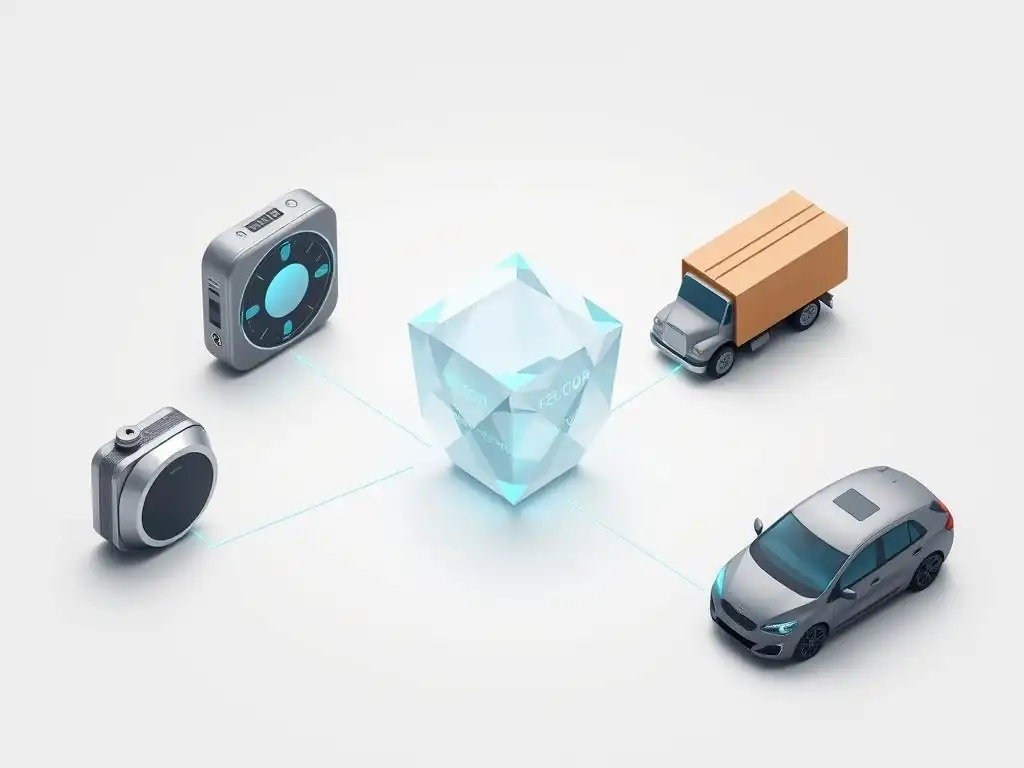
Standardizing Communication Protocols and Data Formats
Promoting Open-Source Initiatives and Collaboration
Addressing the fragmentation in IoT communication protocols and data formats necessitates promoting open-source initiatives and fostering collaboration across the industry. Open-source initiatives can drive the development and adoption of standardized protocols and data formats that facilitate interoperability between different IoT devices and platforms. Industry-wide collaboration, involving device manufacturers, platform providers, and blockchain developers, is crucial for establishing common standards and ensuring their widespread adoption.
Organizations like the Open Connectivity Foundation (OCF) and the AllSeen Alliance (now part of OCF) are working to develop open standards for IoT device communication. Promoting and supporting these open-source initiatives can contribute significantly to reducing fragmentation and improving interoperability in the IoT landscape. Furthermore, encouraging collaboration between blockchain consortia and IoT standardization bodies can help align efforts and develop interoperability standards that specifically address the needs of Blockchain IoT integrations. Open-source collaboration and industry-wide standardization are key to building a more interoperable and connected Blockchain IoT ecosystem.
Leveraging Interoperability Standards (e.g., IEEE P2418.5)
Leveraging existing and emerging interoperability standards is a crucial step towards bridging the gaps in Blockchain IoT ecosystems. Standards bodies like IEEE, ISO, and ETSI are actively developing standards aimed at improving interoperability across various aspects of IoT and blockchain technologies. For example, IEEE P2418.5 is a standard specifically focused on blockchain and IoT interoperability, defining a framework and guidelines for integrating these technologies. Adopting and implementing these interoperability standards can significantly reduce the complexities and costs associated with building Blockchain IoT solutions.
The IEEE P2418.5 standard, for instance, provides a reference architecture and defines key interoperability points between blockchain and IoT systems. It addresses aspects such as data exchange formats, communication protocols, and security considerations for integrated Blockchain IoT deployments. By adhering to such standards, developers can ensure that their Blockchain IoT solutions are more easily interoperable with other systems and platforms that also comply with the same standards. Promoting the awareness and adoption of interoperability standards like IEEE P2418.5 is essential for fostering a more interconnected and interoperable Blockchain IoT ecosystem.
Developing Interoperable Blockchain Platforms
Exploring Cross-Chain Communication Technologies
Developing interoperable blockchain platforms is crucial for overcoming the challenges posed by diverse blockchain network architectures. Cross-chain communication technologies, such as atomic swaps, sidechains, relay chains, and blockchain bridges, offer promising solutions for enabling data and value transfer between different blockchain networks. These technologies allow for the creation of interconnected blockchain ecosystems where data and assets can seamlessly flow across different platforms.
For example, Polkadot and Cosmos are projects focused on building interoperable blockchain networks using relay chains and inter-blockchain communication protocols. These platforms aim to create an "internet of blockchains" where different blockchains can communicate and interact with each other. Exploring and leveraging these cross-chain communication technologies can significantly enhance Blockchain IoT interoperability by enabling seamless data exchange and interaction between IoT applications built on different blockchain platforms. Further development and adoption of cross-chain technologies are essential for building a more interconnected and interoperable blockchain landscape for IoT integrations.
Implementing Layer-2 Scaling Solutions for IoT Data
Implementing layer-2 scaling solutions is vital for addressing the scalability bottlenecks associated with handling high volumes of IoT data on blockchains. Layer-2 solutions, such as state channels, rollups, and sidechains, provide off-chain transaction processing capabilities, reducing the load on the main blockchain and significantly improving transaction throughput. These solutions are particularly well-suited for IoT applications that generate continuous data streams and require high transaction speeds.
For instance, state channels allow for direct, off-chain communication and transaction processing between participants, with only the final state being recorded on the main blockchain. Rollups aggregate multiple transactions into a single on-chain transaction, significantly increasing transaction throughput. Sidechains are independent blockchains that run parallel to the main chain and can handle a large volume of transactions. Implementing these layer-2 scaling solutions can enable blockchain to effectively handle the data deluge from large-scale IoT deployments and support real-time IoT applications that require high transaction throughput and low latency.
Enhancing Security and Privacy Mechanisms
Utilizing Secure Enclaves and Trusted Execution Environments (TEEs)
Enhancing security and privacy in Blockchain IoT systems requires utilizing secure enclaves and trusted execution environments (TEEs). TEEs are hardware-based secure environments that provide isolated and protected execution environments for sensitive computations and data. Utilizing TEEs in IoT devices can significantly enhance device security by protecting cryptographic keys, sensitive data, and critical code from unauthorized access and tampering.
For example, secure enclaves can be used to securely store cryptographic keys on IoT devices, preventing key extraction even if the device is physically compromised. TEEs can also be used to perform secure data processing and computation on IoT devices, ensuring data confidentiality and integrity even in untrusted environments. Integrating TEEs into IoT devices and blockchain platforms can significantly enhance the security and privacy of Blockchain IoT solutions, mitigating risks associated with device vulnerabilities and data breaches.
Implementing Data Encryption and Access Control Policies
Implementing robust data encryption and access control policies is crucial for addressing data privacy and security concerns in Blockchain IoT systems. Data encryption protects sensitive data from unauthorized access, both in transit and at rest. End-to-end encryption, from IoT devices to blockchain storage, ensures data confidentiality throughout the entire system. Access control policies, implemented through mechanisms like attribute-based access control (ABAC) and role-based access control (RBAC), restrict data access to authorized users and devices based on predefined rules and policies.
For instance, in a healthcare Blockchain IoT application, patient health data can be encrypted on IoT devices and remain encrypted while being transmitted and stored on the blockchain. Access control policies can be implemented to ensure that only authorized healthcare professionals have access to decrypt and view patient data. Implementing strong data encryption and access control policies is essential for complying with data privacy regulations like GDPR and building trustworthy and privacy-preserving Blockchain IoT solutions.
Fostering Collaboration and Ecosystem Development
Building Partnerships Between Blockchain and IoT Companies
Fostering collaboration and ecosystem development is paramount for accelerating the adoption and interoperability of Blockchain IoT solutions. Building strategic partnerships between blockchain companies and IoT companies is crucial for bringing together the expertise and resources needed to address interoperability challenges and develop integrated solutions. These partnerships can facilitate knowledge sharing, joint development efforts, and the creation of standardized interfaces and protocols that promote interoperability.
For example, a blockchain platform provider can partner with an IoT device manufacturer to develop blockchain-enabled IoT devices with built-in security and interoperability features. Similarly, a blockchain solution provider can collaborate with an IoT platform provider to integrate blockchain functionalities into existing IoT platforms, enhancing security, transparency, and data integrity. Building these partnerships is essential for creating a vibrant and collaborative ecosystem that drives innovation and interoperability in the Blockchain IoT space.
Creating Industry Consortia to Drive Interoperability
Creating industry consortia dedicated to driving Blockchain IoT interoperability is a powerful approach to accelerate progress and achieve industry-wide standardization. Industry consortia can bring together stakeholders from across the Blockchain and IoT ecosystems, including device manufacturers, platform providers, blockchain developers, and industry experts, to collectively address interoperability challenges and develop common standards and best practices.
Consortia can facilitate collaborative research and development efforts, promote the adoption of interoperability standards, and establish certification programs to ensure compliance and interoperability of Blockchain IoT solutions. Examples of existing consortia focused on blockchain and IoT include the Trusted IoT Alliance and the Blockchain in Transport Alliance (BiTA). Creating and supporting industry consortia focused specifically on Blockchain IoT interoperability is crucial for fostering collaboration, driving standardization, and accelerating the widespread adoption of interoperable Blockchain IoT solutions.
Blockchain IoT Interoperability Use Cases: Real-World Examples
Supply Chain Management: Enhancing Traceability and Transparency
Blockchain IoT interoperability offers transformative potential for supply chain management, significantly enhancing traceability and transparency. By integrating IoT sensors with blockchain, businesses can track goods in real-time throughout the supply chain, from origin to consumer. Sensors embedded in packages or shipping containers can continuously record location, temperature, humidity, and other relevant data onto a blockchain. This immutable and transparent record provides irrefutable proof of product provenance, condition, and chain of custody.
For instance, consider the pharmaceutical industry. Counterfeit drugs pose a significant threat, and blockchain IoT can combat this by providing end-to-end traceability. Sensors monitoring temperature-sensitive medications can record data onto a blockchain, ensuring that vaccines or drugs are stored within the required temperature range throughout the supply chain.
This real-time visibility and immutable record enhance trust and accountability, reducing the risk of counterfeit drugs and ensuring patient safety. Similarly, in the food industry, Blockchain IoT can track food products from farm to table, providing consumers with transparent information about origin, processing, and handling, improving food safety and building consumer confidence.
Smart Cities: Improving Data Sharing and Security
Smart cities initiatives can greatly benefit from Blockchain IoT interoperability, improving data sharing and security across various city services. Smart city deployments involve a vast network of interconnected sensors, devices, and systems, generating massive amounts of data related to traffic management, energy consumption, public safety, and environmental monitoring. Blockchain can provide a secure and transparent platform for managing and sharing this data across different city departments and stakeholders, breaking down data silos and improving efficiency.
For example, in a smart traffic management system, IoT sensors can collect real-time traffic data, and blockchain can ensure the integrity and security of this data while facilitating data sharing between traffic control centers, emergency services, and transportation providers. This improved data sharing and transparency can optimize traffic flow, reduce congestion, and improve emergency response times.
Furthermore, blockchain can enhance the security of smart city infrastructure by securing IoT devices and protecting sensitive data from cyberattacks, building more resilient and secure smart city environments. Estimates from Juniper Research suggest smart city spending will reach \$70 billion by 2025, highlighting the growing importance and potential impact of Blockchain IoT in this sector.
Healthcare: Securing Patient Data and Streamlining Processes
The healthcare sector stands to gain significantly from Blockchain IoT interoperability, particularly in securing patient data and streamlining healthcare processes. Wearable health trackers, medical devices, and remote patient monitoring systems generate a wealth of sensitive patient data. Integrating blockchain with these IoT devices can provide a secure and patient-centric platform for managing and sharing health data. Blockchain's security and immutability can ensure the integrity and confidentiality of patient data, while its transparency can empower patients with greater control over their health records.
Consider remote patient monitoring for chronic conditions. IoT sensors can continuously monitor vital signs like heart rate, blood pressure, and glucose levels, recording this data securely onto a blockchain. Patients can grant permissioned access to their healthcare providers, enabling remote monitoring, early detection of health issues, and personalized treatment plans.
Blockchain can also streamline administrative processes in healthcare, such as claims processing and medical record management, reducing costs and improving efficiency. The global healthcare blockchain market is projected to reach \$5.61 billion by 2025 according to a report by Grand View Research, indicating the significant interest and investment in this area.
Overcoming Blockchain IoT Interoperability Challenges: Future Trends
The Rise of Decentralized Identity Solutions for IoT Devices
Decentralized identity solutions are emerging as a crucial trend for enhancing Blockchain IoT interoperability and security. Traditional centralized identity management systems are often vulnerable to single points of failure and data breaches. Decentralized identity (DID) solutions, leveraging blockchain technology, provide a more secure and privacy-preserving approach to managing digital identities for IoT devices. DIDs enable IoT devices to have self-sovereign identities, controlled by the device owner or authorized entity, rather than relying on centralized authorities.
For instance, DIDs can be used to securely authenticate IoT devices to blockchain networks and other systems, eliminating the need for centralized authentication servers and reducing the risk of identity theft and unauthorized access. DIDs can also facilitate secure device-to-device communication and data sharing, enhancing trust and interoperability in IoT ecosystems. The adoption of decentralized identity solutions for IoT devices is expected to grow significantly in the coming years, contributing to more secure and interoperable Blockchain IoT deployments.
The Convergence of Blockchain, IoT, and AI
The convergence of blockchain, IoT, and Artificial Intelligence (AI) represents a powerful future trend with the potential to unlock new levels of intelligence and automation in interconnected systems. IoT provides the data, blockchain ensures data integrity and security, and AI enables intelligent data analysis and decision-making. This convergence can lead to the development of intelligent and autonomous systems that can learn, adapt, and optimize their operations based on real-time data.
For example, in smart manufacturing, IoT sensors can collect data from production lines, blockchain can secure and verify this data, and AI algorithms can analyze the data to identify inefficiencies, predict equipment failures, and optimize production processes. This convergence of technologies can create self-optimizing and resilient systems that enhance efficiency, reduce costs, and improve overall performance. The synergy between blockchain, IoT, and AI is expected to drive significant innovation and transformation across various industries in the future.
The Development of Interoperable IoT Marketplaces
The development of interoperable IoT marketplaces is another significant future trend that can address Blockchain IoT interoperability challenges and unlock new economic opportunities. Current IoT marketplaces are often fragmented and siloed, limiting data sharing and value creation. Blockchain-based IoT marketplaces can provide a decentralized and transparent platform for buying, selling, and exchanging IoT data and services. Interoperability is crucial for these marketplaces to thrive, enabling seamless data exchange and interaction between different IoT devices and platforms.
Interoperable IoT marketplaces can facilitate the monetization of IoT data, creating new revenue streams for device owners and data providers. They can also foster innovation by providing a platform for developers to access and utilize diverse IoT data sources to build new applications and services. The development of standardized APIs, protocols, and data formats is essential for enabling interoperability in IoT marketplaces and unlocking their full potential to drive economic growth and innovation in the IoT ecosystem.
Conclusion: Embracing Interoperability for a Connected Future
The Importance of Addressing Blockchain IoT Interoperability Challenges
Addressing Blockchain IoT interoperability challenges is not merely a technical hurdle; it is a strategic imperative for realizing the full potential of these transformative technologies. Interoperability is the cornerstone of a truly connected and integrated future, where blockchain and IoT can seamlessly work together to create secure, transparent, and efficient systems across industries. Overcoming these challenges is essential for unlocking the synergistic benefits of Blockchain and IoT and driving widespread adoption of these technologies.
The lack of interoperability creates silos, hinders data sharing, and limits the scalability and efficiency of Blockchain IoT solutions. Addressing these challenges through standardization, cross-chain technologies, and collaborative efforts is crucial for building a more connected and interoperable ecosystem. Embracing interoperability is not just about technical compatibility; it is about fostering collaboration, innovation, and a shared vision for a future where blockchain and IoT empower a more connected, secure, and efficient world.
The Potential for Blockchain and IoT to Transform Industries
The combined power of blockchain and IoT holds immense potential to transform industries and reshape the way we interact with technology and the physical world. From revolutionizing supply chains and creating smarter cities to transforming healthcare and enabling new business models, Blockchain IoT has the potential to drive significant economic and societal benefits. However, realizing this transformative potential hinges on effectively addressing the interoperability challenges that currently hinder seamless integration and widespread adoption.
By embracing interoperability, fostering collaboration, and investing in innovative solutions, we can unlock the full synergistic power of blockchain and IoT. This convergence has the potential to create more secure, transparent, efficient, and intelligent systems that can address some of the world's most pressing challenges and build a more connected and prosperous future. The journey towards a fully interoperable Blockchain IoT ecosystem is ongoing, but the potential rewards are vast, promising a future where these technologies work in harmony to transform industries and improve lives globally.
Frequently Asked Questions
What are the main interoperability challenges facing the integration of Blockchain and IoT?
The primary hurdles include differing data formats, security protocols, and scalability issues. These differences make seamless communication and data exchange difficult.
How does the lack of standardized protocols hinder Blockchain IoT interoperability?
Without common standards, devices and blockchain networks struggle to understand and validate each other's data. This leads to integration complexities and increased costs.
What role does decentralized identity play in securing Blockchain IoT ecosystems and addressing interoperability?
Decentralized identity solutions can provide a secure and verifiable way for IoT devices to interact with blockchain networks. This enhances trust and simplifies authentication processes.
How can middleware solutions facilitate better interoperability between Blockchain and IoT devices?
Middleware acts as a bridge, translating data and protocols between disparate systems. It enables seamless communication and reduces the complexity of integration.
What regulatory considerations impact the development and deployment of interoperable Blockchain IoT solutions?
Regulations regarding data privacy, security, and liability can significantly affect the design and implementation of these systems. Compliance with these regulations is crucial for adoption.
Final Reflection: Embracing Seamless Connection
The exploration of Blockchain IoT interoperability challenges reveals a critical juncture in technological evolution. While the potential of a seamlessly connected future powered by these technologies remains immense, the hurdles we've discussed highlight the urgent need for collaborative solutions and standardized protocols to unlock their full potential. The current fragmented landscape underscores the importance of addressing these challenges now to avoid stifling innovation and hindering the widespread adoption of these transformative technologies.
The journey towards true interoperability is not just a technical one; it's a cultural shift, demanding open communication and shared vision. Witnessing the slow but steady progress in overcoming these challenges reinforces the belief that collaboration is the key to unlocking a future where data flows freely and securely between blockchain and IoT devices. The best way to predict the future is to create it.
- Peter Drucker. This quote encapsulates the spirit of innovation required to overcome the interoperability hurdles and build a truly connected world.
As we conclude this exploration, consider the role you can play in fostering this interconnected future. Reflect on the potential of blockchain and IoT to revolutionize industries and improve lives, and ask yourself: how can you contribute to bridging the gaps and building a more seamless, secure, and efficient world? The future of technology is not just about innovation, but about connection. Embrace the challenge, and let's build that future together.
Ignite Innovation: Forge the Future of Interconnected IoT!
Thank you for exploring the complexities of blockchain and IoT interoperability. We hope you gained valuable insights into the challenges and opportunities ahead. Now, it's time to actively shape this interconnected future. Here’s how you can contribute:
- Prioritize and implement a test case for integrating IoT devices with blockchain technology within your organization or community. This hands-on approach will deepen your understanding of interoperability challenges and solutions.
- Explore emerging standards and protocols that facilitate seamless integration and foster common ground among different systems.
- Share this article with your network and spark meaningful discussions within the blockchain and IoT communities.
What innovative interoperability solution are you most excited to see develop in the coming year?
Leave a Reply