
Data Integrity in Supply Chains: How Blockchain Guarantees Accuracy and Reliability


Welcome to Blockchain Trends, your compass in the rapidly evolving world of decentralized technology. Are you ready to unlock the secrets to building trustworthy and efficient supply chains? In this article, we delve into the crucial role of blockchain supply chain data integrity, exploring how this innovative approach guarantees accuracy and reliability, transforming industries one block at a time. Intrigued? Discover how blockchain is revolutionizing the way goods are tracked and verified, and what this means for the future of global commerce.
Data Integrity in Supply Chains: How Blockchain Guarantees Accuracy and Reliability
- Introduction: The Critical Need for Data Integrity in Modern Supply Chains
- Blockchain Technology: A Solution for Enhanced Supply Chain Data Integrity
- Blockchain-Based Data Integrity Mechanisms in Supply Chain Management
- Benefits of Blockchain for Supply Chain Data Reliability
- Real-World Applications of Blockchain in Supply Chain Data Integrity
- Implementing Blockchain for Data Integrity: Key Considerations
- Overcoming Barriers to Blockchain Adoption for Supply Chain Data
- The Future of Blockchain and Supply Chain Data Accuracy
- Conclusion: Blockchain as a Cornerstone for Supply Chain Data Integrity
-
Frequently Asked Questions
- How does blockchain technology enhance data integrity in supply chains?
- What are the key benefits of using blockchain for supply chain data integrity?
- Can blockchain help combat counterfeit goods in the supply chain?
- What role do smart contracts play in ensuring data integrity within a blockchain-based supply chain?
- What are the main challenges to adopting blockchain for supply chain data integrity?
- Final Reflection: Securing Trust in Every Link
- Fortify Your Supply Chain: Embrace Blockchain Now!
Introduction: The Critical Need for Data Integrity in Modern Supply Chains
The Challenges of Traditional Supply Chain Data Management
Traditional supply chain data management systems often rely on disparate, centralized databases and manual processes. This fragmentation leads to significant challenges in maintaining data integrity. Information about product origin, movements, and ownership is frequently siloed within different organizations—manufacturers, distributors, logistics providers, and retailers—each using their own systems. This creates a lack of a single, unified source of truth, making it difficult to verify data accuracy and consistency across the entire chain. Errors, whether accidental or intentional, can easily propagate without detection.
Moreover, the reliance on paper-based records or easily alterable digital documents increases the risk of data manipulation. A study by the World Economic Forum in 2020 estimated that data inaccuracies and lack of transparency cost the global supply chain industry billions of dollars annually. For example, discrepancies in shipping manifests or quality control records can lead to delays, disputes, and significant financial losses. Without robust mechanisms to ensure data integrity in supply chains, businesses face persistent challenges in trust and efficiency.
Why Data Integrity Matters for Supply Chain Efficiency and Trust
High-quality, reliable data is the bedrock of an efficient and trustworthy supply chain. Accurate data allows for better forecasting, inventory management, and logistics planning, directly impacting operational efficiency and cost reduction. When stakeholders can trust the data they receive, decision-making is faster and more informed. For instance, knowing the exact location and condition of goods in transit minimizes delays and reduces the risk of spoilage for perishable items.
Beyond operational benefits, data integrity is crucial for building trust among supply chain partners and with consumers. Consumers increasingly demand transparency regarding product sourcing, ethical labor practices, and sustainability. Businesses also need to trust the authenticity and quality claims made by their suppliers. Compromised data integrity can erode this trust, leading to reputational damage, legal issues, and a loss of market share. Ensuring blockchain supply chain data integrity becomes paramount for fostering collaboration and meeting evolving market demands.
Blockchain Technology: A Solution for Enhanced Supply Chain Data Integrity
Understanding Blockchain's Role in Ensuring Accurate Supply Chain Data
Blockchain technology offers a transformative approach to enhancing data integrity in supply chains by providing a decentralized, immutable, and transparent ledger. Instead of data being stored in isolated, vulnerable databases, it is recorded on a shared ledger distributed across multiple nodes in a network. Each transaction or data entry is cryptographically linked to the previous one, forming a chain of blocks. This structure makes it incredibly difficult and computationally expensive to alter past records without the consensus of the network participants, effectively creating a tamper-evident audit trail for supply chain data.
By establishing a single, shared version of the truth accessible to all authorized participants, blockchain significantly reduces data silos and inconsistencies. When a product moves from one party to another, or a quality check is performed, this event can be recorded as a transaction on the blockchain. This process standardizes data entry and ensures that all parties are viewing the same, verified information. This fundamental shift from siloed, centralized systems to a distributed, verifiable ledger is key to improving blockchain supply chain data integrity.
Immutable Records: How Blockchain Prevents Data Tampering in Supply Chains
The immutability of blockchain records is a cornerstone of its ability to prevent data tampering. Once data is added to a block and that block is added to the chain, it is practically impossible to change or delete it without invalidating subsequent blocks and requiring consensus from the majority of the network. This is achieved through cryptographic hashing. Each block contains a hash of the previous block's data, along with its own data and a unique hash generated from that data.
If someone attempts to alter data within an historical block, the hash of that block would change. This change would then make the hash stored in the next block incorrect, breaking the chain. To successfully tamper with data, an attacker would need to recompute the hashes for the altered block and all subsequent blocks, and then gain consensus from the majority of the network, a feat that is economically and computationally prohibitive for most permissioned supply chain networks. This inherent design ensures a high degree of blockchain supply chain data integrity, providing an unalterable history of transactions and events.
Blockchain-Based Data Integrity Mechanisms in Supply Chain Management
Distributed Ledger Technology (DLT) and Supply Chain Transparency
Distributed Ledger Technology (DLT), the underlying technology behind blockchain, fundamentally transforms supply chain transparency. Instead of relying on a central authority to maintain records, copies of the ledger are shared and synchronized across multiple participants in the network. In a supply chain context, this means manufacturers, logistics providers, distributors, and even regulators or consumers (depending on the network design) can have access to relevant, shared data in near real-time. This shared visibility eliminates information asymmetry and provides a transparent view of a product's journey from origin to destination.
This transparency is critical for verifying the authenticity and provenance of goods. For example, in the diamond industry, platforms like Everledger use DLT to track the journey of individual diamonds from mine to retail, recording data points like carat, cut, clarity, and ownership changes on the ledger. This provides an immutable history that assures buyers of the diamond's origin and ethical sourcing, a significant improvement in blockchain supply chain data integrity for high-value goods where counterfeiting and illicit trade are major concerns.
Smart Contracts: Automating Data Validation and Integrity Checks
Smart contracts are self-executing contracts with the terms of the agreement directly written into code. Deployed on the blockchain, they automatically execute actions when predefined conditions are met, based on the data recorded on the ledger. In supply chain management, smart contracts can automate data validation and enforce business rules, significantly enhancing data integrity and process efficiency. For instance, a smart contract could be programmed to automatically trigger payment to a supplier only when sensor data recorded on the blockchain confirms that goods have arrived at a specific location and within a specified temperature range.
These automated checks reduce the need for manual verification, minimizing human error and potential manipulation. Smart contracts can also enforce data standards and formats upon entry to the blockchain, ensuring consistency across the network. For example, a contract could reject data entries that do not include required fields like batch number or manufacturing date. This programmatic enforcement of rules embedded within smart contracts adds another layer of security and reliability to blockchain supply chain data integrity.
Cryptographic Hash Functions: Securing Data Provenance and Authenticity
Cryptographic hash functions are essential tools for securing data provenance and authenticity within blockchain supply chains. A hash function takes an input (any data, like a document, a transaction record, or sensor reading) and produces a fixed-size string of characters, known as a hash or digest. A critical property is that even a tiny change in the input data will result in a completely different hash output. Furthermore, it is computationally infeasible to reverse the process—to derive the original data from the hash.
When data related to a supply chain event (e.g., a shipment leaving a warehouse, a quality inspection report) is recorded, its hash is generated and stored on the blockchain. The original, potentially sensitive, data itself might be stored off-chain in a secure database, with only its hash on the blockchain.
This approach provides strong evidence of the data's integrity; if the off-chain data is tampered with, its hash will no longer match the hash stored immutably on the blockchain, instantly revealing the alteration. This mechanism is vital for verifying the authenticity and integrity of documents and data points throughout the supply chain, bolstering blockchain supply chain data integrity.
Benefits of Blockchain for Supply Chain Data Reliability
Enhanced Traceability and Visibility Throughout the Supply Chain
One of the most significant benefits of implementing blockchain in supply chains is the dramatic improvement in traceability and visibility. By recording every step of a product's journey—from raw materials to finished goods and delivery—on an immutable, shared ledger, all authorized participants gain unprecedented insight into the supply chain. This creates a transparent, end-to-end view that was previously impossible with fragmented systems.
For example, a food producer using a blockchain system can trace a specific batch of produce back to the farm, harvest date, processing facility, and distribution points in minutes, compared to days or weeks with traditional methods. This enhanced traceability is critical for recalls, quality control, and verifying ethical sourcing claims. The shared, reliable data fosters trust and enables faster, more informed decision-making across the network, fundamentally improving blockchain supply chain data integrity.
Reduced Counterfeiting and Fraudulent Activities
Counterfeiting and fraudulent activities are major issues in global supply chains, costing industries billions annually. Blockchain's ability to create a secure, verifiable record of ownership and provenance is a powerful tool against this. By assigning unique digital identities to products (often linked to physical identifiers like QR codes or RFID tags) and recording every transfer of ownership on the blockchain, companies can create an irrefutable history.
Consumers or retailers can scan a product's identifier and check its history on the blockchain to verify its authenticity and ensure it hasn't been tampered with or diverted from legitimate channels. For instance, in the luxury goods market, blockchain platforms help authenticate high-value items, providing buyers with confidence in their purchase's legitimacy. This verifiable trail significantly deters counterfeiters, as creating a fake product history on the blockchain is virtually impossible, directly contributing to stronger blockchain supply chain data integrity.
Improved Compliance and Regulatory Adherence
Meeting complex regulatory requirements, especially in industries like pharmaceuticals and food, can be challenging due to the need for meticulous record-keeping and reporting. Blockchain simplifies compliance by providing a transparent, immutable audit trail of all relevant data. Regulators can be granted permission to access the blockchain ledger, allowing them to easily verify compliance with regulations regarding product handling, storage conditions, and chain of custody.
For example, pharmaceutical regulations require strict tracking of drug movements to prevent counterfeiting and ensure patient safety. Blockchain platforms can record manufacturing details, lot numbers, expiration dates, and every transfer between parties, providing regulators with real-time access to verifiable data. This not only streamlines the audit process but also proactively ensures that businesses adhere to required standards, reinforcing blockchain supply chain data integrity for critical sectors.
Increased Trust and Collaboration Among Supply Chain Partners
Lack of trust is a significant impediment to collaboration in traditional supply chains. Partners often hesitate to share sensitive data due to concerns about security, privacy, or competitive disadvantage. Blockchain addresses this by creating a shared, neutral platform where data is recorded and verified without relying on a single entity to control the ledger. The transparency and immutability build confidence among participants.
Knowing that data on the blockchain cannot be secretly altered fosters a higher degree of trust between parties. This increased trust encourages greater collaboration, leading to more efficient processes, better risk management, and the ability to form more resilient supply chain networks. Partners are more willing to share relevant information when they know it's secure and verifiable, ultimately strengthening blockchain supply chain data integrity through collective confidence.
Real-World Applications of Blockchain in Supply Chain Data Integrity
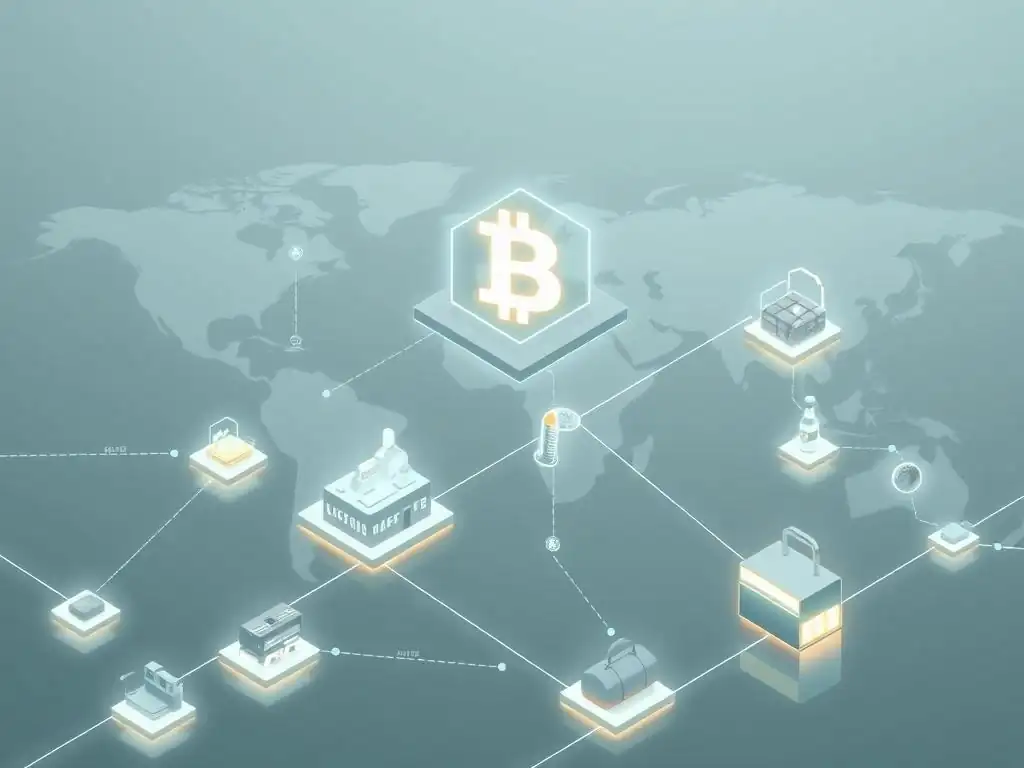
Case Study 1: Tracking Food Products with Blockchain for Enhanced Safety
One prominent example of blockchain enhancing supply chain data integrity is its application in the food industry. Walmart partnered with IBM to implement a blockchain solution for tracking leafy greens in the United States. The initiative aimed to improve food safety and traceability in the event of an outbreak. Traditionally, tracing the origin of contaminated produce could take up to two weeks.
With the blockchain system, Walmart demonstrated the ability to trace a product from the store shelf back to the farm in just seconds. This level of rapid traceability is crucial for isolating contamination sources quickly, minimizing the impact of recalls, and protecting public health. The system records data points such as farm location, processing dates, shipping information, and retail store destination on the immutable ledger, providing verifiable blockchain supply chain data integrity for every item.
Case Study 2: Pharmaceutical Supply Chain Integrity and Blockchain Solutions
Maintaining the integrity of the pharmaceutical supply chain is critical for patient safety, combating counterfeit drugs, and meeting stringent regulatory requirements like the US Drug Supply Chain Security Act (DSCSA). Various consortia and companies are leveraging blockchain to create secure, transparent tracking systems for prescription medications. Solutions track unique product identifiers, serialization data, and chain of custody information.
For instance, the MediLedger Project, a consortium of pharmaceutical companies, is using blockchain to verify product authenticity and ownership transfers between trading partners. By recording each transaction on a shared, permissioned ledger, they create a tamper-evident history of a drug's journey. This helps prevent counterfeit drugs from entering the legitimate supply chain and provides regulators with access to verifiable data, significantly improving blockchain supply chain data integrity in a highly regulated sector.
Case Study 3: Luxury Goods Authentication Using Blockchain Technology
The luxury goods market is heavily impacted by counterfeiting, which is estimated to cost the industry billions annually. Blockchain provides a robust solution for authenticating high-value items like watches, handbags, and jewelry. Companies are using blockchain to create digital passports for these products, linked to physical identifiers.
For example, LVMH (Louis Vuitton Moët Hennessy) launched the Aura Platform, a blockchain consortium with Prada and Cartier, to provide proof of authenticity and traceability for luxury goods. When an item is manufactured, its unique details (materials, craftsmanship, date) and serial number are recorded on the blockchain. Subsequent ownership transfers and maintenance records can also be added. This immutable record provides consumers with absolute certainty about the item's origin and authenticity, bolstering blockchain supply chain data integrity in a market where provenance is paramount.
Implementing Blockchain for Data Integrity: Key Considerations
Choosing the Right Blockchain Platform for Your Supply Chain Needs
Selecting the appropriate blockchain platform is a critical first step in implementing a solution for enhanced supply chain data integrity. Different platforms offer varying features, consensus mechanisms, and levels of scalability. Companies must assess their specific needs, considering factors such as the required transaction volume, the number and type of participants in the network (e.g., private, permissioned, or public), data privacy requirements, and integration capabilities with existing systems.
Popular enterprise-grade platforms like Hyperledger Fabric, R3 Corda, and Ethereum (for private/consortium implementations) are commonly used for supply chain applications due to their ability to handle complex permissions, provide data privacy for participants, and support smart contracts. Evaluating the platform's maturity, community support, development costs, and long-term viability is essential for building a sustainable blockchain supply chain data integrity solution. A thorough analysis ensures the chosen platform can effectively support the desired level of transparency, security, and performance.
Data Governance and Access Control Strategies
Implementing robust data governance and access control strategies is paramount when deploying blockchain for supply chain data integrity, especially in permissioned networks. While blockchain provides inherent security and immutability, defining who can write data to the ledger, who can read specific types of data, and how data quality is initially ensured are crucial governance considerations. Clear policies and procedures must be established for data entry, validation, and dispute resolution among network participants.
Access control mechanisms are essential for managing data visibility. Not all participants in a supply chain need to see all data points. For instance, a retailer might not need to see the cost of raw materials used by the manufacturer. Permissioned blockchains allow for granular control over data access, ensuring that participants only see the information relevant to their role. Implementing smart contracts to enforce data validation rules upon entry is also a key strategy for maintaining high blockchain supply chain data integrity from the source.
Integration with Existing Supply Chain Systems
Integrating a new blockchain platform with existing legacy supply chain systems (such as ERP, WMS, TMS, and IoT devices) is often one of the most complex aspects of implementation. Data must flow seamlessly between the existing operational systems and the blockchain ledger to provide real-time visibility and ensure data accuracy at the point of origin. Poor integration can lead to data inconsistencies and undermine the benefits of the blockchain solution.
Strategies include using APIs (Application Programming Interfaces) to connect systems, middleware solutions, or specialized integration platforms designed for blockchain. It's important to design the integration carefully to determine what data is recorded on-chain (typically critical, verifiable events or hashes of documents) versus what data remains off-chain. Successful integration ensures that the blockchain acts as a complementary layer that verifies and secures data originating from existing operational processes, thereby enhancing overall blockchain supply chain data integrity without requiring a complete overhaul of IT infrastructure.
Addressing Scalability and Performance Challenges
Scalability and performance are significant considerations for blockchain implementations in large, complex supply chains that generate vast amounts of data and require high transaction throughput. Early blockchain platforms faced limitations in handling high volumes of transactions per second compared to traditional centralized databases. However, newer enterprise blockchain platforms and scaling solutions are designed to address these challenges.
Techniques like off-chain data storage (storing large files or sensitive data off-chain and placing only hashes on-chain), state channels, and optimizing consensus mechanisms help improve performance. Choosing a platform with a consensus mechanism suitable for a permissioned environment (like Practical Byzantine Fault Tolerance or Proof-of-Authority) can significantly increase transaction speed and capacity compared to public blockchain mechanisms like Proof-of-Work. Careful planning and architecture design are necessary to ensure the blockchain solution can scale to meet the demands of a dynamic supply chain, ensuring continuous blockchain supply chain data integrity.
Overcoming Barriers to Blockchain Adoption for Supply Chain Data
Addressing Concerns About Data Privacy and Security
While blockchain offers inherent security features like immutability and cryptography, concerns about data privacy and the security of the overall network remain barriers to adoption. In a shared ledger, companies worry about sensitive business data being visible to competitors or unauthorized parties. Furthermore, the security of the nodes running the network and the applications interacting with the blockchain are critical.
Permissioned blockchains are designed to address privacy concerns by allowing participants to control who can join the network and what data they can access. Techniques like channel-specific data on platforms like Hyperledger Fabric or zero-knowledge proofs can further enhance privacy by allowing data verification without revealing the underlying information. Implementing robust cybersecurity practices around the blockchain infrastructure, including secure key management and node security, is essential to mitigate security risks and build confidence in blockchain supply chain data integrity.
The Importance of Collaboration and Standardization
Effective implementation of blockchain for supply chain data integrity requires significant collaboration among multiple stakeholders who may have previously operated independently. Building a consortium or network of participants (manufacturers, logistics providers, distributors, retailers, etc.) willing to agree on data standards, governance rules, and network protocols is a complex undertaking. Lack of cooperation or alignment on how data should be structured and shared can hinder adoption.
Standardization of data formats and protocols is also crucial for interoperability. Without common standards, integrating data from different participants onto the blockchain becomes difficult. Industry-specific working groups and consortia are forming to develop these standards, promoting interoperability and making it easier for companies to join blockchain networks. Collaborative efforts are key to overcoming the "network effect" challenge and establishing widely adopted blockchain supply chain data integrity solutions.
Educating Stakeholders on the Benefits of Blockchain-Based Data Integrity
A significant barrier to blockchain adoption is often a lack of understanding among stakeholders about how the technology works and the specific benefits it provides for data integrity. Decision-makers and operational staff may be hesitant to adopt new technology without a clear understanding of the return on investment and how it solves existing problems. Skepticism regarding the complexity or perceived risk of blockchain can slow down implementation.
Providing clear, targeted education to all levels of the organization and across supply chain partners is vital. Demonstrating the tangible benefits—such as reduced disputes due to verifiable data, faster audits, improved traceability during recalls, and enhanced trust—can help build buy-in. Highlighting successful case studies and pilot programs can illustrate the practical value of blockchain supply chain data integrity and accelerate the path towards broader adoption.
The Future of Blockchain and Supply Chain Data Accuracy
Emerging Trends in Blockchain-Enabled Supply Chain Solutions
The landscape of blockchain in supply chains is continuously evolving. Emerging trends include the development of more specialized blockchain platforms tailored for specific industries (e.g., trade finance, pharmaceuticals), offering features and compliance tools relevant to those sectors. Interoperability between different blockchain networks is also a growing focus, aiming to connect disparate supply chain initiatives and create a more unified global view.
Furthermore, the integration of decentralized finance (DeFi) principles into supply chain finance is gaining traction. Using smart contracts on blockchain for automated payments, supply chain financing, and tokenization of assets can enhance financial flows and reduce counterparty risk, all while leveraging the underlying blockchain supply chain data integrity for transaction verification. We are likely to see more sophisticated applications that combine data integrity with financial and logistical automation.
The Role of IoT and AI in Enhancing Data Integrity on the Blockchain
The convergence of Blockchain with other technologies like the Internet of Things (IoT) and Artificial Intelligence (AI) promises to further enhance supply chain data integrity and automation. IoT devices (sensors, GPS trackers, etc.) can automatically record real-time data about a product's condition (temperature, humidity, location) and status directly onto the blockchain ledger via secure gateways. This eliminates manual data entry errors and provides highly accurate, verifiable data streams.
AI can be used to analyze the vast amounts of data collected on the blockchain to identify anomalies, predict potential issues (e.g., delays, quality deviations), and automate decision-making processes through smart contracts. For instance, AI could analyze temperature data from IoT sensors on the blockchain to predict spoilage risks and trigger alerts or reroute shipments via smart contracts. This combination creates a powerful ecosystem where IoT gathers reliable data, blockchain secures its integrity and creates a shared truth, and AI leverages this data for optimization and automation, significantly improving blockchain supply chain data integrity and efficiency.
Predictions for the Future of Supply Chain Transparency and Reliability
Looking ahead, it is highly probable that blockchain will become a fundamental layer for ensuring transparency and reliability in global supply chains. As more companies recognize the critical need for verifiable data and the competitive advantages it offers, the adoption of blockchain-based solutions will accelerate. We can expect to see broader industry consortia forming to establish common standards and build shared network infrastructure.
The future supply chain will likely feature interconnected blockchain networks, allowing for seamless data flow and traceability across complex, multi-tier structures. Regulations may increasingly mandate the use of secure, immutable digital trails for certain goods, further driving blockchain adoption. Ultimately, blockchain's ability to guarantee blockchain supply chain data integrity is poised to transform supply chains from opaque, fragmented systems into highly transparent, efficient, and trustworthy ecosystems.
Conclusion: Blockchain as a Cornerstone for Supply Chain Data Integrity
Key Takeaways: The Power of Blockchain in Securing Supply Chain Data
Maintaining high levels of data integrity is no longer a desirable feature but a fundamental requirement for modern supply chains. Traditional systems struggle with fragmentation, manual processes, and vulnerability to tampering, leading to inefficiencies, lack of trust, and significant financial losses. Blockchain technology emerges as a powerful solution, offering a decentralized, immutable, and transparent ledger that fundamentally enhances data accuracy and reliability.
The core mechanisms of blockchain—immutable records secured by cryptography, distributed ledger technology providing transparency, and smart contracts automating validation—collectively ensure that data recorded on the chain is verifiable, trustworthy, and resistant to unauthorized alteration. This robust foundation for blockchain supply chain data integrity unlocks significant benefits, including enhanced traceability, reduced fraud, improved compliance, and increased collaboration among all stakeholders in the network.
Embracing Blockchain for a More Transparent and Reliable Supply Chain Future
Real-world applications across diverse industries, from food and pharmaceuticals to luxury goods, demonstrate the tangible impact of blockchain in solving critical data integrity challenges. While implementation requires careful consideration of platform choice, data governance, integration, and scalability, the benefits of a secure, transparent, and reliable supply chain are clear. Overcoming barriers through collaboration, standardization, and education will pave the way for wider adoption.
As technology advances and integrates with IoT and AI, the potential for blockchain to create truly intelligent, automated, and highly trustworthy supply chains grows exponentially. Embracing blockchain technology is essential for companies seeking to build resilient, efficient, and transparent supply chain operations that meet the demands of today's global economy and ensure blockchain supply chain data integrity for the future.
Frequently Asked Questions
How does blockchain technology enhance data integrity in supply chains?
Blockchain provides a shared, immutable ledger that records every transaction. This tamper-proof record ensures data accuracy and reliability across the entire supply chain.
What are the key benefits of using blockchain for supply chain data integrity?
The main benefits include increased transparency, improved traceability of products, and a reduction in fraudulent activities due to the immutable nature of the blockchain.
Can blockchain help combat counterfeit goods in the supply chain?
Yes. By creating a unique, verifiable digital identity for each product, blockchain makes it much harder to introduce counterfeit goods into the supply chain. This allows for easier verification of authenticity.
What role do smart contracts play in ensuring data integrity within a blockchain-based supply chain?
Smart contracts automate processes and enforce predefined rules, ensuring that data entries meet specific requirements. This helps maintain data consistency and reduces human error.
What are the main challenges to adopting blockchain for supply chain data integrity?
Challenges include scalability issues, the complexity of integrating with existing systems, and the need for industry-wide collaboration to establish common standards.
Final Reflection: Securing Trust in Every Link
The journey through the intricacies of blockchain's role in supply chain data integrity reveals a crucial truth: trust is the bedrock of efficient and reliable global trade. The vulnerabilities inherent in traditional systems, where data silos and manipulation are rampant, demand a paradigm shift. Blockchain offers precisely that, providing an immutable ledger that fosters transparency and accountability across every stage of the supply chain.
The impact of enhanced data integrity extends far beyond mere efficiency gains; it fundamentally reshapes the relationship between producers, distributors, and consumers. This shift towards verifiable provenance and authenticity is not just a technological advancement, but a cultural one, empowering informed choices and building stronger consumer confidence. Trust is built with consistency.
This quote underscores the essence of blockchain's promise: a consistent and verifiable record that eliminates doubt and fosters genuine trust in the products we consume.
As we conclude this exploration, consider the power you hold as a consumer, a business owner, or a policymaker. Embrace the potential of blockchain to revolutionize supply chains, demanding transparency and accountability from the products you buy and the processes you support. Let us strive to build a future where data integrity is not a privilege, but a fundamental right, ensuring a more ethical, sustainable, and trustworthy global marketplace for all.
Fortify Your Supply Chain: Embrace Blockchain Now!
Thanks for exploring how blockchain can revolutionize data integrity in supply chains. Now that you've learned how this technology can enhance accuracy and reliability, it's time to take action.
Here’s how you can move forward:
- Start a small pilot project: Identify a specific challenge in your supply chain where data inconsistencies cause problems, and implement a blockchain-based solution to track and manage that data. This hands-on experience will demonstrate the benefits firsthand.
- Explore collaborative opportunities: Connect with industry leaders and blockchain experts to discuss potential partnerships and shared solutions for supply chain management.
- Share this article: Distribute it among colleagues and your network to encourage discussions and foster a culture of innovation within your organization.
What is the first concrete step you'll take to improve data integrity in your supply chain using blockchain? Share your plans in the comments below!
Leave a Reply