
Examples of Blockchain Use Cases in Diverse Supply Chain Industries

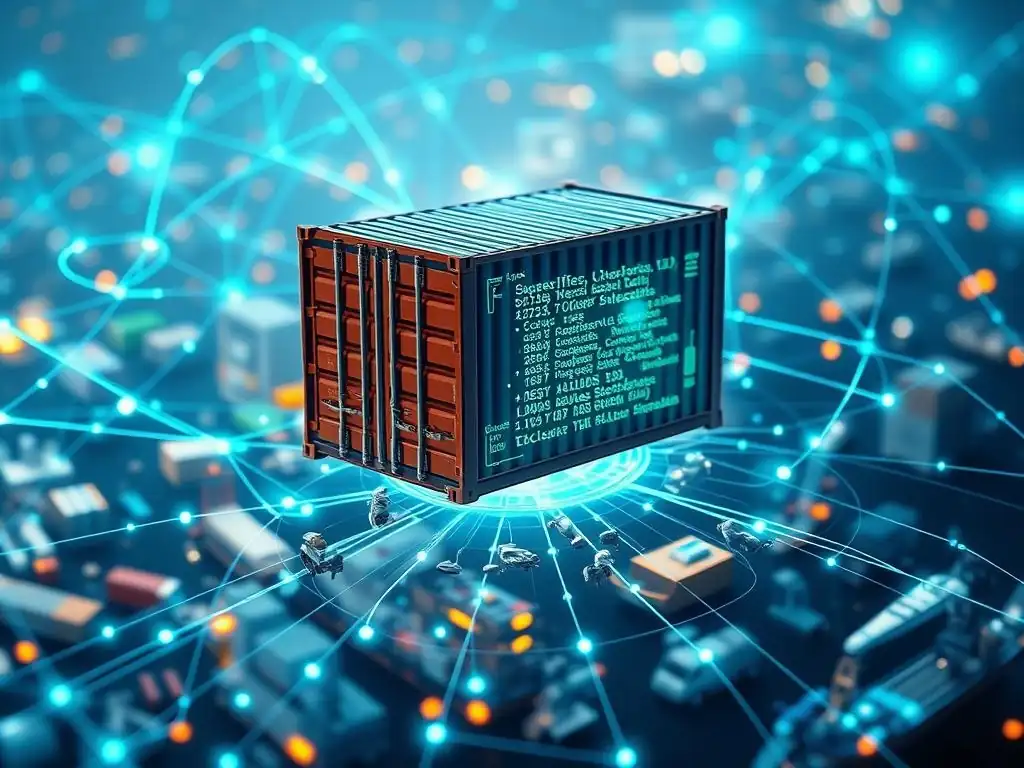
Welcome to Blockchain Trends, your guide to understanding the revolutionary impact of blockchain technology beyond the world of cryptocurrencies. Dive deep into the future of decentralized systems, from DeFi to enterprise applications and regulatory landscapes.
Are you ready to discover how blockchain is reshaping logistics and supply chains? This article unpacks compelling blockchain supply chain examples, revealing how industries are leveraging this technology to enhance transparency, efficiency, and security. Explore these real-world applications and unlock the potential of blockchain to transform your own supply chain.
Blockchain Supply Chain Examples: Transforming Logistics Across Industries
- Introduction: Unlocking Supply Chain Efficiency with Blockchain Technology
-
Blockchain Supply Chain Examples Logistics Across Industries
- Food and Beverage Industry: Enhancing Traceability and Safety
- Pharmaceutical Industry: Combating Counterfeit Drugs and Ensuring Authenticity
- Automotive Industry: Streamlining Manufacturing and Parts Tracking
- Retail Industry: Enhancing Inventory Management and Customer Trust
- Logistics and Shipping: Optimizing Processes and Reducing Costs
- Detailed Blockchain Supply Chain Use Cases
- Overcoming Challenges in Blockchain Implementation for Supply Chains
- The Future of Blockchain in Supply Chain Management
- Conclusion: Embracing Blockchain for a More Transparent and Efficient Future
-
Frequently Asked Questions
- How can blockchain improve supply chain transparency?
- What are some real-world examples of blockchain being used in supply chain logistics?
- What are the key benefits of implementing blockchain in the supply chain?
- What are the biggest challenges to adopting blockchain in supply chain management?
- How does blockchain support regulatory compliance in supply chain operations?
- Final Reflection: The Enduring Promise of Blockchain in Supply Chains
- Uncover Your Supply Chain Potential!
Introduction: Unlocking Supply Chain Efficiency with Blockchain Technology
The Rise of Blockchain in Supply Chain Management
The complexity of global supply chains has increased exponentially over the past few decades, driven by globalization, distributed manufacturing, and diverse consumer demands. Traditional systems often struggle with fragmented data, lack of transparency, and vulnerability to errors, fraud, and delays.
This environment has created a fertile ground for innovative technologies, among which blockchain has emerged as a powerful tool capable of addressing these fundamental challenges. Initially known for powering cryptocurrencies, blockchain's core attributes – immutability, transparency (to authorized participants), and decentralization – are proving invaluable for managing the intricate web of transactions, logistics, and information flow inherent in modern supply chains.
The adoption of blockchain in supply chain management is moving beyond theoretical discussions to tangible implementations across various sectors. This shift is fueled by a growing understanding of how distributed ledger technology can create a single, shared, and secure source of truth for all participants, from raw material suppliers to end consumers.
By recording every transaction and movement on an immutable ledger, blockchain significantly enhances trust and accountability among stakeholders who may not have pre-existing relationships. This foundational trust layer is essential for improving efficiency, reducing costs, and building more resilient supply networks, making blockchain supply chain examples logistics a critical area of focus for businesses worldwide.
Key Benefits of Blockchain for Supply Chain Transparency and Security
Blockchain technology offers a suite of compelling benefits that directly address long-standing pain points in supply chain operations. Paramount among these is enhanced transparency. By providing a shared, tamper-evident record of transactions and events, blockchain allows authorized parties to see the history and status of goods as they move through the supply chain. This unprecedented visibility helps identify bottlenecks, track origins, and verify authenticity, significantly reducing information asymmetry and fostering greater collaboration among disparate entities.
Alongside transparency, security is a cornerstone benefit of blockchain in supply chains. The cryptographic nature of blockchain transactions ensures data integrity and prevents unauthorized alterations. Once data is recorded on the ledger, changing it is computationally infeasible, creating an immutable audit trail. This inherent security protects sensitive supply chain information, reduces the risk of fraud and errors, and builds confidence in the data shared across the network. These security and transparency features are fundamental to improving processes and represent key advantages in blockchain supply chain examples logistics implementations.
Blockchain Supply Chain Examples Logistics Across Industries
Food and Beverage Industry: Enhancing Traceability and Safety
Blockchain for Tracking Food Origins and Reducing Food Fraud
The food and beverage industry faces critical challenges related to product safety, authenticity, and rapid traceability in the event of contamination or recall. Consumers increasingly demand to know the origin and journey of their food. Traditional paper-based systems or disparate databases make tracing a product back to its source a time-consuming and often incomplete process, sometimes taking days or even weeks. This delay can exacerbate outbreaks of foodborne illness and lead to significant financial losses and damage to brand reputation.
Blockchain offers a robust solution by creating a digital, secure, and immutable record for every step of a food item's journey, from farm to fork. Each transaction – harvesting, processing, packaging, shipping, and retail – can be recorded on the blockchain, providing a complete history. This distributed ledger allows all permissioned participants, including farmers, distributors, processors, and retailers, to access and contribute data, creating a shared, transparent view. This capability drastically reduces the time required for traceability and helps combat food fraud, such as mislabeling or substituting ingredients, by providing verifiable proof of origin and handling.
Case Study: Walmart Implementing Blockchain for Mango Traceability
A notable example of blockchain's impact in the food supply chain is Walmart's initiative using IBM Food Trust. Facing the challenge of rapidly tracing the origin of food items to improve safety and respond quickly to potential issues, Walmart piloted blockchain technology. One specific trial involved tracing mangoes sold in its stores. Using the traditional system, tracing a package of mangoes back to the farm could take seven days or more, involving numerous phone calls, emails, and manual record searches across multiple parties.
By implementing the blockchain-based system, the time required to trace a package of mangoes back to its farm of origin was reduced dramatically, from days to just a few seconds. This capability significantly enhances food safety protocols, allowing for quicker identification of the source of contamination during an outbreak and enabling more targeted recalls. The success of this pilot demonstrated the practical benefits of blockchain supply chain examples logistics for improving efficiency, transparency, and safety in the complex fresh produce supply chain, leading Walmart to expand its use of the technology to other products like leafy greens.
Pharmaceutical Industry: Combating Counterfeit Drugs and Ensuring Authenticity
Secure Drug Supply Chains with Blockchain Technology
The pharmaceutical industry grapples with the pervasive and dangerous problem of counterfeit drugs, which pose significant health risks to patients and cause billions in losses annually. Ensuring the integrity and authenticity of medicines throughout a complex global supply chain, from active pharmaceutical ingredient (API) manufacturers to pharmacies, is paramount. Traditional track and trace systems, while helpful, can sometimes be vulnerable to tampering or lack interoperability across different companies and borders.
Blockchain technology provides a powerful layer of security and transparency to pharmaceutical supply chains. By assigning a unique digital identity to each drug package (often linked to a serial number or other identifier) and recording its movement on an immutable ledger, blockchain creates a verifiable history. Every transfer of ownership or handling event is logged, making it extremely difficult for counterfeit products to infiltrate the legitimate supply chain undetected. This secure, shared record helps verify the authenticity of drugs at various points, protecting patients and safeguarding the integrity of the pharmaceutical distribution network.
Real-World Application: Blockchain for Vaccine Distribution and Monitoring
The challenges of distributing sensitive and high-value products like vaccines, particularly during public health crises, highlight the need for robust supply chain solutions. Ensuring vaccines are stored at the correct temperatures, handled properly, and reach their intended destinations without diversion or counterfeiting is critical. Several initiatives and pilot programs have explored or implemented blockchain technology to enhance the transparency and security of vaccine supply chains.
These blockchain applications aim to track individual vaccine doses from the manufacturer through distribution centers, clinics, and ultimately to the patient. By recording temperature data from IoT sensors, handling information, and custody transfers on the blockchain, stakeholders can monitor conditions in near real-time and verify the integrity of the cold chain. This provides an immutable record of the vaccine's journey, helps prevent spoilage or diversion, and builds trust in the delivery process. Such blockchain supply chain examples logistics demonstrate the technology's potential to manage the complex requirements of critical medical supply chains.
Automotive Industry: Streamlining Manufacturing and Parts Tracking
Blockchain for Verifying Component Origins and Preventing Counterfeiting
The automotive industry relies on a vast and intricate global network of suppliers providing thousands of components for each vehicle. Ensuring the authenticity and quality of every part is crucial for vehicle safety, performance, and brand reputation. Counterfeit or substandard parts entering the supply chain can lead to mechanical failures, safety hazards, and costly recalls. Traditional methods of tracking parts often involve complex databases and documentation that can be difficult to verify across multiple tiers of suppliers.
Blockchain technology can significantly improve the traceability and authenticity verification of automotive components. By creating a digital twin or unique identity for each part and recording its manufacturing data, origin, certifications, and subsequent journey through the supply chain on a blockchain ledger, manufacturers gain end-to-end visibility. This immutable record makes it possible to quickly verify the source and history of any component, ensuring it meets quality standards and is not counterfeit. This enhances safety and reduces the risk and cost associated with using unauthorized parts.
Improving Supply Chain Visibility in Automotive Manufacturing
Beyond preventing counterfeits, blockchain enhances overall supply chain visibility in automotive manufacturing. The process involves numerous suppliers, sub-suppliers, and logistics providers, making it challenging for original equipment manufacturers (OEMs) to have a real-time, comprehensive view of their entire supply network. Delays or issues at any point can disrupt production schedules and impact delivery times.
A blockchain-based system allows permissioned network participants to share relevant data securely and transparently. OEMs can track the status of raw materials, components in transit, and work-in-progress across their multi-tiered supply base. This improved visibility enables better inventory management, more accurate production planning, and faster identification and resolution of potential disruptions. The ability to track parts and materials with high fidelity represents significant blockchain supply chain examples logistics benefits for complex manufacturing environments.
Retail Industry: Enhancing Inventory Management and Customer Trust
Blockchain for Tracking Products from Origin to Consumer
The retail industry, particularly for high-value goods, luxury items, or products with complex origins (like ethically sourced goods), benefits greatly from enhanced traceability. Consumers are increasingly interested in the provenance of the products they purchase, including how and where they were made, and their environmental or social impact. Traditional retail supply chains often lack the granular visibility needed to provide this level of detail consistently and reliably.
Blockchain can create a transparent and verifiable record for retail products from their point of origin through manufacturing, distribution, and sale. By assigning a unique identifier to items or batches and recording key events on the blockchain – such as manufacturing date, shipment details, authenticity certifications, and even store arrival – retailers can build a comprehensive product history. This ledger can be shared with consumers, often via a QR code on the product packaging, allowing them to access verified information about the item's journey and authenticity, thereby building trust.
Reducing Counterfeit Goods and Improving Product Authenticity in Retail
Counterfeit goods are a major problem for the retail sector, eroding brand value, damaging consumer trust, and causing substantial financial losses. Luxury goods, electronics, and apparel are particularly vulnerable. Proving the authenticity of an item once it has left the manufacturer can be difficult, especially through multiple resale channels.
Blockchain provides a powerful tool to combat counterfeiting in retail. By creating an immutable digital certificate of authenticity linked to a physical product identifier (like a serial number, RFID tag, or secure QR code), brands can verify the legitimacy of items throughout their lifecycle. Each ownership transfer or significant event (e.g., repair, resale) can be recorded on the blockchain. This makes it easy for consumers and resellers to verify the product's history and authenticity against a trusted, tamper-proof record, providing strong blockchain supply chain examples logistics for safeguarding brand integrity and consumer confidence.
Logistics and Shipping: Optimizing Processes and Reducing Costs
Blockchain for Streamlining Shipping Documentation and Customs Clearance
Global logistics and shipping operations are notoriously complex, involving numerous parties – shippers, carriers, freight forwarders, customs agencies, ports, and banks – and a mountain of paper documentation. Bills of lading, manifests, customs declarations, and other documents are often exchanged manually, leading to delays, errors, and significant administrative costs. A single shipment can involve hundreds of interactions and dozens of different documents.
Blockchain can digitize and streamline this process by creating a shared, distributed ledger accessible to all permissioned parties. Electronic versions of shipping documents can be recorded on the blockchain, providing a single source of truth that all stakeholders can access in real-time. This eliminates the need for excessive paper handling, reduces manual data entry errors, and accelerates the flow of information. By automating the sharing and verification of documents, blockchain can significantly reduce transit times and customs clearance delays, presenting compelling blockchain supply chain examples logistics benefits.
Enhancing Transparency and Security in Global Logistics Networks
Visibility and security are critical yet often lacking in complex global logistics networks. Tracking the exact location and status of goods across different carriers, modes of transport, and international borders can be challenging. The lack of real-time, shared visibility can lead to inefficiencies, difficulty in predicting arrival times, and increased vulnerability to theft or loss.
By recording each step of a shipment's journey – pickup, loading, transit points, transfers between carriers, customs checks, and delivery – on a blockchain, a transparent and secure audit trail is created. Permissioned parties can track the cargo's progress and status in near real-time on a shared ledger. This enhanced transparency improves coordination among stakeholders and provides greater security by making unauthorized handling or diversion more difficult to conceal. The immutability of the blockchain record ensures that the tracking data is accurate and tamper-proof, strengthening trust in the global logistics network and showcasing effective blockchain supply chain examples logistics.
Detailed Blockchain Supply Chain Use Cases
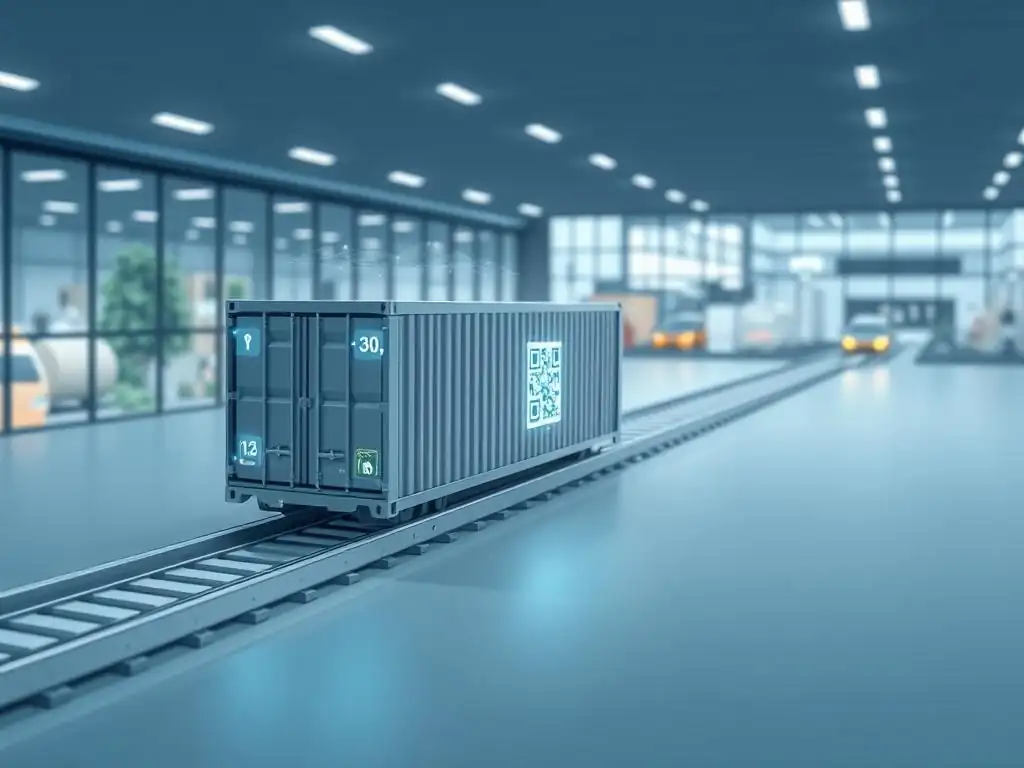
Use Case 1: Track and Trace Solutions for Coffee Beans
How Blockchain Enables End-to-End Visibility for Coffee Beans
Tracking the journey of coffee beans from remote farms to consumers is a complex process involving numerous intermediaries: farmers, cooperatives, millers, exporters, importers, roasters, distributors, and retailers. Consumers are increasingly interested in the origin, ethical sourcing, and sustainability of their coffee. Traditional methods struggle to provide verifiable, granular data about each batch of beans throughout this long and complex chain.
Blockchain technology can create a comprehensive, immutable digital history for each batch or even specific sacks of coffee beans. Data points such as farm location, harvest date, processing method (washed, natural, etc. ), certifications (e.g., Fair Trade, organic), export details, shipping route, roasting parameters, and retail information can all be recorded on the blockchain. Each transaction or transfer of custody is added as a block, creating a transparent and verifiable chain of ownership and handling. This provides unprecedented end-to-end visibility, allowing stakeholders at any point to access the verified history of the beans.
Benefits and Challenges of Implementing Track and Trace for Coffee Beans
Implementing blockchain track and trace for coffee beans offers significant benefits. For farmers, it can provide verifiable proof of origin and quality, potentially enabling them to command higher prices for premium or certified beans. Roasters and retailers can build consumer trust by sharing the coffee's story and provenance transparently, verifying ethical sourcing and sustainability claims. Consumers gain confidence in the authenticity and origin of their coffee. The enhanced traceability also aids in managing recalls if quality issues arise.
However, challenges exist in implementing such blockchain supply chain examples logistics in the coffee industry. A major hurdle is onboarding farmers and small-scale producers who may lack the technology or infrastructure to input data onto the platform. Data standardization across diverse participants and regions is also necessary. Ensuring data accuracy at the point of origin is critical, as errors introduced early on will propagate through the chain. Overcoming these adoption and data integrity challenges requires significant collaboration and investment in training and infrastructure at the source.
Use Case 2: Smart Contracts for Automated Supply Chain Processes
Automating Payments and Agreements with Blockchain-Based Smart Contracts
Supply chain transactions often involve complex agreements, multiple payment milestones, and potential delays or disputes arising from manual verification processes. Purchase orders, invoices, letters of credit, and payment terms require careful management and coordination between numerous parties. This manual process is prone to errors and can tie up significant working capital.
Smart contracts, self-executing contracts with the terms of the agreement directly written into code on a blockchain, offer a powerful solution. In a supply chain context, a smart contract can automate actions based on predefined conditions being met and verified on the blockchain. For example, a smart contract can automatically release payment to a supplier once a shipment is verified as received at a distribution center, with the verification triggered by an IoT sensor or a digital receipt recorded on the ledger. This eliminates manual invoicing and payment processing steps.
Reducing Delays and Disputes in Supply Chain Transactions
By automating the execution of agreements based on verifiable events recorded on the blockchain, smart contracts significantly reduce delays and potential disputes. Conditions for payment, transfer of ownership, or triggering the next step in the logistics process are explicitly defined in the smart contract code. Once the required data (e.g., proof of shipment, confirmation of delivery, quality inspection report) is immutably recorded on the blockchain and meets the contract's criteria, the smart contract executes automatically.
This automation minimizes human intervention, reduces the possibility of errors or deliberate manipulation, and accelerates transaction settlement. Disputes over whether conditions were met become less frequent because the verification is based on a shared, tamper-proof record. Smart contracts streamline the flow of goods and payments, improving efficiency and trust among supply chain partners and serving as powerful blockchain supply chain examples logistics for automation.
Use Case 3: Improving Data Security and Integrity in Supply Chains
Utilizing Blockchain's Immutability to Protect Supply Chain Data
Supply chains generate vast amounts of data related to inventory levels, shipment tracking, quality control, compliance, and transactions. This data is often stored in disparate systems, making it vulnerable to cyber threats, unauthorized access, or intentional manipulation. Maintaining the integrity and security of this critical information across a network of partners is a significant challenge.
Blockchain's fundamental characteristic of immutability provides a robust defense against data tampering. Once a transaction or data record is added to the blockchain ledger and validated by the network, it cannot be retrospectively altered or deleted without redoing the computational work for all subsequent blocks, which is practically impossible for a public or large consortium blockchain. This creates a permanent, auditable history of all supply chain activities and data points recorded on the ledger. Sensitive data can also be encrypted on the blockchain or stored off-chain with a secure hash pointer on the ledger for privacy.
Preventing Data Tampering and Ensuring Data Accuracy
The tamper-evident nature of blockchain ensures that the data shared across the supply chain network is accurate and reliable. Any attempt to alter historical data would be immediately visible to other participants on the distributed ledger, as the cryptographic links between blocks would be broken. This inherent security mechanism builds trust in the shared data, as stakeholders can be confident that the information they are viewing has not been secretly changed.
This enhanced data integrity is crucial for making informed decisions, complying with regulations, and resolving issues. Whether it's tracking the temperature history of temperature-sensitive goods, verifying the origin of components, or confirming delivery timestamps, the immutable record on the blockchain provides a single, trustworthy source of truth. Preventing data tampering and ensuring accuracy are core benefits derived from blockchain supply chain examples logistics focused on data management.
Overcoming Challenges in Blockchain Implementation for Supply Chains
Addressing Scalability Issues in Blockchain Networks
One significant challenge facing the widespread adoption of blockchain in large-scale supply chain networks is scalability. Public blockchains, like Bitcoin or Ethereum (especially before recent updates), can process a limited number of transactions per second, which may not be sufficient for the high volume of transactions generated by complex global supply chains involving millions of products and events daily. Consortium or private blockchains can offer higher transaction throughput, but still need to demonstrate they can handle the sheer volume of data and transactions required by multinational corporations.
Efforts to address blockchain scalability include developing faster consensus mechanisms, implementing off-chain transaction processing channels (like state channels or sidechains), and optimizing data structures. Layer 2 solutions built on top of existing blockchains are also being explored to handle a higher volume of transactions off the main chain before settling them periodically. As blockchain technology matures, overcoming these technical hurdles is crucial for enabling it to support the demands of expansive and fast-moving supply chain operations and realizing the full potential of blockchain supply chain examples logistics.
Ensuring Interoperability Between Different Blockchain Platforms
The blockchain landscape is diverse, with various protocols and platforms (e.g., Hyperledger Fabric, R3 Corda, Ethereum, VeChain) being used or developed for enterprise applications. Different companies within a supply chain might adopt different blockchain solutions, or they may need to interact with external networks (like public blockchains). Ensuring seamless communication and data exchange between these disparate blockchain platforms is a major challenge for creating a truly integrated supply chain ecosystem.
Lack of interoperability can create data silos, hindering the ability to track goods and information across the entire end-to-end supply chain if different segments of the chain operate on incompatible ledgers. Developing standards, protocols, and middleware solutions that enable different blockchains to communicate and share data securely is essential. Initiatives focused on cross-chain compatibility and atomic swaps are underway to build bridges between networks. Achieving interoperability is key to unlocking the network effect and maximizing the benefits of blockchain supply chain examples logistics across diverse businesses and systems.
Implementing blockchain solutions in supply chains involves navigating a complex and evolving landscape of regulations and legal considerations across different jurisdictions. Issues such as data privacy (e.g., GDPR in Europe, CCPA in California), data ownership, liability in case of errors or smart contract failures, and the legal standing of blockchain-based records and smart contracts need to be addressed. The decentralized and borderless nature of blockchain technology can sometimes conflict with traditional, geographically bound legal frameworks.
Businesses adopting blockchain must ensure their solutions comply with relevant data protection laws, understand the legal implications of using immutable ledgers (e.g., the 'right to be forgotten' versus immutability), and establish clear governance models for consortium networks. Legal frameworks for smart contracts are still developing in many regions. Addressing these regulatory and legal challenges requires careful planning, legal expertise, and potentially industry-wide collaboration to develop best practices and advocate for clear legal guidelines surrounding blockchain technology in supply chain and logistics contexts.
The Future of Blockchain in Supply Chain Management
Emerging Trends and Innovations in Blockchain for Logistics
The application of blockchain in logistics and supply chains is a rapidly evolving field, with several emerging trends and innovations shaping its future. One key trend is the increased integration of blockchain with other disruptive technologies, such as the Internet of Things (IoT), Artificial Intelligence (AI), and 5G communication. IoT sensors can automatically record data (e.g., temperature, location, humidity) onto the blockchain, providing real-time, verifiable conditions of goods in transit. AI can analyze the immutable data on the blockchain to optimize routes, predict demand, and identify potential risks or inefficiencies.
Another trend is the development of more specialized blockchain platforms and protocols tailored specifically for supply chain use cases, focusing on features like enhanced privacy for sensitive data (e.g., zero-knowledge proofs), improved scalability, and built-in compliance features. Furthermore, the concept of "tokenization" is gaining traction, where physical assets or fractions of assets in the supply chain are represented by digital tokens on a blockchain, potentially enabling more efficient financing, ownership transfer, and fractional ownership models for goods or logistics assets. These innovations promise to further enhance the capabilities seen in current blockchain supply chain examples logistics.
The Role of Blockchain in Creating More Resilient and Sustainable Supply Chains
Recent global events have highlighted the fragility of traditional supply chains and the urgent need for greater resilience and sustainability. Blockchain technology is poised to play a crucial role in building supply chains that are better equipped to withstand disruptions and operate in an environmentally and socially responsible manner. The enhanced transparency and traceability provided by blockchain enable companies to map their supply networks more accurately, identify single points of failure, and understand their dependencies, which is essential for improving resilience.
For sustainability, blockchain can provide verifiable proof of ethical sourcing, fair labor practices, and reduced environmental impact (e.g., tracking carbon emissions associated with transport). By creating an immutable record of sustainability certifications and practices, companies can confidently share this information with consumers and stakeholders, combating "greenwashing." Furthermore, blockchain can facilitate circular economy initiatives by tracking product lifecycles, managing returns, and verifying recycling or disposal processes. Building more resilient and sustainable supply chains represents a significant area for future blockchain supply chain examples logistics.
Conclusion: Embracing Blockchain for a More Transparent and Efficient Future
Key Takeaways: Blockchain's Transformative Potential in Supply Chain
Blockchain technology is fundamentally changing how supply chains operate, moving them towards greater transparency, security, and efficiency. The core attributes of blockchain – immutability, distribution, and cryptography – address critical weaknesses in traditional systems, such as lack of trust, data silos, and vulnerability to fraud. Across diverse industries, from food and pharmaceuticals to automotive and retail, blockchain supply chain examples logistics demonstrate tangible benefits, including enhanced traceability, improved authenticity verification, streamlined documentation, and increased data security.
While challenges related to scalability, interoperability, and regulatory clarity persist, ongoing development and collaboration are steadily paving the way for broader adoption. The integration of blockchain with other technologies like IoT and AI is set to unlock further potential, creating smarter, more automated supply networks. Ultimately, embracing blockchain technology allows businesses to build more resilient, sustainable, and consumer-centric supply chains, fostering a future where the movement of goods and information is more transparent, trustworthy, and efficient for all participants.
Frequently Asked Questions
How can blockchain improve supply chain transparency?
Blockchain provides immutable and shared record-keeping, allowing all participants in the supply chain to access the same information. This enhanced visibility helps track goods from origin to consumer, reducing fraud and increasing trust.
What are some real-world examples of blockchain being used in supply chain logistics?
Companies are using blockchain for things like tracking pharmaceuticals to prevent counterfeiting, managing food safety by tracing product origins, and improving shipping efficiency by automating documentation.
What are the key benefits of implementing blockchain in the supply chain?
The main benefits are increased transparency, improved efficiency due to automation, and enhanced security against fraud and counterfeiting, leading to cost savings and better customer satisfaction.
What are the biggest challenges to adopting blockchain in supply chain management?
Challenges include the lack of standardization across different blockchain platforms, the complexity of integrating with existing systems, and the need for collaboration and agreement among all supply chain participants.
How does blockchain support regulatory compliance in supply chain operations?
Blockchain helps maintain accurate and auditable records, simplifying compliance with regulations related to product origin, safety, and ethical sourcing. This transparency ensures accountability and reduces the risk of non-compliance.
Final Reflection: The Enduring Promise of Blockchain in Supply Chains
The exploration of blockchain use cases across diverse supply chain industries underscores a critical truth: the technology's potential to revolutionize logistics is not just theoretical, but actively unfolding. From enhancing transparency and traceability to streamlining processes and reducing fraud, the examples presented demonstrate blockchain's tangible impact on efficiency and trust within complex networks. The future of supply chain management is inextricably linked to the innovative applications of this transformative technology.
The ongoing integration of blockchain into supply chains profoundly influences how we perceive and interact with the goods and services that shape our lives. This shift towards greater transparency and accountability is not merely a technological upgrade; it represents a fundamental change in the relationship between consumers, producers, and distributors. It fosters a sense of trust and empowers informed decision-making. As the saying goes: The supply chain is the ultimate expression of the interconnectedness of our world.
Blockchain is simply making that connection more visible and reliable.
Now, consider the implications of these advancements for your own sphere of influence. How can you advocate for greater transparency and ethical sourcing within your community or industry? Embrace the potential of blockchain to drive positive change, and be a part of building a more resilient, efficient, and trustworthy global supply chain for all. The future is not just about tracking goods; it's about building a better world, one block at a time.
Okay, I'm ready to create a Call to Action (CTA) based on the article title "Examples of Blockchain Use Cases in Diverse Supply Chain Industries" for the website "Blockchain Trends" with the domain "blockchaintrends.org". Here's the CTA:
Uncover Your Supply Chain Potential!
Thank you for exploring the world of blockchain applications in supply chain management! We hope you've gained valuable insights into how this technology is revolutionizing industries. Now, it's time to put that knowledge into action and see how blockchain can benefit your organization.
Here are a few actionable steps to get you started:
- Map out your current supply chain processes and identify potential areas where blockchain could improve efficiency, transparency, or security. This is your first step towards understanding your specific needs and challenges.
- Explore real-world case studies from industries outside your own. You might be surprised by the innovative applications and transferable solutions you discover.
- Share this article with your colleagues and start a conversation about the possibilities of blockchain within your team. Collective brainstorming can lead to breakthrough ideas!
What's the single biggest pain point in your current supply chain, and how could blockchain potentially address it? Share your thoughts in the comments below!
Leave a Reply