
Manufacturing 4.0: How Blockchain & IoT are Driving the Next Industrial Revolution

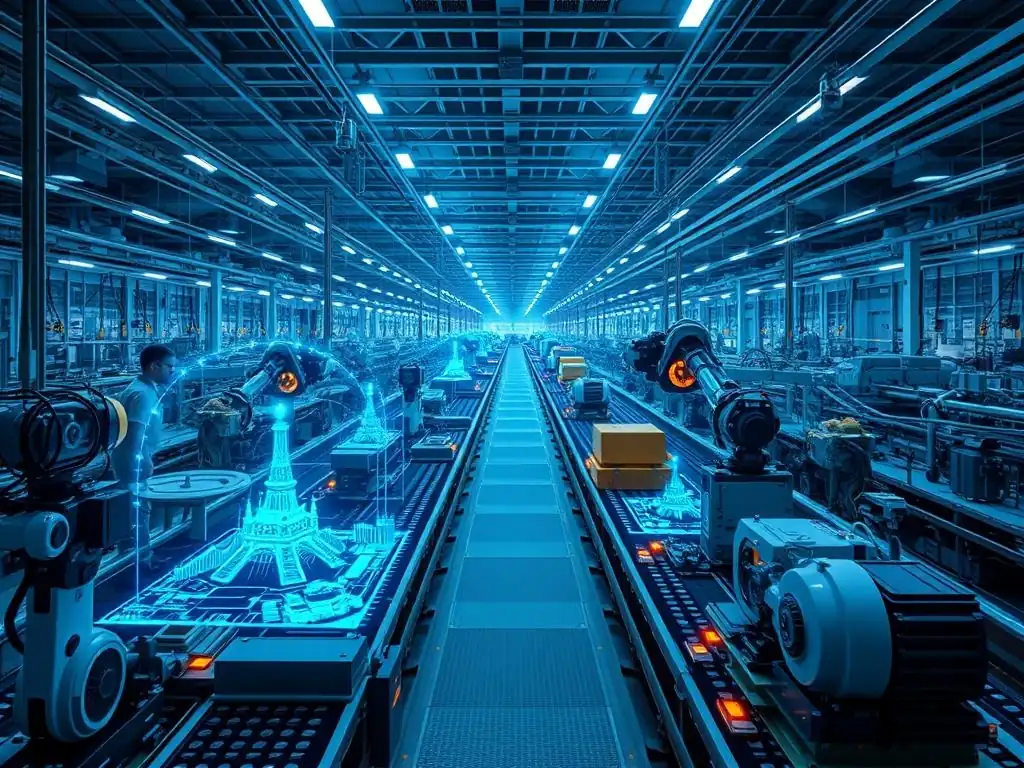
Welcome to Blockchain Trends, your gateway to understanding the real-world impact of blockchain technology!
Ever wondered how blockchain is revolutionizing industries beyond just cryptocurrencies? Dive into our latest exploration of Manufacturing 4.0 and discover the profound blockchain supply chain management benefits that are reshaping the future of industrial operations. Learn how the convergence of blockchain and IoT is driving unprecedented efficiency, transparency, and security. Intrigued? Keep reading to unlock the potential of this transformative technology!
Manufacturing 4.0: How Blockchain & IoT are Driving the Next Industrial Revolution
- Introduction: The Convergence of Blockchain, IoT, and Manufacturing 4.0
- Blockchain Supply Chain Management Benefits in Manufacturing 4.0
- IoT's Contribution to Manufacturing 4.0: Data-Driven Optimization
- Use Cases: Blockchain and IoT in Action in Manufacturing
- Addressing Challenges and Overcoming Obstacles to Adoption
- The Future of Manufacturing: Blockchain and IoT as Core Technologies
- Optimizing the Supply Chain with Blockchain Technology
- Overcoming Challenges in Implementing Blockchain in Manufacturing
- Conclusion: Embracing the Potential of Blockchain and IoT in Manufacturing 4.0
-
Frequently Asked Questions
- What are the key blockchain supply chain management benefits that Manufacturing 4.0 leverages?
- How does the integration of IoT and blockchain in Manufacturing 4.0 improve supply chain visibility?
- What role does decentralization play in enhancing the security of supply chain data in Manufacturing 4.0?
- How can blockchain technology help companies comply with regulations related to product provenance and authenticity?
- Beyond cost savings and security, what other blockchain supply chain management benefits are realized in Manufacturing 4.0?
- Final Reflection: Embracing the Transparent Future of Manufacturing
- Revolutionize Your Manufacturing Vision!
Introduction: The Convergence of Blockchain, IoT, and Manufacturing 4.0
Understanding Manufacturing 4.0: A New Era of Industrial Efficiency
Manufacturing 4.0, the fourth industrial revolution, represents a paradigm shift in how goods are produced. It's characterized by the integration of cyber-physical systems, the Internet of Things (IoT), cloud computing, and artificial intelligence to create "smart factories." This evolution builds upon previous industrial revolutions, moving from mechanization (Industry 1.0), mass production (Industry 2.0), and automation (Industry 3.0) to a fully interconnected and intelligent manufacturing ecosystem. At its core, Manufacturing 4.0 aims to enhance efficiency, flexibility, and responsiveness through data-driven decision-making and interconnected processes, fundamentally changing the landscape of industrial operations.
This new era is marked by a departure from traditional, siloed manufacturing processes. Instead, Manufacturing 4.0 envisions a highly networked environment where machines, systems, and even products communicate with each other in real-time. This interconnectedness enables unprecedented levels of automation, predictive maintenance, and customized production. For instance, imagine production lines that automatically adjust to changing demands, machines that predict and prevent their own failures, and products that can be tracked and monitored throughout their entire lifecycle. This is the promise of Manufacturing 4.0, driven by technologies like Blockchain and IoT.
The Role of Blockchain and IoT in the Smart Factory
Within the framework of Manufacturing 4.0, both Blockchain and the Internet of Things (IoT) are pivotal technologies, each contributing unique capabilities that synergistically enhance the smart factory concept. IoT provides the sensory network, deploying a vast array of interconnected devices and sensors across the manufacturing floor. These devices generate a constant stream of real-time data about equipment performance, production processes, environmental conditions, and product movements. This data is the lifeblood of the smart factory, providing the visibility and insights needed for intelligent operations.
Blockchain technology complements IoT by providing a secure, transparent, and immutable platform for managing and verifying the vast amounts of data generated within Manufacturing 4.0 environments. It acts as a decentralized ledger, recording transactions and data points in a tamper-proof manner. In the context of a smart factory, blockchain can secure the integrity of IoT data, ensure traceability across complex supply chains, and facilitate secure communication and collaboration between different stakeholders. The combination of IoT's data generation capabilities and blockchain's secure data management creates a powerful foundation for the next industrial revolution, particularly in areas like supply chain management.
Blockchain Supply Chain Management Benefits in Manufacturing 4.0
Enhanced Transparency and Traceability with Blockchain in Manufacturing
One of the most significant blockchain supply chain management benefits in Manufacturing 4.0 is the dramatic improvement in transparency and traceability. Traditional supply chains are often opaque, with limited visibility beyond immediate suppliers and customers. This lack of transparency can lead to inefficiencies, delays, and difficulties in verifying the provenance and authenticity of products. Blockchain addresses this issue by providing a shared, immutable ledger that records every transaction and movement of goods across the supply chain.
Imagine a scenario in the automotive industry where a manufacturer needs to trace the origin of every component in a vehicle, from raw materials to finished product. With blockchain, each step in the supply chain – from the mining of raw materials to component manufacturing, assembly, and distribution – can be recorded on the blockchain. This creates an auditable and transparent record of the product's journey, allowing stakeholders to instantly verify the origin, quality, and chain of custody of each component. This enhanced traceability is crucial for regulatory compliance, quality control, and building consumer trust.
Improved Efficiency and Reduced Costs Through Blockchain Integration
Beyond transparency, blockchain supply chain management benefits also extend to improved efficiency and reduced costs within manufacturing operations. By streamlining processes and eliminating intermediaries, blockchain can significantly reduce administrative overhead, transaction costs, and the potential for errors. Traditional supply chains often involve multiple intermediaries, such as banks, logistics providers, and customs brokers, each adding time and cost to the process.
Blockchain can automate many of these processes through smart contracts, self-executing agreements that automatically trigger actions when predefined conditions are met. For example, a smart contract can automatically release payment to a supplier upon confirmation of shipment delivery, eliminating the need for manual invoice processing and reconciliation.
Furthermore, the shared and immutable nature of blockchain reduces the need for extensive paperwork and manual verification, significantly speeding up transactions and reducing the risk of disputes. Industry analysts estimate that blockchain adoption in supply chain management could potentially reduce operational costs by up to 10-20% in certain sectors, highlighting significant blockchain supply chain management benefits in terms of cost savings.
Increased Security and Data Integrity in Manufacturing Processes
Security and data integrity are paramount concerns in modern manufacturing, especially with the increasing reliance on digital systems and interconnected networks. Blockchain supply chain management benefits extend significantly into these critical areas. Traditional centralized systems are vulnerable to single points of failure and cyberattacks, potentially compromising sensitive data and disrupting operations. Blockchain's decentralized and cryptographic nature provides a robust defense against these threats.
Data stored on a blockchain is distributed across multiple nodes, making it extremely difficult to tamper with or alter. Each transaction is cryptographically secured and linked to the previous one, creating an immutable chain of records. This inherent security is particularly valuable in manufacturing, where protecting intellectual property, sensitive production data, and supply chain information is crucial.
For instance, in industries like pharmaceuticals or aerospace, ensuring the integrity of product data and preventing counterfeiting is critical for safety and regulatory compliance. Blockchain provides a secure and reliable platform to achieve this, enhancing trust and security across the entire manufacturing ecosystem.
IoT's Contribution to Manufacturing 4.0: Data-Driven Optimization
Real-Time Monitoring and Predictive Maintenance using IoT Sensors
The Internet of Things (IoT) is the sensory nervous system of Manufacturing 4.0, enabling real-time monitoring and predictive maintenance through a vast network of interconnected sensors and devices. IoT sensors deployed across manufacturing equipment, production lines, and facilities continuously collect data on a wide range of parameters, such as temperature, vibration, pressure, humidity, and energy consumption. This real-time data stream provides unprecedented visibility into the operational status of equipment and processes.
Predictive maintenance, a key application of IoT in manufacturing, leverages this real-time data to anticipate equipment failures before they occur. By analyzing sensor data patterns, sophisticated algorithms can identify anomalies and predict potential breakdowns, allowing maintenance teams to proactively address issues before they lead to costly downtime. For example, vibration sensors on a critical machine can detect subtle changes in operating patterns that indicate impending failure.
This allows for scheduled maintenance during planned downtime, rather than reactive repairs that disrupt production schedules. Studies have shown that predictive maintenance enabled by IoT can reduce maintenance costs by up to 30% and decrease equipment downtime by up to 70%, demonstrating the significant operational benefits.
Enhanced Automation and Process Optimization with IoT Analytics
Beyond predictive maintenance, IoT data and analytics drive enhanced automation and process optimization across the manufacturing value chain. The continuous stream of data generated by IoT sensors provides valuable insights into process inefficiencies, bottlenecks, and areas for improvement. By analyzing this data, manufacturers can identify opportunities to optimize production processes, improve resource utilization, and enhance overall efficiency.
For instance, in a food processing plant, IoT sensors can monitor temperature and humidity levels throughout the production line to ensure optimal conditions for food safety and quality. Data analytics can then identify areas where temperature fluctuations occur, allowing for adjustments to be made to maintain consistent quality and reduce spoilage. Similarly, in assembly line operations, IoT sensors can track the movement of materials and products, identifying bottlenecks and inefficiencies in the workflow. This data-driven approach to process optimization enables manufacturers to continuously improve their operations, reduce waste, and increase productivity.
Improving Product Quality and Reducing Waste Through IoT Insights
IoT insights directly contribute to improving product quality and reducing waste in manufacturing processes. By monitoring critical parameters throughout the production cycle, IoT sensors can detect deviations from quality standards in real-time, enabling immediate corrective actions. This proactive approach to quality control minimizes defects and reduces the need for costly rework or scrap.
Consider the example of a pharmaceutical manufacturing facility. IoT sensors can monitor temperature, humidity, and air quality in cleanrooms, ensuring that production environments meet stringent regulatory requirements for drug manufacturing. If any deviations are detected, alerts can be automatically triggered, and corrective actions taken immediately to prevent contamination and maintain product quality. Furthermore, IoT data can be used to track and trace materials throughout the production process, ensuring that only approved and quality-assured materials are used in manufacturing. By reducing defects, minimizing waste, and ensuring consistent product quality, IoT insights contribute significantly to both operational efficiency and customer satisfaction.
Use Cases: Blockchain and IoT in Action in Manufacturing
Case Study 1: BMW - Implementing Blockchain for Cobalt Supply Chain Traceability
BMW, a leading automotive manufacturer, has been proactive in implementing blockchain technology to enhance the traceability of cobalt in its supply chain. Cobalt is a critical raw material used in electric vehicle batteries, and ethical sourcing and supply chain transparency are major concerns in the industry. BMW's initiative aims to address these concerns by leveraging blockchain to create a transparent and auditable record of cobalt's journey from mine to battery production.
In collaboration with Circulor, a blockchain technology provider, BMW has implemented a blockchain-based solution that tracks cobalt from the Democratic Republic of Congo, a major source of cobalt, through various stages of processing and manufacturing. The blockchain platform records data on the origin of the cobalt, its mining conditions, transportation, and processing, creating an immutable record of its provenance.
This allows BMW to ensure that the cobalt used in its batteries is ethically sourced and complies with sustainability standards. This case study exemplifies how blockchain can enhance supply chain transparency and address ethical sourcing concerns in complex global supply chains.
Case Study 2: Siemens - Leveraging IoT for Predictive Maintenance in Industrial Equipment
Siemens, a global technology powerhouse, is a leading example of leveraging IoT for predictive maintenance in industrial equipment. Siemens offers a comprehensive suite of IoT solutions for industrial applications, including predictive maintenance services for its own equipment and for equipment from other manufacturers. By embedding sensors and connectivity into its industrial equipment, Siemens enables real-time monitoring of equipment performance and condition.
Siemens' MindSphere, an open cloud-based IoT operating system, is used to collect and analyze data from connected industrial assets. This data is then used to develop predictive models that can forecast potential equipment failures and optimize maintenance schedules. For example, Siemens uses predictive maintenance to monitor the condition of gas turbines in power plants.
By analyzing sensor data on vibration, temperature, and oil quality, Siemens can predict potential turbine failures weeks or months in advance, allowing for planned maintenance and preventing costly unplanned downtime. This case study demonstrates the practical application and significant benefits of IoT-driven predictive maintenance in improving industrial equipment reliability and efficiency.
Real-World Examples of Blockchain and IoT Collaboration in Manufacturing
Beyond specific case studies, there are numerous real-world examples of blockchain and IoT collaboration emerging across various manufacturing sectors. In the pharmaceutical industry, companies are exploring blockchain and IoT to track and trace drugs throughout the supply chain, combating counterfeit medications and ensuring patient safety. IoT sensors monitor temperature and humidity conditions during transportation and storage, while blockchain records the provenance and chain of custody of each drug shipment.
In the food and beverage industry, blockchain and IoT are being used to enhance food traceability and safety. From farm to fork, IoT sensors monitor environmental conditions, track product movements, and ensure food safety standards are met. Blockchain provides a transparent and auditable record of the food's journey, allowing consumers to verify the origin and quality of their food products.
Furthermore, in the aerospace and defense industry, blockchain and IoT are being explored for secure data sharing and supply chain management, ensuring the integrity and security of critical components and systems. These diverse examples highlight the growing adoption and wide-ranging applications of blockchain and IoT collaboration in transforming manufacturing processes and supply chains.
Addressing Challenges and Overcoming Obstacles to Adoption

Data Security and Privacy Concerns in Blockchain and IoT Integration
While blockchain and IoT offer significant benefits to Manufacturing 4.0, their integration also presents challenges, particularly in data security and privacy. The vast amount of data generated by IoT devices and managed by blockchain systems raises concerns about data breaches, unauthorized access, and the potential misuse of sensitive information. Ensuring data security and privacy is crucial for building trust and enabling widespread adoption of these technologies in manufacturing.
Addressing data security concerns requires robust cybersecurity measures at all levels of the integrated system. This includes securing IoT devices themselves, protecting data in transit and at rest, and implementing strong access control mechanisms for blockchain platforms. Furthermore, manufacturers need to comply with data privacy regulations, such as GDPR, which require organizations to protect personal data and ensure data subjects have control over their information. Techniques like data anonymization, encryption, and secure multi-party computation can be employed to enhance data privacy while still leveraging the benefits of blockchain and IoT in manufacturing.
Scalability and Interoperability Issues in Manufacturing 4.0
Scalability and interoperability are significant technical challenges in implementing blockchain and IoT in Manufacturing 4.0 environments. Manufacturing operations often involve massive amounts of data and complex interconnected systems. Blockchain networks need to be scalable to handle the high transaction volumes and data throughput required by large-scale manufacturing deployments. Similarly, IoT systems need to be able to manage a vast number of connected devices and process data in real-time.
Interoperability is another critical challenge, as manufacturing environments often involve a mix of legacy systems, different vendors' equipment, and diverse data formats. Ensuring seamless communication and data exchange between different blockchain platforms, IoT devices, and existing manufacturing systems is essential for realizing the full potential of Manufacturing 4.0. Industry standards, open protocols, and middleware solutions are crucial for addressing interoperability challenges and enabling seamless integration of blockchain and IoT technologies in manufacturing.
Regulatory Considerations and Compliance Requirements
The adoption of blockchain and IoT in Manufacturing 4.0 also faces regulatory considerations and compliance requirements. As these technologies become more pervasive, regulatory bodies are increasingly focusing on issues such as data privacy, cybersecurity, product safety, and liability. Manufacturers need to navigate a complex regulatory landscape and ensure compliance with relevant regulations in different jurisdictions.
For example, in highly regulated industries like pharmaceuticals and medical devices, compliance with regulations such as FDA guidelines is paramount. Blockchain and IoT solutions need to be designed and implemented in a way that meets these regulatory requirements and provides auditable evidence of compliance.
Furthermore, legal frameworks for data ownership, liability for smart contract failures, and cross-border data flows are still evolving, creating uncertainty for manufacturers considering blockchain and IoT adoption. Engaging with regulatory bodies, participating in industry consortia, and adopting best practices for data governance and compliance are crucial for navigating the regulatory landscape and fostering responsible innovation in Manufacturing 4.0.
The Future of Manufacturing: Blockchain and IoT as Core Technologies
The Evolution of Smart Contracts in Manufacturing Processes
Smart contracts, self-executing agreements encoded on a blockchain, are poised to play an increasingly significant role in the future of manufacturing processes. Currently, smart contracts are primarily used for automating simple transactions and supply chain processes. However, as the technology matures and becomes more sophisticated, smart contracts are expected to evolve into more complex and versatile tools for managing a wider range of manufacturing operations.
In the future, smart contracts could be used to automate complex workflows, manage production schedules, and optimize resource allocation in real-time. Imagine a smart factory where production lines are dynamically reconfigured based on real-time demand and resource availability, all orchestrated by smart contracts. Furthermore, smart contracts could facilitate decentralized autonomous organizations (DAOs) for managing manufacturing networks, enabling more efficient collaboration and governance among supply chain partners. The evolution of smart contracts will unlock new levels of automation, efficiency, and transparency in manufacturing, transforming how goods are produced and supply chains are managed.
The Impact of AI and Machine Learning on Blockchain-Enabled IoT Systems
The convergence of Artificial Intelligence (AI) and Machine Learning (ML) with blockchain-enabled IoT systems is expected to further accelerate the transformation of manufacturing. AI and ML algorithms can analyze the vast amounts of data generated by IoT devices and secured by blockchain to extract deeper insights, automate decision-making, and optimize manufacturing processes at an unprecedented level.
AI-powered predictive maintenance will become even more sophisticated, enabling proactive intervention and minimizing equipment downtime. ML algorithms can learn from historical data and real-time sensor inputs to identify subtle patterns and predict failures with greater accuracy. Furthermore, AI can be used to optimize production schedules, manage inventory levels, and personalize product customization based on real-time demand and customer preferences. The integration of AI and ML with blockchain-enabled IoT systems will create intelligent and adaptive manufacturing environments that are more efficient, resilient, and responsive to changing market demands.
Predictions for the Future of Manufacturing 4.0 with Blockchain and IoT
Looking ahead, the future of Manufacturing 4.0 with blockchain and IoT is characterized by increasing interconnectedness, intelligence, and automation. We can anticipate a wider adoption of these technologies across various manufacturing sectors, driven by the compelling benefits of enhanced efficiency, transparency, and resilience. The smart factory will become increasingly prevalent, with machines, systems, and products seamlessly communicating and collaborating in real-time.
Blockchain will become the backbone for secure data management and supply chain transparency, ensuring the integrity and provenance of products and materials. IoT will provide the ubiquitous sensory network, generating the data needed for intelligent decision-making and process optimization. AI and ML will be the brains of the operation, analyzing data, automating processes, and driving continuous improvement. Manufacturing 4.0, powered by blockchain and IoT, will usher in a new era of industrial innovation, transforming how goods are produced and reshaping global supply chains.
Optimizing the Supply Chain with Blockchain Technology
Reducing Counterfeiting and Ensuring Product Authenticity with Blockchain
Counterfeiting is a significant problem across various industries, costing businesses billions of dollars annually and posing risks to consumer safety. Blockchain technology offers a powerful solution for reducing counterfeiting and ensuring product authenticity throughout the supply chain. By creating an immutable and transparent record of a product's journey, blockchain makes it extremely difficult for counterfeiters to introduce fake products into the legitimate supply chain.
For example, in the luxury goods industry, blockchain can be used to track and authenticate high-value items, such as designer handbags or watches. Each product can be assigned a unique digital identity on the blockchain, and every step in its journey, from manufacturing to retail, can be recorded. Consumers can then verify the authenticity of a product by scanning a QR code or accessing the blockchain record, ensuring they are purchasing genuine items. This capability of blockchain supply chain management benefits in combating counterfeiting is crucial for protecting brand reputation, consumer trust, and revenue streams.
Streamlining Logistics and Transportation with Blockchain-Based Tracking
Logistics and transportation are critical components of the supply chain, often involving complex processes and multiple stakeholders. Blockchain technology can streamline logistics and transportation by providing real-time tracking, improving visibility, and automating documentation processes. Traditional logistics systems often rely on paper-based documentation and manual processes, leading to delays, errors, and inefficiencies.
Blockchain-based tracking systems provide a single, shared view of shipment status and location for all stakeholders in the supply chain. IoT devices can be integrated with blockchain to provide real-time updates on shipment conditions, such as temperature and humidity, ensuring the integrity of perishable goods. Smart contracts can automate documentation processes, such as bills of lading and customs declarations, reducing paperwork and speeding up customs clearance. By streamlining logistics and transportation, blockchain supply chain management benefits include reduced transit times, lower costs, and improved efficiency.
Improving Collaboration and Communication Among Supply Chain Partners
Effective collaboration and communication among supply chain partners are essential for a smooth and efficient supply chain. However, traditional supply chains often suffer from fragmented communication and limited visibility across different tiers of suppliers and customers. Blockchain technology facilitates improved collaboration and communication by providing a shared platform for information sharing and secure data exchange.
Blockchain enables supply chain partners to access a common, real-time view of relevant data, such as inventory levels, production schedules, and shipment status. This enhanced visibility improves coordination and reduces information asymmetry among partners. Smart contracts can automate processes that require collaboration between multiple parties, such as purchase order processing and payment settlements. By fostering better collaboration and communication, blockchain supply chain management benefits include stronger relationships among supply chain partners, improved responsiveness to changing market demands, and enhanced overall supply chain resilience.
Overcoming Challenges in Implementing Blockchain in Manufacturing
Data Integration Challenges in Legacy Systems
One of the significant challenges in implementing blockchain in manufacturing is the integration of blockchain technology with existing legacy systems. Many manufacturing companies rely on older, established systems for enterprise resource planning (ERP), manufacturing execution systems (MES), and other critical operations. Integrating blockchain with these legacy systems can be complex and require significant effort and investment.
Legacy systems may use different data formats, communication protocols, and security standards than blockchain platforms. Bridging this gap requires developing middleware solutions and APIs to enable seamless data exchange between legacy systems and blockchain networks. Furthermore, data migration from legacy systems to blockchain platforms can be a time-consuming and challenging process. Addressing data integration challenges requires careful planning, technical expertise, and a phased approach to implementation, ensuring minimal disruption to existing operations.
The Skills Gap and Training Requirements
The successful implementation of blockchain and IoT in Manufacturing 4.0 requires a workforce with the necessary skills and expertise. However, there is currently a significant skills gap in areas such as blockchain development, IoT system integration, data analytics, and cybersecurity. Manufacturing companies need to address this skills gap through training and development programs to equip their workforce with the competencies needed to manage and operate these new technologies.
Training programs should focus on developing skills in areas such as blockchain programming, smart contract development, IoT device management, data analysis using machine learning, and cybersecurity best practices. Furthermore, manufacturers need to foster a culture of continuous learning and adaptation to keep pace with the rapidly evolving landscape of Manufacturing 4.0 technologies. Addressing the skills gap and investing in workforce training are crucial for realizing the full potential of blockchain and IoT in manufacturing.
Cost Considerations and ROI Analysis
Implementing blockchain and IoT solutions in manufacturing involves significant upfront costs, including hardware, software, system integration, and training. Manufacturers need to carefully consider these costs and conduct a thorough Return on Investment (ROI) analysis to assess the economic viability of blockchain and IoT adoption. While the potential benefits of these technologies are substantial, it's essential to ensure that the investment yields a positive return and aligns with business objectives.
ROI analysis should consider both tangible benefits, such as cost savings from improved efficiency and reduced downtime, and intangible benefits, such as enhanced transparency, improved brand reputation, and increased customer trust. Furthermore, manufacturers should explore different deployment models, such as public, private, or consortium blockchains, to optimize costs and align with their specific needs. A well-defined ROI analysis and a phased implementation approach can help manufacturers manage costs effectively and maximize the value of blockchain and IoT investments in Manufacturing 4.0.
Conclusion: Embracing the Potential of Blockchain and IoT in Manufacturing 4.0
The Transformative Power of Blockchain & IoT for Industrial Innovation
Blockchain and IoT are not merely incremental improvements to existing manufacturing processes; they represent a transformative paradigm shift that is driving industrial innovation in the era of Manufacturing 4.0. The convergence of these technologies is creating a new industrial landscape characterized by interconnectedness, intelligence, and unprecedented levels of efficiency and transparency. The blockchain supply chain management benefits are a testament to this transformative power, offering solutions to long-standing challenges in manufacturing and supply chain operations.
Blockchain provides the secure and transparent infrastructure for managing data and transactions, while IoT provides the sensory network for real-time data collection and process monitoring. Together, they enable smart factories, intelligent supply chains, and data-driven decision-making, fundamentally changing how goods are produced, distributed, and consumed. The transformative power of blockchain and IoT lies in their ability to create more resilient, efficient, and sustainable manufacturing ecosystems.
Preparing for the Future of Manufacturing with Smart Technologies
As Manufacturing 4.0 continues to evolve, embracing blockchain and IoT is no longer optional but a strategic imperative for manufacturers seeking to remain competitive and thrive in the digital age. Preparing for the future of manufacturing requires a proactive approach to technology adoption, workforce development, and strategic planning. Manufacturers need to invest in building the necessary infrastructure, skills, and partnerships to leverage the full potential of these smart technologies.
This includes developing a clear roadmap for blockchain and IoT implementation, investing in training and upskilling the workforce, and fostering a culture of innovation and experimentation. Furthermore, collaboration with technology providers, industry consortia, and research institutions is crucial for staying at the forefront of technological advancements and navigating the evolving landscape of Manufacturing 4.0. By embracing the transformative potential of blockchain and IoT, manufacturers can position themselves for success in the future of manufacturing and contribute to the next industrial revolution.
Frequently Asked Questions
What are the key blockchain supply chain management benefits that Manufacturing 4.0 leverages?
Blockchain offers enhanced transparency, traceability, and security within supply chains, helping to combat counterfeiting and improve efficiency. This leads to significant cost savings and better product quality.
How does the integration of IoT and blockchain in Manufacturing 4.0 improve supply chain visibility?
IoT sensors provide real-time data on product location and condition, which is then immutably recorded on a blockchain. This creates a single source of truth accessible to all stakeholders, improving end-to-end visibility.
What role does decentralization play in enhancing the security of supply chain data in Manufacturing 4.0?
Blockchain's decentralized nature eliminates a single point of failure, making it extremely difficult for malicious actors to tamper with data. This enhanced security builds trust and reduces the risk of fraud in the supply chain.
Blockchain's immutable record-keeping capabilities allow companies to easily track a product's entire journey, providing verifiable proof of origin and authenticity. This simplifies regulatory compliance and builds consumer confidence.
Beyond cost savings and security, what other blockchain supply chain management benefits are realized in Manufacturing 4.0?
Improved collaboration between supply chain partners, reduced paperwork, and faster dispute resolution are other key advantages. Blockchain enables a more efficient and transparent supply chain ecosystem.
Final Reflection: Embracing the Transparent Future of Manufacturing
The convergence of Blockchain and IoT, as explored throughout this article, isn't just a technological trend; it's a fundamental shift in how we understand and manage supply chains. The potential for increased transparency, efficiency, and security in manufacturing processes, driven by these technologies, is no longer a distant promise but a tangible reality shaping the future of industry. We've seen how Blockchain supply chain management benefits are already being realized, and the momentum is only building.
This revolution extends far beyond mere cost savings or improved logistics. It's about building trust and accountability into every stage of the manufacturing process, fostering a more ethical and sustainable industrial ecosystem. The ability to trace the origin and journey of materials, verify authenticity, and ensure fair labor practices is becoming increasingly crucial in a world demanding greater corporate responsibility. The future of supply chains is not just about efficiency, it's about resilience, transparency, and trust.
- Unknown
As you reflect on the possibilities presented by Manufacturing 4.0, consider how you can contribute to this transformative movement. Whether you're a business leader, a technology enthusiast, or simply a conscious consumer, the principles of transparency and traceability fostered by Blockchain and IoT have the power to reshape our world. Embrace the opportunity to learn, innovate, and advocate for a future where supply chains are not just efficient, but also ethical, sustainable, and truly transparent.
Revolutionize Your Manufacturing Vision!
Thank you for exploring Manufacturing 4.0 and discovering how blockchain and IoT are transforming the industry. Now that you understand these cutting-edge technologies, it's time to turn knowledge into action. Here are some steps to help you get started:
- Identify a specific area in your manufacturing process—such as supply chain management or equipment maintenance—where blockchain or IoT could bring immediate benefits.
- Investigate open-source blockchain or IoT projects related to manufacturing and consider contributing to their development. This is an excellent way to deepen your expertise and connect with other innovators.
- Share this article with colleagues in the manufacturing sector who might find these insights valuable, and help spark a discussion about the future of production.
What is one small step you can take this week to begin exploring how blockchain or IoT can enhance your manufacturing operations? Let us know in the comments!
Leave a Reply