
CrossChain Staking Strategies: Earning Rewards on Multiple Blockchains Simultaneously


Welcome to Blockchain Trends, your guide to understanding the revolutionary impact of blockchain technology!
Ever wondered how to maximize your staking rewards by leveraging multiple blockchain networks? Dive into our latest article on Crosschain staking rewards strategies and discover innovative approaches to earning across different ecosystems. Unlock the potential of decentralized finance and explore the future of interconnected blockchains. Let's unravel the complexities and opportunities together!
Cross-Chain Staking Strategies: Earning Rewards on Multiple Blockchains Simultaneously
- Introduction to Cross-Chain Staking and its Benefits
- Exploring Different Cross-Chain Staking Mechanisms
- Strategies for Maximizing Cross-Chain Staking Rewards
- Risks and Challenges of Cross-Chain Staking
- A Step-by-Step Guide to Participating in Cross-Chain Staking
- Tools and Platforms for Cross-Chain Staking
- The Future of Cross-Chain Staking and Interoperability in DeFi
- Case Studies: Successful Cross-Chain Staking Implementations
- Optimizing Your Cross-Chain Staking Strategy for Long-Term Success
- Conclusion: Embracing the Potential of Cross-Chain Staking Rewards
-
Frequently Asked Questions
- How does crosschain staking differ from traditional staking?
- What are the primary benefits of employing crosschain staking strategies?
- What risks are associated with crosschain staking?
- What types of assets are typically used in crosschain staking?
- How does regulation impact crosschain staking reward strategies?
- Final Reflection: Embracing the Interconnected Future of Finance
- Unlock Your Cross-Chain Staking Potential!
Introduction to Cross-Chain Staking and its Benefits
Understanding the Fundamentals of Cross-Chain Technology
Cross-chain technology is the backbone that enables different blockchain networks to communicate and interact with each other. Imagine different countries that previously operated in isolation now having open borders and shared infrastructure. This is analogous to what cross-chain technology aims to achieve in the blockchain space. At its core, it encompasses various mechanisms like bridges, relayers, and interoperability protocols that facilitate the transfer of assets and data between otherwise siloed blockchains.
For example, a bridge connecting Ethereum and Polygon allows users to move ETH or ERC-20 tokens from the Ethereum network to the Polygon network, and vice versa. Similarly, the Inter-Blockchain Communication (IBC) protocol within the Cosmos ecosystem allows for seamless transfer of tokens and data between Cosmos-based chains like Osmosis, Cosmos Hub, and others. These technologies are crucial for breaking down the fragmentation of the blockchain ecosystem and fostering a more interconnected and efficient decentralized web.
The need for cross-chain technology arises from the diverse landscape of blockchains, each with its own strengths, weaknesses, and specialized functionalities. Bitcoin excels in security and decentralization, Ethereum boasts a rich ecosystem of decentralized applications (dApps), while newer blockchains like Solana and Avalanche offer faster transaction speeds and lower fees.
Without cross-chain solutions, users and applications are confined to a single blockchain's ecosystem, limiting their access to opportunities and hindering the overall growth of the decentralized finance (DeFi) space. Cross-chain technology acts as the connective tissue, allowing users to leverage the unique advantages of different blockchains and participate in a wider range of DeFi activities, including, crucially, cross-chain staking.
The Appeal of Earning Rewards on Multiple Blockchains
The allure of earning rewards on multiple blockchains simultaneously stems from the inherent limitations of single-chain staking and the diversification benefits offered by a multi-chain approach. In traditional single-chain staking, users are confined to staking assets within a single blockchain ecosystem. This can be restrictive, especially when different blockchains offer varying levels of staking rewards, security, and risk profiles. For instance, staking ETH on Ethereum might offer a certain APY (Annual Percentage Yield), while staking ATOM on the Cosmos Hub could provide a different APY, potentially higher or lower, depending on network conditions and validator dynamics.
Cross-chain staking unlocks the potential to tap into these diverse reward opportunities across various blockchains. By strategically deploying assets across multiple networks, users can aim to optimize their overall staking returns. Imagine a scenario where the APY for staking a particular asset is significantly higher on a less congested or newer blockchain compared to a more established one.
Cross-chain staking allows users to access these higher yield opportunities, potentially boosting their overall earnings. Furthermore, diversifying staking activities across different blockchains can also mitigate risks associated with the performance or security of a single network. If one blockchain experiences issues or a drop in staking rewards, the impact on a diversified portfolio is lessened, making cross-chain staking a compelling strategy for yield optimization and risk management in the DeFi space.
Why Cross-Chain Staking is Gaining Popularity in DeFi
Cross-chain staking's increasing popularity within the DeFi landscape is driven by several converging factors, primarily the maturity of cross-chain technologies and the growing sophistication of DeFi users. Initially, the concept of cross-chain interaction was nascent and complex, with limited tools and higher risks associated with bridging and transferring assets between chains.
However, advancements in bridge technology, such as the development of more secure and efficient bridging protocols, and the rise of interoperability frameworks like IBC, have significantly reduced these barriers. This increased accessibility and usability of cross-chain infrastructure have paved the way for more widespread adoption of cross-chain strategies, including staking.
Moreover, DeFi users are becoming increasingly sophisticated and yield-aware. As the DeFi space matures, users are actively seeking out strategies to maximize their returns and diversify their portfolios beyond the confines of a single blockchain. The limitations of single-chain DeFi, such as network congestion, high gas fees on certain blockchains like Ethereum, and the potential for concentrated risks, have become more apparent.
Cross-chain staking offers a solution to these challenges by enabling users to circumvent congestion, access lower fee environments on other blockchains, and spread their risk across multiple ecosystems. The quest for higher yields and diversification, coupled with the improved accessibility of cross-chain technology, is propelling the rapid growth and adoption of cross-chain staking strategies within the DeFi ecosystem.
Exploring Different Cross-Chain Staking Mechanisms
Cosmos IBC and Cross-Chain Staking
The Inter-Blockchain Communication (IBC) protocol stands out as a particularly robust and native mechanism for cross-chain staking, especially within the Cosmos ecosystem. IBC is not just a bridge; it's a standardized protocol for secure and authenticated communication between independent blockchains. Think of it as a universal language that allows different Cosmos chains to understand and interact with each other seamlessly, without relying on intermediaries or centralized bridges that introduce additional security risks. This protocol facilitates not only the transfer of tokens but also the exchange of data and even the execution of smart contracts across connected chains.
Within the context of staking, IBC enables what is often referred to as "interchain staking" or "liquid staking" across Cosmos chains. A prime example is the functionality offered by platforms like Stride and Quicksilver.
Stride, for instance, allows users to stake tokens like ATOM (the native token of Cosmos Hub) and receive liquid staking derivatives, such as stATOM. These stATOM tokens represent staked ATOM and can be used in DeFi applications on other Cosmos chains, like Osmosis, while the underlying ATOM remains staked and earning rewards on the Cosmos Hub.
This effectively unlocks the liquidity of staked assets and allows users to earn staking rewards while simultaneously utilizing their staked capital in other DeFi activities across the interconnected Cosmos network. Osmosis, a decentralized exchange within the Cosmos ecosystem, further leverages IBC to allow users to stake tokens from various IBC-enabled chains directly on its platform, earning rewards in OSMO, the native token of Osmosis, and potentially other tokens.
Using Bridges for Cross-Chain Token Transfers and Staking
While IBC offers a native and efficient solution within the Cosmos ecosystem, bridges remain a crucial mechanism for cross-chain token transfers and staking activities involving blockchains outside of Cosmos, particularly those that are not inherently interoperable. Bridges essentially act as intermediaries, facilitating the movement of assets between two distinct blockchains.
Different types of bridges exist, ranging from centralized bridges, which rely on a central entity to custody and manage assets, to decentralized bridges, which employ smart contracts and cryptographic techniques to enhance security and transparency. Examples of popular bridges include the Polygon Bridge for transferring assets between Ethereum and Polygon, and the Avalanche Bridge for moving assets between Ethereum and Avalanche.
In the context of staking, bridges enable users to transfer their tokens from one blockchain to another to participate in staking opportunities available on the destination chain. For example, a user holding ETH on the Ethereum network can use the Polygon Bridge to transfer their ETH to the Polygon network. Once on Polygon, they can then stake their bridged ETH (often represented as wrapped ETH or similar) on various DeFi platforms within the Polygon ecosystem that offer staking rewards.
While bridges expand cross-chain staking possibilities, it's crucial to acknowledge the inherent risks associated with bridge technology. Bridges have been a target for exploits and hacks in the past, making it essential to carefully research and select reputable and secure bridges for cross-chain transfers, especially when dealing with significant amounts of capital for staking purposes.
Interoperability Protocols and Their Role in Cross-Chain Staking
Beyond specific mechanisms like IBC and bridges, broader interoperability protocols are playing an increasingly vital role in shaping the future of cross-chain staking and the wider DeFi ecosystem. These protocols aim to create a more unified and interconnected blockchain landscape, moving beyond simple asset transfers to enable more complex cross-chain interactions and functionalities. Projects like Polkadot, LayerZero, and Chainlink's CCIP (Cross-Chain Interoperability Protocol) are examples of initiatives focused on enhancing interoperability across diverse blockchain networks.
Polkadot, for instance, envisions a "multi-chain" architecture where various specialized blockchains, called parachains, are connected to a central Relay Chain. This architecture facilitates not only cross-chain asset transfers but also shared security and cross-chain composability. While direct cross-chain staking between Polkadot parachains and other ecosystems is still evolving, Polkadot's architecture lays the groundwork for future interoperable staking solutions.
LayerZero takes a different approach, focusing on building an "omnichain" interoperability protocol that enables lightweight and efficient message passing between blockchains. This technology can be leveraged to facilitate more seamless cross-chain staking experiences, potentially allowing users to stake assets on one chain and receive rewards or manage their staked positions from another chain.
Chainlink's CCIP aims to provide a secure and reliable standard for cross-chain messaging and data transfer, which can be crucial for developing robust and secure cross-chain staking protocols that rely on accurate and verifiable information from different blockchains. These interoperability protocols are pushing the boundaries of what's possible in cross-chain DeFi, paving the way for more sophisticated and user-friendly cross-chain staking strategies in the future.
Strategies for Maximizing Cross-Chain Staking Rewards
Identifying High-Yield Cross-Chain Staking Opportunities
Uncovering high-yield cross-chain staking opportunities requires a blend of research, due diligence, and a keen understanding of the dynamics across different blockchain ecosystems. It's not simply about chasing the highest advertised APYs; a sustainable and profitable strategy involves evaluating various factors beyond just the headline numbers. One key aspect is to explore emerging or less mature blockchains.
Often, newer chains or protocols seeking to attract liquidity and users offer incentivized staking rewards to bootstrap their networks. For instance, a newly launched Layer-1 blockchain might offer significantly higher staking APYs for its native token compared to established chains like Ethereum or Bitcoin to encourage participation and secure their network.
However, higher yields often come with increased risks. It's crucial to thoroughly research the underlying protocol, its tokenomics, and the team behind it. Assess the security of the blockchain and the staking mechanism itself.
Look for security audits, community reviews, and any red flags that might indicate a higher risk of rug pulls, exploits, or protocol failures. Comparing staking APYs across different platforms and blockchains is essential, but use reputable sources like DeFi aggregators (mentioned later) and official project documentation. Be wary of unusually high APYs that seem too good to be true, as they often are indicative of unsustainable tokenomics or Ponzi-like schemes.
Furthermore, consider the lock-up periods and unstaking penalties associated with different staking opportunities. Longer lock-up periods might offer higher yields but reduce flexibility and increase the risk of being locked into a potentially declining asset. A balanced approach involves identifying opportunities that offer a compelling yield relative to the associated risks, based on thorough research and a realistic assessment of the project's fundamentals.
Diversifying Your Portfolio Across Multiple Blockchains for Reduced Risk
Diversification is a cornerstone of sound investment strategy, and it holds equal importance in the realm of cross-chain staking. Concentrating all staking assets on a single blockchain, even if it offers a seemingly attractive APY, exposes your portfolio to significant risks specific to that network. These risks can range from technical vulnerabilities and smart contract exploits to governance failures or even regulatory actions targeting a particular blockchain or protocol.
Imagine staking a substantial portion of your portfolio on a blockchain that subsequently suffers a major security breach or experiences a sharp decline in token value due to unforeseen circumstances. Such an event could severely impact your overall staking returns and potentially lead to capital losses.
Diversifying across multiple blockchains mitigates these single-point-of-failure risks. By spreading your staking assets across different ecosystems, you reduce your exposure to the specific vulnerabilities of any single network.
Ideally, this diversification should encompass blockchains with different underlying technologies, consensus mechanisms, and risk profiles. For example, allocating a portion of your portfolio to staking on established blockchains like Ethereum or Cosmos, known for their relatively robust security and decentralized governance, while also exploring opportunities on newer, potentially higher-yield chains, strikes a balance between risk and reward.
This approach ensures that even if one blockchain in your portfolio experiences a setback, the impact on your overall staking returns is limited, as other parts of your diversified portfolio can help offset the losses. Effective diversification in cross-chain staking is not just about spreading assets randomly; it's about strategically allocating capital across a range of blockchains with varying characteristics to build a more resilient and risk-managed staking portfolio.
Utilizing Cross-Chain Staking Aggregators
Navigating the complex landscape of cross-chain staking opportunities can be challenging and time-consuming. Manually researching and comparing staking options across numerous blockchains and platforms is a laborious task. This is where cross-chain staking aggregators come into play, offering a valuable tool for streamlining the process and potentially optimizing staking returns.
These platforms act as centralized hubs that aggregate staking opportunities from various blockchains and DeFi protocols, presenting them in a user-friendly and comparative format. Think of them as comparison websites for cross-chain staking, allowing users to quickly assess different options based on APYs, staking terms, underlying assets, and potentially risk scores.
Aggregators simplify the discovery process by curating staking opportunities and providing key information in one place. They often display real-time APYs, taking into account factors like network conditions and staking pool utilization. Some aggregators also offer risk assessments or security ratings for different staking protocols, helping users make more informed decisions.
Furthermore, certain aggregators might even facilitate the staking process directly through their platform, integrating with wallets and bridging solutions to enable seamless cross-chain staking from a single interface. However, it's important to exercise caution even when using aggregators. While they can significantly simplify research, they are still intermediaries, and it's crucial to vet the aggregator itself for security and trustworthiness.
Don't solely rely on the information presented by aggregators; always conduct your own independent research on the underlying staking protocols and blockchains before committing capital. Reputable aggregators can be valuable tools for discovering and comparing cross-chain staking opportunities, but they should be used as a starting point for further due diligence, not as a substitute for it.
Risks and Challenges of Cross-Chain Staking
Security Considerations in Cross-Chain Transfers
Security is paramount in the realm of cross-chain staking, and cross-chain transfers, particularly those involving bridges, represent a significant attack vector. Bridges, by their nature, are complex systems that involve locking assets on one blockchain and minting corresponding representations on another. This process often relies on smart contracts and cryptographic techniques, and vulnerabilities in these systems can be exploited by malicious actors.
The history of DeFi is unfortunately punctuated by numerous bridge hacks, some resulting in losses of hundreds of millions of dollars. Examples like the Ronin Bridge hack and the Wormhole bridge exploit serve as stark reminders of the inherent security risks associated with cross-chain transfers.
The complexity of bridge architecture, the custody of large amounts of assets, and the relatively nascent nature of bridge security practices contribute to these vulnerabilities. Bridges can be targeted through various attack vectors, including smart contract vulnerabilities, private key compromises, and even economic attacks exploiting flaws in the bridge's design. When participating in cross-chain staking that involves bridging assets, it's crucial to be acutely aware of these risks.
Prioritize using bridges that have undergone rigorous security audits by reputable firms and have a proven track record of security. Diversify your bridge usage across different protocols to avoid concentrating risk on a single bridge. Stay informed about known vulnerabilities and security best practices for the specific bridges you are using.
Consider the total value locked (TVL) in a bridge; while higher TVL might indicate popularity, it also makes the bridge a more lucrative target for attackers. Exercise caution and only bridge amounts you are comfortable potentially losing, especially when using newer or less established bridge protocols.
Smart Contract Risks in Cross-Chain Staking Protocols
Beyond the risks associated with bridges, smart contract vulnerabilities within cross-chain staking protocols themselves pose another significant challenge. Cross-chain staking often involves interacting with complex smart contracts that manage staking, rewards distribution, and potentially cross-chain communication. Bugs or flaws in these smart contracts can be exploited by malicious actors, leading to loss of funds, incorrect reward distribution, or even protocol failures. The DeFi space has witnessed numerous instances of smart contract exploits resulting in substantial financial losses, highlighting the inherent risks associated with unaudited or poorly designed smart contracts.
When engaging in cross-chain staking, particularly on newer or less established platforms, it's crucial to assess the security of the underlying smart contracts. Look for evidence of security audits conducted by reputable third-party firms. Audit reports should be publicly available and detail the scope of the audit, the methodologies used, and any vulnerabilities identified and addressed. A lack of audits or audits from unknown or less reputable firms should raise red flags.
Even with audits, smart contracts are not foolproof, and new vulnerabilities can be discovered after deployment. Consider the reputation and experience of the development team behind the staking protocol. Teams with a proven track record in DeFi and a commitment to security are generally more trustworthy.
Stay informed about any reported vulnerabilities or security incidents related to the protocol. Community forums and security-focused news sources can provide valuable insights. As a general rule, exercise caution when interacting with unaudited or newly deployed smart contracts, especially when staking significant amounts of capital.
Understanding Impermanent Loss in Cross-Chain Liquidity Pools
While not directly related to all forms of cross-chain staking, impermanent loss (IL) is a crucial risk to understand if your cross-chain staking strategy involves providing liquidity to cross-chain liquidity pools. Liquidity pools are fundamental to many decentralized exchanges (DEXs) and DeFi protocols, and they often involve users depositing pairs of tokens to facilitate trading or other DeFi activities. Impermanent loss occurs when the price ratio of the tokens deposited into a liquidity pool changes after deposit. The more significant the price divergence between the tokens, the greater the impermanent loss.
In the context of cross-chain liquidity pools, which are becoming increasingly prevalent to facilitate cross-chain swaps and transfers, impermanent loss can be a particularly relevant risk. For example, if you provide liquidity to a pool consisting of bridged ETH and native token of another blockchain, and the price of ETH relative to the other token changes significantly, you could experience impermanent loss. This loss is "impermanent" because it's unrealized as long as you keep your tokens in the pool.
However, if you withdraw your tokens when the price divergence is significant, the loss becomes realized. It's crucial to understand that impermanent loss is not a bug or a flaw in the protocol; it's an inherent characteristic of automated market makers (AMMs) and liquidity pools. Before participating in cross-chain liquidity pools as part of your staking strategy, thoroughly research and understand the concept of impermanent loss, its potential impact, and strategies to mitigate it.
Consider using impermanent loss calculators to estimate potential losses based on price fluctuations. Evaluate whether the potential staking rewards from the pool outweigh the risks associated with impermanent loss.
A Step-by-Step Guide to Participating in Cross-Chain Staking
Setting Up Wallets Compatible with Multiple Blockchains
Embarking on cross-chain staking necessitates setting up wallets that are compatible with multiple blockchain networks. Unlike traditional financial systems confined to a single currency and banking network, the crypto space operates across a diverse array of blockchains, each often requiring specific wallet compatibility. A single wallet that seamlessly handles all blockchains universally is not yet a reality, although advancements are being made in this direction. Therefore, the initial step is to equip yourself with wallets that can interact with the blockchains you intend to engage with for cross-chain staking.
For Ethereum and many EVM-compatible chains like Polygon, Avalanche, and Binance Smart Chain, MetaMask is the most widely used and versatile browser extension wallet. MetaMask allows you to manage accounts and interact with dApps across these chains simply by switching networks within the wallet interface. For the Cosmos ecosystem, which utilizes IBC, Keplr Wallet is the go-to choice.
Keplr is specifically designed for Cosmos-based chains and facilitates staking, governance, and IBC transfers within the Cosmos network. If you plan to interact with Solana, Phantom Wallet is a popular and user-friendly option. For Polkadot and its parachains, Polkadot{.js} extension is the official wallet.
Setting up these wallets typically involves downloading the browser extension or mobile app, creating a new wallet, and securely storing your seed phrase or private keys. It's paramount to back up your seed phrase offline and keep it in a safe place, as it is the key to recovering your wallet and funds. Familiarize yourself with the interface of each wallet and understand how to add different networks and manage your accounts before proceeding with cross-chain staking activities.
Bridging Assets Safely and Efficiently
Once you have wallets set up for the relevant blockchains, the next crucial step is bridging your assets safely and efficiently across chains. Bridging is the process of transferring tokens from one blockchain to another, and as previously discussed, it carries inherent security risks. Therefore, choosing reputable and secure bridges is paramount. For transfers between Ethereum and Polygon, the official Polygon Bridge is a commonly used option. Similarly, the Avalanche Bridge facilitates transfers between Ethereum and Avalanche. For Cosmos chains, IBC transfers are generally considered more secure and efficient than external bridges within the ecosystem.
The process of bridging typically involves connecting your wallets to the bridge platform, selecting the source and destination chains, choosing the asset to bridge, and specifying the amount. Always double-check the bridge address and the destination chain address to avoid sending funds to the wrong address, which could result in permanent loss. Pay attention to the estimated bridging time and fees.
Bridging times can vary depending on the bridge and network congestion. Fees also differ between bridges and can fluctuate based on network activity. For larger amounts, consider using more established and reputable bridges, even if they might have slightly higher fees.
For smaller amounts or for exploring new opportunities, you might consider using newer bridges, but always proceed with caution and start with small test transactions to ensure the process works as expected and you are comfortable with the risks involved. Keep in mind that bridging is not instantaneous, and there might be a waiting period before your assets appear on the destination chain.
Staking Tokens on Different Platforms: A Practical Example [Example: Staking ATOM on Osmosis via IBC]
To illustrate the practical steps involved in cross-chain staking, let's take the example of staking ATOM (Cosmos Hub token) on Osmosis, a decentralized exchange within the Cosmos ecosystem, using IBC. This example showcases a relatively secure and efficient cross-chain staking scenario leveraging the native IBC protocol.
Step 1: Obtain ATOM and OSMO: You will need to have both ATOM tokens and OSMO tokens. ATOM can be purchased on various centralized exchanges (CEXs) like Binance or Coinbase, or decentralized exchanges (DEXs) like Osmosis itself. OSMO is the native token of Osmosis and can be acquired by swapping other tokens on Osmosis.
Step 2: Set up Keplr Wallet and Connect to Osmosis: Ensure you have Keplr Wallet installed and set up. Navigate to the Osmosis DEX website (app.osmosis.zone) and connect your Keplr Wallet. Osmosis will automatically detect and connect to your Keplr Wallet.
Step 3: Transfer ATOM to Osmosis via IBC: If your ATOM is held on the Cosmos Hub chain within Keplr, you can use the IBC transfer functionality within Osmosis to move your ATOM to the Osmosis chain. In Osmosis, navigate to the "Assets" page, find ATOM, and click "Deposit." This will initiate an IBC transfer from Cosmos Hub to Osmosis. Confirm the transaction in your Keplr Wallet.
Step 4: Stake ATOM in an OSMO/ATOM Pool and Earn Rewards: Once your ATOM is on Osmosis, navigate to the "Pools" page and find pools that incentivize staking ATOM, often paired with OSMO (e.g., an OSMO/ATOM pool). Select a pool and click "Join Pool." You will need to provide liquidity to the pool, typically by depositing both OSMO and ATOM in a 50/50 ratio.
After joining the pool and providing liquidity, you can then "Stake" your LP tokens (Liquidity Provider tokens) within the pool to earn rewards. Rewards are typically distributed in OSMO and potentially other tokens incentivized by the pool.
Step 5: Monitor Your Staking Rewards: You can track your staking rewards on the Osmosis platform within the "Pools" or "Assets" pages. Rewards are usually distributed periodically and can be claimed and restaked or used as desired. This example provides a basic outline. Specific steps and interface details may vary slightly depending on platform updates, but the core principles of setting up wallets, bridging (or in this case, IBC transferring), and staking on the target platform remain consistent for most cross-chain staking strategies.
Tools and Platforms for Cross-Chain Staking
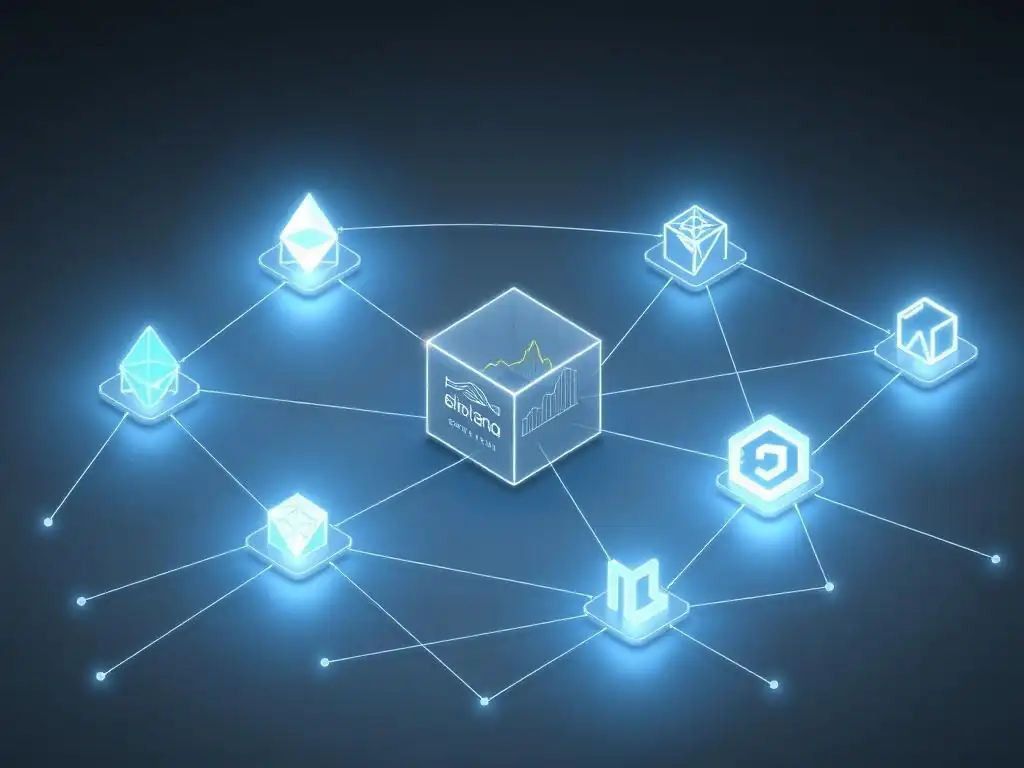
Popular Cross-Chain Bridges and Their Features
Navigating the landscape of cross-chain bridges can be daunting, given the variety of options and their varying features, security levels, and supported chains. Choosing the right bridge is crucial for safe and efficient cross-chain staking activities. Here's an overview of some popular cross-chain bridges and their key features:
- Polygon Bridge (Ethereum to Polygon): This is the official bridge for transferring assets between Ethereum and Polygon. It's known for its relatively fast bridging times and lower fees compared to bridging directly on Ethereum. It supports a wide range of ERC-20 tokens and ETH. Security is generally considered robust, given its official status and the backing of the Polygon team.
- Avalanche Bridge (Ethereum to Avalanche): Similar to the Polygon Bridge, the Avalanche Bridge is the official bridge for transfers between Ethereum and Avalanche. It offers fast bridging speeds and competitive fees. It supports ERC-20 tokens and ETH and is considered a secure option for bridging to Avalanche.
- IBC (Inter-Blockchain Communication - Cosmos Ecosystem): IBC is not a bridge in the traditional sense but a native interoperability protocol within the Cosmos ecosystem. It enables secure and efficient transfers between IBC-enabled chains like Cosmos Hub, Osmosis, and many others. IBC is often considered the most secure and efficient method for cross-chain transfers within Cosmos, as it relies on native chain validation rather than external intermediaries.
- Multichain (formerly Anyswap): Multichain is a more general-purpose bridge supporting a vast number of blockchains, including Ethereum, Binance Smart Chain, Fantom, and many others. It offers broad chain compatibility but has faced some security concerns in the past. Users should exercise caution and research the security track record before using Multichain for large transfers.
- Hop Protocol: Hop Protocol focuses on fast and cost-effective transfers between Ethereum Layer-2 scaling solutions like Arbitrum and Optimism, as well as Ethereum mainnet. It's particularly useful for users frequently moving assets between these Layer-2s.
- Celer cBridge: Celer cBridge is another multi-chain bridge supporting various blockchains, including Ethereum, Polygon, Avalanche, and others. It emphasizes speed and low fees and utilizes state channel technology for faster transfers.
When selecting a bridge, consider factors like: Security: Research audit reports and security incidents. Supported Chains: Ensure the bridge supports your desired source and destination chains. Fees: Compare transaction fees. Speed: Consider bridging times. Reputation: Opt for bridges with a proven track record and community trust. Always prioritize security and conduct thorough research before using any cross-chain bridge.
Cross-Chain DeFi Platforms Offering Staking Options
As cross-chain technology matures, a growing number of DeFi platforms are emerging that specifically facilitate cross-chain staking and related activities. These platforms aim to simplify the process of earning rewards across multiple blockchains and often offer aggregated staking opportunities and user-friendly interfaces. Here are some examples of cross-chain DeFi platforms offering staking options:
- Osmosis (Cosmos Ecosystem): Osmosis DEX, as mentioned previously, is a prime example of a platform leveraging IBC for cross-chain staking within the Cosmos ecosystem. It allows users to stake tokens from various IBC-enabled chains in liquidity pools and earn rewards.
- Stride (Cosmos Ecosystem): Stride specializes in liquid staking for Cosmos chains. It enables users to stake ATOM and other Cosmos tokens and receive liquid staking derivatives (like stATOM) that can be used in DeFi across the Cosmos ecosystem, effectively unlocking the liquidity of staked assets while still earning staking rewards.
- Beefy Finance (Multi-Chain Yield Optimizer): Beefy Finance is a yield optimizer platform that aggregates yield farming and staking opportunities across multiple blockchains, including Binance Smart Chain, Polygon, Avalanche, and Fantom. While not exclusively focused on cross-chain staking, it often incorporates cross-chain strategies and vaults that leverage bridging and cross-chain asset deployment to maximize yields.
- Yield Yak (Avalanche Ecosystem): Yield Yak is a yield optimizer platform primarily focused on the Avalanche ecosystem. It offers various yield farming and staking vaults, some of which may involve cross-chain strategies to enhance returns within the Avalanche ecosystem.
- Rango Exchange (Cross-Chain DEX Aggregator): While primarily a DEX aggregator for cross-chain swaps, Rango Exchange also integrates with various staking platforms and may offer access to cross-chain staking opportunities through its interface.
These platforms represent a growing trend towards more integrated and user-friendly cross-chain DeFi experiences. They simplify the complexities of cross-chain staking by aggregating opportunities, providing streamlined interfaces, and sometimes even automating certain aspects of the process. However, as with any DeFi platform, it's crucial to conduct thorough research, understand the risks involved, and assess the security and reputation of the platform before entrusting your assets.
Monitoring Your Cross-Chain Staking Portfolio
Effectively monitoring your cross-chain staking portfolio is essential for tracking performance, managing risk, and making informed decisions about your strategy. Given that your staking positions might be spread across multiple blockchains and platforms, a fragmented view can make it difficult to get a holistic understanding of your portfolio's performance. Fortunately, various tools and techniques can help you monitor your cross-chain staking portfolio efficiently.
- Block Explorers: Block explorers for each blockchain you are staking on are fundamental tools for tracking individual staking transactions, rewards accumulation, and overall account balances. Etherscan for Ethereum, Polygonscan for Polygon, and Mintscan for Cosmos are examples of popular block explorers. You can manually track your staking positions by monitoring your wallet addresses on these explorers.
- DeFi Portfolio Trackers: Several DeFi portfolio trackers are designed to aggregate your DeFi positions across multiple blockchains and platforms into a single dashboard. Examples include Zapper, DeBank, and Ape Board. These trackers can automatically detect your staking positions, yield farming activities, and other DeFi assets across connected wallets, providing a consolidated view of your portfolio's value and performance. Many trackers also display staking rewards earned and APYs.
- Spreadsheets or Portfolio Management Apps: For more granular control and customization, you can use spreadsheets or dedicated portfolio management applications to manually track your cross-chain staking positions. This approach allows you to tailor your tracking to specific metrics and analyses you are interested in.
- Platform-Specific Dashboards: Many cross-chain DeFi platforms themselves offer dashboards or portfolio tracking features within their interfaces. These dashboards can provide detailed information about your staking positions and rewards within that specific platform.
When monitoring your cross-chain staking portfolio, focus on key metrics such as: Total Portfolio Value: Track the overall value of your staked assets across all chains. Yield and APY: Monitor the actual rewards earned and the annualized percentage yield. Asset Allocation: Keep track of the distribution of your assets across different blockchains and staking protocols.
Impermanent Loss (if applicable): If involved in liquidity pools, monitor potential impermanent loss. Transaction History: Review your staking and reward claiming transactions for accuracy and record-keeping. Regular monitoring allows you to identify trends, assess the effectiveness of your strategy, and make adjustments as needed to optimize your cross-chain staking rewards and manage risks.
The Future of Cross-Chain Staking and Interoperability in DeFi
Emerging Trends in Cross-Chain Technology
The landscape of cross-chain technology is rapidly evolving, with several emerging trends poised to shape the future of cross-chain staking and interoperability in DeFi. One prominent trend is the development of more secure and efficient bridging solutions. Ongoing research and development are focused on enhancing bridge security through techniques like zero-knowledge proofs, optimistic rollups applied to bridges, and more robust multi-signature schemes. These advancements aim to mitigate the security risks associated with traditional bridges and make cross-chain transfers more reliable and trustworthy.
Another key trend is the rise of generalized interoperability protocols. Projects like LayerZero and Chainlink CCIP are pushing beyond simple asset transfers to enable more complex cross-chain communication and smart contract interactions. These protocols could facilitate more sophisticated cross-chain staking strategies, such as cross-chain governance voting or staking assets on one chain and receiving rewards on another, with greater ease and efficiency.
Account abstraction is also gaining traction, aiming to simplify user experience by allowing users to manage assets and interact with dApps across multiple chains with a single wallet and account. This could significantly reduce the complexity of cross-chain staking for the average user. Furthermore, cross-chain composability is becoming a focal point, enabling DeFi protocols on different blockchains to interact and build upon each other.
This could lead to the creation of novel cross-chain DeFi products and services, including more advanced cross-chain staking strategies that leverage the unique capabilities of different blockchains in a synergistic manner. These emerging trends collectively point towards a future where cross-chain interactions are more seamless, secure, and integral to the DeFi ecosystem.
The Potential for Increased Adoption of Cross-Chain Staking
The confluence of technological advancements and the growing demand for yield and diversification in DeFi strongly suggests a significant potential for increased adoption of cross-chain staking in the future. As cross-chain technologies become more secure, user-friendly, and efficient, the barriers to entry for participating in cross-chain staking will continue to diminish. Improved bridge security and generalized interoperability protocols will reduce the perceived risks associated with cross-chain transfers, encouraging more users to explore multi-chain opportunities. Account abstraction and simplified user interfaces will make cross-chain staking more accessible to a wider audience, including less technically savvy users.
The inherent benefits of cross-chain staking, such as access to higher yields, diversification of risk, and participation in a broader range of DeFi ecosystems, will continue to drive adoption. As the DeFi space matures and users become more sophisticated in their yield-seeking strategies, cross-chain staking is likely to become an increasingly mainstream and essential component of portfolio management.
The growth of the multi-chain ecosystem, with the emergence of new and specialized blockchains, further strengthens the case for cross-chain staking. These diverse ecosystems offer unique staking opportunities and reward structures that can be accessed through cross-chain strategies.
Increased institutional interest in DeFi and crypto assets could also fuel the adoption of cross-chain staking, as institutions seek sophisticated strategies to optimize returns and manage risk across the expanding blockchain landscape. Overall, the trajectory points towards a future where cross-chain staking becomes a widely adopted and integral part of the DeFi landscape, driven by technological progress, user demand, and the inherent advantages of multi-chain participation.
How Cross-Chain Solutions Enhance the DeFi Ecosystem
Cross-chain solutions are not merely a niche area within DeFi; they are fundamental enablers of a more robust, efficient, and scalable decentralized financial ecosystem. By breaking down the silos between individual blockchains, cross-chain technologies address some of the key limitations of the current DeFi landscape and unlock significant benefits for the entire ecosystem. Firstly, cross-chain solutions enhance capital efficiency.
In a fragmented multi-chain environment, liquidity is often scattered across different blockchains, leading to inefficiencies and reduced capital utilization. Cross-chain bridges and interoperability protocols facilitate the flow of capital between chains, allowing liquidity to be deployed more efficiently to where it is needed most, potentially boosting overall DeFi yields and reducing slippage in trading.
Secondly, cross-chain solutions reduce fragmentation. The proliferation of blockchains, while offering diversity and specialization, can also lead to fragmentation of liquidity and user base. Cross-chain technologies help to connect these fragmented ecosystems, creating a more unified and interconnected DeFi landscape. This reduces friction for users, enables seamless access to opportunities across different chains, and fosters a more collaborative and synergistic DeFi environment.
Thirdly, cross-chain solutions foster innovation. By enabling cross-chain composability, developers can build novel DeFi applications that leverage the unique strengths of different blockchains. This opens up new possibilities for cross-chain lending, borrowing, trading, and staking strategies, driving innovation and expanding the functionality of the DeFi ecosystem as a whole. Finally, cross-chain solutions improve scalability and resilience.
By distributing activity across multiple blockchains, cross-chain DeFi can alleviate congestion and scalability bottlenecks on individual chains. Furthermore, a multi-chain ecosystem is inherently more resilient to network outages or attacks, as failures on one chain are less likely to cripple the entire DeFi system. In essence, cross-chain solutions are essential building blocks for a more mature, scalable, and interconnected DeFi future.
Case Studies: Successful Cross-Chain Staking Implementations
Analyzing Real-World Examples of High-Yield Cross-Chain Staking
While high yields in DeFi are often associated with higher risk, some real-world examples of cross-chain staking have demonstrated the potential for achieving substantial rewards through strategic multi-chain deployment, while managing risk effectively. One notable case is the emergence of liquid staking solutions on Cosmos, such as Stride.
Stride, as previously mentioned, allows users to stake ATOM and other Cosmos tokens and receive liquid staking derivatives. These derivatives can then be utilized in DeFi on other Cosmos chains, like Osmosis, to earn additional yield on top of the staking rewards.
By strategically deploying these liquid staking derivatives in Osmosis pools or other DeFi protocols, users have been able to generate significantly higher overall APYs compared to simply staking ATOM directly on the Cosmos Hub. For example, staking ATOM directly might yield around 8-12% APY, while using Stride's stATOM in Osmosis liquidity pools could potentially boost the total yield to 15-25% or even higher, depending on pool incentives and market conditions.
Another example is the use of yield optimizers like Beefy Finance in cross-chain strategies. Beefy Finance, operating across multiple chains, often identifies and automates yield farming and staking strategies that involve bridging assets and deploying them on different blockchains to maximize returns. While specific APYs vary and are subject to market fluctuations, Beefy Finance has historically offered vaults with significantly higher yields compared to single-chain staking options by leveraging cross-chain opportunities.
It's important to note that these higher yields are often associated with increased complexity and potentially higher risks, including smart contract risks and impermanent loss in some cases. However, these real-world examples demonstrate that strategic cross-chain staking, particularly when combined with liquid staking derivatives or yield optimization platforms, can be a viable pathway to achieving high yields in DeFi, provided that risks are carefully assessed and managed.
Lessons Learned from Cross-Chain Staking Ventures
Analyzing both successful and less successful cross-chain staking ventures provides valuable lessons for navigating this evolving landscape. One key lesson is the paramount importance of security. Bridge hacks and smart contract exploits have been recurring themes in DeFi, and cross-chain staking, involving both bridges and smart contracts, is particularly vulnerable. Ventures that prioritize security, conduct rigorous audits, and implement robust security measures are more likely to succeed in the long run. Conversely, projects that neglect security or rush to market without adequate security precautions are at higher risk of failures and user losses.
Another crucial lesson is the need for transparency and community engagement. Successful cross-chain staking protocols often foster strong communities and maintain open communication with users. Transparency regarding protocol design, security audits, risk factors, and potential vulnerabilities builds trust and encourages user participation. Projects that are opaque or unresponsive to community concerns are less likely to gain widespread adoption and long-term success.
Sustainable tokenomics is also a critical factor. Protocols that offer excessively high APYs without a sustainable underlying economic model are often unsustainable and prone to collapse. Successful ventures typically have well-designed tokenomics that balance incentives for users with the long-term viability of the protocol. Furthermore, user experience plays a significant role.
Cross-chain staking can be complex, and platforms that prioritize user-friendliness, simplify the process, and provide clear guidance are more likely to attract and retain users. Finally, continuous adaptation and innovation are essential in the rapidly evolving DeFi space. Successful cross-chain staking ventures are often those that are agile, adapt to changing market conditions, and continuously innovate to improve their protocols and offerings.
[Case Study Example: Stride's Liquid Staking Solution on Cosmos]
Stride stands out as a compelling case study for successful cross-chain staking implementation within the Cosmos ecosystem. Stride addresses a key challenge in traditional staking: the illiquidity of staked assets. When users stake tokens like ATOM directly on the Cosmos Hub, those tokens are locked up and cannot be used for other DeFi activities until unstaked, which often involves an unbonding period of several weeks.
Stride's liquid staking solution solves this problem by issuing liquid staking derivatives, such as stATOM, when users stake their ATOM through the Stride protocol. These stATOM tokens represent the staked ATOM and accrue staking rewards in real-time, while also being freely transferable and usable in DeFi applications across the Cosmos ecosystem.
Stride leverages the IBC protocol for secure and efficient communication and asset transfers within Cosmos. Users can stake ATOM on Stride, receive stATOM, and then use stATOM on platforms like Osmosis for trading, providing liquidity, or even further yield farming strategies. This effectively unlocks the liquidity of staked ATOM, allowing users to earn staking rewards while simultaneously participating in other DeFi opportunities. Stride's success can be attributed to several factors: Addressing a clear need: Solving the illiquidity of staked assets is a significant value proposition.
Leveraging IBC: Utilizing the native and secure IBC protocol enhances trust and efficiency. Focus on user experience: Stride provides a user-friendly interface for staking and managing liquid staking derivatives. Strong community support: Stride has cultivated a growing community within the Cosmos ecosystem.
Sustainable tokenomics: Stride's tokenomics are designed to incentivize both stakers and protocol participants in a sustainable manner. Security audits: Stride has undergone security audits to enhance the security and reliability of its protocol. Stride's liquid staking model has gained significant traction within Cosmos, demonstrating the viability and benefits of cross-chain staking solutions that address specific user needs and leverage the strengths of interoperable blockchain ecosystems.
Optimizing Your Cross-Chain Staking Strategy for Long-Term Success
Rebalancing Your Portfolio for Optimal Returns
For long-term success in cross-chain staking, simply setting up your initial staking positions and forgetting about them is not an optimal strategy. The DeFi landscape is dynamic, and staking yields, protocol risks, and market conditions are constantly evolving. Therefore, rebalancing your cross-chain staking portfolio is a crucial practice for maintaining optimal returns and managing risk over time. Rebalancing involves periodically reviewing your portfolio allocation across different blockchains and staking protocols and making adjustments to realign it with your target strategy.
When to rebalance depends on your individual strategy and risk tolerance. Some investors rebalance on a fixed schedule, such as monthly or quarterly. Others rebalance based on specific triggers, such as significant changes in APYs, protocol risks, or market conditions.
For example, if the APY for staking a particular asset on one blockchain significantly increases relative to others, you might consider rebalancing by shifting some assets to that higher-yield opportunity. Conversely, if the perceived risk of a particular protocol or blockchain increases, you might rebalance by reducing your exposure to that network. Rebalancing can also involve taking profits from high-performing staking positions and reallocating them to underperforming or undervalued assets, a form of "buying low, selling high" within your staking portfolio.
When rebalancing, consider transaction costs and gas fees associated with moving assets between chains and restaking. Frequent rebalancing with small amounts might be counterproductive due to transaction costs. A well-defined rebalancing strategy, tailored to your goals and risk tolerance, is essential for maximizing long-term returns and managing risks effectively in the dynamic world of cross-chain staking.
Staying Informed About Protocol Updates and Security Audits
Staying informed is paramount for navigating the risks and opportunities in cross-chain staking. The DeFi space is characterized by rapid innovation and constant updates to protocols and technologies. Protocol updates can introduce new features, changes to tokenomics, or even security patches. Staying informed about these updates is crucial for understanding how they might impact your staking positions and strategy. For example, a protocol update might change staking reward rates, introduce new lock-up periods, or alter the protocol's governance mechanisms. Ignoring these updates could lead to missed opportunities or unexpected changes to your staking returns.
Security audits are equally critical. As discussed earlier, smart contract risks and bridge vulnerabilities are significant concerns in cross-chain staking. Reputable DeFi projects regularly undergo security audits by third-party firms to identify and address potential vulnerabilities. Staying informed about the results of these audits is essential for assessing the security and trustworthiness of the protocols you are staking on.
Look for audit reports from reputable firms and pay attention to any vulnerabilities identified and how they were addressed. Follow official project communication channels, such as websites, blogs, Twitter accounts, and community forums, to stay updated on protocol updates, security audits, and any reported security incidents. Engage with the community and participate in discussions to gain insights from other users and experts. Proactive information gathering and continuous learning are key to mitigating risks and making informed decisions in the ever-evolving landscape of cross-chain DeFi.
Managing Gas Fees and Transaction Costs Across Chains
Gas fees and transaction costs are a significant consideration in cross-chain staking, as they can impact your overall profitability, especially for smaller staking amounts or frequent transactions. Different blockchains have vastly different fee structures. Ethereum mainnet, for instance, is notorious for high gas fees, particularly during periods of network congestion. Other blockchains, like Polygon, Avalanche, and Binance Smart Chain, offer significantly lower transaction fees. When engaging in cross-chain staking, it's crucial to be mindful of these fee differentials and adopt strategies to minimize gas fees and transaction costs.
One strategy is to choose lower-fee chains for staking activities whenever possible. If a comparable staking opportunity exists on a lower-fee chain like Polygon or Avalanche, consider utilizing that option to reduce transaction costs. Batching transactions can also be effective.
Instead of performing multiple small transactions, try to batch them together into fewer larger transactions to reduce the overall gas cost. For example, when claiming staking rewards, consider claiming them less frequently but in larger batches to minimize gas fees. Using off-peak hours for transactions, particularly on chains like Ethereum, can sometimes result in lower gas fees during periods of reduced network activity.
Exploring Layer-2 scaling solutions for Ethereum, such as Arbitrum and Optimism, can also significantly reduce gas fees for transactions within the Ethereum ecosystem. When bridging assets, compare fees across different bridges and choose options with lower fees, while still prioritizing security. Careful planning and fee optimization can significantly enhance the profitability of your cross-chain staking strategy, especially for smaller portfolio sizes or frequent staking-related transactions.
Conclusion: Embracing the Potential of Cross-Chain Staking Rewards
The Benefits of Exploring Multi-Chain Opportunities
Exploring multi-chain opportunities through cross-chain staking unlocks a plethora of benefits for DeFi participants seeking to optimize their returns and navigate the evolving blockchain landscape. The primary advantage lies in enhanced yield potential. By strategically deploying assets across multiple blockchains, users can tap into diverse staking rewards and potentially access higher APYs offered by emerging or less congested networks. This multi-chain approach allows for yield optimization beyond the confines of a single blockchain ecosystem.
Diversification is another significant benefit. Spreading staking positions across different blockchains mitigates risks associated with the performance or security of any single network. This diversification strategy enhances portfolio resilience and reduces exposure to single-point-of-failure risks.
Cross-chain staking also provides access to a wider range of DeFi ecosystems and opportunities. Each blockchain ecosystem has its own unique strengths, protocols, and community. Multi-chain participation allows users to explore and benefit from these diverse ecosystems, expanding their access to innovation and new financial instruments. Furthermore, cross-chain strategies contribute to increased capital efficiency within the DeFi space.
By facilitating the flow of assets between chains, cross-chain solutions help to overcome liquidity fragmentation and enable more efficient utilization of capital across the entire DeFi ecosystem. Finally, embracing multi-chain opportunities positions users at the forefront of the evolving DeFi landscape. As cross-chain technology matures and interoperability becomes more seamless, multi-chain strategies are poised to become increasingly integral to the future of decentralized finance. Exploring these opportunities now allows users to gain experience and position themselves for long-term success in a multi-chain world.
Navigating the evolving landscape of cross-chain DeFi requires a proactive and adaptable approach. The technology, protocols, and risks associated with cross-chain strategies are constantly changing, necessitating continuous learning and vigilance. Staying informed is paramount. Keep abreast of the latest developments in cross-chain technology, protocol updates, security audits, and emerging trends within the DeFi space. Follow reputable news sources, project communication channels, and community discussions to stay ahead of the curve.
Prioritize security in all cross-chain activities. Thoroughly research bridges, staking protocols, and platforms before entrusting your assets. Understand the risks involved and take necessary precautions to mitigate them. Diversify your bridge usage, utilize reputable protocols, and exercise caution when interacting with new or unaudited platforms.
Start small and test strategies before deploying significant capital. Experiment with smaller amounts to familiarize yourself with the processes, understand the risks, and refine your strategies before scaling up your cross-chain staking activities. Adapt your strategies as the landscape evolves. Be prepared to adjust your portfolio allocation, switch between protocols, and adapt to changing market conditions and technological advancements. Engage with the community.
Participate in discussions, seek advice from experienced users, and contribute to the collective knowledge base of the cross-chain DeFi community. Embrace continuous learning. The DeFi space is constantly innovating, and staying curious, learning new concepts, and exploring emerging technologies is essential for long-term success in cross-chain DeFi. By adopting a proactive, informed, and adaptable approach, you can navigate the evolving landscape of cross-chain DeFi effectively and capitalize on the opportunities it presents.
Key Takeaways for Profitable Cross-Chain Staking
To conclude, profitable cross-chain staking hinges on a combination of strategic planning, risk management, and continuous learning. Here are key takeaways for maximizing your chances of success in this dynamic field:
- Prioritize Security: Security is paramount. Thoroughly research bridges and protocols, prioritize audited and reputable platforms, and understand the risks involved in cross-chain transfers and smart contracts.
- Diversify Strategically: Diversification across multiple blockchains and staking protocols is crucial for mitigating risk and enhancing portfolio resilience. Don't concentrate all your assets on a single chain or protocol.
- Research Thoroughly: Conduct in-depth research on staking opportunities, APYs, protocol tokenomics, and underlying blockchain technologies before deploying capital. Don't solely chase the highest APYs without understanding the associated risks.
- Utilize Aggregators Wisely: Cross-chain staking aggregators can be valuable tools for discovering and comparing opportunities, but always conduct your own independent due diligence and don't solely rely on aggregator information.
- Manage Gas Fees: Be mindful of gas fees and transaction costs across different blockchains. Adopt strategies to minimize fees, such as choosing lower-fee chains, batching transactions, and utilizing Layer-2 solutions.
- Rebalance Regularly: Periodically rebalance your portfolio to maintain optimal asset allocation, capitalize on changing yields, and manage risk effectively.
- Stay Informed and Adapt: Continuously monitor protocol updates, security audits, and market trends. Be prepared to adapt your strategies and learn new concepts as the cross-chain DeFi landscape evolves.
- Start Small and Test: Begin with smaller amounts to experiment and refine your strategies before scaling up your cross-chain staking activities.
- Understand Impermanent Loss (if applicable): If participating in liquidity pools as part of your strategy, thoroughly understand impermanent loss and its potential impact.
By adhering to these key takeaways and embracing a proactive and informed approach, you can navigate the complexities of cross-chain staking and unlock the potential for earning profitable rewards while managing risks effectively in the exciting and rapidly evolving world of multi-chain DeFi.
Frequently Asked Questions
How does crosschain staking differ from traditional staking?
Crosschain staking involves staking assets across multiple blockchains, while traditional staking is limited to a single blockchain network. This allows for diversification of rewards and risk mitigation.
What are the primary benefits of employing crosschain staking strategies?
The main benefits include higher potential returns by leveraging different blockchain ecosystems, reduced risk through diversification, and access to new staking opportunities not available on a single chain.
What risks are associated with crosschain staking?
Risks include smart contract vulnerabilities on different chains, bridge security concerns related to asset transfers, and the complexity of managing multiple staking positions.
What types of assets are typically used in crosschain staking?
Common assets include bridged versions of popular cryptocurrencies like ETH or stablecoins, as well as native tokens of different blockchains specifically designed for crosschain interactions.
How does regulation impact crosschain staking reward strategies?
Regulatory uncertainty surrounding DeFi and crosschain bridges can affect the legality and viability of certain strategies. Compliance with KYC/AML regulations across different jurisdictions is also crucial.
Final Reflection: Embracing the Interconnected Future of Finance
The exploration of cross-chain staking strategies reveals more than just innovative methods for earning rewards; it highlights the growing interconnectedness of the blockchain ecosystem. As we've seen, the ability to leverage assets across multiple chains unlocks unprecedented opportunities for yield optimization and portfolio diversification, signaling a fundamental shift in how we interact with decentralized finance. This interconnectedness is no longer a distant vision, but a tangible reality shaping the future of finance.
This journey into cross-chain staking has underscored the importance of adaptability and continuous learning in the rapidly evolving crypto landscape. The potential for increased returns and reduced risk through diversification is undeniable, but requires a proactive approach to understanding the nuances of each blockchain and its associated protocols. The future of finance is decentralized, and cross-chain interoperability is the key to unlocking its full potential.
This quote encapsulates the spirit of innovation that drives the development of these strategies and their potential to reshape the financial landscape.
As you navigate the world of decentralized finance, I encourage you to embrace the possibilities that cross-chain staking offers. Don't be afraid to explore new protocols, experiment with different strategies, and contribute to the ongoing development of this exciting field. The future of finance is being built today, and your participation can help shape a more interconnected, efficient, and rewarding ecosystem for everyone.
Unlock Your Cross-Chain Staking Potential!
Thank you for exploring the world of cross-chain staking with us. We hope you've gained valuable insights to help you maximize your crypto rewards. Now, it's time to turn that knowledge into action and start earning.
Here’s how to take the next step:
- Try your first cross-chain staking pool. Research a platform that matches your risk appetite and investment goals, then make a small initial deposit to assess its performance.
- Experiment with different bridging solutions. Use platforms like Multichain or Stargate to transfer your assets efficiently between blockchains.
- Share your staking experiences! Engage with other crypto enthusiasts on forums or social media and share your insights using the hashtag #BlockchainTrendsStaking.
Are you ready to become a cross-chain staking expert and increase your crypto income? Which strategies will you implement first to maximize your rewards across various blockchains?
Leave a Reply