
Decentralized vs. Centralized Exchanges for DeFi Derivatives: Which is Right for You?


Welcome to Blockchain Trends, your compass in the rapidly evolving world of decentralized technologies. Are you ready to navigate the complexities of DeFi and discover how blockchain is reshaping industries?
Dive into our latest exploration of Advanced DeFi Strategies and uncover the nuances of DeFi derivatives exchange comparison. We'll dissect the pros and cons of decentralized versus centralized exchanges, helping you understand which platform best suits your needs and strategies. But first, consider this: are you truly maximizing the potential of decentralized finance, or are you missing crucial opportunities hidden within the evolving landscape of derivatives? Let's find out...
Decentralized vs. Centralized Exchanges for DeFi Derivatives: Which is Right for You?
- Introduction: Navigating the World of DeFi Derivatives Exchanges
- DeFi Derivatives Exchange Comparison: DEXs vs. CEXs
- Decentralized Exchanges (DEXs) for DeFi Derivatives: A Deep Dive
- Centralized Exchanges (CEXs) for DeFi Derivatives: A Detailed Look
- Comparing Key Features: DEXs vs. CEXs for DeFi Derivatives Trading
- Use Cases: When to Choose a DEX or a CEX for DeFi Derivatives
- The Future of DeFi Derivatives Exchanges: Hybrid Models and Innovation
- Conclusion: Choosing the Right Platform for Your DeFi Derivatives Needs
-
Frequently Asked Questions
- What are the main differences between decentralized (DEX) and centralized (CEX) exchanges when trading DeFi derivatives?
- How does regulation impact DeFi derivatives trading on DEXs versus CEXs?
- What are the key factors to consider in a DeFi derivatives exchange comparison when choosing between a DEX and a CEX?
- What are some potential advantages of using a DEX for trading DeFi derivatives?
- How might the future of DeFi derivatives impact the role of DEXs and CEXs?
- Final Reflection: Embracing the Future of Finance
- Unveil Your Ideal DeFi Derivatives Strategy
Understanding DeFi Derivatives: A Primer
DeFi derivatives are financial instruments whose value is derived from an underlying asset within the decentralized finance ecosystem. Unlike traditional derivatives that often involve assets like stocks or commodities, DeFi derivatives are tied to cryptocurrencies, tokenized assets, or even other DeFi protocols. These instruments allow traders to speculate on the future price movements of these digital assets, hedge against volatility, or gain leveraged exposure without directly owning the underlying asset. Common examples include perpetual swaps, futures, options, and synthetic assets that mirror the price of real-world assets.
The core appeal of DeFi derivatives lies in their permissionless and transparent nature, enabled by blockchain technology. Smart contracts automate the execution of trades and manage collateral, removing intermediaries and fostering a trustless environment. This contrasts sharply with traditional finance, where derivatives trading is often dominated by large institutions and subject to complex regulatory frameworks. DeFi derivatives are rapidly evolving, offering a dynamic and potentially more accessible alternative to traditional derivative markets, attracting both seasoned traders and newcomers to the world of decentralized finance.
The Growing Importance of Decentralized Exchanges (DEXs) in DeFi
Decentralized Exchanges (DEXs) have become a cornerstone of the DeFi ecosystem, offering a crucial alternative to centralized platforms. Their importance stems from the fundamental principles of decentralization: removing intermediaries, enhancing transparency, and granting users greater control over their assets. In the context of DeFi derivatives, DEXs are particularly significant because they extend these benefits to complex financial instruments, traditionally controlled by centralized entities. The rise of DEXs for derivatives reflects a broader trend within DeFi towards building a more open and permissionless financial system.
The growth of DEXs is underscored by the increasing trading volumes observed across platforms like dYdX, GMX, and Perpetual Protocol. For example, dYdX has consistently processed billions of dollars in monthly trading volume, demonstrating the significant appetite for decentralized derivatives trading. This growth is fueled by users seeking to avoid the custodial risks associated with CEXs, as well as those who value the privacy and censorship resistance offered by decentralized platforms. DEXs are not just an alternative; they are increasingly becoming the preferred venue for a significant segment of the DeFi derivatives market.
Centralized Exchanges (CEXs) Still Hold Ground: An Overview
Despite the rise of DEXs, Centralized Exchanges (CEXs) continue to play a dominant role in the cryptocurrency and DeFi derivatives market. CEXs, such as Binance, Coinbase, and Kraken, offer a user-friendly gateway to the crypto world, attracting a massive user base due to their ease of use, high liquidity, and a wide range of trading products. In the realm of derivatives, CEXs provide sophisticated trading tools, deep order books, and often lower transaction fees compared to early DEX models, making them appealing to both retail and institutional traders.
While DEXs champion decentralization, CEXs excel in providing a familiar and regulated trading environment. They offer features like margin trading, futures contracts with high leverage, and options trading, often with interfaces that are more intuitive for users accustomed to traditional financial markets. Furthermore, many CEXs have invested heavily in security measures and regulatory compliance, offering a sense of security and legitimacy that can be reassuring for less technically savvy users. The continued prominence of CEXs highlights the ongoing demand for user-friendliness, high performance, and regulatory clarity in the DeFi derivatives space.
DeFi Derivatives Exchange Comparison: DEXs vs. CEXs
Key Differences Between Decentralized and Centralized Platforms
The fundamental difference between DEXs and CEXs lies in their operational model and governance. DEXs operate on a decentralized infrastructure, typically leveraging blockchain technology and smart contracts to facilitate peer-to-peer trading directly between users' wallets. This eliminates the need for intermediaries, giving users full custody of their funds and control over their private keys throughout the trading process. Transactions on DEXs are transparently recorded on the blockchain, enhancing auditability and reducing counterparty risk.
Conversely, CEXs function as centralized entities, acting as intermediaries between buyers and sellers. Users deposit their funds into exchange-controlled wallets, entrusting the exchange with custody and security. While CEXs often offer more features and faster transaction processing, they introduce custodial risk and are subject to regulatory oversight in their jurisdictions. This centralized structure also means that CEXs can potentially censor transactions or freeze accounts, actions that are inherently impossible on a truly decentralized exchange.
DeFi Derivatives Trading: A Comparative Analysis
When comparing DeFi derivatives trading on DEXs and CEXs, several factors come into play, including fees, security, liquidity, and product offerings. DEXs, particularly those utilizing Automated Market Makers (AMMs), often charge transaction fees that can fluctuate based on network congestion (gas fees) and pool liquidity. Security on DEXs is generally considered stronger in terms of custody, as users maintain control of their assets, but smart contract vulnerabilities remain a potential risk. Liquidity on DEXs can vary significantly, with newer platforms or niche derivatives potentially suffering from lower liquidity compared to established CEXs.
CEXs typically offer lower trading fees, especially for high-volume traders, and boast deep liquidity due to their large user base and market-making operations. However, security on CEXs is a centralized point of failure, making them attractive targets for hackers. History is replete with examples of major CEX hacks, such as the Mt. Gox collapse and more recent incidents, resulting in substantial losses for users. Product offerings also differ, with CEXs generally providing a wider range of derivative products and higher leverage options, while DEXs are rapidly innovating in novel DeFi-native derivative instruments.
Centralized Exchanges for Derivatives: Benefits and Drawbacks
Centralized Exchanges (CEXs) present a compelling value proposition for derivatives trading, particularly for users prioritizing ease of use and high performance. A significant benefit of CEXs is their user-friendly interface, often resembling traditional trading platforms, making them accessible to individuals unfamiliar with the complexities of DeFi. They offer advanced charting tools, order types, and educational resources, catering to both novice and experienced traders. Furthermore, CEXs generally provide faster transaction execution and higher throughput compared to many DEXs, crucial for high-frequency trading and arbitrage strategies.
However, relying on CEXs for DeFi derivatives trading also entails drawbacks. The most prominent is custodial risk. Users relinquish control of their assets to the exchange, making them vulnerable to exchange hacks, internal fraud, or regulatory actions that could lead to loss of funds.
Another concern is the lack of transparency. While some CEXs provide proof of reserves, the inner workings of their trading engines and order books are often opaque, contrasting with the transparent nature of blockchain-based DEXs. Finally, CEXs are subject to censorship and jurisdictional regulations, potentially limiting access for users in certain regions or hindering the trading of specific assets.
Decentralized Exchanges (DEXs) for DeFi Derivatives: A Deep Dive
Advantages of Using DEXs for Derivatives Trading
Enhanced Security and Transparency on DEXs
Decentralized Exchanges (DEXs) inherently offer enhanced security and transparency compared to their centralized counterparts. Security is bolstered by the non-custodial nature of DEXs; users retain control over their private keys and assets at all times. This significantly reduces the risk of exchange hacks and custodial failures, which have plagued CEXs throughout crypto history. Smart contracts, the backbone of DEXs, are publicly auditable, allowing for community scrutiny and verification of the exchange's code and operations.
Transparency is another key advantage. All transactions on a DEX are recorded on the blockchain, providing an immutable and publicly accessible record of trading activity. This transparency extends to the exchange's order book (if applicable) and trading mechanisms, fostering trust and reducing the information asymmetry often present in centralized systems. Users can independently verify the integrity of the exchange and track the flow of funds, contributing to a more secure and trustworthy trading environment.
Greater Control Over Funds and Private Keys
The core tenet of DEXs is empowering users with complete control over their funds and private keys. Unlike CEXs where users must deposit their assets into exchange-controlled wallets, DEXs allow traders to connect their own wallets directly to the platform. This means that users remain the sole custodians of their digital assets throughout the trading process, mitigating the risk of exchange insolvency or misappropriation of funds. This self-custodial approach aligns with the fundamental ethos of decentralization and financial sovereignty.
This control extends beyond mere custody. Users on DEXs are not subject to the account freezes or KYC/AML restrictions that can be imposed by centralized exchanges. Trading is permissionless and pseudonymous (depending on the DEX), offering greater privacy and freedom to participate in DeFi derivatives markets globally, without the need to trust a central authority with their personal information or funds.
Access to Innovative and Niche Derivatives Products
DEXs are often at the forefront of innovation in the DeFi derivatives space, providing access to novel and niche products that may not be available on CEXs. Due to their permissionless and open-source nature, DEXs can rapidly deploy and experiment with new derivative instruments, including exotic options, tokenized derivatives, and products tailored to specific DeFi protocols or assets. This agility allows DEXs to cater to the evolving needs of the DeFi community and offer unique trading opportunities.
Examples of innovative products emerging from DEXs include perpetual swaps linked to the price of yield-bearing tokens, options contracts on decentralized governance tokens, and synthetic assets representing real-world commodities or indices. DEXs also frequently list derivatives on smaller-cap cryptocurrencies or DeFi tokens before they become available on major CEXs, providing early access to potentially high-growth opportunities for adventurous traders and those seeking exposure beyond mainstream crypto assets.
Potential for Higher Gas Fees and Slippage
One of the primary drawbacks of using DEXs, particularly those built on Ethereum, is the potential for higher gas fees and slippage. Gas fees are transaction costs paid to the blockchain network to process transactions. During periods of network congestion, gas fees can spike significantly, making trading on DEXs expensive, especially for smaller trades or frequent trading activity. This can erode profitability and make DEXs less attractive for high-volume traders or those engaging in short-term trading strategies.
Slippage, the difference between the expected price of a trade and the actual price executed, is another concern on DEXs, especially those utilizing AMMs. Slippage occurs when there is insufficient liquidity in the trading pool to absorb a large order at the desired price. While mechanisms like slippage tolerance settings exist, excessive slippage can lead to unfavorable execution prices, particularly for large trades or in volatile market conditions. Optimizing gas fees and minimizing slippage remains a challenge for DEXs as they strive to compete with the efficiency of CEXs.
Liquidity Concerns on Certain DEXs
Liquidity, the ease with which an asset can be bought or sold without significantly affecting its price, can be a significant concern on some DEXs, especially newer platforms or those focusing on less liquid derivatives products. Compared to the deep order books and market maker participation on CEXs, certain DEXs may experience lower liquidity, particularly for less popular trading pairs or during periods of high market volatility. This can lead to wider bid-ask spreads, increased slippage, and difficulty in executing large orders efficiently.
While leading DEXs like dYdX and GMX have made significant strides in improving liquidity through various mechanisms, including liquidity mining incentives and sophisticated market-making strategies, liquidity fragmentation across the DEX landscape remains a challenge. Users need to be mindful of liquidity levels on specific DEXs and trading pairs, particularly when trading larger volumes or less established derivatives products. Choosing DEXs with robust liquidity is crucial for ensuring efficient trade execution and minimizing adverse price impacts.
Complex User Interface and Learning Curve
Compared to the often polished and user-friendly interfaces of CEXs, some DEXs, particularly those with advanced derivative products, can present a more complex user interface and steeper learning curve. Navigating decentralized wallets, understanding gas fees, and interacting with smart contracts can be daunting for users new to DeFi. The terminology and trading mechanisms on some DEXs might also differ from traditional trading platforms, requiring users to invest time in learning new concepts and interfaces.
While many DEXs are actively working to improve user experience and simplify their interfaces, the inherent complexities of decentralized technology and self-custodial wallets can still pose a barrier to entry for less technically savvy users. Educational resources and more intuitive UI/UX design are crucial for DEXs to broaden their appeal and compete effectively with the user-friendliness offered by CEXs, particularly in attracting mainstream users to DeFi derivatives trading.
Centralized Exchanges (CEXs) for DeFi Derivatives: A Detailed Look
High Liquidity and Order Book Depth
Centralized Exchanges (CEXs) are renowned for providing high liquidity and deep order book depth, particularly for popular cryptocurrency derivatives. CEXs aggregate liquidity from a vast user base and often employ professional market makers who continuously provide buy and sell orders, ensuring tight bid-ask spreads and efficient trade execution even for large orders. This deep liquidity is a significant advantage for traders, enabling them to enter and exit positions quickly and at competitive prices, especially in volatile markets.
The order book depth on CEXs refers to the volume of buy and sell orders available at various price levels. A deep order book indicates substantial liquidity across a range of prices, reducing slippage and making it easier to execute large trades without significantly impacting the market price. This liquidity and order book depth are crucial for sophisticated trading strategies, such as algorithmic trading and high-frequency trading, which rely on rapid and efficient order execution.
User-Friendly Interface and Trading Tools
CEXs prioritize user experience and offer intuitive interfaces and a comprehensive suite of trading tools that cater to both novice and experienced traders. Their platforms often resemble traditional financial trading platforms, making them familiar and easy to navigate for users transitioning from conventional markets. CEXs provide advanced charting tools, technical indicators, and various order types, such as limit orders, market orders, and stop-loss orders, enabling traders to implement diverse trading strategies and manage risk effectively.
Furthermore, CEXs typically offer mobile apps and robust customer support, enhancing accessibility and providing assistance to users when needed. Educational resources, such as tutorials and FAQs, are also commonly available, helping users learn about derivatives trading and navigate the platform. This focus on user-friendliness and comprehensive trading tools makes CEXs attractive, especially for beginners and those seeking a seamless trading experience.
Regulatory Compliance and Insurance Coverage
Many reputable CEXs prioritize regulatory compliance and implement robust security measures to protect user funds and data. Increasingly, CEXs are seeking licenses and adhering to KYC/AML regulations in various jurisdictions, aiming to operate within established legal frameworks and build trust with users and regulators. This regulatory compliance can provide a sense of security and legitimacy, particularly for institutional investors and users concerned about the legal and regulatory uncertainties surrounding the crypto space.
Some CEXs also offer insurance coverage on user funds, providing an additional layer of protection against potential losses due to exchange hacks or security breaches. While the specifics of insurance coverage vary, it demonstrates a commitment to safeguarding user assets and mitigating custodial risks. This emphasis on regulatory compliance and security measures can be a significant factor for users who prioritize risk management and seek a more regulated trading environment for DeFi derivatives.
Custodial Risk: Dependence on the Exchange's Security
The most significant disadvantage of using CEXs for derivatives trading is custodial risk. Users are required to deposit their funds into exchange-controlled wallets, relinquishing control of their private keys and entrusting the exchange with the security of their assets. This creates a centralized point of failure, making CEXs attractive targets for hackers and vulnerable to internal fraud or mismanagement. History is replete with examples of major CEX hacks and collapses, such as Mt. Gox, Coincheck, and FTX, resulting in substantial losses for users.
While CEXs invest in security measures, including cold storage, multi-signature wallets, and penetration testing, the inherent custodial nature of these platforms always carries a degree of risk. Users are dependent on the exchange's security protocols and internal controls, and there is no guarantee against potential losses due to unforeseen events or malicious actors. This custodial risk is a fundamental trade-off for the convenience and features offered by CEXs.
Potential for Censorship and Account Freezes
Centralized Exchanges, being subject to regulatory oversight and operating within specific jurisdictions, face the potential for censorship and account freezes. Governments or regulatory bodies can compel CEXs to freeze accounts, block transactions, or delist certain assets based on legal or policy considerations. This centralized control contrasts sharply with the censorship-resistant nature of decentralized exchanges and blockchain technology.
Users of CEXs are therefore subject to the policies and regulations imposed by the exchange and its governing authorities. Account freezes can occur due to various reasons, including regulatory compliance, suspicion of illicit activity, or even technical glitches. While CEXs typically have processes for resolving account issues, the potential for censorship and account freezes remains a concern for users who value financial freedom and privacy.
Limited Transparency and Auditability
Compared to the transparent nature of DEXs and blockchain, CEXs often operate with limited transparency and auditability. While some CEXs provide proof of reserves, the inner workings of their trading engines, order books, and risk management systems are generally opaque. Users must trust the exchange's internal processes and rely on their self-reported data, as there is limited independent verification or public auditability.
This lack of transparency can raise concerns about potential market manipulation, front-running, or unfair trading practices. In contrast, DEXs built on blockchain offer full transparency, with all transactions and smart contract code publicly auditable. While CEXs may provide convenience and features, the trade-off is often reduced transparency and reliance on the exchange's integrity and operational soundness.
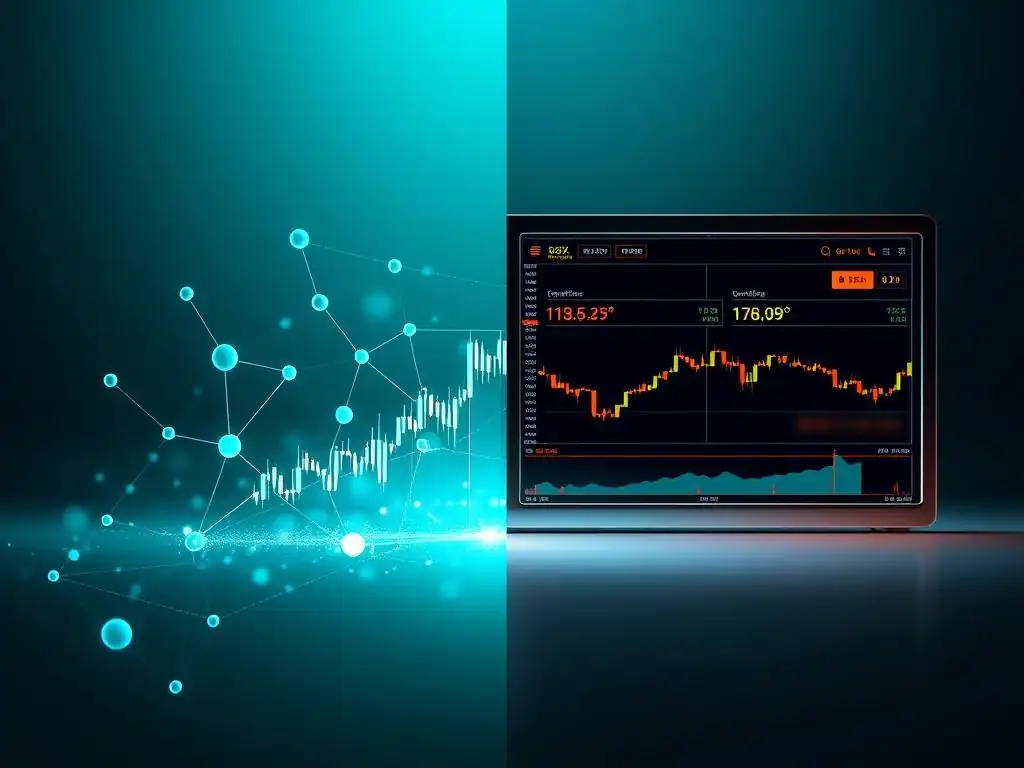
Comparing Key Features: DEXs vs. CEXs for DeFi Derivatives Trading
Trading Fees and Transaction Costs
Trading fees and transaction costs are crucial considerations when choosing between DEXs and CEXs for DeFi derivatives. CEXs generally offer lower trading fees, especially for high-volume traders, often employing a tiered fee structure that rewards active trading. For instance, Binance, a major CEX, has trading fees starting from as low as 0.02% for high-volume makers. However, CEXs may also charge withdrawal fees for transferring assets out of the exchange.
DEXs, on the other hand, can have varying fee structures. AMM-based DEXs typically charge a small percentage fee per trade, often around 0.3%, which is distributed to liquidity providers. Additionally, users on Ethereum-based DEXs must pay gas fees for each transaction, which can fluctuate significantly based on network congestion. While some Layer-2 DEX solutions are mitigating gas fee issues, transaction costs on DEXs can sometimes be higher and less predictable than on CEXs, especially during peak network activity.
Security and Risk Management
Security and risk management are paramount when trading DeFi derivatives, and DEXs and CEXs approach these aspects differently. DEXs prioritize security through self-custody, giving users control over their private keys and eliminating custodial risk. However, DEX users are responsible for their own security practices, including securing their wallets and managing their private keys safely. Smart contract risks also exist on DEXs, although rigorous audits and community scrutiny help mitigate these vulnerabilities.
CEXs, while taking on custodial risk, invest heavily in security infrastructure, including cold storage, multi-factor authentication, and insurance funds. However, CEXs remain centralized targets for hackers, and history demonstrates that even robust security measures can be breached. Risk management on CEXs also involves trusting the exchange's internal controls and regulatory compliance. Choosing between DEXs and CEXs involves weighing the trade-off between self-custodial security and exchange-provided security measures.
Liquidity and Market Depth
Liquidity and market depth are key differentiators between DEXs and CEXs, particularly for derivatives trading. CEXs generally boast superior liquidity and deeper order books, especially for established cryptocurrencies and derivatives products. Major CEXs like Binance and OKX aggregate liquidity from millions of users and market makers, ensuring tight spreads and efficient execution for large orders. This deep liquidity is crucial for professional traders and those executing high-volume strategies.
DEX liquidity varies significantly. Leading DEXs like dYdX and GMX have made substantial progress in enhancing liquidity through liquidity mining programs and sophisticated market-making mechanisms. However, liquidity fragmentation across the DEX landscape remains a challenge, and newer DEXs or those focusing on niche derivatives may experience lower liquidity and wider spreads. For traders prioritizing deep liquidity and efficient execution, especially for larger trades, CEXs often retain an edge.
Available Derivatives Products and Trading Pairs
The range of available derivatives products and trading pairs differs between DEXs and CEXs. CEXs typically offer a wider variety of derivative instruments, including perpetual futures, dated futures, options, and leveraged tokens, across a broad spectrum of cryptocurrencies and even traditional assets in some cases. They also often provide higher leverage options, catering to traders seeking amplified exposure.
DEXs are rapidly expanding their product offerings, but the selection may be more focused on DeFi-native derivatives and specific cryptocurrencies. While DEXs are innovating with novel products like synthetic assets and exotic options, CEXs generally still offer a more comprehensive and mature suite of derivative products, particularly for mainstream cryptocurrencies and established trading pairs. The choice depends on the specific derivatives products and trading pairs a user seeks, with CEXs often providing a broader selection currently.
User Experience and Interface
User experience and interface significantly impact the accessibility and usability of DEXs and CEXs. CEXs generally excel in providing user-friendly interfaces, resembling traditional trading platforms and offering intuitive navigation, charting tools, and customer support. They are designed to be accessible to a wide range of users, including beginners who may be unfamiliar with crypto complexities.
DEX user interfaces can vary in complexity. While many DEXs are improving their UX/UI, some can still be more technically demanding, requiring users to manage their own wallets, understand gas fees, and interact with smart contracts. The learning curve can be steeper for newcomers to DeFi. However, DEXs prioritize decentralization and self-custody, which some users value over sheer user-friendliness. The optimal choice depends on individual preferences for ease of use versus decentralization and control.
Use Cases: When to Choose a DEX or a CEX for DeFi Derivatives
Scenario 1: High-Volume Traders Seeking Liquidity
For high-volume traders who prioritize deep liquidity and efficient order execution, Centralized Exchanges (CEXs) often present a more suitable option for DeFi derivatives trading. CEXs, such as Binance, OKX, and Bybit, boast significantly higher trading volumes and deeper order books compared to most Decentralized Exchanges (DEXs). This deep liquidity ensures that large orders can be filled quickly and at competitive prices, minimizing slippage and maximizing trading efficiency, which is crucial for high-frequency trading and arbitrage strategies.
Moreover, CEXs typically offer lower trading fees for high-volume traders, often implementing tiered fee structures that reward active participation. This cost advantage can be substantial for traders executing numerous large trades daily. While some DEXs are improving their liquidity through various initiatives, CEXs currently maintain a clear edge in providing the robust liquidity and low-fee environment that high-volume traders demand for optimal derivatives trading performance.
Scenario 2: Privacy-Focused Users Prioritizing Security
Privacy-focused users who prioritize security and control over their funds often find Decentralized Exchanges (DEXs) to be a more compelling choice for DeFi derivatives. DEXs inherently offer greater privacy as they typically do not require Know Your Customer (KYC) verification for trading, allowing users to trade pseudonymously. Furthermore, the non-custodial nature of DEXs means users retain full control of their private keys and assets, eliminating the custodial risk associated with CEXs. This self-custody significantly reduces the risk of exchange hacks and potential loss of funds due to centralized failures.
While DEXs may have other trade-offs, such as potentially higher gas fees or lower liquidity on some platforms, for users who prioritize privacy and self-custodial security above all else, DEXs provide a more aligned and secure environment for engaging in DeFi derivatives trading, empowering them with greater financial sovereignty and control over their personal information and assets.
Scenario 3: Beginners Looking for an Easy-to-Use Platform
Beginners venturing into DeFi derivatives trading might find Centralized Exchanges (CEXs) to be a more accessible and user-friendly starting point. CEXs typically offer intuitive interfaces that resemble traditional trading platforms, making navigation and trade execution straightforward even for those unfamiliar with cryptocurrency complexities. They provide comprehensive charting tools, educational resources, and customer support to assist new users in learning about derivatives trading and navigating the platform effectively.
Furthermore, CEXs abstract away many of the technical complexities associated with DeFi, such as managing private keys, understanding gas fees, and interacting with smart contracts directly. This simplified user experience allows beginners to focus on learning the fundamentals of derivatives trading without being overwhelmed by the technical nuances of decentralized technology. While DEXs are becoming more user-friendly, CEXs currently offer a smoother and more beginner-friendly onboarding experience for those new to the world of DeFi derivatives.
Scenario 4: Accessing Specific DeFi Derivatives Products
For users seeking access to specific DeFi derivatives products or niche tokens, Decentralized Exchanges (DEXs) can often be the primary or even exclusive venue. DEXs are known for their rapid innovation and ability to list new and experimental DeFi tokens and derivatives products quickly, often before they become available on major Centralized Exchanges (CEXs). This agility stems from the permissionless and open-source nature of DEXs, allowing them to adapt swiftly to the evolving DeFi landscape and cater to specific market demands.
Users interested in trading derivatives on smaller-cap DeFi tokens, synthetic assets linked to novel protocols, or exotic options tailored to specific DeFi use cases may find that DEXs offer a wider and more specialized selection of products compared to CEXs, which tend to focus on more mainstream and established crypto assets. Therefore, for those seeking specific or niche DeFi derivatives, exploring the offerings of various DEXs is often essential to find the desired trading opportunities.
The Future of DeFi Derivatives Exchanges: Hybrid Models and Innovation
The Rise of Hybrid Exchanges: Combining DEX and CEX Features
The future of DeFi derivatives exchanges is increasingly pointing towards hybrid models that aim to combine the strengths of both Decentralized Exchanges (DEXs) and Centralized Exchanges (CEXs). These hybrid exchanges seek to offer the user-friendliness, liquidity, and advanced features of CEXs while incorporating the security, transparency, and self-custody benefits of DEXs. This convergence is driven by the recognition that neither pure DEX nor pure CEX models fully satisfy all user needs and preferences in the evolving DeFi space.
Hybrid approaches can manifest in various forms. Some platforms may offer a centralized order book matching engine for efficiency and liquidity, but settle trades on-chain for transparency and self-custody. Others might integrate DEX functionalities within a CEX interface, allowing users to choose between custodial and non-custodial trading options. The emergence of these hybrid models signifies a move towards a more nuanced and user-centric approach to DeFi derivatives exchange design, aiming to bridge the gap between decentralization and user experience.
Innovation in DeFi Derivatives: New Products and Trading Mechanisms
Innovation continues to be a driving force in the DeFi derivatives space, with new products and trading mechanisms constantly emerging on both DEXs and CEXs. DEXs are particularly fertile ground for experimentation, pioneering novel derivatives like perpetual swaps with dynamic funding rates, exotic options with on-chain settlement, and synthetic assets representing a wider range of real-world and digital assets. Automated Market Makers (AMMs) are also evolving, with concentrated liquidity AMMs and proactive market-making strategies enhancing capital efficiency and reducing slippage on DEXs.
CEXs are also innovating, integrating DeFi elements into their platforms and exploring new derivative products inspired by the DeFi space. The ongoing competition and cross-pollination of ideas between DEXs and CEXs are accelerating the evolution of DeFi derivatives, leading to more sophisticated, efficient, and user-friendly trading experiences. This innovation is crucial for attracting a broader user base to DeFi derivatives and unlocking their full potential within the financial landscape.
Regulatory Landscape and Its Impact on DeFi Derivatives Exchanges
The evolving regulatory landscape is poised to significantly impact DeFi derivatives exchanges, shaping their future development and adoption. Regulatory scrutiny of the crypto space is intensifying globally, with authorities grappling with how to classify and regulate DeFi derivatives. Centralized Exchanges (CEXs) are increasingly facing pressure to comply with KYC/AML regulations and securities laws, potentially impacting their operational models and product offerings.
Decentralized Exchanges (DEXs), while aiming for decentralization, are also not immune to regulatory attention. Regulators are exploring ways to address DEXs, particularly concerning investor protection and market integrity. The regulatory approach to DeFi derivatives is still developing and varies across jurisdictions, creating uncertainty and challenges for exchanges operating in this space. Navigating this evolving regulatory landscape will be crucial for the long-term sustainability and mainstream adoption of both DEXs and CEXs in the DeFi derivatives market.
Conclusion: Choosing the Right Platform for Your DeFi Derivatives Needs
Summarizing the Key Differences and Trade-offs
Choosing between Decentralized Exchanges (DEXs) and Centralized Exchanges (CEXs) for DeFi derivatives trading involves carefully weighing key differences and trade-offs. DEXs offer enhanced security through self-custody, greater privacy, and access to innovative products, but may present challenges in terms of user-friendliness, liquidity on some platforms, and potential for higher gas fees. CEXs, conversely, provide user-friendly interfaces, high liquidity, lower trading fees, and often a wider range of products, but entail custodial risk, potential for censorship, and limited transparency.
The optimal choice depends on individual priorities and trading styles. Users prioritizing security, privacy, and control over funds may gravitate towards DEXs, while those seeking user-friendliness, high liquidity, and lower fees might prefer CEXs. Hybrid models are emerging to bridge this gap, offering a blend of both DEX and CEX advantages.
Considering Your Trading Style and Risk Tolerance
Your trading style and risk tolerance should heavily influence your choice between DEXs and CEXs for DeFi derivatives. High-volume traders requiring deep liquidity and low fees might lean towards CEXs, while privacy-focused users with a lower risk tolerance for custodial risk might opt for DEXs. Beginners may find CEXs more accessible initially, while experienced DeFi users might be comfortable navigating the complexities of DEXs to access specific products or prioritize self-custody.
Risk tolerance also plays a crucial role. Custodial risk on CEXs is a significant factor, while smart contract risks and gas fee volatility are considerations on DEXs. Understanding your own risk appetite and aligning it with the security and operational characteristics of each platform type is paramount for making an informed decision.
Staying Informed and Adapting to the Evolving DeFi Landscape
The DeFi landscape, including DeFi derivatives exchanges, is rapidly evolving. New platforms, products, and regulatory developments are constantly emerging. Staying informed about these changes is crucial for navigating this dynamic space effectively. Continuously researching new DEXs and CEXs, understanding their features, security measures, and fee structures, and keeping abreast of regulatory updates will empower you to make informed decisions and adapt your trading strategies as the DeFi derivatives market matures. The optimal platform choice is not static and may evolve as your needs and the DeFi landscape change.
Frequently Asked Questions
What are the main differences between decentralized (DEX) and centralized (CEX) exchanges when trading DeFi derivatives?
DEXs offer non-custodial trading and greater transparency, relying on smart contracts. CEXs, on the other hand, provide a user-friendly interface and higher liquidity but require users to trust the exchange with their funds.
How does regulation impact DeFi derivatives trading on DEXs versus CEXs?
DEXs, due to their decentralized nature, often operate in a regulatory gray area. CEXs are generally subject to stricter regulatory oversight, potentially impacting access to certain derivatives based on jurisdiction.
What are the key factors to consider in a DeFi derivatives exchange comparison when choosing between a DEX and a CEX?
Consider factors like security risks (smart contract vulnerabilities vs. custodian risk), transaction fees, liquidity, and the level of decentralization and privacy desired.
What are some potential advantages of using a DEX for trading DeFi derivatives?
DEXs offer greater control over your funds, improved privacy, and the potential for access to unique and innovative derivative products not available on CEXs.
How might the future of DeFi derivatives impact the role of DEXs and CEXs?
As DeFi matures, we may see greater regulatory clarity influencing both DEXs and CEXs. Hybrid models combining features of both may emerge, offering a balance of decentralization and user-friendliness.
Final Reflection: Embracing the Future of Finance
The exploration of decentralized versus centralized exchanges for DeFi derivatives highlights a critical juncture in the evolution of finance. The choice between these platforms isn't merely a technical one; it's a fundamental decision about trust, control, and participation in the financial ecosystem. As the DeFi landscape continues to mature, understanding the nuances of each approach is paramount for both seasoned traders and newcomers alike.
The ongoing debate surrounding centralized and decentralized exchanges underscores the power of innovation to reshape our financial realities. This comparison isn't just about technology; it's about democratizing access to sophisticated financial instruments and empowering individuals to take control of their financial futures. The future of finance is decentralized, but the path to get there will involve both centralized and decentralized solutions working in harmony.
This quote encapsulates the reality that both models have a role to play in shaping the future of DeFi derivatives.
As you navigate the world of DeFi derivatives, remember that the "right" exchange is ultimately the one that aligns with your individual needs, risk tolerance, and values. Consider the trade-offs, weigh the benefits, and choose the platform that empowers you to participate in the future of finance with confidence and clarity. Let this DeFi derivatives exchange comparison be a starting point, not an end, in your journey towards financial empowerment.
Unveil Your Ideal DeFi Derivatives Strategy
Thank you for exploring the world of DeFi derivatives with Blockchain Trends! Now that you understand the differences between decentralized and centralized exchanges, it's time to put your knowledge into practice.
Here are some next steps to help you navigate this exciting landscape:
- Identify the exchange type that best matches your risk appetite and investment objectives. Consider factors such as security, fees, and the range of available derivatives.
- Share your insights! Contribute to the Blockchain Trends community by discussing your preferred platforms and strategies in the comments below. Help other readers learn from your experience.
- Explore advanced strategies: Research innovative derivatives beyond the basics, such as exotic options or perpetual swaps, on both centralized and decentralized platforms.
Are you ready to start building your portfolio with DeFi derivatives?
Leave a Reply