
DeFi Synthetics: Creating Assets Out of Thin Air?


Welcome to Blockchain Trends, your compass in the rapidly evolving world of decentralized innovation. Dive into our latest exploration of Advanced DeFi Strategies and discover how protocols are pushing boundaries. Curious about creating assets out of thin air? This article delves into the fascinating realm of DeFi synthetic asset creation, revealing the mechanisms, risks, and revolutionary potential shaping the future of finance. Intrigued? Read on to unravel the complexities and opportunities within this cutting-edge space.
DeFi Synthetics: Democratizing Access to Global Assets
- Introduction to DeFi Synthetic Assets and Blockchain Trends
- Understanding DeFi Synthetic Asset Creation: A Technical Overview
- Advantages of DeFi Synthetic Asset Creation
- Risks and Challenges in DeFi Synthetic Asset Creation
- Leading DeFi Synthetic Asset Platforms and Protocols
- Real-World Applications of DeFi Synthetic Assets
- The Future Trajectory of DeFi Synthetic Asset Creation
- Conclusion: DeFi Synthetics - A Transformative Force in Finance?
-
Frequently Asked Questions
- What are DeFi synthetic assets and how are they created?
- Why are DeFi synthetic assets considered "created out of thin air"?
- What are some potential benefits of DeFi synthetic asset creation?
- What are the key risks associated with DeFi synthetic asset creation?
- How might regulation impact the future of DeFi synthetic asset creation?
- Final Reflection: The Alchemy of Digital Assets
- Unleash the Power of Synthetic Assets!
Introduction to DeFi Synthetic Assets and Blockchain Trends
Expanding Investment Opportunities Through Synthetic Assets in DeFi
DeFi synthetic assets are revolutionizing the investment landscape by democratizing access to a wide array of financial instruments previously confined to traditional finance. Imagine gaining exposure to stocks like Tesla or commodities like gold without needing a brokerage account or navigating geographical restrictions. This is the power of DeFi synthetics.
By mirroring the value of real-world assets on the blockchain, these innovative instruments open doors for investors globally, particularly in regions with limited access to conventional markets. This expansion of investment opportunities is not just about convenience; it's about financial inclusion, allowing anyone with an internet connection and a crypto wallet to participate in markets once deemed exclusive.
The rise of synthetic assets in DeFi is intrinsically linked to the broader trend of blockchain innovation extending beyond cryptocurrencies. While Bitcoin paved the way for decentralized digital currencies, DeFi is showcasing blockchain's capability to reconstruct and improve traditional financial systems. Synthetic assets are a prime example of this evolution, demonstrating how blockchain technology can be leveraged to create more efficient, transparent, and accessible financial products. This evolution is attracting significant attention from both retail investors and institutional players, recognizing the transformative potential of DeFi synthetic asset creation in reshaping global finance.
DeFi Synthetics as a Catalyst for Blockchain Innovation and Adoption
DeFi synthetics are not just a derivative of existing financial instruments; they are a catalyst for broader blockchain innovation and adoption. Their creation necessitates advancements in various areas of the blockchain ecosystem, from oracle technology to smart contract security and decentralized exchange infrastructure. The demand for reliable and accurate price feeds for synthetic assets, for example, is pushing the boundaries of oracle solutions, leading to more robust and decentralized mechanisms for data retrieval. Similarly, the complexity of synthetic asset protocols drives innovation in smart contract development and auditing, enhancing the overall security and reliability of DeFi applications.
Furthermore, the allure of accessing diverse assets through DeFi synthetics is a major driver of user adoption within the blockchain space. For newcomers to the crypto world, the ability to invest in familiar assets like stocks or ETFs in a decentralized manner can be far more appealing and understandable than navigating the complexities of purely crypto-native projects. This user-friendliness, coupled with the potential for higher returns and greater control over one's investments, positions DeFi synthetic asset creation as a key gateway for mainstream adoption of blockchain technology and decentralized finance as a whole.
Understanding DeFi Synthetic Asset Creation: A Technical Overview
Defining DeFi Synthetics: Functionality and Underlying Principles
DeFi synthetics are essentially tokenized derivatives that mimic the value of other assets. These 'synths' are not the actual underlying assets themselves, but rather cryptographic representations whose price movements are designed to mirror those of real-world assets like stocks, commodities, fiat currencies, or even other cryptocurrencies. The core principle behind DeFi synthetic asset creation is to provide exposure to a target asset without requiring direct ownership or custody of that asset. This is achieved through a combination of smart contracts, collateralization, and oracle price feeds, all operating within a decentralized and permissionless environment.
Functionally, a DeFi synthetic asset behaves much like its real-world counterpart in terms of price fluctuation. If the price of gold increases, the value of a synthetic gold token should ideally increase proportionally. This mirroring is maintained by complex protocols that use various mechanisms to ensure peg stability and prevent deviations. The underlying principle is to create a decentralized and trustless system where users can mint, trade, and utilize these synthetic assets without relying on traditional intermediaries like banks or brokers. This decentralization and accessibility are at the heart of the value proposition offered by DeFi synthetic asset creation.
Core Elements of DeFi Synthetic Protocols
DeFi synthetic protocols are intricate systems built upon several core elements that work in concert to enable the creation, maintenance, and trading of synthetic assets. These elements include collateralization strategies, oracle integration, and the utilization of smart contracts and Automated Market Makers (AMMs). Each element plays a crucial role in ensuring the stability, accuracy, and functionality of the synthetic asset ecosystem. Understanding these components is key to grasping the technical foundation of DeFi synthetic asset creation.
Collateralization Strategies: Over-Collateralization and Risk Mitigation
Collateralization is fundamental to the security and stability of DeFi synthetic assets. Most protocols employ over-collateralization, meaning that to mint a synthetic asset, users must lock up collateral worth more than the value of the synth they wish to create. For example, to mint $100 worth of synthetic stock, a user might need to deposit $150 worth of ETH or other accepted cryptocurrencies as collateral. This over-collateralization acts as a buffer against market volatility, ensuring that even if the collateral value decreases, there's still enough to cover the value of the synthetic asset and maintain the system's solvency.
Different collateralization strategies exist within DeFi synthetic protocols. Some protocols might accept a wider range of collateral types, while others may focus on a select few, often prioritizing more liquid and established cryptocurrencies. The level of over-collateralization can also vary depending on the perceived risk of the synthetic asset and the volatility of the collateral. This mechanism is crucial for risk mitigation in the inherently volatile cryptocurrency market, ensuring that the system remains robust even during periods of significant price fluctuations and helps maintain the peg of the DeFi synthetic asset.
Oracle Integration: Ensuring Accurate and Reliable Price Discovery
Oracles are essential bridges connecting the blockchain to the real world, providing external data necessary for DeFi synthetic protocols to function correctly. In the context of synthetic assets, oracles primarily deliver accurate and up-to-date price feeds for both the collateral and the target assets being synthesized.
For instance, if a protocol is creating synthetic versions of stocks, oracles are needed to constantly feed the real-time prices of those stocks onto the blockchain. This price information is then used by smart contracts to determine collateral ratios, calculate liquidation thresholds, and ensure the synthetic assets accurately reflect the value of their underlying counterparts.
The reliability and security of oracles are paramount because inaccurate or manipulated price feeds can have severe consequences, potentially leading to protocol instability or even exploitation. Protocols often employ decentralized oracle networks, aggregating data from multiple sources to mitigate the risk of a single point of failure or manipulation. Examples of prominent oracle providers in the DeFi space include Chainlink and Band Protocol. Robust oracle integration is thus a critical component of DeFi synthetic asset creation, ensuring accurate price discovery and the overall integrity of the system.
Smart Contracts and AMMs: Facilitating Seamless Synthetic Asset Trading
Smart contracts are the self-executing agreements that automate the creation, management, and trading of DeFi synthetic assets. These contracts define the rules of the protocol, governing collateralization ratios, minting and burning mechanisms, and interactions with oracles. They ensure that all operations are executed transparently and according to predefined logic, eliminating the need for intermediaries and fostering trust in the system. Smart contracts are the engine behind DeFi synthetic asset creation, enabling programmatic and decentralized control over the entire process.
Automated Market Makers (AMMs) often play a vital role in facilitating the trading of synthetic assets. Instead of traditional order books, AMMs utilize liquidity pools and algorithmic formulas to determine the price of assets and enable users to swap between different synthetic assets or between synths and other cryptocurrencies.
Platforms like Uniswap and SushiSwap are popular examples of AMMs that are frequently integrated into DeFi synthetic protocols, providing decentralized and permissionless trading venues. The combination of smart contracts and AMMs creates a seamless and efficient ecosystem for DeFi synthetic asset creation and trading, allowing users to easily access and manage these innovative financial instruments.
Advantages of DeFi Synthetic Asset Creation
Global Asset Accessibility Through Decentralized Platforms
One of the most compelling advantages of DeFi synthetic asset creation is the unprecedented global accessibility it offers. Traditional financial markets often present significant barriers to entry, particularly for individuals in developing countries or those lacking access to brokerage services. Geographic restrictions, high fees, and complex regulatory frameworks can effectively exclude a large portion of the global population from participating in various investment opportunities. DeFi synthetics dismantle these barriers by providing a permissionless and decentralized alternative.
Through blockchain-based platforms, anyone with an internet connection and a cryptocurrency wallet can gain exposure to a wide range of global assets, regardless of their location or socioeconomic status. This democratization of access levels the playing field, allowing individuals from all corners of the world to participate in markets previously out of reach. Whether it's investing in US stocks, European bonds, or precious metals, DeFi synthetic asset creation empowers a truly global and inclusive financial system.
Enhanced Liquidity and Novel Trading Paradigms with Synthetic Tokens
DeFi synthetic assets contribute to enhanced liquidity within the cryptocurrency ecosystem and introduce novel trading paradigms. By representing real-world assets on the blockchain, they bridge the gap between traditional finance and the crypto world, attracting new capital and participants. This influx of liquidity benefits the entire DeFi space, making markets more efficient and reducing slippage for traders. Furthermore, the composable nature of DeFi allows for innovative trading strategies and financial products built upon synthetic assets.
Beyond simply increasing liquidity, synthetic tokens enable new trading paradigms that are not possible in traditional markets. For instance, fractional ownership becomes easily achievable, allowing users to invest in a portion of a high-value asset like a stock or real estate. Moreover, the 24/7 nature of blockchain technology means that synthetic asset markets operate continuously, offering trading opportunities around the clock, unlike traditional stock exchanges with limited trading hours. This combination of enhanced liquidity and innovative trading possibilities positions DeFi synthetic asset creation as a significant advancement in financial markets.
Diversified Investment Strategies via Blockchain-Based Synthetics
DeFi synthetic assets empower users to implement more diversified investment strategies within the blockchain ecosystem. Traditionally, crypto investors were largely limited to investing in cryptocurrencies themselves. Synthetic assets expand the investment universe within DeFi, allowing users to diversify their portfolios across a much broader range of asset classes, including stocks, commodities, indices, and even fiat currencies, all within the decentralized and transparent DeFi environment.
This diversification is crucial for mitigating risk and optimizing portfolio performance. By allocating capital across various synthetic assets representing different sectors and markets, investors can reduce their exposure to the volatility inherent in individual cryptocurrencies. Furthermore, the ability to create synthetic indices or basket tokens allows for even more sophisticated diversification strategies, mirroring the approaches used in traditional portfolio management. DeFi synthetic asset creation thus unlocks new avenues for diversification and risk management within the blockchain space.
Circumventing Geographical and Regulatory Barriers to Asset Ownership
DeFi synthetic assets offer a unique capability to circumvent geographical and regulatory barriers that often restrict access to asset ownership in traditional finance. Cross-border investments can be cumbersome and costly, involving complex regulatory compliance and intermediary fees. Synthetic assets, operating on permissionless blockchains, can bypass many of these hurdles. For individuals in regions with strict capital controls or limited access to international markets, DeFi synthetics can provide a pathway to invest in global assets without facing the usual geographical and regulatory constraints.
It is important to acknowledge that while DeFi synthetics can circumvent some barriers, they also operate within a complex and evolving regulatory landscape. While the decentralized nature of blockchain makes it challenging for traditional regulations to be directly applied, regulatory bodies are increasingly scrutinizing the DeFi space. However, the potential of DeFi synthetic asset creation to provide greater financial freedom and overcome geographical limitations remains a significant advantage, particularly for users in underserved regions.
Risks and Challenges in DeFi Synthetic Asset Creation
Smart Contract Security Audits and Vulnerability Mitigation
Smart contracts are the backbone of DeFi synthetic asset protocols, and their security is paramount. However, smart contracts are also code, and code can contain vulnerabilities. Exploits of smart contract vulnerabilities have been a recurring issue in the DeFi space, resulting in significant financial losses. Therefore, rigorous smart contract security audits are absolutely essential for any DeFi synthetic asset platform. These audits, conducted by independent security firms, aim to identify potential vulnerabilities in the code and ensure that the contracts function as intended and are resistant to attacks.
Vulnerability mitigation is an ongoing process, not just a one-time event. Even after audits, new vulnerabilities might be discovered, or existing vulnerabilities might be exploited due to unforeseen circumstances. Protocols must have mechanisms in place for continuous monitoring, bug bounty programs to incentivize ethical hackers to find and report vulnerabilities, and rapid response plans to address any security breaches that may occur. The security of smart contracts is a continuous challenge in DeFi synthetic asset creation, requiring constant vigilance and proactive measures.
Oracle Security: Preventing Manipulation and Ensuring Data Integrity
Oracles, as the providers of external data to blockchain protocols, represent a critical point of potential vulnerability in DeFi synthetic asset creation. If oracles are compromised or manipulated, the entire synthetic asset system can be destabilized. For example, if an attacker can manipulate the price feed provided by an oracle, they could potentially mint synthetic assets at artificially low collateral ratios or trigger unwarranted liquidations. Oracle security is thus a major concern that protocols must address effectively.
Various strategies are employed to enhance oracle security. Decentralization is a key principle, using multiple independent oracle sources and aggregating their data to reduce reliance on any single point of failure. Reputation systems and economic incentives are also used to encourage oracles to provide accurate and reliable data. Furthermore, techniques like data validation and outlier detection are implemented to identify and filter out potentially malicious or inaccurate data. Ensuring oracle security is a continuous and evolving challenge in DeFi synthetic asset creation, requiring ongoing research and development of more robust and resilient oracle solutions.
Collateralization Management: Maintaining Stability During Market Volatility
Collateralization is designed to provide stability to DeFi synthetic assets, but managing collateral effectively, particularly during periods of extreme market volatility, presents significant challenges. Rapid price swings in the collateral asset can trigger liquidations, potentially creating cascading effects and further destabilizing the system. Protocols must carefully design their collateralization ratios and liquidation mechanisms to withstand significant market fluctuations without causing widespread liquidations or undermining the peg of the synthetic assets.
Dynamic collateralization ratios and circuit breakers are examples of mechanisms used to manage collateral risk. Dynamic ratios adjust the required collateral level based on market volatility, increasing it during turbulent periods to provide a larger buffer. Circuit breakers can temporarily halt certain protocol functions, like minting or trading, during extreme volatility to prevent cascading liquidations and allow the market to stabilize. Effective collateralization management is crucial for ensuring the resilience and stability of DeFi synthetic asset creation platforms, especially in the face of unpredictable market conditions.
The regulatory landscape surrounding DeFi synthetics is still evolving and remains a significant challenge. Regulators worldwide are grappling with how to classify and regulate DeFi, and synthetic assets, being a relatively new and complex financial instrument, fall into a grey area in many jurisdictions. The decentralized and permissionless nature of DeFi clashes with traditional regulatory frameworks, which are often based on intermediaries and centralized entities. Navigating this evolving regulatory landscape is crucial for the long-term success and mainstream adoption of DeFi synthetic asset creation.
Uncertainty around regulatory compliance can create risks for both protocols and users. Protocols may face legal challenges or be forced to cease operations if they are deemed to be operating in violation of regulations. Users may face legal liabilities or tax implications depending on how synthetic assets are classified in their jurisdiction. Engaging with regulators, promoting responsible innovation, and proactively addressing regulatory concerns are essential steps for the DeFi synthetic asset space to mature and gain wider acceptance.
Leading DeFi Synthetic Asset Platforms and Protocols
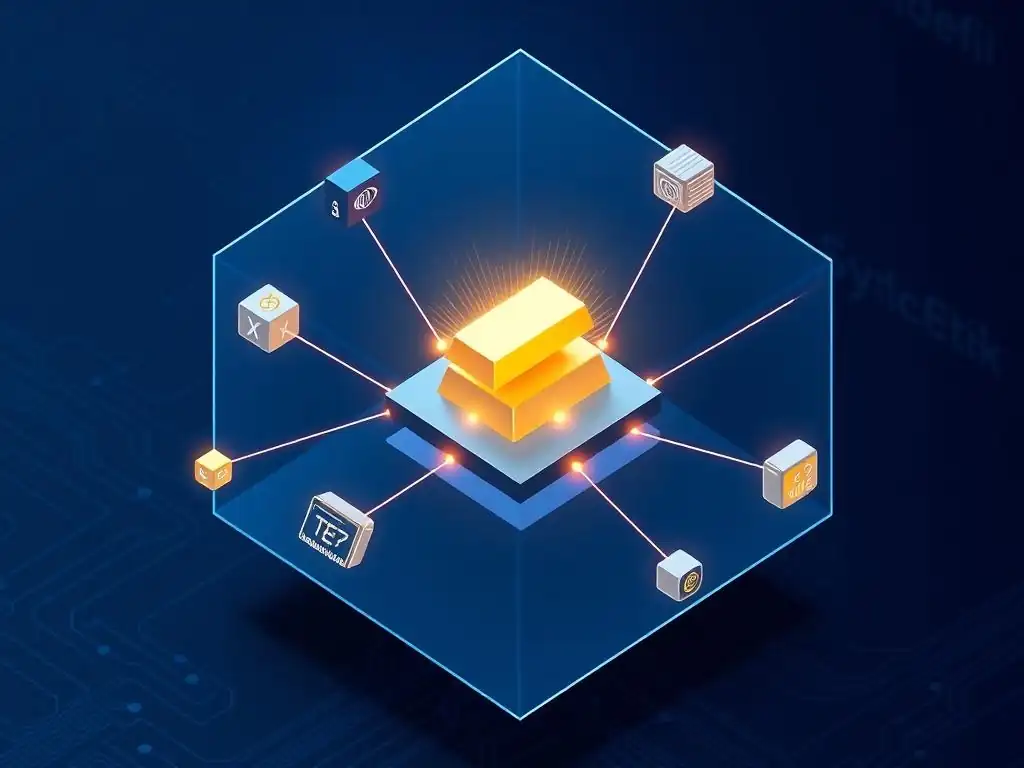
Synthetix: A Comprehensive Synthetic Asset Issuance and Trading Platform
Synthetix stands out as one of the pioneering and most comprehensive platforms for DeFi synthetic asset creation and trading. Launched in 2018, Synthetix allows users to mint and trade a wide range of synthetic assets, known as Synths, representing fiat currencies, cryptocurrencies, commodities, and equities. The platform utilizes a pooled collateral model, where SNX, the native token of Synthetix, is staked as collateral to back the entire network of Synths. This model allows for deep liquidity and enables users to seamlessly swap between different Synths directly on the platform.
Synthetix has continuously evolved, introducing features like staking rewards for SNX holders who contribute to the collateral pool, and inflationary tokenomics to incentivize participation and network growth. The platform also incorporates a decentralized autonomous organization (DAO) for governance, allowing SNX holders to participate in the decision-making process and guide the future development of the protocol. Synthetix's robust infrastructure, wide range of synthetic assets, and active community have solidified its position as a leading platform in the DeFi synthetic asset space.
Mirror Protocol: Tokenizing Real-World Assets on the Blockchain
Mirror Protocol focuses specifically on tokenizing real-world assets, particularly equities, on the blockchain. Built on the Terra blockchain, Mirror allows users to create and trade synthetic versions of stocks, ETFs, and other traditional financial instruments, known as mAssets. Mirror Protocol distinguishes itself by emphasizing accessibility to traditional markets, especially for users in regions with limited access to brokerage services. The platform utilizes a decentralized oracle system to track the prices of real-world assets and maintain the peg of mAssets.
Mirror Protocol employs a unique mechanism for minting mAssets, requiring users to collateralize their positions with TerraUSD (UST), a stablecoin on the Terra blockchain, or other accepted cryptocurrencies. The platform also features MIR, its governance token, which is used to incentivize liquidity provision and participate in protocol governance. Mirror Protocol's focus on real-world asset tokenization and its integration with the Terra ecosystem have made it a prominent player in the DeFi synthetic asset landscape, particularly for those seeking exposure to traditional markets within DeFi.
UMA Protocol: Enabling Customizable Derivatives and Synthetic Assets
UMA (Universal Market Access) Protocol distinguishes itself by focusing on enabling the creation of customizable derivatives and synthetic assets. Rather than providing a fixed set of synthetic assets, UMA provides the infrastructure and tools for developers to build their own synthetic assets and derivatives tailored to specific needs. UMA's core innovation lies in its "priceless" oracle design, which minimizes reliance on real-time price feeds for certain types of synthetic assets, enhancing security and reducing oracle dependency.
UMA utilizes "optimistic oracles," where price disputes are resolved through a decentralized voting mechanism rather than relying on constant price updates. This approach is particularly suitable for synthetic assets that are less frequently traded or have less readily available price data. UMA's flexibility and focus on customizability have made it a valuable platform for developers seeking to build innovative DeFi derivatives and synthetic asset applications. The platform also features UMA, its governance token, which is used to govern the protocol and participate in dispute resolution processes.
Comparative Analysis of Platform Features, Governance, and Tokenomics
Comparing these leading platforms reveals distinct approaches to DeFi synthetic asset creation. Synthetix offers a broad ecosystem with a wide variety of Synths and a pooled collateral model, emphasizing liquidity and comprehensive functionality. Its governance is community-driven through the SNX DAO.
Mirror Protocol specializes in tokenizing real-world assets, particularly equities, focusing on accessibility and utilizing UST as primary collateral within the Terra ecosystem. Governance is managed via MIR token holders. UMA Protocol stands out with its customizable approach and "priceless" oracle design, empowering developers to create bespoke synthetic assets and derivatives, with governance handled by UMA token holders and a dispute resolution mechanism.
In terms of tokenomics, Synthetix utilizes SNX with staking rewards and inflationary mechanisms. Mirror Protocol employs MIR to incentivize liquidity and governance participation. UMA uses UMA for governance and dispute resolution. Each platform's tokenomics is designed to align incentives for users, stakers, and governance participants, fostering a healthy and sustainable ecosystem. Ultimately, the choice of platform depends on specific needs and priorities, whether it's breadth of asset coverage, focus on real-world assets, or customizability and oracle design.
Real-World Applications of DeFi Synthetic Assets
Facilitating 24/7 Trading of Traditional Assets on DEXs
DeFi synthetic assets are unlocking the potential for 24/7 trading of traditional assets on decentralized exchanges (DEXs). Traditional stock markets, for instance, operate only during specific hours on weekdays. Synthetic stock tokens, on the other hand, can be traded continuously, 24 hours a day, 7 days a week, on DEXs. This always-on availability provides greater flexibility for investors, particularly those in different time zones or those seeking to react quickly to market events that occur outside of traditional market hours.
This round-the-clock trading capability enhances market efficiency and reduces friction for global investors. It also opens up new trading opportunities and strategies that are simply not possible in traditional markets with limited operating hours. By bridging the gap between traditional assets and the 24/7 nature of the cryptocurrency market, DeFi synthetic asset creation is transforming the accessibility and efficiency of global trading.
Employing Synthetic Derivatives for Hedging Market Risk and Volatility
Synthetic derivatives, built upon DeFi synthetic asset infrastructure, offer powerful tools for hedging market risk and volatility within the cryptocurrency and traditional asset spaces. For example, investors holding cryptocurrency portfolios can use synthetic short positions on various assets to hedge against potential market downturns. Similarly, those exposed to traditional stock market volatility can utilize synthetic inverse stock tokens to protect their portfolios.
The decentralized and permissionless nature of DeFi makes these hedging instruments readily accessible to a wider range of users compared to traditional derivatives markets, which often involve complex regulatory requirements and intermediary involvement. Synthetic derivatives provide a valuable risk management tool for both crypto-native investors and those seeking to manage risk across both traditional and digital asset markets.
Constructing Synthetic Indices and Diversified Basket Tokens
DeFi synthetic asset creation enables the construction of synthetic indices and diversified basket tokens that track the performance of a collection of assets. This allows for simplified exposure to broad market segments or specific sectors without needing to individually purchase and manage multiple assets. For instance, a synthetic index tracking the top DeFi tokens or a basket token representing a portfolio of renewable energy stocks can be easily created and traded.
These synthetic indices and basket tokens offer a convenient and cost-effective way to diversify investments and gain exposure to specific market themes. They streamline portfolio management and provide a more accessible entry point for investors seeking diversified exposure without the complexities of managing individual asset holdings. The ability to create and trade these diversified synthetic instruments expands the sophistication and accessibility of investment strategies within the DeFi ecosystem.
[Case Study: Synthetic Stock Tokens Bridging DeFi and Traditional Markets]
One compelling real-world application is the emergence of synthetic stock tokens, exemplified by platforms like Mirror Protocol. These tokens represent fractional ownership of publicly traded companies like Apple (AAPL), Tesla (TSLA), and Amazon (AMZN) and are traded on decentralized exchanges. For instance, a user in a region with limited access to US stock markets can purchase mAAPL, a synthetic Apple stock token, and gain price exposure to AAPL without needing a traditional brokerage account.
These synthetic stock tokens bridge the gap between DeFi and traditional markets, offering a powerful example of democratized access to global equities. They have seen significant adoption, demonstrating the real-world demand for accessible and 24/7 trading of traditional assets within the DeFi ecosystem. While still nascent, the growth of synthetic stock tokens highlights the transformative potential of DeFi synthetic asset creation to reshape global investment landscapes and provide greater financial inclusion.
The Future Trajectory of DeFi Synthetic Asset Creation
Innovations in Synthetic Asset Design and Functionality
The future of DeFi synthetic asset creation is poised for significant innovation in both design and functionality. We can anticipate more sophisticated collateralization mechanisms beyond simple over-collateralization, potentially incorporating dynamic ratios adjusted by real-time risk assessments or even under-collateralized or uncollateralized synths for specific use cases, albeit with higher risk profiles. Furthermore, innovations in oracle technology, such as more robust decentralized oracle networks and advanced price feed aggregation methods, will be crucial for enhancing the security and reliability of synthetic assets.
Functionality will also expand beyond simple price mirroring. We may see synthetic assets that incorporate more complex derivatives structures, such as options or futures, opening up a wider range of sophisticated financial instruments within DeFi. Interoperability between different DeFi protocols will be key, allowing synthetic assets to be seamlessly integrated into various DeFi applications, further enhancing their utility and adoption. These innovations will drive the evolution of DeFi synthetic asset creation towards more sophisticated, secure, and versatile financial tools.
Reshaping Traditional Finance Through DeFi Synthetic Integration
DeFi synthetic asset integration has the potential to reshape traditional finance in profound ways. The accessibility, 24/7 trading, and reduced intermediary costs offered by synthetic assets could challenge traditional brokerage models and investment platforms. Traditional financial institutions are already taking note of DeFi and exploring ways to incorporate blockchain technology and potentially synthetic assets into their offerings. We may see a gradual convergence of traditional finance and DeFi, with synthetic assets acting as a bridge between the two worlds.
The efficiency and transparency of DeFi synthetic asset creation could also lead to more efficient and transparent traditional financial markets. The underlying technology can be adapted and utilized to streamline processes in traditional finance, reducing costs and improving accessibility. While traditional finance is unlikely to be completely replaced by DeFi in the near future, the integration and influence of DeFi synthetic assets are expected to grow, gradually reshaping the landscape of global finance.
[Projecting the Growth and Mainstream Adoption of DeFi Synthetic Assets]
Projecting the growth and mainstream adoption of DeFi synthetic assets requires considering both the immense potential and the existing challenges. The total value locked in DeFi has grown exponentially in recent years, indicating strong interest and adoption of decentralized financial services. As DeFi matures, and as regulatory clarity increases, we can expect to see further growth in the DeFi synthetic asset space. Mainstream adoption will likely be driven by increasing awareness of the benefits of synthetic assets, such as global accessibility and 24/7 trading, coupled with improvements in user experience and security.
However, challenges remain, including regulatory uncertainty, smart contract security risks, and the complexity of DeFi for average users. Overcoming these challenges through technological advancements, regulatory engagement, and user-friendly interfaces will be crucial for realizing the full potential of DeFi synthetic asset creation and achieving mainstream adoption. While the exact trajectory is uncertain, the underlying trend suggests that DeFi synthetic assets are poised for significant growth and will play an increasingly important role in the future of finance.
Conclusion: DeFi Synthetics - A Transformative Force in Finance?
Recapping the Benefits and Challenges of DeFi Synthetics
DeFi synthetic assets offer a compelling vision of democratized and accessible finance. Their benefits are numerous: global accessibility to diverse asset classes, enhanced liquidity and novel trading paradigms, diversified investment strategies, and the potential to circumvent geographical and regulatory barriers. However, challenges also exist, primarily centered around smart contract and oracle security, collateralization management, and navigating the evolving regulatory landscape. Addressing these challenges is crucial for realizing the full potential of DeFi synthetic asset creation.
Despite these challenges, the progress and innovation in the DeFi synthetic asset space are undeniable. Leading platforms like Synthetix, Mirror Protocol, and UMA are demonstrating the viability and growing adoption of synthetic assets. Real-world applications, such as 24/7 trading of traditional assets and synthetic stock tokens, are showcasing the tangible benefits and transformative potential of this technology.
The Potential Impact of Synthetic Assets on the Future of Finance
The potential impact of synthetic assets on the future of finance is substantial. They represent a paradigm shift towards a more open, accessible, and efficient financial system.
By breaking down barriers to entry and enabling seamless access to global markets, DeFi synthetic asset creation has the power to empower individuals and reshape the traditional financial landscape. While still in its early stages, the continued development and adoption of DeFi synthetics suggest they are indeed a transformative force, poised to play a significant role in the future of finance, potentially democratizing access and fostering a more inclusive and efficient global financial ecosystem.
Frequently Asked Questions
What are DeFi synthetic assets and how are they created?
DeFi synthetic assets are tokenized derivatives that mimic the value of other assets, such as stocks, commodities, or fiat currencies. They are created using smart contracts on blockchain networks, often requiring collateralization in the form of cryptocurrencies to maintain their peg to the underlying asset.
Why are DeFi synthetic assets considered "created out of thin air"?
The phrase refers to the fact that these assets are not backed by the actual underlying asset. Instead, their value is derived from algorithmic mechanisms and market incentives within the DeFi protocol, essentially creating a digital representation of value where none existed before.
What are some potential benefits of DeFi synthetic asset creation?
DeFi synthetics offer increased accessibility to a wider range of assets, enabling users to participate in markets they might otherwise be excluded from due to geographical restrictions or high minimum investment requirements. They also offer potential for greater liquidity and composability within the DeFi ecosystem.
What are the key risks associated with DeFi synthetic asset creation?
Risks include smart contract vulnerabilities, potential for market manipulation, and dependence on accurate price oracles. Over-collateralization is often required, which can be capital inefficient.
How might regulation impact the future of DeFi synthetic asset creation?
Increased regulatory scrutiny could lead to stricter compliance requirements for DeFi protocols creating synthetics, potentially impacting their accessibility and innovation. The classification of synthetics as securities is a key area of concern for the future of DeFi.
Final Reflection: The Alchemy of Digital Assets
The exploration of DeFi synthetic asset creation reveals a landscape brimming with both innovation and inherent risk. The ability to conjure assets from the digital ether, mirroring the value of real-world commodities or even other cryptocurrencies, is a testament to the ingenuity of decentralized finance. However, this power demands careful consideration of the potential for instability and the need for robust security measures to prevent systemic failures.
This phenomenon of DeFi synthetics has profoundly impacted the financial landscape, democratizing access to previously exclusive markets and offering novel investment opportunities. The potential for individuals worldwide to participate in markets traditionally reserved for institutional investors is truly revolutionary, yet it underscores the importance of financial literacy and responsible engagement. The future of finance is decentralized, but it must also be responsible.
This quote encapsulates the delicate balance between innovation and the need for ethical and secure practices within the DeFi space.
Now, as you navigate this evolving world of DeFi and synthetic assets, consider the implications of this technology. Reflect on the potential benefits and the inherent risks. Ask yourself: How can you contribute to a more secure and equitable financial future? The power to create assets out of thin air comes with a responsibility to wield that power wisely, ensuring that the future of finance is both innovative and sustainable.
Unleash the Power of Synthetic Assets!
Thank you for exploring the fascinating world of DeFi synthetics with us. We hope you've gained a solid understanding of how these innovative tools are transforming the financial landscape. Now, it's time to take action!
Here are a few ways you can deepen your involvement and become part of the DeFi revolution:
- Start exploring different DeFi platforms that offer synthetic asset trading. Begin with a small, manageable amount to familiarize yourself with the process.
- Analyze the risk and reward profiles of various synthetic assets. Understanding their inherent volatility is essential.
- Join the conversation! Share this article with your network and discuss your thoughts on the future of synthetic assets in the comments below or on your preferred social media platform using the hashtag #DeFiSynthetics.
What innovative synthetic asset are you most excited to see developed in the future? Share your predictions below!
Leave a Reply