
Layer2 Solutions and DeFi Risk: Exploring Scalability and Security Tradeoffs

Welcome to Blockchain Trends, where we delve into the innovative applications of blockchain technology.
Are you ready to unlock the next level of DeFi adoption? In this article, we'll be dissecting the complex world of Layer 2 DeFi security. Explore how these scaling solutions are impacting the risk landscape and what it means for your decentralized investments. Curious about the tradeoffs between speed and security? Let's dive in and uncover the secrets.
- Layer2 Solutions and DeFi Risk: Exploring Scalability and Security Tradeoffs
- Understanding Layer 2 Scaling Solutions for DeFi
- DeFi Security Risks Introduced by Layer 2 Solutions
- Analyzing the Security Tradeoffs: Layer 2 vs. Layer 1 DeFi
- Mitigating Layer 2 DeFi Security Risks: Best Practices
- The Future of Layer 2 DeFi Security: Innovations and Trends
- Conclusion: Balancing Scalability and Security in Layer 2 DeFi
-
Frequently Asked Questions
- How do Layer 2 solutions enhance DeFi scalability, and what are the inherent security tradeoffs?
- What specific Layer 2 technologies are commonly used in DeFi, and how do their security models differ?
- What are the major security risks associated with using Layer 2 solutions in DeFi applications?
- How is the regulatory landscape impacting the development and adoption of Layer 2 DeFi solutions?
- What future developments are expected in Layer 2 DeFi security, and how will they address current challenges?
- Final Reflection: Navigating the Layer 2 DeFi Frontier
- Unlock DeFi's Potential: Your Next Steps for Smarter Risk Management
Layer2 Solutions and DeFi Risk: Exploring Scalability and Security Tradeoffs
Introduction: The Layer 2 Imperative for DeFi Scalability
- Why DeFi needs Layer 2 scaling solutions
- The inherent risks associated with Layer 2 adoption in DeFi
Decentralized Finance (DeFi) has emerged as a groundbreaking paradigm, offering permissionless and transparent financial services. However, the initial promise of DeFi on Layer 1 blockchains like Ethereum has been significantly hampered by scalability limitations. As DeFi adoption surged, network congestion led to exorbitant transaction fees and slow processing times, effectively excluding smaller participants and hindering mainstream adoption. This scalability bottleneck necessitates urgent solutions to accommodate the growing demand and ensure DeFi's viability as a truly accessible financial ecosystem.
Layer 2 scaling solutions have arisen as a critical response to these challenges. By processing transactions off the main Layer 1 chain and only anchoring the final state or proofs back to Layer 1, Layer 2 technologies promise to drastically increase transaction throughput and reduce costs.
This enhanced scalability is not merely a technical upgrade; it is fundamental to unlocking DeFi's potential to serve a global user base and compete with traditional financial systems. However, this move to Layer 2 is not without its complexities and introduces a new set of security considerations that must be carefully evaluated and addressed to ensure the robust and reliable operation of DeFi protocols.
Understanding Layer 2 Scaling Solutions for DeFi
What are Layer 2 Solutions? A Technical Overview
- Defining Layer 2: Off-chain computation and on-chain settlement
- Key characteristics of effective Layer 2 implementations
Layer 2 solutions are protocols built on top of an existing Layer 1 blockchain, like Ethereum, to enhance its scalability and efficiency. At their core, Layer 2 solutions operate on the principle of off-chain computation and on-chain settlement. This means that the bulk of transaction processing and computational work is moved away from the main Layer 1 blockchain to a separate Layer 2 network.
Periodically, or under specific conditions, Layer 2 interacts with Layer 1 to anchor the state, settle disputes, or leverage the security and finality of the underlying blockchain. This separation of computation and settlement is the key to achieving higher transaction throughput and lower fees.
Effective Layer 2 implementations share several crucial characteristics. Firstly, they aim to inherit the security of the Layer 1 blockchain. Ideally, a compromise of the Layer 2 system should not lead to a loss of funds, as the Layer 1 acts as a security anchor. Secondly, efficiency is paramount.
Layer 2 solutions must demonstrably improve transaction speed and reduce costs compared to Layer 1. Finally, user experience is critical. A successful Layer 2 solution should offer a seamless and intuitive user experience, ideally abstracting away the complexities of interacting with a separate layer. These characteristics are essential for Layer 2 solutions to effectively contribute to the growth and accessibility of DeFi.
Types of Layer 2 Solutions for Decentralized Finance
- Rollups: Optimistic Rollups vs. ZK-Rollups - A Detailed Comparison
- Optimistic Rollups: Benefits and limitations for DeFi security
- ZK-Rollups: Advantages and challenges in DeFi applications
- Sidechains: Independent Blockchains for Scalable DeFi
- Security considerations for DeFi sidechains
- Examples of popular DeFi sidechains
- State Channels: Direct, Off-Chain Interactions
- Use cases and limitations of state channels in DeFi
Rollups: Optimistic Rollups vs. ZK-Rollups - A Detailed Comparison
Rollups are a prominent category of Layer 2 solutions that aggregate or "roll up" multiple transactions into a single transaction on Layer 1. This aggregation significantly reduces the data that needs to be posted on the main chain, leading to increased throughput and lower gas costs. There are two main types of rollups: Optimistic Rollups and ZK-Rollups, each with distinct mechanisms and security implications for DeFi.
Optimistic Rollups: Benefits and limitations for DeFi security
Optimistic Rollups operate under the assumption that transactions are valid unless proven otherwise. They post transaction data on-chain and allow a challenge period, typically 7 days, during which anyone can submit a "fraud proof" if they believe a transaction is invalid. If no fraud proof is submitted within the challenge period, the transactions are considered finalized on Layer 1. Optimistic Rollups are relatively easier to implement and are EVM-compatible, making it simpler to port existing Ethereum DeFi applications.
However, the challenge period introduces a withdrawal delay, which can be a limitation for DeFi users requiring fast access to their funds. From a security perspective, the reliance on fraud proofs means that the system's security depends on the active monitoring and participation of network participants to submit challenges. If there is insufficient monitoring or collusion among operators, invalid transactions could potentially be finalized.
ZK-Rollups: Advantages and challenges in DeFi applications
ZK-Rollups, or Zero-Knowledge Rollups, leverage zero-knowledge proofs to ensure transaction validity. Instead of relying on a challenge period, ZK-Rollups generate cryptographic proofs, specifically succinct non-interactive arguments of knowledge (zk-SNARKs) or succinct transparent arguments of knowledge (zk-STARKs), which mathematically prove the validity of the batched transactions. These proofs are then submitted to Layer 1. ZK-Rollups offer faster finality than Optimistic Rollups as transactions are considered finalized once the validity proof is verified on-chain.
Furthermore, they inherently offer stronger security guarantees as validity is mathematically enforced rather than relying on economic incentives for fraud proofs. However, ZK-Rollups are more complex to implement and generally have limited EVM compatibility, making it more challenging to migrate existing DeFi protocols. The computational cost of generating zero-knowledge proofs can also be higher, although advancements are continually being made to improve efficiency.
Sidechains: Independent Blockchains for Scalable DeFi
Sidechains are independent blockchains that run parallel to the main Layer 1 chain and are connected via a two-way bridge. They have their own consensus mechanisms and block validation processes, offering a higher degree of autonomy compared to rollups. Sidechains can be customized to optimize for specific DeFi applications, such as faster block times or different virtual machines. Assets are transferred between Layer 1 and the sidechain via bridges, allowing users to leverage the scalability of the sidechain while still having the option to return to the security of Layer 1.
Security considerations for DeFi sidechains
The security of DeFi sidechains is largely dependent on their own consensus mechanisms and the security of the bridge connecting them to Layer 1. Unlike rollups, sidechains do not inherit the security of Layer 1; they are responsible for their own security. If a sidechain uses a less robust consensus mechanism, such as Proof-of-Authority with a small set of validators, it may be more vulnerable to attacks compared to the highly decentralized Proof-of-Work or Proof-of-Stake of Layer 1 blockchains like Ethereum.
Bridge security is also a paramount concern, as bridges act as critical points of interaction between Layer 1 and the sidechain. Vulnerabilities in bridge smart contracts or their operational security can lead to significant exploits, as demonstrated by several high-profile bridge hacks in the DeFi space.
Examples of popular DeFi sidechains
Polygon (formerly Matic Network) is a prominent example of a DeFi sidechain. It offers an EVM-compatible environment with significantly lower transaction fees and faster confirmation times compared to Ethereum mainnet. Polygon utilizes a Proof-of-Stake consensus mechanism and a bridge for asset transfers to and from Ethereum.
Another example is xDai Chain (now Gnosis Chain), which also operates as an EVM-compatible sidechain with a focus on fast and inexpensive transactions, particularly for stablecoin payments. These sidechains have attracted a substantial amount of DeFi activity, hosting various decentralized exchanges, lending platforms, and other DeFi protocols, showcasing the demand for scalable alternatives to Layer 1 for DeFi applications.
State Channels: Direct, Off-Chain Interactions
State Channels enable direct, off-chain interactions between a fixed set of participants. Participants lock up funds in a multi-signature contract on Layer 1 and then can transact directly with each other off-chain, updating the state of the channel. Only the opening and closing of the channel, and potentially dispute settlements, are recorded on the main Layer 1 blockchain. This minimizes on-chain transactions and significantly increases transaction speed and reduces costs for participating parties.
Use cases and limitations of state channels in DeFi
State channels are particularly well-suited for applications involving frequent, repeated interactions between a limited number of users, such as payment channels, gaming applications, or micropayments. For example, in a payment channel, two parties can open a channel and conduct numerous transactions between themselves off-chain, only settling the final balance on-chain when the channel is closed. However, state channels have limitations for broader DeFi applications.
They are less suitable for scenarios involving a large number of participants or where interactions are not primarily between a fixed set of parties, such as decentralized exchanges or lending platforms that require open participation. Furthermore, state channels require participants to be online and responsive to finalize transactions and settle disputes, which can be a constraint in certain DeFi use cases.
DeFi Security Risks Introduced by Layer 2 Solutions
Increased Complexity and Attack Vectors in Layer 2 DeFi
- The expanded attack surface created by Layer 2 integrations
- Smart contract vulnerabilities on Layer 2: A critical concern
The integration of Layer 2 solutions into the DeFi ecosystem, while offering crucial scalability benefits, inherently introduces increased complexity and expands the attack surface for potential exploits. Layer 2 systems are, by their nature, additional layers of infrastructure built on top of Layer 1. This layering adds new components, protocols, and interactions, each of which can become a potential point of vulnerability if not properly secured. The interplay between Layer 1 and Layer 2, especially through bridges and communication channels, creates new attack vectors that did not exist in a purely Layer 1 DeFi environment.
Smart contract vulnerabilities remain a critical concern in Layer 2 DeFi. While Layer 2 solutions aim to leverage the security of Layer 1, the smart contracts deployed on Layer 2 are still susceptible to coding errors, logical flaws, and vulnerabilities that could be exploited by malicious actors.
Moreover, the novelty of some Layer 2 technologies means that smart contracts might be less rigorously tested and audited compared to more established Layer 1 protocols. The complexity introduced by Layer 2 architectures can also make it more challenging to identify and mitigate potential vulnerabilities, requiring specialized security expertise and thorough auditing processes tailored to the specific Layer 2 solution being used.
Bridge Security: A Major Layer 2 DeFi Risk
- Vulnerabilities in cross-chain bridges and their impact on DeFi security
- Examples of bridge exploits and their consequences
Cross-chain bridges are a critical infrastructure component connecting Layer 1 and Layer 2 solutions, enabling the transfer of assets between these different environments. However, bridges have emerged as a major source of security risk in the Layer 2 DeFi landscape. They represent a concentrated pool of liquidity and often involve complex smart contract logic and multi-signature schemes, making them attractive targets for attackers. Vulnerabilities in bridge smart contracts, insecure key management practices for multi-signature wallets, or flaws in the bridge's design can lead to significant exploits and loss of user funds.
Several high-profile bridge exploits have underscored the severity of this risk. The Ronin Bridge hack in March 2022, resulting in the theft of over $600 million in cryptocurrency, exemplified the devastating consequences of bridge vulnerabilities. Similarly, the Wormhole bridge exploit in February 2022 led to the loss of around $325 million. These incidents highlight the inherent complexities and security challenges associated with building secure cross-chain bridges. The impact of bridge exploits is not limited to the direct financial losses; they can also erode user trust in the broader DeFi ecosystem and hinder the adoption of Layer 2 solutions.
Centralization Risks in Layer 2 Implementations
- The potential for centralization in Layer 2 sequencers and operators
- Impact of centralization on censorship resistance and DeFi trustlessness
While decentralization is a core tenet of blockchain and DeFi, some Layer 2 implementations introduce potential centralization risks, particularly in the roles of sequencers and operators. Sequencers in rollups, for instance, are responsible for ordering transactions and submitting them in batches to Layer 1. If a single or a small group of sequencers controls this process, it creates a point of centralization.
These centralized sequencers could potentially censor transactions, front-run users, or even halt the Layer 2 network's operation. Similarly, operators in some Layer 2 systems, responsible for state updates or validity proof generation, can also introduce centralization risks if their roles are not sufficiently decentralized and permissionless.
The centralization of key functions in Layer 2 can undermine the censorship resistance and trustlessness that are fundamental to DeFi. If a centralized entity has undue control over transaction processing or network operations, it can compromise the permissionless and open nature of DeFi protocols. While many Layer 2 projects are working towards decentralizing these roles over time through progressive decentralization strategies, the current state of centralization in some Layer 2 implementations is a security and philosophical concern that needs to be carefully considered when evaluating Layer 2 DeFi solutions.
Data Availability Challenges in Layer 2 DeFi
- Ensuring data availability and integrity on Layer 2 solutions
- The impact of data unavailability on DeFi asset safety
Data availability is a critical aspect of Layer 2 security. For users to be able to access their funds and ensure the integrity of the Layer 2 system, the transaction data and state information must be readily available. In some Layer 2 designs, particularly off-chain data storage solutions, there is a risk of data unavailability. If the data required to reconstruct the state of the Layer 2 system or prove transaction validity is not accessible, it can lead to users being unable to withdraw their funds or verify the correctness of the Layer 2 operations.
The consequences of data unavailability can be severe for DeFi asset safety. If transaction data is lost or becomes inaccessible, users might not be able to prove their ownership of assets or challenge invalid state transitions. This is particularly concerning in scenarios where Layer 2 operators become malicious or unresponsive.
Ensuring robust data availability mechanisms, such as on-chain data posting or decentralized data storage solutions, is crucial for mitigating this risk and maintaining the security and trust of Layer 2 DeFi platforms. Solutions like data availability sampling and fraud proofs are being developed to address these challenges and enhance data availability guarantees in Layer 2 systems.
Analyzing the Security Tradeoffs: Layer 2 vs. Layer 1 DeFi
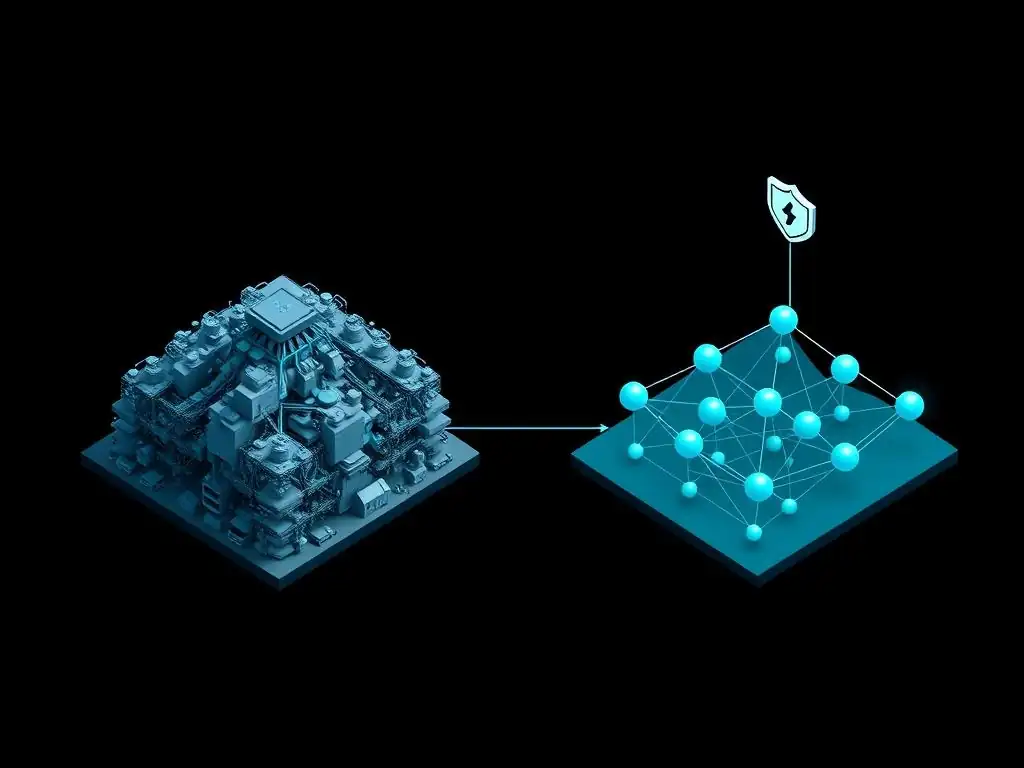
Comparing Layer 1 and Layer 2 Security Models in DeFi
- Security assumptions and guarantees of Layer 1 blockchains
- How Layer 2 solutions alter the security landscape of DeFi applications
Layer 1 blockchains like Ethereum rely on robust consensus mechanisms, such as Proof-of-Work or Proof-of-Stake, and extensive decentralization to achieve a high degree of security. The security assumptions of Layer 1 are typically based on the economic cost of attacking the network, which is substantial due to the large number of validators and the computational resources required. Layer 1 blockchains offer strong guarantees of data availability, censorship resistance, and immutability. Transactions on Layer 1 are considered highly secure once finalized, benefiting from the network's established security infrastructure.
Layer 2 solutions, in contrast, often introduce different security models and tradeoffs. While they aim to inherit security from Layer 1, they inevitably alter the security landscape of DeFi applications. Optimistic Rollups, for example, rely on fraud proofs and economic incentives for security, which is different from the direct cryptographic security of Layer 1.
Sidechains have their own independent security models, which may be weaker or stronger than Layer 1 depending on their design and implementation. State channels rely on the security of the initial on-chain channel opening and dispute resolution mechanisms. Understanding these differences in security models is crucial for DeFi users and developers to assess the risks associated with using Layer 2 solutions and to make informed decisions about asset deployment and protocol selection.
Quantifying the Risk: Metrics for Evaluating Layer 2 DeFi Security
- Total Value Locked (TVL) in Layer 2 DeFi protocols
- Smart contract audit coverage and security assessments
Quantifying the security risk in Layer 2 DeFi is a complex endeavor, but several metrics can provide insights into the relative security posture of different solutions. Total Value Locked (TVL) in Layer 2 DeFi protocols is a commonly used metric. A higher TVL can indicate greater user confidence and adoption, but it also signifies a larger potential target for attackers.
While TVL alone does not directly measure security, it reflects the economic significance of the Layer 2 platform and the potential impact of a security breach. As of October 2023, the combined TVL across various Layer 2 solutions on Ethereum exceeds $10 billion, demonstrating their growing importance in the DeFi ecosystem.
Smart contract audit coverage and security assessments are crucial indicators of the proactive security measures taken by Layer 2 projects. Reputable Layer 2 solutions should undergo thorough audits by independent security firms to identify and address potential vulnerabilities in their smart contracts and infrastructure.
The extent and quality of these audits, along with publicly available security assessments and bug bounty programs, can provide valuable information about a Layer 2 platform's commitment to security and its resilience against potential attacks. However, it's important to note that even audited smart contracts can still contain undiscovered vulnerabilities, and security is an ongoing process that requires continuous monitoring and improvement.
Mitigating Layer 2 DeFi Security Risks: Best Practices
Secure Smart Contract Development for Layer 2
- Auditing Layer 2 smart contracts and identifying vulnerabilities
- Formal verification methods for Layer 2 DeFi protocols
Secure smart contract development is paramount for mitigating risks in Layer 2 DeFi. Rigorous auditing of Layer 2 smart contracts by experienced security firms is an essential best practice. Audits should not only focus on functional correctness but also on identifying potential security vulnerabilities, such as reentrancy attacks, integer overflows, and access control issues. Multiple audits by different firms can provide a more comprehensive security review.
Beyond traditional auditing, formal verification methods are increasingly being explored for Layer 2 DeFi protocols. Formal verification uses mathematical techniques to prove the correctness and security properties of smart contracts, providing a higher level of assurance compared to testing and auditing alone. While formal verification can be complex and resource-intensive, it can significantly enhance the security of critical Layer 2 infrastructure.
Decentralized Sequencing and Governance for Layer 2 Solutions
- Strategies for minimizing centralization risks in Layer 2 operations
- Implementing decentralized governance mechanisms
To minimize centralization risks in Layer 2 operations, projects should strive for decentralized sequencing and operator roles. Decentralized sequencer networks, where multiple parties participate in transaction ordering and batch submission, can reduce the risk of censorship and single points of failure. Techniques like distributed key generation and multi-party computation can be employed to enhance the security and decentralization of sequencer operations.
Implementing decentralized governance mechanisms is also crucial. Decentralized governance allows token holders or network participants to collectively make decisions about protocol upgrades, parameter adjustments, and security-related issues. This reduces reliance on centralized entities and promotes community ownership and resilience of Layer 2 platforms.
Robust Bridge Security Protocols
- Multi-signature schemes and threshold cryptography for bridge security
- Risk mitigation strategies for cross-chain communication
Robust bridge security protocols are essential for safeguarding assets moving between Layer 1 and Layer 2. Multi-signature schemes, requiring multiple independent parties to authorize transactions, are a standard security practice for bridges. Threshold cryptography, which distributes key management among a set of participants, can further enhance bridge security by reducing reliance on single private keys.
Beyond cryptographic techniques, risk mitigation strategies for cross-chain communication should be implemented. These strategies can include rate limiting asset transfers to mitigate the impact of potential exploits, implementing circuit breakers to halt bridge operations in case of anomalies, and employing robust monitoring and alerting systems to detect and respond to suspicious activity. Regular security audits and penetration testing of bridge infrastructure are also critical for identifying and addressing vulnerabilities.
Monitoring and Incident Response for Layer 2 DeFi Platforms
- Real-time monitoring of Layer 2 activity and anomaly detection
- Incident response plans for addressing security breaches
Real-time monitoring of Layer 2 activity is crucial for detecting and responding to security incidents promptly. Monitoring systems should track key metrics, such as transaction volumes, unusual patterns, and smart contract interactions, to identify potential anomalies that could indicate malicious activity. Anomaly detection algorithms and machine learning techniques can be employed to automate the identification of suspicious behavior.
Layer 2 DeFi platforms should also have well-defined incident response plans in place to address security breaches effectively. These plans should outline procedures for incident detection, containment, eradication, recovery, and post-incident analysis. A rapid and well-coordinated incident response can minimize the impact of security breaches and restore user trust.
The Future of Layer 2 DeFi Security: Innovations and Trends
Research and Development in Layer 2 Security
- Zero-knowledge proofs for enhanced privacy and security
- Advanced cryptographic techniques for Layer 2 implementations
Research and development in Layer 2 security are continuously advancing, driven by the need for more secure, scalable, and user-friendly DeFi solutions. Zero-knowledge proofs are not only enhancing scalability through ZK-Rollups but are also being explored for enhanced privacy and security features in Layer 2 DeFi. Zero-knowledge proofs can enable privacy-preserving transactions and computations on Layer 2, allowing users to interact with DeFi protocols without revealing sensitive information.
Advanced cryptographic techniques, such as homomorphic encryption and secure multi-party computation, are also being investigated for Layer 2 implementations to further enhance security and privacy. These ongoing research efforts are expected to lead to more robust and secure Layer 2 solutions in the future.
Regulatory Considerations for Layer 2 DeFi
- The evolving regulatory landscape for decentralized finance
- Compliance strategies for Layer 2 DeFi protocols
The regulatory landscape for decentralized finance is evolving rapidly, and Layer 2 DeFi protocols are increasingly coming under regulatory scrutiny. Regulators are concerned about various aspects of DeFi, including investor protection, anti-money laundering (AML), and financial stability. Layer 2 DeFi projects need to be mindful of these evolving regulatory requirements and adopt compliance strategies to ensure they operate within legal frameworks.
Compliance strategies may include implementing KYC/AML procedures where appropriate, adhering to data privacy regulations, and engaging with regulators to understand and address their concerns. Navigating the regulatory landscape will be crucial for the long-term sustainability and mainstream adoption of Layer 2 DeFi.
Conclusion: Balancing Scalability and Security in Layer 2 DeFi
The Importance of a Holistic Approach to Layer 2 DeFi Security
Layer 2 solutions are essential for scaling DeFi and unlocking its full potential. However, the adoption of Layer 2 introduces new security challenges and tradeoffs that must be carefully managed. A holistic approach to Layer 2 DeFi security is paramount. This approach encompasses secure smart contract development, decentralized operations, robust bridge security, proactive monitoring, and continuous research and development. Security should not be an afterthought but rather an integral part of the design, implementation, and ongoing operation of Layer 2 DeFi protocols.
Successfully navigating the tradeoffs between scalability and security is crucial for the sustainable growth of the DeFi ecosystem. While Layer 2 solutions offer significant scalability improvements, they also introduce complexities and potential vulnerabilities. By adopting best practices, prioritizing security, and continuously innovating, the DeFi community can harness the power of Layer 2 to build a more scalable, secure, and accessible financial future. The ongoing evolution of Layer 2 technologies and security practices will be instrumental in shaping the future of decentralized finance and realizing its transformative potential.
Frequently Asked Questions
How do Layer 2 solutions enhance DeFi scalability, and what are the inherent security tradeoffs?
Layer 2 solutions, like rollups, increase transaction throughput and reduce gas fees on DeFi platforms. However, they introduce new security vulnerabilities since they rely on off-chain computation and on-chain verification, potentially creating new attack vectors.
What specific Layer 2 technologies are commonly used in DeFi, and how do their security models differ?
Common Layer 2 technologies include Optimistic Rollups and ZK-Rollups. Their security models differ: Optimistic Rollups rely on fraud proofs, while ZK-Rollups use cryptographic proofs, offering potentially stronger security guarantees.
What are the major security risks associated with using Layer 2 solutions in DeFi applications?
Key risks include rollup sequencer centralization, data availability issues, and potential smart contract vulnerabilities within the Layer 2 implementation itself. These can lead to fund loss or manipulation.
How is the regulatory landscape impacting the development and adoption of Layer 2 DeFi solutions?
Regulatory uncertainty surrounding DeFi protocols and Layer 2 networks can slow down adoption. Regulators are focusing on consumer protection and financial stability, potentially impacting the permissionless nature of these systems.
What future developments are expected in Layer 2 DeFi security, and how will they address current challenges?
Future developments include improved fraud proof mechanisms, decentralized sequencers, and formal verification of Layer 2 smart contracts. These advancements aim to enhance Layer 2 DeFi security and build trust.
The exploration of Layer 2 solutions in Decentralized Finance (DeFi) reveals a critical juncture in the evolution of blockchain technology. The promise of scalability must be carefully balanced against the inherent risks to security, a tension that defines the current landscape of Layer 2 DeFi security. Understanding these tradeoffs is not merely an academic exercise; it's a vital necessity for anyone participating in or building within this rapidly evolving ecosystem.
The allure of faster transactions and lower fees offered by Layer 2 solutions is undeniable, yet the complexities of their security models demand constant vigilance. My own journey into understanding these nuances has underscored the importance of critical evaluation and informed decision-making in the DeFi space. As the saying goes, With great power comes great responsibility,
and this holds especially true when dealing with the innovative, yet potentially vulnerable, technologies of Layer 2 DeFi.
Ultimately, the future of DeFi hinges on our collective ability to navigate these challenges. Let us not be blinded by the potential rewards, but instead, approach Layer 2 solutions with a discerning eye, prioritizing security and fostering a culture of responsible innovation. Consider how you can contribute to a more secure and sustainable DeFi ecosystem, whether through rigorous code audits, informed investment decisions, or simply by educating yourself and others about the inherent risks and rewards. The future of Layer 2 DeFi security is in our hands.
Unlock DeFi's Potential: Your Next Steps for Smarter Risk Management
Thanks for exploring the world of Layer 2 solutions and DeFi risks with us. We hope you’ve gained valuable insights into navigating the scalability and security tradeoffs within this dynamic landscape. Now, let's put that knowledge into action!
Here are a few ways to further your understanding and contribute to a more secure DeFi future:
- Critically evaluate the security audits of any Layer 2 protocol before allocating your capital. This is your primary defense against unforeseen vulnerabilities.
- Delve deeper into specific Layer 2 technologies, such as rollups or sidechains, by researching their unique security models and consensus mechanisms. Understanding the nuances is key!
- Share this article with your network and spark a conversation about responsible DeFi investment. Let's build a community that prioritizes security.
Which Layer 2 protocol do you find most promising, and what security features give you the most confidence? Share your thoughts in the comments below!
Leave a Reply