
The Role of Oracles in DeFi Security: Strengthening Data Integrity


Welcome to Blockchain Trends, your compass in the rapidly evolving world of decentralized technologies! Dive in to uncover how blockchain is reshaping industries beyond cryptocurrency, from innovative DeFi solutions to enterprise-level transformations.
Ever wondered about the Achilles' heel of decentralized finance? Our latest exploration into " DeFi oracle security challenges" sheds light on the critical role these data bridges play and the vulnerabilities they introduce. Discover how we can fortify data integrity and unlock the full potential of DeFi. Ready to delve deeper into the future of secure, decentralized systems? Let's begin!
- Introduction: Understanding the Critical Role of Oracles in DeFi
-
Frequently Asked Questions
- What are DeFi oracles and why are they important for security?
- What are the primary DeFi oracle security challenges?
- How can data integrity be strengthened in DeFi oracles?
- What is the impact of regulatory uncertainty on DeFi oracle security?
- What is the future of DeFi oracle security and what advancements are expected?
- Final Reflection: Fortifying the Foundation of Trust
- Unlock DeFi's Potential: Secure Your Future Today!
Introduction: Understanding the Critical Role of Oracles in DeFi
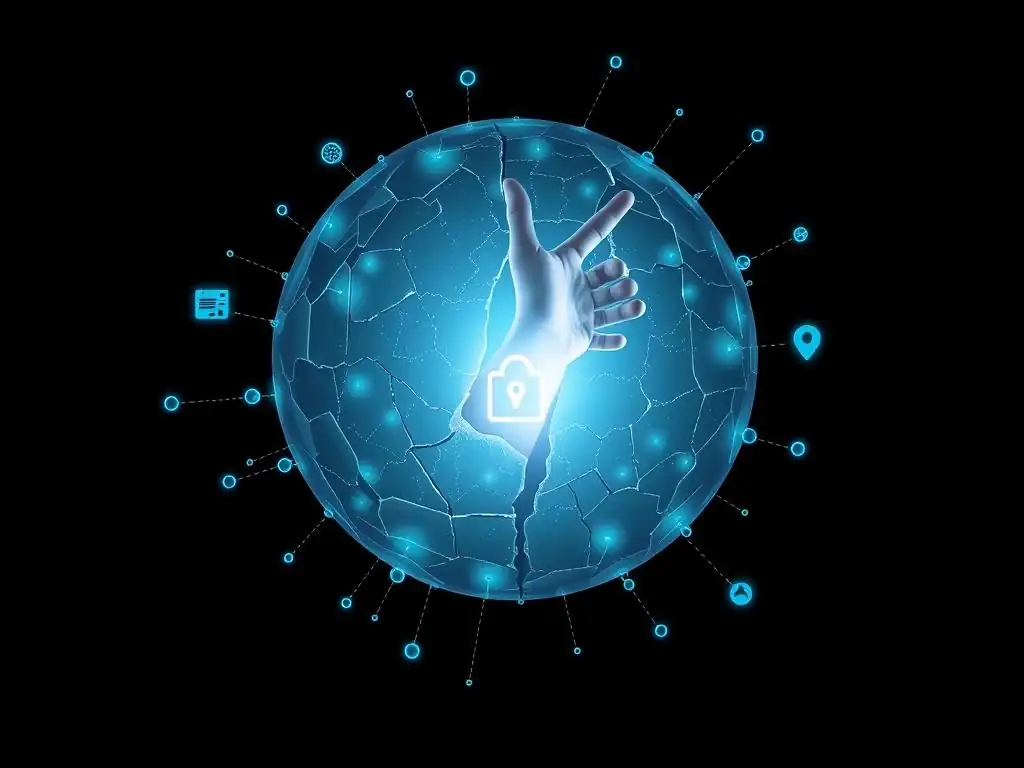
Defining Oracles and Their Importance in Decentralized Finance (DeFi)
In the rapidly evolving landscape of Decentralized Finance (DeFi), oracles are indispensable components that extend the capabilities of blockchain technology. At their core, oracles are bridges that connect the isolated world of blockchains to the vast expanse of real-world data. Blockchains, by design, operate within a deterministic environment, meaning they cannot inherently access or interact with external information.
This is where oracles step in, acting as data conduits that fetch and transmit off-chain data to smart contracts on the blockchain. This data can encompass a wide array of information, from asset prices and weather conditions to election results and random numbers, effectively enabling smart contracts to react to and incorporate real-world events into their execution logic.
The importance of oracles in DeFi cannot be overstated. DeFi applications, such as decentralized exchanges (DEXs), lending platforms, and stablecoins, heavily rely on accurate and timely external data to function correctly. For instance, a lending protocol needs reliable price feeds to determine collateralization ratios and trigger liquidations.
Similarly, decentralized insurance platforms require external data to verify real-world events and process claims. Without secure and dependable oracles, DeFi platforms become vulnerable to manipulation, inaccuracies, and ultimately, systemic failures. They are the linchpin that allows DeFi to move beyond purely on-chain transactions and interact meaningfully with the external world, unlocking a vast potential for innovation and real-world applications.
The Vital Connection: Oracles as Bridges Between Blockchains and Real-World Data
Oracles function as the critical intermediaries that establish a vital connection between the deterministic environment of blockchains and the dynamic, often unpredictable, real world. Imagine a smart contract designed to execute a trade based on the price of an asset. This smart contract, residing on the blockchain, cannot directly access the fluctuating prices on centralized exchanges or other external data sources.
Oracles solve this problem by acting as data aggregators and reporters. They fetch data from external sources, verify its accuracy (depending on the oracle design), and then relay this information onto the blockchain in a format that smart contracts can understand and utilize.
This process of data relaying is crucial for the functionality of countless DeFi applications. Consider decentralized prediction markets, which depend on oracles to report the outcomes of real-world events like sports games or election results, enabling payouts to participants based on the accuracy of their predictions. Similarly, algorithmic stablecoins often rely on oracles to provide price data to maintain their peg to a fiat currency or another asset.
In essence, oracles enable smart contracts to be "aware" of the outside world, empowering them to execute complex financial operations and agreements that are contingent upon real-world conditions. They are not just data providers; they are the architects of trust and reliability in DeFi, enabling these systems to interact with and reflect the complexities of the global economy.
Why Data Integrity is Paramount for DeFi Applications
Data integrity is not merely a desirable feature in DeFi applications; it is the bedrock upon which the entire ecosystem's security, reliability, and user trust are built. In the context of oracles, data integrity refers to the accuracy, consistency, and trustworthiness of the information they provide to smart contracts. If the data fed by oracles is compromised, manipulated, or simply inaccurate, the consequences for DeFi applications can be catastrophic, leading to financial losses, system failures, and a erosion of confidence in the decentralized finance space.
Consider a lending protocol that uses a flawed oracle providing artificially low price data for a collateral asset. This could lead to under-collateralization, allowing borrowers to extract more value than they are entitled to, potentially triggering cascading liquidations and destabilizing the entire protocol. Conversely, an artificially inflated price feed could lead to unwarranted liquidations, unfairly penalizing users.
The integrity of oracle data directly dictates the fairness and robustness of DeFi mechanisms. Furthermore, in applications like decentralized insurance or supply chain finance, inaccurate or manipulated data can lead to fraudulent claims, incorrect payouts, and a breakdown of the intended functionality.
Therefore, ensuring the highest levels of data integrity from oracles is not just a technical challenge; it is a fundamental requirement for the sustainable growth and widespread adoption of DeFi. Robust oracle security practices are essential to protect users, maintain the integrity of DeFi protocols, and foster a trustworthy decentralized financial ecosystem.
Frequently Asked Questions
What are DeFi oracles and why are they important for security?
DeFi oracles are third-party services that connect blockchains to real-world data. They are crucial because DeFi smart contracts rely on this external data to execute transactions accurately and securely.
What are the primary DeFi oracle security challenges?
The main challenges involve data manipulation (either accidentally or maliciously), oracle downtime (which can halt DeFi protocols), and centralization risks when relying on a single oracle source. Mitigating these vulnerabilities is crucial.
How can data integrity be strengthened in DeFi oracles?
Improving data integrity involves using multiple data sources (aggregation), implementing reputation systems for oracles, and employing cryptographic proofs to verify data authenticity. This creates a more robust system.
What is the impact of regulatory uncertainty on DeFi oracle security?
Regulatory uncertainty can lead to compliance issues for oracles, potentially impacting their operations and the reliability of the data they provide. Clear regulations are needed to foster a stable and secure environment.
What is the future of DeFi oracle security and what advancements are expected?
Future advancements include more decentralized oracle networks, improved data validation techniques, and integration with privacy-enhancing technologies. This will lead to greater security and trust in DeFi protocols.
Final Reflection: Fortifying the Foundation of Trust
The exploration of DeFi oracle security challenges reveals a critical vulnerability within the decentralized finance ecosystem. Today, as DeFi continues its rapid expansion, the integrity of the data feeding these protocols is paramount. Without robust oracle security, the entire system risks collapse, highlighting the urgent need for innovative solutions and proactive measures.
The reliance on oracles underscores the inherent tension between decentralization and the need for reliable, centralized data feeds. This constant balancing act shapes the future of DeFi, demanding a commitment to transparency and rigorous security protocols. Trust, but verify
is no longer just a mantra; it's the bedrock upon which the future of decentralized finance must be built.
As you navigate the evolving landscape of DeFi, remember the lessons learned about oracle security. Consider how you can contribute to a more secure and trustworthy ecosystem, whether through developing innovative solutions, advocating for best practices, or simply demanding greater transparency from the protocols you use. The future of DeFi depends on our collective commitment to fortifying its foundation of trust.
Unlock DeFi's Potential: Secure Your Future Today!
Thank you for exploring the importance of oracles in DeFi security. You now understand how these essential components help maintain data integrity and foster trust within decentralized financial systems. Are you ready to make a difference?
Here’s how you can contribute to a safer and more reliable DeFi environment:
- Learn more about different oracle solutions and their security features. Investigate prominent networks such as Chainlink and Band Protocol to understand how they safeguard data.
- Share this article with your network to raise awareness about the critical role of oracles in ensuring the integrity of DeFi platforms. Use the share buttons below to help spread this knowledge.
- Join discussions in online forums and communities focused on DeFi security and oracle technology. Share your insights and help advance collective understanding.
What actions will you take to promote data integrity in decentralized finance? Share your thoughts in the comments below!
Leave a Reply