
Stablecoin and RealWorld Asset Tokenization: Bridging DeFi and Traditional Finance


Welcome to Blockchain Trends, your guide to navigating the dynamic world of decentralized technologies. Are you ready to unlock the future of finance? This article dives deep into Advanced DeFi Strategies, specifically exploring how DeFi realworld asset tokens are revolutionizing the landscape. Discover how stablecoins and real-world asset tokenization are bridging the gap between the decentralized promise of DeFi and the established power of traditional finance. Intrigued? Let's explore the possibilities...
Stablecoins and Real-World Asset Tokenization: Bridging DeFi and Traditional Finance
- Introduction: The Convergence of Stablecoins, RWAs, and DeFi
- What are Real-World Assets (RWAs) in DeFi?
- Tokenization of Real-World Assets: The Process and Technology
- Stablecoins: The Foundation for RWA Integration
- DeFi Applications Leveraging Real-World Asset Tokenization
- Challenges and Risks in RWA Tokenization and DeFi Integration
- The Future of DeFi Real-World Asset Tokens and Stablecoin Synergies
- Case Study: Goldfinch - Credit Protocol for Emerging Markets
- Conclusion: Unlocking Potential with DeFi, RWAs, and Stablecoins
-
Frequently Asked Questions
- What are Real-World Asset (RWA) tokens in the context of DeFi?
- How do stablecoins facilitate the integration of RWAs into DeFi?
- What are the key benefits of tokenizing real-world assets?
- What are some of the regulatory challenges surrounding RWA tokenization and DeFi?
- What is the future outlook for the intersection of DeFi and RWA tokens?
- Final Reflection: The Dawn of Tangible DeFi
- Uncover Your Tokenization Potential!
Introduction: The Convergence of Stablecoins, RWAs, and DeFi
Understanding the DeFi Landscape and the Need for Asset Diversification
Decentralized Finance (DeFi) has emerged as a revolutionary paradigm in the financial world, offering open, permissionless, and transparent alternatives to traditional financial systems. Initially focused on cryptocurrencies, DeFi's growth has been remarkable, with the total value locked (TVL) in DeFi protocols reaching peaks of over $100 billion in recent years. This explosive growth, however, has also highlighted a crucial limitation: the over-reliance on volatile crypto-native assets.
For DeFi to mature and achieve mainstream adoption, diversification beyond cryptocurrencies is essential. The inherent volatility of cryptocurrencies can create instability in DeFi protocols, impacting their sustainability and hindering broader acceptance from traditional financial institutions and risk-averse investors. Therefore, the integration of real-world assets (RWAs) into DeFi is increasingly recognized as a critical next step, offering stability and diversification to the ecosystem.
The need for asset diversification in DeFi stems from several factors. Firstly, the correlation between different cryptocurrencies is often high, meaning that market downturns tend to affect the entire crypto market simultaneously. This lack of diversification increases systemic risk within DeFi. Secondly, relying solely on crypto-native assets limits the scope and utility of DeFi.
Traditional finance encompasses a vast array of asset classes, from real estate and commodities to stocks and bonds, representing trillions of dollars in value. Bringing these assets into DeFi not only diversifies the asset base but also unlocks new opportunities for innovation and growth. By incorporating RWAs, DeFi can tap into established markets and offer a more robust and resilient financial ecosystem, appealing to a wider range of users and investors seeking exposure to both digital and traditional asset classes.
The Role of Stablecoins in Facilitating RWA Adoption in DeFi
Stablecoins play a pivotal role in bridging the gap between traditional finance and DeFi, particularly in the context of real-world asset (RWA) tokenization. As cryptocurrencies pegged to a stable reserve asset, typically fiat currencies like the US dollar, stablecoins provide the necessary price stability for RWAs to be effectively integrated into DeFi protocols.
Without stablecoins, the volatility of cryptocurrencies would make transactions and value storage in RWA-backed DeFi applications highly unpredictable and risky. Imagine trying to collateralize a loan with a tokenized real estate asset using a volatile cryptocurrency; the fluctuating value of the cryptocurrency could lead to margin calls and liquidations, undermining the stability of the entire system.
Stablecoins mitigate this volatility risk by providing a stable unit of account within the DeFi ecosystem. They act as a crucial on-ramp and off-ramp between the crypto world and traditional financial systems, enabling seamless transactions involving RWAs. For instance, when a real estate asset is tokenized and offered as collateral in a DeFi lending platform, stablecoins can be used for borrowing and lending against this collateral.
This allows users to access liquidity against their RWAs without needing to convert them into volatile cryptocurrencies first. Furthermore, stablecoins facilitate the settlement of transactions related to RWA tokens, ensuring that value transfers are conducted in a predictable and reliable manner. Their stability not only makes RWAs more palatable for DeFi participants but also encourages traditional financial institutions to explore and engage with the emerging world of DeFi realworld asset tokens.
What are Real-World Assets (RWAs) in DeFi?
Defining and Categorizing Real-World Assets for Tokenization
Real-World Assets (RWAs) in the context of DeFi refer to tangible or intangible assets that exist in the traditional financial system and are brought onto the blockchain through tokenization. Tokenization is the process of representing the rights to an asset—be it ownership, usage, or economic value—as a digital token on a blockchain. Essentially, it's creating a digital representation of a real-world asset that can be traded, managed, and utilized within decentralized ecosystems. These assets can range from physical commodities like gold and real estate to financial instruments such as bonds and invoices, and even intangible assets like intellectual property.
Categorizing RWAs for tokenization is crucial for understanding their diverse applications and the specific challenges associated with each category. One useful categorization is based on asset class:
- Commodities: These include raw materials or primary agricultural products that can be bought and sold, such as gold, silver, oil, and agricultural products. Tokenizing commodities can enhance their accessibility and tradability, particularly for smaller investors.
- Real Estate: Land, buildings, and other immovable property represent a significant portion of global wealth. Tokenization allows for fractional ownership and increased liquidity in traditionally illiquid real estate markets.
- Fixed Income Instruments: Bonds, loans, and other debt instruments can be tokenized to streamline issuance, trading, and management. This can increase efficiency and reduce costs associated with traditional fixed income markets.
- Equity and Stocks: Representing ownership in companies, stocks can be tokenized to potentially democratize access to equity markets and enable 24/7 trading.
- Collectibles and Art: Unique items with subjective value, like art pieces, collectibles, and luxury goods, can benefit from tokenization by enhancing provenance tracking, fractional ownership, and market accessibility.
- Intellectual Property: Patents, trademarks, and copyrights can be tokenized to facilitate easier management, licensing, and monetization of these intangible assets.
This categorization highlights the vast potential of RWAs to diversify the DeFi landscape and attract a wider range of investors and asset classes into the decentralized financial system.
Examples of RWAs Being Tokenized: Real Estate, Bonds, and Commodities
The tokenization of Real-World Assets is no longer a theoretical concept but a growing trend with real-world examples emerging across various sectors. Real estate, bonds, and commodities are among the most prominent asset classes being actively tokenized and integrated into DeFi.
Real Estate Tokenization: Platforms like RealT and LABS Group are at the forefront of real estate tokenization. RealT, for instance, offers fractional ownership of US real estate properties through tokens representing shares in LLCs that own the properties. Investors can purchase these tokens, earning rental income and participating in potential property appreciation, all within the DeFi ecosystem. LABS Group focuses on tokenizing resort properties, enabling fractional ownership and timeshare-like experiences via blockchain-based tokens.
These initiatives demonstrate how real estate tokenization can democratize access to property investment, reduce entry barriers, and enhance liquidity in a traditionally illiquid market. For example, a property in Detroit might be tokenized into 10,000 tokens, each representing a fractional ownership stake. Investors can purchase as many tokens as they wish, starting with relatively small investments compared to buying an entire property outright.
Bond Tokenization: Companies like Obligate and Maple Finance are exploring the tokenization of bonds and debt instruments. Obligate focuses on bringing corporate bonds onto the blockchain, streamlining issuance and secondary market trading. Maple Finance, while primarily focused on crypto loans, also facilitates the tokenization of real-world debt, connecting institutional lenders with borrowers seeking financing.
Siemens, a multinational conglomerate, issued a €60 million digital bond on a public blockchain in 2020, showcasing the feasibility of bond tokenization by large corporations. This issuance demonstrated the potential for reduced issuance costs and faster settlement times compared to traditional bond markets. Tokenized bonds offer the potential for increased transparency, efficiency, and accessibility in the fixed income market, attracting both traditional and crypto-native investors.
Commodity Tokenization: Gold and silver are popular commodities being tokenized. Paxos Gold (PAXG) and Tether Gold (XAUT) are examples of gold-backed tokens, where each token represents ownership of one troy ounce of physical gold stored in vaults. These tokens allow investors to gain exposure to gold without the complexities of physical storage and transportation.
Similarly, companies are exploring the tokenization of other commodities like oil, agricultural products, and even carbon credits. For example, Open Mineral, a commodities trading platform, uses blockchain to track and manage physical commodity shipments, laying the groundwork for future tokenization of these assets. Commodity tokenization enhances tradability, fractionalization, and transparency in commodity markets, opening up new investment avenues within DeFi.
The Benefits of Integrating RWAs into Decentralized Finance
Integrating Real-World Assets (RWAs) into Decentralized Finance (DeFi) offers a multitude of benefits, addressing some of the key limitations of the current DeFi ecosystem and unlocking new opportunities for growth and innovation. These benefits span across increased market stability, enhanced liquidity, broader accessibility, and novel financial applications.
One primary benefit is enhanced market stability. As previously discussed, the DeFi ecosystem, heavily reliant on volatile crypto-native assets, is susceptible to significant price fluctuations. Introducing RWAs, which often exhibit lower volatility compared to cryptocurrencies, can act as a stabilizing force. RWAs like real estate and bonds tend to have different market cycles and lower correlations with cryptocurrencies, thus diversifying the asset base and reducing systemic risk within DeFi. This diversification can make DeFi protocols more resilient to market shocks and attract a wider range of investors who are hesitant to engage with highly volatile crypto markets.
Increased liquidity is another significant advantage. Many RWAs, particularly real estate and certain collectibles, are notoriously illiquid. Tokenization fractionalizes these assets, making them more divisible and tradable. For example, a tokenized real estate property can be divided into thousands of tokens, each representing a small fraction of ownership.
This fractionalization lowers the barrier to entry for investors and creates a more liquid market for these assets. Furthermore, DeFi protocols operate 24/7, enabling continuous trading and settlement of RWA tokens, unlike traditional markets with limited trading hours. This enhanced liquidity makes RWAs more attractive as collateral in DeFi lending platforms and facilitates faster and more efficient price discovery.
Broader accessibility is democratized through RWA integration. Traditional investment in many RWAs, such as high-value real estate or private equity, is often limited to institutional investors or high-net-worth individuals. Tokenization, coupled with the permissionless nature of DeFi, opens up these investment opportunities to a wider global audience. Individuals can invest in fractional shares of real estate, fine art, or even venture capital funds through RWA tokens, regardless of their geographic location or traditional financial standing. This democratization of investment access can empower individuals and drive greater financial inclusion.
Finally, RWA integration paves the way for novel financial applications within DeFi. RWA-backed lending and borrowing platforms can offer more stable and predictable yields compared to crypto-native DeFi protocols. Decentralized insurance products can be built around tokenized assets, providing coverage against real-world risks. Furthermore, the combination of RWAs and DeFi can facilitate the creation of new financial instruments and derivatives, blending the best aspects of traditional and decentralized finance. For instance, synthetic assets representing real-world indices or commodities can be created and traded on DeFi exchanges, offering users exposure to traditional markets in a decentralized and permissionless manner.
Tokenization of Real-World Assets: The Process and Technology
How RWA Tokenization Works: A Technical Overview
The process of Real-World Asset (RWA) tokenization involves several key steps, transforming a traditional asset into a digital token on a blockchain. While the specifics can vary depending on the asset type and platform, the general process typically follows these stages:
- Asset Identification and Due Diligence: The first step involves identifying the RWA to be tokenized and conducting thorough due diligence. This includes legal and financial assessments to verify ownership, valuation, and any existing encumbrances on the asset. For example, in real estate tokenization, this would involve property appraisals, title searches, and legal verification of ownership.
- Legal and Regulatory Structuring: This is a crucial step to ensure compliance and legal enforceability of the tokenized asset. It involves establishing the legal framework for the token, defining the rights and obligations of token holders, and ensuring compliance with relevant securities laws and regulations in the jurisdictions involved. Often, a Special Purpose Vehicle (SPV) or similar legal entity is created to hold the underlying asset, and the tokens represent shares or fractional ownership in this SPV.
- Token Creation and Smart Contract Development: Once the legal structure is in place, the next step is to create the digital tokens representing the RWA on a chosen blockchain platform. This typically involves developing smart contracts that define the token's properties, functionalities, and the rules governing its transfer and management. The smart contract will encode the rights associated with the token, such as ownership rights, revenue sharing, or voting rights. Ethereum, Polygon, and other smart contract platforms are commonly used for RWA tokenization.
- Asset Custody and Security: Ensuring the secure custody of the underlying RWA is paramount. This step involves establishing secure storage and custody solutions for the physical asset or its legal documentation. For tokenized gold, this means secure vaults and auditable storage. For real estate, it involves proper insurance and legal arrangements to protect the physical property. Custodial solutions can range from centralized custodians to decentralized or multi-signature wallets, depending on the risk tolerance and decentralization goals of the project.
- Token Issuance and Distribution: After the tokens are created and the asset custody is secured, the tokens are issued and distributed to investors or participants. This can be done through various methods, including private placements, initial token offerings (ITOs), or direct listings on decentralized exchanges (DEXs). The distribution method will depend on the regulatory framework and the target audience for the tokenized asset.
- Secondary Market Trading and Management: Finally, the tokenized RWA can be traded on secondary markets, typically decentralized exchanges or specialized RWA token platforms. The smart contract governs the transfer and management of the tokens, ensuring transparency and automation of transactions. Ongoing management may involve distributing revenue generated by the underlying asset to token holders, managing voting rights, or handling legal and regulatory updates related to the asset.
This technical overview illustrates the complexity and multi-faceted nature of RWA tokenization, highlighting the need for expertise in legal, financial, and technical domains to successfully bridge traditional assets to the DeFi world.
Smart Contracts and Infrastructure for RWA Token Management
Smart contracts and robust infrastructure are the backbone of Real-World Asset (RWA) token management within DeFi. Smart contracts, self-executing agreements written in code and deployed on a blockchain, automate and enforce the rules governing RWA tokens, ensuring transparency, security, and efficiency. The infrastructure surrounding these smart contracts encompasses various components, from oracles to custody solutions, all working in concert to facilitate the seamless operation of RWA-backed DeFi applications.
Smart Contracts for RWA Token Functionality: Smart contracts are crucial for defining the core functionalities of RWA tokens. They encode the rules for token issuance, transfer, ownership rights, and any associated benefits like revenue sharing or voting rights. For example, a smart contract for a tokenized real estate property might automatically distribute rental income to token holders proportionally to their ownership stake, based on predefined rules coded into the contract.
Smart contracts also handle token transfers, ensuring that ownership changes are recorded transparently and immutably on the blockchain. Furthermore, they can implement access control mechanisms, defining who can interact with the token and under what conditions, enhancing security and compliance. The choice of smart contract platform, such as Ethereum, Polygon, or others, depends on factors like scalability, transaction costs, and developer tooling.
Oracles for Real-World Data Integration: RWAs, by their nature, are tied to the real world, and their value and status often depend on external data. Oracles are essential infrastructure components that bridge the gap between blockchains and off-chain data sources. They provide smart contracts with reliable and verified real-world data, such as asset prices, interest rates, legal information, and even physical world events.
For RWA tokenization, oracles might be used to feed real estate valuations, commodity prices, or bond yields into DeFi protocols. Chainlink and Band Protocol are prominent examples of oracle networks that provide secure and decentralized data feeds to smart contracts. The reliability and security of oracles are critical for the proper functioning of RWA-backed DeFi applications, as inaccurate or manipulated data can lead to financial losses and protocol failures.
Custodial Solutions for Asset Security: Securing the underlying RWA is paramount for the integrity of the tokenization process. Custodial solutions play a vital role in safeguarding the physical asset or its legal representation. For tokenized gold, secure vaults with robust security measures and regular audits are necessary. For real estate, legal frameworks and insurance policies need to be in place to protect the physical property.
Custodial solutions can be centralized, where a third-party custodian holds the asset on behalf of token holders, or decentralized, utilizing multi-signature wallets and distributed custody mechanisms. The choice of custodial solution depends on the risk appetite, regulatory requirements, and decentralization principles of the RWA tokenization project. Transparency and auditability of custodial arrangements are essential for building trust and confidence in RWA-backed DeFi.
Infrastructure for Scalability and Interoperability: As RWA tokenization scales, the underlying infrastructure needs to be robust and scalable to handle increasing transaction volumes and user adoption. Layer-2 scaling solutions like Polygon and Optimism, built on top of Ethereum, can enhance transaction throughput and reduce costs for RWA-backed DeFi applications. Interoperability solutions, such as cross-chain bridges, are also crucial for enabling seamless transfer and utilization of RWA tokens across different blockchain networks.
This interoperability can unlock greater liquidity and expand the reach of RWA tokens across the broader DeFi ecosystem. Furthermore, robust API infrastructure and developer tools are needed to facilitate the integration of RWA tokens into various DeFi protocols and applications, fostering innovation and ecosystem growth.
Legal and Regulatory Considerations for RWA Tokenization
Legal and regulatory considerations are paramount in the nascent field of Real-World Asset (RWA) tokenization. Navigating the complex and evolving legal landscape is crucial for ensuring compliance, investor protection, and the long-term viability of RWA-backed DeFi projects. The regulatory framework for tokenized securities and assets is still developing globally, leading to uncertainties and challenges for projects operating in this space.
Securities Laws and Regulations: A primary legal consideration revolves around whether RWA tokens are classified as securities. In many jurisdictions, including the United States, tokens representing ownership or economic rights in assets may be deemed securities, subjecting them to securities laws and regulations. This means that RWA token offerings may need to comply with registration requirements, disclosure obligations, and investor protection measures similar to traditional securities offerings.
Failure to comply with securities laws can result in significant legal repercussions, including fines and penalties. The "Howey Test" in the US and similar frameworks in other jurisdictions are used to determine whether an asset qualifies as a security based on factors like investment of money, expectation of profit, and reliance on the efforts of others. Careful legal analysis is essential to determine the securities classification of RWA tokens in each relevant jurisdiction.
Jurisdictional Complexity and Cross-Border Issues: RWA tokenization often involves assets and investors across multiple jurisdictions, adding complexity to legal and regulatory compliance. Different countries have varying approaches to regulating digital assets and tokenized securities. Projects need to navigate these jurisdictional differences and ensure compliance with the laws of each jurisdiction where they operate or where their tokens are offered.
Cross-border transactions and international regulations further complicate the legal landscape, requiring careful consideration of international securities laws and anti-money laundering (AML) regulations. For example, a real estate tokenization project targeting investors globally needs to consider the securities laws in each country where it markets its tokens, potentially requiring separate legal structuring and compliance measures for different jurisdictions.
KYC/AML Compliance and Investor Protection: Know Your Customer (KYC) and Anti-Money Laundering (AML) regulations are critical aspects of legal compliance in RWA tokenization, particularly in the context of financial services and securities offerings. Projects need to implement robust KYC/AML procedures to verify the identity of token purchasers and prevent illicit activities. This involves collecting and verifying customer information, screening against sanctions lists, and monitoring transactions for suspicious activity.
Investor protection is another key regulatory focus, ensuring that investors are provided with adequate information about the risks and rewards of investing in RWA tokens and that projects adhere to fair and transparent practices. Regulatory bodies are increasingly scrutinizing RWA token projects to ensure investor protection and market integrity, emphasizing the importance of robust compliance frameworks.
Evolving Regulatory Landscape and Future Uncertainty: The regulatory landscape for digital assets and RWA tokenization is constantly evolving. Regulators worldwide are actively working to develop clearer guidelines and frameworks for these emerging technologies. This ongoing evolution creates uncertainty for RWA token projects, as regulatory requirements may change over time.
Projects need to stay informed about regulatory developments and adapt their compliance strategies accordingly. Engaging with legal experts and regulatory advisors is crucial for navigating this evolving landscape and ensuring long-term compliance. Furthermore, proactive engagement with regulators and industry bodies can help shape the future regulatory framework in a way that fosters innovation while ensuring investor protection and market stability for DeFi realworld asset tokens.
Stablecoins: The Foundation for RWA Integration
Types of Stablecoins and Their Suitability for RWA DeFi
Stablecoins are the bedrock for integrating Real-World Assets (RWAs) into DeFi, providing the necessary price stability and transactional efficiency for RWA-backed applications to thrive. Understanding the different types of stablecoins and their respective strengths and weaknesses is crucial for choosing the most suitable stablecoin for specific RWA DeFi use cases. Stablecoins can be broadly categorized into fiat-backed, crypto-collateralized, algorithmic, and commodity-backed stablecoins.
Fiat-Backed Stablecoins: These are the most common type of stablecoin, pegged 1:1 to a fiat currency like the US dollar. They are typically backed by reserves of fiat currency held in traditional financial institutions. Examples include Tether (USDT), USD Coin (USDC), and Binance USD (BUSD). Fiat-backed stablecoins offer relative simplicity and direct peg to a widely accepted currency.
Their suitability for RWA DeFi lies in their established liquidity and acceptance within the crypto ecosystem. They are widely used for trading, lending, and borrowing in DeFi protocols, making them a natural choice for facilitating transactions and providing liquidity for RWA tokens. However, they rely on centralized custodians to hold reserves, raising concerns about transparency and counterparty risk. Regulatory scrutiny of reserve management and transparency is also a factor to consider.
Crypto-Collateralized Stablecoins: These stablecoins are collateralized by other cryptocurrencies. To maintain stability, they are typically over-collateralized, meaning more than $1 worth of cryptocurrency is locked up to issue $1 worth of stablecoin. Examples include DAI and LUSD. Crypto-collateralized stablecoins offer greater decentralization compared to fiat-backed stablecoins, as they rely on on-chain collateral and smart contracts rather than centralized custodians.
They can be suitable for RWA DeFi applications seeking greater decentralization and censorship resistance. However, they are subject to the volatility of the underlying crypto collateral, and complex mechanisms are needed to maintain their peg. Liquidation risks and the complexity of maintaining over-collateralization are factors to consider when using crypto-collateralized stablecoins for RWA DeFi.
Algorithmic Stablecoins: These stablecoins aim to maintain their peg through algorithms and smart contracts, rather than relying on reserves. They often use mechanisms like seigniorage or rebasing to adjust supply and demand to maintain price stability. Examples include older iterations of projects like Basis Cash and Empty Set Dollar. Algorithmic stablecoins are the most decentralized in theory, as they do not rely on any external collateral or custodians.
However, they have historically proven to be highly volatile and susceptible to "death spirals" if confidence in the algorithm wanes. Due to their inherent instability and track record of failures, algorithmic stablecoins are generally not considered suitable for RWA DeFi applications that require robust price stability and reliability. Their experimental nature and potential for collapse pose significant risks.
Commodity-Backed Stablecoins: These stablecoins are backed by real-world commodities like gold or silver. Examples include PAX Gold (PAXG) and Tether Gold (XAUT). Commodity-backed stablecoins offer a peg to tangible assets with intrinsic value, potentially providing a hedge against inflation and economic uncertainty. They can be particularly relevant for RWA DeFi applications involving tokenized commodities.
For instance, PAXG could be used as a stable and liquid asset for trading and lending against tokenized gold. However, they still rely on centralized custodians to hold the underlying commodities, and their value is tied to the commodity market's fluctuations. Storage costs and commodity price volatility are factors to consider when using commodity-backed stablecoins.
The choice of stablecoin for RWA DeFi depends on the specific requirements of the application, including the desired level of decentralization, risk tolerance, and the nature of the RWA being integrated. Fiat-backed stablecoins offer established liquidity and ease of use, while crypto-collateralized stablecoins provide greater decentralization, and commodity-backed stablecoins offer a peg to tangible assets.
Stability and Liquidity for RWA-Backed DeFi Applications
Stability and liquidity are paramount for the success of Real-World Asset (RWA) backed DeFi applications. Stablecoins play a critical role in providing both, acting as a bridge between the volatile crypto market and the more stable world of traditional assets. Without stablecoins, the inherent price fluctuations of cryptocurrencies would introduce unacceptable levels of risk and uncertainty into RWA DeFi, hindering adoption and usability.
Stablecoins as Anchors of Stability: Stablecoins, particularly fiat-backed stablecoins like USDC and USDT, provide a stable unit of account within the DeFi ecosystem. By pegging their value to a fiat currency, they minimize price volatility and create a predictable environment for transactions involving RWAs. This stability is crucial for RWA-backed lending and borrowing platforms, where the value of collateralized assets and loan repayments needs to be relatively predictable.
Imagine a loan collateralized by tokenized real estate; if the unit of account used for the loan were a volatile cryptocurrency, both borrowers and lenders would face significant risks due to price fluctuations. Stablecoins mitigate this risk, allowing for more predictable and reliable financial interactions within RWA DeFi. They act as an anchor of stability, enabling users to engage with RWAs in DeFi without the constant worry of extreme price swings.
Enhancing Liquidity for RWA Tokens: Liquidity is essential for any functional financial market, and RWA token markets are no exception. Stablecoins contribute significantly to enhancing liquidity for RWA tokens. They provide a readily available and widely accepted trading pair for RWA tokens on decentralized exchanges (DEXs). For example, a tokenized real estate token might be paired with USDC on a DEX, allowing for seamless and efficient trading.
Stablecoins also facilitate market making and arbitrage opportunities, further improving liquidity. Market makers can use stablecoins to provide liquidity pools for RWA tokens, earning fees in the process. Arbitrageurs can capitalize on price discrepancies between different exchanges or markets, ensuring that RWA token prices remain relatively consistent and efficient. This enhanced liquidity makes RWA tokens more attractive to investors and users, as they can easily buy and sell tokens when needed, reducing the risk of being locked into illiquid assets.
Facilitating Efficient Transactions and Settlement: Stablecoins streamline transactions and settlement processes in RWA DeFi. Their stable value makes them ideal for use as a medium of exchange for RWA tokens. Transactions can be conducted and settled quickly and efficiently on the blockchain using stablecoins, without the delays and complexities associated with traditional financial systems. Furthermore, stablecoins reduce the need for frequent conversions between volatile cryptocurrencies and fiat currencies when dealing with RWAs.
This simplifies the user experience and reduces transaction costs. For instance, when purchasing fractional ownership of tokenized art using stablecoins, the transaction can be completed seamlessly and transparently on the blockchain, with settlement occurring almost instantly. This efficiency and ease of use are crucial for driving broader adoption of RWA DeFi applications.
Using Stablecoins for Transactions and Yield Generation in RWA DeFi
Stablecoins are not only foundational for stability and liquidity in RWA DeFi but also serve as versatile tools for transactions and yield generation within this ecosystem. Their inherent stability and wide acceptance make them ideal for various financial activities involving Real-World Assets (RWAs) in decentralized finance.
Stablecoins as a Medium of Exchange for RWA Tokens: Stablecoins function effectively as a medium of exchange when trading RWA tokens. Whether buying fractional ownership of tokenized real estate, investing in tokenized bonds, or trading tokenized commodities, stablecoins provide a convenient and stable currency for these transactions. Using stablecoins eliminates the need to constantly convert between volatile cryptocurrencies and fiat currencies, simplifying the trading process and reducing transaction costs.
Decentralized exchanges (DEXs) and specialized RWA token platforms often list RWA tokens paired with stablecoins like USDC or USDT, facilitating seamless trading. This ease of use and price predictability encourages greater participation in RWA token markets and enhances their overall accessibility. For example, an investor wishing to purchase tokens representing fractional ownership of a tokenized art piece can do so directly using USDC on a DEX, knowing the exact value they are paying in a stable currency.
Yield Generation Opportunities with Stablecoins in RWA DeFi: Stablecoins themselves offer various yield generation opportunities within RWA DeFi protocols, further enhancing their utility. Lending platforms that incorporate RWA tokens as collateral often utilize stablecoins for borrowing and lending. Users can deposit stablecoins into these platforms to earn interest, while borrowers can access stablecoin loans by collateralizing RWA tokens.
This creates a yield-generating mechanism for stablecoin holders and provides borrowers with access to stable capital against their RWA holdings. Furthermore, stablecoins can be used in liquidity pools on DEXs paired with RWA tokens, allowing liquidity providers to earn trading fees. Staking stablecoins in certain DeFi protocols or participating in yield farming strategies can also generate returns.
These yield generation opportunities make holding stablecoins in RWA DeFi environments more attractive, incentivizing participation and contributing to the overall growth of the ecosystem. For instance, a user could deposit USDC into a lending platform and earn interest while simultaneously using tokenized real estate as collateral to borrow more USDC, effectively leveraging their RWA holdings to generate yield.
Facilitating Cross-Border Transactions and Remittances: Stablecoins, particularly in conjunction with RWA tokens, can streamline cross-border transactions and remittances. Traditional cross-border payments often involve high fees, slow processing times, and complex intermediaries. Stablecoins, being digital and borderless, offer a faster and more cost-effective alternative. When combined with RWA tokenization, they can facilitate the seamless transfer of value across borders, even for large-value assets.
For example, tokenized real estate can be used as collateral for a loan in one country, with the loan disbursed in stablecoins and accessible to the borrower in another country. This can significantly reduce friction and costs associated with international financial transactions, particularly in emerging markets where access to traditional financial services may be limited. Stablecoins and RWA tokens together can contribute to a more inclusive and efficient global financial system.
DeFi Applications Leveraging Real-World Asset Tokenization
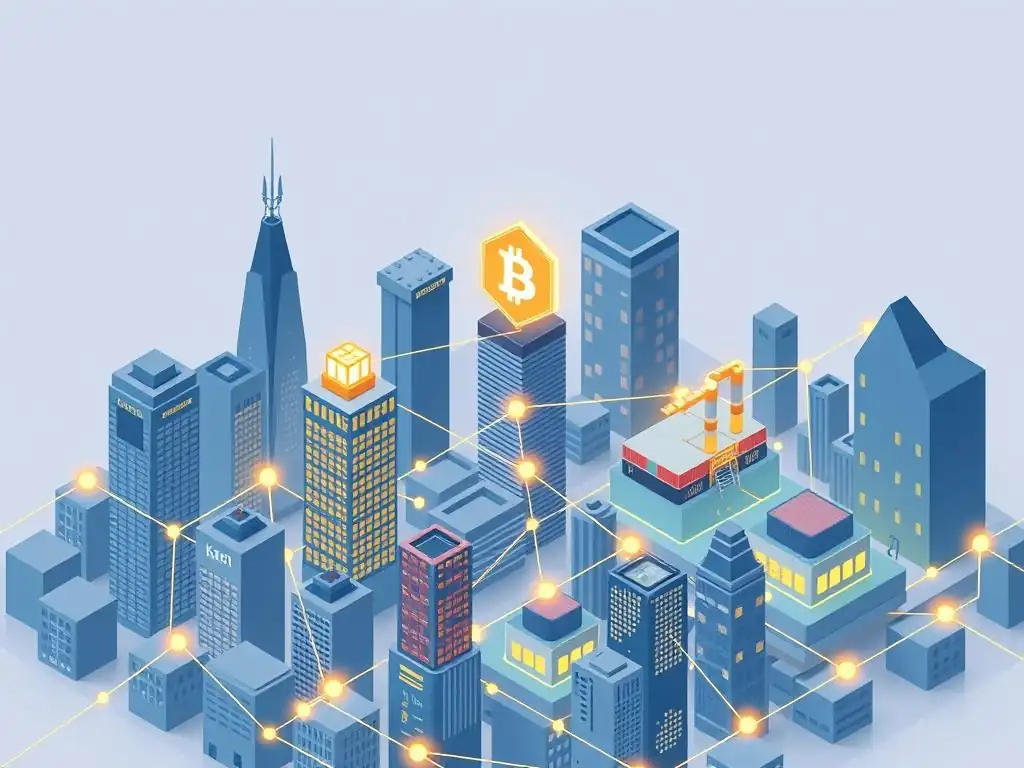
RWA-Backed Lending and Borrowing Platforms
RWA-backed lending and borrowing platforms are emerging as a significant application within DeFi, leveraging the stability and value of Real-World Assets (RWAs) to create more robust and diversified lending markets. These platforms bridge the gap between traditional finance and DeFi by allowing users to borrow and lend against tokenized RWAs, offering new avenues for accessing liquidity and generating yield.
Collateralizing Loans with Tokenized RWAs: A core function of these platforms is enabling users to collateralize loans with a variety of tokenized RWAs. Instead of relying solely on volatile cryptocurrencies as collateral, users can pledge tokenized real estate, bonds, commodities, or other RWAs to secure loans, typically denominated in stablecoins. This diversification of collateral types reduces the overall risk profile of lending platforms and attracts borrowers who hold RWAs but seek access to liquid capital without selling their assets.
For example, a user holding tokenized real estate might use it as collateral to borrow stablecoins for business expansion or personal expenses, retaining ownership of their real estate while accessing liquidity. The loan-to-value (LTV) ratio for RWA-backed loans is typically adjusted based on the risk assessment of the underlying asset, aiming to mitigate potential losses for lenders.
Diversifying Lending Markets and Yield Opportunities: RWA-backed lending platforms diversify the DeFi lending market beyond crypto-native assets, creating new yield opportunities for lenders and borrowers. Lenders can earn interest on stablecoin deposits by providing capital to these platforms, with the collateral being secured by RWAs. The yields offered on RWA-backed lending platforms may be more stable and predictable compared to some crypto-native DeFi lending protocols, as RWAs tend to exhibit lower volatility. Borrowers, on the other hand, gain access to capital by leveraging their RWA holdings without needing to liquidate them. This expands the borrower base beyond crypto-native users and opens up DeFi lending to a wider range of participants from traditional finance. Platforms like Goldfinch (discussed later in the case study) exemplify this approach by focusing on providing credit to businesses in emerging markets using RWAs and stablecoins, demonstrating the potential for RWA-backed lending to address real-world financing needs.
Risk Management and Loan Underwriting for RWAs: Effective risk management and loan underwriting are crucial for the sustainability of RWA-backed lending platforms. Assessing the value and risk profile of diverse RWAs requires specialized expertise and robust valuation mechanisms. Platforms need to develop sophisticated risk assessment models that consider factors like asset type, market conditions, legal jurisdiction, and counterparty risk. Oracles play a vital role in providing real-time data on RWA valuations and market conditions to inform loan underwriting decisions. Furthermore, legal frameworks and enforcement mechanisms need to be in place to address potential defaults and collateral recovery. Smart contracts automate many aspects of the lending process, but human oversight and robust risk management practices are still essential to ensure the long-term stability and success of RWA-backed lending platforms. Balancing automation with human expertise in risk assessment is key to navigating the complexities of lending against diverse real-world assets in DeFi.
Fractional Ownership and Investment Opportunities
Real-World Asset (RWA) tokenization is democratizing investment by enabling fractional ownership and opening up new investment opportunities that were previously inaccessible to many. Tokenization allows for the division of high-value assets into smaller, more affordable units represented by tokens, making it possible for individuals to invest in fractions of real estate, fine art, collectibles, and other traditionally exclusive asset classes.
Democratizing Access to High-Value Assets: Historically, investment in assets like prime real estate, blue-chip art, or rare collectibles has been largely limited to institutional investors and high-net-worth individuals due to the substantial capital requirements. Tokenization breaks down these barriers to entry by fractionalizing ownership. A multi-million dollar property, for instance, can be tokenized into thousands or even millions of tokens, each representing a small fraction of ownership.
This allows individuals with smaller investment amounts to participate in the returns and potential appreciation of these assets. For example, instead of needing to purchase an entire apartment building, an individual can invest in a few tokens representing fractional ownership, starting with as little as a few hundred dollars. This democratization of access broadens investment opportunities and empowers individuals to diversify their portfolios with assets that were previously out of reach.
Enhancing Liquidity and Tradability of Fractional Ownership: Fractional ownership through tokenization not only lowers the barrier to entry but also significantly enhances the liquidity and tradability of these previously illiquid assets. Traditional fractional ownership schemes in assets like real estate often suffer from illiquidity and complex legal structures. Tokenized fractional ownership, facilitated by blockchain technology and decentralized exchanges (DEXs), offers greater liquidity and ease of trading.
Token holders can buy, sell, or trade their fractional ownership tokens on DEXs 24/7, creating a more dynamic and accessible market. This enhanced liquidity makes fractional ownership tokens more attractive to investors, as they can easily liquidate their holdings if needed. Furthermore, the transparency and efficiency of blockchain-based trading reduce transaction costs and settlement times compared to traditional fractional ownership arrangements.
New Investment Products and Portfolio Diversification: Fractional ownership through RWA tokenization is paving the way for new and innovative investment products. Platforms can create diversified investment portfolios composed of fractional shares of various RWAs, offering investors exposure to a basket of assets through a single token. These diversified RWA portfolios can provide investors with a convenient and cost-effective way to achieve portfolio diversification and manage risk.
Furthermore, RWA tokenization enables the creation of synthetic assets that track the performance of real-world indices or baskets of commodities, providing investors with exposure to traditional markets within the DeFi ecosystem. These new investment products expand the range of investment options available in DeFi and cater to a wider spectrum of investor preferences and risk profiles. The ability to fractionalize and package RWAs into diverse investment products is a key driver of innovation and growth in the DeFi space.
Decentralized Insurance Using Tokenized Assets
Decentralized insurance powered by tokenized assets represents an innovative application of DeFi, offering potential solutions to some of the inefficiencies and limitations of traditional insurance models. By leveraging blockchain technology and tokenization, decentralized insurance platforms aim to provide more transparent, efficient, and accessible insurance coverage, particularly for risks associated with Real-World Assets (RWAs).
Covering Risks Associated with Tokenized RWAs: One key application of decentralized insurance in RWA DeFi is providing coverage for risks specifically associated with tokenized assets. This could include insurance against smart contract vulnerabilities, custody risks, or even real-world events impacting the underlying asset. For example, a platform offering tokenized real estate could provide decentralized insurance against property damage, tenant defaults, or legal disputes.
Similarly, insurance could be offered for tokenized commodities against theft, damage during transit, or storage risks. Decentralized insurance protocols can use smart contracts to automate claim processing and payouts, increasing efficiency and transparency compared to traditional insurance processes. The use of tokenized assets as collateral or reserves within these insurance protocols can further enhance transparency and security.
Peer-to-Peer and Community-Driven Insurance Models: Decentralized insurance often adopts peer-to-peer or community-driven models, shifting away from the traditional centralized insurance company model. In these models, insurance coverage is provided by a decentralized pool of participants who contribute capital to a shared risk pool. Tokenization can play a crucial role in these models, with tokens representing membership in the insurance pool, rights to coverage, or claims on the pool's capital.
Smart contracts automate the pooling of capital, risk assessment, and claim payouts, creating a more transparent and efficient insurance mechanism. These peer-to-peer models can potentially reduce administrative overhead and offer more competitive premiums compared to traditional insurance. Furthermore, community governance mechanisms can be implemented to allow participants to collectively manage the insurance pool and make decisions on risk assessment and claim adjudication.
Transparent and Efficient Claims Processing: Decentralized insurance platforms leverage the transparency and automation capabilities of blockchain to streamline and enhance the claims processing experience. Smart contracts can automate many aspects of the claims process, from claim submission to verification and payout. This reduces manual paperwork, speeds up processing times, and increases transparency for both policyholders and insurance providers. Claims can be triggered automatically based on predefined conditions encoded in smart contracts, reducing subjectivity and potential disputes.
Furthermore, the use of oracles can provide real-world data to verify claim events, enhancing the accuracy and reliability of the claims process. The transparency and efficiency of decentralized claims processing can build trust and confidence in insurance products within the DeFi ecosystem, encouraging wider adoption. However, challenges remain in accurately assessing and verifying complex real-world risks and ensuring the robustness of decentralized claim adjudication mechanisms.
Challenges and Risks in RWA Tokenization and DeFi Integration
Regulatory Uncertainty and Compliance Challenges
Regulatory uncertainty and compliance challenges are significant hurdles in the path of widespread Real-World Asset (RWA) tokenization and its integration into DeFi. The legal and regulatory landscape for digital assets and tokenized securities is still evolving globally, leading to ambiguity and complexity for projects operating in this space. Navigating this uncertainty and ensuring compliance with applicable regulations is crucial for the long-term viability and mainstream adoption of RWA DeFi.
Lack of Clear Regulatory Frameworks: One of the primary challenges is the lack of clear and consistent regulatory frameworks for RWA tokenization across different jurisdictions. Regulators worldwide are grappling with how to classify and regulate digital assets, and the specific treatment of RWA tokens is often unclear. This lack of clarity creates uncertainty for projects seeking to tokenize RWAs and operate within legal boundaries.
Different jurisdictions may have conflicting interpretations of existing securities laws or may be developing new regulations specifically for digital assets, leading to a fragmented and complex regulatory landscape. Projects need to conduct thorough legal analysis in each jurisdiction where they operate or offer their tokens, which can be costly and time-consuming. The absence of a harmonized global regulatory framework creates significant challenges for cross-border RWA tokenization initiatives.
Compliance Costs and Complexity: Ensuring compliance with existing and emerging regulations for RWA tokenization can be expensive and complex. Projects may need to invest heavily in legal counsel, compliance infrastructure, and KYC/AML procedures to meet regulatory requirements. Compliance costs can be particularly burdensome for smaller projects and startups, potentially hindering innovation and market entry. The complexity of regulatory requirements also poses operational challenges, requiring specialized expertise and ongoing monitoring of regulatory developments. For example, complying with securities laws in different jurisdictions may require different token structures, disclosure requirements, and investor registration processes, adding significant complexity to project operations.
Risk of Regulatory Enforcement Actions: The regulatory uncertainty also creates a risk of enforcement actions for projects that are deemed to be non-compliant with applicable regulations. Regulatory bodies are increasingly scrutinizing digital asset projects, and RWA tokenization initiatives are likely to come under closer scrutiny as the market matures. Enforcement actions can result in fines, penalties, legal battles, and even project shutdowns, posing significant risks to project developers and investors.
The risk of regulatory enforcement underscores the importance of proactive compliance efforts and engaging with regulators to seek clarity and guidance. Projects operating in the RWA tokenization space need to prioritize legal and regulatory compliance to mitigate enforcement risks and ensure long-term sustainability. Furthermore, industry collaboration and dialogue with regulators are essential to help shape a more conducive and predictable regulatory environment for RWA DeFi.
Security Risks in Smart Contracts and Token Infrastructure
Security risks inherent in smart contracts and the broader token infrastructure pose significant challenges to the adoption and reliability of Real-World Asset (RWA) tokenization in DeFi. Smart contracts, while offering automation and transparency, are also vulnerable to bugs, exploits, and attacks. Securing the token infrastructure and mitigating these risks is paramount to protect user funds and maintain the integrity of RWA-backed DeFi applications.
Smart Contract Vulnerabilities and Exploits: Smart contracts, being code, are susceptible to vulnerabilities and bugs that can be exploited by malicious actors. Even small errors in smart contract code can lead to significant financial losses. Common smart contract vulnerabilities include reentrancy attacks, integer overflows/underflows, and logic errors. Exploits of these vulnerabilities have resulted in numerous high-profile hacks and thefts in the DeFi space, highlighting the critical need for robust smart contract security.
RWA tokenization projects, which often involve complex smart contract logic for managing asset ownership, transfers, and rights, are particularly vulnerable to these risks. Thorough auditing of smart contracts by reputable security firms is essential to identify and mitigate potential vulnerabilities before deployment. However, even audited smart contracts are not entirely immune to exploits, and ongoing monitoring and security updates are necessary.
Infrastructure Security and Custodial Risks: Beyond smart contracts, the broader infrastructure supporting RWA tokenization also presents security risks. This includes the security of blockchain networks, oracles providing real-world data, and custodial solutions holding the underlying RWAs. Blockchain network security is generally considered robust, but vulnerabilities can still emerge. Oracles, which bridge the gap between blockchains and off-chain data, can be potential points of failure if compromised or manipulated.
Custodial solutions, whether centralized or decentralized, also introduce security risks. Centralized custodians are vulnerable to hacks, theft, and internal fraud. Decentralized custody solutions, while offering greater decentralization, can be more complex to implement and may have their own security trade-offs. Ensuring the security of the entire RWA token infrastructure, from smart contracts to custody solutions, requires a multi-layered approach and ongoing vigilance.
Risk of Token Loss and Irreversible Transactions: A fundamental characteristic of blockchain technology is the irreversibility of transactions. Once a transaction is confirmed on the blockchain, it cannot be reversed. This irreversibility, while offering transparency and immutability, also presents a risk of permanent token loss due to user errors, hacks, or smart contract exploits.
If a user sends RWA tokens to the wrong address or if tokens are stolen due to a security breach, recovery may be impossible. This risk of irreversible token loss is a significant concern, particularly for users who are new to DeFi and may not be fully aware of the security implications. User education and the development of user-friendly security tools are crucial to mitigate this risk.
Furthermore, projects need to implement robust security measures and incident response plans to minimize the likelihood and impact of security breaches. The inherent irreversibility of blockchain transactions underscores the importance of proactive security measures and responsible user behavior in RWA DeFi.
Liquidity and Market Volatility in RWA Token Markets
Liquidity and market volatility are crucial factors influencing the success and stability of Real-World Asset (RWA) token markets within DeFi. While tokenization aims to enhance liquidity for traditionally illiquid assets, RWA token markets are still nascent and can exhibit lower liquidity and higher volatility compared to established crypto markets or traditional financial markets. Addressing these challenges is essential for the maturation and wider adoption of RWA DeFi.
Lower Liquidity Compared to Crypto-Native Assets: RWA token markets, being relatively new, typically have lower liquidity compared to established markets for cryptocurrencies like Bitcoin or Ethereum. Lower liquidity means that there may be fewer buyers and sellers at any given time, leading to wider bid-ask spreads and greater price slippage when executing trades. This can make it more difficult to buy and sell RWA tokens at desired prices, particularly for larger transactions.
The limited liquidity in RWA token markets can also discourage institutional investors and larger traders who require deep and liquid markets. Building liquidity in RWA token markets requires time, market adoption, and the development of robust market-making infrastructure. Incentivizing liquidity providers and attracting more participants to these markets are crucial steps to improve liquidity.
Potential for Price Volatility in Early Stages: While RWAs themselves are often considered more stable than cryptocurrencies, RWA token markets can still exhibit price volatility, especially in their early stages. This volatility can be driven by factors such as limited liquidity, market sentiment, regulatory news, and the overall volatility of the broader crypto market. The price discovery process for RWA tokens is still evolving, and market inefficiencies can contribute to price fluctuations.
Furthermore, the perceived risk associated with new and untested RWA tokenization projects can also amplify volatility. Managing price volatility in RWA token markets requires building market depth, fostering investor confidence, and implementing robust risk management mechanisms. Stablecoin integration and the development of more mature trading infrastructure can help mitigate volatility over time.
Impact of Underlying RWA Market Fluctuations: The price of RWA tokens is ultimately tied to the value of the underlying Real-World Assets they represent. Fluctuations in the traditional markets for these RWAs can directly impact the price of their tokenized counterparts. For example, a downturn in the real estate market can lead to a decrease in the value of tokenized real estate. Similarly, commodity price volatility can affect the value of tokenized commodities.
This interconnectedness with traditional markets means that RWA token markets are not entirely insulated from the broader economic and financial environment. Investors in RWA tokens need to be aware of the risks and dynamics of the underlying RWA markets and consider these factors when making investment decisions. Understanding the relationship between RWA token prices and the performance of their underlying assets is crucial for navigating the volatility and risks in these markets.
The Future of DeFi Real-World Asset Tokens and Stablecoin Synergies
Growth Predictions for RWA Tokenization in DeFi
Growth predictions for Real-World Asset (RWA) tokenization in DeFi are overwhelmingly positive, with analysts and industry experts forecasting substantial expansion in the coming years. The integration of RWAs is widely seen as a key catalyst for the next phase of DeFi growth, unlocking trillions of dollars in value from traditional markets and bringing greater stability and diversification to the decentralized financial ecosystem.
Significant Market Growth Projections: Various market research reports and industry analyses project significant growth for the RWA tokenization market. Some estimations suggest that the market for tokenized RWAs could reach trillions of dollars within the next decade. Boston Consulting Group, for example, has predicted that the tokenization of illiquid assets could be a $16 trillion opportunity by 2030.
These projections are based on the vast size of traditional asset markets, the increasing adoption of blockchain technology, and the growing recognition of the benefits of RWA tokenization in DeFi. The potential to unlock liquidity, democratize access to investment, and create new financial products is driving significant interest and investment in RWA tokenization initiatives. While specific figures may vary across different reports, the overall consensus is that RWA tokenization is poised for exponential growth in the DeFi space.
Drivers of Growth: Institutional Adoption and Mainstream Interest: Several key factors are driving the projected growth of RWA tokenization in DeFi. Institutional adoption is a major catalyst, with traditional financial institutions increasingly exploring and investing in RWA tokenization. Banks, asset managers, and hedge funds are recognizing the potential of RWA tokens to enhance efficiency, reduce costs, and access new markets. Mainstream interest from retail investors is also growing as awareness of DeFi and RWA tokenization increases.
The promise of fractional ownership, greater accessibility, and new investment opportunities is attracting a wider range of participants to the RWA DeFi space. Furthermore, technological advancements in blockchain infrastructure, smart contract platforms, and interoperability solutions are making RWA tokenization more feasible and scalable. These combined factors are creating a favorable environment for the rapid growth of RWA tokenization in DeFi.
Expanding Asset Classes and Use Cases: The growth of RWA tokenization is expected to encompass a wider range of asset classes beyond the initial focus on real estate and commodities. Tokenization is likely to expand to include fixed income instruments, equities, private equity, intellectual property, and various other tangible and intangible assets. New use cases for RWA tokens are also emerging, beyond lending and borrowing to include decentralized insurance, supply chain finance, and carbon credit markets.
The increasing diversity of asset classes and use cases will further fuel the growth of RWA tokenization in DeFi. As more traditional assets are brought onto the blockchain and integrated into DeFi protocols, the overall ecosystem will become more robust, diversified, and appealing to a broader audience. The continuous innovation and expansion of use cases are key drivers of the long-term growth potential of RWA tokenization in DeFi.
Impact of Institutional Adoption on RWA DeFi and Stablecoin Usage
Institutional adoption is poised to have a transformative impact on both RWA DeFi and stablecoin usage, accelerating growth, enhancing market maturity, and shaping the future landscape of decentralized finance. As traditional financial institutions increasingly embrace RWA tokenization and DeFi, their participation will bring significant capital, expertise, and regulatory scrutiny to the space.
Increased Capital Inflows and Market Liquidity: Institutional investors manage vast amounts of capital, and their entry into RWA DeFi is expected to drive significant capital inflows into the market. This influx of capital will boost market liquidity, making it easier to trade RWA tokens and improving price discovery. Increased liquidity will also attract more participants to RWA DeFi, creating a virtuous cycle of growth and adoption.
Institutional participation can also lead to the development of more sophisticated market-making infrastructure and trading strategies in RWA token markets, further enhancing liquidity and efficiency. The injection of institutional capital is crucial for scaling RWA DeFi and bridging the gap between decentralized and traditional finance.
Enhanced Regulatory Legitimacy and Compliance Standards: Institutional adoption will bring greater regulatory legitimacy to RWA DeFi. Traditional financial institutions operate within established regulatory frameworks and are accustomed to stringent compliance standards. Their participation will necessitate clearer regulatory guidelines for RWA tokenization and DeFi, fostering a more regulated and compliant ecosystem.
Institutional players are likely to advocate for regulatory clarity and work with regulators to develop appropriate frameworks. This increased regulatory scrutiny and compliance focus will enhance investor protection and build trust in RWA DeFi, making it more appealing to a wider audience. The involvement of regulated institutions will also help to mitigate some of the regulatory risks currently associated with DeFi and RWA tokenization.
Increased Stablecoin Demand and Utility: Institutional adoption of RWA DeFi is expected to drive increased demand for stablecoins. Stablecoins are essential for facilitating transactions and providing liquidity in RWA DeFi protocols. As institutional investors allocate capital to RWA tokens and participate in RWA-backed lending and borrowing, their demand for stablecoins will increase.
This increased demand can further solidify the role of stablecoins as the foundational currency of DeFi and potentially lead to the development of more robust and regulated stablecoin offerings. Institutional usage of stablecoins can also enhance their utility beyond trading and yield generation, potentially extending their applications to areas like cross-border payments and corporate treasury management. The synergy between institutional RWA DeFi adoption and stablecoin usage is likely to be a key driver of growth and maturity for both sectors.
Emerging Trends in DeFi Real-World Asset Tokenization
Several emerging trends are shaping the future of DeFi Real-World Asset (RWA) tokenization, indicating the direction in which this rapidly evolving space is heading. These trends include the development of more sophisticated legal and regulatory frameworks, advancements in interoperability and cross-chain solutions, and the integration of AI and data analytics to enhance RWA DeFi applications.
Standardization and Legal Framework Development: One key emerging trend is the increasing focus on standardization and the development of clearer legal and regulatory frameworks for RWA tokenization. Industry initiatives are emerging to establish standards for token formats, legal documentation, and compliance protocols. Regulatory bodies are also actively working to develop more specific guidelines for digital assets and tokenized securities.
This standardization and regulatory clarity will reduce legal uncertainty, lower compliance costs, and foster greater interoperability and scalability for RWA tokenization. Industry collaboration and dialogue between regulators and market participants are crucial to drive progress in this area. The development of standardized legal templates and regulatory sandboxes can facilitate innovation and responsible growth in RWA DeFi.
Interoperability and Cross-Chain RWA Tokens: Interoperability and cross-chain solutions are becoming increasingly important for RWA tokenization. The ability to seamlessly transfer and utilize RWA tokens across different blockchain networks is crucial for maximizing liquidity and expanding the reach of RWA DeFi applications. Cross-chain bridges and interoperability protocols are being developed to enable the transfer of assets and data between different blockchains.
This will allow RWA tokens issued on one blockchain to be used in DeFi protocols on other blockchains, unlocking greater composability and network effects. The development of robust and secure interoperability solutions is essential for realizing the full potential of RWA tokenization and creating a truly interconnected DeFi ecosystem. Cross-chain RWA tokens can also facilitate cross-border transactions and global market access.
AI and Data Analytics Integration: The integration of Artificial Intelligence (AI) and data analytics is another emerging trend in RWA DeFi. AI and data analytics can be used to enhance risk assessment, valuation, and portfolio management for RWA tokens. AI-powered tools can analyze vast amounts of data to improve loan underwriting, detect anomalies, and optimize investment strategies in RWA DeFi platforms.
Data analytics can provide valuable insights into RWA token market trends, liquidity patterns, and risk factors, enabling more informed decision-making. The integration of AI and data analytics can enhance the efficiency, sophistication, and risk management capabilities of RWA DeFi applications, further driving their adoption and maturity. For example, AI can be used to automate real estate valuations or assess the creditworthiness of borrowers in RWA-backed lending platforms.
Case Study: Goldfinch - Credit Protocol for Emerging Markets
Project Overview and Objectives
Goldfinch is a decentralized credit protocol that stands out as a compelling case study in the application of Real-World Asset (RWA) tokenization in DeFi, particularly in serving emerging markets. Goldfinch's primary objective is to expand access to financial inclusion by providing uncollateralized loans to businesses in emerging economies.
Unlike many DeFi lending platforms that require crypto collateral, Goldfinch leverages a "trust through consensus" mechanism and a decentralized network of backers to assess and mitigate risk, enabling borrowing without traditional collateral requirements. This approach opens up DeFi lending to a vast untapped market of businesses in developing countries that lack sufficient crypto assets for collateralization but have real-world assets and cash flows to support loan repayments.
Focus on Uncollateralized Lending in Emerging Markets: Goldfinch's core focus on uncollateralized lending differentiates it from many other DeFi lending platforms. Traditional DeFi lending often requires borrowers to over-collateralize loans with volatile cryptocurrencies, limiting access for those who do not possess or wish to risk their crypto assets. Goldfinch addresses this limitation by employing a decentralized network of "Backers" who assess the creditworthiness of borrowers and provide first-loss capital.
This decentralized credit assessment process, combined with a community-driven risk mitigation mechanism, allows Goldfinch to offer uncollateralized loans to businesses in emerging markets that may not have access to traditional banking services. By focusing on real-world businesses and cash flows, Goldfinch bridges the gap between DeFi and traditional finance, channeling capital to underserved markets.
Decentralized Credit Assessment and Backer Network: The decentralized credit assessment process and Backer network are key innovations of the Goldfinch protocol. Borrowers seeking loans submit proposals to the Goldfinch protocol. A decentralized network of Backers then assesses these proposals, evaluating the borrower's business model, financial health, and repayment capacity.
Backers stake their own capital as first-loss capital in borrower pools, incentivizing them to conduct thorough due diligence and select creditworthy borrowers. This decentralized credit assessment process leverages the collective intelligence and risk appetite of the Backer community, enabling Goldfinch to assess and mitigate risk without relying on centralized credit scoring agencies or traditional collateral. The Backer network creates a dynamic and scalable credit assessment mechanism, allowing Goldfinch to efficiently evaluate and onboard borrowers from diverse emerging markets.
Bridging DeFi to Real-World Businesses: Goldfinch effectively bridges DeFi to real-world businesses by connecting DeFi capital with businesses in emerging markets that require financing for growth and operations. By offering uncollateralized loans, Goldfinch empowers businesses in developing countries to access capital they might otherwise be unable to obtain through traditional financial channels. This injection of capital can fuel economic growth, create jobs, and improve financial inclusion in underserved communities.
Goldfinch's focus on real-world businesses and cash flows, rather than solely on crypto-native assets, demonstrates the potential of DeFi to have a tangible impact on the real world. The protocol's success in originating loans to businesses in various emerging markets highlights the viability of RWA-focused DeFi applications and their ability to address real-world financing needs.
Tokenization Process and Implementation
While Goldfinch itself doesn't directly tokenize RWAs in the traditional sense of tokenizing ownership of physical assets, it employs a form of tokenization in its loan origination and management processes, leveraging blockchain technology and tokens to represent loan agreements and facilitate capital flows. The protocol uses its native token, GFI, for governance and incentivizing participation in the ecosystem, and also utilizes stablecoins like USDC for loan disbursements and repayments.
Representing Loan Agreements on Blockchain: Goldfinch represents loan agreements on the blockchain through its smart contracts and protocol architecture. Borrower pools are created on the blockchain, representing specific loan agreements with borrowers in emerging markets. These borrower pools function as tokenized representations of the loan agreements, tracking loan terms, repayment schedules, and capital flows.
While not tokenizing a physical asset, Goldfinch effectively tokenizes the financial agreement itself, leveraging blockchain's transparency and immutability to record and manage loan terms and transactions. This on-chain representation of loan agreements enhances transparency and reduces the operational complexities associated with traditional lending processes. Investors and Backers participating in borrower pools can track the performance of their investments in a transparent and auditable manner on the blockchain.
Utilizing Stablecoins for Loan Disbursements and Repayments: Stablecoins, primarily USDC, play a crucial role in Goldfinch's loan disbursement and repayment processes. Loans are disbursed to borrowers in USDC, providing a stable and readily usable currency for businesses in emerging markets. Borrowers then repay their loans in USDC, which are distributed to Backers and liquidity providers in the protocol.
The use of stablecoins mitigates currency exchange risks and simplifies cross-border transactions, which are common in emerging market lending. Stablecoins provide a stable unit of account for loan agreements and facilitate efficient and transparent capital flows within the Goldfinch ecosystem. The reliance on stablecoins underscores their importance as a foundational element for RWA-focused DeFi applications, particularly those operating in global and cross-border contexts.
GFI Token for Governance and Incentive Alignment: The Goldfinch protocol utilizes its native token, GFI, for governance and to align incentives among different participants in the ecosystem. GFI holders can participate in governance decisions, shaping the future direction of the protocol. The GFI token also serves as an incentive mechanism, rewarding Backers for providing first-loss capital and liquidity providers for contributing capital to the protocol.
This incentive alignment is crucial for fostering a healthy and sustainable ecosystem. The GFI token distribution and governance mechanisms are designed to promote decentralization and community ownership of the Goldfinch protocol. While not directly tied to RWA tokenization, the GFI token plays a vital role in the overall functioning and governance of this RWA-focused DeFi platform.
Results and Impact on the DeFi Ecosystem
Goldfinch has achieved notable results and had a significant impact on the DeFi ecosystem, particularly in demonstrating the viability of uncollateralized lending and expanding DeFi's reach to real-world businesses in emerging markets. The protocol has facilitated millions of dollars in loans to businesses across various developing countries, showcasing the potential of DeFi to address real-world financing gaps and promote financial inclusion.
Millions in Loans Facilitated in Emerging Markets: Goldfinch has successfully facilitated millions of dollars in loans to businesses in emerging markets across Africa, Asia, and Latin America. These loans have supported a diverse range of businesses, from fintech startups to agricultural cooperatives, providing them with crucial capital for growth and expansion. The volume of loans originated through Goldfinch demonstrates the demand for uncollateralized DeFi lending in emerging markets and the protocol's ability to effectively connect DeFi capital with real-world businesses.
The loan origination data and repayment rates provide valuable insights into the creditworthiness of borrowers in these markets and the effectiveness of Goldfinch's decentralized credit assessment mechanism. The scale of loan facilitation highlights the tangible impact of Goldfinch in bridging the DeFi gap to traditional finance and addressing real-world financing needs.
Demonstrating Viability of Uncollateralized DeFi Lending: Goldfinch has played a key role in demonstrating the viability of uncollateralized DeFi lending, challenging the prevailing paradigm of over-collateralization in the DeFi space. By successfully operating an uncollateralized lending protocol at scale, Goldfinch has shown that decentralized credit assessment and community-driven risk mitigation can be effective alternatives to traditional collateral requirements. This demonstration of viability has opened up new possibilities for DeFi lending and expanded its potential reach to a wider range of borrowers and markets.
Goldfinch's success has inspired other DeFi projects to explore uncollateralized lending models and focus on real-world applications. The protocol's experience and data provide valuable lessons and insights for the future development of uncollateralized DeFi lending protocols.
Expanding DeFi's Reach Beyond Crypto-Native Assets: Goldfinch has contributed to expanding DeFi's reach beyond crypto-native assets by focusing on real-world businesses and cash flows as the basis for lending and borrowing. By connecting DeFi capital with real-world businesses in emerging markets, Goldfinch has demonstrated the potential of DeFi to address real-world financing needs and have a tangible impact beyond the crypto ecosystem. This expansion of DeFi's scope beyond crypto-native assets is crucial for its long-term growth and mainstream adoption.
Goldfinch's success in bridging DeFi to traditional finance has paved the way for further integration of RWAs into DeFi and the development of more real-world focused DeFi applications. The protocol serves as an example of how DeFi can be used to solve real-world problems and create a more inclusive and efficient financial system.
Conclusion: Unlocking Potential with DeFi, RWAs, and Stablecoins
The Transformation of Finance Through DeFi Integration
The integration of Decentralized Finance (DeFi) with Real-World Assets (RWAs) and stablecoins marks a significant transformation in the financial landscape. This convergence has the potential to reshape traditional financial systems, creating a more accessible, efficient, and transparent financial ecosystem. DeFi offers a permissionless and open infrastructure, RWAs bring diversification and real-world value, and stablecoins provide the necessary stability and transactional efficiency to bridge the gap between the two worlds. This synergistic combination is unlocking new possibilities and driving innovation across various sectors of finance.
Democratization of Financial Access and Investment: DeFi integration is democratizing financial access and investment opportunities. RWA tokenization, facilitated by DeFi protocols, is breaking down barriers to entry for traditionally exclusive asset classes like real estate, fine art, and private equity. Fractional ownership through tokenization allows individuals with smaller capital to invest in these assets, opening up new avenues for wealth creation and portfolio diversification.
DeFi's permissionless nature eliminates geographical and regulatory barriers, enabling global access to financial services and investment opportunities. Stablecoins further enhance accessibility by providing a stable and readily usable currency for participating in DeFi protocols. This democratization of finance empowers individuals and fosters greater financial inclusion, particularly in underserved communities and emerging markets.
Increased Efficiency and Transparency in Financial Markets: DeFi integration is enhancing efficiency and transparency in financial markets. Blockchain technology and smart contracts automate many processes in traditional finance, reducing intermediaries, lowering costs, and speeding up transaction settlement times. RWA tokenization streamlines asset management and trading, making markets more efficient.
DeFi protocols operate with greater transparency compared to traditional financial institutions, with all transactions and smart contract code auditable on the blockchain. This increased transparency builds trust and accountability in the financial system. The combination of efficiency and transparency offered by DeFi integration has the potential to revolutionize various aspects of finance, from payments and lending to trading and asset management.
New Financial Products and Business Models: DeFi integration is fostering the creation of new financial products and business models. RWA-backed lending and borrowing platforms, decentralized insurance protocols, and synthetic asset markets are emerging as innovative applications of DeFi. Tokenization enables the creation of new asset classes and investment vehicles, blending the best aspects of traditional and decentralized finance.
These new financial products and business models are disrupting traditional financial services and creating new opportunities for innovation and growth. The continuous evolution of DeFi and RWA tokenization is expected to generate even more novel financial solutions in the future, reshaping the financial landscape and creating a more dynamic and inclusive financial system.
The Future of Finance: A Decentralized and Tokenized Landscape
The future of finance is increasingly envisioned as a decentralized and tokenized landscape, where blockchain technology and DeFi protocols play a central role in shaping financial systems. RWA tokenization and stablecoin integration are key components of this future vision, bridging the gap between the digital and physical worlds and creating a more interconnected and efficient financial ecosystem. This decentralized and tokenized future promises greater accessibility, transparency, and innovation in finance.
Interoperable and Borderless Financial Ecosystem: The future of finance is likely to be characterized by greater interoperability and borderlessness. Blockchain technology enables seamless cross-border transactions and the creation of interoperable financial systems. RWA tokens and stablecoins can be transferred and utilized across different blockchain networks and jurisdictions, facilitating global capital flows and reducing friction in international finance.
DeFi protocols operate without geographical boundaries, creating a borderless financial ecosystem accessible to anyone with an internet connection. This interoperable and borderless nature of future finance will enhance efficiency, reduce costs, and promote global financial inclusion. The development of cross-chain solutions and standardized protocols is crucial for realizing this vision of a truly interconnected financial ecosystem.
Programmable and Automated Finance: Smart contracts and blockchain technology are enabling programmable and automated finance. Financial agreements and processes can be encoded into smart contracts, automating execution, settlement, and compliance. RWA tokenization facilitates the automation of asset management and trading. DeFi protocols operate autonomously, governed by code and community consensus. This programmability and automation enhance efficiency, reduce human error, and create new possibilities for complex financial instruments and automated trading strategies. The future of finance is likely to be characterized by increasingly automated and algorithmically driven financial processes, improving efficiency and reducing operational costs.
Community-Driven and User-Centric Finance: DeFi is fostering a more community-driven and user-centric approach to finance. Decentralized governance mechanisms empower users to participate in decision-making and shape the direction of DeFi protocols. RWA tokenization can enable community ownership of assets and shared economic benefits.
DeFi's permissionless and open nature puts users in greater control of their financial assets and data. The future of finance is likely to be characterized by greater user empowerment, community participation, and a shift away from centralized intermediaries. This user-centric approach has the potential to create a more equitable and inclusive financial system, where users have greater agency and control over their financial lives.
Key Takeaways for Investors, Developers, and Regulators
For investors, RWA tokenization in DeFi presents new opportunities for portfolio diversification and access to previously inaccessible asset classes. Understanding the risks and rewards associated with RWA tokens, including regulatory uncertainty, security risks, and market volatility, is crucial. Due diligence and careful risk assessment are essential before investing in RWA DeFi projects. Exploring stablecoin yield generation opportunities within RWA DeFi can also be a valuable strategy.
For developers, building secure, scalable, and compliant RWA DeFi applications is paramount. Focusing on robust smart contract security, user-friendly interfaces, and clear legal frameworks is essential for attracting users and fostering trust. Exploring interoperability solutions and cross-chain compatibility can expand the reach and utility of RWA DeFi protocols. Collaboration with legal and regulatory experts is crucial to navigate the evolving regulatory landscape and ensure compliance.
For regulators, developing clear and balanced regulatory frameworks for RWA tokenization and DeFi is essential to foster innovation while protecting investors and maintaining market integrity. Adopting a principles-based approach that focuses on risk management and consumer protection, rather than stifling innovation, is crucial. International regulatory cooperation and harmonization are needed to address cross-border issues and create a level playing field for RWA DeFi. Engaging with industry stakeholders and fostering dialogue is essential to develop effective and forward-looking regulations for this rapidly evolving space.
Frequently Asked Questions
What are Real-World Asset (RWA) tokens in the context of DeFi?
RWA tokens represent ownership or fractional ownership of physical assets like real estate, commodities, or even intellectual property, tokenized and brought onto a blockchain. This allows them to be used within DeFi applications, such as lending platforms or decentralized exchanges.
How do stablecoins facilitate the integration of RWAs into DeFi?
Stablecoins provide a stable and predictable medium of exchange, reducing the volatility typically associated with cryptocurrencies. This makes them ideal for pricing and trading RWA tokens, allowing for a more seamless and reliable interaction between traditional assets and the DeFi ecosystem.
What are the key benefits of tokenizing real-world assets?
Tokenization offers increased liquidity, accessibility, and fractional ownership. It allows smaller investors to participate in markets previously limited to institutional players and streamlines processes like asset transfer and management, reducing costs and inefficiencies.
What are some of the regulatory challenges surrounding RWA tokenization and DeFi?
Regulatory uncertainty remains a significant hurdle. Issues like securities laws, KYC/AML compliance, and the legal status of tokenized assets need clear frameworks to ensure investor protection and prevent illicit activities.
What is the future outlook for the intersection of DeFi and RWA tokens?
The future looks promising, with increasing adoption expected as regulations become clearer and technology matures. We anticipate seeing more innovative DeFi protocols leveraging RWAs for lending, borrowing, and other financial services, bridging the gap between traditional finance and decentralized finance.
Final Reflection: The Dawn of Tangible DeFi
The convergence of stablecoins and Real-World Asset (RWA) tokenization represents more than just a technological advancement; it signifies a fundamental shift in the financial landscape. The potential to bridge the gap between the decentralized world of DeFi and the established structures of traditional finance is no longer a distant dream, but a rapidly approaching reality, poised to reshape how we interact with assets and value.
This evolution profoundly impacts the cultural and social landscape by democratizing access to investment opportunities previously reserved for the elite. The ability to tokenize real-world assets like real estate, commodities, and even intellectual property opens doors for individuals and small businesses to participate in global markets in ways never before imagined. The future of finance is decentralized, and the tokenization of real-world assets is the key to unlocking its full potential.
This quote encapsulates the transformative power of this technology, promising a more inclusive and efficient financial ecosystem.
As we stand on the precipice of this new era, I invite you to consider the implications of DeFi real-world asset tokens for your own financial future. How can you leverage these emerging technologies to diversify your portfolio, access new investment opportunities, and contribute to a more equitable and transparent financial system? The future of finance is being written now, and your participation is crucial in shaping its trajectory.
Uncover Your Tokenization Potential!
Thank you for exploring the exciting intersection of stablecoins and Real-World Asset (RWA) tokenization with Blockchain Trends. We hope this article has illuminated the power and potential of bridging decentralized finance with traditional finance. Now, it's time to take the next step!
Here are a few actionable ways to continue your journey:
- Begin exploring fractionalized ownership in Real-World Assets. Research platforms that facilitate RWA tokenization and consider participating in small-scale investments to gain firsthand experience.
- Share this article with colleagues and fellow crypto enthusiasts on social media. Let's spark a wider conversation on the future of finance!
- Delve deeper into the regulatory landscape surrounding stablecoins and RWA tokenization in your region. Understanding compliance is crucial for responsible innovation.
What's one RWA you're most excited to see tokenized, and how do you think it will impact the market? Share your thoughts in the comments below!
Leave a Reply