
The Ultimate Guide to CrossChain Swapping: Seamlessly Trade Assets Across Networks


Welcome to Blockchain Trends, your premier source for understanding the revolutionary impact of blockchain technology.
Are you ready to unlock the full potential of decentralized finance? Discover the future of seamless asset movement and dive into the world of Crosschain asset swapping benefits. Imagine a world where transferring value between different blockchains is effortless and secure. Our in-depth guide explores how this groundbreaking technology is reshaping the DeFi landscape and offers insights you won't find anywhere else. Keep reading to uncover the ultimate secrets behind crosschain swaps!
Navigating Cross-Chain Swaps: A Comprehensive Guide
- Introduction to Cross-Chain Swapping
- Understanding Cross-Chain Swap Mechanisms
- Advantages of Cross-Chain Swaps
- Risks and Challenges of Cross-Chain Swapping
- Popular Cross-Chain Swap Platforms
- Use Cases for Cross-Chain Asset Swapping
- Implementing a Cross-Chain Swapping Strategy
- The Future of Cross-Chain Technology
- Conclusion: Embracing Interoperability
-
Frequently Asked Questions
- What are the primary benefits of crosschain asset swapping?
- How does crosschain swapping differ from traditional centralized exchange asset swaps?
- What are the main technologies or protocols that enable crosschain asset swapping?
- What are some of the current challenges or risks associated with crosschain asset swapping?
- How might crosschain asset swapping impact the future of decentralized finance (DeFi)?
- Final Reflection: Embracing the Borderless Future of Finance
- Unlock the Power of Cross-Chain Trading!
Introduction to Cross-Chain Swapping
The Importance of Interoperability in Decentralized Finance (DeFi)
Decentralized Finance (DeFi) has rapidly expanded, creating a vibrant ecosystem of diverse blockchains, each with unique strengths and communities. However, this growth has also led to fragmentation. Imagine a global financial system where banks in different countries couldn't communicate or transfer funds easily.
This is analogous to the current state of DeFi, where assets and applications are often siloed within their respective blockchain networks. Interoperability, the ability of different blockchain networks to communicate and interact with each other, is paramount to unlock the full potential of DeFi and create a truly interconnected and efficient financial system. Without it, users are limited to the opportunities within a single chain, hindering capital flow and innovation.
The lack of seamless interaction between blockchains restricts the efficient utilization of assets and limits user access to the best opportunities across the entire DeFi landscape. For instance, a user might hold a valuable asset on the Bitcoin network but want to participate in a promising yield farming opportunity on Ethereum. Without interoperability, this process becomes cumbersome, requiring centralized intermediaries or complex workarounds.
Interoperability aims to break down these barriers, enabling frictionless movement of assets and data across different chains. This not only enhances user experience but also fosters a more robust and interconnected DeFi ecosystem, paving the way for greater innovation and widespread adoption.
Cross-Chain Swaps: Connecting Isolated Blockchain Ecosystems
Cross-chain swaps are a crucial technology designed to bridge the gaps between these isolated blockchain ecosystems. In essence, a cross-chain swap allows users to exchange assets from one blockchain network for assets on another, without relying on traditional centralized exchanges (CEXs). Think of it as a universal translator for the blockchain world, enabling direct communication and value exchange between previously incompatible systems. This capability is fundamental for creating a more unified and user-friendly DeFi experience.
These swaps are not just about moving assets; they are about unlocking liquidity and opportunities that were previously inaccessible. Before cross-chain swaps, moving assets between blockchains often involved cumbersome processes like wrapping assets or using centralized bridges, which introduced complexities and risks. Cross-chain swaps aim to simplify this process, offering a more direct and decentralized way to trade assets across different networks. By facilitating seamless asset movement, cross-chain swaps empower users to participate in a wider range of DeFi activities, regardless of where their assets are initially held, and realize the full potential of crosschain asset swapping benefits.
Benefits of Cross-Chain Swapping
The benefits of cross-chain swapping are multifaceted and address some of the core challenges in the current DeFi landscape. Primarily, they enhance capital efficiency by allowing users to deploy their assets across different blockchains to maximize returns. Consider a user who wants to participate in a newly launched DeFi protocol on the Solana blockchain but holds most of their assets on Ethereum.
Cross-chain swaps enable them to easily transfer a portion of their Ethereum-based assets to Solana, allowing them to engage with the new protocol without having to first go through a centralized exchange. This direct access significantly improves the speed and reduces the cost of accessing opportunities in different ecosystems.
Furthermore, cross-chain swaps contribute to a more decentralized and resilient DeFi ecosystem. By reducing reliance on centralized intermediaries for cross-blockchain asset transfers, they mitigate single points of failure and enhance user control over their funds. Traditional methods often involve trusting centralized bridges or exchanges to custody assets during the transfer process, which introduces counterparty risk. Decentralized cross-chain swaps, particularly those leveraging atomic swap technology or robust bridge protocols, minimize this risk, aligning with the core ethos of decentralization in blockchain technology. These advantages highlight the significant crosschain asset swapping benefits for users and the broader DeFi space.
Understanding Cross-Chain Swap Mechanisms
Core Concepts of Cross-Chain Functionality
At the heart of cross-chain functionality lie several key concepts that enable blockchains to interact and exchange value. One fundamental concept is bridging. Bridges act as intermediaries that facilitate the transfer of assets and data between different blockchains. They achieve this by typically locking assets on the source chain and minting corresponding wrapped assets on the destination chain, or by employing more complex message-passing systems.
Another crucial concept is atomic swaps. Atomic swaps are smart contract-based mechanisms that enable the direct, peer-to-peer exchange of assets between two different blockchains in a trustless manner. The "atomic" nature ensures that either both legs of the swap execute successfully, or neither does, eliminating the risk of one party losing their assets if the other party fails to deliver.
Beyond these, interoperability protocols play a vital role in establishing standardized communication layers between blockchains. These protocols define rules and frameworks for how different blockchains can understand and process each other's messages and transactions. They often involve sophisticated consensus mechanisms and relay networks to ensure secure and reliable cross-chain communication. Understanding these core concepts – bridging, atomic swaps, and interoperability protocols – is essential to grasp the intricacies of how cross-chain swaps operate and the varying levels of decentralization and security they offer.
Atomic Swaps: A Direct Peer-to-Peer Exchange
Atomic swaps represent a pioneering approach to cross-chain asset exchange, offering a direct, peer-to-peer method without reliance on intermediaries. The core principle of an atomic swap is to use Hash Time-Locked Contracts (HTLCs). HTLCs are a type of smart contract that requires the receiver of funds to acknowledge receipt within a specific timeframe by providing a cryptographic proof. If the proof is not provided within the time limit, the transaction is automatically reversed, and the funds are returned to the sender. This mechanism ensures that both parties in the swap are protected against counterparty risk.
Imagine Alice wants to swap Bitcoin for Litecoin directly with Bob. Using an atomic swap protocol, Alice and Bob would each create HTLCs on their respective blockchains. Alice would lock her Bitcoin in an HTLC, and Bob would lock his Litecoin in another HTLC. The process involves generating a secret that is revealed by Bob upon receiving the Bitcoin.
This secret is then used by Alice to claim her Litecoin. Because the process is time-sensitive and cryptographically enforced, neither party can cheat the other. Atomic swaps, while technically complex to implement and not universally supported by all blockchains, offer a highly secure and decentralized way to execute cross-chain trades, highlighting the potential for trustless crosschain asset swapping benefits.
The Role of Bridges in Asset Transfers
Bridges are the most prevalent mechanism currently employed for cross-chain asset transfers and, consequently, for many cross-chain swaps. They function as conduits that allow assets and data to flow between different blockchain networks. A common type of bridge operates on a "lock-and-mint" principle. When a user wants to move assets from Chain A to Chain B, they deposit (lock) their assets in a smart contract on Chain A. The bridge protocol then verifies this deposit and mints an equivalent amount of "wrapped" assets on Chain B, representing the original assets from Chain A.
For example, Wrapped Bitcoin (WBTC) on Ethereum is created through a bridge mechanism. Users deposit Bitcoin with custodians who lock the BTC and mint WBTC tokens on Ethereum, which are pegged 1:1 to Bitcoin. When users want to redeem their original Bitcoin, they burn the WBTC on Ethereum, and the custodians release the locked BTC.
Bridges can also facilitate more complex data transfers beyond just asset movement, enabling cross-chain communication for decentralized applications. However, it's crucial to recognize that bridges often introduce their own set of security considerations and trust assumptions, which are critical to evaluate when considering cross-chain swaps utilizing bridge technology.
Examining Interoperability Protocols: IBC, Polkadot, and LayerZero
Several interoperability protocols are emerging to standardize and enhance cross-chain communication and asset transfer, each with its unique architecture and approach. Inter-Blockchain Communication (IBC) is a protocol developed within the Cosmos ecosystem. IBC focuses on facilitating secure and authenticated communication between sovereign blockchains, known as zones, within the Cosmos network.
It achieves this through a standardized messaging protocol and relayers that transport packets of data between chains. IBC is designed for blockchains that have fast finality and is particularly effective for transferring tokens and enabling cross-chain DeFi applications within the Cosmos ecosystem, which includes blockchains like Terra Classic (LUNC) and Osmosis.
Polkadot takes a different approach with its parachain model. Polkadot is a heterogeneous multi-chain architecture that connects multiple specialized blockchains (parachains) to a central relay chain. The relay chain provides shared security and interoperability for all connected parachains. Polkadot's architecture allows for complex cross-chain interactions and data sharing between parachains, fostering a highly interconnected ecosystem.
Projects like Moonbeam and Acala leverage Polkadot's interoperability to bring Ethereum compatibility and DeFi functionalities to the Polkadot ecosystem. LayerZero is another notable protocol that focuses on secure and efficient message passing between blockchains. LayerZero employs an "Ultra Light Node" architecture and relies on independent oracles and relayers to verify cross-chain messages, aiming to achieve a balance between security and cost-effectiveness. These protocols represent diverse approaches to tackling the challenge of interoperability, each contributing to the evolution of cross-chain technology and shaping the landscape of crosschain asset swapping benefits.
Advantages of Cross-Chain Swaps
Enhanced Liquidity Across Different Blockchains
One of the most significant advantages of cross-chain swaps is the potential to dramatically enhance liquidity across the entire blockchain ecosystem. Currently, liquidity is often fragmented across different blockchains. For instance, a popular token might have deep liquidity on Ethereum but significantly less on other chains like Binance Smart Chain or Avalanche. Cross-chain swaps help to aggregate this fragmented liquidity by allowing users to seamlessly move assets between chains and access liquidity pools wherever they are most advantageous. This aggregation can lead to tighter spreads, reduced slippage, and more efficient trading conditions for all users across the DeFi space.
Imagine a scenario where a trader wants to execute a large trade of a particular token. If they are limited to a single blockchain, they might encounter significant slippage due to shallow liquidity. However, with cross-chain swaps, they can access liquidity pools across multiple chains, effectively increasing the overall liquidity available for that token. This enhanced liquidity not only benefits traders but also improves the overall efficiency and stability of the DeFi market, making it more attractive for both retail and institutional participants. The ability to tap into broader liquidity pools is a key crosschain asset swapping benefit.
Reduced Reliance on Centralized Exchanges
Cross-chain swaps offer a compelling alternative to centralized exchanges (CEXs) for trading assets across different blockchains, contributing to a more decentralized and permissionless financial system. Traditionally, if a user wanted to swap assets between, for example, Ethereum and Solana, they would typically need to deposit their ETH on a CEX, trade it for SOL, and then withdraw the SOL to their Solana wallet. This process introduces several drawbacks, including reliance on a centralized intermediary, exposure to CEX risks (custodial risk, regulatory risk), and often higher fees.
Cross-chain swaps, especially decentralized protocols, eliminate the need for these centralized intermediaries. Users can directly swap assets between blockchains from their own wallets, maintaining full custody and control of their funds throughout the process. This not only enhances security and reduces counterparty risk but also aligns with the core principles of decentralization in the blockchain space. By providing a decentralized avenue for cross-chain trading, cross-chain swaps empower users and contribute to a more resilient and censorship-resistant financial ecosystem. This decentralization aspect is a significant crosschain asset swapping benefit, appealing to users who prioritize self-custody and permissionless access.
Accessing Investment Opportunities in Diverse Ecosystems
Cross-chain swaps democratize access to investment opportunities across the diverse landscape of blockchain ecosystems. Each blockchain network often hosts unique and promising DeFi projects, tokens, and yield farming opportunities. However, without cross-chain interoperability, users are often limited to the opportunities available within the specific ecosystem where their assets are initially held. Cross-chain swaps break down these barriers, enabling users to explore and participate in investment opportunities across a wider range of blockchains, regardless of their primary chain of activity.
For example, a user primarily active in the Ethereum ecosystem might want to participate in a high-yield farming opportunity on the Fantom network. Without cross-chain swaps, they would face friction and complexity in moving their assets to Fantom. Cross-chain swaps simplify this process, allowing them to seamlessly transfer assets from Ethereum to Fantom and access the desired yield farming opportunity.
This expanded access to investment opportunities across diverse ecosystems empowers users to diversify their portfolios, optimize their returns, and participate in the most promising projects, irrespective of their blockchain origin. The broadened investment horizon is a powerful crosschain asset swapping benefit.
Utilizing Cross-Chain Arbitrage
Cross-chain swaps open up new avenues for arbitrage opportunities in the cryptocurrency market. Arbitrage involves profiting from price discrepancies of the same asset across different markets. Due to the fragmented nature of the blockchain ecosystem and varying liquidity conditions on different exchanges and blockchains, price discrepancies for the same asset can arise across different chains. Cross-chain swaps enable traders to capitalize on these discrepancies by quickly moving assets from a blockchain where the price is lower to a blockchain where the price is higher, effectively arbitraging the price difference.
Imagine a scenario where a particular token is trading at a slightly lower price on the Binance Smart Chain compared to Ethereum. A trader utilizing cross-chain swaps can quickly purchase the token on Binance Smart Chain, swap it to Ethereum, and sell it at the higher price, pocketing the difference as arbitrage profit. The speed and efficiency of cross-chain swaps are crucial for successful arbitrage, as price discrepancies can be fleeting.
By facilitating rapid asset movement between chains, cross-chain swaps empower arbitrageurs to identify and exploit these opportunities, contributing to price equilibrium and market efficiency across the entire blockchain ecosystem. The arbitrage potential is a compelling crosschain asset swapping benefit for sophisticated traders and market makers.
Risks and Challenges of Cross-Chain Swapping
Security Vulnerabilities in Bridge Protocols
While offering numerous advantages, cross-chain swaps are not without risks, particularly concerning the security vulnerabilities inherent in bridge protocols. Bridges, being complex pieces of infrastructure that connect different blockchain networks, often become attractive targets for malicious actors. Several high-profile exploits have demonstrated the potential for devastating losses due to vulnerabilities in bridge smart contracts or underlying security assumptions.
For instance, the Wormhole bridge exploit in February 2022 resulted in the theft of approximately $325 million worth of ETH, highlighting the significant financial risks associated with bridge vulnerabilities. Similarly, the Ronin bridge hack in March 2022 led to the loss of over $600 million, underscoring the critical need for robust security measures in bridge protocols.
These incidents demonstrate that bridges can be single points of failure in the cross-chain ecosystem. Vulnerabilities can stem from various sources, including smart contract bugs, compromised validator keys, or flaws in the bridge's design. Users engaging in cross-chain swaps through bridges must be aware of these inherent risks and carefully assess the security track record and audit reports of the bridge protocol they are using. The evolving nature of bridge technology and the continuous emergence of new vulnerabilities necessitate a cautious approach to crosschain asset swapping benefits and a thorough understanding of the underlying security assumptions.
Liquidity Fragmentation and Slippage
Paradoxically, while cross-chain swaps aim to solve liquidity fragmentation, they can also, in certain circumstances, contribute to it or suffer from its consequences. Even with cross-chain capabilities, liquidity for certain asset pairs might still be fragmented across different bridge protocols or swap platforms. If a user attempts a large cross-chain swap through a platform with limited liquidity for the specific asset pair and bridge being used, they can experience significant slippage – the difference between the expected price and the actual execution price. This slippage can erode the intended benefits of the swap and even result in financial losses.
Furthermore, the efficiency of cross-chain swaps is often dependent on the liquidity available within the underlying bridges and swap protocols. If a bridge has insufficient liquidity to handle a large volume of swaps, it can lead to delays in transaction processing or even swap failures. Therefore, users need to be mindful of the liquidity conditions on the chosen cross-chain swap platform and bridge, especially when executing larger trades.
Checking liquidity metrics and considering smaller, incremental swaps might be necessary to mitigate slippage and ensure successful execution. Despite the goal of unified liquidity, crosschain asset swapping benefits can be diminished by persistent liquidity fragmentation issues.
Regulatory Landscape for Cross-Chain Protocols
The regulatory landscape surrounding cross-chain protocols and decentralized finance in general remains largely undefined and rapidly evolving. This regulatory uncertainty poses a significant challenge for the widespread adoption and long-term viability of cross-chain swaps. Different jurisdictions are taking varying approaches to regulating cryptocurrencies and DeFi, and cross-chain protocols, which operate across multiple blockchains and potentially across borders, fall into a complex regulatory gray area. Concerns regarding money laundering, illicit financing, and investor protection are driving regulatory scrutiny of the DeFi space, including cross-chain activities.
The lack of clear and consistent regulations can create compliance challenges for cross-chain swap platforms and users. Platforms might face difficulties in obtaining necessary licenses or adhering to diverse regulatory requirements across different jurisdictions. Users might also be uncertain about the tax implications and legal ramifications of engaging in cross-chain swaps. This regulatory ambiguity can stifle innovation and hinder the mainstream adoption of cross-chain technology. Navigating this evolving regulatory landscape is crucial for ensuring the sustainable growth and responsible development of crosschain asset swapping benefits.
Managing Gas Fees and Transaction Costs
Gas fees and transaction costs across different blockchains can significantly impact the overall cost-effectiveness of cross-chain swaps. Each blockchain network has its own fee structure, and these fees can vary considerably, especially during periods of network congestion. When performing a cross-chain swap, users typically incur gas fees on both the source and destination chains, as well as potentially fees charged by the bridge protocol or swap platform itself. These accumulated fees can erode the profitability of small swaps or arbitrage opportunities, particularly on blockchains with higher gas costs like Ethereum.
For instance, swapping a small amount of tokens from Ethereum to another chain might become prohibitively expensive due to Ethereum's high gas fees, even if the cross-chain swap itself is relatively inexpensive. Users need to carefully consider the gas fee implications and transaction costs associated with cross-chain swaps, especially when dealing with smaller amounts or frequent swaps.
Choosing chains with lower gas fees for certain legs of the swap or optimizing transaction timing to avoid peak network congestion can help mitigate these costs. Effective management of gas fees and transaction costs is essential to maximize the practical crosschain asset swapping benefits.
Popular Cross-Chain Swap Platforms
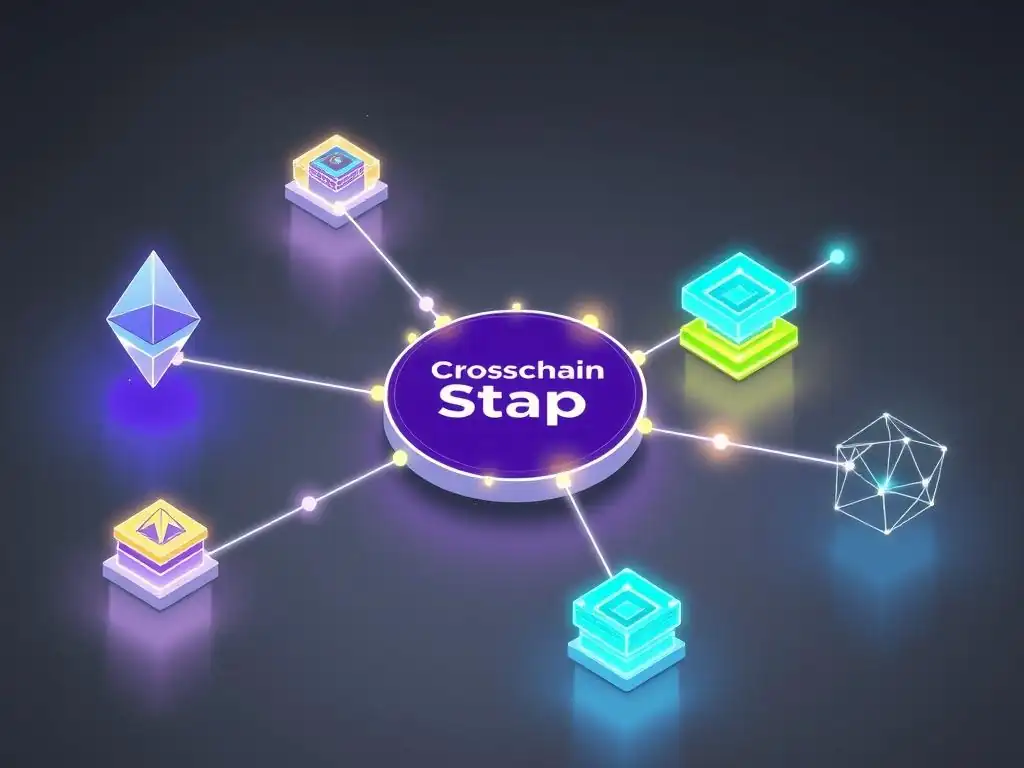
Exploring Thorchain: Liquidity Pools and Native Asset Swaps
Thorchain stands out as a unique cross-chain swap platform due to its focus on native asset swaps and its decentralized liquidity pool architecture. Unlike many other platforms that rely on wrapped assets, Thorchain allows users to swap native assets directly between different blockchains, such as swapping native Bitcoin for native Ethereum without the need for intermediary wrapped tokens. This is achieved through its Continuous Liquidity Pools (CLPs), which are pools of native assets paired with RUNE, Thorchain's native token. These pools facilitate swaps using an automated market maker (AMM) mechanism, ensuring liquidity and decentralized price discovery.
Thorchain's architecture is designed to be highly resilient and secure, utilizing a network of independent nodes to validate transactions and secure the network. It employs a Tendermint-based consensus mechanism and a sophisticated economic model to incentivize node operators and liquidity providers.
While Thorchain currently supports a limited number of blockchains, including Bitcoin, Ethereum, Binance Chain, Litecoin, and Bitcoin Cash, it is continuously expanding its cross-chain capabilities. Its focus on native asset swaps and decentralized liquidity pools makes it a distinct and potentially more secure option for users seeking crosschain asset swapping benefits, particularly for those prioritizing decentralization and native asset exposure.
Examining Synapse Protocol: Bridging Ethereum and EVM-Compatible Chains
Synapse Protocol is a prominent cross-chain bridging and swapping platform primarily focused on connecting Ethereum and EVM-compatible chains. EVM-compatible chains, such as Avalanche, Polygon, Arbitrum, and Optimism, share compatibility with the Ethereum Virtual Machine, making them easier to bridge with Ethereum. Synapse facilitates cross-chain asset transfers and swaps between these chains through its canonical bridge and its Synapse AMM. The canonical bridge allows users to bridge assets between supported chains, while the Synapse AMM enables swaps between different bridged assets.
Synapse's strength lies in its focus on the EVM ecosystem, providing seamless interoperability between a large and actively used set of blockchains. It aims to offer fast and cost-effective cross-chain transactions within this ecosystem.
Synapse utilizes a multi-signature security model for its bridge, where a group of validators is required to sign off on cross-chain transactions. While Synapse primarily supports EVM-compatible chains, it plays a crucial role in enhancing interoperability within this dominant segment of the DeFi space, making it a valuable platform for users operating within the Ethereum and EVM-compatible ecosystem and seeking crosschain asset swapping benefits within that domain.
Comparing Stargate and Multichain: Bridging Solutions
Stargate and Multichain (formerly Anyswap) are both widely used bridging solutions that facilitate cross-chain asset transfers and swaps across a broader range of blockchains, including non-EVM chains. Stargate, built on LayerZero, emphasizes unified liquidity and instant guaranteed finality for cross-chain transactions. Stargate aims to create a single liquidity pool for each asset across all connected chains, allowing for seamless and efficient swaps with minimal slippage. Its use of LayerZero's messaging protocol enhances security and efficiency in cross-chain communication.
Multichain, on the other hand, supports a vast number of blockchains, including both EVM and non-EVM chains like Bitcoin, Solana, and Fantom. Multichain focuses on providing a wide range of cross-chain bridging and routing options, allowing users to transfer and swap a diverse set of assets across numerous networks. It utilizes a Secure Multi-Party Computation (SMPC) network to secure its cross-chain transactions.
While both Stargate and Multichain are popular bridging solutions, Stargate prioritizes unified liquidity and instant finality within a more focused set of chains, while Multichain emphasizes broad chain support and asset diversity. Choosing between them depends on the user's specific needs in terms of supported chains, desired assets, and priorities regarding liquidity and finality when pursuing crosschain asset swapping benefits.
Tools for Analyzing Swap Opportunities and Risks
Navigating the landscape of cross-chain swaps effectively requires utilizing tools to analyze swap opportunities and assess associated risks. Several resources can assist users in making informed decisions. DeFi aggregators like 1inch and Paraswap are increasingly integrating cross-chain swap functionality, allowing users to compare prices and routes across different platforms and bridges. These aggregators can help identify the most cost-effective and efficient swap paths. Bridge explorers or dashboards, provided by platforms like Stargate or Multichain, can offer insights into bridge liquidity, transaction volumes, and network status, helping users assess the health and potential congestion of specific bridges.
Furthermore, risk assessment tools and platforms are emerging that aim to evaluate the security risks associated with different bridge protocols. While still in early stages, these tools can provide valuable information about bridge audits, security practices, and known vulnerabilities. Community forums and social media channels dedicated to DeFi and cross-chain technology can also be valuable resources for gathering information, sharing experiences, and staying updated on the latest developments and potential risks. Utilizing these tools and resources is crucial for responsible and informed participation in cross-chain swaps and for maximizing crosschain asset swapping benefits while mitigating potential downsides.
Use Cases for Cross-Chain Asset Swapping
Cross-Chain Lending and Borrowing
Cross-chain swaps are unlocking new possibilities in decentralized lending and borrowing by enabling users to leverage assets across different blockchains. Traditionally, DeFi lending and borrowing platforms are confined to a single blockchain network. Cross-chain swaps can bridge this gap by allowing users to deposit collateral on one blockchain and borrow assets on another.
For example, a user might hold ETH on Ethereum but want to borrow stablecoins on a platform offering attractive rates on Avalanche. Cross-chain swaps can facilitate the transfer of ETH from Ethereum to Avalanche, allowing the user to then deposit it as collateral and borrow stablecoins on the Avalanche-based lending platform.
This cross-chain functionality expands the scope of DeFi lending and borrowing markets, increasing capital efficiency and providing users with more flexible borrowing options. It also allows for the creation of more sophisticated cross-chain lending products, such as cross-chain margin trading and collateralized debt positions (CDPs) that span multiple blockchains. The integration of cross-chain swaps into lending and borrowing protocols is fostering a more interconnected and efficient DeFi lending ecosystem, enhancing crosschain asset swapping benefits within the financial services domain.
Yield Farming Across Multiple Chains
Yield farming, the practice of earning rewards by providing liquidity to DeFi protocols, is significantly enhanced by cross-chain swaps. Yield farming opportunities often vary across different blockchains, with some chains offering higher yields or unique farming strategies at different times. Cross-chain swaps empower users to seamlessly move their assets between blockchains to capitalize on the most attractive yield farming opportunities, regardless of where they initially hold their assets. This dynamic allocation of capital across different chains maximizes yield farming returns and optimizes portfolio performance.
For example, a user might identify a lucrative yield farming opportunity on the Fantom network but primarily hold assets on Polygon. Cross-chain swaps enable them to quickly transfer a portion of their Polygon-based assets to Fantom and participate in the high-yield farm. As yield farming opportunities fluctuate across different chains, cross-chain swaps provide the agility to adapt and reallocate capital efficiently. This cross-chain yield farming strategy allows users to diversify their farming activities across multiple ecosystems, potentially mitigating risks and maximizing overall returns, demonstrating significant crosschain asset swapping benefits for yield-seeking participants.
Cross-Chain Governance
While still in its nascent stages, cross-chain governance is an emerging use case where cross-chain swaps could play a pivotal role in enabling decentralized governance across multiple blockchain communities. Currently, governance in most blockchain projects is limited to token holders within a single chain's ecosystem.
Cross-chain governance aims to extend voting rights and decision-making power to token holders across different blockchains, fostering more inclusive and representative governance models. Cross-chain swaps could facilitate the transfer of governance tokens or voting power across chains, allowing holders on different networks to participate in governance decisions of a particular protocol, even if it primarily resides on another chain.
For instance, a protocol might have its native governance token primarily on Ethereum but want to involve its community members holding wrapped versions of the token on other chains like Polygon or Avalanche in governance decisions. Cross-chain swaps could enable a mechanism for these wrapped token holders to participate in voting processes, either directly or indirectly, by transferring their voting power or proxying their votes to representatives on the main chain.
This concept of cross-chain governance is still evolving, but cross-chain swaps could be a crucial enabling technology for building more decentralized and inclusive governance structures in the future, further expanding crosschain asset swapping benefits into the realm of decentralized decision-making.
NFTs and Cross-Chain Interoperability
Non-Fungible Tokens (NFTs) are another area where cross-chain interoperability, facilitated by cross-chain swaps, holds significant potential. Currently, NFTs are largely confined to the blockchain network on which they are minted. Cross-chain interoperability could enable NFTs to be transferred and utilized across different blockchains, unlocking new use cases and expanding the NFT ecosystem.
For example, an NFT minted on Ethereum could potentially be transferred to Solana and utilized within a Solana-based metaverse platform or game. Cross-chain swaps, in conjunction with NFT bridging technologies, could enable the seamless movement of NFTs between chains, allowing users to access broader marketplaces and utilize their NFTs across different ecosystems.
This cross-chain NFT interoperability could revolutionize the NFT space by breaking down blockchain silos and creating a more unified and vibrant NFT ecosystem. It could also enable new forms of cross-chain NFT applications, such as cross-chain NFT rentals, cross-chain NFT collateralization, and cross-chain NFT-based governance. While technical challenges remain in achieving seamless cross-chain NFT transfers and ensuring consistent metadata and functionalities across chains, the potential for cross-chain swaps to enhance NFT interoperability is substantial, opening up new avenues for crosschain asset swapping benefits in the digital collectibles and metaverse domains.
Implementing a Cross-Chain Swapping Strategy
Selecting the Right Platform
Choosing the appropriate cross-chain swap platform is crucial for a successful and secure swapping experience. Several factors should be considered when selecting a platform. Supported chains and assets are paramount. Ensure that the platform supports the specific blockchains and asset pairs you intend to swap between. Security reputation and track record are critical.
Research the platform's security measures, audit history, and any past security incidents. Opt for platforms with a strong security focus and transparent security practices. Fees and slippage are important cost considerations. Compare the fees charged by different platforms and assess the expected slippage for your desired swap size. Lower fees and minimal slippage are generally preferable.
User interface and experience should also be taken into account. Choose a platform with a user-friendly interface that is easy to navigate and understand, especially for users new to cross-chain swaps. Community and support can be helpful, particularly if you encounter issues or have questions. Platforms with active communities and responsive customer support can provide valuable assistance. By carefully evaluating these factors, users can select a cross-chain swap platform that aligns with their specific needs and risk tolerance, maximizing the potential crosschain asset swapping benefits while minimizing potential downsides.
Wallet Setup and Bridge Connection
Setting up the correct wallets and connecting them to the chosen bridge protocol is a fundamental step in implementing a cross-chain swapping strategy. You will need wallets compatible with both the source and destination blockchains involved in the swap. For EVM-compatible chains, MetaMask is a popular choice, while for non-EVM chains, you might need specific wallets like Keplr for Cosmos or Phantom for Solana.
Ensure you have installed and properly configured the necessary wallets for each chain. Once wallets are set up, you need to connect them to the cross-chain swap platform or bridge interface. This typically involves using the platform's "Connect Wallet" button and selecting the appropriate wallet for each chain.
Follow the platform's instructions carefully to authorize the connection and grant necessary permissions. It is crucial to connect to the official website of the platform to avoid phishing scams. Double-check the website URL and ensure it is secure (HTTPS). After successful wallet connection, you should be able to view your wallet balances on the platform interface and proceed with initiating a cross-chain swap. Proper wallet setup and secure bridge connection are essential prerequisites for safe and effective crosschain asset swapping benefits.
Practical Example of a Cross-Chain Swap
To illustrate the process of a cross-chain swap, let's consider a practical example using Synapse Protocol to swap ETH from Ethereum to USDC on Avalanche. First, navigate to the Synapse Protocol website and connect your MetaMask wallet, ensuring it is configured to access both the Ethereum Mainnet and the Avalanche Network. Select "Ethereum" as the source chain and "Avalanche" as the destination chain.
Choose "ETH" as the asset to send and "USDC" as the asset to receive. Enter the amount of ETH you want to swap. The platform will display the estimated amount of USDC you will receive, taking into account fees and slippage.
Review the details of the swap, including the exchange rate, fees, and estimated slippage. If you are satisfied, click the "Swap" button. MetaMask will prompt you to confirm the transaction on Ethereum. Review the transaction details in MetaMask, paying attention to the gas fee. Confirm the transaction in MetaMask.
Synapse Protocol will process the cross-chain swap. The transaction might take a few minutes to complete, depending on network congestion and bridge processing time. Once the swap is complete, you should see the swapped USDC in your MetaMask wallet on the Avalanche Network. This practical example demonstrates the relatively straightforward process of performing a crosschain asset swapping benefit using a platform like Synapse.
Risk Management and Portfolio Monitoring
Effective risk management and portfolio monitoring are essential components of a successful cross-chain swapping strategy. Diversification across multiple chains and bridge protocols can help mitigate risks associated with any single platform or bridge vulnerability. Avoid concentrating all your cross-chain activity on a single bridge or platform. Start with small swaps to familiarize yourself with the process and test the platform before committing larger amounts.
Thoroughly research the bridge protocols and platforms you are using, understanding their security measures, audit history, and potential risks. Stay informed about the latest security vulnerabilities and exploits in the cross-chain space. Follow security advisories and community discussions to stay updated on potential threats.
Regularly monitor your portfolio across different chains to track the performance of your cross-chain swaps and identify any potential issues. Use portfolio tracking tools that support multiple blockchains to get a consolidated view of your assets. Set stop-loss orders or utilize risk management features offered by some platforms to limit potential losses in case of adverse market movements or unexpected bridge issues. By implementing these risk management practices and diligently monitoring your portfolio, you can enhance the safety and profitability of your crosschain asset swapping benefits strategy.
The Future of Cross-Chain Technology
Emerging Trends: Account Abstraction and Unified Liquidity
The future of cross-chain technology is being shaped by several emerging trends, including account abstraction and unified liquidity. Account abstraction aims to simplify the user experience in interacting with multiple blockchains by abstracting away the complexities of managing multiple wallets and private keys. Account abstraction solutions could enable users to manage assets and interact with dApps across different chains using a single account and a unified interface. This would significantly reduce friction and improve the user-friendliness of cross-chain interactions, making crosschain asset swapping benefits more accessible to a wider audience.
Unified liquidity is another key trend focused on aggregating liquidity across different blockchains to create deeper and more efficient cross-chain markets. Protocols like Stargate are pioneering unified liquidity models, aiming to create single liquidity pools that span multiple chains, minimizing slippage and improving trading efficiency. Further advancements in unified liquidity solutions will be crucial for realizing the full potential of cross-chain swaps and creating a truly interconnected and liquid DeFi ecosystem. These emerging trends signal a move towards greater user-friendliness and enhanced efficiency in cross-chain interactions.
Impact on the Blockchain Ecosystem
Cross-chain technology is poised to have a profound impact on the broader blockchain ecosystem, fostering greater interconnectedness and specialization. Increased interoperability will likely lead to a more interconnected blockchain landscape, where different chains specialize in specific functionalities and seamlessly interact with each other. Some chains might specialize in high-throughput transactions, others in privacy features, and others in specific application domains, forming a network of specialized and interconnected blockchains. This specialization can lead to a more efficient and optimized blockchain ecosystem overall.
Cross-chain technology can also accelerate the growth of the DeFi space by unlocking previously fragmented liquidity and expanding access to investment opportunities across different chains. A more interconnected DeFi ecosystem can foster greater innovation and attract more users and capital into the space. Furthermore, cross-chain interoperability can reduce blockchain tribalism by enabling users to seamlessly move between different ecosystems and participate in the best opportunities regardless of their chain affiliation. This can foster a more collaborative and less fragmented blockchain community, enhancing the overall crosschain asset swapping benefits for the entire ecosystem.
Evolution of Decentralized Applications (dApps)
Cross-chain technology is expected to drive the evolution of decentralized applications (dApps), enabling the creation of more sophisticated and integrated dApps that span multiple blockchains. Cross-chain dApps will be able to leverage the unique strengths of different blockchains, combining functionalities from multiple chains into a single application. For example, a dApp could utilize Ethereum for its robust smart contract capabilities, Solana for its high throughput, and Filecoin for decentralized storage, creating a more powerful and versatile application.
This cross-chain functionality will enable dApps to offer enhanced user experiences by providing access to a wider range of features and services across different ecosystems. It can also lead to the development of new types of dApps that were previously not possible within a single-chain environment. For instance, cross-chain gaming platforms, cross-chain social media applications, and cross-chain decentralized autonomous organizations (DAOs) could emerge, leveraging the interoperability of different blockchains to create more innovative and impactful dApps. The evolution of cross-chain dApps will significantly expand the scope and potential of crosschain asset swapping benefits and decentralized applications in general.
Future Predictions: Increased Adoption and Standardization
Looking ahead, increased adoption and standardization are likely to be key trends in the future of cross-chain technology. As the DeFi space matures and the demand for interoperability grows, adoption of cross-chain solutions is expected to increase significantly. More users and developers will likely embrace cross-chain swaps and cross-chain dApps as they become more user-friendly and secure. This increased adoption will drive further innovation and development in the cross-chain space.
Standardization of cross-chain protocols and interfaces will also be crucial for widespread adoption. As different interoperability protocols emerge, standardization efforts will be needed to ensure seamless communication and compatibility between different solutions. Standardized protocols will facilitate easier integration of cross-chain functionality into dApps and simplify the development process for cross-chain solutions. Increased adoption and standardization will pave the way for a more interconnected, efficient, and user-friendly blockchain ecosystem, fully realizing the transformative potential of crosschain asset swapping benefits and cross-chain technology as a whole.
Conclusion: Embracing Interoperability
Transformative Potential for DeFi
Cross-chain technology, and particularly cross-chain swaps, holds transformative potential for the future of Decentralized Finance. By breaking down the silos between different blockchain networks, cross-chain solutions are paving the way for a more interconnected, efficient, and user-friendly DeFi ecosystem. The ability to seamlessly move assets and data across chains unlocks previously fragmented liquidity, expands access to investment opportunities, and enables the creation of more sophisticated and integrated DeFi applications. This increased interoperability is crucial for realizing the original vision of DeFi as a truly open and accessible financial system, available to anyone, anywhere.
As cross-chain technology matures and adoption increases, we can expect to see a more unified and robust DeFi landscape, characterized by deeper liquidity, greater capital efficiency, and enhanced user experiences. The ongoing development of interoperability protocols, account abstraction, and unified liquidity solutions further reinforces this transformative potential, promising a future where blockchain networks work seamlessly together to create a more powerful and inclusive financial system. Embracing interoperability through crosschain asset swapping benefits is essential for unlocking the next phase of growth and innovation in DeFi.
Key Takeaways: Benefits and Risks
Cross-chain swaps offer numerous benefits, including enhanced liquidity, reduced reliance on centralized exchanges, expanded access to investment opportunities, and the potential for cross-chain arbitrage. These advantages contribute to a more efficient, decentralized, and user-friendly DeFi ecosystem. However, it is crucial to be aware of the inherent risks and challenges associated with cross-chain swaps. Security vulnerabilities in bridge protocols pose a significant threat, as demonstrated by past exploits. Liquidity fragmentation and slippage can still occur, impacting swap efficiency. Regulatory uncertainty and gas fee management are also important considerations.
Users engaging in cross-chain swaps should prioritize security, conduct thorough research on platforms and protocols, manage risk effectively, and stay informed about the evolving landscape. While crosschain asset swapping benefits are substantial, a balanced and informed approach is essential for navigating the complexities and mitigating the potential downsides of this technology. Understanding both the benefits and risks is key to responsible and successful participation in the cross-chain DeFi space.
Resources for Further Exploration
For those seeking to delve deeper into the world of cross-chain technology and DeFi, several resources are available for further exploration. Research papers and academic articles provide in-depth analyses of interoperability protocols, bridge designs, and the security aspects of cross-chain systems. Community forums and online discussions on platforms like Reddit, Discord, and Telegram offer valuable insights, real-world experiences, and updates on the latest developments in the cross-chain space. DeFi education platforms and online courses provide structured learning materials on cross-chain concepts, swap mechanisms, and risk management strategies.
Project documentation and whitepapers from specific cross-chain swap platforms and bridge protocols offer detailed information about their architecture, security features, and functionalities. Industry news websites and blogs focused on blockchain and DeFi regularly cover cross-chain developments, emerging trends, and analyses of the cross-chain ecosystem. By utilizing these resources, individuals can expand their knowledge, stay informed, and contribute to the ongoing evolution of cross-chain technology and the exciting future of crosschain asset swapping benefits.
Frequently Asked Questions
What are the primary benefits of crosschain asset swapping?
Crosschain swapping primarily offers increased liquidity by connecting different blockchain networks. This enables users to access a wider range of assets and efficiently trade between them, reducing reliance on centralized exchanges. It also promotes enhanced interoperability within the blockchain ecosystem.
How does crosschain swapping differ from traditional centralized exchange asset swaps?
Unlike centralized exchanges, crosschain swaps aim for decentralized and trustless transactions. This means users retain control of their assets during the swap, eliminating the need for a trusted intermediary. It also offers greater transparency and potentially lower fees.
What are the main technologies or protocols that enable crosschain asset swapping?
Several technologies facilitate crosschain swaps, including atomic swaps, bridges, and Relay chains. These protocols utilize various mechanisms to ensure secure and verifiable transfer of assets between different chains. The choice of technology depends on the specific blockchains involved.
What are some of the current challenges or risks associated with crosschain asset swapping?
Current challenges include security vulnerabilities in bridge protocols, which can lead to asset losses. Scalability issues can also hinder the efficiency of crosschain swaps. Furthermore, regulatory uncertainty adds complexity to crosschain operations.
How might crosschain asset swapping impact the future of decentralized finance (DeFi)?
Crosschain swaps are poised to revolutionize DeFi by unlocking composability across different ecosystems. This can lead to more innovative and efficient DeFi applications. It also enables users to diversify their portfolios and access yield opportunities across multiple chains.
Final Reflection: Embracing the Borderless Future of Finance
The journey through the intricacies of crosschain asset swapping reveals more than just a technical process; it unveils a fundamental shift in how we perceive and interact with digital assets. The ability to seamlessly trade assets across different blockchain networks is no longer a futuristic concept, but a present-day reality reshaping the financial landscape. This newfound interoperability empowers users with unprecedented flexibility, efficiency, and control over their digital wealth, paving the way for a truly decentralized and interconnected financial ecosystem.
The impact of crosschain swapping extends far beyond mere convenience. It fosters a more inclusive and accessible financial system, breaking down the walled gardens of individual blockchains and unlocking the true potential of decentralized finance. Witnessing this evolution firsthand underscores the importance of understanding and embracing these technologies, not just as tools, but as catalysts for positive change. The future of finance is decentralized, and crosschain technology is the bridge that will take us there.
This quote encapsulates the transformative power of crosschain swaps, highlighting their role in building a more interconnected and equitable financial future.
As we stand at the cusp of this new era, let us not only marvel at the technological advancements but also reflect on the responsibility that comes with them. Consider how you can leverage the benefits of crosschain asset swapping to diversify your portfolio, access new investment opportunities, and contribute to a more decentralized and interconnected financial world. Embrace the possibilities, explore the potential, and become an active participant in shaping the future of finance.
Okay, I'm ready. Here's a CTA designed for the end of an article titled "The Ultimate Guide to CrossChain Swapping: Seamlessly Trade Assets Across Networks," aimed at readers of Blockchain Trends on blockchaintrends.org:
Unlock the Power of Cross-Chain Trading!
Thank you for diving into the world of cross-chain swapping! We hope you've gained valuable insights into how to navigate this exciting frontier of decentralized finance. Now, let's put that knowledge into action!
Here's how you can take your cross-chain journey to the next level:
- Launch your first cross-chain swap! Choose a small amount of cryptocurrency you're comfortable experimenting with, and try a swap between two different blockchains.
- Delve deeper into specific cross-chain protocols by researching projects like LayerZero, Wormhole, or Polkadot. See how they’re tackling the challenges of interoperability.
- Share your experience with cross-chain swapping in the comments below. Help other readers learn from your insights and challenges!
What cross-chain swap are you most excited to try first, and why?
Leave a Reply