
AIPowered Smart Contracts in DeFi: Revolutionizing Decentralized Finance


Welcome to Blockchain Trends, your premier source for unraveling the disruptive power of blockchain beyond the hype. Delve into the fascinating intersection of decentralized finance (DeFi) and artificial intelligence as we explore how AI-powered DeFi smart contracts are poised to revolutionize the future of finance. Intrigued? Discover how this synergy is reshaping trust, efficiency, and innovation in the world of decentralized systems and what it means for you.
AI-Powered Smart Contracts in DeFi: Revolutionizing Decentralized Finance
- Introduction: The Convergence of AI and DeFi Through Smart Contracts
- Understanding AI-Powered Smart Contracts
-
Benefits of AI Integration in DeFi Smart Contracts
- Enhanced Security and Fraud Detection with AI in DeFi
- Improved Efficiency and Automation of DeFi Processes using AI
- Risk Management and Predictive Analytics in DeFi Smart Contracts
- Optimizing Yield Farming Strategies with AI-Driven Insights
- Increased Liquidity and Market Making Efficiency through AI
-
Use Cases of AI-Powered Smart Contracts in DeFi
- AI-Driven Lending and Borrowing Platforms: [Automated Collateralization, Personalized Loan Terms]
- Algorithmic Trading and Portfolio Management in DeFi
- Decentralized Insurance (DeFi Insurance) with AI-Powered Claims Processing
- AI-Enhanced Decentralized Exchanges (DEXs): [Smart Order Routing, Automated Market Making]
- Prediction Markets and Forecasting with AI-Based Smart Contracts
-
Challenges and Considerations for AI in DeFi Smart Contracts
- Data Privacy and Security Concerns in AI-Powered DeFi
- Oracle Dependence and Potential for Manipulation
- Regulatory Landscape and Compliance Challenges for AI-Enhanced DeFi
- Scalability Issues and Computational Costs of AI Integration
- The "Black Box" Problem: Explainability and Transparency of AI Algorithms in DeFi
- The Future of AI and Smart Contracts in Decentralized Finance
- Conclusion: Embracing the Transformative Power of AI-Powered DeFi Smart Contracts
-
Frequently Asked Questions
- What are AI-powered DeFi smart contracts, and how do they differ from traditional smart contracts?
- How can AI enhance the security of DeFi smart contracts, given the vulnerabilities they often face?
- What are some potential use cases of AI-powered DeFi smart contracts beyond just security enhancements?
- What are the regulatory challenges surrounding the implementation of AI-powered DeFi smart contracts?
- What is the future outlook for AI-powered DeFi smart contracts, and what impact might they have on the broader financial landscape?
- Final Reflection: Embracing the AI-Powered DeFi Frontier
- Unlock the Future: Dive Deeper into AI-Powered DeFi!
Introduction: The Convergence of AI and DeFi Through Smart Contracts
The Rise of Decentralized Finance (DeFi) and its Limitations
Decentralized Finance (DeFi) has emerged as a groundbreaking paradigm shift in the financial industry, leveraging blockchain technology to offer open, permissionless, and transparent alternatives to traditional financial services. Since its inception, DeFi has witnessed exponential growth, with the total value locked (TVL) in DeFi protocols reaching over $50 billion at its peak in late 2021, and maintaining a significant presence even through market fluctuations. This growth is fueled by the promise of greater financial inclusion, enhanced efficiency, and novel financial instruments accessible to a global audience without intermediaries.
However, despite its transformative potential, DeFi faces inherent limitations that hinder its widespread adoption and scalability. These limitations include challenges in risk management, susceptibility to exploits and hacks, inefficiencies in automated processes, and a lack of adaptability to dynamic market conditions.
Smart contracts, the foundational building blocks of DeFi, while offering automation, often operate based on pre-defined rules, lacking the intelligence to respond effectively to unforeseen events or optimize complex financial strategies in real-time. This rigidity and lack of advanced analytical capabilities are critical bottlenecks preventing DeFi from reaching its full potential and competing effectively with the sophisticated capabilities of traditional finance.
Exploring the Potential of Artificial Intelligence (AI) in Blockchain Technology
Artificial Intelligence (AI) stands as another transformative technology poised to reshape numerous industries, and its integration with blockchain technology, particularly within the DeFi space, holds immense promise. AI's capabilities in data analysis, pattern recognition, predictive modeling, and automated decision-making can address many of the limitations currently faced by DeFi. From enhancing security through anomaly detection to optimizing trading strategies and improving risk assessment, AI offers a suite of tools that can significantly elevate the functionality and efficiency of blockchain-based systems.
The inherent transparency and immutability of blockchain provide a robust foundation for AI applications. The auditable nature of blockchain transactions can enhance the trustworthiness of AI-driven decisions within DeFi, while AI can, in turn, analyze vast datasets generated by blockchain networks to identify trends, predict market movements, and automate complex processes. This synergy between AI and blockchain is not merely about automating existing processes; it's about creating entirely new paradigms for financial interactions, fostering more intelligent, adaptive, and user-centric DeFi ecosystems.
Introducing AI-Powered Smart Contracts: A New Paradigm for DeFi
AI-powered smart contracts represent the cutting edge of innovation in DeFi, merging the deterministic execution of smart contracts with the adaptive intelligence of AI. These advanced smart contracts go beyond simple rule-based automation. They incorporate AI algorithms to analyze data, learn from experience, and dynamically adjust their behavior in response to changing conditions. This fusion allows for the creation of DeFi applications that are not only automated but also intelligent, capable of making sophisticated decisions and optimizing outcomes in real-time.
Imagine a lending protocol that uses AI to assess borrower risk dynamically, adjusting interest rates based on real-time market conditions and individual borrower profiles. Or a decentralized exchange (DEX) that employs AI to optimize order routing and provide personalized trading recommendations. AI-powered smart contracts are not just about automating existing DeFi functionalities; they are about creating a new generation of DeFi protocols that are smarter, more efficient, and more resilient. This paradigm shift promises to unlock the full potential of decentralized finance, paving the way for broader adoption and a more sophisticated and user-friendly DeFi ecosystem.
Understanding AI-Powered Smart Contracts
What are Smart Contracts? A Brief Overview
Smart contracts are self-executing contracts with the terms of the agreement directly written into code. They are deployed on a blockchain network and automatically execute when predefined conditions are met, without the need for intermediaries. Think of them as digital vending machines: once the conditions (like payment) are fulfilled, the contract automatically dispenses the agreed-upon output (like a digital asset or service). This automation removes the need for trusted third parties, reduces transaction costs, and increases transparency and security by making the contract terms publicly auditable on the blockchain.
The first widely recognized smart contract platform was Ethereum, which popularized the concept and enabled the development of a vast ecosystem of decentralized applications (dApps). Smart contracts are written in programming languages like Solidity and are executed on the Ethereum Virtual Machine (EVM) or similar blockchain virtual machines. They have become the foundational technology for DeFi, enabling a wide array of applications, including decentralized exchanges, lending platforms, stablecoins, and yield farming protocols. Their deterministic nature and immutability ensure that agreements are executed as intended, fostering trust and efficiency in decentralized environments.
Defining AI-Powered Smart Contracts: Intelligent Automation in DeFi
AI-powered smart contracts take the concept of traditional smart contracts a step further by embedding artificial intelligence algorithms within their code. Unlike standard smart contracts that operate based on fixed, pre-programmed rules, AI-powered smart contracts can learn, adapt, and make decisions based on data analysis and predictive modeling. This integration of AI transforms smart contracts from static, rule-based agreements into dynamic, intelligent agents capable of responding to complex and changing environments.
In essence, AI-powered smart contracts combine the trust and automation of blockchain with the intelligence and adaptability of AI. They can analyze vast amounts of data from both on-chain and off-chain sources, identify patterns, predict future outcomes, and adjust their behavior accordingly. This capability opens up new possibilities for creating more sophisticated and autonomous DeFi protocols that can optimize performance, manage risk more effectively, and provide more personalized and efficient services to users.
Key Features of AI-Enhanced DeFi Smart Contracts: [Adaptability, Anomaly Detection, Predictive Modeling]
AI-enhanced DeFi smart contracts boast a range of key features that distinguish them from their traditional counterparts, fundamentally improving their capabilities within decentralized finance. Three core features stand out: adaptability, anomaly detection, and predictive modeling.
Adaptability is crucial in the volatile DeFi landscape. AI algorithms enable smart contracts to dynamically adjust their parameters and strategies in response to changing market conditions. For example, an AI-powered lending protocol could automatically adjust interest rates based on real-time supply and demand, or a yield farming strategy could be optimized algorithmically to adapt to shifting yields across different platforms. This adaptability ensures that DeFi protocols remain efficient and competitive even in rapidly evolving environments.
Anomaly Detection is paramount for enhancing security and mitigating risks within DeFi. AI can be trained to identify unusual patterns and deviations from normal behavior in on-chain transactions and market data. This capability allows AI-powered smart contracts to detect and flag potentially fraudulent activities, hacks, or protocol vulnerabilities in real-time, significantly bolstering the security of DeFi platforms and protecting user funds. Statistical anomaly detection methods, combined with machine learning techniques, can create robust security layers previously unattainable in traditional smart contract systems.
Predictive Modeling empowers DeFi smart contracts to make informed decisions based on forecasts and probabilities. AI algorithms can analyze historical data and real-time market indicators to predict future trends, price movements, and potential risks. This predictive capability can be leveraged for various applications, such as optimizing trading strategies, forecasting liquidity crunches, and proactively managing portfolio risks.
For instance, an AI-powered DEX could use predictive models to optimize order book depth and minimize slippage, or a decentralized insurance protocol could use AI to predict claim probabilities and adjust premiums accordingly. These features collectively make AI-enhanced DeFi smart contracts significantly more robust, secure, and efficient than traditional, static smart contracts.
Benefits of AI Integration in DeFi Smart Contracts
Enhanced Security and Fraud Detection with AI in DeFi
The integration of AI into DeFi smart contracts significantly enhances security and fraud detection capabilities. Traditional smart contracts, while secure in their deterministic execution, are vulnerable to exploits that arise from flaws in their code or unforeseen interactions. AI can act as a proactive security layer, continuously monitoring on-chain activity and identifying suspicious patterns that might indicate malicious attacks or fraudulent behavior.
For instance, AI algorithms can be trained to detect anomalies in transaction patterns, such as unusually large transfers, rapid fund movements to unknown addresses, or sudden spikes in contract interactions that deviate from established norms. Several blockchain analytics firms, like Chainalysis and Elliptic, already employ AI-driven tools to track illicit activities on blockchains.
Extending this capability directly into smart contracts would allow for real-time threat detection and automated responses, such as pausing contract execution or flagging suspicious transactions for manual review. This proactive approach to security can drastically reduce the risk of exploits and hacks that have plagued the DeFi space, leading to significant financial losses in the past.
Improved Efficiency and Automation of DeFi Processes using AI
AI integration promises to dramatically improve the efficiency and automation of various DeFi processes. Many current DeFi protocols rely on relatively simple, rule-based automation. AI can introduce a layer of intelligent automation, enabling smart contracts to handle more complex tasks, optimize resource allocation, and adapt to dynamic conditions without human intervention.
Consider yield farming, a popular DeFi strategy. Currently, users often manually move their assets between different yield farming opportunities to maximize returns. AI-powered smart contracts can automate this process by continuously monitoring yield opportunities across multiple platforms, predicting future yield changes, and automatically rebalancing portfolios to optimize returns. Similarly, AI can enhance the efficiency of decentralized lending and borrowing platforms by automating loan assessments, optimizing collateralization ratios, and dynamically adjusting interest rates based on real-time market demand and risk profiles. This intelligent automation can significantly reduce operational overhead, improve capital efficiency, and enhance the overall user experience in DeFi.
Risk Management and Predictive Analytics in DeFi Smart Contracts
Risk management is a critical aspect of any financial system, and DeFi is no exception. AI-powered smart contracts can significantly enhance risk management in DeFi by providing advanced predictive analytics and automated risk mitigation strategies. Traditional DeFi protocols often rely on simplistic risk parameters, which may not adequately capture the complexities and nuances of the volatile crypto market.
AI algorithms can analyze vast datasets, including historical price data, on-chain transaction activity, social sentiment, and macroeconomic indicators, to build more sophisticated risk models. These models can be used to predict potential market downturns, identify assets at risk of devaluation, and assess the creditworthiness of borrowers in decentralized lending platforms.
AI-powered smart contracts can then automatically adjust risk parameters, such as collateralization ratios or margin requirements, in response to changing risk assessments, proactively mitigating potential losses and ensuring the stability of DeFi protocols. This proactive and data-driven approach to risk management is crucial for the long-term sustainability and growth of the DeFi ecosystem.
Optimizing Yield Farming Strategies with AI-Driven Insights
Yield farming, the practice of earning rewards by staking or lending crypto assets in DeFi protocols, can be a complex and time-consuming endeavor. AI-driven insights can revolutionize yield farming by automating strategy optimization and maximizing returns for users. Currently, yield farmers often rely on manual research and guesswork to identify the most profitable farming opportunities, which can be inefficient and prone to errors.
AI algorithms can continuously analyze yield farming opportunities across various DeFi platforms, considering factors such as APY (Annual Percentage Yield), impermanent loss risk, protocol security, and gas fees. By predicting future yield changes and assessing risk factors, AI-powered smart contracts can automatically allocate assets to the most optimal yield farming strategies, dynamically rebalancing portfolios as conditions change.
This automated optimization not only simplifies yield farming for users but also has the potential to significantly increase their returns by leveraging AI's analytical and predictive capabilities. Several early-stage projects are already exploring AI-driven yield aggregators and automated farming strategies, indicating a growing trend in this direction.
Increased Liquidity and Market Making Efficiency through AI
Liquidity is the lifeblood of any financial market, and DeFi is no different. AI-powered smart contracts can play a crucial role in increasing liquidity and enhancing market-making efficiency in decentralized exchanges (DEXs) and other DeFi platforms. Traditional automated market makers (AMMs) in DEXs, like Uniswap and SushiSwap, rely on simple algorithmic formulas that can sometimes lead to inefficiencies, such as high slippage and impermanent loss.
AI can be used to develop more sophisticated AMM algorithms that dynamically adjust trading fees, liquidity pool ratios, and price curves based on real-time market conditions and predicted trading volumes. For example, AI can analyze order book data and predict future price movements to optimize liquidity provision and minimize slippage for traders.
Furthermore, AI can power intelligent order routing systems that automatically split and execute large trades across multiple DEXs or liquidity pools to achieve the best possible prices. This AI-driven approach to market making can significantly enhance liquidity, reduce transaction costs, and improve the overall trading experience on DeFi platforms, making them more competitive with centralized exchanges.
Use Cases of AI-Powered Smart Contracts in DeFi
AI-Driven Lending and Borrowing Platforms: [Automated Collateralization, Personalized Loan Terms]
AI-driven lending and borrowing platforms represent a significant advancement in DeFi, moving beyond basic collateralized loans to offer more sophisticated and personalized financial products. Traditional DeFi lending platforms often rely on fixed collateralization ratios and uniform interest rates, which can be inefficient and restrictive. AI can enable dynamic and automated collateralization management, adjusting ratios based on real-time risk assessments and market volatility.
For example, an AI-powered lending protocol could continuously monitor the value of collateral assets and automatically trigger margin calls or liquidations only when absolutely necessary, minimizing unnecessary liquidations during market fluctuations. Furthermore, AI can facilitate personalized loan terms by assessing borrower creditworthiness using a wider range of data points beyond just on-chain history, potentially incorporating off-chain data sources (with user consent and privacy considerations). This could lead to risk-based interest rates, tailored repayment schedules, and more flexible loan products that cater to individual borrower needs and risk profiles, expanding access to DeFi lending and borrowing services.
Algorithmic Trading and Portfolio Management in DeFi
Algorithmic trading and portfolio management are areas where AI can bring significant improvements to the DeFi space. Currently, algorithmic trading in DeFi is often limited to relatively simple strategies due to the lack of sophisticated tools and data analysis capabilities directly integrated within smart contracts. AI-powered smart contracts can execute complex trading strategies based on real-time market data analysis, technical indicators, and predictive models.
Imagine an AI-driven portfolio management protocol that automatically rebalances a user's DeFi portfolio based on their risk tolerance, investment goals, and market conditions. AI algorithms can analyze market trends, identify arbitrage opportunities across different DEXs, and execute trades automatically to optimize portfolio performance and maximize returns. These AI-powered trading bots can operate 24/7, reacting to market changes in real-time and executing trades with speed and precision that are impossible for human traders to match. This automation and intelligence can make sophisticated trading strategies accessible to a wider audience and improve the efficiency of DeFi markets.
Decentralized Insurance (DeFi Insurance) with AI-Powered Claims Processing
Decentralized insurance, or DeFi insurance, aims to provide transparent and efficient insurance solutions within the DeFi ecosystem, protecting users against various risks such as smart contract exploits, stablecoin de-pegging, and impermanent loss. AI can significantly enhance DeFi insurance by automating claims processing and improving risk assessment. Traditional insurance claims processes are often slow, cumbersome, and require manual verification, leading to delays and inefficiencies.
AI-powered smart contracts can automate claims processing by analyzing relevant data and evidence to determine the validity of a claim. For example, in the case of a smart contract exploit, AI can analyze on-chain transaction data to verify the occurrence of the exploit and automatically trigger payouts to affected users based on pre-defined insurance policies.
Furthermore, AI can improve risk assessment in DeFi insurance by analyzing historical data and predicting the likelihood of different types of risks, allowing insurance protocols to price policies more accurately and manage their risk exposure more effectively. This automated and data-driven approach to claims processing and risk assessment can make DeFi insurance more efficient, transparent, and accessible to a wider range of users.
AI-Enhanced Decentralized Exchanges (DEXs): [Smart Order Routing, Automated Market Making]
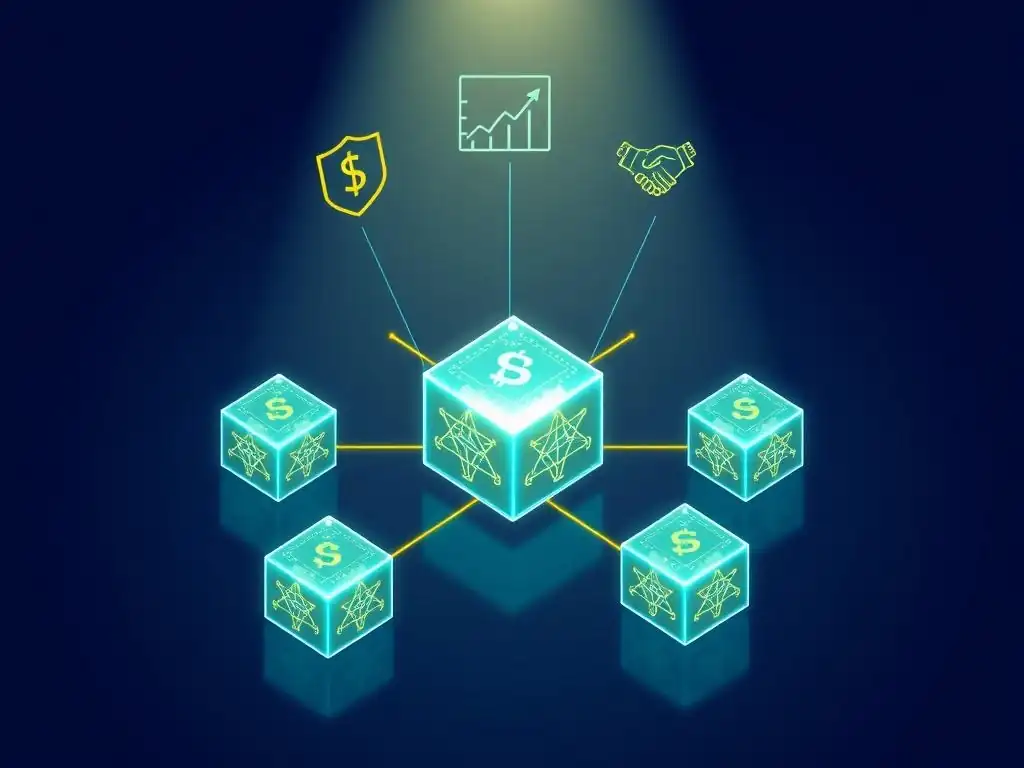
Decentralized Exchanges (DEXs) are a cornerstone of DeFi, enabling peer-to-peer trading of crypto assets without intermediaries. AI can significantly enhance DEX functionality and efficiency through smart order routing and automated market-making (AMM) algorithms. Current DEXs, while offering decentralization, often suffer from limitations such as lower liquidity, higher slippage, and less efficient order execution compared to centralized exchanges.
AI-powered smart order routing systems can analyze liquidity across multiple DEXs and automatically split and route orders to minimize slippage and maximize execution speed. For example, if a user wants to trade a large amount of an asset, AI can identify the DEXs with the best liquidity and split the order across them to achieve the optimal price.
Moreover, as discussed earlier, AI can power more sophisticated AMM algorithms that dynamically adjust trading fees, liquidity pool ratios, and price curves based on real-time market conditions and predicted trading volumes. These AI-enhancements can make DEXs more competitive with centralized exchanges in terms of liquidity, efficiency, and user experience, further promoting the adoption of decentralized trading.
Prediction Markets and Forecasting with AI-Based Smart Contracts
Prediction markets are platforms that allow users to bet on the outcome of future events, leveraging the "wisdom of the crowd" to generate accurate forecasts. AI-based smart contracts can revolutionize prediction markets by automating market creation, outcome verification, and payout distribution, while also enhancing the accuracy of predictions themselves. Traditional prediction markets often rely on manual processes and intermediaries, which can introduce inefficiencies and trust issues.
AI can automate the creation of prediction markets by dynamically generating markets based on real-world events and data feeds. AI can also assist in outcome verification by analyzing data from reliable sources to objectively determine the outcome of an event and trigger payouts automatically based on the results.
Furthermore, AI algorithms can analyze historical data and participant behavior in prediction markets to identify patterns and improve the accuracy of overall market forecasts. By automating key processes and enhancing forecasting capabilities, AI-powered smart contracts can make prediction markets more efficient, transparent, and valuable as forecasting tools within the DeFi ecosystem and beyond.
Challenges and Considerations for AI in DeFi Smart Contracts
Data Privacy and Security Concerns in AI-Powered DeFi
Integrating AI into DeFi smart contracts introduces new data privacy and security concerns that need careful consideration. AI algorithms often require large datasets to train effectively and make accurate predictions. In the context of DeFi, this data might include sensitive user information, transaction histories, and portfolio holdings. Ensuring the privacy and security of this data is paramount, especially in a decentralized environment where data breaches can have significant consequences.
While blockchain itself offers a degree of transparency, the use of AI algorithms can create "black boxes" where the reasoning behind automated decisions is not fully transparent. Furthermore, the potential for data breaches or misuse of user data by AI models needs to be addressed through robust data encryption, anonymization techniques, and secure multi-party computation methods. Balancing the data needs of AI with the privacy and security expectations of DeFi users is a crucial challenge that requires careful design and implementation of AI-powered smart contract systems.
Oracle Dependence and Potential for Manipulation
AI-powered smart contracts often rely on oracles to access external data, such as price feeds, real-world event outcomes, and other information not natively available on the blockchain. This oracle dependence introduces a potential vulnerability point, as the security and reliability of AI-powered smart contracts are directly tied to the trustworthiness of the oracles they use. If oracles are compromised or manipulated, the AI algorithms and smart contracts relying on them can be manipulated as well, leading to inaccurate decisions or even malicious exploitation.
Ensuring the security and integrity of oracles is therefore critical for the robust functioning of AI-powered DeFi. Strategies to mitigate oracle risks include using decentralized oracle networks that aggregate data from multiple independent sources, implementing data validation and verification mechanisms, and designing AI algorithms that are resilient to potential oracle inaccuracies or delays. Careful selection and monitoring of oracles are essential to minimize the risk of manipulation and ensure the reliability of AI-powered DeFi systems.
Regulatory Landscape and Compliance Challenges for AI-Enhanced DeFi
The regulatory landscape for both AI and DeFi is still evolving and often unclear. Integrating AI into DeFi smart contracts adds further complexity to the regulatory challenges. Governments and regulatory bodies are grappling with how to regulate decentralized finance in general, and the introduction of AI, with its potential for autonomous decision-making and complex algorithms, raises new questions about accountability, transparency, and consumer protection.
Compliance with existing and future regulations, such as KYC/AML (Know Your Customer/Anti-Money Laundering) requirements, data privacy regulations (like GDPR), and securities laws, becomes more complex with AI-powered DeFi. Determining legal liabilities for AI-driven decisions within smart contracts, ensuring algorithmic fairness and preventing bias in AI models, and establishing clear regulatory frameworks for AI in finance are all significant challenges that need to be addressed to foster responsible innovation and broader adoption of AI-enhanced DeFi. Collaboration between developers, regulators, and legal experts is crucial to navigate this complex regulatory landscape and ensure compliance.
Scalability Issues and Computational Costs of AI Integration
Integrating AI algorithms into smart contracts can introduce scalability issues and increase computational costs. AI models, especially complex machine learning algorithms, can be computationally intensive and require significant processing power. Executing these algorithms directly on the blockchain can be challenging due to the limited computational resources and transaction throughput of current blockchain networks.
Deploying complex AI models directly within smart contracts might lead to increased gas costs, slower transaction processing times, and limitations on the complexity of AI algorithms that can be practically implemented. Strategies to address these scalability and computational cost challenges include using more efficient AI algorithms, optimizing smart contract code for performance, exploring layer-2 scaling solutions for blockchains, and potentially offloading some AI computations to off-chain infrastructure while maintaining on-chain verification of results. Balancing the computational demands of AI with the scalability constraints of blockchain technology is a key consideration for the practical implementation of AI-powered DeFi.
The "Black Box" Problem: Explainability and Transparency of AI Algorithms in DeFi
A significant challenge associated with AI, particularly in the context of finance, is the "black box" problem. Many advanced AI algorithms, especially deep learning models, operate in a way that is not easily explainable or transparent. Understanding why an AI model made a particular decision can be difficult, even for experts. This lack of explainability and transparency can be problematic in DeFi, where users expect to understand how protocols and smart contracts operate, especially when it comes to financial decisions.
In DeFi, where transparency and auditability are core principles, the "black box" nature of some AI algorithms can erode trust and hinder user adoption. Users may be hesitant to entrust their funds to AI-powered smart contracts if they do not understand how the AI makes decisions or if they perceive the system as opaque and unaccountable. Developing explainable AI (XAI) techniques and incorporating them into DeFi smart contracts is crucial to address this challenge. XAI aims to make AI decision-making processes more transparent and understandable to humans, fostering trust and enabling better oversight and accountability in AI-powered DeFi systems.
The Future of AI and Smart Contracts in Decentralized Finance
Emerging Trends in AI-Powered DeFi Development
Several exciting trends are emerging in the development of AI-powered DeFi, pointing towards a future of more intelligent and sophisticated decentralized financial systems. One key trend is the increasing focus on personalized DeFi services. AI is being leveraged to create DeFi products tailored to individual user needs and risk profiles, moving away from one-size-fits-all approaches. This includes personalized lending terms, customized investment strategies, and tailored risk management solutions.
Another trend is the development of AI-driven autonomous DeFi agents. These are smart contracts that act as intelligent agents, autonomously managing assets, optimizing strategies, and responding to market conditions without constant human intervention. This includes AI-powered yield aggregators, automated portfolio managers, and self-optimizing DEXs.
Furthermore, there's a growing interest in integrating more advanced AI techniques, such as reinforcement learning and federated learning, into DeFi smart contracts to create even more sophisticated and adaptive protocols. The development of robust and decentralized AI infrastructure specifically designed for blockchain environments is also gaining momentum, addressing the computational and scalability challenges of AI integration in DeFi.
The Role of AI in the Evolution of Smart Contract Technology
AI is poised to play a transformative role in the evolution of smart contract technology, pushing it beyond simple rule-based automation towards intelligent and adaptive agreements. AI will enhance the capabilities of smart contracts in several key areas. Firstly, enhanced decision-making: AI will enable smart contracts to make more complex and nuanced decisions based on data analysis and predictive modeling, moving beyond simple if-then-else logic. Secondly, increased autonomy: AI will empower smart contracts to operate more autonomously, adapting to changing conditions and optimizing their behavior without constant human oversight.
Thirdly, improved security and resilience: AI will bolster the security of smart contracts by enabling proactive threat detection, anomaly detection, and automated responses to security vulnerabilities. Fourthly, greater flexibility and adaptability: AI will make smart contracts more flexible and adaptable to evolving market conditions, regulatory changes, and user needs.
Finally, enhanced user experience: AI will contribute to a more user-friendly and personalized DeFi experience by automating complex tasks, providing intelligent insights, and tailoring services to individual preferences. These advancements will collectively lead to a new generation of smart contracts that are not just contracts but intelligent, autonomous agents operating within decentralized ecosystems.
Predictions for the Growth of AI-Integrated DeFi Ecosystems
The integration of AI into DeFi is expected to drive significant growth and innovation within the decentralized finance ecosystem in the coming years. Predictions suggest a substantial increase in the adoption of AI-powered DeFi protocols and a corresponding rise in the total value locked (TVL) in these platforms. Industry analysts anticipate that AI will become a key differentiator for DeFi projects, with protocols that effectively leverage AI gaining a competitive edge in terms of efficiency, security, and user experience.
Furthermore, the convergence of AI and DeFi is expected to attract greater institutional interest and capital into the DeFi space. Traditional financial institutions are increasingly exploring the potential of both blockchain and AI, and the combination of these technologies in DeFi offers compelling opportunities for innovation and disruption. As the regulatory landscape for both AI and DeFi matures and becomes clearer, the adoption of AI-integrated DeFi is likely to accelerate, paving the way for a more sophisticated, efficient, and widely accessible decentralized financial future.
Addressing the Challenges to Unlock the Full Potential of AI-Powered Smart Contracts in DeFi
Unlocking the full potential of AI-powered smart contracts in DeFi requires proactively addressing the challenges and considerations outlined earlier. This includes focusing on data privacy and security by implementing robust data encryption, anonymization techniques, and secure multi-party computation methods. Strengthening oracle security through decentralized oracle networks, data validation mechanisms, and resilient AI algorithm design is crucial. Navigating the regulatory landscape requires proactive engagement with regulators, collaboration with legal experts, and a focus on building compliant and responsible AI-powered DeFi solutions.
Overcoming scalability and computational cost limitations necessitates exploring efficient AI algorithms, optimizing smart contract code, and leveraging layer-2 scaling solutions and potentially off-chain computation with on-chain verification. Addressing the "black box" problem requires investing in explainable AI (XAI) research and incorporating XAI techniques into DeFi smart contracts to enhance transparency and user trust. By systematically addressing these challenges through research, development, and collaboration, the DeFi community can pave the way for a future where AI-powered smart contracts realize their transformative potential and usher in a new era of intelligent and efficient decentralized finance.
Conclusion: Embracing the Transformative Power of AI-Powered DeFi Smart Contracts
Recap of the Key Benefits and Challenges
AI-powered smart contracts represent a paradigm shift in decentralized finance, offering a powerful fusion of blockchain's automation and security with AI's intelligence and adaptability. The benefits are substantial: enhanced security and fraud detection, improved efficiency and automation, advanced risk management, optimized yield farming, and increased liquidity. These advantages promise to address critical limitations of current DeFi protocols and pave the way for a more robust and user-friendly ecosystem.
However, the integration of AI also introduces significant challenges. Data privacy and security concerns, oracle dependence, regulatory uncertainty, scalability issues, and the "black box" problem of AI algorithms must be carefully addressed. These challenges are not insurmountable, but they require focused attention, research, and collaborative efforts from the DeFi community to overcome.
The Path Forward: Towards a More Intelligent and Efficient DeFi Ecosystem
The path forward for AI-powered DeFi lies in embracing a responsible and iterative approach to development and deployment. This includes prioritizing research and development in areas such as explainable AI, secure multi-party computation, decentralized AI infrastructure, and robust oracle solutions. Collaboration between AI experts, blockchain developers, security researchers, and legal professionals is crucial to navigate the complexities and challenges of this emerging field.
Furthermore, a strong emphasis on user education and transparency is essential to build trust and encourage adoption of AI-powered DeFi solutions. Open-source development, community audits, and clear documentation of AI algorithms and smart contract logic are vital for fostering transparency and accountability. By embracing these principles, the DeFi community can collectively build a future where AI and smart contracts work synergistically to create a more intelligent, efficient, and accessible decentralized financial ecosystem.
Call to Action: Exploring and Engaging with AI-Driven Innovation in DeFi
The era of AI-powered DeFi is dawning, presenting exciting opportunities for innovation and disruption in the financial industry. Developers, researchers, investors, and users are called to action to explore and engage with this transformative technology. For developers, this means experimenting with AI integration in DeFi protocols, building innovative AI-powered applications, and contributing to the open-source development of AI-DeFi infrastructure. For researchers, the focus should be on addressing the key challenges and advancing the state-of-the-art in areas like explainable AI, secure AI, and decentralized AI.
Investors are encouraged to explore and support promising AI-DeFi projects and startups that are pushing the boundaries of innovation. And for users, the call is to learn about AI-powered DeFi, experiment with new protocols, and provide feedback to help shape the future of this exciting field. By actively participating and engaging with AI-driven innovation in DeFi, we can collectively unlock its transformative power and build a more inclusive, efficient, and intelligent financial future for all.
Frequently Asked Questions
What are AI-powered DeFi smart contracts, and how do they differ from traditional smart contracts?
They are smart contracts that integrate artificial intelligence (AI) to automate and optimize various functions within Decentralized Finance (DeFi). Unlike traditional contracts, they can learn and adapt to changing market conditions, improving efficiency and security.
How can AI enhance the security of DeFi smart contracts, given the vulnerabilities they often face?
AI can be used for anomaly detection, identifying and preventing malicious activities or vulnerabilities in real-time. AI algorithms can analyze transaction patterns and flag suspicious behavior, strengthening smart contract security.
What are some potential use cases of AI-powered DeFi smart contracts beyond just security enhancements?
They can be used for dynamic risk assessment, personalized lending rates, and automated trading strategies. This allows for more sophisticated and efficient DeFi applications compared to purely rule-based contracts.
What are the regulatory challenges surrounding the implementation of AI-powered DeFi smart contracts?
The integration of AI raises concerns about transparency and accountability. Regulators need to understand how these systems operate and ensure they comply with existing financial regulations, which is a major hurdle.
What is the future outlook for AI-powered DeFi smart contracts, and what impact might they have on the broader financial landscape?
They are expected to become more prevalent, leading to more efficient and sophisticated DeFi platforms. This could lead to greater adoption of decentralized finance and potentially disrupt traditional financial systems.
Final Reflection: Embracing the AI-Powered DeFi Frontier
The exploration of AI-powered DeFi smart contracts reveals a landscape ripe with potential, yet fraught with challenges. The convergence of artificial intelligence and decentralized finance is no longer a futuristic fantasy, but a rapidly evolving reality shaping the very foundations of financial systems. Understanding the nuances of this integration is crucial for navigating the future of finance and ensuring its accessibility and security for all.
This fusion of technologies has already begun to reshape our understanding of trust and efficiency in financial transactions. Witnessing the initial applications of AI in optimizing smart contract execution and risk management underscores the transformative power at play. The future of finance is decentralized, and AI is the key to unlocking its full potential.
This quote encapsulates the sentiment driving innovation in this space, highlighting the imperative to embrace and responsibly develop these technologies.
Now, as you consider the implications of AI-powered DeFi smart contracts, I invite you to reflect on your own role in this evolving ecosystem. How can you contribute to the responsible development and deployment of these technologies? How can you ensure that the benefits of decentralized finance are accessible to all, while mitigating the risks? The future of finance is being written now, and your understanding and engagement will shape its trajectory.
Unlock the Future: Dive Deeper into AI-Powered DeFi!
Thanks for exploring the cutting edge of AI and decentralized finance with us! We hope this article has illuminated the immense potential of AI-powered smart contracts. Now, it's your turn to shape the future of DeFi.
Here's how you can get started:
- Revolutionize your DeFi strategy: Brainstorm how AI-powered smart contracts could optimize your yield farming, risk management, or trading strategies, and prototype a basic model. This is your chance to be a pioneer!
- Explore AI tools for contract analysis: Delve into available AI tools on platforms like GitHub or Hugging Face that assist in identifying vulnerabilities in smart contracts.
- Share your insights: Join the conversation on our Blockchain Trends forum and discuss your ideas on ethical considerations surrounding AI in DeFi with the community.
What groundbreaking AI integration will you pioneer in the DeFi space? Share your vision in the comments below!
Leave a Reply