
Beyond Automation: Exploring the Intelligence of AIDriven Smart Contracts

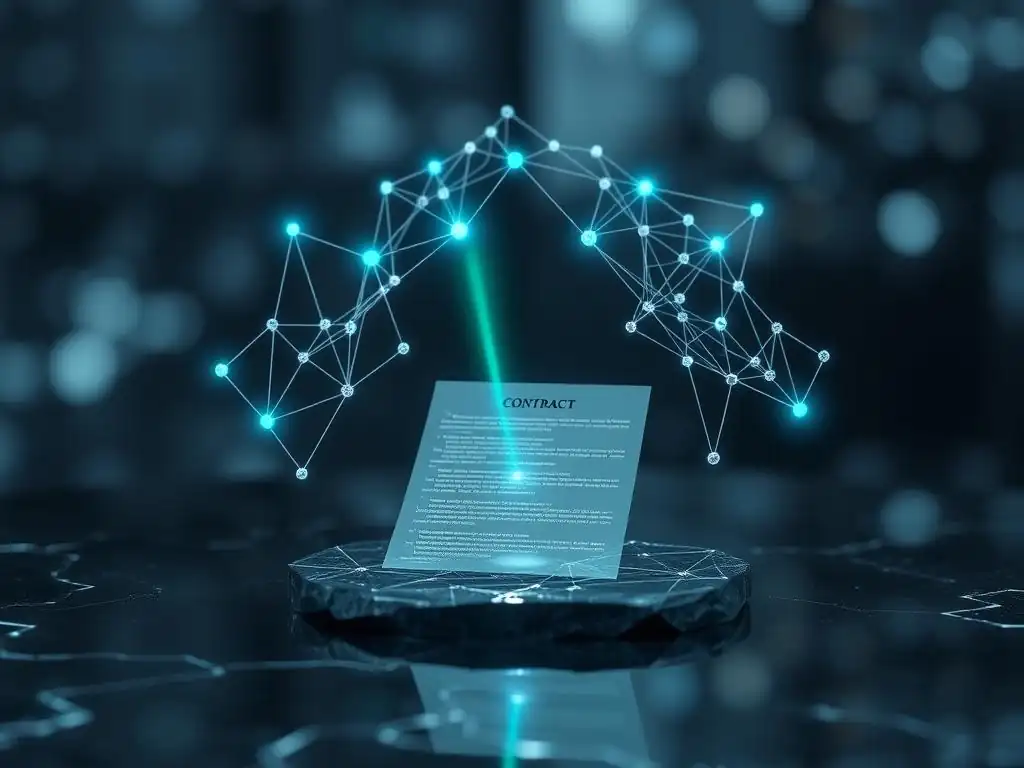
Welcome to Blockchain Trends, your compass in the ever-evolving landscape of decentralized technologies! Dive into the transformative power of blockchain, extending far beyond the realm of cryptocurrencies. This week, we unravel the fascinating intersection of blockchain and artificial intelligence, specifically focusing on AI-driven smart contract development. Can AI truly revolutionize the way we build and interact with smart contracts? Prepare to explore the intelligence behind the code and discover how this synergy is reshaping the future of decentralized systems. Let's begin!
Beyond Automation: Exploring the Intelligence of AI-Driven Smart Contracts
- Introduction to AI-Driven Smart Contracts: The Next Evolution of Blockchain
- Understanding the Mechanics of AI-Powered Smart Contracts
- Key Applications and Use Cases for AI-Driven Smart Contracts
- Benefits of AI-Driven Smart Contract Development
- Challenges and Limitations of AI-Powered Smart Contracts
- The Future of AI-Driven Smart Contracts: Trends and Predictions
- Best Practices for AI-Driven Smart Contract Development
- Conclusion: Embracing the Intelligent Era of Smart Contracts
-
Frequently Asked Questions
- What exactly are AIDriven smart contracts, and how do they differ from traditional smart contracts?
- How can AIDriven smart contract development improve the efficiency and security of blockchain applications?
- What are the potential use cases for AIDriven smart contracts beyond finance, and how are they transforming industries?
- What are the main challenges currently hindering the widespread adoption of AIDriven smart contract development?
- How does the integration of AI into smart contracts affect the level of trust and transparency typically associated with blockchain technology?
- Final Reflection: Embracing the Intelligent Contract Revolution
- Unleash the Power of Smart Contracts: Your Next Leap Awaits!
Introduction to AI-Driven Smart Contracts: The Next Evolution of Blockchain
The Convergence of AI and Blockchain Technology
The intersection of Artificial Intelligence (AI) and blockchain technology marks a significant leap forward in technological evolution. Blockchain, renowned for its decentralized, secure, and transparent nature, provides a robust infrastructure for data integrity and automated transactions through smart contracts. AI, on the other hand, excels in data analysis, pattern recognition, and decision-making. When these two powerful technologies converge, they create a synergistic effect, unlocking capabilities far beyond what either could achieve independently. This convergence paves the way for intelligent, self-executing agreements that can adapt, learn, and make complex decisions, heralding a new era of automation and autonomy.
This fusion is not merely theoretical; it's rapidly becoming a practical reality. Industries are beginning to explore and implement solutions that leverage the strengths of both AI and blockchain. For example, consider supply chain management where blockchain ensures transparency and traceability, while AI can optimize logistics, predict potential disruptions, and automate responses. Similarly, in finance, the combination can lead to more sophisticated risk management systems and personalized financial services. The convergence of AI and blockchain is setting the stage for a future where systems are not only automated but also intelligent and adaptive, driving innovation across diverse sectors.
Defining AI-Driven Smart Contracts: Moving Beyond Traditional Automation
Traditional smart contracts, while revolutionary in their ability to automate contract execution based on predefined conditions, are inherently limited by their deterministic nature. They operate on a rigid "if-then" logic, reacting to specific triggers without the capacity for learning or adapting to unforeseen circumstances. AI-driven smart contracts represent a paradigm shift, injecting intelligence into these agreements. They are smart contracts enhanced with AI capabilities, enabling them to analyze complex data, make informed decisions, and even learn from past interactions to optimize future performance.
In essence, AI-driven smart contracts move beyond simple automation to offer intelligent autonomy. Imagine a smart contract designed for insurance claims. A traditional contract might automatically process a claim if certain pre-defined conditions are met, like providing specific documents.
An AI-driven smart contract, however, could analyze the claim in the context of broader data sets – weather patterns, historical claim data, and even real-time sensor information – to assess the legitimacy and risk associated with the claim more intelligently. This evolution from rule-based automation to data-driven intelligence is the defining characteristic of AI-driven smart contracts, promising a new level of sophistication and efficiency in contractual agreements.
Why Integrate AI into Smart Contract Development?
The integration of AI into smart contract development is driven by the need to overcome the inherent limitations of traditional smart contracts and to unlock new levels of functionality and efficiency. Traditional smart contracts are excellent for automating straightforward, pre-defined processes, but they struggle with complexity, uncertainty, and the need for dynamic adaptation. AI offers the tools to address these challenges. By incorporating AI, smart contracts can become more responsive, adaptable, and capable of handling intricate real-world scenarios that require nuanced decision-making.
Furthermore, AI integration significantly expands the potential applications of smart contracts. Consider scenarios requiring predictive analysis, anomaly detection, or personalized responses – tasks that are beyond the scope of traditional smart contracts. For example, in decentralized finance (DeFi), AI can enhance smart contracts to perform sophisticated risk assessments, optimize trading strategies, and personalize investment portfolios.
In supply chain management, AI can enable smart contracts to proactively manage disruptions, optimize routes based on real-time data, and predict potential delays. The strategic integration of AI into smart contract development is therefore not just an incremental improvement, but a transformative step that unlocks a vast array of new possibilities and applications.
Understanding the Mechanics of AI-Powered Smart Contracts
How AI Enhances Smart Contract Functionality
AI fundamentally enhances smart contract functionality by imbuing them with cognitive abilities. Traditional smart contracts operate based on pre-programmed rules, reacting passively to specific triggers. AI integration transforms them into active, intelligent agents capable of analyzing data, learning from experiences, and making autonomous decisions. This enhancement is achieved through various AI techniques, primarily machine learning (ML), natural language processing (NLP), and computer vision, depending on the specific application and data inputs.
For instance, machine learning algorithms enable smart contracts to analyze large datasets to identify patterns, predict future outcomes, and optimize their behavior accordingly. NLP allows smart contracts to understand and process human language, making them more user-friendly and capable of interpreting complex contractual terms. Computer vision can be integrated to process visual data, such as images and videos, enabling smart contracts to verify physical assets or events remotely. By incorporating these AI capabilities, smart contracts become more versatile, adaptable, and powerful, capable of handling complex tasks and making intelligent decisions in dynamic environments.
The Role of Machine Learning in Smart Contract Logic
Machine learning (ML) plays a pivotal role in shaping the logic and behavior of AI-powered smart contracts. Unlike traditional rule-based smart contracts, ML-enhanced contracts can learn from data and adjust their execution logic over time. This learning capability is crucial for dealing with real-world complexities and uncertainties. ML algorithms can be trained on historical data to identify patterns and predict future trends, enabling smart contracts to make more informed and proactive decisions.
For example, in a decentralized insurance application, a smart contract powered by ML could analyze historical claim data, weather patterns, and even social media sentiment to dynamically adjust insurance premiums and payout conditions. Different ML techniques, such as supervised learning, unsupervised learning, and reinforcement learning, can be applied depending on the specific needs of the smart contract.
Supervised learning can be used for predictive tasks, unsupervised learning for anomaly detection, and reinforcement learning for optimizing decision-making in dynamic environments. The integration of ML into smart contract logic therefore allows for the creation of adaptive, intelligent, and highly efficient contractual agreements.
Data Integration and Oracles: Fueling AI Smart Contracts
Data is the lifeblood of AI, and AI-driven smart contracts are no exception. To function effectively, these intelligent contracts require access to a wide range of relevant and reliable data sources. This data can come from various sources, including on-chain data from the blockchain itself, as well as off-chain data from external APIs, databases, and real-world sensors. The crucial bridge connecting smart contracts to this external data is provided by oracles. Oracles are third-party services that securely and reliably bring external data onto the blockchain, making it accessible to smart contracts.
For AI-driven smart contracts, oracles are even more critical as they need access to diverse and potentially complex datasets to power their AI algorithms. For instance, an AI-driven smart contract in supply chain management might need real-time data on weather conditions, traffic patterns, and inventory levels.
Oracles ensure that this data is accurately and securely fed into the smart contract, enabling the AI algorithms to make informed decisions for optimizing logistics and managing risks. The reliability and security of oracles are paramount for the overall integrity and effectiveness of AI-powered smart contracts, as the quality of their decisions directly depends on the quality and timeliness of the data they receive.
Key Applications and Use Cases for AI-Driven Smart Contracts
AI Smart Contracts in Decentralized Finance (DeFi): Enhancing Trading and Lending
Decentralized Finance (DeFi) is a fertile ground for the application of AI-driven smart contracts. The inherent volatility and complexity of DeFi markets demand sophisticated tools for risk management, trading optimization, and personalized financial services. AI-powered smart contracts can bring a new level of intelligence and efficiency to DeFi platforms, enhancing trading strategies, improving lending and borrowing mechanisms, and automating complex financial operations.
By integrating AI, DeFi platforms can move beyond basic automated market makers (AMMs) to create more dynamic and responsive financial instruments. For example, AI can be used to develop smart contracts that automatically adjust interest rates in lending protocols based on real-time market conditions and risk assessments. Similarly, AI can power sophisticated trading bots within smart contracts that can execute complex trading strategies, optimize portfolio allocation, and even predict market movements with greater accuracy than traditional algorithms. This integration of AI promises to make DeFi platforms more robust, efficient, and accessible to a wider range of users.
Automated Portfolio Management with AI Smart Contracts
Automated portfolio management is a compelling use case for AI smart contracts in DeFi. Traditional portfolio management often requires significant human intervention, expertise, and time. AI-driven smart contracts can automate this process, offering personalized and optimized investment strategies based on individual risk profiles and financial goals. These smart contracts can continuously monitor market conditions, analyze vast amounts of financial data, and dynamically rebalance portfolios to maximize returns and minimize risks, all without manual intervention.
Imagine a DeFi user who wants to invest in a diversified portfolio of crypto assets but lacks the time or expertise to actively manage it. An AI-driven smart contract can be designed to automatically allocate funds across different assets based on the user's risk tolerance and investment objectives. The AI algorithm within the smart contract can analyze market trends, volatility, and correlations between assets to make informed decisions about portfolio adjustments.
For instance, if the AI detects increased market volatility, it might automatically reduce exposure to riskier assets and increase holdings in more stable ones. This level of automated, intelligent portfolio management, powered by AI smart contracts, can democratize access to sophisticated investment strategies and enhance returns for DeFi users.
AI-Powered Risk Assessment in DeFi Lending Platforms
Risk assessment is critical in DeFi lending platforms, where users can borrow and lend crypto assets without intermediaries. Traditional lending platforms rely on centralized risk assessment models, which can be opaque and inefficient. AI-powered smart contracts can revolutionize risk assessment in DeFi by providing more transparent, accurate, and dynamic risk evaluations. These smart contracts can analyze vast datasets of on-chain and off-chain information to assess the creditworthiness of borrowers and the overall risk of lending pools.
For example, an AI-driven smart contract can analyze a borrower's transaction history, on-chain reputation, and even social media data to build a comprehensive risk profile. It can also monitor the health of the lending pool in real-time, detecting anomalies and potential risks before they escalate.
If the AI algorithm detects an increase in risk, such as a sudden drop in the collateral value or a surge in borrowing demand, it can automatically adjust lending parameters, such as interest rates or collateralization ratios, to mitigate potential losses. This proactive and data-driven approach to risk assessment, enabled by AI smart contracts, can make DeFi lending platforms safer, more efficient, and more resilient to market fluctuations.
Revolutionizing Supply Chain Management with Intelligent Contracts
Supply chain management is another domain where AI-driven smart contracts can bring transformative changes. Traditional supply chains are often complex, opaque, and prone to inefficiencies and disruptions. Blockchain technology has already started to improve supply chain transparency and traceability. AI-driven smart contracts can further enhance supply chain operations by adding intelligence and predictive capabilities, enabling proactive management of logistics, inventory, and potential risks.
By integrating AI, smart contracts in supply chain management can move beyond simple tracking and verification to offer predictive analytics, automated decision-making, and optimized resource allocation. For instance, AI can be used to predict demand fluctuations, optimize shipping routes based on real-time traffic and weather conditions, and proactively identify potential bottlenecks or disruptions in the supply chain. This intelligent approach to supply chain management, powered by AI smart contracts, can lead to significant cost savings, improved efficiency, and enhanced resilience to unforeseen events.
Enhanced Traceability and Transparency Using AI
AI significantly enhances traceability and transparency in supply chains when integrated with smart contracts. While blockchain provides a transparent record of transactions and product movements, AI can add a layer of intelligence to analyze this data and extract meaningful insights. AI algorithms can process the vast amounts of data generated within a blockchain-based supply chain to identify patterns, anomalies, and potential points of failure, enhancing the overall visibility and understanding of the supply chain's operations.
For example, AI can analyze sensor data from IoT devices tracking goods throughout the supply chain, identifying deviations from expected conditions, such as temperature fluctuations for temperature-sensitive goods. It can also analyze transaction data to detect potential fraud or inefficiencies in the supply chain flow.
By providing real-time insights and alerts based on data analysis, AI-driven smart contracts can enable stakeholders to proactively address issues, improve decision-making, and enhance the overall transparency and accountability of the supply chain. This enhanced traceability not only improves operational efficiency but also builds greater trust and confidence among all participants in the supply chain.
Predictive Analytics for Supply Chain Optimization
Predictive analytics is a powerful capability that AI-driven smart contracts bring to supply chain optimization. Traditional supply chain management often relies on reactive measures, responding to issues after they have occurred. AI-powered smart contracts can shift this paradigm to a proactive approach, using predictive analytics to anticipate potential disruptions, optimize inventory levels, and improve overall supply chain efficiency.
AI algorithms can analyze historical data, market trends, weather forecasts, and various other factors to predict future demand, potential delays, and risks within the supply chain. For example, AI can predict demand surges for specific products, allowing businesses to proactively adjust production and inventory levels to meet anticipated needs. It can also predict potential shipping delays due to weather events or traffic congestion, enabling proactive rerouting and mitigation of disruptions. By leveraging predictive analytics, AI-driven smart contracts can empower businesses to optimize their supply chain operations, reduce costs, minimize waste, and enhance responsiveness to changing market conditions.
AI Smart Contracts in Healthcare: Improving Data Security and Interoperability
Healthcare is another sector poised for significant transformation through the application of AI-driven smart contracts. The healthcare industry is characterized by vast amounts of sensitive data, complex regulatory requirements, and the need for secure and interoperable data sharing. AI-powered smart contracts can address these challenges by providing secure, automated, and intelligent solutions for data management, access control, and personalized healthcare services.
By leveraging blockchain for secure data storage and AI for intelligent data processing and decision-making, AI-driven smart contracts can revolutionize various aspects of healthcare. They can facilitate secure and privacy-preserving data sharing between healthcare providers, automate administrative tasks such as insurance claims processing, and enable the development of personalized medicine approaches tailored to individual patient needs. The integration of AI and blockchain through smart contracts promises to create a more efficient, secure, and patient-centric healthcare ecosystem.
Secure and Automated Data Sharing with AI
Secure and automated data sharing is a critical need in healthcare, and AI-driven smart contracts offer a powerful solution. Patient data is highly sensitive and often siloed across different healthcare providers, hindering effective care coordination and research. AI-powered smart contracts can enable secure and privacy-preserving data sharing by leveraging blockchain's security features and AI's intelligent access control mechanisms.
For example, a smart contract can be designed to automatically grant access to patient data to authorized healthcare providers based on pre-defined conditions and patient consent. AI can enhance this process by dynamically adjusting access permissions based on the context of the request and the role of the requesting party, ensuring that data is only shared with those who truly need it and for legitimate purposes.
Furthermore, AI algorithms can be used to anonymize and de-identify data for research purposes, allowing researchers to access valuable datasets while protecting patient privacy. This secure and automated data sharing, facilitated by AI smart contracts, can improve care coordination, accelerate medical research, and enhance the overall efficiency of the healthcare system.
AI-Driven Personalized Medicine via Smart Contracts
AI-driven personalized medicine is an emerging field that can be significantly advanced by smart contracts. Personalized medicine aims to tailor medical treatments to individual patient characteristics, such as genetic makeup, lifestyle, and medical history. AI algorithms are crucial for analyzing the vast amounts of data required for personalized medicine, and smart contracts can provide a secure and transparent framework for managing and utilizing this data.
AI-driven smart contracts can be used to manage patient consent for data sharing, ensuring that patients have control over how their data is used for research and treatment. They can also automate the process of matching patients with appropriate clinical trials and personalized treatment plans based on their individual profiles.
For example, an AI-driven smart contract could analyze a patient's genomic data and medical history to identify the most effective treatment options and connect them with relevant specialists or clinical trials. By combining AI's analytical power with blockchain's security and transparency, smart contracts can pave the way for a more personalized, effective, and patient-centric approach to healthcare.
Benefits of AI-Driven Smart Contract Development
Increased Efficiency and Reduced Operational Costs
AI-driven smart contract development offers significant benefits in terms of increased efficiency and reduced operational costs. Traditional processes often involve manual tasks, intermediaries, and lengthy workflows, leading to inefficiencies and increased expenses. AI-powered smart contracts automate complex tasks, eliminate the need for intermediaries in many processes, and streamline workflows, resulting in substantial cost savings and improved operational efficiency.
For example, in insurance claims processing, AI-driven smart contracts can automate the entire process, from claim submission to verification and payout, significantly reducing processing time and administrative costs. In supply chain management, intelligent contracts can optimize logistics, reduce inventory holding costs, and minimize delays, leading to significant operational savings. By automating tasks, improving decision-making, and streamlining processes, AI-driven smart contracts enable businesses to operate more efficiently, reduce operational overhead, and achieve greater profitability.
Enhanced Security and Fraud Prevention through AI Analytics
Enhanced security and fraud prevention are key advantages of AI-driven smart contracts. Traditional smart contracts, while inherently secure due to blockchain's cryptographic features, can still be vulnerable to certain types of attacks or manipulation. AI analytics can add an extra layer of security by proactively monitoring smart contract activity, detecting anomalies, and identifying potential threats in real-time.
AI algorithms can be trained to recognize patterns indicative of fraudulent activity, such as unusual transaction patterns, suspicious data inputs, or deviations from expected contract behavior. For example, in DeFi platforms, AI can monitor smart contract interactions to detect potential flash loan attacks or other forms of manipulation. By identifying and flagging suspicious activities, AI can enable proactive intervention to prevent fraud and enhance the overall security of smart contract systems. This proactive security approach, powered by AI analytics, significantly strengthens the robustness and trustworthiness of smart contract applications.
Improved Accuracy and Reduced Human Error
Improved accuracy and reduced human error are inherent benefits of AI-driven smart contracts. Traditional processes that rely on manual data entry, manual decision-making, and human interpretation are prone to errors and inconsistencies. AI algorithms, on the other hand, can process large volumes of data with high accuracy, make objective decisions based on predefined criteria, and execute tasks with precision, minimizing the risk of human error.
For example, in data verification processes within smart contracts, AI can automate data validation and cross-referencing, ensuring accuracy and consistency without relying on manual checks. In complex decision-making scenarios, AI algorithms can analyze multiple variables and make informed decisions based on objective data, reducing the potential for bias or errors associated with human judgment. By automating tasks and enhancing decision-making accuracy, AI-driven smart contracts contribute to more reliable, consistent, and error-free operations across various applications.
Greater Adaptability and Flexibility in Contract Execution
Greater adaptability and flexibility in contract execution are significant advantages offered by AI-driven smart contracts. Traditional smart contracts are rigid and deterministic, executing based on pre-programmed rules without the ability to adapt to changing circumstances. AI-powered smart contracts, with their learning and adaptive capabilities, can dynamically adjust their execution logic in response to new information, unforeseen events, or evolving market conditions.
For example, an AI-driven smart contract in supply chain management can adapt to unexpected disruptions, such as weather delays or port closures, by automatically rerouting shipments or adjusting delivery schedules. In DeFi platforms, AI smart contracts can dynamically adjust interest rates or collateral requirements based on real-time market volatility and risk assessments. This adaptability and flexibility make AI-driven smart contracts more robust, resilient, and capable of handling complex real-world scenarios, making them a more versatile and powerful tool compared to traditional smart contracts.
Challenges and Limitations of AI-Powered Smart Contracts

Data Privacy Concerns and Regulatory Hurdles
Data privacy concerns and regulatory hurdles are significant challenges facing the widespread adoption of AI-powered smart contracts. AI algorithms often require access to large amounts of data, which may include sensitive personal information. Integrating AI with smart contracts, especially in sectors like healthcare or finance, raises complex data privacy issues and requires careful consideration of regulatory compliance.
Regulations like GDPR and CCPA impose strict requirements on data collection, processing, and storage, and AI-driven smart contracts must be designed to comply with these regulations. Ensuring data privacy in AI-powered smart contracts requires implementing techniques like data anonymization, differential privacy, and secure multi-party computation. Furthermore, the regulatory landscape surrounding AI and blockchain is still evolving, and navigating these uncertainties and ensuring compliance with emerging regulations is a critical challenge for developers and organizations deploying AI-driven smart contracts.
The Complexity of AI Model Integration
The complexity of AI model integration is a significant technical challenge in AI-driven smart contract development. Integrating sophisticated AI models into the constrained environment of a blockchain requires careful design and optimization. AI models, especially deep learning models, can be computationally intensive and require significant resources, which can be challenging to deploy efficiently on a blockchain platform.
Furthermore, ensuring the seamless interaction between the AI model and the smart contract logic requires careful engineering. Data needs to be securely and efficiently transferred between the smart contract and the AI model, and the AI model's outputs need to be reliably interpreted and acted upon by the smart contract. Addressing these technical complexities requires specialized expertise in both AI and blockchain development, and robust development frameworks and tools are needed to simplify the integration process and make AI-driven smart contract development more accessible.
Ensuring Transparency and Explainability of AI Decisions
Ensuring transparency and explainability of AI decisions is crucial for building trust and accountability in AI-driven smart contracts. Many AI models, particularly complex deep learning models, are often considered "black boxes," making it difficult to understand why they make specific decisions. In the context of smart contracts, where decisions can have significant financial or legal implications, transparency and explainability are paramount.
Users need to understand how AI-driven smart contracts make decisions, especially when those decisions affect their rights or obligations. Developing explainable AI (XAI) techniques for smart contracts is essential to address this challenge. XAI aims to make AI models more transparent and interpretable, providing insights into the reasoning behind their decisions. Integrating XAI techniques into AI-driven smart contracts can enhance user trust, facilitate auditing and compliance, and promote the responsible development and deployment of intelligent contractual agreements.
Computational Costs and Scalability Issues
Computational costs and scalability issues are significant challenges for AI-powered smart contracts, especially when deployed on public blockchains. Executing complex AI algorithms on-chain can be computationally expensive and resource-intensive, potentially leading to high transaction fees and slow processing times. Public blockchains often have limited computational capacity and scalability constraints, which can restrict the complexity and performance of AI models that can be integrated into smart contracts.
Addressing these challenges requires exploring various optimization techniques, such as off-chain AI computation, layer-2 scaling solutions, and the use of more efficient AI algorithms. Off-chain AI computation involves performing computationally intensive AI tasks off the blockchain and only using the smart contract for verification and execution. Layer-2 scaling solutions, like rollups and sidechains, can improve the scalability of blockchain platforms, making them more suitable for deploying AI-driven smart contracts. Furthermore, research into more efficient AI algorithms and hardware acceleration techniques can help reduce the computational costs of AI models and improve the scalability of AI-driven smart contract applications.
The Future of AI-Driven Smart Contracts: Trends and Predictions
The Rise of Autonomous Agents and DAOs Powered by AI
The future of AI-driven smart contracts points towards the rise of autonomous agents and Decentralized Autonomous Organizations (DAOs) powered by AI. AI-driven smart contracts can act as the foundational building blocks for creating autonomous agents that can operate independently, make decisions, and execute actions without human intervention. These autonomous agents can be programmed to perform specific tasks, manage resources, and interact with other agents or systems in a decentralized and autonomous manner.
DAOs, which are organizations governed by smart contracts and decentralized communities, can be significantly enhanced by integrating AI. AI-powered DAOs can automate governance processes, optimize resource allocation, and make data-driven decisions, leading to more efficient and adaptive organizational structures. For example, an AI-driven DAO could automatically adjust its operational parameters based on real-time data and community feedback, or it could use AI to analyze proposals and facilitate more informed decision-making by DAO members. The convergence of AI and DAOs promises to create a new paradigm for decentralized governance and autonomous organizations.
Advancements in Federated Learning for Enhanced Data Privacy
Advancements in federated learning are poised to address data privacy concerns and unlock new possibilities for AI-driven smart contracts. Federated learning is a machine learning technique that enables training AI models on decentralized datasets without directly sharing the raw data. This approach is particularly relevant for sensitive data domains, such as healthcare and finance, where data privacy is paramount.
In the context of AI-driven smart contracts, federated learning can enable training AI models across multiple data sources without compromising data privacy. For example, in healthcare, federated learning can allow AI models to be trained on patient data from multiple hospitals without the need to centralize the data, preserving patient privacy while still benefiting from the collective knowledge. Integrating federated learning with AI-driven smart contracts can unlock new applications in data-sensitive domains and promote the responsible and privacy-preserving use of AI in blockchain ecosystems.
The Impact of AI on Smart Contract Security Audits
AI is set to have a significant impact on smart contract security audits, enhancing the efficiency, accuracy, and comprehensiveness of security assessments. Traditional smart contract security audits are often manual and time-consuming, relying on human experts to identify potential vulnerabilities. AI-powered tools can automate and augment the security auditing process, enabling faster, more thorough, and more cost-effective security assessments.
AI algorithms can be trained to analyze smart contract code, identify common vulnerabilities, and detect potential security risks. AI-powered security audit tools can scan smart contracts for vulnerabilities such as reentrancy attacks, integer overflows, and access control issues, providing developers with automated security assessments and recommendations for remediation. By automating and enhancing security audits, AI can contribute to building more secure and robust AI-driven smart contract applications and reducing the risk of security breaches and exploits.
Advancements in Explainable AI (XAI) for Smart Contracts
Advancements in Explainable AI (XAI) are crucial for fostering trust and wider adoption of AI-driven smart contracts. As AI models become more complex, understanding their decision-making processes becomes increasingly important, especially in applications where transparency and accountability are paramount. XAI techniques aim to make AI models more interpretable and explainable, providing insights into why they make specific decisions.
In the context of smart contracts, XAI can provide users with explanations of how AI-driven smart contracts arrive at their conclusions, enhancing user trust and confidence in these intelligent agreements. XAI can also facilitate auditing and compliance by providing regulators and auditors with a clearer understanding of the decision-making logic of AI-driven smart contracts. Research and development in XAI are crucial for addressing the "black box" problem of AI and promoting the responsible and transparent deployment of AI-driven smart contracts across various industries.
Best Practices for AI-Driven Smart Contract Development
Secure Coding Practices for AI-Integrated Contracts
Secure coding practices are paramount for AI-integrated smart contracts to mitigate security risks and ensure the robustness of these complex systems. Developing secure AI-driven smart contracts requires combining best practices from both smart contract security and AI security. Developers need to be mindful of common smart contract vulnerabilities, such as reentrancy attacks, integer overflows, and access control issues, and implement robust security measures to prevent these vulnerabilities.
In addition, secure coding practices for AI integration include ensuring the security of AI models, protecting against adversarial attacks on AI algorithms, and implementing robust data validation and sanitization techniques to prevent malicious data inputs from compromising the AI model or the smart contract. Following secure coding guidelines, conducting thorough security audits, and employing rigorous testing methodologies are essential for building secure and reliable AI-driven smart contract applications.
Rigorous Testing and Validation of AI Models
Rigorous testing and validation of AI models are crucial steps in AI-driven smart contract development to ensure the reliability, accuracy, and safety of these intelligent systems. AI models, especially complex machine learning models, can be prone to biases, errors, and unexpected behaviors if not properly tested and validated. Thorough testing and validation are essential to identify and mitigate potential issues before deploying AI-driven smart contracts in real-world applications.
Testing should include evaluating the AI model's performance across a wide range of scenarios, assessing its robustness to adversarial inputs, and verifying its compliance with predefined performance metrics and security requirements. Rigorous validation processes, such as cross-validation, hold-out validation, and independent validation, should be employed to ensure the generalization ability and reliability of the AI model. Comprehensive testing and validation are critical for building trust in AI-driven smart contracts and ensuring their safe and effective operation.
Choosing the Right Blockchain Platform for AI Integration
Choosing the right blockchain platform is a crucial decision for AI-driven smart contract development, as different blockchain platforms offer varying levels of support for AI integration, computational capabilities, and scalability. Factors to consider when selecting a blockchain platform for AI integration include the platform's smart contract capabilities, its support for off-chain computation, its scalability and transaction throughput, its security features, and its developer tools and ecosystem.
Some blockchain platforms are specifically designed to support AI integration, offering features like built-in oracles, layer-2 scaling solutions, and optimized smart contract execution environments. Evaluating the specific requirements of the AI-driven smart contract application and carefully assessing the capabilities of different blockchain platforms is essential for making an informed decision and selecting the most suitable platform for development and deployment. The choice of blockchain platform can significantly impact the performance, scalability, and cost-effectiveness of AI-driven smart contract applications.
Implementing Robust Monitoring and Alerting Systems
Implementing robust monitoring and alerting systems is essential for the ongoing operation and maintenance of AI-driven smart contracts. AI models and smart contract systems can encounter unexpected issues, performance degradation, or security threats over time. Continuous monitoring and proactive alerting are crucial for detecting and responding to these issues promptly, ensuring the reliability, security, and optimal performance of AI-driven smart contract applications.
Monitoring systems should track key performance indicators (KPIs), such as transaction throughput, execution time, error rates, and AI model performance metrics. Alerting systems should be configured to automatically notify developers or operators when anomalies, performance degradation, or security threats are detected, enabling timely intervention and remediation. Robust monitoring and alerting systems are essential for maintaining the long-term health and stability of AI-driven smart contract applications and ensuring their continued effectiveness.
Conclusion: Embracing the Intelligent Era of Smart Contracts
The Transformative Potential of AI in Blockchain Ecosystems
The transformative potential of AI in blockchain ecosystems is undeniable. AI is not just an add-on to blockchain technology; it is a catalyst that can unlock new levels of functionality, efficiency, and intelligence within blockchain applications. By integrating AI into smart contracts, blockchain systems can move beyond simple automation to achieve intelligent autonomy, enabling them to adapt, learn, and make complex decisions in dynamic environments.
This convergence of AI and blockchain is poised to revolutionize various industries, from finance and supply chain management to healthcare and governance. AI-driven smart contracts can create more efficient, secure, and user-centric applications, driving innovation and unlocking new opportunities across diverse sectors. Embracing the transformative potential of AI in blockchain ecosystems is essential for realizing the full promise of decentralized technologies and building a more intelligent and interconnected future.
The Path Forward for AI-Driven Smart Contract Development
The path forward for AI-driven smart contract development requires a collaborative and multi-faceted approach. Continued research and development are needed to address the technical challenges and limitations of AI integration, such as complexity, scalability, and explainability. Developing robust development frameworks, tools, and best practices is crucial for making AI-driven smart contract development more accessible and efficient for developers.
Furthermore, fostering collaboration between AI experts, blockchain developers, and industry stakeholders is essential for driving innovation and adoption in this emerging field. Addressing data privacy concerns, navigating regulatory hurdles, and promoting ethical and responsible AI development are also critical aspects of the path forward. By working together and addressing these challenges proactively, the blockchain and AI communities can pave the way for the widespread adoption of AI-driven smart contracts and unlock their transformative potential across various industries.
Fostering Collaboration and Standardization in the Field
Fostering collaboration and standardization is crucial for the healthy growth and widespread adoption of AI-driven smart contracts. Collaboration between researchers, developers, industry players, and regulatory bodies is essential for sharing knowledge, best practices, and addressing common challenges in this nascent field. Establishing industry standards for AI integration, security protocols, and data privacy practices can promote interoperability, reduce development costs, and build greater trust in AI-driven smart contract technologies.
Open-source initiatives, community-driven development efforts, and industry consortia can play a vital role in fostering collaboration and standardization. By working together to define common frameworks, protocols, and guidelines, the AI and blockchain communities can accelerate the development and adoption of AI-driven smart contracts, unlocking their full potential to transform industries and create a more intelligent and decentralized future.
Frequently Asked Questions
What exactly are AIDriven smart contracts, and how do they differ from traditional smart contracts?
AIDriven smart contracts integrate artificial intelligence to enhance their functionality. Unlike traditional smart contracts, which execute pre-defined rules, AIDriven contracts can learn and adapt based on real-time data. This allows for more dynamic and intelligent decision-making.
How can AIDriven smart contract development improve the efficiency and security of blockchain applications?
AIDriven smart contract development can significantly improve efficiency by automating complex processes and optimizing resource allocation. Security is enhanced through AI-powered anomaly detection and proactive threat mitigation, making systems more resilient.
What are the potential use cases for AIDriven smart contracts beyond finance, and how are they transforming industries?
Beyond finance, AIDriven smart contracts are impacting supply chain management with intelligent tracking and optimization. They also show promise in healthcare for automated data analysis and personalized medicine, and in IoT for smart device management.
What are the main challenges currently hindering the widespread adoption of AIDriven smart contract development?
Key challenges include the complexity of integrating AI models with blockchain infrastructure and the need for robust data governance to ensure accuracy and prevent bias. Furthermore, regulatory uncertainty surrounding AI remains a significant hurdle.
How does the integration of AI into smart contracts affect the level of trust and transparency typically associated with blockchain technology?
While AI can enhance functionality, it also introduces a layer of complexity that can impact transparency. It's crucial to ensure the AI's decision-making process is auditable and explainable to maintain trust in the system, and address potential bias.
Final Reflection: Embracing the Intelligent Contract Revolution
The journey into AI-driven smart contract development reveals a landscape brimming with potential, yet demanding careful navigation. We've explored the intricacies of merging artificial intelligence with blockchain technology, highlighting the transformative power of smart contracts that can learn, adapt, and ultimately, execute with unprecedented efficiency and autonomy. The relevance of this exploration is undeniable; as the digital economy expands, the need for secure, intelligent, and self-governing agreements becomes paramount.
This fusion of AI and smart contracts isn't just a technological advancement; it's a cultural shift, reshaping how we perceive trust and automation in the digital age. The potential for personalized, dynamic agreements that respond to real-world conditions is immense, promising to revolutionize industries from finance to supply chain management. The future is already here – it's just not evenly distributed.
- William Gibson. This quote perfectly encapsulates the current state of AI-driven smart contracts; the technology exists, but its widespread adoption and understanding are still evolving.
Now, as you step away from this exploration, consider the implications of AI-driven smart contracts in your own sphere of influence. How can these intelligent agreements streamline your processes, enhance your security, or unlock new opportunities? The future of decentralized applications is being written today, and your understanding of this powerful technology positions you to be a part of that narrative. Embrace the challenge, explore the possibilities, and help shape a future where trust is not just assumed, but intelligently encoded.
Unleash the Power of Smart Contracts: Your Next Leap Awaits!
Thank you for diving into the world of AI-driven smart contracts! We hope this exploration has illuminated the exciting possibilities and potential advantages this technology offers. Ready to take the next step?
Here's how you can continue your journey:
- Dive Deep: Begin experimenting with a simple AI-enhanced smart contract on a testnet.: This hands-on experience is invaluable for understanding the practical applications and limitations.
- Explore: Share this article with your network to spark conversation about the future of smart contracts. Who knows what collaborations might emerge?
- Contribute: Research and identify existing open-source projects related to AI and smart contracts, and consider contributing your skills or resources.
What specific challenge in your industry could AI-driven smart contracts help you overcome?
Leave a Reply