
Blockchain & AI: Unlocking Unprecedented Supply Chain Transparency and Efficiency

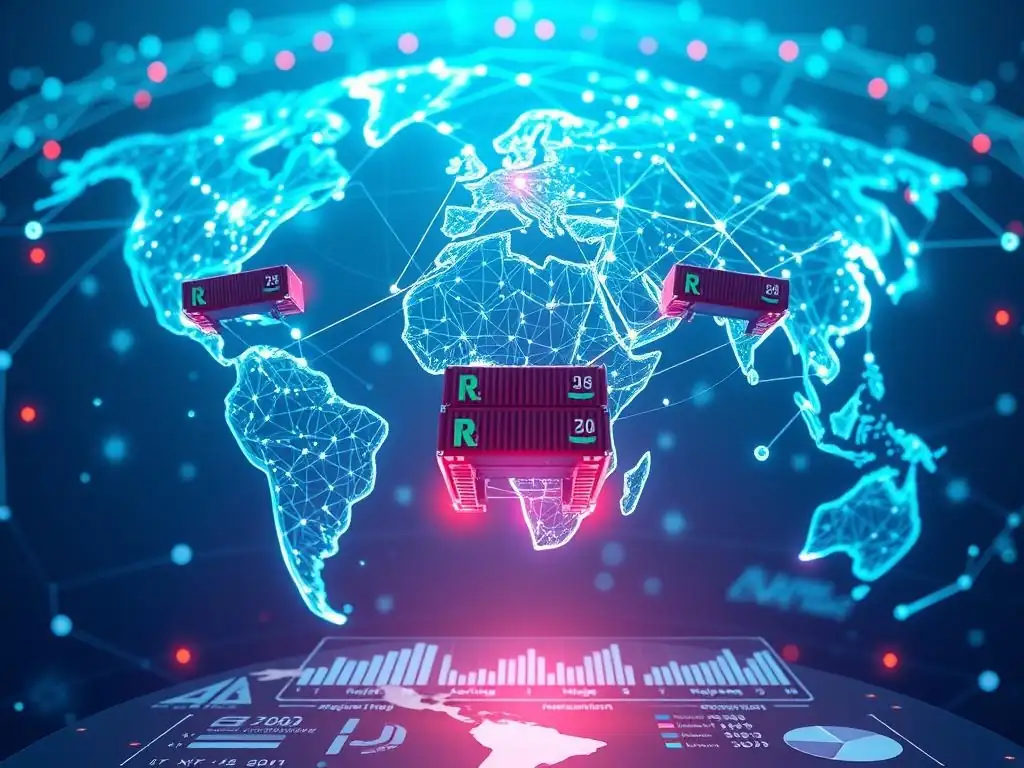
Welcome to Blockchain Trends, your gateway to understanding the revolution beyond cryptocurrency!
Dive into the transformative power of blockchain as we explore its applications in DeFi, enterprise solutions, and the future of decentralized systems. Are you ready to uncover the profound impact of combining blockchain with AI?
This article delves into the groundbreaking blockchain supply chain transparency benefits achievable through this powerful synergy. Discover how AI-powered blockchain solutions are reshaping industries and creating unprecedented levels of efficiency and trust. What secrets will you uncover? Let's explore!
Blockchain & AI: Transforming Supply Chain Management
- Introduction: The Synergy of Blockchain and AI in Modern Supply Chains
- Blockchain Technology in Supply Chain Context
- Artificial Intelligence for Supply Chain Optimization
- Blockchain-Enabled Supply Chain Transparency: Achieving Full Visibility
- AI-Enhanced Blockchain Solutions for Supply Chain Efficiency
- Use Cases: Blockchain and AI Applications in Diverse Supply Chains
- Challenges and Considerations for Blockchain and AI Integration
- The Future of Blockchain and AI in Supply Chain: Emerging Trends
- Conclusion: Leveraging Blockchain and AI for Future-Proof Supply Chains
-
Frequently Asked Questions
- How does blockchain enhance supply chain transparency?
- What are the key benefits of using blockchain for supply chain management?
- How does the combination of blockchain and AI further improve supply chain transparency?
- What role does regulation play in the adoption of blockchain for supply chain transparency?
- What is the future outlook for blockchain in supply chain management?
- Final Reflection: Embracing the Transparent Future
- Revolutionize Your Supply Chain Strategy!
Introduction: The Synergy of Blockchain and AI in Modern Supply Chains
The Imperative for Enhanced Supply Chain Visibility and Accountability
In today's interconnected global marketplace, supply chains are becoming increasingly complex, spanning multiple continents, involving numerous intermediaries, and handling vast quantities of goods. This intricate web of operations demands unprecedented levels of visibility and accountability. Consumers and businesses alike are no longer satisfied with simply knowing a product is available; they want to understand its journey from origin to destination.
They demand verifiable information about sourcing, manufacturing processes, ethical labor practices, and environmental impact. This demand is fueled by rising consumer awareness, regulatory pressures, and the increasing need for businesses to mitigate risks related to disruptions, fraud, and reputational damage. For example, the 2021 Suez Canal blockage highlighted the fragility of global supply chains, causing delays and losses estimated in billions of dollars, underscoring the critical need for real-time visibility to anticipate and respond to such events effectively.
Furthermore, the push for sustainability and ethical sourcing has amplified the importance of supply chain accountability. Consumers are actively choosing brands that demonstrate a commitment to fair labor practices and environmentally responsible production. A 2023 study by Nielsen found that 73% of global consumers say they would definitely or probably change their consumption habits to reduce their impact on the environment.
This shift in consumer behavior necessitates transparent supply chains where businesses can confidently verify and communicate the ethical and sustainable aspects of their products. Without robust visibility and accountability, companies risk losing consumer trust, facing regulatory scrutiny, and ultimately, damaging their brand reputation in a market that increasingly values transparency.
Blockchain and AI as Solutions to Persistent Supply Chain Issues
Traditional supply chain management systems often rely on fragmented data, manual processes, and centralized databases, leading to inefficiencies, errors, and a lack of trust among stakeholders. Issues like counterfeiting, product recalls, and delays are exacerbated by this lack of transparency and coordination. For instance, the World Health Organization estimates that approximately 10% of medical products in low- and middle-income countries are substandard or falsified, often due to opaque supply chains.
Blockchain technology, with its inherent characteristics of immutability and decentralization, offers a robust foundation for creating transparent and secure supply chain networks. By recording every transaction and movement of goods on a distributed ledger, blockchain provides an auditable and tamper-proof record, significantly enhancing traceability and accountability.
Complementing blockchain, Artificial Intelligence (AI) brings powerful analytical and predictive capabilities to supply chain management. AI algorithms can process vast datasets generated within blockchain networks and from external sources to optimize processes, predict demand fluctuations, and proactively manage risks. AI-powered systems can analyze historical data to forecast demand with greater accuracy than traditional methods, reducing inventory holding costs and minimizing waste.
Furthermore, AI can automate repetitive tasks, improve logistics planning, and enhance real-time monitoring of supply chain operations. The synergy of blockchain and AI creates a powerful combination, addressing the core challenges of supply chain management by fostering transparency, efficiency, and resilience, unlocking significant blockchain supply chain transparency benefits and operational improvements.
Blockchain Technology in Supply Chain Context
Core Blockchain Principles: Immutability, Decentralization, and Security
Blockchain technology operates on three fundamental principles: immutability, decentralization, and security, each playing a crucial role in transforming supply chain operations. Immutability ensures that once data is recorded on the blockchain, it cannot be altered or deleted. This characteristic is achieved through cryptographic hashing and the distributed nature of the ledger.
Each block of data is linked to the previous block, creating a chronological and tamper-proof record of transactions. In the supply chain context, this means that every step in a product's journey, from raw material sourcing to final delivery, can be permanently and verifiably recorded, fostering trust and eliminating disputes arising from data manipulation.
Decentralization, another cornerstone of blockchain, distributes the ledger across a network of participants, rather than relying on a central authority. This eliminates single points of failure and enhances security. In supply chains, decentralization means that no single entity controls the data, making the system more resilient to cyberattacks and manipulation. This distributed consensus mechanism requires multiple participants to validate transactions, further strengthening the integrity of the data.
Security in blockchain is achieved through advanced cryptography, including hashing and digital signatures. These cryptographic techniques ensure that transactions are authenticated and that the data remains confidential and protected from unauthorized access. The combination of these three principles creates a robust and trustworthy platform for managing complex supply chain data and processes.
Blockchain's Contribution to Supply Chain Transparency
Blockchain technology is revolutionizing supply chain transparency by providing an unprecedented level of visibility into product origins, movements, and transformations. Traditional supply chains often suffer from information silos, where data is fragmented across different systems and stakeholders, making it difficult to track products comprehensively. Blockchain addresses this issue by creating a shared, immutable ledger that all authorized participants can access. This shared ledger provides a single source of truth, eliminating discrepancies and fostering trust among stakeholders. By recording every transaction, from raw material sourcing to manufacturing, distribution, and delivery, blockchain creates a detailed and auditable history of each product.
The blockchain supply chain transparency benefits are manifold. For consumers, it provides assurance about product authenticity, ethical sourcing, and sustainability claims. For businesses, it enhances operational efficiency, reduces fraud, and strengthens brand reputation.
For example, in the food industry, blockchain can track food products from farm to table, providing consumers with information about origin, processing methods, and certifications. This level of transparency is particularly crucial for sensitive products like pharmaceuticals and luxury goods, where counterfeiting is a significant concern. By enabling real-time tracking and verification, blockchain empowers stakeholders to make informed decisions and build more resilient and trustworthy supply chains.
Blockchain Deployment Models in Supply Chain Management
The deployment of blockchain technology in supply chain management can take various forms, each tailored to specific needs and organizational structures. The primary models are public, private, and consortium blockchains. Public blockchains, like Bitcoin and Ethereum, are permissionless and open to anyone to participate. While offering maximum transparency and decentralization, they may not be ideal for all supply chain applications due to scalability limitations and the public nature of the data.
Private blockchains, on the other hand, are permissioned networks controlled by a single organization. These offer greater control over data access and privacy but may sacrifice some of the decentralization benefits. They are suitable for internal supply chain improvements within a company.
Consortium blockchains represent a hybrid approach, where a group of organizations jointly governs the network. This model is often favored for supply chain applications as it allows multiple stakeholders, such as suppliers, manufacturers, distributors, and retailers, to participate and share data in a controlled and collaborative environment. Examples include supply chain consortia focused on specific industries, such as the food or pharmaceutical sectors.
Each deployment model offers different trade-offs in terms of transparency, control, and scalability. The choice of blockchain model depends on the specific requirements of the supply chain, the level of trust among participants, and the desired balance between transparency and data privacy. Regardless of the model, the underlying principles of blockchain remain consistent, offering enhanced security, traceability, and efficiency to supply chain operations.
Artificial Intelligence for Supply Chain Optimization
AI-Driven Predictive Analytics for Accurate Demand Planning
Artificial Intelligence (AI) is transforming supply chain management by providing powerful predictive analytics capabilities, particularly in demand planning. Traditional demand forecasting methods often rely on historical sales data and manual adjustments, leading to inaccuracies and inefficiencies. AI algorithms, leveraging machine learning and statistical modeling, can analyze vast datasets from diverse sources, including historical sales, market trends, seasonal variations, economic indicators, social media sentiment, and even weather patterns, to predict future demand with greater accuracy. This enhanced forecasting accuracy enables businesses to optimize inventory levels, reduce stockouts and overstocking, and improve production planning.
For example, retailers using AI-driven demand forecasting have seen reductions in inventory holding costs by up to 20% and improvements in forecast accuracy by 50% or more. AI algorithms can identify subtle patterns and correlations in data that humans might miss, leading to more precise predictions. Furthermore, AI can adapt to changing market conditions and learn from new data in real-time, continuously improving forecast accuracy. By integrating AI-driven predictive analytics into supply chain management, businesses can move from reactive to proactive planning, optimizing resource allocation, improving customer satisfaction, and enhancing overall operational efficiency.
AI-Enabled Automation for Improved Operational Efficiency
AI is playing a pivotal role in automating various processes within supply chain operations, leading to significant improvements in efficiency and cost reduction. From warehouse management and logistics to customer service and quality control, AI-powered automation is streamlining workflows and reducing manual tasks. In warehousing, AI-driven robots and automated guided vehicles (AGVs) are optimizing storage, picking, and packing processes, increasing throughput and reducing labor costs.
For instance, Amazon uses thousands of robots in its warehouses, significantly speeding up order fulfillment. In logistics, AI algorithms are optimizing route planning, delivery schedules, and fleet management, reducing transportation costs and improving delivery times.
AI-powered chatbots and virtual assistants are automating customer service interactions, handling inquiries, tracking orders, and resolving issues efficiently. Moreover, AI is being used in quality control to automate inspection processes, identifying defects and anomalies in products with greater speed and accuracy than manual inspection. For example, AI-powered vision systems can analyze images of products on assembly lines to detect even minor defects, improving product quality and reducing waste. By automating repetitive and time-consuming tasks, AI frees up human employees to focus on more strategic and value-added activities, while simultaneously enhancing operational efficiency and reducing errors throughout the supply chain.
AI's Role in Proactive Supply Chain Monitoring and Risk Management
AI enhances supply chain resilience by enabling proactive monitoring and risk management. Traditional supply chain risk management often relies on reactive measures, addressing disruptions after they occur. AI, with its ability to analyze vast amounts of real-time data from diverse sources, can identify potential risks and disruptions before they impact operations. AI algorithms can monitor global events, weather patterns, geopolitical risks, supplier performance, and social media sentiment to detect early warning signs of potential disruptions. For example, AI can analyze news feeds and social media to identify emerging risks like political instability in sourcing regions or potential supplier bankruptcies.
Furthermore, AI can assess the impact of potential disruptions on the supply chain and recommend mitigation strategies. By analyzing network dependencies and vulnerabilities, AI can identify critical points in the supply chain and suggest alternative sourcing options or rerouting strategies to minimize disruptions. AI-powered risk management systems can also continuously monitor supplier performance, identifying potential delays or quality issues before they escalate.
By enabling proactive risk identification and mitigation, AI helps businesses build more resilient and agile supply chains, minimizing the impact of disruptions and ensuring business continuity. This proactive approach is crucial in today's volatile global environment, where supply chains are increasingly susceptible to disruptions from various sources.
Blockchain-Enabled Supply Chain Transparency: Achieving Full Visibility
Enhanced Traceability: From Source to End-User
Blockchain technology significantly enhances traceability throughout the supply chain, providing a complete and verifiable record of a product's journey from its origin to the end-user. Traditional traceability systems often rely on fragmented data and manual tracking, making it difficult to verify product origins and track movements accurately. Blockchain, with its immutable and shared ledger, creates a transparent and auditable trail of every transaction and event in the supply chain. Each step, from raw material sourcing, manufacturing, processing, packaging, and transportation, can be recorded on the blockchain, creating a comprehensive history of the product.
This enhanced traceability is particularly valuable for industries where product origin and authenticity are critical, such as food, pharmaceuticals, and luxury goods. For example, in the coffee industry, blockchain can track coffee beans from the farm to the consumer, providing information about the origin, processing methods, and certifications. Consumers can scan a QR code on the product packaging to access this information, verifying the authenticity and ethical sourcing of the coffee.
Similarly, in the pharmaceutical industry, blockchain can track drugs from manufacturing to dispensing, combating counterfeit medications and ensuring patient safety. By providing end-to-end traceability, blockchain empowers consumers, businesses, and regulators with verifiable information, building trust and accountability across the supply chain.
Data Accuracy and Integrity in Supply Chain Operations
Data accuracy and integrity are paramount in supply chain operations, as inaccurate or corrupted data can lead to errors, inefficiencies, and costly disruptions. Traditional supply chain systems often rely on manual data entry and centralized databases, which are prone to errors and manipulation. Blockchain technology addresses these issues by ensuring data accuracy and integrity through its inherent characteristics of immutability and distributed consensus.
Once data is recorded on the blockchain, it cannot be altered or deleted, guaranteeing the integrity of the information. The distributed nature of the ledger, with multiple participants validating transactions, further enhances data accuracy by reducing the risk of errors and fraud.
In supply chain applications, blockchain can be used to record critical data points such as product specifications, batch numbers, temperature logs, and certifications. This data is securely stored and readily accessible to authorized participants, providing a single source of truth for all stakeholders. By eliminating data discrepancies and ensuring data integrity, blockchain reduces disputes, streamlines processes, and improves decision-making throughout the supply chain.
For instance, in the perishable goods industry, temperature sensors integrated with blockchain can continuously monitor and record temperature data during transportation, ensuring product quality and preventing spoilage. This real-time, tamper-proof data provides verifiable evidence of compliance with quality standards and regulations.
Combating Counterfeiting and Verifying Product Authenticity via Blockchain
Counterfeiting is a major challenge in global supply chains, costing businesses billions of dollars annually and posing significant risks to consumers, particularly in industries like pharmaceuticals, luxury goods, and electronics. Blockchain technology offers a powerful solution to combat counterfeiting and verify product authenticity by providing a secure and transparent platform for tracking and verifying products.
By recording unique identifiers, such as serial numbers or RFID tags, on the blockchain, each product can be uniquely identified and tracked throughout its supply chain journey. This allows stakeholders to verify the authenticity of a product at any point in the supply chain, from manufacturing to point of sale.
Consumers can use mobile apps to scan product codes and access blockchain-verified information about the product's origin, manufacturing history, and authenticity. This empowers consumers to make informed purchasing decisions and avoid counterfeit products. For businesses, blockchain-based anti-counterfeiting solutions protect their brand reputation, reduce losses from counterfeiting, and enhance customer trust.
Several luxury brands are already using blockchain to authenticate their products and combat counterfeiting. For example, some luxury watch manufacturers are issuing digital certificates of authenticity on the blockchain, allowing buyers to verify the provenance and authenticity of their watches. By providing a secure and verifiable record of product authenticity, blockchain significantly reduces the risk of counterfeiting and protects both businesses and consumers.
AI-Enhanced Blockchain Solutions for Supply Chain Efficiency
Smart Contracts: Automating Agreements and Processes
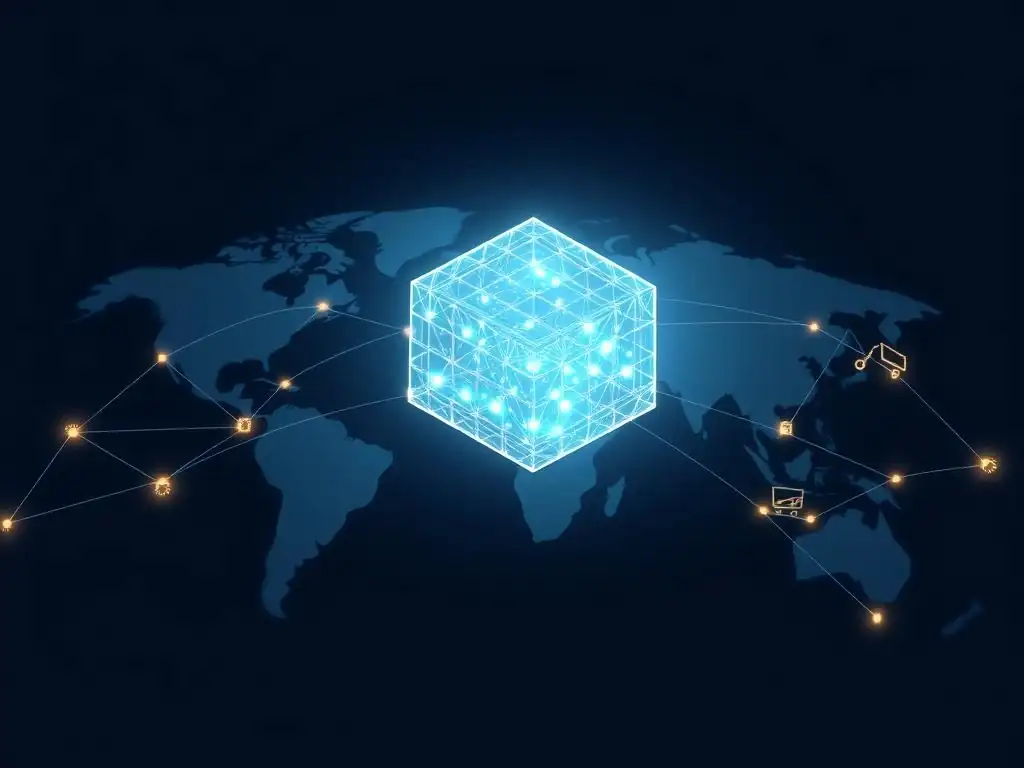
Smart contracts, self-executing agreements written in code and stored on the blockchain, are revolutionizing supply chain efficiency by automating various contractual processes and agreements. Traditional supply chain contracts often involve manual negotiation, paperwork, and intermediaries, leading to delays, errors, and disputes. Smart contracts eliminate these inefficiencies by automatically executing contract terms when predefined conditions are met. These conditions are typically based on real-time data from the supply chain, such as shipment arrival, temperature readings, or quality inspections. Once the conditions are verified, the smart contract automatically triggers actions, such as payment release, inventory updates, or shipment notifications.
For example, in international trade, smart contracts can automate letters of credit, streamlining the complex and time-consuming process of cross-border payments. When a shipment arrives at its destination and is verified by sensors or IoT devices, the smart contract automatically releases payment to the supplier, eliminating delays and reducing paperwork. Smart contracts can also automate inventory replenishment, triggering orders when inventory levels fall below a certain threshold.
By automating contractual processes, smart contracts reduce manual intervention, minimize errors, speed up transactions, and enhance trust and transparency among supply chain partners. This automation significantly improves operational efficiency and reduces administrative costs.
Optimizing Logistics and Inventory Control with AI and Blockchain
The combination of AI and blockchain provides powerful tools for optimizing logistics and inventory control in supply chains. AI algorithms can analyze vast datasets from blockchain and other sources to forecast demand, optimize routes, and manage inventory levels efficiently. Blockchain provides the secure and transparent data infrastructure needed for AI to operate effectively in supply chain contexts. AI-powered logistics optimization systems can analyze real-time traffic data, weather conditions, and delivery schedules to optimize routes and reduce transportation costs. For example, AI can dynamically reroute delivery trucks to avoid traffic congestion or optimize delivery sequences to minimize travel time.
In inventory management, AI can analyze historical sales data, demand forecasts, and lead times to optimize inventory levels and reduce holding costs. By integrating AI with blockchain, inventory data becomes more accurate and transparent, enabling better decision-making and reducing stockouts and overstocking. For instance, blockchain can track inventory movements in real-time, providing AI systems with accurate and up-to-date inventory data for optimization.
This synergy of AI and blockchain enables businesses to achieve greater efficiency, reduce costs, and improve responsiveness in their logistics and inventory operations. The blockchain supply chain transparency benefits are amplified by AI's analytical capabilities, leading to more intelligent and efficient supply chain management.
Simplifying Customs and Regulatory Adherence Using Blockchain and AI
Navigating customs regulations and ensuring regulatory compliance are complex and often time-consuming aspects of international supply chains. Blockchain and AI can significantly simplify these processes, reducing delays, costs, and errors. Blockchain provides a secure and transparent platform for sharing trade documents and regulatory information among stakeholders, including customs authorities, shippers, and importers.
By digitizing and storing trade documents on the blockchain, such as bills of lading, certificates of origin, and customs declarations, the process becomes more efficient and less prone to fraud. Customs authorities can access and verify these documents directly on the blockchain, reducing paperwork and speeding up customs clearance.
AI can further enhance regulatory adherence by automating compliance checks and identifying potential risks. AI algorithms can analyze trade data and regulatory requirements to ensure compliance with import/export regulations, tariff classifications, and sanctions lists. For example, AI can automatically verify that a shipment complies with all relevant regulations before it reaches customs, reducing the risk of delays and penalties.
The combination of blockchain and AI creates a streamlined and transparent system for customs and regulatory adherence, reducing administrative burdens, minimizing errors, and accelerating the flow of goods across borders. This improved efficiency and reduced risk contribute significantly to the overall optimization of global supply chains.
Use Cases: Blockchain and AI Applications in Diverse Supply Chains
Case Study 1: Seafood Traceability for Sustainability and Consumer Trust
The seafood industry faces significant challenges related to illegal, unreported, and unregulated (IUU) fishing, seafood fraud, and sustainability concerns. Blockchain and AI are being deployed to enhance seafood traceability and promote sustainable practices. Companies like Fishcoin are using blockchain to create a transparent and traceable seafood supply chain, from catch to consumer. Fishcoin incentivizes fishermen to record their catch data directly onto the blockchain, creating a verifiable record of the fish's origin, species, and fishing methods. Consumers can scan QR codes on seafood products to access this blockchain-verified information, ensuring they are purchasing sustainably sourced and legally caught seafood.
AI is used in conjunction with blockchain to analyze catch data, monitor fishing activity, and predict fish stock levels, supporting sustainable fisheries management. For instance, AI-powered image recognition can be used to identify fish species and verify catch data, improving the accuracy and reliability of traceability systems. This combination of blockchain and AI enhances transparency, combats seafood fraud, and promotes sustainable fishing practices, building consumer trust and supporting the long-term health of ocean ecosystems. The blockchain supply chain transparency benefits in this case are directly linked to environmental sustainability and ethical sourcing.
Case Study 2: Pharmaceutical Supply Chain Security Against Counterfeit Medications
The pharmaceutical industry is heavily impacted by counterfeit medications, posing serious risks to patient safety and undermining trust in healthcare systems. Blockchain and AI are being implemented to strengthen pharmaceutical supply chain security and combat counterfeit drugs. Companies like MediLedger are using blockchain to create a secure and interoperable network for tracking pharmaceuticals throughout the supply chain. Each drug product is assigned a unique identifier and tracked on the blockchain from manufacturing to dispensing, creating a verifiable audit trail. This allows stakeholders, including manufacturers, distributors, and pharmacies, to verify the authenticity and provenance of medications.
AI is being used to analyze blockchain data and identify anomalies or suspicious patterns that may indicate counterfeit drugs. For example, AI algorithms can detect unusual transaction patterns, such as rapid changes in ownership or discrepancies in product information, flagging potentially counterfeit products for further investigation. The synergy of blockchain and AI provides a robust defense against counterfeit pharmaceuticals, protecting patient safety and ensuring the integrity of the drug supply chain. The pharmaceutical industry exemplifies the critical need for blockchain supply chain transparency benefits to safeguard public health.
Case Study 3: Ethical Sourcing and Transparency in the Diamond Industry
The diamond industry has faced scrutiny regarding ethical sourcing and conflict diamonds. Blockchain technology is being used to enhance transparency and ensure ethical sourcing in the diamond supply chain. Initiatives like De Beers' Tracr platform utilize blockchain to track diamonds from mine to retail, creating a digital certificate of origin for each diamond. This certificate records the diamond's provenance, characteristics, and ownership history on the blockchain, providing consumers with verifiable assurance that their diamonds are ethically sourced and conflict-free.
AI can be used to enhance the efficiency and scalability of diamond traceability systems. AI-powered image recognition and machine learning algorithms can automate the process of diamond identification and grading, linking physical diamonds to their digital records on the blockchain. AI can also analyze supply chain data to identify potential risks of unethical sourcing or illicit activities, enabling proactive risk management and ensuring the integrity of the diamond supply chain.
By leveraging blockchain and AI, the diamond industry is striving to enhance transparency, promote ethical sourcing, and build consumer confidence in the origin and integrity of diamonds. This case demonstrates how blockchain supply chain transparency benefits extend to ethical considerations and responsible sourcing practices.
Challenges and Considerations for Blockchain and AI Integration
Data Privacy and Security Protocols
Integrating blockchain and AI in supply chains presents challenges related to data privacy and security. While blockchain enhances data security through encryption and decentralization, and AI requires access to large datasets for effective analysis, balancing data accessibility with privacy concerns is crucial. Supply chains often involve sensitive data, including supplier information, pricing data, and customer details, requiring robust privacy protocols.
Solutions like zero-knowledge proofs and homomorphic encryption can enable AI to analyze data without revealing the underlying sensitive information. Furthermore, implementing robust access control mechanisms and data governance policies is essential to ensure that only authorized parties can access and utilize supply chain data on the blockchain.
Compliance with data privacy regulations, such as GDPR and CCPA, is paramount when deploying blockchain and AI solutions. Businesses must carefully consider data residency, data minimization, and data subject rights when designing and implementing these systems. Ensuring end-to-end security, from data collection to data processing and storage, is critical to mitigate the risks of data breaches and cyberattacks. Addressing data privacy and security concerns proactively is essential for building trust and ensuring the sustainable adoption of blockchain and AI in supply chain management.
Interoperability Standards for Blockchain Networks
The lack of interoperability standards among different blockchain networks poses a significant challenge for widespread adoption in supply chains. Many blockchain platforms exist, each with its own protocols and data formats, creating silos and hindering seamless data exchange across different supply chain participants. For blockchain to realize its full potential in supply chain transparency and efficiency, interoperability standards are crucial to enable different blockchain networks to communicate and share data seamlessly. Initiatives like the InterWork Alliance and Hyperledger are working to develop interoperability standards for blockchain, but widespread adoption and implementation are still needed.
Without interoperability, businesses may be locked into specific blockchain platforms, limiting their ability to collaborate with partners using different systems. Developing and adopting open standards will facilitate the creation of interconnected and collaborative supply chain networks, enabling seamless data flow and maximizing the blockchain supply chain transparency benefits across the entire ecosystem. Addressing the interoperability challenge is critical for unlocking the full potential of blockchain in transforming global supply chains.
Scalability Solutions for Extensive Supply Chains
Scalability is a key consideration for deploying blockchain in extensive supply chains involving a large number of transactions and participants. Traditional blockchain networks, particularly public blockchains, can face scalability limitations in terms of transaction throughput and processing speed. For supply chains that generate millions of transactions daily, scalability solutions are necessary to ensure that blockchain networks can handle the volume without performance bottlenecks.
Layer-2 scaling solutions, such as state channels and sidechains, are being developed to improve the scalability of blockchain networks. Consortium and private blockchains, with their permissioned nature and controlled environments, can also offer better scalability compared to public blockchains for specific supply chain applications.
Furthermore, optimizing blockchain architecture and consensus mechanisms can improve scalability. Exploring hybrid approaches that combine blockchain with other technologies, such as cloud computing and edge computing, can also enhance scalability and performance. Addressing the scalability challenge is crucial for enabling blockchain to handle the demands of large and complex global supply chains and realize its full potential for transforming supply chain management.
Cost-Benefit Analysis of Blockchain and AI Implementation
Implementing blockchain and AI solutions in supply chains requires careful cost-benefit analysis. While these technologies offer significant potential benefits in terms of transparency, efficiency, and security, they also involve upfront investment costs, ongoing operational expenses, and potential integration challenges. Businesses need to carefully evaluate the costs and benefits of blockchain and AI implementation to determine the return on investment and justify the adoption. Costs can include technology infrastructure, software development, integration with existing systems, training, and ongoing maintenance.
Benefits can include reduced operational costs, improved efficiency, enhanced transparency, reduced fraud, improved risk management, and enhanced brand reputation. A thorough cost-benefit analysis should consider both quantifiable and qualitative benefits, as well as potential risks and challenges. Pilot projects and phased implementations can help businesses assess the feasibility and ROI of blockchain and AI solutions before full-scale deployment. A well-defined implementation strategy and a clear understanding of the cost-benefit trade-offs are essential for successful adoption of these technologies in supply chain management.
The Future of Blockchain and AI in Supply Chain: Emerging Trends
Expanding Role in Sustainable and Ethical Supply Chains
The future of blockchain and AI in supply chains will see an expanding role in promoting sustainability and ethical practices. Consumers and businesses are increasingly demanding transparency and accountability regarding the environmental and social impact of products. Blockchain and AI can provide the tools to verify and communicate sustainability and ethical sourcing claims effectively.
Blockchain's traceability and immutability can be used to track the environmental footprint of products, verify fair labor practices, and ensure compliance with sustainability standards. AI can analyze supply chain data to identify areas for improvement in sustainability and ethical sourcing, optimize resource utilization, and reduce waste.
For example, blockchain can track carbon emissions throughout the supply chain, enabling businesses to measure and reduce their environmental impact. AI can analyze supply chain data to identify opportunities for optimizing logistics and transportation to reduce carbon emissions. The convergence of blockchain and AI will empower businesses to build more sustainable and ethical supply chains, meet growing consumer demand for responsible products, and contribute to a more sustainable future. The future of blockchain supply chain transparency benefits will be intrinsically linked to sustainability and ethical considerations.
Decentralized Finance (DeFi) Integration for Supply Chain Funding
Decentralized Finance (DeFi) is emerging as a potentially transformative force in supply chain funding. Traditional supply chain finance often involves complex processes, intermediaries, and limited access for smaller suppliers. DeFi platforms, leveraging blockchain technology, can provide more efficient, transparent, and accessible funding solutions for supply chains. DeFi can automate invoice financing, trade finance, and other funding mechanisms through smart contracts, reducing paperwork, speeding up transactions, and lowering costs. Blockchain's transparency and immutability enhance trust and reduce risks in supply chain financing.
AI can be integrated with DeFi platforms to assess credit risk, optimize lending terms, and automate funding decisions. For example, AI can analyze supply chain data and supplier performance to assess creditworthiness and determine appropriate financing terms. DeFi and AI together can democratize access to supply chain finance, particularly for small and medium-sized enterprises (SMEs) in developing countries, enabling them to participate more effectively in global supply chains. The integration of DeFi into supply chain funding has the potential to revolutionize how businesses finance their operations and manage their working capital.
Synergies with IoT for Real-Time Data Acquisition and Analysis
The synergy of blockchain and AI with the Internet of Things (IoT) will unlock new possibilities for real-time data acquisition and analysis in supply chains. IoT devices, such as sensors and RFID tags, can collect real-time data on product location, condition, temperature, and other parameters throughout the supply chain. Blockchain can provide a secure and immutable platform for storing and sharing IoT data, ensuring data integrity and traceability. AI can analyze vast amounts of IoT data in real-time to optimize supply chain operations, predict disruptions, and improve decision-making.
For example, IoT sensors can monitor the temperature of perishable goods during transportation, and blockchain can record this data securely. AI can analyze this temperature data to predict potential spoilage and trigger alerts or corrective actions. The combination of IoT, blockchain, and AI creates a closed-loop system for real-time supply chain visibility, enabling proactive monitoring, automated responses, and continuous optimization. This real-time data acquisition and analysis will further enhance the blockchain supply chain transparency benefits and drive unprecedented levels of efficiency and resilience in future supply chains.
Conclusion: Leveraging Blockchain and AI for Future-Proof Supply Chains
The convergence of blockchain and Artificial Intelligence is poised to revolutionize supply chain management, unlocking unprecedented levels of transparency and efficiency. Blockchain's inherent security, immutability, and decentralization provide a robust foundation for building trustworthy and transparent supply chain networks. AI's powerful analytical and predictive capabilities complement blockchain by optimizing processes, enhancing decision-making, and enabling proactive risk management. The combined power of these technologies addresses long-standing challenges in supply chains, from lack of visibility and data integrity to inefficiencies and counterfeiting.
By embracing blockchain and AI, businesses can achieve enhanced traceability, improved data accuracy, streamlined operations, and proactive risk mitigation, ultimately building more resilient and future-proof supply chains. The blockchain supply chain transparency benefits are not just theoretical advantages; they translate into tangible improvements in operational efficiency, reduced costs, enhanced customer trust, and a stronger competitive edge in an increasingly complex and interconnected global marketplace. As these technologies continue to mature and integrate further, their transformative impact on supply chain management will only intensify, shaping the future of global trade and commerce.
Frequently Asked Questions
How does blockchain enhance supply chain transparency?
Blockchain creates a shared, immutable ledger, making it difficult to tamper with data. This provides end-to-end visibility of products and their journey, offering increased trust and accountability.
What are the key benefits of using blockchain for supply chain management?
Benefits include improved traceability, reduced fraud, and enhanced efficiency through automation. This leads to greater consumer confidence and streamlined operations.
How does the combination of blockchain and AI further improve supply chain transparency?
AI can analyze blockchain data to identify anomalies and predict potential disruptions. This combination provides real-time insights and allows for proactive decision-making in the supply chain.
What role does regulation play in the adoption of blockchain for supply chain transparency?
Clear and consistent regulations can foster trust and adoption of blockchain technology. Standardized frameworks help ensure interoperability and compliance, encouraging businesses to invest in blockchain solutions.
What is the future outlook for blockchain in supply chain management?
The future looks promising, with blockchain becoming increasingly integrated into global supply chains. Expect to see greater automation, improved sustainability tracking, and enhanced collaboration among stakeholders.
Final Reflection: Embracing the Transparent Future
The convergence of blockchain and AI, as explored throughout this article, isn't just a technological advancement; it's a paradigm shift in how we understand and manage supply chains. The promise of enhanced blockchain supply chain transparency benefits is no longer a distant aspiration, but a tangible reality shaping the future of global commerce. From increased efficiency to heightened security and improved consumer trust, the potential impact is profound and far-reaching, demanding our immediate attention and proactive engagement.
The journey towards truly transparent and efficient supply chains is ongoing, and its influence on the cultural and social landscape is undeniable. Witnessing the evolution of these technologies, and their potential to foster ethical sourcing and reduce waste, fills me with a sense of hope and responsibility. The best way to predict the future is to create it.
- Peter Drucker. This quote resonates deeply as we stand at the cusp of a new era, empowered to design supply chains that are not only profitable but also sustainable and equitable.
Now, I invite you to consider your own role in this transformation. How can you, as a consumer, a business leader, or a technology enthusiast, contribute to the adoption and refinement of blockchain and AI solutions in supply chains? Let us all strive to champion transparency, demand accountability, and embrace the innovative power of these technologies to build a more trustworthy and efficient world for generations to come.
Revolutionize Your Supply Chain Strategy!
Thank you for exploring how blockchain and AI can transform supply chain management, offering unprecedented transparency and efficiency. Are you ready to apply these insights?
Take the next step today:
- Explore specific opportunities: Identify areas within your supply chain that could benefit from blockchain and AI integration, such as processes with bottlenecks, limited visibility, or quality control challenges.
- Share the knowledge: Post this article on LinkedIn or Twitter to inspire others to leverage these powerful tools.
- Join the discussion: Visit our forum to see how other companies are utilizing blockchain and AI to enhance their operations.
What is the one area in your supply chain where you believe blockchain and AI could make the biggest difference? Share your thoughts in the comments below!
Leave a Reply