
Challenges and Opportunities: Navigating the Landscape of AIPowered Smart Contracts

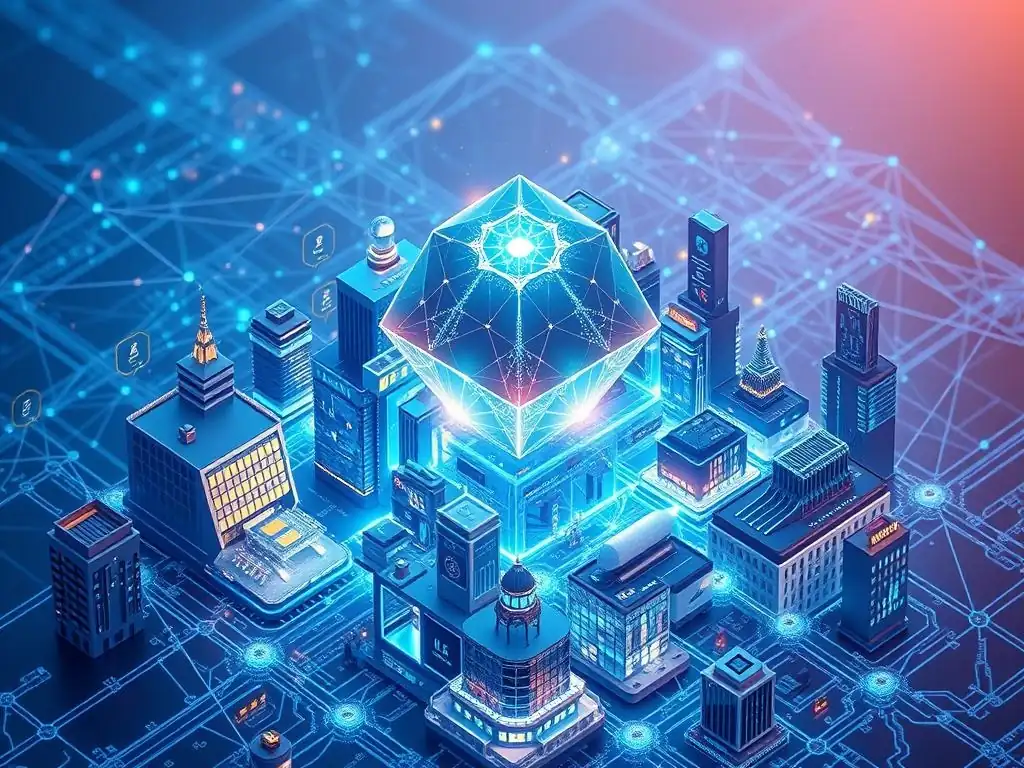
Welcome to Blockchain Trends, your guide to understanding the revolutionary potential of blockchain technology.
Dive into the fascinating intersection of AI and blockchain as we explore the burgeoning field of AIPowered smart contracts. Discover the innovative opportunities and significant challenges that lie ahead in harnessing this powerful synergy. Are we on the cusp of a new era of decentralized automation, or are there unforeseen hurdles to overcome? Read on to uncover the answers and navigate the evolving landscape of AIPowered smart contracts.
Challenges and Opportunities: Navigating the Landscape of AI-Powered Smart Contracts
- Introduction: The Convergence of AI and Smart Contracts
- Understanding AI-Powered Smart Contracts: A Primer
- Challenges in Developing and Deploying AI-Powered Smart Contracts
- Opportunities and Use Cases for AI-Enhanced Smart Contracts
- Overcoming the Challenges: Strategies for Success
- The Future of AI-Powered Smart Contracts
- Conclusion: Embracing the Potential of AI and Smart Contracts
-
Frequently Asked Questions
- What are the main challenges in developing AI-powered smart contracts?
- How does AI enhance the functionality of smart contracts?
- What are the potential benefits of using AI-powered smart contracts in the DeFi space?
- What regulatory considerations are crucial for the adoption of AI-powered smart contracts?
- What are the future trends in the development of AI-powered smart contracts?
- Final Reflection: Embracing the AI-Powered Smart Contract Revolution
- Ignite Your Smart Contract Revolution!
Introduction: The Convergence of AI and Smart Contracts
Exploring the Potential of AI-Enhanced Smart Contracts
The intersection of Artificial Intelligence (AI) and smart contracts represents a paradigm shift in how decentralized agreements can be conceived and executed. Traditional smart contracts, while revolutionary in their ability to automate and enforce agreements, are inherently limited by their deterministic nature. They operate based on pre-defined rules and conditions, lacking the adaptability and learning capabilities that AI can provide.
AI-enhanced smart contracts, on the other hand, promise to infuse these agreements with intelligence, enabling them to react to complex, real-world scenarios, learn from data, and make autonomous decisions within the boundaries of the contract. This opens up a vast landscape of possibilities, moving beyond simple conditional logic to create dynamic and adaptive decentralized applications.
Imagine a supply chain smart contract that not only tracks shipments but also uses AI to predict potential delays due to weather patterns or geopolitical events. Or consider a decentralized finance (DeFi) protocol where smart contracts leverage AI to dynamically adjust interest rates based on real-time market volatility and user risk profiles. These are just glimpses of the transformative potential.
By embedding AI algorithms into the fabric of smart contracts, we can create systems that are more efficient, resilient, and capable of handling intricate situations that were previously beyond the scope of purely code-based agreements. The evolution towards AI-powered smart contracts is not just about automation; it's about creating truly intelligent and autonomous decentralized systems.
The Growing Interest in AI-Driven Decentralized Agreements
The industry is witnessing a significant surge in interest surrounding AI-driven decentralized agreements, fueled by the increasing maturity of both AI and blockchain technologies. Early explorations of smart contracts demonstrated their power in automating simple transactions, but their limitations in handling complex, data-rich scenarios quickly became apparent. Concurrently, advancements in machine learning, natural language processing, and predictive analytics have positioned AI as a powerful tool for enhancing decision-making and automation across various sectors. This natural synergy between the need for more sophisticated smart contracts and the capabilities of AI is driving the current wave of innovation.
Furthermore, the growing adoption of blockchain technology in enterprise applications is creating a fertile ground for AI-powered smart contracts. Businesses are increasingly recognizing the benefits of decentralization, transparency, and security offered by blockchain, but they also require solutions that can address the complexities of real-world business processes.
AI integration offers a pathway to bridge this gap, enabling smart contracts to manage intricate supply chains, automate complex financial instruments, and even govern decentralized autonomous organizations (DAOs) with greater efficiency and adaptability. This confluence of technological advancements and evolving business needs is propelling the development and exploration of AI-driven decentralized agreements, making it a focal point of innovation within the blockchain space.
Understanding AI-Powered Smart Contracts: A Primer
Defining AI-Powered Smart Contracts: Key Features and Functionality
AI-powered smart contracts represent an evolution of traditional smart contracts by integrating artificial intelligence capabilities directly into their operational framework. At their core, they retain the fundamental characteristics of smart contracts – self-executing, immutable agreements written in code and deployed on a blockchain. However, they go beyond simple conditional logic by incorporating AI algorithms, such as machine learning models, to process data, make predictions, and inform contract execution. This augmentation allows these contracts to react dynamically to real-world data, learn from past interactions, and adapt their behavior based on evolving circumstances.
Key features of AI-powered smart contracts include the ability to process complex and unstructured data, such as sensor data, market feeds, or even natural language inputs. They can employ machine learning models for tasks like predictive analytics, anomaly detection, and automated decision-making.
Furthermore, AI integration enables smart contracts to become more autonomous, capable of initiating actions and adapting to changing conditions without constant human intervention. Functionally, this translates to smart contracts that can, for example, automatically rebalance investment portfolios based on market trends predicted by AI, or dynamically adjust pricing in a supply chain based on real-time demand fluctuations analyzed by machine learning algorithms.
How AI Integrates with Blockchain for Advanced Smart Contracts
The integration of AI with blockchain to create advanced smart contracts is achieved through various architectural approaches, often involving a combination of on-chain and off-chain components. Since computationally intensive AI model training and inference can be costly and inefficient on most blockchains, a common strategy is to perform AI processing off-chain and then feed the results back into the smart contract on the blockchain.
This typically involves using oracles – secure data feeds – to bring AI-driven insights into the blockchain environment. For instance, an AI model trained on historical weather data might run off-chain and an oracle would then relay its weather predictions to a smart contract governing agricultural insurance.
Another approach involves deploying lightweight AI models directly on-chain, particularly for simpler tasks or when computational efficiency is paramount. As blockchain technology evolves, with advancements in layer-2 scaling solutions and more computationally capable blockchains, the feasibility of on-chain AI processing is expected to increase. Regardless of the specific architecture, the fundamental principle is to leverage the strengths of each technology.
Blockchain provides the secure, transparent, and immutable infrastructure for contract execution and data storage, while AI provides the intelligence and analytical capabilities to enhance the functionality and adaptability of these contracts. This synergistic combination unlocks a new level of sophistication for decentralized applications.
Benefits of Combining Artificial Intelligence and Smart Contract Technology
The convergence of artificial intelligence and smart contract technology unlocks a plethora of benefits, significantly expanding the utility and applicability of decentralized agreements across diverse sectors. One primary advantage is enhanced automation. AI empowers smart contracts to automate complex decision-making processes that would be impossible for traditional rule-based contracts. For example, in supply chain management, AI can analyze vast datasets to predict potential disruptions and autonomously adjust logistics, optimizing efficiency and reducing costs. This level of automation extends beyond simple task execution to encompass intelligent adaptation and proactive problem-solving.
Furthermore, AI integration significantly improves the adaptability and responsiveness of smart contracts. Traditional smart contracts are static, operating according to pre-defined rules. AI-powered contracts, conversely, can learn and evolve over time.
They can analyze data from past contract executions, identify patterns, and refine their decision-making processes, leading to more efficient and effective agreements. This adaptability is crucial in dynamic environments, such as financial markets or rapidly changing supply chains. Finally, AI can enhance the trust and transparency of smart contracts by providing explainable AI models, allowing stakeholders to understand the reasoning behind AI-driven decisions within the contract, thereby increasing confidence and facilitating wider adoption.
Challenges in Developing and Deploying AI-Powered Smart Contracts
Technical Hurdles in AI Smart Contract Implementation
Data Availability and Quality for AI Training
A significant technical hurdle in implementing AI-powered smart contracts lies in securing access to sufficient and high-quality data for training AI models. Machine learning models are data-hungry, and their performance is directly proportional to the quality and quantity of training data.
In the context of blockchain and decentralized systems, data silos and privacy concerns often restrict access to the large, diverse datasets needed for robust AI model development. For instance, training an AI model for fraud detection in DeFi protocols requires access to vast amounts of transaction data, which may be scattered across different platforms and subject to privacy regulations.
Moreover, the quality of data is paramount. Noisy, biased, or incomplete data can lead to inaccurate AI models, undermining the reliability of AI-powered smart contracts. Ensuring data integrity and provenance in decentralized environments is another challenge. Data used for training AI models needs to be verifiable and trustworthy to avoid manipulation or malicious influence on contract behavior. Addressing these data availability and quality challenges is crucial for building reliable and effective AI-powered smart contracts. Solutions may involve decentralized data marketplaces, privacy-preserving data sharing techniques like federated learning, and robust data validation mechanisms within the blockchain ecosystem.
Scalability Issues with AI Inference on Blockchain
Integrating AI inference – the process of using trained AI models to make predictions – directly on the blockchain presents considerable scalability challenges. Blockchain networks, especially proof-of-work based systems, are inherently limited in their computational throughput and transaction processing speed. Executing complex AI inference computations on-chain can be computationally expensive, time-consuming, and potentially congest the network, leading to scalability bottlenecks. For example, running a deep learning model for image recognition within a smart contract on a public blockchain like Ethereum would be prohibitively expensive and slow due to gas costs and block time limitations.
While layer-2 scaling solutions and more efficient consensus mechanisms are improving blockchain scalability, the computational demands of AI inference remain a significant concern. Off-chain AI inference, as discussed earlier, is a common workaround, but it introduces complexities in terms of data transfer, oracle reliability, and potential latency.
Finding efficient ways to perform AI inference within the constraints of blockchain environments, whether through optimized on-chain computation or secure and scalable off-chain solutions, is a critical technical challenge for the widespread adoption of AI-powered smart contracts. Research into specialized hardware acceleration for AI on blockchain and novel consensus algorithms optimized for AI workloads may offer potential pathways forward.
Ensuring the Security of AI Models in Smart Contracts
The security of AI models embedded within smart contracts is paramount, as vulnerabilities in these models can be exploited to manipulate contract behavior and compromise the integrity of decentralized systems. AI models, particularly machine learning models, are susceptible to various attack vectors, including adversarial attacks, data poisoning, and model theft. Adversarial attacks involve crafting malicious inputs designed to fool the AI model into making incorrect predictions, potentially leading to unintended contract execution. Data poisoning attacks involve injecting malicious data into the training dataset to bias the model's behavior from the outset.
Furthermore, the transparency and immutability of blockchain, while beneficial in many aspects, can also pose security challenges for AI models. Once an AI model is deployed within a smart contract, its code and parameters are often publicly accessible on the blockchain, making it potentially easier for attackers to reverse engineer and identify vulnerabilities.
Ensuring the security of AI models in smart contracts requires robust security frameworks encompassing model hardening techniques, anomaly detection mechanisms to identify and mitigate attacks, and potentially privacy-preserving AI techniques to protect model intellectual property and prevent model theft. Continuous monitoring and auditing of AI models within smart contracts are also essential to detect and respond to emerging security threats.
Regulatory and Legal Considerations for AI Smart Contracts
The Legal Status of AI-Driven Decisions in Contracts
One of the most significant regulatory and legal considerations for AI-powered smart contracts revolves around the legal status and enforceability of decisions made by AI algorithms within contractual agreements. Traditional contract law is predicated on human agency and intent. When an AI algorithm makes a decision within a smart contract, questions arise regarding legal responsibility, liability, and accountability. Can an AI algorithm be considered a legal agent? Who is liable if an AI-driven decision results in damages or breaches of contract? Current legal frameworks are largely unprepared to address these novel issues.
The lack of clarity on the legal status of AI-driven decisions creates uncertainty and potential risks for businesses and individuals considering using AI-powered smart contracts. Jurisdictions are grappling with how to adapt existing legal principles to accommodate AI autonomy in contractual contexts. Some approaches being explored include establishing legal frameworks for "electronic agents," clarifying liability for AI-driven errors, and developing standards for AI transparency and explainability to enhance legal accountability. Until clear legal precedents and regulatory guidelines are established, the widespread adoption of AI-powered smart contracts may be hindered by these legal ambiguities and uncertainties.
Data Privacy and Compliance in AI-Enabled Smart Contracts
Data privacy and compliance regulations, such as GDPR and CCPA, pose significant challenges for AI-enabled smart contracts, particularly those that process personal data. AI models often require access to large datasets, which may include sensitive personal information. Balancing the need for data for AI training and inference with stringent data privacy requirements is a complex undertaking. Smart contracts, by their nature, operate on transparent and often immutable blockchains, raising concerns about data storage, access control, and the right to be forgotten under privacy regulations.
Furthermore, the decentralized nature of blockchain and AI systems can complicate compliance with jurisdictional data privacy laws. Data processed by AI-powered smart contracts may cross borders and involve multiple parties in different jurisdictions, making it challenging to determine which regulations apply and how to ensure compliance across all relevant jurisdictions. Privacy-enhancing technologies (PETs), such as federated learning, differential privacy, and homomorphic encryption, are being explored to mitigate data privacy risks in AI-powered smart contracts. However, implementing these technologies effectively and achieving full regulatory compliance remains a significant challenge requiring ongoing research and development.
Addressing Bias and Fairness in AI Algorithms for Smart Contracts
Bias and fairness in AI algorithms are critical ethical and legal considerations for AI-powered smart contracts. AI models are trained on data, and if this data reflects existing societal biases, the resulting AI models can perpetuate and even amplify these biases in their decision-making. In the context of smart contracts, biased AI algorithms could lead to discriminatory outcomes, unfair contract terms, or unequal access to services. For instance, an AI-powered lending platform using biased credit scoring models could unfairly deny loans to certain demographic groups, perpetuating existing inequalities.
Identifying and mitigating bias in AI algorithms is a complex technical and ethical challenge. Bias can be embedded in training data, model architecture, or even evaluation metrics. Ensuring fairness in AI-powered smart contracts requires careful attention to data collection and preprocessing, bias detection and mitigation techniques, and ongoing monitoring of AI model performance for fairness and equity.
Furthermore, transparency and explainability of AI models are crucial for identifying and addressing potential biases. Developing ethical guidelines and best practices for building and deploying fair and unbiased AI algorithms in smart contracts is essential for fostering trust and responsible innovation in this field.
Economic and Practical Challenges
High Development Costs of AI-Integrated Smart Contracts
The development and deployment of AI-integrated smart contracts often entail significantly higher costs compared to traditional smart contracts due to the added complexity and specialized expertise required. Building AI models, particularly sophisticated machine learning models, requires skilled data scientists, machine learning engineers, and domain experts. Integrating these models into smart contract architectures, ensuring secure data pipelines, and managing off-chain AI infrastructure further adds to the development overhead. The costs associated with training, testing, and continuously monitoring AI models can be substantial.
Moreover, the relative novelty of AI-powered smart contracts means that there is a limited pool of experienced developers and specialized tools available. This scarcity of expertise can drive up development costs and lengthen project timelines.
The need for interdisciplinary teams with expertise in blockchain, AI, and relevant domain areas (e.g., finance, supply chain) further contributes to the complexity and cost of development. Overcoming the high development cost barrier requires investment in training and education to expand the talent pool, development of more user-friendly tools and frameworks for AI-smart contract integration, and potentially the emergence of specialized service providers offering cost-effective AI-smart contract development solutions.
The Complexity of Auditing AI-Powered Smart Contracts
Auditing AI-powered smart contracts presents a significant increase in complexity compared to auditing traditional, purely deterministic smart contracts. Traditional smart contract audits focus on verifying the code logic, identifying vulnerabilities, and ensuring that the contract behaves as intended based on predefined rules. Auditing AI-powered smart contracts, however, requires not only verifying the smart contract code but also assessing the behavior and reliability of the integrated AI models. This involves evaluating the AI model's performance, robustness, fairness, and security, which are inherently more complex and less deterministic than code logic.
Auditing AI models requires specialized expertise in machine learning, data science, and AI security. Auditors need to assess the quality of training data, the validity of model evaluation metrics, and the potential for bias or adversarial attacks. Furthermore, the dynamic and adaptive nature of AI models, which can learn and evolve over time, poses additional challenges for auditing.
Audits may need to be performed periodically to ensure that the AI model continues to perform as expected and remains secure throughout the contract's lifecycle. Developing standardized methodologies and tools for auditing AI-powered smart contracts is crucial for building trust and confidence in these complex decentralized systems.
Overcoming the Skills Gap in Developing AI and Blockchain Solutions
A significant hurdle hindering the widespread adoption of AI-powered smart contracts is the existing skills gap at the intersection of AI and blockchain technologies. Developing and deploying these complex systems requires expertise in both domains, which are traditionally separate fields. Blockchain developers may lack the necessary AI and machine learning skills, while AI experts may be unfamiliar with blockchain principles and smart contract development. This skills gap creates a bottleneck, limiting the availability of qualified professionals capable of building and maintaining AI-powered decentralized applications.
Addressing this skills gap requires concerted efforts from educational institutions, industry organizations, and the broader tech community. Universities and colleges need to develop interdisciplinary curricula that bridge the gap between AI and blockchain, training professionals with expertise in both domains. Industry initiatives, such as online courses, workshops, and training programs, can help upskill existing blockchain and AI professionals.
Furthermore, fostering collaboration and knowledge sharing between AI and blockchain communities is crucial to accelerate the development and adoption of AI-powered smart contracts. Open-source projects, research collaborations, and industry consortia can play a vital role in bridging this skills gap and fostering innovation in this emerging field.
Opportunities and Use Cases for AI-Enhanced Smart Contracts
Transforming Decentralized Finance (DeFi) with AI
AI-Powered Risk Management and Fraud Detection in DeFi
AI-powered smart contracts present a transformative opportunity to enhance risk management and fraud detection within Decentralized Finance (DeFi) platforms. DeFi, while offering open and permissionless financial services, is often characterized by high volatility and vulnerability to exploits and fraudulent activities. AI can play a crucial role in mitigating these risks.
For instance, AI algorithms can analyze vast amounts of on-chain transaction data in real-time to identify anomalous patterns and flag potentially fraudulent transactions or suspicious user behavior. Machine learning models can be trained to detect various types of DeFi exploits, such as flash loan attacks, rug pulls, and smart contract vulnerabilities, providing an extra layer of security for DeFi protocols.
Furthermore, AI can be used to develop sophisticated risk scoring systems for DeFi users and assets. By analyzing user transaction history, portfolio composition, and market conditions, AI can assess individual risk profiles and dynamically adjust borrowing limits, collateral ratios, or interest rates. This personalized risk management can help DeFi platforms mitigate systemic risks and create a more stable and secure environment for users. For example, platforms like Maple Finance are exploring ways to integrate AI for credit risk assessment in their undercollateralized lending protocols, aiming to bring more institutional capital into DeFi with improved risk management.
Automated Trading Strategies and Portfolio Optimization using Smart Contracts
AI-enhanced smart contracts can revolutionize automated trading and portfolio optimization in the DeFi space, moving beyond simple rule-based strategies to sophisticated, data-driven approaches. Traditional automated trading bots in DeFi are often limited to basic trading strategies based on technical indicators or price movements. AI, particularly reinforcement learning and deep learning techniques, can enable the development of more advanced trading algorithms that adapt to market dynamics, learn from historical data, and optimize trading strategies in real-time. AI-powered smart contracts can execute these complex trading strategies autonomously on decentralized exchanges (DEXs), optimizing portfolio returns while minimizing risks.
Imagine smart contracts that utilize AI to analyze market sentiment from social media, news feeds, and on-chain data to make informed trading decisions. Or consider AI algorithms that can dynamically allocate capital across different DeFi protocols and assets based on predicted market trends and risk-reward profiles.
Platforms like Enzyme Finance are already exploring the integration of AI-powered asset management strategies, allowing users to access sophisticated portfolio management tools within a decentralized and transparent framework. AI-driven smart contracts have the potential to democratize access to advanced trading and portfolio optimization strategies, empowering both individual and institutional investors in the DeFi ecosystem.
Personalized Lending and Borrowing Platforms with AI
AI-powered smart contracts can pave the way for personalized lending and borrowing platforms in DeFi, moving away from standardized, one-size-fits-all approaches to more tailored and efficient financial services. Traditional DeFi lending protocols often rely on static interest rates and collateral requirements, which may not be optimal for all users.
AI can enable the creation of dynamic and personalized lending platforms that assess individual borrower risk profiles and customize loan terms accordingly. By analyzing borrower credit history (where available or through alternative data sources), on-chain activity, and other relevant factors, AI algorithms can determine personalized interest rates, loan amounts, and collateral requirements.
This personalization can benefit both borrowers and lenders. Borrowers with lower risk profiles may be able to access loans at more favorable interest rates, while lenders can earn higher returns by effectively pricing risk. AI can also be used to automate loan origination, underwriting, and servicing processes, reducing operational costs and improving efficiency. Platforms like Teller Protocol are exploring the use of AI to assess credit risk and offer undercollateralized loans in DeFi, aiming to bridge the gap between traditional finance and decentralized lending by bringing more personalized and risk-aware financial services to the blockchain space.
Revolutionizing Supply Chain Management with AI
Predictive Analytics for Supply Chain Optimization
AI-powered smart contracts hold immense potential for revolutionizing supply chain management through predictive analytics and proactive optimization. Traditional supply chains are often complex, opaque, and prone to disruptions. AI can analyze vast datasets from various sources, including IoT sensors, logistics data, weather patterns, and geopolitical events, to predict potential disruptions, optimize inventory levels, and improve overall supply chain efficiency. AI-enhanced smart contracts can then autonomously execute actions based on these predictions, proactively mitigating risks and optimizing operations.
For instance, AI can predict potential delays in shipments due to weather conditions or port congestion, allowing smart contracts to automatically reroute shipments or adjust production schedules. Predictive maintenance of equipment in manufacturing and logistics can be enabled by AI analyzing sensor data and triggering smart contracts to schedule maintenance proactively, minimizing downtime and improving operational efficiency. Companies like IBM and Maersk are exploring blockchain-based supply chain solutions, and integrating AI-powered smart contracts can further enhance these platforms by adding predictive capabilities and enabling truly proactive and resilient supply chains.
Autonomous Inventory Management and Logistics using AI Smart Contracts
AI-powered smart contracts can facilitate autonomous inventory management and logistics operations, reducing manual intervention and optimizing resource allocation throughout the supply chain. Traditional inventory management often relies on manual forecasting and ordering processes, which can be inefficient and prone to errors. AI algorithms can analyze real-time demand data, predict future demand patterns, and autonomously trigger smart contracts to replenish inventory levels automatically. This just-in-time inventory management can minimize storage costs, reduce waste, and improve responsiveness to changing market demands.
Furthermore, AI can optimize logistics operations by dynamically routing delivery vehicles, optimizing warehouse operations, and automating delivery scheduling. AI-powered smart contracts can integrate with IoT devices and GPS tracking systems to monitor the location and condition of goods in transit, automatically trigger payments upon delivery confirmation, and handle exceptions or disputes autonomously. Companies like DHL and Accenture are exploring blockchain and AI solutions for smart logistics, envisioning a future where supply chains are increasingly autonomous, efficient, and resilient, driven by the synergy of AI and smart contract technology.
Enhancing Healthcare and Insurance with Intelligent Contracts
Automated Claims Processing and Fraud Prevention
AI-powered smart contracts can significantly enhance efficiency and reduce fraud in healthcare and insurance claims processing. Traditional claims processing is often manual, time-consuming, and prone to errors and fraudulent claims. AI can automate various aspects of claims processing, from data validation and verification to fraud detection and claim adjudication. Smart contracts, triggered by AI-driven analysis, can automatically process valid claims, expedite payouts, and flag suspicious claims for further review, significantly reducing administrative costs and improving the speed and accuracy of claims settlement.
AI algorithms can analyze claim data, medical records, and historical patterns to identify potentially fraudulent claims with greater accuracy than traditional rule-based systems. For example, AI can detect anomalies in billing codes, identify suspicious patterns of medical procedures, or cross-reference claim data with patient records to flag potentially fraudulent activities. Companies like Chainlink are working on integrating real-world data into blockchain networks, which can be leveraged by AI-powered smart contracts to automate and streamline insurance claims processing and fraud detection, leading to significant cost savings and improved customer experience for both healthcare providers and insurance companies.
Personalized Healthcare Plans and Risk Assessments
AI-powered smart contracts can enable the development of personalized healthcare plans and risk assessments, moving away from generic, one-size-fits-all approaches to more tailored and preventative healthcare. Traditional healthcare plans are often standardized, with limited customization to individual needs and risk profiles. AI can analyze patient medical history, genetic information, lifestyle data, and environmental factors to assess individual health risks and create personalized healthcare plans. Smart contracts can then execute these personalized plans, automatically triggering preventative care recommendations, medication reminders, and access to relevant health resources based on individual risk profiles.
Furthermore, AI can be used to dynamically adjust insurance premiums based on individual health risk assessments and lifestyle choices. Insurers can leverage AI to incentivize healthy behaviors by offering premium discounts to individuals who adopt healthier lifestyles, tracked through wearable devices and integrated with AI-powered smart contracts.
This personalized and preventative approach to healthcare, enabled by AI and smart contracts, has the potential to improve patient outcomes, reduce healthcare costs, and create a more proactive and patient-centric healthcare system. Companies like Nebula Genomics are exploring blockchain-based platforms for personalized medicine, where AI-powered smart contracts could play a crucial role in managing and executing personalized healthcare plans and risk assessments.
Smart Contracts for Autonomous Organizations (DAOs) and Governance
AI-Driven Decision Making and Voting Systems
AI-powered smart contracts can revolutionize governance within Decentralized Autonomous Organizations (DAOs) by enhancing decision-making processes and voting systems. Traditional DAO governance often relies on simple token-weighted voting, which can be inefficient and susceptible to manipulation or low participation. AI can augment DAO governance by providing data-driven insights, automating routine decisions, and improving the efficiency and fairness of voting processes. AI algorithms can analyze proposals, community sentiment, and relevant data to provide recommendations and insights to DAO members, facilitating more informed and data-driven decision-making.
Furthermore, AI can automate certain routine governance decisions within DAOs, freeing up human members to focus on more strategic and complex issues. For example, AI can automatically adjust DAO parameters, such as token issuance rates or treasury management strategies, based on predefined rules and market conditions. AI can also enhance voting systems by detecting and mitigating voting manipulation attempts, ensuring fair and transparent governance processes. Projects like Aragon are developing tools and frameworks for DAO governance, and integrating AI-powered smart contracts can further enhance these platforms by adding intelligent decision support and automated governance capabilities.
Automated Conflict Resolution and Dispute Settlement
AI-powered smart contracts can offer innovative solutions for automated conflict resolution and dispute settlement within decentralized systems, reducing reliance on costly and time-consuming traditional dispute resolution mechanisms. Disputes in smart contracts and decentralized systems can be complex and difficult to resolve due to the lack of central authorities and legal frameworks. AI can be used to analyze contract terms, transaction history, and evidence to identify potential breaches of contract and propose automated resolutions. AI algorithms can act as neutral arbitrators, applying predefined rules and principles to resolve disputes fairly and efficiently.
Smart contracts can be designed to automatically trigger dispute resolution processes when certain conditions are met, such as disagreements on contract execution or data discrepancies. AI can then analyze the relevant information and propose a resolution, which can be automatically implemented through the smart contract. This automated dispute resolution can significantly reduce the time and cost associated with resolving conflicts in decentralized systems, fostering trust and efficiency in AI-powered smart contract applications. Projects exploring decentralized dispute resolution mechanisms, such as Kleros, could benefit from integrating AI-powered smart contracts to enhance the automation and efficiency of their dispute resolution processes.
Overcoming the Challenges: Strategies for Success
Promoting Collaboration Between AI and Blockchain Experts
Overcoming the challenges in AI-powered smart contract development necessitates fostering strong collaboration between AI and blockchain experts. These two fields, while increasingly intertwined, often operate in silos. Bridging this gap requires creating platforms and initiatives that encourage knowledge sharing, cross-disciplinary research, and joint development efforts. Universities, research institutions, and industry consortia can play a crucial role in facilitating this collaboration by organizing workshops, conferences, and joint research projects that bring together AI and blockchain specialists.
Furthermore, open-source initiatives and collaborative development platforms can provide valuable avenues for AI and blockchain experts to work together on real-world AI-powered smart contract projects. Creating online communities and forums where experts from both fields can interact, share knowledge, and collaborate on solving technical challenges is also essential. Promoting interdisciplinary education and training programs that equip professionals with expertise in both AI and blockchain will be crucial for building a skilled workforce capable of driving innovation in this converging field.
Developing Robust Security Frameworks for AI Smart Contracts
Addressing the security concerns surrounding AI-powered smart contracts requires the development of robust security frameworks specifically tailored to this emerging technology. These frameworks should encompass security best practices for both smart contract code and integrated AI models. For smart contracts, this includes rigorous code audits, formal verification techniques, and secure coding guidelines. For AI models, security frameworks should incorporate model hardening techniques, adversarial defense mechanisms, anomaly detection systems, and privacy-preserving AI techniques.
Furthermore, security frameworks should address the unique challenges of securing AI models within decentralized environments, considering factors like data provenance, model transparency, and immutability of blockchain. Standardized security protocols and guidelines for AI-powered smart contracts are needed to provide developers and auditors with clear benchmarks and best practices. Continuous security monitoring and vulnerability assessments are also crucial to identify and mitigate emerging security threats throughout the lifecycle of AI-powered smart contracts. Collaboration between security experts, AI researchers, and blockchain developers is essential to develop and implement these robust security frameworks.
Establishing Clear Regulatory Guidelines for AI in Decentralized Systems
The lack of clear regulatory guidelines for AI in decentralized systems, particularly concerning AI-powered smart contracts, is a significant barrier to widespread adoption. Governments and regulatory bodies need to proactively engage with the AI and blockchain communities to develop appropriate and balanced regulatory frameworks. These guidelines should address key legal and ethical considerations, such as the legal status of AI-driven decisions, liability for AI errors, data privacy and compliance, and bias and fairness in AI algorithms. Regulatory clarity will provide businesses and individuals with the legal certainty needed to confidently invest in and deploy AI-powered smart contract solutions.
Regulatory frameworks should strike a balance between fostering innovation and mitigating potential risks. Overly restrictive regulations could stifle innovation and hinder the development of this promising technology. Conversely, a complete lack of regulation could lead to unchecked risks and potential harms. A collaborative and iterative approach to regulation, involving dialogue between regulators, industry stakeholders, and technology experts, is crucial to develop effective and adaptable guidelines that promote responsible innovation and build public trust in AI-powered decentralized systems.
Investing in Research and Development of AI-Friendly Blockchain Infrastructure
Advancing the capabilities and scalability of blockchain infrastructure to better support AI workloads is crucial for the future of AI-powered smart contracts. Current blockchain platforms often face limitations in terms of computational throughput, transaction processing speed, and data storage capacity, which can hinder the efficient integration of AI. Investing in research and development of AI-friendly blockchain infrastructure is essential to overcome these limitations. This includes exploring layer-2 scaling solutions, developing more computationally efficient consensus mechanisms, and designing blockchain architectures optimized for AI workloads.
Furthermore, research into privacy-preserving blockchain technologies and decentralized data marketplaces can address data availability and privacy challenges for AI training and inference. Developing specialized hardware accelerators for AI on blockchain and exploring novel cryptographic techniques for secure and efficient AI computation in decentralized environments are also important research directions. Government funding, industry investment, and academic research should be directed towards these areas to accelerate the development of AI-friendly blockchain infrastructure and unlock the full potential of AI-powered smart contracts.
The Future of AI-Powered Smart Contracts
Anticipating Future Trends and Innovations
The future of AI-powered smart contracts is poised for significant advancements and innovations, driven by ongoing research and development in both AI and blockchain technologies. One key trend is the increasing sophistication of AI models integrated into smart contracts. We can expect to see more complex and powerful AI algorithms, including advanced deep learning models and reinforcement learning agents, being deployed within decentralized agreements, enabling even more autonomous and intelligent contract behavior. Advancements in explainable AI (XAI) will also play a crucial role, enhancing the transparency and interpretability of AI-driven decisions within smart contracts, fostering trust and accountability.
Another trend is the convergence of AI-powered smart contracts with other emerging technologies, such as the Internet of Things (IoT), edge computing, and decentralized identity solutions. The integration of AI-powered smart contracts with IoT devices will enable seamless automation and intelligent control of physical assets and processes in various sectors, from supply chain management to smart cities.
Edge computing will facilitate faster and more efficient AI inference closer to data sources, improving the responsiveness of AI-powered smart contracts in real-time applications. Decentralized identity solutions will enhance data privacy and security in AI-powered smart contracts by enabling secure and privacy-preserving data sharing and access control.
The Impact of AI on the Evolution of Smart Contract Technology
AI is fundamentally reshaping the evolution of smart contract technology, moving it beyond simple automation towards intelligent and adaptive decentralized agreements. Traditional smart contracts are essentially deterministic state machines, executing predefined rules based on code logic. AI infusion is transforming them into dynamic and learning systems capable of adapting to changing conditions, making predictions, and making autonomous decisions within the boundaries of the contract. This represents a paradigm shift from rule-based automation to AI-driven intelligence in decentralized agreements.
AI is also expanding the scope and applicability of smart contracts to address more complex and nuanced real-world scenarios. Areas previously beyond the reach of traditional smart contracts, such as complex financial instruments, intricate supply chains, and personalized healthcare, are becoming increasingly amenable to AI-powered smart contract solutions. Furthermore, AI is enhancing the user experience of smart contracts, making them more intuitive, user-friendly, and accessible to a wider audience. AI-powered natural language processing interfaces and intelligent contract assistants can simplify contract creation, management, and interaction, democratizing access to smart contract technology.
The Path Towards Widespread Adoption of Intelligent Contracts
The path towards widespread adoption of AI-powered smart contracts requires addressing the existing challenges and realizing the opportunities outlined in this article. Overcoming technical hurdles related to data availability, scalability, and security is crucial for building robust and reliable AI-powered smart contract solutions. Establishing clear regulatory guidelines and legal frameworks is essential for providing businesses and individuals with the certainty and confidence needed to adopt this technology. Bridging the skills gap through education and training initiatives is vital for building a skilled workforce capable of driving innovation and implementation.
Furthermore, fostering collaboration between AI and blockchain communities, investing in research and development of AI-friendly blockchain infrastructure, and promoting open-source initiatives are all critical steps towards accelerating the adoption of AI-powered smart contracts. Demonstrating the real-world value and benefits of AI-powered smart contracts through successful use cases and pilot projects is also essential to build trust and drive adoption across various industries. As these challenges are addressed and the opportunities are realized, AI-powered smart contracts have the potential to become a transformative technology, revolutionizing decentralized systems and shaping the future of digital agreements.
Conclusion: Embracing the Potential of AI and Smart Contracts
Summarizing the Challenges and Opportunities
Navigating the landscape of AI-powered smart contracts presents a unique blend of challenges and opportunities. The challenges are significant, ranging from technical hurdles in implementation and security to regulatory ambiguities and economic considerations. Data availability and quality for AI training, scalability issues with on-chain AI inference, and ensuring the security of AI models are key technical challenges.
Regulatory uncertainty surrounding the legal status of AI-driven decisions, data privacy concerns, and the need to address bias and fairness in AI algorithms pose significant legal and ethical considerations. High development costs, the complexity of auditing AI-powered smart contracts, and the skills gap at the intersection of AI and blockchain are also major practical and economic hurdles.
However, the opportunities presented by AI-powered smart contracts are equally compelling and transformative. AI integration unlocks the potential for more intelligent, adaptive, and autonomous decentralized agreements. In DeFi, AI can revolutionize risk management, fraud detection, automated trading, and personalized lending. In supply chain management, AI enables predictive analytics, autonomous inventory management, and optimized logistics.
In healthcare and insurance, AI facilitates automated claims processing, fraud prevention, and personalized healthcare plans. For DAOs and governance, AI enhances decision-making, voting systems, and automated conflict resolution. These opportunities span diverse sectors and promise to unlock significant efficiencies, improve user experiences, and create new paradigms for decentralized applications.
The Transformative Power of AI in Decentralized Agreements
The convergence of AI and smart contracts holds transformative power for the future of decentralized agreements and the broader blockchain ecosystem. AI infusion elevates smart contracts from simple rule-based automation tools to intelligent and adaptive systems capable of handling complex real-world scenarios. This evolution unlocks a new level of sophistication and utility for decentralized applications across various industries. AI-powered smart contracts have the potential to revolutionize how we interact with and utilize decentralized systems, creating more efficient, resilient, and user-centric applications.
Embracing the potential of AI-powered smart contracts requires a proactive and collaborative approach from researchers, developers, regulators, and industry stakeholders. By addressing the challenges head-on, fostering innovation, and establishing clear guidelines, we can unlock the full transformative power of AI in decentralized agreements and usher in a new era of intelligent and autonomous decentralized systems that benefit individuals, businesses, and society as a whole. The journey of navigating the landscape of AI-powered smart contracts is complex but ultimately promises a future where decentralized agreements are not just automated, but truly intelligent.
Frequently Asked Questions
What are the main challenges in developing AI-powered smart contracts?
One significant challenge is ensuring the explainability and transparency of AI decision-making within the contract. Another is addressing the potential for bias in AI models, leading to unfair or discriminatory outcomes. Finally, the security risks associated with integrating AI and smart contracts need careful consideration.
How does AI enhance the functionality of smart contracts?
AI can enable smart contracts to become more adaptive and responsive to real-world data and events. It allows for automated decision-making, optimizing contract execution based on complex algorithms. This can lead to more efficient and dynamic contractual agreements.
What are the potential benefits of using AI-powered smart contracts in the DeFi space?
In DeFi, AI can improve risk management by detecting fraudulent activities and predicting market trends. It can also automate loan origination and management, making DeFi platforms more efficient and accessible. Finally, AI can personalize the user experience in the DeFi space.
What regulatory considerations are crucial for the adoption of AI-powered smart contracts?
Regulations need to address the liability and accountability of AI-powered smart contracts. Data privacy and security are also critical concerns, requiring robust regulatory frameworks. Clear guidelines are needed to ensure fairness and transparency in AI decision-making.
What are the future trends in the development of AI-powered smart contracts?
We can expect increased focus on explainable AI (XAI) and federated learning to enhance trust and privacy. Interoperability between different blockchain platforms and AI models will become more important. Finally, automated auditing and security testing of AI-integrated contracts will be essential.
Final Reflection: Embracing the AI-Powered Smart Contract Revolution
The exploration of AI-powered smart contract challenges reveals not just technical hurdles, but a fundamental shift in how we perceive trust, automation, and the very nature of agreements. The journey through these complexities underscores the urgent need for responsible innovation, ensuring that the potential benefits of this technology are realized while mitigating its inherent risks.
The integration of AI into smart contracts is more than just a technological advancement; it's a cultural and societal evolution. This intersection of artificial intelligence and decentralized finance holds the power to reshape industries, democratize access to services, and redefine the boundaries of what's possible. The future is already here – it's just not evenly distributed.
- William Gibson. This quote perfectly encapsulates the current state of AI-powered smart contracts, highlighting the imperative to bridge the gap between potential and practical, ethical application.
As we stand at the cusp of this technological revolution, let us not shy away from the challenges, but rather embrace them as opportunities for growth and refinement. Consider how you can contribute to the responsible development and deployment of AI-powered smart contracts, ensuring that this powerful technology serves humanity's best interests and builds a future where trust is not just coded, but earned.
Ignite Your Smart Contract Revolution!
Thank you for exploring the potential of AI-powered smart contracts with us! We hope this article has highlighted the exciting possibilities and challenges that lie ahead. Now, it's time to take the next step and become a part of this groundbreaking evolution.
Ready to get started? Here's how:
- Dive deep and start experimenting! The best way to understand the power and limitations of AI-powered smart contracts is to build something small. Begin with a proof-of-concept and learn through hands-on experience.
- Share this article with your network and spark a conversation! AI and smart contracts are evolving rapidly. Let's stay informed and connected!
- Explore related articles and resources to expand your knowledge and discover the latest innovations in blockchain technology.
What innovative AI-powered smart contract use case are you most excited about, and what's holding you back from starting today? Share your thoughts below!
Leave a Reply