
Democratizing Access to Healthcare: Blockchain & AI for Telemedicine and Remote Patient Monitoring


Welcome to Blockchain Trends, your compass in the rapidly evolving world of decentralized innovation!
Imagine a healthcare system empowered by blockchain, where access is democratized and patient data is secure. Our latest exploration delves into the transformative synergy of blockchain healthcare telemedicine remote monitoring, unveiling how these technologies are poised to revolutionize patient care. Discover the potential, navigate the challenges, and explore the future of decentralized healthcare with us. Ready to unlock the possibilities?
Revolutionizing Healthcare Access: Blockchain & AI for Telemedicine and Remote Patient Monitoring
- Introduction: Transforming Healthcare with Blockchain and AI
- Exploring Blockchain's Contribution to Healthcare Security
- AI-Enhanced Telemedicine: Personalized and Proactive Healthcare Delivery
-
Practical Applications: Blockchain & AI Convergence in Telemedicine and Remote Patient Monitoring
- Remote Monitoring for Diabetes Management: A Blockchain-Protected AI Solution
- Blockchain-Secured Electronic Health Records (EHRs) with AI-Driven Analytics
- Secure Virtual Consultations Using Blockchain and AI-Powered Diagnostic Tools
- Enhancing Pharmaceutical Supply Chain Transparency with Blockchain for Telemedicine Prescriptions
- Advantages of Blockchain and AI-Enabled Telemedicine and Remote Monitoring
- Obstacles and Considerations for Deploying Blockchain and AI in Healthcare
- The Future of Healthcare: Blockchain, AI, and Telemedicine Convergence
- Conclusion: Democratizing Healthcare through Technological Advancement
-
Frequently Asked Questions
- What role does blockchain play in improving telemedicine and remote patient monitoring?
- How can blockchain enhance the security of patient data in remote monitoring systems?
- What are the potential benefits of using blockchain for managing patient identities in telemedicine?
- How might blockchain facilitate interoperability between different healthcare systems in the context of telemedicine?
- What are some of the regulatory challenges associated with implementing blockchain in healthcare for telemedicine and remote monitoring?
- Final Reflection: Empowering Health Through Technology
- Ignite Your Healthcare Revolution: Build the Future!
Introduction: Transforming Healthcare with Blockchain and AI
The Challenge of Uneven Healthcare Access and Rising Costs
Access to quality healthcare remains a significant global challenge. Millions worldwide, particularly in remote or underserved communities, face substantial barriers in receiving timely and effective medical attention. Traditional healthcare systems are often burdened by geographical limitations, workforce shortages, and bureaucratic inefficiencies, leading to delayed diagnoses and treatments. Furthermore, healthcare costs are spiraling upwards in many nations.
In the United States, for instance, national health expenditure reached \$4.3 trillion in 2021, accounting for 18.3% of the nation's Gross Domestic Product (GDP), according to the Centers for Medicare & Medicaid Services. This unsustainable trajectory necessitates innovative solutions that can simultaneously enhance accessibility and manage costs effectively. The current model struggles to meet the demands of a growing and aging global population, highlighting the urgent need for transformative approaches.
The inefficiencies within existing healthcare infrastructures also contribute to rising costs and limited access. Fragmented data systems, lack of interoperability, and cumbersome administrative processes hinder seamless patient care and resource allocation. Patients in rural areas may need to travel long distances to see specialists, incurring significant time and financial burdens.
Moreover, the reactive nature of many healthcare systems, focused on treating illness rather than preventing it, strains resources and impacts patient outcomes. The World Health Organization (WHO) estimates that at least half of the world’s population still lacks full coverage of essential health services. This stark reality underscores the critical need for disruptive technologies to bridge these gaps and create a more equitable and efficient healthcare landscape.
The Potential of Blockchain and AI in Virtual Care and Remote Monitoring
Emerging technologies like blockchain and Artificial Intelligence (AI) offer promising pathways to revolutionize healthcare delivery and democratize access. Blockchain, with its inherent security and transparency, can address critical issues related to data integrity and interoperability in healthcare systems. AI, on the other hand, empowers personalized and proactive healthcare through advanced analytics and predictive capabilities.
The convergence of blockchain and AI in telemedicine and remote patient monitoring holds immense potential to overcome geographical barriers, optimize resource utilization, and enhance patient outcomes. Telemedicine, utilizing digital communication technologies to provide healthcare remotely, becomes significantly more robust and secure when underpinned by blockchain and augmented by AI.
Remote patient monitoring (RPM) further extends the reach of healthcare by enabling continuous tracking of patient health data outside of traditional clinical settings. Wearable devices and connected sensors, integrated with AI-powered analytics, can provide real-time insights into patient conditions, allowing for timely interventions and preventative care.
Blockchain technology ensures the secure and tamper-proof storage and sharing of this sensitive patient data, fostering trust and transparency. By combining the strengths of blockchain in security and data management with AI’s analytical and predictive prowess, we can create a healthcare ecosystem that is more accessible, efficient, and patient-centric, particularly for blockchain healthcare telemedicine remote monitoring applications.
Exploring Blockchain's Contribution to Healthcare Security
Blockchain for Immutable and Auditable Healthcare Data
Blockchain technology offers a groundbreaking approach to managing healthcare data by providing an immutable and auditable record of transactions. In a blockchain network, data is grouped into blocks that are cryptographically linked together, forming a chain that is resistant to tampering. Once data is recorded on the blockchain, it cannot be altered or deleted, ensuring data integrity and transparency.
This immutability is crucial in healthcare, where the accuracy and reliability of patient records are paramount for diagnosis, treatment, and research. Consider a scenario where a patient's medical history is stored on a blockchain. Every consultation, diagnosis, medication, and test result is added as a new block to the chain, creating a comprehensive and verifiable timeline of the patient's health journey.
The auditable nature of blockchain further enhances its value in healthcare. Every transaction on the blockchain is time-stamped and traceable, allowing for a complete audit trail of data access and modifications. This transparency can improve accountability and reduce the risk of fraud or unauthorized data manipulation. For example, in pharmaceutical supply chains, blockchain can track the provenance of drugs from manufacturing to dispensing, ensuring authenticity and preventing counterfeit medications from reaching patients. This enhanced data integrity and auditability, facilitated by blockchain, are fundamental for building trust and security in blockchain healthcare telemedicine remote monitoring systems.
Facilitating Data Exchange in Healthcare with Blockchain's Interoperability
Interoperability remains a significant challenge in healthcare systems globally. Disparate electronic health record (EHR) systems, often incompatible with each other, hinder seamless data exchange between healthcare providers, leading to fragmented patient care and inefficiencies. Blockchain technology offers a solution to this problem by providing a standardized and secure platform for data sharing.
By establishing a blockchain-based infrastructure, different healthcare organizations can securely share patient data while maintaining data privacy and control. This interoperability is especially crucial for telemedicine and remote patient monitoring, where data needs to be seamlessly exchanged between patients, remote monitoring devices, and healthcare providers, often across different geographical locations and healthcare systems.
Blockchain's inherent design promotes interoperability through its decentralized and distributed nature. Instead of relying on centralized data silos, blockchain allows for a shared and distributed ledger where authorized participants can access and contribute data. Smart contracts, self-executing contracts coded on the blockchain, can automate data sharing agreements and ensure that data is exchanged according to predefined rules and permissions.
For instance, a patient visiting a specialist in a different hospital can grant temporary access to their blockchain-based EHR, allowing the specialist to securely access their medical history without cumbersome paperwork or data transfer delays. This improved data exchange through blockchain is critical for efficient and coordinated blockchain healthcare telemedicine remote monitoring services.
Strengthening Patient Data Protection with Blockchain's Security Features
Protecting sensitive patient data is of paramount importance in healthcare. Traditional healthcare systems are vulnerable to cyberattacks and data breaches, posing significant risks to patient privacy and confidentiality. Blockchain technology incorporates robust security features that can significantly strengthen patient data protection. Cryptography, a core component of blockchain, is used to encrypt data and secure transactions, making it extremely difficult for unauthorized individuals to access or tamper with patient information. Decentralization, another key feature, distributes data across multiple nodes in the network, eliminating single points of failure and making the system more resilient to attacks.
Blockchain's security features are particularly relevant for blockchain healthcare telemedicine remote monitoring applications, where sensitive patient data is collected remotely and transmitted over networks. By storing patient data on a blockchain, healthcare providers can ensure that it is protected by strong cryptographic measures and is resistant to unauthorized access.
Furthermore, blockchain's permissioned access control mechanisms allow patients to have greater control over their data, deciding who can access their medical records and for what purpose. This enhanced security and patient control, enabled by blockchain, are essential for building trust and fostering widespread adoption of telemedicine and remote patient monitoring technologies.
AI-Enhanced Telemedicine: Personalized and Proactive Healthcare Delivery
AI Algorithms for Remote Health Monitoring and Early Detection
Artificial Intelligence (AI) is transforming telemedicine and remote patient monitoring by enabling personalized and proactive healthcare delivery. AI algorithms can analyze vast amounts of patient data collected from remote monitoring devices, such as wearable sensors and connected medical devices, to identify patterns and anomalies that may indicate health risks or early signs of disease.
These algorithms can process complex datasets, including vital signs, activity levels, sleep patterns, and even subtle changes in voice or facial expressions, to provide clinicians with real-time insights into patient health status. For example, AI algorithms can analyze electrocardiogram (ECG) data collected from wearable heart monitors to detect early signs of cardiac arrhythmias, potentially preventing serious cardiac events.
The ability of AI to process and interpret complex data streams from remote monitoring devices allows for earlier detection of health issues, enabling timely interventions and improved patient outcomes. In the context of chronic disease management, AI algorithms can continuously monitor patients' vital signs, medication adherence, and lifestyle factors, providing personalized feedback and alerts to both patients and healthcare providers.
For instance, AI-powered systems can monitor blood glucose levels in diabetic patients using continuous glucose monitors (CGM) and provide alerts for hypo- or hyperglycemia, helping patients manage their condition more effectively and preventing complications. This proactive and data-driven approach, facilitated by AI, is revolutionizing blockchain healthcare telemedicine remote monitoring by shifting from reactive care to preventative and personalized medicine.
Optimizing Telemedicine Interactions with AI-Generated Insights
AI is not only enhancing remote patient monitoring but also optimizing the effectiveness of telemedicine interactions. AI-powered tools can assist healthcare providers during virtual consultations by providing real-time access to relevant patient information, summarizing medical histories, and even suggesting potential diagnoses based on patient symptoms and data.
Natural Language Processing (NLP) algorithms can analyze patient-doctor conversations during telemedicine consultations to identify key symptoms, concerns, and treatment preferences, improving communication and ensuring that all important aspects are addressed. Furthermore, AI-driven virtual assistants or chatbots can handle routine patient inquiries, schedule appointments, and provide medication reminders, freeing up clinicians' time for more complex cases and improving overall efficiency.
AI-generated insights can also personalize the telemedicine experience for patients. AI algorithms can analyze patient data and preferences to tailor educational materials, treatment plans, and communication styles to individual needs. For example, AI-powered platforms can provide personalized health recommendations based on a patient's specific health profile, lifestyle, and risk factors, promoting patient engagement and adherence to treatment plans. By leveraging AI to enhance communication, personalize care, and streamline administrative tasks, telemedicine interactions become more efficient, effective, and patient-centric within the blockchain healthcare telemedicine remote monitoring framework.
AI for Predictive Analytics and Preventative Healthcare
Beyond real-time monitoring and telemedicine optimization, AI is playing an increasingly crucial role in predictive analytics and preventative healthcare. By analyzing large datasets of patient data, including medical records, genetic information, lifestyle data, and environmental factors, AI algorithms can identify individuals at high risk of developing certain diseases or experiencing adverse health events.
This predictive capability allows for proactive interventions and preventative measures to be implemented, reducing the burden of chronic diseases and improving population health outcomes. For example, AI algorithms can predict individuals at high risk of developing cardiovascular disease based on their medical history, lifestyle factors, and genetic predispositions, allowing for targeted preventative interventions such as lifestyle modifications or early medication.
AI-powered predictive analytics are particularly valuable in blockchain healthcare telemedicine remote monitoring as they can leverage the vast amounts of data generated by remote monitoring devices to identify patients who may require timely medical attention or preventative care. By combining predictive analytics with telemedicine capabilities, healthcare providers can proactively reach out to at-risk patients, provide remote consultations, and deliver personalized interventions before health issues escalate.
This shift towards preventative healthcare, driven by AI and enabled by telemedicine and remote monitoring, has the potential to significantly reduce healthcare costs, improve patient outcomes, and create a more sustainable and proactive healthcare system.
Practical Applications: Blockchain & AI Convergence in Telemedicine and Remote Patient Monitoring
Remote Monitoring for Diabetes Management: A Blockchain-Protected AI Solution
Diabetes management presents a significant challenge globally, requiring continuous monitoring and patient engagement. A practical application of blockchain and AI convergence lies in creating a secure and intelligent remote monitoring system for diabetes. Imagine a system where patients with diabetes use wearable continuous glucose monitors (CGMs) that transmit data in real-time to a blockchain network.
AI algorithms, integrated with this blockchain platform, analyze the CGM data, along with other patient information such as diet, activity levels, and medication adherence (also securely recorded on the blockchain). The AI then provides personalized insights and alerts to patients and their healthcare providers, flagging potential hypo- or hyperglycemia events and suggesting proactive adjustments to insulin dosages or lifestyle choices.
Blockchain ensures the security and immutability of the sensitive diabetes data, protecting patient privacy and building trust in the system. The auditable nature of the blockchain allows for transparent tracking of data access and modifications, enhancing accountability and reducing the risk of data breaches. AI algorithms, leveraging this secure and reliable data, can provide more accurate and personalized recommendations for diabetes management, improving patient outcomes and reducing the risk of diabetes-related complications. This blockchain healthcare telemedicine remote monitoring solution for diabetes exemplifies the power of combining these technologies for chronic disease management.
Blockchain-Secured Electronic Health Records (EHRs) with AI-Driven Analytics
Electronic Health Records (EHRs) are central to modern healthcare, but their security and accessibility remain concerns. Integrating blockchain with EHR systems can significantly enhance data security and interoperability. By storing EHR data on a blockchain, healthcare providers can ensure data immutability, auditability, and enhanced security through cryptography and decentralization.
AI algorithms can then be applied to this blockchain-secured EHR data to extract valuable insights, improve diagnostic accuracy, and personalize treatment plans. For instance, AI can analyze patient medical histories stored on a blockchain to identify patterns and risk factors for specific diseases, assisting clinicians in making more informed diagnoses and treatment decisions.
Furthermore, AI-driven analytics on blockchain-secured EHRs can facilitate population health management. By aggregating and analyzing anonymized EHR data from a blockchain network, public health agencies can gain valuable insights into disease trends, identify outbreaks early, and optimize resource allocation for public health interventions. This combination of blockchain for secure EHR management and AI for advanced analytics creates a powerful platform for improving both individual patient care and population health outcomes, a critical advancement in blockchain healthcare telemedicine remote monitoring infrastructure.
Secure Virtual Consultations Using Blockchain and AI-Powered Diagnostic Tools
Virtual consultations, or telemedicine visits, are becoming increasingly prevalent, but ensuring the security and efficiency of these interactions is crucial. Blockchain and AI can be combined to create secure and intelligent virtual consultation platforms. Blockchain can be used to secure the communication channels and patient identities during virtual consultations, ensuring privacy and preventing unauthorized access. AI-powered diagnostic tools, integrated with the platform, can assist clinicians in remote diagnosis by analyzing patient symptoms, medical history (retrieved securely from a blockchain-based EHR), and even real-time data from wearable devices (if authorized by the patient).
For example, during a virtual dermatology consultation, AI algorithms can analyze images of skin lesions captured by the patient using their smartphone camera and provide clinicians with potential diagnoses or risk assessments. The AI can also access the patient's blockchain-secured EHR to consider their medical history and allergies before suggesting treatment options. Blockchain ensures the secure and private exchange of sensitive information during the consultation, while AI enhances the diagnostic capabilities and efficiency of the virtual visit. This synergy of blockchain and AI in virtual consultations significantly improves the quality and security of blockchain healthcare telemedicine remote monitoring services.
Enhancing Pharmaceutical Supply Chain Transparency with Blockchain for Telemedicine Prescriptions
Telemedicine often involves remote prescriptions, making pharmaceutical supply chain transparency even more critical to ensure patient safety and prevent counterfeit medications. Blockchain technology offers a robust solution for tracking pharmaceuticals throughout the supply chain, from manufacturing to dispensing, enhancing transparency and accountability. When a prescription is issued during a telemedicine consultation, the prescription details can be recorded on a blockchain, creating an immutable and auditable record. The pharmaceutical products can then be tracked at each stage of the supply chain using blockchain, verifying their authenticity and provenance.
This blockchain-based pharmaceutical supply chain transparency is particularly beneficial for telemedicine prescriptions as it assures patients that the medications they receive are genuine and safe, even when prescribed remotely. Furthermore, AI algorithms can be integrated with the blockchain-based supply chain tracking system to predict potential drug shortages, optimize inventory management, and detect anomalies that may indicate counterfeit drugs entering the supply chain.
By combining blockchain for transparency and AI for predictive analytics, the pharmaceutical supply chain becomes more secure, efficient, and patient-centric, supporting the safe and reliable delivery of telemedicine prescriptions within the broader blockchain healthcare telemedicine remote monitoring ecosystem.
Advantages of Blockchain and AI-Enabled Telemedicine and Remote Monitoring
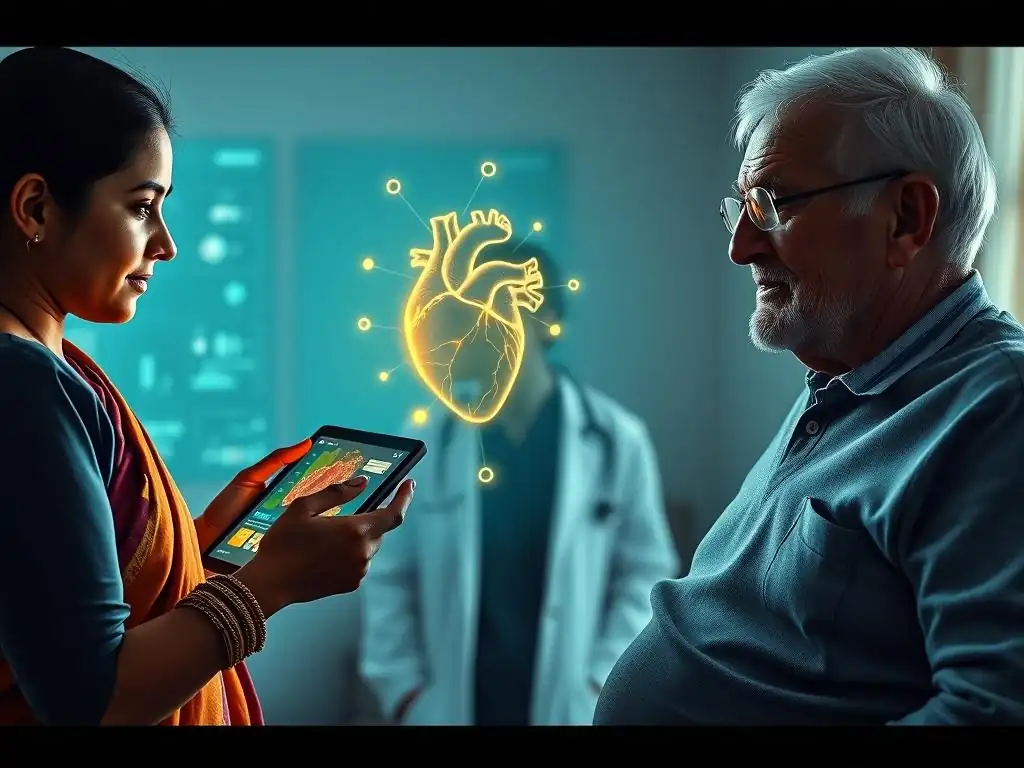
Expanded Access to Healthcare Services, Particularly in Underserved Communities
One of the most significant advantages of blockchain and AI-enabled telemedicine and remote monitoring is the potential to dramatically expand access to healthcare services, especially for underserved communities. Geographical barriers, lack of transportation, and shortages of healthcare professionals in rural or remote areas often limit access to timely and quality medical care.
Telemedicine, powered by blockchain and AI, can overcome these barriers by delivering healthcare services remotely, directly to patients' homes or local community centers. Patients in remote villages or underserved urban areas can access specialist consultations, chronic disease management programs, and preventative care services through secure and intelligent telemedicine platforms, regardless of their location.
Blockchain ensures the security and privacy of patient data in these remote settings, building trust and encouraging adoption. AI enhances the effectiveness of telemedicine by providing personalized insights, diagnostic support, and remote monitoring capabilities, making virtual care more comprehensive and impactful. For example, in developing countries with limited healthcare infrastructure, blockchain healthcare telemedicine remote monitoring solutions can bring essential medical services to remote populations, addressing health disparities and improving overall health outcomes. The ability to reach underserved communities is a transformative advantage of this technological convergence.
Lower Healthcare Expenses and Improved Operational Efficiency
Blockchain and AI-enabled telemedicine and remote monitoring can contribute to significant cost savings and improved operational efficiency within healthcare systems. Telemedicine reduces the need for physical clinic visits, lowering transportation costs for patients and reducing overhead expenses for healthcare providers. Remote patient monitoring can prevent costly hospitalizations and emergency room visits by enabling early detection and proactive management of health conditions. AI-powered automation of administrative tasks, such as appointment scheduling, billing, and data entry, further streamlines operations and reduces administrative burdens, freeing up healthcare professionals to focus on patient care.
Blockchain's efficiency in data management and secure transactions can also contribute to cost savings by reducing administrative overhead associated with traditional paper-based systems and fragmented data silos. For instance, blockchain-based smart contracts can automate insurance claims processing, reducing administrative costs and speeding up reimbursements. By optimizing resource utilization, preventing unnecessary hospitalizations, and streamlining administrative processes, blockchain healthcare telemedicine remote monitoring solutions can lead to substantial reductions in healthcare expenses and improvements in overall operational efficiency, making healthcare more affordable and sustainable.
Increased Patient Involvement and Autonomy
Blockchain and AI-driven telemedicine and remote monitoring empower patients to become more actively involved in their healthcare and increase their autonomy. Remote monitoring devices provide patients with real-time data about their health status, fostering a greater awareness of their conditions and encouraging proactive self-management. AI-powered personalized feedback and health recommendations further empower patients to make informed decisions about their health and lifestyle choices. Blockchain's patient-centric data management model gives patients greater control over their medical records, allowing them to decide who can access their data and for what purposes, enhancing patient privacy and autonomy.
Telemedicine platforms, enhanced by AI and secured by blockchain, facilitate more convenient and accessible communication with healthcare providers, enabling patients to actively participate in their care planning and treatment decisions. Patients can access their medical records, communicate with their doctors, and receive personalized health information through user-friendly digital interfaces, increasing their engagement and understanding of their health. This increased patient involvement and autonomy, fostered by blockchain healthcare telemedicine remote monitoring, leads to better patient adherence to treatment plans, improved health outcomes, and a more patient-centered healthcare experience.
Enhanced Data Protection and Confidentiality in Healthcare
As discussed previously, blockchain's inherent security features, including cryptography and decentralization, significantly enhance data protection and confidentiality in healthcare. In an era of increasing cyber threats and data breaches, blockchain provides a more secure infrastructure for storing and sharing sensitive patient data. Telemedicine and remote patient monitoring generate vast amounts of personal health information, making data security paramount. Blockchain's immutable and auditable nature ensures data integrity and transparency, reducing the risk of unauthorized data manipulation or breaches. Patient-controlled access mechanisms within blockchain systems further enhance confidentiality by giving patients granular control over who can access their medical records.
AI algorithms, while powerful, also raise concerns about data privacy and security. Integrating AI with blockchain can address these concerns by ensuring that AI algorithms operate on secure and anonymized data, protecting patient privacy while leveraging the analytical power of AI. By prioritizing data security and confidentiality, blockchain healthcare telemedicine remote monitoring solutions can build trust among patients and healthcare providers, fostering wider adoption and maximizing the benefits of these technologies for improving healthcare access and outcomes.
Obstacles and Considerations for Deploying Blockchain and AI in Healthcare
The deployment of blockchain and AI in healthcare must navigate complex regulatory frameworks and compliance standards. Healthcare is a highly regulated industry, with stringent rules governing data privacy, security, and patient safety. Regulations such as HIPAA in the United States and GDPR in Europe impose strict requirements on the collection, storage, and use of patient data. Blockchain and AI systems must be designed and implemented in compliance with these regulations to ensure patient privacy and data security. Navigating these regulatory landscapes can be challenging, requiring careful consideration of legal and ethical implications at each stage of development and deployment.
Furthermore, the regulatory frameworks for telemedicine and remote patient monitoring are still evolving in many jurisdictions. Clarity and harmonization of regulations are needed to facilitate the widespread adoption of these technologies and ensure that they are used responsibly and ethically. Collaboration between technology developers, healthcare providers, policymakers, and regulatory bodies is crucial to establish clear guidelines and standards for the use of blockchain healthcare telemedicine remote monitoring solutions, fostering innovation while safeguarding patient rights and safety.
Safeguarding Data Security and Upholding Privacy Regulations
While blockchain offers enhanced security features, it is not a silver bullet for data security. Implementing blockchain and AI systems in healthcare requires a comprehensive approach to cybersecurity, addressing potential vulnerabilities at various levels, including data storage, transmission, and access control. Robust security measures, such as encryption, multi-factor authentication, and regular security audits, are essential to protect patient data from cyber threats. Upholding privacy regulations, such as HIPAA and GDPR, requires careful consideration of data anonymization, consent management, and data minimization principles.
Ensuring data security and privacy in blockchain healthcare telemedicine remote monitoring systems is an ongoing process, requiring continuous monitoring, adaptation to evolving threats, and adherence to best practices in cybersecurity and data protection. Healthcare organizations deploying these technologies must invest in robust security infrastructure, train their staff on data security protocols, and establish clear policies and procedures for data governance and compliance. Proactive measures to safeguard data security and uphold privacy regulations are critical for building trust and ensuring the responsible use of blockchain and AI in healthcare.
Ensuring Scalability and Compatibility with Existing Systems
Scalability and compatibility with existing healthcare systems are crucial considerations for the successful deployment of blockchain and AI in telemedicine and remote patient monitoring. Healthcare systems are complex and often rely on legacy IT infrastructure. Integrating new blockchain and AI technologies with these existing systems can be challenging and require careful planning and execution. Scalability is essential to ensure that blockchain and AI solutions can handle the growing volume of data and transactions generated by telemedicine and remote patient monitoring applications, especially as adoption increases.
Ensuring interoperability between blockchain and AI systems and existing EHR systems, medical devices, and healthcare workflows is critical for seamless integration and user adoption. Standardized data formats, APIs, and communication protocols are needed to facilitate interoperability and avoid data silos. Healthcare organizations need to carefully assess the scalability and compatibility of blockchain healthcare telemedicine remote monitoring solutions before deployment, considering their existing IT infrastructure and future growth plans. Gradual and phased implementation approaches, along with robust testing and validation, can help mitigate risks and ensure smooth integration and scalability.
Addressing Ethical Implications of AI in Healthcare [Fairness, Accountability, Transparency]
The use of AI in healthcare raises important ethical considerations, particularly regarding fairness, accountability, and transparency. AI algorithms can be susceptible to biases present in the data they are trained on, potentially leading to unfair or discriminatory outcomes for certain patient groups. Ensuring fairness in AI algorithms requires careful attention to data quality, algorithm design, and validation processes to mitigate bias and promote equitable healthcare delivery.
Accountability is crucial when AI systems are used to assist in clinical decision-making. Clear lines of responsibility and oversight are needed to ensure that clinicians remain accountable for patient care, even when relying on AI-generated insights.
Transparency in AI algorithms is also essential for building trust and understanding how AI systems arrive at their recommendations. "Black box" AI algorithms, whose decision-making processes are opaque, can be challenging to interpret and validate, raising concerns about trustworthiness and explainability. Developing more transparent and explainable AI algorithms is crucial for fostering trust and ensuring the ethical use of AI in healthcare. Addressing these ethical implications of AI, particularly in blockchain healthcare telemedicine remote monitoring applications, requires ongoing dialogue, ethical frameworks, and responsible innovation to ensure that AI is used to enhance healthcare equitably and ethically.
The Future of Healthcare: Blockchain, AI, and Telemedicine Convergence
Advancements in Remote Health Monitoring through Decentralized Technologies
The future of healthcare is increasingly intertwined with the convergence of blockchain, AI, and telemedicine, particularly in remote health monitoring. Advancements in wearable sensors, IoT devices, and decentralized technologies are paving the way for more sophisticated and personalized remote monitoring capabilities. Blockchain's decentralized nature aligns perfectly with the distributed data generation inherent in remote monitoring, enabling secure and patient-centric data management. Future remote monitoring systems may leverage blockchain to create patient-owned and controlled health data ecosystems, empowering individuals to manage and share their health data securely and transparently.
AI algorithms will become even more sophisticated in analyzing remote monitoring data, providing deeper insights into patient health status, predicting health risks with greater accuracy, and personalizing interventions based on individual needs and preferences. The combination of blockchain's security and data integrity with AI's analytical power will drive the development of next-generation remote health monitoring systems that are more proactive, preventative, and patient-centric. These advancements will further enhance the capabilities of blockchain healthcare telemedicine remote monitoring, making healthcare more accessible, efficient, and personalized.
Opportunities for Personalized and Preventative Medicine via AI and Blockchain
Blockchain and AI are poised to unlock unprecedented opportunities for personalized and preventative medicine. AI algorithms, analyzing vast datasets of patient data, including genomic information, lifestyle data, and environmental factors (all potentially secured and managed by blockchain), will enable highly personalized risk assessments, early disease detection, and tailored treatment plans.
Blockchain can facilitate secure and private sharing of genomic data, enabling researchers and clinicians to collaborate on personalized medicine initiatives while protecting patient privacy. Predictive analytics, powered by AI and leveraging blockchain-secured data, will shift healthcare from a reactive, disease-treatment model to a proactive, preventative model, focusing on maintaining wellness and preventing illness before it occurs.
Personalized medicine, enabled by blockchain healthcare telemedicine remote monitoring, will revolutionize healthcare by tailoring treatments to individual patient characteristics, maximizing effectiveness and minimizing adverse effects. Preventative healthcare strategies, guided by AI-driven risk predictions, will empower individuals to take proactive steps to maintain their health and prevent chronic diseases. This shift towards personalized and preventative medicine, driven by the synergy of blockchain and AI, represents a fundamental transformation in healthcare delivery, leading to healthier populations and more sustainable healthcare systems.
Blockchain and AI's Role in Mitigating Healthcare Inequities
Blockchain and AI have the potential to play a significant role in mitigating healthcare inequities and promoting health equity globally. As discussed earlier, telemedicine, enabled by these technologies, can expand access to healthcare services for underserved communities, bridging geographical barriers and addressing healthcare disparities.
Blockchain's transparency and security can build trust in healthcare systems, particularly in regions where trust may be low due to corruption or lack of accountability. AI algorithms, if designed and validated to be fair and unbiased, can help ensure equitable allocation of healthcare resources and personalized care for all patients, regardless of their socioeconomic status or geographical location.
By democratizing access to healthcare, improving efficiency, and enabling personalized and preventative medicine, blockchain healthcare telemedicine remote monitoring solutions can contribute to a more equitable and just healthcare system. However, it is crucial to address the ethical considerations of AI and ensure that these technologies are deployed responsibly and inclusively, avoiding the exacerbation of existing health inequities. Concerted efforts from governments, healthcare organizations, technology developers, and communities are needed to leverage the transformative potential of blockchain and AI to create a healthcare system that is truly equitable and accessible for all.
Conclusion: Democratizing Healthcare through Technological Advancement
Capitalizing on the Synergistic Potential of Blockchain and AI for a More Inclusive Healthcare Model
The synergistic potential of blockchain and AI in telemedicine and remote patient monitoring offers a powerful pathway towards a more inclusive and democratized healthcare model. Blockchain provides the secure, transparent, and interoperable infrastructure needed to manage sensitive patient data and facilitate seamless data exchange. AI empowers personalized, proactive, and efficient healthcare delivery through advanced analytics, predictive capabilities, and automation. The convergence of these technologies addresses critical challenges in healthcare access, cost, security, and efficiency, paving the way for a transformative shift in how healthcare is delivered and experienced.
By capitalizing on the strengths of both blockchain and AI, we can create blockchain healthcare telemedicine remote monitoring solutions that expand access to quality care for underserved populations, reduce healthcare costs, enhance patient engagement, and improve health outcomes. However, realizing this potential requires addressing the obstacles and considerations discussed earlier, including regulatory compliance, data security, scalability, and ethical implications. Responsible innovation, collaboration across stakeholders, and a patient-centric approach are essential to harness the full synergistic power of blockchain and AI for a more inclusive healthcare model.
Call to Action: [Promote Research, Development, and Adoption of Blockchain and AI-Powered Healthcare Solutions]
To fully realize the transformative potential of blockchain and AI in healthcare, a concerted global effort is needed to promote research, development, and adoption of these technologies. Increased investment in research and development is crucial to advance the scientific understanding of the applications of blockchain and AI in healthcare, address technical challenges, and develop innovative solutions. Collaboration between researchers, technology developers, healthcare providers, and policymakers is essential to foster innovation, establish best practices, and ensure responsible and ethical deployment.
Furthermore, promoting the adoption of blockchain healthcare telemedicine remote monitoring solutions requires addressing regulatory hurdles, building public trust, and providing education and training for healthcare professionals and patients. By working together, we can unlock the synergistic power of blockchain and AI to create a more accessible, equitable, and sustainable healthcare future for all.
Frequently Asked Questions
What role does blockchain play in improving telemedicine and remote patient monitoring?
Blockchain provides a secure and transparent platform for storing and sharing medical data, enhancing data integrity and patient privacy. This is particularly important in telemedicine, where sensitive information is transmitted remotely.
How can blockchain enhance the security of patient data in remote monitoring systems?
Blockchain uses cryptographic techniques to secure data, making it resistant to tampering and unauthorized access. This helps ensure the confidentiality and integrity of patient information collected through remote monitoring devices.
What are the potential benefits of using blockchain for managing patient identities in telemedicine?
Blockchain can facilitate secure and verifiable patient identity management, improving accuracy and reducing fraud in telemedicine systems. This ensures that the right patient receives the right care remotely.
How might blockchain facilitate interoperability between different healthcare systems in the context of telemedicine?
Blockchain can act as a shared ledger, enabling seamless and secure data exchange between disparate healthcare providers and systems. This improves care coordination and reduces administrative burdens in telemedicine.
What are some of the regulatory challenges associated with implementing blockchain in healthcare for telemedicine and remote monitoring?
Regulations surrounding data privacy and security (e.g., HIPAA) need to be carefully considered when implementing blockchain solutions in healthcare. Compliance and legal frameworks are still evolving in this area.
Final Reflection: Empowering Health Through Technology
The journey we've explored in democratizing access to healthcare through blockchain and AI-powered telemedicine and remote patient monitoring highlights a critical shift in how we approach well-being. The potential to bridge geographical divides and socioeconomic disparities in healthcare is no longer a futuristic fantasy, but a tangible reality within our grasp. This convergence of technology offers a pathway to a more equitable and accessible healthcare system for all.
This evolution isn't just about technological advancement; it's about fundamentally reshaping the patient-provider relationship and empowering individuals to take control of their health. The ability to monitor vital signs remotely, securely share medical records, and receive timely consultations, regardless of location, is a game-changer for chronic disease management and preventative care. The best way to predict the future is to create it.
- Peter Drucker. This quote perfectly encapsulates the proactive and transformative potential of these technologies in shaping a healthier future.
As we conclude this exploration, I invite you to consider your own role in this unfolding revolution. How can you advocate for the responsible implementation of blockchain and AI in healthcare? How can you support initiatives that prioritize accessibility and equity? The future of healthcare is not predetermined; it is being actively shaped by our choices and actions today. Let us embrace the power of technology to build a healthier, more connected, and more equitable world for all.
Ignite Your Healthcare Revolution: Build the Future!
Thank you for exploring how blockchain and AI are transforming telemedicine and remote patient monitoring. We hope this article has inspired you to imagine a more accessible and equitable healthcare system. Now, let's turn that vision into action!
Here's how you can be part of the change:
- Advocate for integrating blockchain solutions into your local healthcare system. Begin by researching current policies and connecting with key stakeholders.
- Dive deeper into the technology: explore open-source AI and blockchain projects focused on healthcare data security. Share your insights with colleagues.
- Join the conversation on our forums about the ethical considerations of AI-powered remote patient monitoring. Contribute your perspectives and help promote responsible development.
What AI or blockchain application do you think has the greatest potential to democratize healthcare in your community? Share your thoughts below!
Leave a Reply