
Future Trends: Predicting the Evolution of AIPowered Smart Contracts


Welcome to Blockchain Trends, your gateway to understanding the revolutionary impact of blockchain technology. Are you ready to explore how blockchain is moving beyond cryptocurrencies and reshaping industries? Dive into our latest analysis and discover the fascinating possibilities of AI-powered smart contract evolution. What if smart contracts could learn, adapt, and proactively protect themselves? Uncover the future of decentralized systems and the exciting synergy between blockchain and artificial intelligence – the journey begins now!
- Introduction: The Convergence of AI and Smart Contracts
- Trend 1: Enhanced Smart Contract Security with AI
- Trend 2: Dynamic and Adaptive Smart Contract Logic
- Trend 3: Autonomous Smart Contract Execution and Management
- Trend 4: AI-Driven Smart Contract Optimization
- Trend 5: Increased Interoperability and Cross-Chain Functionality
- Trend 6: AI-Powered Smart Contract Auditing and Compliance
- Challenges and Considerations for AI-Powered Smart Contract Evolution
- Case Studies: Early Adopters of AI-Enhanced Smart Contracts
- The Long-Term Vision: The Future of AI and Smart Contracts
- Conclusion: Embracing the AI-Powered Smart Contract Evolution
-
Frequently Asked Questions
- What is the core concept driving the evolution of AI-powered smart contracts?
- How can AI improve the security of smart contracts?
- What are some potential enterprise applications of AI-powered smart contracts?
- What role does regulation play in the development and adoption of AI-powered smart contracts?
- What are the key challenges in realizing the full potential of AI-powered smart contract evolution?
- Final Reflection: Embracing the AI-Driven Contractual Revolution
- Unveiling Your Smart Contract Future!
Introduction: The Convergence of AI and Smart Contracts
Defining AI-Powered Smart Contracts: A New Era of Automation
AI-powered smart contracts represent a significant leap forward in the evolution of blockchain technology, merging the autonomous execution of smart contracts with the intelligent decision-making capabilities of Artificial Intelligence (AI). Traditional smart contracts, while revolutionary in automating agreements, operate based on pre-defined rules and conditions. They lack the adaptability and nuanced understanding necessary to handle complex, real-world scenarios.
AI integration addresses this limitation by embedding machine learning algorithms within smart contracts, enabling them to learn from data, adapt to changing circumstances, and make intelligent decisions without constant human intervention. This synergy creates a new paradigm where contracts are not just self-executing, but also self-improving and context-aware, paving the way for sophisticated automation across various industries.
This evolution towards AI-enhanced smart contracts promises to unlock functionalities previously unattainable with standard smart contracts. Imagine contracts that can dynamically adjust terms based on real-time data analysis, predict potential breaches before they occur, or automatically optimize their performance based on network conditions. This is the potential of AI-powered smart contracts – to move beyond rigid, rule-based automation towards a more intelligent, flexible, and responsive contractual framework. This shift is not merely an incremental improvement; it's a fundamental transformation that could redefine how agreements are formed, executed, and managed in the digital age.
The Current Landscape of Smart Contracts and AI Integration
Currently, the integration of AI and smart contracts is in its nascent stages, but we are witnessing increasing exploration and experimentation across various sectors. While fully autonomous AI-driven smart contracts are not yet widespread, several projects are actively developing and testing hybrid models.
These models often involve using AI as an oracle to provide data and insights to smart contracts, or to enhance specific aspects of their functionality, such as security audits or risk assessment. For example, in decentralized finance (DeFi), AI algorithms are being explored to optimize trading strategies within smart contracts, predict market volatility for risk management protocols, and even detect fraudulent activities within decentralized exchanges.
Furthermore, the infrastructure to support sophisticated AI-powered smart contracts is gradually being built. Blockchain platforms are starting to incorporate features that facilitate AI integration, such as improved data accessibility and interoperability. Research is also focused on developing more efficient and scalable AI models that can operate within the resource constraints of blockchain environments. While challenges remain in terms of computational complexity, data privacy, and the need for robust governance frameworks, the current landscape is characterized by active innovation and a growing recognition of the transformative potential that AI brings to the world of smart contracts.
Why AI is Crucial for the Future of Smart Contracts
AI is not just a desirable add-on to smart contracts; it is becoming increasingly crucial for their future evolution and widespread adoption. The limitations of traditional, rule-based smart contracts become apparent when dealing with the complexities of real-world agreements. Many contracts require a degree of flexibility, judgment, and adaptability that static code simply cannot provide. AI offers the necessary intelligence to bridge this gap, enabling smart contracts to handle ambiguity, learn from experience, and react intelligently to unforeseen events. This adaptability is paramount for smart contracts to move beyond simple transactional automation and tackle more intricate and dynamic applications.
Moreover, as smart contracts aim to manage increasingly complex and valuable assets and processes, the need for enhanced security and efficiency becomes paramount. AI algorithms can provide proactive security measures by detecting vulnerabilities and predicting potential threats in smart contract code. They can also optimize contract execution, reducing gas costs and improving overall performance. In essence, AI empowers smart contracts to be not only more automated but also more secure, efficient, and capable of handling the nuanced demands of real-world applications, making AI a cornerstone for the future of smart contract technology and its broader adoption across industries.
Trend 1: Enhanced Smart Contract Security with AI
AI-Driven Vulnerability Detection in Smart Contracts
One of the most immediate and impactful trends in AI-powered smart contract evolution is the use of AI for enhanced security. Smart contracts, despite their autonomous nature, are not immune to vulnerabilities. In fact, their immutability means that once a vulnerability is exploited, remediation can be extremely difficult and costly.
AI offers a powerful solution in the form of automated vulnerability detection. Machine learning models can be trained on vast datasets of smart contract code, including known vulnerabilities and attack patterns. This enables AI systems to analyze new smart contracts and identify potential weaknesses with greater speed and accuracy than traditional manual audits.
These AI-driven tools can go beyond simple static analysis. They can employ techniques like fuzzing, which involves feeding smart contracts with a wide range of inputs to identify unexpected behaviors and potential vulnerabilities. Furthermore, AI can be used to analyze the smart contract's logic flow, identifying potential race conditions, reentrancy vulnerabilities, and other complex security flaws that might be missed by human auditors. For instance, companies like CertiK are leveraging AI to provide automated security audits for smart contracts, demonstrating the growing importance of AI in proactively securing the blockchain ecosystem.
Predictive Security Measures for AI-Enhanced Smart Contracts
Beyond reactive vulnerability detection, AI is also paving the way for predictive security measures in smart contracts. By continuously monitoring smart contract activity and network conditions, AI algorithms can identify anomalous behavior and predict potential security breaches before they occur. This proactive approach to security is crucial for mitigating risks in the increasingly complex and interconnected world of decentralized applications. Imagine AI systems that can detect unusual transaction patterns, identify potential denial-of-service attacks in progress, or even predict market manipulation attempts targeting DeFi protocols.
Predictive security in AI-enhanced smart contracts can also extend to risk assessment. AI models can analyze various factors, such as the complexity of the smart contract code, the value of assets managed, and the historical attack patterns on similar contracts, to provide a dynamic risk score. This allows developers and users to make informed decisions about deploying and interacting with smart contracts, implementing additional security layers where necessary, and allocating resources to areas with the highest risk. This shift towards predictive and proactive security is a significant step forward in making blockchain technology more robust and trustworthy.
Examples of AI Fortifying Smart Contract Security
Several real-world examples illustrate how AI is already being utilized to fortify smart contract security. For instance, companies are developing AI-powered platforms that continuously monitor deployed smart contracts for suspicious activity. These platforms use machine learning to establish baseline behavior for contracts and then flag deviations that could indicate an attack. In the DeFi space, AI is being explored to monitor on-chain data for anomalies that might signal impermanent loss risks or potential exploits in lending protocols.
Furthermore, AI is being integrated into the smart contract development lifecycle itself. AI-powered code analysis tools are becoming more sophisticated, offering developers real-time feedback on potential security vulnerabilities as they write code. This proactive approach, often referred to as "security by design," helps developers build more secure smart contracts from the ground up, reducing the likelihood of vulnerabilities making their way into production. These examples demonstrate that AI is not just a theoretical concept for smart contract security; it's a practical tool being deployed and refined to create a more secure and resilient blockchain ecosystem.
Trend 2: Dynamic and Adaptive Smart Contract Logic
Moving Beyond Static Rules: AI's Role in Adaptive Contracts
Traditional smart contracts operate on static, pre-defined rules. Once deployed, their logic remains fixed, regardless of changing circumstances or new information. This rigidity limits their applicability in dynamic environments where conditions evolve, and agreements need to adapt. AI is poised to revolutionize smart contract logic by enabling dynamic and adaptive behavior. By integrating machine learning algorithms, smart contracts can move beyond static rules and become responsive to real-world data and changing contexts. This adaptability is crucial for smart contracts to handle complex, long-term agreements that require flexibility and nuanced decision-making.
AI's role in adaptive contracts is multifaceted. Machine learning models can be used to analyze external data feeds – such as market prices, weather conditions, or supply chain information – and dynamically adjust contract terms based on these inputs. For example, an insurance smart contract could automatically adjust premiums based on real-time risk assessments derived from AI analysis of weather patterns and sensor data. This dynamic adaptation makes smart contracts significantly more versatile and applicable to a wider range of real-world scenarios, moving beyond simple conditional automation towards intelligent, context-aware agreements.
Self-Improving Smart Contracts Through Machine Learning
The integration of machine learning not only makes smart contracts dynamic but also potentially self-improving over time. As AI-powered smart contracts interact with the environment and process data, they can learn from their experiences and refine their logic. This capability for self-improvement is a paradigm shift from traditional static contracts. Imagine a supply chain management smart contract that learns to optimize routing and logistics based on historical data, continuously improving efficiency and reducing costs over time.
This self-improving aspect can be achieved through various machine learning techniques, such as reinforcement learning. Smart contracts can be designed to receive feedback based on their performance and adjust their parameters to optimize for desired outcomes. This iterative learning process allows AI-powered smart contracts to become more effective and efficient over time, adapting to evolving conditions and improving their decision-making capabilities. This evolution towards self-improving contracts represents a significant advancement in the sophistication and long-term value of smart contract technology.
Real-World Applications of Dynamic AI-Powered Smart Contracts
The potential applications of dynamic AI-powered smart contracts are vast and span across numerous industries. In finance, these contracts can be used for algorithmic trading strategies that adapt to market volatility, or for loan agreements with interest rates that dynamically adjust based on borrower risk profiles and economic conditions. In supply chain management, dynamic contracts can optimize logistics based on real-time tracking data, automatically adjusting routes and delivery schedules to minimize delays and costs.
In the energy sector, smart grids can utilize AI-powered smart contracts to dynamically manage energy distribution based on fluctuating demand and renewable energy availability, optimizing grid efficiency and stability. Furthermore, in insurance, as mentioned earlier, dynamic premiums based on real-time risk assessments can lead to more personalized and accurate insurance products. These examples illustrate how dynamic AI-powered smart contracts can revolutionize various industries by enabling more flexible, responsive, and intelligent automation of agreements and processes.
Trend 3: Autonomous Smart Contract Execution and Management
AI Agents as Smart Contract Executors
Traditionally, smart contracts are executed based on triggers initiated by external parties or oracles. However, the future of AI-powered smart contracts points towards greater autonomy in execution and management. AI agents, acting as independent entities, can be designed to interact with and execute smart contracts autonomously. These AI agents can monitor on-chain and off-chain data, interpret complex conditions, and trigger smart contract functions without direct human intervention, leading to a new level of automation and efficiency.
Imagine an AI agent that autonomously manages a decentralized investment portfolio based on pre-defined investment strategies encoded in a smart contract. The agent could monitor market data, execute trades, and rebalance the portfolio according to the contract’s logic, all without requiring constant human oversight. This level of autonomous execution opens up possibilities for truly decentralized and self-managing systems, reducing reliance on intermediaries and increasing the efficiency of complex operations.
Decentralized Autonomous Organizations (DAOs) and AI Integration
The integration of AI with Decentralized Autonomous Organizations (DAOs) is another significant trend in autonomous smart contract management. DAOs, governed by smart contracts, can benefit immensely from AI's decision-making and analytical capabilities. AI can assist DAOs in various aspects of governance, operations, and resource allocation. For example, AI algorithms can analyze proposals submitted to a DAO, assess their potential impact, and even provide recommendations to DAO members to aid in voting decisions.
Furthermore, AI can automate many of the operational tasks within a DAO, such as managing treasury funds, distributing rewards, and enforcing governance rules. AI-powered systems can monitor DAO activity, detect anomalies, and ensure that operations are aligned with the DAO's objectives. This integration of AI into DAOs can lead to more efficient, transparent, and robust decentralized organizations, capable of managing complex operations with greater autonomy and intelligence.
The Future of Hands-Off Smart Contract Management
The ultimate vision for AI-powered smart contract evolution is hands-off management. This entails creating systems where smart contracts, guided by AI agents and integrated into DAOs, can operate with minimal human intervention. This future envisions a landscape where complex processes, from supply chains to financial markets, are managed by networks of interconnected, self-managing smart contracts, orchestrated by AI. This level of automation promises to significantly reduce operational overhead, minimize human error, and create more efficient and resilient systems.
Hands-off smart contract management does not imply a complete absence of human involvement. Rather, it suggests a shift in human roles towards higher-level tasks such as designing, deploying, and overseeing these autonomous systems. Humans would focus on setting strategic objectives, defining ethical guidelines, and establishing robust governance frameworks for AI-powered smart contract ecosystems, while the day-to-day operations are handled autonomously by intelligent, self-managing systems.
Trend 4: AI-Driven Smart Contract Optimization
Optimizing Gas Usage with AI Algorithms
Gas optimization is a critical concern for smart contract developers, especially on blockchains like Ethereum where gas costs can be substantial. AI is emerging as a powerful tool to optimize gas usage in smart contracts, making them more efficient and cost-effective. Machine learning algorithms can analyze smart contract code and identify areas where gas consumption can be reduced. This includes optimizing code structure, reducing redundant operations, and suggesting more gas-efficient coding patterns.
For instance, AI can be trained to identify computationally expensive operations within a smart contract and suggest alternative implementations that achieve the same functionality with lower gas costs. AI can also analyze different execution paths within a smart contract and optimize code flow to minimize gas consumption in common use cases. By automating the gas optimization process, AI can significantly reduce the barrier to entry for deploying complex smart contracts and make blockchain applications more accessible and affordable.
Improving Smart Contract Efficiency Through Machine Learning
Beyond gas optimization, AI can improve smart contract efficiency in various other ways. Machine learning models can be used to optimize data storage within smart contracts, reducing on-chain storage costs and improving data retrieval speeds. AI can also optimize the execution speed of smart contracts by identifying performance bottlenecks and suggesting code improvements to enhance computational efficiency.
Furthermore, AI can be used to optimize the interaction between smart contracts and off-chain systems. For example, AI algorithms can optimize data retrieval from oracles, reducing latency and improving the overall responsiveness of smart contracts that rely on external data. By addressing efficiency across multiple dimensions – gas usage, storage, execution speed, and external data interaction – AI is contributing to the development of more performant and scalable smart contract applications.
AI for Smart Contract Code Refactoring and Enhancement
AI is not only useful for optimizing existing smart contracts but also for code refactoring and enhancement. Machine learning models can be trained to understand smart contract code and suggest improvements in code readability, maintainability, and security. AI-powered tools can automatically refactor code to adhere to best practices, identify potential code smells, and suggest code enhancements to improve overall quality.
This capability is particularly valuable for complex smart contracts, where manual code review and refactoring can be time-consuming and error-prone. AI can automate many of these tasks, allowing developers to focus on higher-level design and functionality. Furthermore, AI can help in evolving and upgrading smart contracts over time. As blockchain technology and business requirements evolve, AI can assist in adapting existing smart contracts to new standards and functionalities, extending their lifespan and maximizing their value.
Trend 5: Increased Interoperability and Cross-Chain Functionality
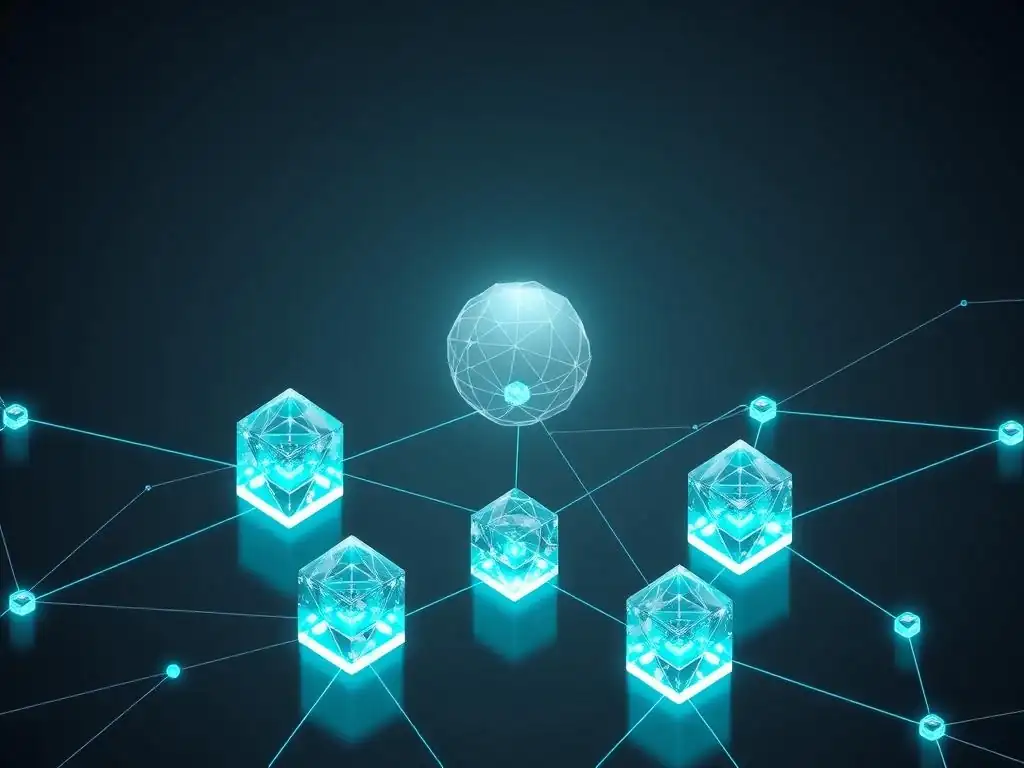
AI Facilitating Cross-Chain Communication for Smart Contracts
Interoperability is a major challenge in the blockchain space. Different blockchain networks often operate in silos, making it difficult for smart contracts on one chain to interact with contracts or data on another. AI is emerging as a key enabler of cross-chain communication for smart contracts. AI algorithms can be used to develop bridges and interoperability protocols that facilitate seamless data and asset transfer between different blockchains.
For instance, AI can be used to analyze and interpret data formats and protocols across different blockchains, enabling smart contracts to understand and process information from various sources. AI can also optimize cross-chain transactions, ensuring efficient and secure transfer of assets and data across different networks. By breaking down the barriers between blockchains, AI is paving the way for a more interconnected and collaborative blockchain ecosystem.
Bridging the Gap Between Blockchains with AI-Powered Solutions
AI-powered solutions are being developed to bridge the gap between blockchains in several ways. One approach involves using AI to create "universal oracles" that can aggregate and verify data from multiple blockchains, providing a unified data feed for smart contracts. Another approach focuses on developing AI-driven cross-chain messaging protocols that enable smart contracts to communicate and coordinate actions across different networks.
Furthermore, AI can be used to develop decentralized exchanges (DEXs) that operate across multiple blockchains, allowing users to trade assets from different networks seamlessly. These AI-powered interoperability solutions are crucial for unlocking the full potential of blockchain technology by enabling the creation of applications that span multiple chains and leverage the unique strengths of different blockchain platforms.
The Role of AI in Standardizing Smart Contract Interaction
Standardization is essential for wider adoption and interoperability of smart contracts. Currently, the lack of standardized protocols and interfaces makes it challenging for smart contracts to interact with each other and with external systems in a consistent and reliable manner. AI can play a crucial role in driving standardization in smart contract interaction. AI algorithms can analyze existing smart contract code and interaction patterns to identify common functionalities and best practices, which can then be used to develop standardized protocols and interfaces.
Furthermore, AI can be used to create tools and frameworks that automatically generate standardized interfaces for smart contracts, making it easier for developers to build interoperable applications. By promoting standardization, AI can reduce fragmentation in the smart contract ecosystem, improve developer productivity, and facilitate the creation of more robust and interconnected blockchain applications.
Trend 6: AI-Powered Smart Contract Auditing and Compliance
Automating Smart Contract Audits with AI
Smart contract auditing is crucial for ensuring the security and reliability of blockchain applications. However, traditional manual audits are often time-consuming, expensive, and prone to human error. AI is revolutionizing smart contract auditing by enabling automation and improving the efficiency and accuracy of the audit process. AI-powered audit tools can analyze smart contract code for vulnerabilities, compliance issues, and code quality, providing faster and more comprehensive audits than manual methods.
These AI tools can leverage machine learning to identify patterns associated with known vulnerabilities, detect deviations from coding best practices, and even generate audit reports automatically. Automation of smart contract audits not only reduces costs and turnaround time but also allows for more frequent and continuous auditing, improving the overall security posture of blockchain applications. Companies like Quantstamp and Solidified are already employing AI in their smart contract auditing services, demonstrating the practical application of AI in this domain.
Ensuring Regulatory Compliance Through AI-Driven Monitoring
As smart contracts become more prevalent in regulated industries, ensuring regulatory compliance is paramount. AI can play a vital role in automating compliance monitoring for smart contracts. AI algorithms can be trained to understand regulatory requirements and monitor smart contract transactions and data for compliance violations. This automated monitoring can significantly reduce the burden of manual compliance checks and ensure that smart contracts operate within legal and regulatory frameworks.
For example, in financial applications, AI can monitor smart contract transactions for anti-money laundering (AML) and know-your-customer (KYC) compliance. In healthcare, AI can monitor smart contracts for compliance with data privacy regulations like HIPAA or GDPR. By providing continuous and automated compliance monitoring, AI can facilitate the adoption of smart contracts in regulated industries and build trust in blockchain technology.
The Impact of AI on Smart Contract Transparency
AI can also enhance the transparency of smart contracts, which is a key principle of blockchain technology. While smart contract code is publicly auditable, understanding the complex logic and behavior of intricate contracts can be challenging. AI can be used to analyze smart contract code and generate human-readable explanations of their functionality, making them more transparent and understandable to users and auditors. AI can also visualize smart contract execution flows and data interactions, providing insights into their operational dynamics.
Furthermore, AI can be used to monitor smart contract activity and detect anomalies that might indicate suspicious or non-compliant behavior. By enhancing transparency and providing tools for better understanding and monitoring of smart contracts, AI contributes to building trust and accountability in blockchain systems, fostering greater adoption and confidence in the technology.
Challenges and Considerations for AI-Powered Smart Contract Evolution
Ethical Implications of AI in Smart Contracts
The integration of AI into smart contracts brings forth a range of ethical considerations that must be carefully addressed. One key concern is the potential for bias in AI algorithms. If the data used to train AI models is biased, the resulting smart contracts may perpetuate or even amplify existing societal biases, leading to unfair or discriminatory outcomes. For instance, an AI-powered lending smart contract trained on biased data might unfairly deny loans to certain demographic groups.
Another ethical consideration is accountability. When AI systems make decisions within smart contracts, it can be challenging to assign responsibility if something goes wrong. Determining who is accountable – the developers of the AI model, the users of the smart contract, or the AI itself – becomes a complex legal and ethical question. Establishing clear ethical guidelines and accountability frameworks for AI-powered smart contracts is crucial to ensure responsible innovation and prevent unintended negative consequences.
Addressing Bias and Fairness in AI-Driven Smart Contract Logic
Addressing bias and ensuring fairness in AI-driven smart contract logic is a critical challenge. One approach is to focus on developing robust and unbiased training datasets for AI models. This requires careful data curation, bias detection techniques, and potentially the use of techniques like adversarial training to mitigate bias. Furthermore, transparency in AI algorithms is essential. Developers should strive to create AI models that are interpretable and explainable, allowing for scrutiny of their decision-making processes and identification of potential biases.
Another important aspect is fairness metrics. Developing and implementing metrics to measure fairness in AI-powered smart contracts is crucial for evaluating and mitigating bias. These metrics can help assess whether a smart contract is treating different groups of users equitably and identify areas where bias might be present. Ongoing monitoring and auditing of AI-driven smart contract logic for fairness is essential to ensure equitable outcomes and build trust in these systems.
The Need for Robust Governance Frameworks
The evolution of AI-powered smart contracts necessitates the development of robust governance frameworks to manage their development, deployment, and operation. These frameworks should address issues such as data privacy, security, ethical considerations, and accountability. Governance models for AI-powered smart contracts need to be decentralized and transparent, reflecting the principles of blockchain technology itself. DAOs can play a significant role in governing AI-powered smart contract ecosystems, enabling community-driven decision-making and ensuring alignment with stakeholder interests.
Furthermore, regulatory clarity is crucial for the widespread adoption of AI-powered smart contracts. Regulators need to adapt legal frameworks to address the unique challenges and opportunities presented by these technologies, providing guidance on issues such as liability, data ownership, and compliance requirements. Collaborative efforts between developers, policymakers, and ethicists are essential to establish robust governance frameworks that foster responsible innovation and mitigate the risks associated with AI in smart contracts.
Case Studies: Early Adopters of AI-Enhanced Smart Contracts
While widespread adoption is still on the horizon, several early adopters are exploring and implementing AI-enhanced smart contracts in various sectors. In the insurance industry, companies are experimenting with AI-powered smart contracts for parametric insurance, where payouts are automatically triggered based on real-time data from weather sensors or other external sources. For example, a crop insurance smart contract could automatically compensate farmers based on pre-defined rainfall thresholds monitored by AI-analyzed weather data, streamlining claims processing and reducing fraud.
In supply chain management, pilot projects are underway utilizing AI-powered smart contracts to optimize logistics and track goods in real-time. Imagine a pharmaceutical supply chain where AI-driven smart contracts monitor temperature and humidity conditions throughout the transportation process, automatically triggering alerts and actions if conditions deviate from pre-defined parameters, ensuring the integrity and quality of sensitive medications.
Furthermore, in decentralized finance (DeFi), platforms are beginning to integrate AI algorithms for risk management, fraud detection, and automated trading strategies within their smart contract protocols, showcasing the growing interest and early adoption of AI to enhance smart contract capabilities across diverse applications.
The Long-Term Vision: The Future of AI and Smart Contracts
Predicting the Ubiquity of AI-Powered Smart Contracts
The long-term vision for AI-powered smart contracts points towards their increasing ubiquity across various industries and applications. As AI technology continues to advance and blockchain infrastructure matures, the barriers to entry for developing and deploying AI-enhanced smart contracts will diminish. We can anticipate a future where AI-powered smart contracts become the standard for automating complex agreements and processes, moving beyond simple transactions to manage intricate workflows, dynamic relationships, and intelligent decision-making in a decentralized and transparent manner.
This ubiquity will be driven by the inherent advantages of AI-powered smart contracts – enhanced security, adaptability, efficiency, and autonomy. As businesses and organizations recognize the transformative potential of these intelligent contracts, their adoption will accelerate, leading to a fundamental shift in how agreements are formed, executed, and managed in the digital age. Just as smart contracts revolutionized automation based on pre-defined rules, AI-powered smart contracts are poised to revolutionize automation based on intelligent decision-making and adaptive logic.
The Transformative Potential for Industries and Applications
The transformative potential of AI-powered smart contracts spans across virtually every industry and application domain. In finance, they can revolutionize trading, lending, insurance, and asset management, creating more efficient, transparent, and personalized financial services. In supply chain management, they can optimize logistics, improve traceability, and enhance supply chain resilience. In healthcare, they can streamline data management, automate clinical trials, and enable personalized medicine.
Beyond these sectors, AI-powered smart contracts can revolutionize governance, voting systems, intellectual property management, digital identity, and countless other areas. Their ability to automate complex processes with intelligence and adaptability makes them a powerful tool for driving efficiency, transparency, and innovation across the board. The transformative potential is not limited to incremental improvements; AI-powered smart contracts have the capacity to fundamentally reshape industries and create entirely new business models and applications that we can only begin to imagine.
Preparing for the AI-Powered Smart Contract Revolution
Preparing for the AI-powered smart contract revolution requires proactive steps from various stakeholders. Developers need to acquire the skills and knowledge necessary to build and deploy secure and efficient AI-enhanced smart contracts. This includes expertise in both blockchain development and machine learning, as well as a deep understanding of the ethical and security considerations involved. Educational institutions and training programs should adapt their curricula to equip the next generation of developers with these essential skills.
Businesses and organizations need to explore the potential applications of AI-powered smart contracts within their operations and develop strategies for adopting this transformative technology. This includes identifying use cases, investing in research and development, and fostering collaborations with technology providers and experts. Policymakers and regulators need to create a supportive and enabling regulatory environment that fosters innovation while mitigating the risks associated with AI and blockchain technologies. By taking these proactive steps, we can collectively prepare for and harness the full potential of the AI-powered smart contract revolution, paving the way for a more efficient, transparent, and intelligent future.
Conclusion: Embracing the AI-Powered Smart Contract Evolution
The evolution of AI-powered smart contracts represents a paradigm shift in blockchain technology, promising to unlock a new era of intelligent automation and decentralized applications. By merging the strengths of AI and smart contracts, we are moving towards a future where agreements are not just self-executing but also self-improving, adaptive, and capable of handling complex real-world scenarios.
While challenges and ethical considerations remain, the transformative potential of AI-powered smart contracts is undeniable. Embracing this evolution requires collaboration, innovation, and a proactive approach from developers, businesses, policymakers, and the wider blockchain community to realize the full benefits of this groundbreaking technology and shape a future powered by intelligent and autonomous agreements.
Frequently Asked Questions
What is the core concept driving the evolution of AI-powered smart contracts?
The core concept is the integration of AI to make smart contracts more adaptive and autonomous, going beyond predefined rules. This allows them to respond dynamically to real-world data and events.
How can AI improve the security of smart contracts?
AI can enhance security through anomaly detection and vulnerability analysis. It identifies potential threats and weaknesses in the code before they are exploited.
What are some potential enterprise applications of AI-powered smart contracts?
Potential applications include supply chain management, automated insurance claims processing, and streamlined financial transactions. These applications benefit from increased efficiency and transparency.
What role does regulation play in the development and adoption of AI-powered smart contracts?
Regulation needs to address issues of liability and accountability when AI makes decisions within a smart contract. Clear legal frameworks are essential for wider adoption.
What are the key challenges in realizing the full potential of AI-powered smart contract evolution?
Challenges include ensuring data privacy, addressing algorithmic bias, and achieving interoperability between different blockchain platforms and AI systems.
Final Reflection: Embracing the AI-Driven Contractual Revolution
The exploration of AI-powered smart contract evolution reveals not just a technological advancement, but a fundamental shift in how we perceive and execute agreements. The convergence of artificial intelligence and blockchain technology promises a future where contracts are not merely static documents, but dynamic, self-executing entities capable of adapting to real-world conditions. This transformation is already underway, impacting industries from finance to supply chain management, and its potential is only beginning to be realized.
The impact of AI-powered smart contracts extends far beyond efficiency gains; it touches upon the very essence of trust and transparency in our digital interactions. Witnessing this evolution firsthand has reinforced my belief in the power of technology to democratize access to legal and financial services, fostering a more equitable and efficient global economy. The future is already here – it's just not evenly distributed.
- William Gibson. This quote resonates deeply as we strive to ensure that the benefits of AI-powered smart contracts are accessible to all, mitigating potential biases and promoting inclusivity in their development and deployment.
As we stand on the cusp of this AI-driven contractual revolution, I invite you to reflect on the implications for your own life and work. Consider how these technologies can empower you to build more secure, transparent, and efficient relationships. Embrace the opportunity to learn, experiment, and contribute to shaping a future where trust is not just a concept, but a verifiable reality, encoded in the very fabric of our digital interactions. The power to build a more equitable and efficient future lies within our collective understanding and responsible application of these transformative technologies.
Unveiling Your Smart Contract Future!
Thanks for diving deep into the evolving world of AI-powered smart contracts! We hope you've gained valuable insights into the trends shaping this exciting field. Now, let's turn that knowledge into action.
- Revolutionize your strategy: Identify at least one existing smart contract in your business or industry and brainstorm how AI could enhance its functionality or security. This could be the breakthrough you've been searching for.
- Dive deeper: Explore one AI development framework and look into its smart contract capabilities.
- Spread the word: Share this article with a colleague and discuss how these trends might impact your work.
What innovative applications of AI-powered smart contracts are you most excited to explore? Let us know in the comments!
Leave a Reply