
The Future of Work: Blockchain & AI Enabling Decentralized and SkillsBased Talent Platforms


Welcome to Blockchain Trends, your go-to source for understanding the real impact of blockchain technology. Beyond the hype, blockchain is revolutionizing industries and redefining how we interact. Intrigued by how this technology is shaping the future of work? Then dive into our latest analysis on Blockchain talent platform development strategies, exploring how blockchain and AI are converging to create truly decentralized and skills-based talent ecosystems. Discover the innovative approaches that are empowering individuals and transforming the recruitment landscape, and leave with a deeper understanding of this fascinating synergy.
The Future of Work: Blockchain & AI Enabling Decentralized and Skills-Based Talent Platforms
- Introduction: Revolutionizing Talent Acquisition with Blockchain and AI
- Understanding the Current Challenges in Talent Acquisition
- Blockchain Talent Platform Development Strategies: A Deep Dive
- AI-Powered Talent Matching: Enhancing Efficiency and Accuracy
- Use Cases: Blockchain & AI Talent Platforms in Action
- Benefits of Decentralized, Skills-Based Talent Platforms
- Addressing Challenges and Concerns
- The Future of Work: A Vision of Decentralized Talent Ecosystems
- Optimizing Your Blockchain Talent Platform Strategy: Key Considerations
- Conclusion: Embracing the Decentralized Future of Talent
-
Frequently Asked Questions
- How is blockchain technology impacting talent acquisition?
- What role does AI play in enhancing blockchain-based talent platforms?
- What are the key benefits of using a skills-based talent platform built on blockchain?
- What are the regulatory considerations for developing a blockchain talent platform?
- What are some effective blockchain talent platform development strategies to attract users?
- Final Reflection: Embracing the Decentralized Future of Work
- Unlock Your Future: Reimagine Work with Blockchain
Introduction: Revolutionizing Talent Acquisition with Blockchain and AI
The Convergence of Blockchain and AI in the HR Landscape
The human resources landscape is undergoing a significant transformation, propelled by the synergistic power of blockchain and artificial intelligence (AI). These technologies, once considered separate domains, are now converging to reshape talent acquisition, management, and development. Blockchain provides the foundation for secure, transparent, and decentralized systems, while AI injects intelligence, automation, and efficiency into processes.
This convergence is not merely about automating existing HR practices; it's about fundamentally reimagining how organizations find, engage, and nurture talent in the digital age. We are witnessing a shift from centralized, intermediary-dependent models to decentralized, peer-to-peer networks, where individuals have greater control over their skills and career paths, and organizations gain access to a wider, more diverse talent pool.
The integration of blockchain and AI promises to address long-standing challenges in HR, such as inefficiencies in recruitment, lack of transparency in hiring processes, and the persistent skills gap. For example, AI-powered algorithms can analyze vast datasets of candidate profiles and job requirements to identify optimal matches, significantly reducing the time and resources spent on manual screening.
Simultaneously, blockchain can secure candidate credentials and work history, creating a verifiable and tamper-proof record that fosters trust and reduces fraudulent claims. This powerful combination is paving the way for a more equitable, efficient, and skills-focused talent ecosystem, where both individuals and organizations can thrive in the evolving world of work.
The Rise of Decentralized Talent Platforms: A New Paradigm for Work
The traditional model of talent acquisition, often characterized by centralized platforms and intermediaries, is giving way to a new paradigm: decentralized talent platforms. These platforms, leveraging blockchain technology, are designed to empower individuals and organizations by distributing control, enhancing transparency, and fostering direct connections.
Unlike conventional platforms that act as gatekeepers and extract significant fees, decentralized platforms aim to create a more equitable ecosystem where talent can directly connect with opportunities, and organizations can access a global pool of skills without intermediaries inflating costs and hindering efficiency. This shift is particularly relevant in today's interconnected world, where remote work and global collaboration are increasingly prevalent.
Decentralized talent platforms are built upon the principles of blockchain, emphasizing immutability, transparency, and community governance. Imagine a scenario where a software developer in Argentina can directly connect with a tech company in Germany through a platform that verifies their skills and work history on a blockchain. Smart contracts can automate payment upon successful completion of tasks, eliminating the need for escrow services and reducing payment delays.
This new paradigm not only streamlines the hiring process but also promotes a skills-based economy, where individuals are valued for their abilities rather than their geographical location or formal qualifications alone. The rise of decentralized talent platforms represents a fundamental shift in the power dynamics of the labor market, placing more control and ownership in the hands of individuals and fostering a more democratic and efficient system for matching talent with opportunity.
Understanding the Current Challenges in Talent Acquisition
Traditional Recruitment Models: Inefficiencies and Limitations
Traditional recruitment models, while evolving over time, still grapple with significant inefficiencies and limitations in today's fast-paced and globalized world. One major bottleneck is the reliance on manual processes, from sifting through countless resumes to conducting time-consuming interviews. Studies show that recruiters spend an average of 23 hours per hire, a considerable time investment that impacts productivity and time-to-fill rates.
Furthermore, these models often rely heavily on keyword-based resume screening, which can lead to overlooking highly qualified candidates who may not perfectly match specific keywords but possess the necessary skills and experience. This approach can also perpetuate unconscious bias, as algorithms trained on historical data may inadvertently favor certain demographics or backgrounds.
Another limitation of traditional recruitment is the lack of transparency and trust in the hiring process. Candidates often lack visibility into the decision-making process, leading to frustration and a negative candidate experience. Verification of credentials and work history is often a manual and fragmented process, susceptible to fraud and inaccuracies. For employers, verifying candidate information can be costly and time-consuming, often involving background checks and reference calls. These inefficiencies and limitations highlight the need for more agile, transparent, and technology-driven solutions to modernize talent acquisition and address the evolving demands of the modern workforce.
The Skills Gap and the Need for Agile Talent Solutions
The global skills gap is a pressing concern for businesses across industries. According to a recent World Economic Forum report, over 50% of companies report facing skills gaps, hindering their ability to innovate and grow. This gap is not simply a shortage of workers but a mismatch between the skills available in the workforce and the skills demanded by employers in a rapidly changing technological landscape. Industries like technology, healthcare, and manufacturing are particularly affected by the skills gap, with a high demand for specialized skills in areas such as artificial intelligence, data science, cybersecurity, and blockchain development.
Traditional talent acquisition models struggle to effectively address this dynamic skills gap. Long recruitment cycles and reliance on static job descriptions often fail to attract candidates with the precise skills needed for emerging roles. Moreover, traditional learning and development programs may not be agile enough to equip employees with the rapidly evolving skills required to stay competitive.
The need for agile talent solutions is paramount. Organizations require access to talent with niche skills, often on a project basis, and need to quickly adapt their workforce to changing market demands. This necessitates a shift towards skills-based hiring and talent platforms that can efficiently connect organizations with individuals possessing the right skills, regardless of their location or traditional employment status.
The Problem of Trust and Transparency in the Hiring Process
Trust and transparency are fundamental pillars of any successful relationship, and the hiring process is no exception. However, traditional recruitment models often fall short in providing both candidates and employers with the levels of trust and transparency they need. For candidates, concerns often revolve around the fairness and objectivity of the selection process, the security of their personal data, and the veracity of job descriptions. They may question whether their applications are being fairly evaluated and if the information provided by employers accurately reflects the work environment and expectations.
On the employer side, trust issues can arise regarding the authenticity of candidate credentials, the accuracy of self-reported skills, and the reliability of background checks. Verifying candidate information through traditional methods can be cumbersome and expensive, and there is always a risk of fraudulent applications or misrepresented qualifications. This lack of transparency and trust can lead to inefficient hiring processes, poor hiring decisions, and a negative experience for both candidates and employers. Building trust and enhancing transparency in the hiring process is crucial for fostering strong employer-employee relationships and creating a more equitable and efficient talent marketplace.
Blockchain Talent Platform Development Strategies: A Deep Dive
Key Features of a Successful Blockchain-Based Talent Platform
Developing a successful blockchain-based talent platform requires careful consideration of key features that address the specific needs of both talent and organizations. A primary feature is decentralized identity (DID), allowing individuals to control their own digital identities and verifiable credentials. This empowers users to manage their skills, qualifications, and work history, sharing them selectively with potential employers. For example, a platform could integrate with educational institutions and certification bodies to issue tamper-proof credentials directly to a user's DID, eliminating the need for manual verification.
Another essential feature is smart contract integration for automated and transparent talent management. Smart contracts can automate various processes, such as payment for services rendered, dispute resolution, and even performance-based incentives. Imagine a scenario where a freelancer is hired for a project through a smart contract; upon completion of pre-defined milestones, payment is automatically released, ensuring timely and secure compensation. Furthermore, robust search and matching algorithms, potentially powered by AI, are crucial for connecting talent with relevant opportunities.
These algorithms should go beyond keyword matching and consider skills, experience, project preferences, and even cultural fit to ensure optimal matches. Finally, community governance mechanisms can foster platform evolution and user trust. Decentralized platforms can empower users to participate in platform governance through voting on proposals and contributing to the platform's development, ensuring it remains aligned with the needs of its community.
Leveraging Smart Contracts for Automated Talent Management
Smart contracts are self-executing agreements written in code and stored on a blockchain, offering a powerful tool for automating and streamlining various aspects of talent management within blockchain-based platforms. One of the most impactful applications is in automated payments and escrow services. Instead of relying on intermediaries to hold and release payments, smart contracts can automatically distribute funds upon the fulfillment of pre-defined conditions, such as the completion of a project milestone or the delivery of a specific task.
This significantly reduces payment delays and disputes, enhancing trust and efficiency for both talent and employers. For instance, a smart contract could stipulate that upon verification of completed code commits by a client, payment is automatically released to the developer's wallet.
Beyond payments, smart contracts can facilitate automated dispute resolution. By pre-defining rules and conditions for dispute resolution within the smart contract, platforms can create a transparent and efficient process for handling disagreements. For example, if a client and freelancer disagree on the quality of work, a smart contract could trigger a pre-agreed upon arbitration process involving platform validators or community members to objectively assess the situation and enforce the contract terms.
Furthermore, smart contracts can be used to automate performance-based incentives and rewards. Platforms can design smart contracts that automatically reward top performers based on predefined metrics, such as project completion rates, client satisfaction scores, or skills-based assessments. This incentivizes high-quality work and fosters a meritocratic environment within the talent platform ecosystem.
Implementing Decentralized Identity (DID) for Enhanced Security and Verification
Decentralized Identity (DID) is a foundational element for building secure and user-centric blockchain talent platforms. DID empowers individuals with control over their digital identities and verifiable credentials, moving away from centralized identity providers and enhancing both security and privacy. In a blockchain talent platform context, DID allows individuals to create and manage their own digital profiles, storing verified credentials such as educational qualifications, professional certifications, and work history directly on the blockchain. This eliminates the need to rely on centralized databases that are vulnerable to breaches and data manipulation.
The benefits of DID for security and verification are significant. Firstly, verifiable credentials issued through DID are cryptographically signed and tamper-proof, making it extremely difficult to forge or alter qualifications. Employers can instantly verify the authenticity of a candidate's credentials by checking the blockchain, reducing the risk of fraudulent applications and streamlining the verification process. Secondly, user-controlled data sharing enhances privacy.
Individuals can selectively share specific credentials with potential employers as needed, without revealing their entire digital identity. This gives talent greater control over their personal information and reduces the risk of data breaches and misuse. For example, a user could choose to share only their blockchain development certification with a potential employer for a specific project, without revealing other aspects of their professional profile. Implementing DID is crucial for establishing trust and security within blockchain talent platforms, creating a more secure and privacy-respecting environment for all participants.
AI-Powered Talent Matching: Enhancing Efficiency and Accuracy
How AI Algorithms Improve Candidate Selection and Screening
Artificial intelligence (AI) algorithms are revolutionizing candidate selection and screening processes within talent platforms, significantly enhancing efficiency and accuracy. Traditional methods often rely on manual resume reviews and keyword-based searches, which are time-consuming, prone to bias, and often fail to identify the best-fit candidates.
AI algorithms, particularly those leveraging machine learning, can analyze vast datasets of candidate profiles, job descriptions, and performance data to identify patterns and predict candidate success with far greater precision. For example, AI can analyze not just keywords but also the context and meaning of skills and experience described in resumes and online profiles, enabling a more nuanced and accurate assessment of candidate qualifications.
AI-powered screening tools can also significantly reduce the time spent on initial resume reviews. Studies show that AI can automate up to 75% of resume screening, freeing up recruiters to focus on more strategic tasks such as candidate engagement and interview processes. Furthermore, AI algorithms can be trained to identify and mitigate unconscious bias in the screening process.
By analyzing historical hiring data and identifying patterns of bias, AI can be designed to prioritize candidates based on skills and qualifications rather than demographic factors, promoting fairer and more equitable hiring decisions. For instance, AI can be trained to ignore gender-identifying pronouns or names in initial screening phases to reduce gender bias. This combination of efficiency, accuracy, and bias mitigation makes AI a powerful tool for improving candidate selection and screening within talent platforms.
Personalized Learning and Development Paths Driven by AI
AI's impact extends beyond talent acquisition to encompass personalized learning and development paths, crucial for addressing the skills gap and fostering continuous growth within the workforce. Traditional learning and development programs often follow a one-size-fits-all approach, which may not effectively cater to the individual needs and learning styles of employees. AI can analyze individual skill profiles, performance data, and career aspirations to create personalized learning paths tailored to each individual's specific needs and goals.
For example, an AI system could identify that a software developer is proficient in Python but needs to improve their skills in cloud computing to advance their career. Based on this analysis, the AI system could recommend specific online courses, training modules, and mentorship opportunities focused on cloud computing, creating a customized learning journey.
Furthermore, AI can continuously monitor an individual's skill development and progress, adapting learning paths in real-time based on their performance and evolving career aspirations. This dynamic approach ensures that learning and development remains relevant and aligned with individual and organizational needs. AI can also identify emerging skills gaps within an organization and proactively recommend relevant training programs to address these gaps, ensuring the workforce remains agile and competitive.
For instance, if AI detects a growing demand for blockchain development skills within a company, it could proactively suggest blockchain training programs to employees in relevant roles. This personalized and adaptive approach to learning and development, driven by AI, is essential for fostering a culture of continuous learning and empowering individuals to reach their full potential within the evolving landscape of work.
AI-Driven Skills Assessment and Gap Analysis
Accurate skills assessment and gap analysis are critical components of effective talent management, and AI is proving to be a valuable tool in enhancing these processes. Traditional skills assessments often rely on subjective evaluations and limited data points, leading to inaccuracies and inefficiencies.
AI algorithms can analyze a wide range of data sources, including resumes, work samples, online profiles, and performance reviews, to provide a more comprehensive and objective assessment of an individual's skills and competencies. For example, AI can analyze code repositories to assess a developer's coding skills or evaluate writing samples to assess communication abilities, providing data-driven insights into skill proficiency.
AI can also conduct sophisticated skills gap analysis at both the individual and organizational levels. By comparing an individual's assessed skills against the skills required for specific roles or projects, AI can identify skill gaps and recommend targeted training or development interventions. At the organizational level, AI can analyze the collective skills of the workforce and identify broader skills gaps that need to be addressed through strategic hiring or upskilling initiatives.
For instance, AI could identify that a marketing team lacks expertise in SEO and recommend hiring an SEO specialist or providing SEO training to existing team members. This AI-driven approach to skills assessment and gap analysis enables organizations to make more informed talent decisions, optimize workforce planning, and effectively address skills gaps, ensuring they have the right talent in place to achieve their strategic goals.
Use Cases: Blockchain & AI Talent Platforms in Action
Case Study 1: Gig Economy Platform for Web3 Developers
Consider a hypothetical yet realistic case study of a gig economy platform specifically designed for Web3 developers, leveraging both blockchain and AI. Imagine a platform called "Web3Talent" built on a permissioned blockchain to ensure data privacy and compliance.
This platform utilizes Decentralized Identity (DID) to allow Web3 developers to create profiles and showcase their verifiable credentials, such as smart contract development certifications, blockchain project contributions (verified on-chain), and peer reviews. AI algorithms power the platform's matching engine, analyzing project requirements and developer profiles to identify optimal matches based on skills, experience in specific blockchain protocols (e.g., Ethereum, Solana), and project preferences.
Smart contracts on Web3Talent automate various processes, including project agreements, milestone-based payments in cryptocurrency, and reputation management. When a developer completes a milestone, the client can verify the work, and the smart contract automatically releases the agreed-upon payment. Developer reputation is built on-chain based on project completion rates, client ratings, and peer endorsements, creating a transparent and verifiable track record.
AI also assists in personalized learning recommendations for developers. By analyzing skill profiles and market trends, the platform suggests relevant Web3 development courses and resources to help developers upskill and stay competitive. This platform exemplifies how blockchain and AI can create a more efficient, transparent, and developer-centric gig economy for the rapidly growing Web3 space.
Case Study 2: Decentralized Autonomous Organization (DAO) for Cybersecurity Professionals
Imagine a Decentralized Autonomous Organization (DAO) named "CyberDAO," designed to connect cybersecurity professionals with organizations needing their expertise, operating entirely on blockchain and leveraging AI. CyberDAO utilizes blockchain for governance, security, and transparent record-keeping. Cybersecurity professionals join the DAO by staking tokens and undergo a verification process that includes skills assessments and background checks, with results recorded on the blockchain as verifiable credentials using DID. AI plays a critical role in matching cybersecurity professionals with projects based on their specialized skills (e.g., penetration testing, incident response, threat intelligence), experience, and security clearances.
The DAO operates through smart contracts for project proposals, voting, and reward distribution. Organizations needing cybersecurity services post project proposals to the DAO. DAO members (cybersecurity professionals) can vote on proposals and bid for projects. Smart contracts manage project agreements, milestone-based payments in DAO tokens, and reputation scoring based on project performance and peer reviews within the DAO.
AI also enhances security within the DAO by analyzing threat intelligence feeds and proactively identifying cybersecurity professionals with the skills to address emerging threats. Furthermore, AI assists in continuous professional development by recommending relevant cybersecurity certifications and training programs to DAO members, ensuring the community stays at the forefront of cybersecurity expertise. CyberDAO represents a novel approach to decentralized talent management in the cybersecurity sector, fostering a community-driven, secure, and efficient ecosystem.
Real-World Applications and Benefits for Employers and Employees
While the previous examples were hypothetical, the underlying principles of blockchain and AI-powered talent platforms are already being applied in real-world scenarios, demonstrating tangible benefits for both employers and employees. For employers, these platforms offer access to a wider and more diverse talent pool, breaking down geographical barriers and connecting them with specialized skills globally. This is particularly crucial for companies seeking niche expertise in emerging technologies like blockchain and AI themselves.
Furthermore, these platforms can significantly reduce recruitment costs by automating processes, eliminating intermediaries, and streamlining candidate screening. Studies have indicated potential cost savings of up to 50% in recruitment expenses through the adoption of AI-powered talent platforms.
For employees, these platforms provide greater control over their careers and data. DID empowers them to manage their digital identities and verifiable credentials, enhancing privacy and security. They gain access to a more transparent and equitable job market, where skills and experience are valued over traditional credentials or geographical location.
The gig economy benefits significantly, with platforms facilitating faster and more secure payments through smart contracts and providing a transparent reputation system built on blockchain. Real-world platforms are emerging that connect freelancers with projects, verify professional credentials, and facilitate skills-based hiring, demonstrating the growing adoption and practical benefits of blockchain and AI in transforming the future of work.
Benefits of Decentralized, Skills-Based Talent Platforms
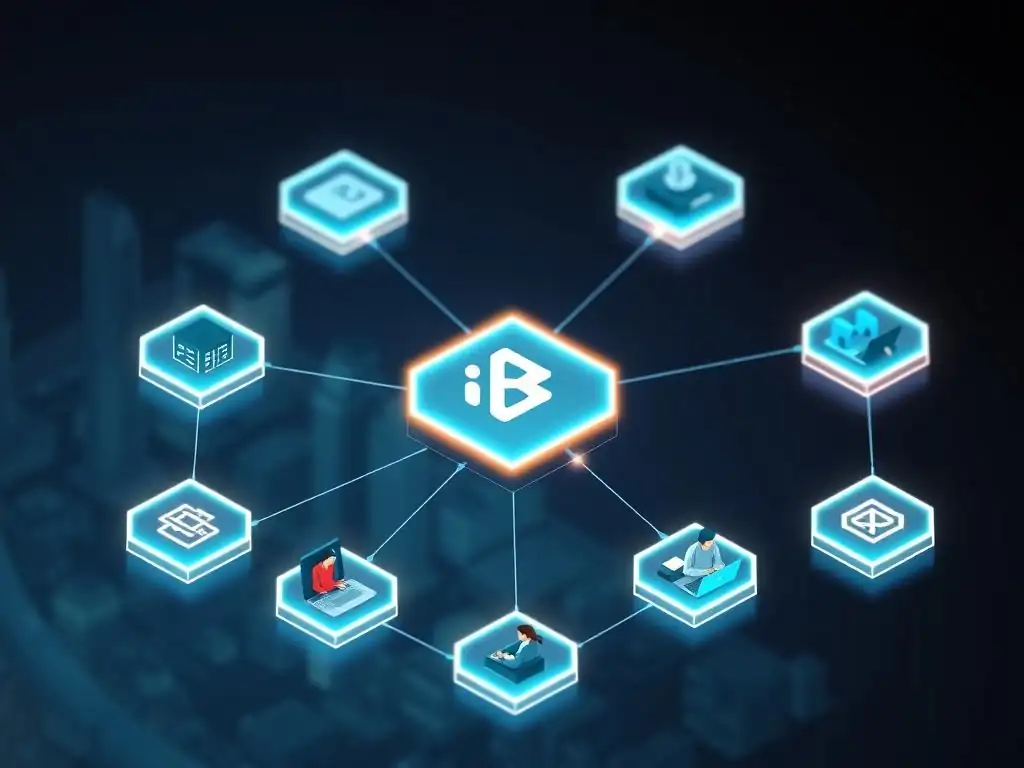
Increased Transparency and Trust in Talent Acquisition
Decentralized, skills-based talent platforms offer a significant advantage in fostering increased transparency and trust throughout the talent acquisition process. Traditional recruitment models often operate as black boxes, with limited visibility for candidates into the decision-making process. Blockchain technology, with its inherent transparency and immutability, changes this paradigm.
By recording verifiable credentials, work history, and even project performance on a blockchain, these platforms create a transparent and auditable record that builds trust among all participants. For example, a candidate's skills certifications, verified by issuing institutions and recorded on-chain using DID, provide irrefutable proof of their qualifications, eliminating the need for manual verification and reducing the risk of fraudulent claims.
Smart contracts further enhance transparency by automating agreement execution and payment processes. The terms of engagement, payment schedules, and dispute resolution mechanisms are clearly defined in code and publicly auditable on the blockchain. This eliminates ambiguity and ensures that all parties operate under the same set of rules, fostering trust and reducing the potential for disputes.
For employers, access to verifiable candidate credentials and transparent performance records on the blockchain reduces the risk of making poor hiring decisions based on misrepresented qualifications. For candidates, the transparency of the platform and the immutability of their credentials build confidence and trust in the fairness and objectivity of the talent marketplace.
Reduced Costs and Improved Efficiency in Hiring Processes
The adoption of decentralized, skills-based talent platforms powered by blockchain and AI promises significant reductions in costs and improvements in efficiency across the entire hiring process. Traditional recruitment often involves multiple intermediaries, such as recruitment agencies and background check services, each adding to the overall cost and complexity. Decentralized platforms streamline these processes by directly connecting talent with opportunities, eliminating the need for intermediaries and their associated fees. Smart contracts automate administrative tasks such as contract creation, payment processing, and dispute resolution, further reducing operational costs and manual effort.
AI-powered talent matching algorithms significantly improve efficiency by automating candidate screening and selection. AI can analyze vast datasets of candidate profiles and job requirements far faster and more accurately than manual methods, reducing the time recruiters spend on initial screening and shortlisting. This accelerated process translates to faster time-to-hire, a critical metric for businesses operating in fast-paced environments.
Furthermore, the reduced reliance on manual processes and intermediaries minimizes administrative overhead and human error, leading to more efficient and cost-effective hiring operations overall. Studies have shown that companies implementing AI-powered recruitment solutions can experience a reduction in hiring costs by as much as 30-50%.
Enhanced Access to Global Talent Pools
Decentralized talent platforms, by their very nature, break down geographical barriers and provide organizations with enhanced access to global talent pools. Traditional recruitment methods are often limited by geographical constraints, focusing primarily on local talent markets. Blockchain and AI-powered platforms transcend these limitations, enabling organizations to tap into a worldwide network of skilled professionals, regardless of their location. This is particularly advantageous for companies seeking niche skills or specialized expertise that may be scarce in their local region.
The ability to access global talent pools expands the diversity of perspectives and skillsets available to organizations, fostering innovation and competitiveness. Remote work and distributed teams are increasingly prevalent, and decentralized platforms are ideally suited to facilitate global collaboration.
For example, a company in Silicon Valley can easily connect with and hire a blockchain developer in Eastern Europe or a cybersecurity expert in Asia through a decentralized platform, accessing skills that might be difficult or expensive to find locally. This enhanced access to global talent pools empowers organizations to build more diverse and high-performing teams, driving innovation and achieving strategic objectives in an increasingly interconnected world.
Greater Control and Ownership for Talent
Decentralized, skills-based talent platforms shift the power dynamic in the talent marketplace, granting greater control and ownership to individual talent. In traditional models, talent often relies on centralized platforms and intermediaries, relinquishing control over their data, career paths, and earnings. Blockchain-based platforms, particularly those utilizing Decentralized Identity (DID), empower individuals to own and control their digital identities, verifiable credentials, and personal data. They can selectively share their information with potential employers and manage their online presence, enhancing privacy and autonomy.
Furthermore, decentralized platforms often incorporate community governance mechanisms, allowing talent to participate in platform decision-making and shape the future direction of the ecosystem. This fosters a sense of ownership and community, aligning the platform's interests with those of its users. The focus on skills-based hiring empowers individuals to be recognized and rewarded for their abilities and expertise, rather than solely relying on traditional credentials or formal qualifications.
Smart contracts ensure transparent and automated payment for services rendered, giving talent greater certainty and control over their earnings. This shift towards greater control and ownership empowers individuals to take charge of their careers and participate in a more equitable and democratic talent marketplace.
Addressing Challenges and Concerns
Scalability and Performance Considerations for Blockchain Networks
While blockchain technology offers numerous advantages for talent platforms, scalability and performance considerations are crucial aspects that need careful attention. Public blockchains, while highly decentralized and secure, can face limitations in transaction throughput and speed, potentially impacting the responsiveness and user experience of talent platforms built upon them. For platforms with a large number of users and frequent transactions (e.g., skill verifications, payments), the scalability of the chosen blockchain network becomes a critical factor. Transaction fees on some public blockchains can also fluctuate and become prohibitively expensive during periods of high network congestion.
To address scalability concerns, platform developers may consider utilizing Layer-2 scaling solutions, such as sidechains or rollups, which can offload transaction processing from the main blockchain and improve throughput. Alternatively, permissioned or consortium blockchains, while offering less decentralization than public blockchains, can provide higher transaction speeds and lower fees, potentially being more suitable for enterprise-grade talent platforms with specific performance requirements.
Careful selection of the blockchain technology and appropriate scaling solutions are essential to ensure that blockchain-based talent platforms can handle the demands of a growing user base and maintain a smooth and efficient user experience. Performance testing and optimization are critical throughout the platform development lifecycle to address potential bottlenecks and ensure optimal scalability.
Data Privacy and Security in Decentralized Talent Ecosystems
Data privacy and security are paramount concerns in any talent platform, and decentralized ecosystems built on blockchain require a nuanced approach to address these challenges effectively. While blockchain offers inherent security features such as immutability and cryptography, careful consideration must be given to data storage, access control, and compliance with data privacy regulations such as GDPR and CCPA.
Storing sensitive personal data directly on a public blockchain may not be desirable from a privacy perspective. Therefore, decentralized talent platforms often employ hybrid approaches, storing sensitive data off-chain in encrypted databases while using the blockchain to record verifiable credentials and transaction hashes.
Decentralized Identity (DID) plays a crucial role in enhancing data privacy by empowering individuals with control over their personal data. Users can selectively share specific credentials with potential employers and revoke access as needed, minimizing data exposure and enhancing privacy. Secure key management and robust access control mechanisms are essential to protect user data from unauthorized access and breaches.
Platforms must also implement strong security protocols to safeguard against smart contract vulnerabilities and potential attacks on the blockchain infrastructure. Compliance with relevant data privacy regulations requires careful planning and implementation, ensuring that user data is handled responsibly and ethically within the decentralized talent ecosystem.
Regulatory Landscape and Compliance Issues
The regulatory landscape surrounding blockchain technology and decentralized platforms is still evolving, and talent platforms operating in this space must navigate a complex and sometimes uncertain legal environment. Regulations related to data privacy, employment law, and cross-border payments can vary significantly across jurisdictions, requiring platforms to adopt a global compliance strategy. Classifying workers in the gig economy and ensuring compliance with labor laws, particularly in the context of decentralized autonomous organizations (DAOs), presents unique challenges. Determining the legal status of DAOs and their members and addressing issues such as worker classification and liability requires careful legal consideration.
Cross-border payments in cryptocurrencies may also be subject to regulatory scrutiny and compliance requirements related to anti-money laundering (AML) and know-your-customer (KYC) regulations. Platforms may need to implement KYC/AML procedures to ensure compliance and mitigate regulatory risks. Navigating the evolving regulatory landscape requires platforms to stay informed about legal developments, seek legal counsel, and adopt a proactive approach to compliance. Engaging with regulators and industry bodies can help shape a more favorable and predictable regulatory environment for blockchain-based talent platforms.
Overcoming Resistance to Change and Adoption Barriers
Despite the potential benefits of decentralized, skills-based talent platforms, overcoming resistance to change and adoption barriers is crucial for widespread success. Traditional HR departments and recruitment agencies may perceive decentralized platforms as disruptive and resist adopting new technologies and workflows. Educating stakeholders about the benefits of blockchain and AI, demonstrating tangible ROI, and providing adequate training and support are essential to overcome resistance and facilitate adoption. Building trust in new technologies is also crucial. Addressing concerns about data security, privacy, and the reliability of blockchain networks is important to build confidence among both employers and talent.
User experience is a key factor in driving adoption. Platforms must be user-friendly, intuitive, and provide a seamless experience for both employers and talent. Complex interfaces and technical jargon can deter users from adopting new platforms. Building a strong community and fostering network effects are also important for driving adoption. Platforms that create a vibrant ecosystem with active participation from both talent and employers are more likely to succeed. Strategic partnerships with established organizations and industry influencers can also help accelerate adoption and build credibility for decentralized talent platforms.
The Future of Work: A Vision of Decentralized Talent Ecosystems
The Evolution of Skills-Based Hiring and Credentials
The future of work is increasingly leaning towards skills-based hiring, and blockchain and AI are playing a pivotal role in accelerating this evolution. Traditional hiring often places excessive emphasis on formal degrees and qualifications, which may not always accurately reflect an individual's actual skills and capabilities. Skills-based hiring shifts the focus to demonstrable skills and competencies, valuing practical experience and proven abilities over traditional credentials alone. Decentralized talent platforms facilitate skills-based hiring by enabling individuals to showcase verifiable skills and competencies through Decentralized Identity (DID) and on-chain records of project contributions and performance.
AI-powered skills assessment tools further enhance skills-based hiring by providing objective and data-driven evaluations of candidate skills. AI can analyze work samples, code repositories, and other forms of evidence to assess skill proficiency with greater accuracy than traditional resume reviews or interviews. The evolution of verifiable credentials, powered by blockchain, is transforming how skills and qualifications are recognized and validated.
Digital badges, certifications, and micro-credentials issued on blockchain provide tamper-proof and easily verifiable proof of skills and achievements. This shift towards skills-based hiring and verifiable credentials is creating a more meritocratic and equitable talent marketplace, where individuals are valued and rewarded for their demonstrable abilities, regardless of their formal education or background.
The Role of Blockchain and AI in Fostering a More Equitable and Inclusive Workforce
Blockchain and AI have the potential to foster a more equitable and inclusive workforce by addressing biases and promoting transparency in talent acquisition and management. Traditional hiring processes can be susceptible to unconscious biases, leading to disparities in opportunities for certain demographic groups. AI algorithms, when designed and trained responsibly, can help mitigate bias by focusing on skills and qualifications rather than demographic factors. By analyzing data and identifying patterns of bias, AI can be used to create fairer and more objective screening and selection processes.
Decentralized talent platforms can promote inclusivity by breaking down geographical barriers and providing access to opportunities for individuals from diverse backgrounds and locations. The transparency and immutability of blockchain can enhance trust and fairness in the hiring process, reducing the potential for discrimination and promoting equal opportunity. Skills-based hiring, facilitated by blockchain and AI, further contributes to inclusivity by valuing diverse skillsets and experiences, regardless of traditional credentials or backgrounds. By creating a more transparent, objective, and accessible talent marketplace, blockchain and AI can play a significant role in fostering a more equitable and inclusive workforce for the future.
The Impact on Traditional HR Departments and Roles
The rise of decentralized, skills-based talent platforms powered by blockchain and AI will inevitably impact traditional HR departments and roles, requiring adaptation and evolution. While some traditional HR tasks may be automated or streamlined by these technologies, the role of HR professionals will not become obsolete but rather transform and become more strategic. HR departments will need to develop expertise in managing decentralized talent platforms, leveraging AI-powered tools, and navigating the evolving regulatory landscape of blockchain and digital assets.
HR professionals will increasingly focus on strategic talent management, workforce planning, employee experience, and fostering a culture of continuous learning and development. They will play a crucial role in integrating decentralized talent into the overall workforce strategy, managing hybrid teams, and ensuring compliance and ethical considerations are addressed in the use of AI and blockchain technologies. The shift towards skills-based hiring will require HR to develop new methods for skills assessment, competency mapping, and personalized learning paths.
HR will become more data-driven, utilizing AI-powered analytics to gain insights into workforce trends, identify skills gaps, and optimize talent strategies. The future of HR will be characterized by a greater focus on strategic partnership, technology adoption, and human-centric talent management in a decentralized and skills-based work environment.
Optimizing Your Blockchain Talent Platform Strategy: Key Considerations
Choosing the Right Blockchain Technology for Your Platform
Selecting the appropriate blockchain technology is a critical decision when developing a blockchain talent platform, as it will significantly impact performance, scalability, security, and cost. Several blockchain options exist, each with its own trade-offs. Public blockchains like Ethereum offer high decentralization and security but can face scalability limitations and higher transaction fees.
They are suitable for platforms prioritizing maximum decentralization and transparency. Permissioned blockchains or consortium blockchains, such as Hyperledger Fabric or Corda, offer greater control over access and governance, improved scalability, and lower transaction costs. These are often preferred for enterprise-grade platforms where data privacy and regulatory compliance are paramount.
Layer-2 scaling solutions for public blockchains, such as sidechains and rollups, can enhance scalability and reduce transaction fees while still leveraging the security of the main chain. These solutions can be suitable for platforms that require both decentralization and high performance.
The choice of blockchain technology should be driven by the specific requirements of the platform, considering factors such as the scale of operations, transaction volume, data sensitivity, regulatory compliance needs, and budget constraints. A thorough evaluation of different blockchain options and their trade-offs is essential to make an informed decision and choose the technology best suited for the platform's goals.
Integrating AI Capabilities for Enhanced Functionality
Strategic integration of AI capabilities is crucial for maximizing the functionality and value proposition of a blockchain talent platform. AI can enhance various aspects of the platform, from talent matching and screening to personalized learning and skills gap analysis. AI-powered talent matching algorithms can significantly improve the efficiency and accuracy of connecting talent with relevant opportunities, going beyond keyword matching to analyze skills, experience, and project preferences. AI-driven skills assessment tools can provide objective and data-driven evaluations of candidate skills, enhancing the reliability of verifiable credentials and skills-based hiring.
AI can personalize learning and development paths, recommending tailored training programs and resources based on individual skill profiles and career aspirations, fostering continuous growth and addressing skills gaps. AI-powered analytics can provide valuable insights into platform usage, talent trends, and market demands, enabling data-driven decision-making and platform optimization. When integrating AI, it's essential to prioritize ethical considerations, ensure transparency in AI algorithms, and mitigate potential biases. A thoughtful and strategic approach to AI integration can significantly enhance the user experience, efficiency, and overall effectiveness of a blockchain talent platform.
Building a Strong Community and Ecosystem Around Your Platform
Building a strong community and ecosystem is paramount for the long-term success and sustainability of any talent platform, particularly those built on decentralized principles. A vibrant community fosters network effects, attracts both talent and organizations, and drives platform growth. Engaging with early adopters and actively soliciting feedback is crucial in the initial stages to shape platform development and ensure it meets user needs. Creating a welcoming and inclusive community environment, fostering collaboration and knowledge sharing among users, and providing excellent customer support are essential for community building.
Incentivizing community participation through reward programs, tokenomics, or governance mechanisms can further encourage engagement and loyalty. Organizing online and offline events, workshops, and webinars can help build community connections and promote platform awareness. Strategic partnerships with relevant organizations, industry influencers, and educational institutions can expand the platform's reach and credibility. A strong community not only drives user adoption but also contributes to platform governance, development, and long-term sustainability. Investing in community building is a crucial aspect of optimizing your blockchain talent platform strategy and ensuring its success in the decentralized talent ecosystem.
Conclusion: Embracing the Decentralized Future of Talent
Blockchain and AI: The Key to Unlocking Human Potential
The convergence of blockchain and AI represents a paradigm shift in the future of work, offering the potential to unlock human potential on an unprecedented scale. Blockchain provides the foundational infrastructure for building decentralized, transparent, and secure talent platforms, empowering individuals with greater control over their careers and data. AI injects intelligence, automation, and efficiency into talent processes, enhancing matching accuracy, personalizing learning paths, and driving data-driven decision-making. Together, blockchain and AI are creating a more equitable, efficient, and skills-focused talent ecosystem that benefits both individuals and organizations.
By breaking down geographical barriers, fostering transparency and trust, and promoting skills-based hiring, these technologies are democratizing access to opportunity and enabling individuals to reach their full potential, regardless of their background or location. Organizations gain access to a wider and more diverse talent pool, reduce recruitment costs, and improve workforce agility. Embracing the synergistic power of blockchain and AI is not just about adopting new technologies; it's about reimagining the very nature of work and creating a future where talent is valued, empowered, and connected in a more meaningful and efficient way.
Preparing for the Transformation of the Workforce
The transformation of the workforce driven by blockchain and AI is already underway, and preparing for this shift is essential for both individuals and organizations. Individuals need to embrace continuous learning, develop in-demand skills, and adapt to the evolving demands of the skills-based economy. Investing in upskilling and reskilling, particularly in areas such as blockchain development, AI, and data science, will be crucial for career success in the future of work. Understanding and leveraging decentralized talent platforms and digital credentials will become increasingly important for individuals seeking to manage their careers and access global opportunities.
Organizations need to proactively adapt their talent strategies to embrace decentralized talent platforms, integrate AI-powered tools, and foster a culture of agility and innovation. Investing in training and development programs to upskill their workforce in relevant technologies and skills is crucial for staying competitive. Rethinking traditional HR processes and embracing skills-based hiring approaches will be essential for attracting and retaining top talent in the evolving landscape. Preparing for the transformation of the workforce requires a proactive, adaptable, and forward-thinking approach, embracing the opportunities and addressing the challenges presented by blockchain and AI in the future of work.
Frequently Asked Questions
How is blockchain technology impacting talent acquisition?
Blockchain is creating decentralized talent platforms that offer greater transparency and security. This can lead to more efficient matching of skills with job opportunities and reduced reliance on traditional intermediaries.
What role does AI play in enhancing blockchain-based talent platforms?
AI algorithms can analyze skills data on the blockchain to provide personalized recommendations for candidates and employers. They can also automate tasks like resume screening and interview scheduling, improving efficiency.
What are the key benefits of using a skills-based talent platform built on blockchain?
Skills-based platforms prioritize verified skills and competencies over traditional credentials. Blockchain ensures tamper-proof records of these skills, increasing trust and transparency for both employers and talent.
What are the regulatory considerations for developing a blockchain talent platform?
Developers need to be aware of data privacy regulations like GDPR and CCPA, as well as regulations related to digital identity and data security. Compliance is crucial for building a sustainable platform.
What are some effective blockchain talent platform development strategies to attract users?
Focus on building a user-friendly interface, offering valuable incentives for participation, and ensuring data security and privacy. Marketing the platform to both talent and employers is also essential for adoption.
Final Reflection: Embracing the Decentralized Future of Work
The insights shared throughout this article underscore a critical shift: the convergence of blockchain and AI is not just a technological advancement, but a fundamental reshaping of how we connect talent with opportunity. The potential of decentralized and skills-based talent platforms to democratize access, foster innovation, and empower individuals is no longer a futuristic fantasy, but a rapidly approaching reality. As we navigate the complexities of blockchain talent platform development strategies, it's crucial to remember the human element at the heart of this transformation.
This evolution profoundly impacts the cultural and social landscape, moving us towards a more fluid and equitable labor market. The ability to directly connect skills with demand, bypassing traditional gatekeepers, promises to unlock untapped potential and foster a more meritocratic system. This resonates deeply with the desire for autonomy and purpose in work, a sentiment increasingly voiced by the modern workforce. The future of work consists of learning a living.
- Herbert Gerjuoy. This quote encapsulates the need for continuous adaptation and skill development, perfectly aligning with the dynamic nature of blockchain and AI-driven talent platforms.
As you consider the implications of these advancements, I invite you to reflect on your own role in shaping this future. How can you leverage these technologies to enhance your skills, connect with new opportunities, or contribute to the development of more inclusive and equitable talent ecosystems? The future of work is not something that happens to us, but something we actively create. Embrace the possibilities, explore the potential, and let's build a future where talent thrives, and opportunity is truly decentralized.
Unlock Your Future: Reimagine Work with Blockchain
Thank you for exploring how blockchain and AI are transforming the future of work. You've gained valuable insights into decentralized talent platforms and the shift toward skills-based hiring. Now, it's time to turn that knowledge into action and prepare for success in this evolving landscape.
Here’s how you can get started:
- Discover opportunities: Explore blockchain-based skills platforms and find ways to showcase your abilities.
- Share your thoughts: Discuss this article with your network and start a conversation about the future of talent.
- Enhance your skills: Choose one in-demand skill mentioned in the article and dedicate time this week to improving it.
What’s the first step you’ll take to embrace the decentralized, skills-driven future of work? Share your plans in the comments below!
Leave a Reply