
Reshaping Education: Personalized Learning and Credentialing with Blockchain and AI


Welcome to Blockchain Trends, your go-to source for understanding the revolution beyond Bitcoin. Dive into the transformative power of blockchain, exploring its impact on DeFi, enterprise solutions, and the evolving regulatory landscape. Ever wondered how blockchain is reshaping education? Our in-depth look at the blockchain education credentialing verification process reveals how this technology, coupled with AI, is paving the way for personalized learning and verifiable achievements. Curious to learn more? Explore the future of decentralized systems with us and unlock a world of possibilities.
Revolutionizing Education: Personalized Learning and Verified Credentials with Blockchain and AI
- The Convergence of Blockchain and AI in Education
- The Problem: Challenges in Education and Credentialing
- Blockchain-Based Education Credentials: A Solution
- AI-Powered Personalized Learning
- Blockchain Education Credential Verification Process
- Use Cases: Blockchain and AI in Education
- The Future of Education: Blockchain, AI, and Personalized Learning
- Conclusion: Transforming Education with Blockchain and AI
-
Frequently Asked Questions
- What is Blockchain education credentialing verification process, and why is it important?
- How does blockchain enhance Blockchain education credentialing verification process over traditional methods?
- What role does AI play in the Blockchain education credentialing verification process as mentioned in the article?
- What are the potential benefits of implementing a Blockchain education credentialing verification process for students and employers?
- What are some of the challenges in adopting a Blockchain education credentialing verification process on a wider scale?
- Final Reflection: Embracing the Future of Learning
- Ignite Your Educational Revolution!
The Convergence of Blockchain and AI in Education
Synergies: AI-Driven Personalization and Blockchain-Based Credentials
The integration of Artificial Intelligence (AI) and blockchain technology is creating unprecedented opportunities across various sectors, and education is no exception. AI's strength lies in its ability to analyze vast datasets, identify patterns, and personalize experiences. In education, this translates to tailoring learning paths, content delivery, and assessment methods to individual student needs. Imagine AI algorithms assessing a student's learning style, pace, and knowledge gaps in real-time to dynamically adjust the curriculum, providing customized feedback and resources. This level of personalization was previously unattainable in traditional, one-size-fits-all educational models.
Complementing AI's personalization capabilities, blockchain technology offers a secure, transparent, and immutable infrastructure for managing educational credentials. Blockchain's decentralized nature ensures that records are tamper-proof and verifiable by anyone with permission, eliminating the risks of fraud and forgery prevalent in paper-based systems. By combining AI-driven personalized learning experiences with blockchain-secured credentials, we can create an educational ecosystem that is not only more effective and engaging but also more trustworthy and equitable. This synergy is poised to revolutionize how we learn, assess, and validate educational achievements in the digital age.
Why Blockchain and AI are Crucial for Future Education
The future of education demands systems that are adaptable, accessible, and credible. Traditional educational models are increasingly struggling to keep pace with the rapid changes in the job market and the evolving needs of learners. Blockchain and AI offer solutions to these critical challenges.
AI empowers educators to move beyond standardized curricula and embrace personalized learning journeys. According to a study by McKinsey, personalized learning has the potential to improve student outcomes by as much as 20-30% compared to traditional methods. This improvement stems from AI's ability to cater to individual learning styles and paces, ensuring that each student receives the right support at the right time.
Furthermore, in an increasingly globalized and digital world, the need for verifiable and universally recognized credentials is paramount. Blockchain technology addresses this need by providing a secure and decentralized platform for issuing and verifying educational qualifications. The current system often involves cumbersome and time-consuming verification processes, costing institutions and individuals significant resources.
A report by Credentify estimated that credential fraud costs the global economy billions of dollars annually. Blockchain-based credentials offer a streamlined and cost-effective solution, fostering trust and efficiency in the recognition of educational achievements worldwide. The convergence of AI and blockchain is, therefore, not just a technological advancement but a fundamental shift towards a more learner-centric, efficient, and trustworthy educational paradigm.
The Problem: Challenges in Education and Credentialing
Inefficiencies in Traditional Education
Traditional education systems are often plagued by inefficiencies that hinder both student learning and administrative processes. One significant inefficiency is the lack of personalization. Classrooms typically operate on a standardized curriculum and pace, failing to adequately address the diverse learning needs of students. This can lead to disengagement, frustration, and ultimately, lower learning outcomes for students who are either ahead or behind the average pace. Moreover, administrative tasks such as record-keeping, transcript management, and credential verification are often manual, paper-based, and time-consuming.
Consider the process of obtaining a transcript from a university. It can involve physical visits, lengthy processing times, and potential errors in manual data entry. These inefficiencies not only burden students and educational institutions but also contribute to higher operational costs.
For example, a study by the National Student Clearinghouse Research Center found that processing transcript requests manually can cost institutions an average of $10-20 per request. These costs accumulate significantly, especially in large institutions handling thousands of requests annually. The traditional educational model, while foundational, struggles to adapt to the demands of the 21st century, highlighting the urgent need for more efficient and personalized approaches.
The Need for Secure and Verifiable Credentials
In today's interconnected world, the integrity and verifiability of educational credentials are more critical than ever. The rise of online education and global mobility has increased the demand for credentials that are recognized and trusted across borders. However, traditional paper-based credentials are susceptible to fraud, forgery, and loss.
According to a report by the European Network of Information Centres in the European Region (ENIC-NARIC), instances of fraudulent academic credentials have been on the rise, impacting both individuals and employers. Verifying the authenticity of these credentials through traditional channels can be a complex and time-consuming process, often requiring direct contact with issuing institutions and manual checks.
This lack of security and verifiability erodes trust in the educational system and can have serious consequences for individuals seeking employment or further education. Employers spend considerable resources verifying credentials, and even then, they may face uncertainty about their authenticity. For instance, a survey conducted by HireRight revealed that a significant percentage of background checks uncover discrepancies in educational qualifications. The need for a secure, tamper-proof, and easily verifiable system for managing educational credentials is thus paramount to maintain the credibility of educational institutions and ensure fair recognition of qualifications in the global marketplace.
Limitations of Existing Credential Verification
Existing credential verification processes are often characterized by several limitations, including inefficiency, high costs, and lack of interoperability. Traditional verification methods typically involve contacting the issuing institution directly, which can be a slow and labor-intensive process, especially for older credentials or institutions with outdated record-keeping systems. This process often involves manual searches through archives, phone calls, and email exchanges, leading to delays and increased administrative burdens for both verifiers and institutions. Furthermore, the cost of verification can be substantial, particularly when using third-party verification services.
Moreover, current systems often lack interoperability, meaning that credentials issued by one institution may not be easily verifiable or recognized by another institution or in a different country. This lack of standardization creates friction and barriers to mobility for students and professionals seeking to leverage their qualifications across different contexts. Consider the challenges faced by international students when trying to have their foreign credentials evaluated in a new country.
They often encounter complex bureaucratic procedures, language barriers, and varying recognition standards. These limitations underscore the need for a more streamlined, standardized, and universally accessible credential verification system, which blockchain technology is poised to provide.
Blockchain-Based Education Credentials: A Solution
How Blockchain Revolutionizes Education Records
Blockchain technology offers a transformative solution for managing education records by providing a decentralized, immutable, and transparent platform. Unlike traditional centralized databases, blockchain distributes data across a network of computers, making it resistant to single points of failure and tampering. Once a record, such as an educational credential, is added to the blockchain, it becomes virtually impossible to alter or delete, ensuring the integrity and permanence of the data. This immutability is achieved through cryptographic hashing and consensus mechanisms, which secure each block of data and link it to the previous block in the chain.
In the context of education, this means that diplomas, degrees, certificates, and other academic achievements can be recorded on a blockchain in a secure and verifiable manner. Imagine a student receiving their degree, which is instantly recorded on a blockchain. This record serves as an official, tamper-proof digital credential that the student can easily share with employers, educational institutions, or anyone requiring verification. This eliminates the need for paper diplomas, transcripts, and time-consuming verification processes. The inherent security and transparency of blockchain technology revolutionize education records management, fostering trust and efficiency in the entire educational ecosystem.
Benefits of Decentralized Credential Management
Decentralized credential management using blockchain offers a multitude of benefits for students, educational institutions, and employers. For students, blockchain-based credentials provide greater ownership and control over their academic records. They can easily access, manage, and share their credentials digitally, eliminating the risk of losing or damaging paper documents. Furthermore, blockchain credentials enhance portability and recognition of qualifications globally. Students can seamlessly present their verified credentials to institutions or employers worldwide, simplifying the process of applying for jobs or further education internationally.
For educational institutions, blockchain reduces administrative burdens and costs associated with issuing and verifying credentials. Automated issuance and verification processes streamline workflows, freeing up resources for core educational activities. Moreover, blockchain enhances the reputation and credibility of institutions by providing a secure and transparent system for validating their qualifications. For employers, blockchain-based credentials offer a faster, more reliable, and cost-effective way to verify the educational background of job applicants. Instant verification reduces the risk of hiring unqualified candidates and speeds up the recruitment process. Overall, decentralized credential management fosters a more efficient, secure, and student-centric educational ecosystem.
AI-Powered Personalized Learning
Utilizing AI to Tailor Education
Artificial Intelligence is transforming education by enabling personalized learning experiences tailored to individual student needs and preferences. AI algorithms can analyze vast amounts of student data, including learning history, performance metrics, learning styles, and interests, to create customized learning paths. This goes beyond simply adjusting the pace of learning; AI can adapt the content format, delivery method, and assessment strategies to optimize learning outcomes for each student. For example, an AI system might identify that a student learns best through visual aids and interactive simulations and then prioritize these types of resources in their learning journey.
Furthermore, AI can provide real-time feedback and support to students, addressing their specific challenges and knowledge gaps. Intelligent tutoring systems powered by AI can offer personalized guidance, answer questions, and provide targeted interventions when a student is struggling. This level of individualized attention was previously impossible to achieve at scale in traditional classroom settings. By leveraging AI's capabilities, educators can move away from a one-size-fits-all approach and create more engaging, effective, and equitable learning environments that cater to the unique needs of every student.
AI-Driven Adaptive Learning Platforms: Enhancing Engagement
AI-driven adaptive learning platforms are revolutionizing how students engage with educational content by dynamically adjusting to their learning progress and preferences. These platforms utilize sophisticated algorithms to monitor student performance in real-time and adapt the difficulty level, content, and learning activities accordingly. If a student is mastering a concept quickly, the platform can introduce more challenging material to keep them engaged and progressing. Conversely, if a student is struggling, the platform can provide additional support, resources, and alternative explanations to reinforce understanding.
Platforms like Khan Academy and Duolingo exemplify the power of adaptive learning. Khan Academy uses AI to provide personalized practice exercises and track student progress across various subjects, offering tailored recommendations and support. Duolingo leverages AI to personalize language learning paths, adapting lessons based on a learner's strengths and weaknesses, and providing customized feedback. These platforms demonstrate that adaptive learning can significantly enhance student engagement, motivation, and ultimately, learning outcomes. By creating more personalized and responsive learning environments, AI-driven platforms are making education more effective and enjoyable for learners of all backgrounds and abilities.
AI's Role in Identifying Skills Gaps and Recommending Resources
AI plays a crucial role in identifying individual skills gaps and recommending relevant learning resources to address them, facilitating more targeted and efficient learning. By analyzing student performance data, AI algorithms can pinpoint specific areas where a student is struggling or lacking proficiency. This granular level of insight allows for precise interventions and personalized recommendations, moving beyond generalized feedback to address specific learning needs. For instance, if an AI system detects that a student is struggling with a particular concept in mathematics, it can recommend targeted practice problems, video tutorials, or supplementary reading materials focused on that specific area.
Moreover, AI can leverage vast repositories of educational resources, including online courses, articles, videos, and interactive simulations, to curate personalized learning pathways. By matching a student's identified skills gaps with relevant resources, AI ensures that learners are directed to the most effective materials to support their development.
This personalized approach to resource recommendation saves students time and effort by filtering out irrelevant content and focusing their learning on areas where they need the most support. Ultimately, AI's ability to identify skills gaps and recommend targeted resources empowers learners to take a more proactive and efficient approach to their education, leading to improved learning outcomes and career readiness.
Blockchain Education Credential Verification Process
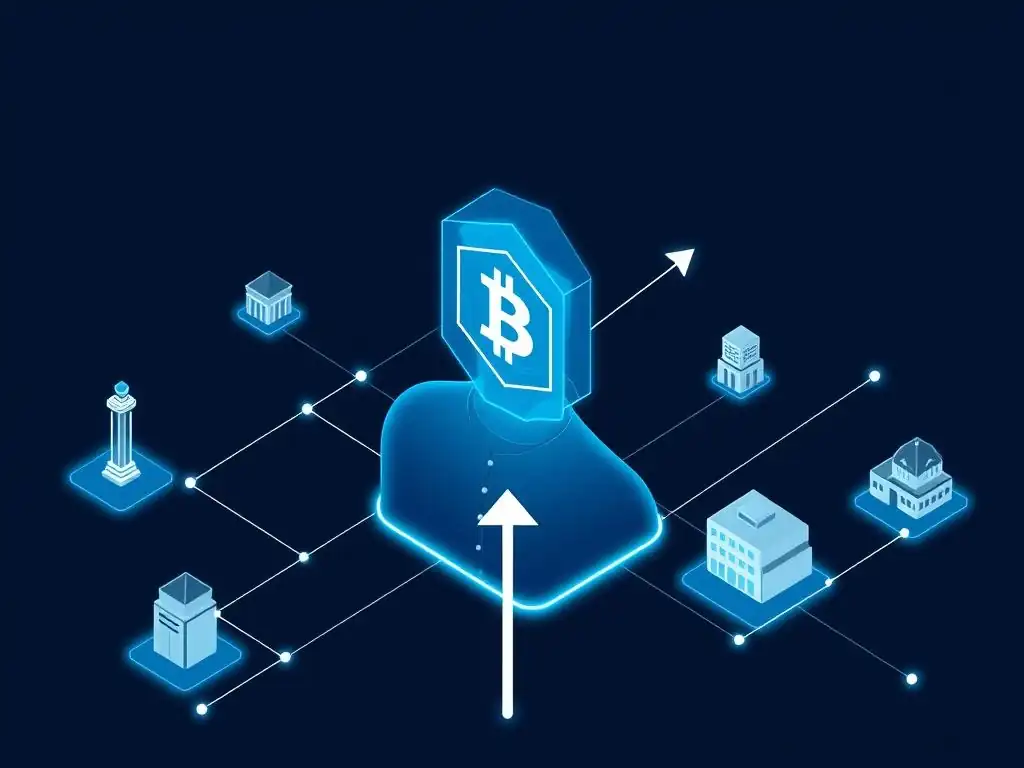
Issuing Credentials on a Blockchain
The process of issuing credentials on a blockchain involves several key steps, leveraging the technology's inherent security and transparency. Typically, an educational institution, acting as the issuer, first prepares the credential data, which includes details about the student, the qualification earned, and the date of completion. This data is then cryptographically signed by the institution to ensure authenticity and prevent tampering. Next, this signed credential data is added to a block on the blockchain network. This process often involves using a dedicated platform or system that integrates with the institution's existing student information systems.
Upon successful addition to the blockchain, the credential becomes permanently recorded and verifiable. The student receives a digital representation of their credential, often in the form of a verifiable digital certificate, which contains a unique identifier or hash linked to the blockchain record. This digital certificate can be stored in a digital wallet or shared electronically. The issuance process can be automated, making it efficient and scalable, especially for institutions issuing large volumes of credentials. By issuing credentials on a blockchain, institutions move towards a more secure, efficient, and student-centric approach to credential management.
Verifying Educational Achievements Using Blockchain
Verifying educational achievements using blockchain is a streamlined and secure process, significantly simplifying credential verification. Instead of contacting the issuing institution directly, a verifier, such as an employer or another educational institution, can directly access the blockchain record of the credential. This is typically done using the unique identifier or hash associated with the digital certificate provided by the student. The verifier can input this identifier into a blockchain explorer or a dedicated verification platform to retrieve the credential record from the blockchain.
The cryptographic nature of blockchain ensures that the retrieved record is authentic and has not been tampered with. Verification is instant and can be performed 24/7, eliminating delays and administrative overhead associated with traditional methods. This process empowers students to share their verified credentials easily and securely with anyone needing to verify their qualifications, putting them in control of their academic records.
For employers and institutions, blockchain verification offers a reliable, cost-effective, and efficient way to confirm the authenticity of educational credentials, enhancing trust and efficiency in the recognition of qualifications. This streamlined blockchain education credentialing verification process is a key advantage of this technology.
Ensuring Data Integrity and Security
Ensuring data integrity and security is paramount in any credentialing system, and blockchain technology excels in providing robust solutions. Blockchain's inherent features, such as decentralization, immutability, and cryptography, contribute to a highly secure and tamper-proof environment for educational records. Decentralization distributes data across multiple nodes in the network, making it extremely difficult for malicious actors to compromise the system. Immutability ensures that once a credential record is added to the blockchain, it cannot be altered or deleted, guaranteeing the permanence and authenticity of the data.
Cryptography, particularly cryptographic hashing and digital signatures, underpins the security of blockchain. Hashing creates a unique fingerprint of the data, ensuring that any alteration would be immediately detectable. Digital signatures verify the authenticity of the issuer and prevent forgery. These security mechanisms, combined with the transparent and auditable nature of blockchain, create a highly trustworthy system for managing educational credentials. By leveraging these features, blockchain technology significantly reduces the risks of fraud, data breaches, and unauthorized modifications, ensuring the integrity and security of educational achievements for all stakeholders.
Use Cases: Blockchain and AI in Education
Case Study 1: MIT's Digital Certificates Initiative
The Massachusetts Institute of Technology (MIT) has been a pioneer in adopting blockchain for educational credentials through its Digital Certificates initiative. Starting in 2017, MIT began issuing blockchain-based diplomas to its graduates, allowing them to own and share their verified credentials digitally. This initiative, known as Blockcerts, utilizes the Bitcoin blockchain to anchor the digital certificates, ensuring their immutability and verifiability. MIT graduates receive a digital diploma that they can store in a digital wallet and share with employers or other institutions as needed.
The MIT Blockcerts project demonstrates the practical application of blockchain for secure and verifiable credentialing. It has streamlined the process of credential verification for both graduates and employers, reducing administrative burden and enhancing trust in the authenticity of MIT degrees. The initiative has also served as a model for other universities and institutions globally to explore and implement blockchain-based credentialing systems. MIT's early adoption and successful implementation of Blockcerts highlight the transformative potential of blockchain in revolutionizing education credential management.
Case Study 2: Duolingo's AI-Powered Language Learning
Duolingo, a popular language learning platform, effectively leverages AI to personalize the learning experience for millions of users worldwide. Duolingo's AI algorithms adapt to each learner's progress, strengths, and weaknesses, tailoring lessons and exercises to optimize learning outcomes. The platform uses spaced repetition algorithms to reinforce vocabulary and grammar concepts at optimal intervals, maximizing retention. AI also powers Duolingo's chatbot feature, providing personalized feedback and guidance to learners as they practice conversational skills.
Duolingo's success demonstrates the power of AI in enhancing engagement and effectiveness in language education. The platform's personalized learning approach has made language learning more accessible and enjoyable for a global audience. By continuously analyzing user data and adapting the learning experience, Duolingo showcases how AI can create highly effective and engaging educational tools that cater to individual learner needs. This case study exemplifies the transformative impact of AI in making education more personalized, accessible, and effective.
Examples of Innovative Blockchain and AI Education Projects
Beyond MIT and Duolingo, numerous innovative projects are emerging at the intersection of blockchain and AI in education. Several universities are exploring blockchain for transcript management, micro-credentials, and lifelong learning records. For example, institutions like the University of Nicosia and King's College London are piloting blockchain-based systems for issuing and managing academic credentials. These projects aim to create more efficient, secure, and student-centric credentialing ecosystems.
In the realm of AI, companies like Quizlet and Gradescope are developing AI-powered tools to enhance learning and assessment. Quizlet utilizes AI to create personalized study plans and adaptive learning experiences for students. Gradescope employs AI to automate grading and provide detailed feedback on student assignments, freeing up instructors' time and improving assessment efficiency.
Furthermore, initiatives like the AI Education Project are focused on developing ethical and responsible AI applications in education, addressing critical considerations such as data privacy and bias. These diverse projects illustrate the breadth and depth of innovation happening at the intersection of blockchain and AI in education, signaling a significant shift towards more personalized, secure, and efficient learning systems.
The Future of Education: Blockchain, AI, and Personalized Learning
Predictions for Education Technology Evolution
The future of education technology points towards even deeper integration of blockchain and AI, leading to more personalized, accessible, and decentralized learning experiences. We can anticipate the rise of AI-powered personalized learning platforms that are seamlessly integrated with blockchain-based credentialing systems. These platforms will provide adaptive learning paths tailored to individual student needs and automatically issue verifiable credentials upon successful completion of learning modules. The metaverse and immersive learning environments will further enhance personalized education, with AI tutors and blockchain-secured digital assets playing key roles.
Blockchain could also revolutionize access to education by enabling micro-scholarships and decentralized funding models. Smart contracts on blockchain can automate the distribution of scholarships based on predefined criteria, increasing transparency and efficiency in financial aid. Furthermore, blockchain-based identity solutions can facilitate secure and portable student identities, simplifying enrollment processes and enabling lifelong learning records that are recognized across institutions and borders. The convergence of these technologies promises a future where education is more learner-centric, equitable, and responsive to the evolving needs of individuals and the workforce.
The Impact on Workforce Development and Lifelong Learning
Blockchain and AI are poised to significantly impact workforce development and lifelong learning by creating more agile, personalized, and skills-focused educational pathways. AI-powered platforms can analyze labor market trends and identify in-demand skills, guiding learners towards relevant educational resources and career paths. Personalized learning ensures that individuals acquire the specific skills and knowledge needed for their chosen careers, enhancing their employability and career progression. Blockchain-based credentials will play a crucial role in validating skills and competencies acquired through various learning experiences, including formal education, online courses, and on-the-job training.
This shift towards skills-based learning and verifiable credentials will empower individuals to engage in lifelong learning and adapt to the rapidly changing demands of the job market. Micro-credentials and badges issued on blockchain can recognize specific skills acquired through short courses or professional development programs, providing learners with stackable credentials that build towards larger qualifications.
This modular and flexible approach to education will enable individuals to continuously upskill and reskill throughout their careers, staying relevant and competitive in the evolving workforce. The synergy of blockchain and AI is thus fundamental to fostering a culture of lifelong learning and workforce agility.
Addressing Challenges and Ethical Considerations
While the potential of blockchain and AI in education is immense, it is crucial to address potential challenges and ethical considerations to ensure responsible and equitable implementation. Data privacy is a paramount concern, as AI-powered personalized learning relies on collecting and analyzing student data. Robust data protection measures and transparent data governance policies are essential to safeguard student privacy and ensure ethical data handling.
Algorithmic bias in AI systems is another critical consideration. AI algorithms can inadvertently perpetuate or amplify existing biases in educational data, leading to unfair or discriminatory outcomes for certain student groups. Careful algorithm design, bias detection, and mitigation strategies are crucial to ensure fairness and equity in AI-driven education.
The digital divide is another challenge that needs to be addressed. Access to technology and digital literacy are essential for benefiting from blockchain and AI-powered education. Efforts must be made to bridge the digital divide and ensure that all learners have equitable access to these technologies.
Furthermore, ethical considerations around the use of AI in education, such as the potential for over-reliance on AI and the impact on human interaction in learning, need careful consideration. Open discussions, ethical frameworks, and responsible development practices are essential to navigate these challenges and ensure that blockchain and AI are used to create a more equitable and beneficial future for education.
Conclusion: Transforming Education with Blockchain and AI
Key Takeaways: Benefits of Blockchain and AI Integration
The integration of blockchain and AI offers transformative benefits for education, creating a more personalized, secure, and efficient learning ecosystem. AI empowers personalized learning experiences, tailoring education to individual student needs and enhancing engagement and learning outcomes. Blockchain provides a secure and transparent infrastructure for managing educational credentials, eliminating fraud, streamlining verification processes, and enhancing trust in qualifications. The synergy of these technologies addresses critical challenges in traditional education, fostering a more learner-centric, equitable, and future-ready educational paradigm.
Key benefits of blockchain and AI integration include: enhanced personalization of learning, improved student engagement and outcomes, secure and verifiable educational credentials, streamlined credential verification processes ( blockchain education credentialing verification process), reduced administrative burdens for institutions, and increased accessibility and recognition of qualifications globally. This convergence is not just a technological advancement but a fundamental shift towards a more effective, efficient, and trustworthy educational system that empowers learners and prepares them for the future workforce.
Call to Action: Exploring the Future of Learning
The transformative potential of blockchain and AI in education is vast and continues to unfold. Educational institutions, technology developers, policymakers, and educators are encouraged to explore and embrace these technologies to create a more innovative and equitable future for learning. Further research, pilot projects, and collaborative initiatives are needed to fully realize the benefits of blockchain and AI in education and address the associated challenges and ethical considerations.
By embracing these technologies responsibly and strategically, we can unlock new possibilities for personalized learning, secure credentialing, and ultimately, a more impactful and accessible education for all. The future of learning is being shaped by the convergence of blockchain and AI, and it is time to actively explore and contribute to this exciting evolution.
Frequently Asked Questions
What is Blockchain education credentialing verification process, and why is it important?
It's the use of blockchain technology to securely and transparently issue, store, and verify educational credentials. This is important because it combats credential fraud and allows for easier verification by employers.
How does blockchain enhance Blockchain education credentialing verification process over traditional methods?
Blockchain provides a tamper-proof and immutable record of credentials, unlike traditional paper or digital certificates. This makes it significantly more secure and easier to verify authenticity.
What role does AI play in the Blockchain education credentialing verification process as mentioned in the article?
AI can be used to personalize learning paths and assess skills, feeding into the blockchain-based credentialing system. This creates a more dynamic and skills-focused educational record.
What are the potential benefits of implementing a Blockchain education credentialing verification process for students and employers?
Students gain portable and verifiable credentials, boosting their employability. Employers benefit from a reliable and efficient method to verify candidates' qualifications.
What are some of the challenges in adopting a Blockchain education credentialing verification process on a wider scale?
Challenges include the lack of standardization, the need for interoperability between different blockchain systems, and the initial investment required for implementation.
Final Reflection: Embracing the Future of Learning
The convergence of blockchain and AI in education, as explored throughout this article, isn't just a technological advancement; it's a fundamental shift in how we perceive and validate learning. The promise of personalized learning pathways and immutable, verifiable credentials is no longer a distant dream, but a tangible reality reshaping the educational landscape. This transformation offers unprecedented opportunities for individuals to gain recognition for their skills and knowledge, regardless of traditional institutional affiliations.
The impact of this revolution extends far beyond the classroom. The ability to transparently and securely verify educational achievements, coupled with AI-driven personalized learning, empowers individuals to take control of their educational journeys and career trajectories. This shift fosters a more equitable and accessible learning environment, where skills are valued above all else. The future of learning is not about what you know, but what you can do with what you know.
This quote encapsulates the essence of blockchain education credentialing verification process, highlighting the importance of verifiable skills and practical application in a rapidly evolving world.
As we stand on the cusp of this educational revolution, let us embrace the potential of blockchain and AI to unlock human potential. Consider how you can leverage these technologies to enhance your own learning journey, validate your skills, and contribute to a more equitable and transparent educational ecosystem. The future of learning is in our hands; let us shape it wisely.
Ignite Your Educational Revolution!
Thank you for exploring the transformative potential of blockchain and AI in personalized learning and credentialing. Now it's time to take that knowledge and actively shape the future of education.
- Pioneer the Future: Research blockchain-based learning platforms and identify opportunities to implement them in your local educational institutions.
- Dive Deeper: Share this article with educators and tech enthusiasts to spark collaborative discussions about the future of learning.
- Explore the Landscape: Investigate AI-powered learning tools and how they can be used to create adaptive and personalized learning experiences.
How will you use these innovative technologies to revolutionize education in your community?
Leave a Reply