
Smart Contracts and AI: A Powerful Partnership Shaping the Future of Business

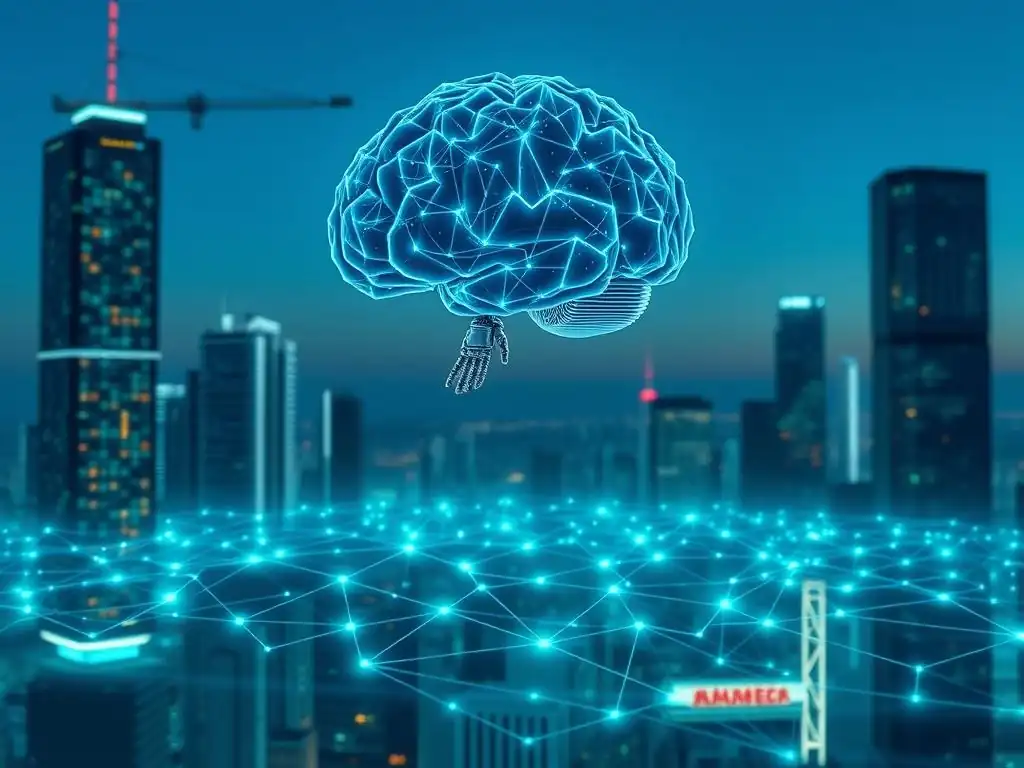
Welcome to Blockchain Trends, your guide to understanding the revolutionary impact of blockchain technology beyond the hype.
Ever wondered how blockchain is transforming industries outside of just cryptocurrencies? Dive into the exciting world of Blockchain AI business partnerships as we explore how smart contracts and artificial intelligence are converging to create unprecedented opportunities. Discover how this powerful synergy is reshaping the future of business and what it means for you. Read on to unlock the potential!
Smart Contracts and AI: A Powerful Partnership Shaping the Future of Business
- Introduction: The Convergence of Blockchain and AI in Business
- Understanding Smart Contracts and Their Limitations
- The Role of AI in Enhancing Smart Contract Capabilities
- Key Benefits of Blockchain and AI Partnership
- Use Cases: Blockchain and AI in Action
- Challenges and Considerations for Implementing AI-Enhanced Smart Contracts
- The Future of Blockchain and AI Partnership
- Conclusion: Embracing the Power of Blockchain and AI for Business Transformation
-
Frequently Asked Questions
- What is the core benefit of a Blockchain AI business partnership?
- How can AI improve the functionality of smart contracts?
- What are some real-world examples of Blockchain AI business partnership applications?
- What role does regulation play in the development of Blockchain AI business partnerships?
- What are the potential challenges of implementing a Blockchain AI business partnership?
- Final Reflection: Embracing the Synergy of Blockchain and AI
- Ignite Your Future: Harness the AI-Smart Contract Revolution!
Introduction: The Convergence of Blockchain and AI in Business
Synergistic Potential of Blockchain and AI
The intersection of blockchain and artificial intelligence (AI) is creating unprecedented opportunities for business innovation. Blockchain, with its decentralized, secure, and transparent ledger system, provides a robust foundation for data integrity and trustworthy transactions. AI, on the other hand, excels at analyzing vast datasets, identifying patterns, and making intelligent decisions. When these two powerful technologies converge, they create a synergistic effect that goes beyond the capabilities of either technology alone.
This partnership has the potential to revolutionize various industries by enhancing automation, security, and decision-making processes. For instance, combining blockchain's immutability with AI's analytical power can lead to more efficient and reliable supply chains, transparent financial systems, and secure healthcare data management. The combined strengths of blockchain and AI are not just incremental improvements but represent a paradigm shift in how businesses operate and interact.
The Rise of Intelligent Automation
The 21st century is witnessing a rapid increase in automation across industries, driven by the need for greater efficiency, reduced operational costs, and improved accuracy. While traditional automation relies on pre-programmed rules, intelligent automation, powered by AI, takes it a step further by enabling systems to learn, adapt, and make decisions autonomously. This is where the synergy with blockchain becomes particularly potent.
Blockchain provides a secure and auditable platform for deploying and managing AI-driven automation. Smart contracts, self-executing agreements on the blockchain, can be enhanced with AI to create intelligent contracts that not only automate tasks but also make sophisticated decisions based on real-time data and evolving circumstances.
This "intelligent automation" is poised to transform business processes, making them more agile, responsive, and resilient. The integration of AI into smart contracts represents a significant leap forward in the evolution of automation, promising a future where business operations are not just automated but also intelligently optimized.
Understanding Smart Contracts and Their Limitations
Smart Contracts: Automated Agreements
Smart contracts are self-executing contracts with the terms of the agreement directly written into code. Stored on a blockchain, these contracts automatically execute when predefined conditions are met, eliminating the need for intermediaries and reducing the potential for disputes. Imagine a simple example: a supply chain smart contract that automatically releases payment to a supplier once a shipment's arrival is verified on the blockchain.
This automation reduces delays, minimizes human error, and increases transparency for all parties involved. Smart contracts leverage the inherent security and immutability of blockchain technology, ensuring that once deployed, the contract terms cannot be altered, and the execution is guaranteed according to the coded logic. This characteristic fosters trust and efficiency in various applications, from supply chain management and real estate transactions to voting systems and intellectual property rights management.
Limitations of Traditional Smart Contracts
Despite their transformative potential, traditional smart contracts have inherent limitations. They are deterministic, meaning they operate based on predefined rules and lack the ability to adapt to unforeseen circumstances or make complex judgments. Traditional smart contracts struggle with ambiguity and require precise and unambiguous input data to trigger execution. For instance, a traditional smart contract designed for insurance payouts might struggle to process a claim involving nuanced factors or subjective assessments of damage.
Furthermore, they often rely on external data sources, known as "oracles," to feed them real-world information. The reliability and security of these oracles become critical points of vulnerability, as a compromised oracle can lead to incorrect contract execution. These limitations highlight the need for enhancements that can equip smart contracts with greater flexibility, adaptability, and decision-making capabilities, paving the way for the integration of artificial intelligence.
The Role of AI in Enhancing Smart Contract Capabilities
AI-Powered Smart Contracts: Enhanced Functionality
AI-powered smart contracts represent a significant evolution from their traditional counterparts. By integrating AI algorithms, these contracts gain the ability to analyze complex data, learn from past interactions, and make intelligent decisions beyond pre-programmed rules. Imagine a smart contract for dynamic pricing in e-commerce.
Instead of relying on fixed pricing rules, an AI-enhanced smart contract could analyze real-time market conditions, competitor pricing, and customer demand to dynamically adjust prices for optimal profitability. This enhanced functionality allows smart contracts to handle more complex scenarios, adapt to changing environments, and provide more sophisticated and personalized services. The infusion of AI transforms smart contracts from simple automation tools into intelligent agents capable of handling intricate tasks and making autonomous decisions within defined parameters, opening up a wider range of applications.
Integrating AI for Improved Decision-Making
The integration of AI significantly improves the decision-making capabilities of smart contracts. AI algorithms, such as machine learning models, can be trained on vast datasets to identify patterns, predict outcomes, and make informed decisions within the context of a smart contract. For example, in decentralized finance (DeFi), AI can be integrated into smart contracts to assess risk in lending protocols.
An AI-powered smart contract could analyze borrower data, market conditions, and historical loan performance to dynamically adjust interest rates and collateral requirements, leading to more efficient and safer lending practices. This ability to make data-driven decisions enhances the robustness and adaptability of smart contracts, making them suitable for applications requiring complex judgment and risk assessment. AI empowers smart contracts to move beyond simple rule-based execution to intelligent, context-aware operations, enabling them to handle more sophisticated and dynamic business processes.
AI's Role in Automating Complex Processes
AI plays a crucial role in automating complex processes within smart contracts. Traditional smart contracts are effective for automating straightforward tasks, but they often fall short when dealing with processes that involve multiple variables, intricate workflows, or require subjective assessments. AI can bridge this gap by providing smart contracts with the ability to handle complexity and ambiguity. Consider a smart contract for managing insurance claims.
With AI, the contract could automatically analyze claim documents, assess damage using image recognition, and even detect fraudulent claims by identifying anomalies and patterns in the data. This level of automation significantly reduces manual processing, speeds up claim settlements, and improves accuracy. AI's ability to process unstructured data, understand natural language, and learn from experience allows smart contracts to automate processes that were previously too complex or labor-intensive, unlocking new levels of efficiency and scalability.
Key Benefits of Blockchain and AI Partnership
Enhanced Efficiency and Automation
The partnership between blockchain and AI leads to significantly enhanced efficiency and automation across various business processes. AI-powered smart contracts automate complex tasks, reduce manual intervention, and streamline workflows. For example, in supply chain management, AI can optimize logistics, predict potential disruptions, and automate inventory management, all within the secure and transparent framework of a blockchain.
This combination reduces operational costs, minimizes errors, and accelerates business cycles. A study by McKinsey estimated that AI-powered supply chain management could reduce forecasting errors by up to 50% and inventory holding costs by 20-30%. The synergy of blockchain's secure infrastructure and AI's intelligent automation creates a powerful engine for operational excellence, driving efficiency gains and improving overall business performance.
Improved Security and Transparency
Blockchain inherently provides security and transparency through its decentralized and immutable ledger. When combined with AI, these attributes are further amplified. AI can enhance the security of smart contracts by detecting and preventing malicious activities, identifying vulnerabilities, and ensuring the integrity of data. For instance, AI-powered security systems can monitor blockchain networks for anomalies and potential threats in real-time, proactively mitigating risks.
Moreover, AI can improve transparency by providing better data analysis and insights into blockchain transactions and operations. This enhanced security and transparency build trust and confidence in blockchain-based systems, making them more attractive for businesses handling sensitive data and critical operations. The integration of AI into blockchain not only strengthens the security of the platform but also enhances its transparency, fostering a more trustworthy and reliable environment for business transactions.
Reduced Costs and Increased Accuracy
The combination of blockchain and AI significantly reduces operational costs and increases accuracy in business processes. Automation driven by AI-powered smart contracts minimizes the need for manual labor, reduces errors associated with human intervention, and speeds up transaction processing. For example, in financial transactions, AI can automate fraud detection, streamline KYC/AML processes, and optimize transaction routing, leading to significant cost savings and improved accuracy.
A report by Accenture found that AI could reduce operational costs in financial services by up to 22% by 2022. Blockchain's efficiency in streamlining processes, coupled with AI's ability to optimize operations and minimize errors, results in substantial cost reductions and improved accuracy across various business applications, enhancing profitability and operational efficiency.
Streamlined Supply Chain Management
Supply chain management stands to benefit immensely from the blockchain and AI partnership. Traditional supply chains often suffer from inefficiencies, lack of transparency, and delays. AI-powered smart contracts can address these challenges by providing real-time tracking, automated inventory management, and optimized logistics. For instance, AI algorithms can predict demand fluctuations, optimize shipping routes, and automate payment settlements within a blockchain-based supply chain network.
This creates a more transparent, efficient, and resilient supply chain ecosystem. Companies like IBM and Maersk have been exploring blockchain-based supply chain solutions that, when enhanced with AI, can provide end-to-end visibility, reduce delays, and minimize costs. The integration of AI into blockchain-based supply chains promises to revolutionize global trade, making it more efficient, transparent, and responsive to changing market dynamics.
Use Cases: Blockchain and AI in Action

AI-Powered Smart Contracts in Supply Chain Optimization
AI-powered smart contracts are transforming supply chain optimization by providing unprecedented levels of visibility and efficiency. Consider the pharmaceutical industry, where tracking the provenance and temperature of sensitive drugs is critical. AI algorithms integrated into blockchain-based smart contracts can monitor sensor data from IoT devices along the supply chain, automatically triggering alerts if temperature thresholds are breached or if deviations from the planned route occur.
Furthermore, AI can predict potential disruptions, such as weather delays or port congestion, and proactively adjust logistics to minimize impact. For example, a company like Chronicled uses blockchain and IoT to track pharmaceuticals, and integrating AI could enhance their system to predict delays and optimize routes in real-time. This proactive and data-driven approach to supply chain management, enabled by AI-powered smart contracts, reduces waste, ensures product integrity, and improves overall efficiency.
Smart Contracts and AI for Enhanced Data Security and Privacy
The combination of smart contracts and AI offers enhanced data security and privacy solutions, particularly crucial in industries handling sensitive information like healthcare and finance. Blockchain's inherent security features are augmented by AI's ability to detect and prevent data breaches and unauthorized access. AI-powered smart contracts can implement sophisticated access control mechanisms, dynamically adjusting permissions based on user roles and data sensitivity.
Furthermore, AI can be used for anomaly detection, identifying unusual data access patterns that might indicate a security threat. For instance, in healthcare, patient data stored on a blockchain can be secured by AI-driven smart contracts that ensure only authorized personnel, such as doctors and nurses, can access specific records, with AI monitoring for and flagging any suspicious access attempts. This layered security approach, combining blockchain's immutability with AI's intelligent threat detection, creates a robust framework for protecting sensitive data and ensuring privacy compliance.
AI-Driven Smart Contracts in the Healthcare Industry
The healthcare industry is ripe for disruption by AI-driven smart contracts, offering solutions to improve efficiency, security, and patient care. Consider the management of electronic health records (EHRs). Using blockchain, EHRs can be securely stored and shared, while AI-powered smart contracts can automate access control, ensuring patients have granular control over who can access their data.
AI can also assist in clinical decision support by analyzing patient data within smart contracts to provide doctors with insights and alerts, improving diagnostic accuracy and treatment effectiveness. For example, AI could analyze patient symptoms and medical history stored on a blockchain and trigger a smart contract to alert a physician about potential drug interactions or recommend specific diagnostic tests.
Furthermore, smart contracts can automate insurance claims processing, reducing administrative overhead and speeding up reimbursements. The integration of AI into blockchain-based healthcare systems promises to enhance patient empowerment, improve clinical outcomes, and streamline administrative processes.
Automating Financial Transactions
AI-enhanced smart contracts are revolutionizing financial transactions by automating complex processes and improving security and efficiency. In the realm of decentralized finance (DeFi), AI can optimize trading strategies, manage risk in lending protocols, and automate portfolio management within smart contracts. For example, AI-powered smart contracts can execute trades based on real-time market analysis, dynamically adjusting investment strategies to maximize returns and minimize risk. Furthermore, AI can enhance fraud detection in financial transactions by identifying anomalous patterns and flagging suspicious activities.
Consider cross-border payments, which are often slow and expensive. AI-driven smart contracts can automate currency exchange, optimize routing through different payment networks, and ensure compliance with regulatory requirements, making international transactions faster, cheaper, and more secure. The automation and intelligence brought by AI to smart contracts are transforming the financial landscape, creating more efficient, transparent, and accessible financial services.
Challenges and Considerations for Implementing AI-Enhanced Smart Contracts
Addressing Data Privacy Concerns
Implementing AI-enhanced smart contracts raises significant data privacy concerns that need careful consideration. AI algorithms often require large datasets to train effectively, and when dealing with sensitive data on a blockchain, ensuring privacy is paramount. Techniques like federated learning and differential privacy can be employed to train AI models on decentralized data without compromising individual privacy. Furthermore, regulatory frameworks like GDPR and CCPA impose strict requirements on data handling and consent.
Organizations must implement robust data governance policies and privacy-preserving technologies when deploying AI-enhanced smart contracts to comply with regulations and maintain user trust. For example, using zero-knowledge proofs in conjunction with smart contracts can allow AI to verify data integrity without revealing the underlying data itself, addressing some privacy concerns. Balancing the benefits of AI with the imperative of data privacy is a critical challenge in the responsible development and deployment of AI-enhanced smart contracts.
Ensuring the Reliability and Accuracy of AI Algorithms
The reliability and accuracy of AI algorithms are crucial for the effective functioning of AI-enhanced smart contracts. AI models are susceptible to biases in training data, which can lead to unfair or inaccurate outcomes. Furthermore, AI algorithms can be complex and opaque, making it difficult to understand their decision-making processes and ensure their robustness.
Rigorous testing, validation, and explainability techniques are essential to build trust and confidence in AI-powered smart contracts. Organizations need to invest in robust AI development practices, including careful data curation, model validation, and ongoing monitoring to ensure the accuracy and reliability of AI algorithms integrated into smart contracts. For instance, using techniques like adversarial training can help improve the robustness of AI models against malicious inputs, enhancing the overall security and reliability of AI-enhanced smart contracts.
Overcoming Regulatory Hurdles
Regulatory hurdles represent a significant challenge for the widespread adoption of AI-enhanced smart contracts. The legal and regulatory landscape surrounding blockchain and AI is still evolving, and there is a lack of clear guidelines and standards for their deployment in various industries. Regulators are grappling with issues such as data privacy, liability, and consumer protection in the context of these emerging technologies.
Organizations need to proactively engage with regulators, participate in industry consortia, and advocate for clear and balanced regulatory frameworks that foster innovation while mitigating risks. For example, industries like finance and healthcare are heavily regulated, and deploying AI-enhanced smart contracts in these sectors requires careful navigation of existing regulations and proactive engagement with regulatory bodies to ensure compliance and gain necessary approvals. Overcoming these regulatory hurdles is essential for unlocking the full potential of AI-enhanced smart contracts and fostering their widespread adoption.
The Need for Skilled Professionals
The successful implementation of AI-enhanced smart contracts requires a workforce with specialized skills in both blockchain and AI technologies. There is a growing demand for professionals who understand smart contract development, AI algorithm design, data science, and cybersecurity in the context of decentralized systems. Educational institutions and industry training programs need to adapt to meet this demand by offering specialized curricula and certifications in these emerging fields.
Organizations need to invest in upskilling and reskilling their workforce to build the necessary expertise to develop, deploy, and manage AI-enhanced smart contracts effectively. The shortage of skilled professionals in this area is a significant bottleneck for the widespread adoption of these technologies, and addressing this skills gap is crucial for realizing their transformative potential. Investing in talent development and fostering a strong ecosystem of skilled professionals will be critical for driving innovation and adoption in the field of AI-enhanced smart contracts.
The Future of Blockchain and AI Partnership
The Evolution of Smart Contracts
Smart contracts are poised for significant evolution, moving beyond basic automation to become increasingly intelligent and adaptable through AI integration. Future smart contracts will likely incorporate more sophisticated AI algorithms, enabling them to handle complex decision-making, learn from experience, and interact more seamlessly with the real world. We can expect to see the development of more autonomous and proactive smart contracts capable of anticipating needs and adapting to changing circumstances without explicit human intervention.
For instance, smart contracts could evolve to automatically renegotiate terms based on pre-defined market conditions or proactively manage risks based on real-time data analysis. This evolution towards more intelligent and autonomous smart contracts will expand their applicability across a wider range of industries and use cases, further driving business transformation.
Predicting the Impact of AI on the Blockchain Ecosystem
AI is predicted to have a profound impact on the blockchain ecosystem, enhancing its scalability, efficiency, and intelligence. AI can optimize blockchain network performance, improve consensus mechanisms, and enhance security protocols. For example, AI algorithms could be used to dynamically adjust network parameters to improve transaction throughput and reduce congestion.
Furthermore, AI can enhance blockchain analytics, providing deeper insights into network activity, transaction patterns, and user behavior. This data-driven approach can lead to more informed decision-making and better governance within blockchain ecosystems. As AI continues to advance, its integration into blockchain will likely unlock new capabilities and drive further innovation, making blockchain technology more robust, scalable, and user-friendly.
Shaping the Future of Decentralized Business
The partnership between blockchain and AI is shaping the future of decentralized business models, enabling new forms of collaboration, governance, and value creation. Decentralized autonomous organizations (DAOs), powered by AI-enhanced smart contracts, can operate with greater efficiency and autonomy, making decisions based on data-driven insights and automated processes. AI can also facilitate more personalized and user-centric decentralized applications (dApps), tailoring services and experiences to individual needs and preferences.
For example, AI-powered recommendation systems integrated into dApps can provide personalized content and services, enhancing user engagement and satisfaction. This convergence of blockchain and AI is paving the way for a future where businesses are more decentralized, transparent, and responsive to the needs of their stakeholders, fostering a more equitable and efficient economic landscape.
AI-Enhanced Smart Contracts in the Energy Sector
The energy sector presents significant opportunities for AI-enhanced smart contracts to drive efficiency, sustainability, and decentralization. Smart grids, powered by blockchain and AI, can optimize energy distribution, manage demand fluctuations, and facilitate peer-to-peer energy trading. AI-powered smart contracts can automate energy transactions, optimize energy consumption based on real-time data, and predict maintenance needs in energy infrastructure.
For example, smart contracts could automatically adjust energy pricing based on supply and demand, incentivize energy conservation during peak hours, and trigger automated maintenance requests based on sensor data from grid components. This integration of AI into blockchain-based energy systems can lead to a more efficient, resilient, and sustainable energy future, reducing costs, minimizing waste, and promoting the adoption of renewable energy sources.
Conclusion: Embracing the Power of Blockchain and AI for Business Transformation
The Potential of Blockchain and AI
The convergence of blockchain and AI represents a transformative force with immense potential to reshape industries and redefine business operations. Blockchain provides the secure and transparent infrastructure, while AI brings intelligence, automation, and enhanced decision-making capabilities. This powerful partnership is driving innovation across various sectors, from finance and supply chain management to healthcare and energy.
By embracing the synergy of these two technologies, businesses can unlock new levels of efficiency, security, and transparency, gaining a competitive edge in an increasingly digital and data-driven world. The potential of blockchain and AI is not just incremental improvement but a fundamental shift towards more intelligent, resilient, and user-centric business models.
Preparing for the Future of Work
As blockchain and AI continue to advance, businesses must proactively prepare for the future of work. This includes investing in upskilling and reskilling the workforce to adapt to the changing demands of the digital economy. Understanding blockchain and AI technologies, developing skills in data science, and fostering a culture of innovation are crucial for organizations to thrive in this new landscape.
Furthermore, businesses need to consider the ethical and societal implications of these technologies, ensuring responsible and equitable deployment. Embracing the power of blockchain and AI requires not only technological adoption but also a strategic and thoughtful approach to talent development, ethical considerations, and societal impact, paving the way for a future of work that is both innovative and inclusive.
Frequently Asked Questions
What is the core benefit of a Blockchain AI business partnership?
The primary benefit is enhanced automation and efficiency. Blockchain ensures data integrity and security, while AI provides intelligent decision-making, streamlining processes and reducing errors.
How can AI improve the functionality of smart contracts?
AI can enhance smart contracts through predictive analytics and automated responses. This allows contracts to adapt to changing conditions, making them more dynamic and responsive than traditional contracts.
What are some real-world examples of Blockchain AI business partnership applications?
Examples include supply chain management (tracking goods and preventing counterfeiting), healthcare data management (securely sharing patient information), and financial fraud detection (identifying suspicious transactions).
What role does regulation play in the development of Blockchain AI business partnerships?
Clear regulatory frameworks are crucial for building trust and fostering innovation. They provide legal certainty and address concerns about data privacy, security, and liability, encouraging wider adoption.
What are the potential challenges of implementing a Blockchain AI business partnership?
Challenges include the complexity of integrating the two technologies, the high initial investment, and the need for skilled professionals to manage and maintain the systems.
Final Reflection: Embracing the Synergy of Blockchain and AI
The exploration of smart contracts and AI reveals not just a technological advancement, but a fundamental shift in how businesses operate. The convergence of these technologies promises unparalleled efficiency, transparency, and security, reshaping industries from finance to supply chain management. This isn't a distant future; it's a present reality, demanding that businesses adapt and embrace this powerful partnership to remain competitive.
The impact of this "Blockchain AI business partnership" extends far beyond mere automation. It's about building trust in a trustless environment, fostering innovation through intelligent contracts, and creating entirely new business models. This intersection of technology and business ethics resonates deeply, reminding us that progress should always be guided by principles of fairness and accountability. The future of business is not just about technology; it's about trust, transparency, and the ability to create value for all stakeholders.
- Simon Mainwaring
As we stand on the cusp of this transformative era, let us not be passive observers. Instead, let us actively explore the potential of smart contracts and AI, seeking opportunities to leverage this synergy for positive change. Consider how you can integrate these technologies into your own endeavors, fostering innovation, and building a more transparent and equitable future for all. The power to shape this future lies within each of us; let's wield it wisely and responsibly.
Ignite Your Future: Harness the AI-Smart Contract Revolution!
Thank you for exploring the fascinating intersection of AI and smart contracts with us! We hope you've gained valuable insights into how these powerful technologies are reshaping the business landscape. Now it's time to put that knowledge into action and become a part of the innovation.
Here's how you can take the next step:
- Dive Deeper: Begin experimenting with basic AI integration into a simple smart contract using publicly available resources like machine learning frameworks or programming libraries. Start small— even a straightforward data analysis can open up a world of possibilities!
- Explore collaborative opportunities: Share this article with a colleague or join an online community focused on blockchain and artificial intelligence to brainstorm potential real-world applications. Collaboration breeds innovation!
- Uncover hidden potential: Identify three unique business challenges within your current industry that could be addressed through the combination of AI and smart contracts. Think creatively and outside the box!
What is the first AI-powered enhancement you envision for smart contracts, and how could it transform your industry? Share your thoughts in the comments below!
Leave a Reply