
Smart Retail Experiences: Blockchain & AI for Personalized Shopping and Supply Chain Efficiency

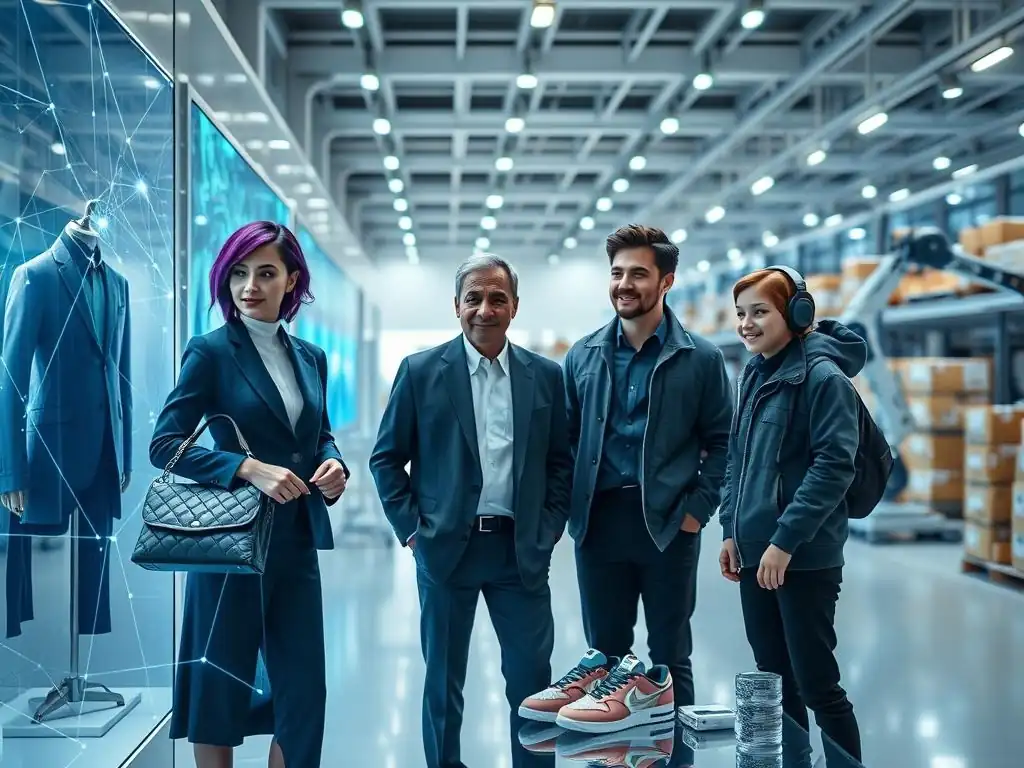
Welcome to Blockchain Trends, your compass in the evolving landscape of decentralized innovation.
Dive into the future of commerce in our latest exploration of Smart Retail Experiences. Discover how the synergy of Blockchain and AI is revolutionizing personalized shopping and, critically, creating unparalleled efficiency in the blockchain retail supply chain. Intrigued by how immutable ledgers and intelligent algorithms are reshaping the future of retail? Then, let's unravel the potential, challenges, and real-world applications together.
Smart Retail Experiences: Blockchain & AI for Personalized Shopping and Supply Chain Efficiency
- Introduction: Revolutionizing Retail with Blockchain and AI
- Understanding the Challenges of Modern Retail Supply Chains
- Blockchain's Role in Transforming Retail Supply Chains
- AI-Powered Personalization in Retail Experiences
- Blockchain and AI Synergy: Creating Smart Retail Experiences
- Use Cases: Real-World Examples of Blockchain and AI in Retail
- Benefits of Implementing Blockchain and AI in Retail
- Challenges and Considerations for Blockchain and AI Adoption in Retail
- The Future of Retail: Blockchain, AI, and Beyond
- Conclusion: Embracing the Power of Blockchain and AI for Retail Success
-
Frequently Asked Questions
- What role does blockchain play in enhancing the retail supply chain?
- How can AI and blockchain together personalize the customer shopping experience?
- What are the key benefits of using blockchain for inventory management in retail?
- How does blockchain technology address the issue of product authenticity in the retail sector?
- What are the main regulatory challenges associated with implementing blockchain solutions in the retail industry?
- Final Reflection: Embracing the Future of Retail
- Reimagine Your Retail Reality: Unlock the Future Today!
Introduction: Revolutionizing Retail with Blockchain and AI
The Convergence of Blockchain and AI in Retail Transformation
The retail industry stands on the cusp of a significant transformation, driven by the synergistic power of blockchain and artificial intelligence (AI). These technologies, once considered disruptive in isolation, are now converging to create intelligent and efficient retail ecosystems. Blockchain, with its decentralized and secure ledger system, offers unprecedented transparency and traceability. Simultaneously, AI, with its ability to analyze vast datasets and predict trends, enables personalized customer experiences and optimized operational processes. The combination of these technologies is not just about incremental improvements; it's about fundamentally reshaping how retail businesses operate and interact with consumers.
This convergence is particularly timely as retailers grapple with evolving consumer expectations and the complexities of global supply chains. Consumers today demand personalized experiences, ethical sourcing, and seamless shopping journeys. Simultaneously, retailers face pressures to enhance supply chain visibility, reduce costs, and combat issues like counterfeiting and fraud. The integration of blockchain and AI provides a powerful toolkit to address these challenges and unlock new opportunities for growth and innovation in the retail sector.
The Promise of Personalized Shopping and Supply Chain Optimization
The promise of blockchain and AI in retail is twofold: personalized shopping experiences for consumers and optimized supply chain operations for businesses. For consumers, this means moving beyond generic marketing and mass-produced products towards tailored recommendations, personalized offers, and shopping experiences that are uniquely relevant to their individual preferences and needs. Imagine a shopping experience where product suggestions are not just based on broad demographics but on your past purchase history, browsing behavior, and even ethical considerations. This level of personalization is becoming increasingly achievable through AI-driven analytics of consumer data.
On the supply chain front, blockchain and AI offer the potential to eliminate inefficiencies, enhance transparency, and build trust. From tracking raw materials to verifying product authenticity and optimizing delivery routes, these technologies can revolutionize every stage of the retail supply chain. For example, blockchain can provide an immutable record of product provenance, ensuring consumers know exactly where their products come from and how they were made. AI can then analyze this data to predict demand fluctuations, optimize inventory levels, and proactively identify potential disruptions in the supply chain, leading to significant cost savings and improved operational efficiency.
Understanding the Challenges of Modern Retail Supply Chains
Inefficiencies and Lack of Transparency in Current Retail Systems
Modern retail supply chains, while complex and global, are often plagued by inefficiencies and a lack of transparency. Traditional systems frequently rely on fragmented data silos, manual processes, and intermediaries, leading to delays, errors, and increased costs. For instance, tracking a product from its origin to the consumer often involves multiple stakeholders and paper-based documentation, making it difficult to gain a holistic view of the entire journey. This lack of end-to-end visibility makes it challenging to identify bottlenecks, resolve issues quickly, and ensure product authenticity.
Furthermore, the opacity of many supply chains raises ethical concerns. Consumers are increasingly interested in the ethical and sustainable sourcing of products, but current systems often lack the transparency needed to verify these claims. Issues like forced labor, environmental damage, and unfair trade practices can be hidden within opaque supply chains, eroding consumer trust and damaging brand reputation. The need for greater transparency and accountability in retail supply chains is therefore not just an operational imperative but also an ethical one.
The Need for Secure and Traceable Supply Chain Solutions
The challenges of inefficiency and lack of transparency underscore the critical need for secure and traceable supply chain solutions. Retailers require systems that can provide real-time visibility into product movement, verify product authenticity, and ensure data integrity across the entire supply chain. Security is paramount to protect against counterfeiting, fraud, and data breaches, which can have significant financial and reputational consequences. Traceability is equally essential to meet consumer demand for information about product origin, manufacturing processes, and ethical sourcing.
Traditional solutions often fall short in addressing these needs comprehensively. Centralized databases are vulnerable to single points of failure and manipulation. Manual processes are prone to errors and delays. The complexity of modern global supply chains demands a more robust and innovative approach. Blockchain technology, with its inherent security and transparency features, offers a compelling solution to build more secure and traceable retail supply chains. Combined with AI's analytical capabilities, these solutions can proactively identify risks, optimize processes, and build greater trust and resilience into retail operations.
Blockchain's Role in Transforming Retail Supply Chains
Enhanced Traceability and Transparency with Blockchain Technology
Blockchain technology offers a revolutionary approach to enhancing traceability and transparency in retail supply chains. By creating an immutable and shared ledger of transactions, blockchain provides a single source of truth for all stakeholders involved in the supply chain. Imagine tracking a garment from the cotton farm to the retail store; every step, from harvesting and spinning to weaving, dyeing, manufacturing, and shipping, can be recorded on the blockchain. This creates a complete and verifiable audit trail, accessible to authorized participants.
This enhanced traceability has profound implications for building consumer trust and ensuring product authenticity. Consumers can scan a QR code on a product label and access detailed information about its origin, journey, and certifications directly from the blockchain. For example, in the food industry, blockchain can track produce from farm to table, providing consumers with assurance about freshness, origin, and adherence to food safety standards. This level of transparency empowers consumers to make informed purchasing decisions and strengthens the relationship between brands and their customers.
Improved Security and Reduced Counterfeiting through Blockchain
Blockchain's inherent security features make it a powerful tool for combating counterfeiting and fraud in retail. The cryptographic nature of blockchain ensures that data recorded on the ledger is tamper-proof and cannot be altered retroactively. This immutability is crucial for verifying the authenticity of products and preventing the introduction of counterfeit goods into the supply chain. Each product can be assigned a unique digital identity on the blockchain, allowing for easy verification at any point in the supply chain.
Consider the luxury goods industry, which is heavily impacted by counterfeiting. By registering luxury items on a blockchain, brands can create a secure and verifiable record of ownership and authenticity. Consumers can then verify the provenance of a product before purchase, ensuring they are buying genuine items.
Beyond luxury goods, blockchain can be applied across various retail sectors to protect against counterfeiting of pharmaceuticals, electronics, and other products, safeguarding both businesses and consumers from the risks associated with fake goods. Estimates suggest that the global market for counterfeit goods reaches hundreds of billions of dollars annually, highlighting the significant economic impact of this issue and the potential of blockchain to mitigate it.
Streamlining Supply Chain Processes with Blockchain-Based Solutions
Blockchain can streamline various supply chain processes by automating workflows, reducing paperwork, and eliminating intermediaries. Smart contracts, self-executing agreements coded on the blockchain, can automate tasks such as payment processing, inventory management, and shipment tracking. For example, a smart contract can automatically release payment to a supplier once goods have been verified as delivered and meet quality standards, eliminating manual invoice processing and reducing payment delays.
Furthermore, blockchain can facilitate more efficient collaboration and data sharing among supply chain partners. By providing a shared and trusted platform, blockchain eliminates the need for multiple intermediaries and reduces the risk of data inconsistencies. This can lead to faster transaction times, reduced administrative costs, and improved overall supply chain efficiency. For instance, in cross-border trade, blockchain can simplify customs clearance processes by providing a secure and transparent platform for sharing shipment documentation and verifying compliance with regulations.
AI-Powered Personalization in Retail Experiences
Leveraging AI for Personalized Product Recommendations
Artificial intelligence is revolutionizing customer experiences in retail by enabling highly personalized product recommendations. AI algorithms can analyze vast amounts of customer data, including purchase history, browsing behavior, demographics, and even social media activity, to understand individual preferences and predict future needs. This allows retailers to move beyond generic recommendations and provide tailored product suggestions that are more likely to resonate with each customer.
For example, e-commerce platforms like Amazon and Netflix have long utilized AI-powered recommendation engines to suggest products and movies based on user behavior. These systems have become increasingly sophisticated, incorporating collaborative filtering, content-based filtering, and hybrid approaches to refine recommendations. Studies have shown that personalized product recommendations can significantly increase conversion rates and customer engagement, leading to higher sales and improved customer satisfaction. Retailers are now extending these AI capabilities to physical stores as well, using in-store sensors and mobile apps to deliver personalized offers and recommendations in real-time.
Enhancing Customer Engagement with AI-Driven Chatbots
AI-driven chatbots are transforming customer service and engagement in retail. These intelligent virtual assistants can handle a wide range of customer inquiries, from answering product questions and providing order updates to resolving simple issues and offering personalized support, 24/7. Chatbots are becoming increasingly sophisticated, leveraging natural language processing (NLP) and machine learning (ML) to understand customer intent and respond in a conversational and human-like manner.
Retailers are deploying chatbots across various channels, including websites, mobile apps, and social media platforms, to provide instant and convenient customer service. For example, a customer browsing a retailer's website late at night can get immediate answers to their questions from a chatbot, rather than having to wait for business hours to contact customer support. Chatbots can also proactively engage with customers, offering personalized assistance and guiding them through the purchase process. This not only improves customer satisfaction but also frees up human customer service agents to focus on more complex and nuanced issues.
Using AI to Optimize Pricing and Inventory Management
AI is playing a crucial role in optimizing pricing and inventory management for retailers. AI algorithms can analyze historical sales data, market trends, competitor pricing, and even external factors like weather patterns and social media sentiment to predict demand fluctuations and dynamically adjust pricing strategies. This allows retailers to optimize pricing for maximum profitability and minimize markdowns on unsold inventory.
In inventory management, AI can forecast demand with greater accuracy, enabling retailers to optimize stock levels, reduce stockouts, and minimize holding costs. AI-powered inventory management systems can analyze real-time sales data, predict seasonal trends, and even account for unexpected events like supply chain disruptions to ensure that the right products are available at the right time and in the right quantities. For example, during the COVID-19 pandemic, retailers using AI-driven inventory management were better positioned to respond to sudden shifts in demand and supply chain disruptions, demonstrating the resilience and agility that AI can bring to retail operations.
Blockchain and AI Synergy: Creating Smart Retail Experiences
Combining Blockchain's Security with AI's Predictive Power
The true power of blockchain and AI in retail emerges when these technologies are combined synergistically. Blockchain provides a secure and transparent foundation for data management, while AI leverages this data to deliver intelligent insights and personalized experiences. Blockchain ensures the integrity and provenance of data, building trust and accountability into AI-driven applications. AI, in turn, enhances the utility of blockchain data by extracting valuable insights and automating decision-making processes.
For example, consider the use of AI for demand forecasting in a blockchain-enabled supply chain. AI algorithms can analyze blockchain data on product movement, sales transactions, and supplier information to predict future demand with greater accuracy. This predictive power, combined with the transparency and security of blockchain, enables retailers to optimize inventory levels, reduce waste, and improve supply chain responsiveness. The synergy between blockchain and AI creates a virtuous cycle, where secure and transparent data fuels intelligent applications, leading to more efficient and customer-centric retail operations.
Enabling Personalized Shopping Journeys with Blockchain-Secured Data
Blockchain can play a critical role in enabling personalized shopping journeys while addressing growing consumer concerns about data privacy. By leveraging blockchain for secure data management and consent-based data sharing, retailers can create personalized experiences without compromising customer privacy. Consumers can have greater control over their data, choosing what information they share and with whom, while still benefiting from personalized recommendations and offers.
For instance, blockchain-based identity solutions can allow customers to securely manage their personal data and selectively share it with retailers for personalized services. This approach shifts the paradigm from retailers collecting and controlling vast amounts of customer data to empowering consumers to own and manage their own data. This not only enhances data privacy but also builds greater trust between retailers and consumers. The use of blockchain for secure and privacy-preserving data management is essential for realizing the full potential of personalized shopping experiences in a responsible and ethical manner.
Optimizing Inventory Management and Reducing Waste with AI and Blockchain
The combined power of AI and blockchain can significantly optimize inventory management and reduce waste across the retail supply chain. AI algorithms can analyze blockchain data on product lifecycles, expiry dates, and demand patterns to identify potential waste and optimize inventory levels proactively. For example, in the food industry, AI can predict the shelf life of perishable goods based on blockchain data on origin, transportation conditions, and storage temperatures. This allows retailers to optimize inventory rotation, reduce food waste, and ensure that consumers receive fresh products.
Furthermore, blockchain can facilitate more efficient inventory sharing and redistribution among retailers. By providing a transparent and real-time view of inventory levels across different locations, blockchain can enable retailers to identify surplus inventory and redistribute it to areas with higher demand, minimizing waste and maximizing product utilization. The combination of AI's predictive capabilities and blockchain's transparency and traceability creates a powerful toolkit for building more sustainable and efficient retail supply chains, reducing waste, and optimizing resource utilization.
Use Cases: Real-World Examples of Blockchain and AI in Retail
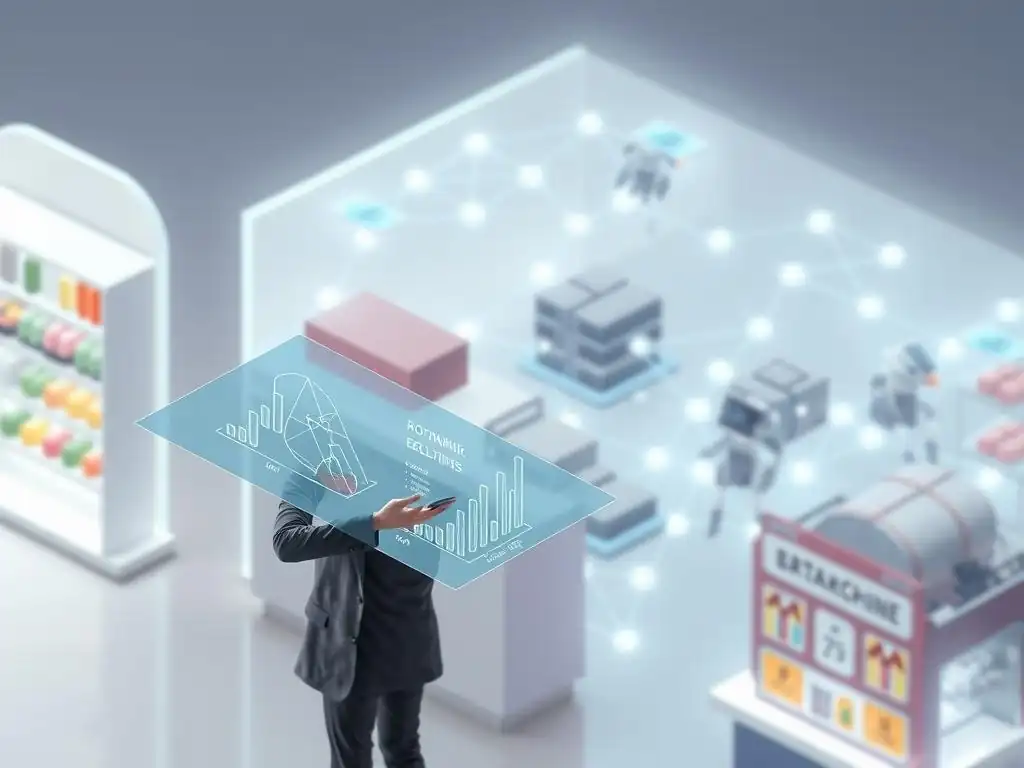
Case Study 1: Provenance - Improving Seafood Supply Chain Traceability with Blockchain
Provenance, a technology platform, is using blockchain to improve seafood supply chain traceability and combat illegal fishing. The seafood industry faces significant challenges related to illegal, unreported, and unregulated (IUU) fishing, which not only depletes fish stocks but also undermines fair trade and consumer trust. Provenance's blockchain-based solution allows consumers to scan a QR code on seafood packaging and access detailed information about the fish's origin, fishing method, and journey through the supply chain.
For example, in collaboration with Indonesian fishermen and retailers, Provenance has implemented blockchain to track tuna from catch to consumer. This provides consumers with assurance that the seafood they are purchasing is sustainably sourced and legally caught. The platform not only enhances transparency but also empowers fishermen in developing countries by providing them with a direct link to consumers and enabling them to command premium prices for sustainably caught seafood. Provenance's work demonstrates the tangible benefits of blockchain for improving traceability and sustainability in complex global supply chains.
Case Study 2: Sephora - Enhancing Customer Experience with AI-Powered Virtual Artist
Sephora, a leading beauty retailer, is leveraging AI to enhance customer experience through its "Virtual Artist" app. This app utilizes augmented reality (AR) and AI to allow customers to virtually "try on" makeup products before purchasing them. Using their smartphone cameras, customers can see how different shades of lipstick, eyeshadow, and foundation would look on their faces in real-time. The app also provides personalized recommendations based on skin tone, preferences, and trends.
Sephora's Virtual Artist app has significantly enhanced customer engagement and sales. By providing a convenient and interactive way to explore makeup products, the app has increased customer confidence and reduced the risk of purchasing products that don't suit them. This AI-powered personalization has not only improved the shopping experience but also strengthened Sephora's brand image as an innovator in the beauty retail sector. The success of Sephora's Virtual Artist highlights the potential of AI to create engaging and personalized experiences that drive customer loyalty and sales.
Case Study 3: Walmart - Optimizing Food Safety with Blockchain and AI Integration
Walmart, the world's largest retailer, is a pioneer in using blockchain and AI to optimize food safety and improve supply chain efficiency. Walmart has implemented blockchain to track food products, particularly leafy greens and mangoes, from farm to shelf. This blockchain system provides real-time visibility into the origin and journey of food products, enabling rapid identification and recall of contaminated products in case of food safety issues. In one instance, Walmart used its blockchain system to trace a mango shipment back to its source in just seconds, a process that previously took days using traditional methods.
Furthermore, Walmart is integrating AI with its blockchain system to enhance food safety and optimize inventory management. AI algorithms analyze blockchain data to predict potential food safety risks and optimize shelf life management. This integration of blockchain and AI allows Walmart to proactively address food safety concerns, reduce food waste, and improve the overall efficiency of its food supply chain. Walmart's leadership in this area demonstrates the significant benefits of combining blockchain and AI for creating safer, more transparent, and efficient retail operations, particularly in the complex and sensitive food industry.
Benefits of Implementing Blockchain and AI in Retail
Increased Transparency and Trust in the Supply Chain
Implementing blockchain and AI in retail offers a multitude of benefits, with increased transparency and trust in the supply chain being paramount. Blockchain's immutable ledger provides a verifiable record of product origin, journey, and ownership, fostering greater transparency across the entire supply chain. This transparency extends to consumers, who can access detailed information about the products they purchase, building trust in brands and retailers. AI enhances this transparency by analyzing blockchain data to identify potential risks and anomalies, further strengthening the integrity of the supply chain.
For retailers, increased transparency translates to improved supply chain visibility, enabling better decision-making and risk management. For consumers, it means greater confidence in product authenticity, ethical sourcing, and food safety. This enhanced transparency and trust are particularly crucial in today's environment, where consumers are increasingly demanding ethical and sustainable products and holding brands accountable for their supply chain practices.
Enhanced Customer Engagement and Loyalty
AI-powered personalization and blockchain-enabled trust contribute significantly to enhanced customer engagement and loyalty. AI allows retailers to deliver personalized shopping experiences, tailored product recommendations, and proactive customer service, making customers feel valued and understood. Blockchain, by ensuring data privacy and product authenticity, builds trust and strengthens the relationship between retailers and consumers.
Engaged and loyal customers are more likely to make repeat purchases, recommend brands to others, and become brand advocates. In a competitive retail landscape, customer loyalty is a critical differentiator, and the combination of blockchain and AI provides powerful tools to cultivate and strengthen these customer relationships. Retailers that prioritize customer engagement and trust through these technologies are better positioned to thrive in the long term.
Reduced Costs and Improved Efficiency
The operational efficiencies gained through blockchain and AI implementation translate to significant cost reductions and improved profitability for retailers. Blockchain streamlines supply chain processes by automating workflows, reducing paperwork, and eliminating intermediaries, leading to lower administrative costs and faster transaction times. AI optimizes inventory management, pricing strategies, and logistics operations, reducing waste, minimizing stockouts, and improving overall efficiency.
For example, AI-driven demand forecasting can help retailers optimize inventory levels, reducing holding costs and minimizing markdowns on unsold inventory. Blockchain-based smart contracts can automate payment processes, reducing administrative overhead and payment delays. These efficiencies, combined across various aspects of retail operations, can result in substantial cost savings and improved bottom lines. The initial investment in blockchain and AI infrastructure can be offset by the long-term cost reductions and efficiency gains these technologies deliver.
Improved Data Security and Privacy
Blockchain's decentralized and cryptographic nature enhances data security and privacy in retail operations. Data stored on a blockchain is tamper-proof and resistant to cyberattacks, providing a more secure alternative to traditional centralized databases. Furthermore, blockchain can enable privacy-preserving data sharing and consent-based data management, giving consumers greater control over their personal information.
In an era of increasing data breaches and privacy concerns, blockchain offers a valuable solution for protecting sensitive customer data and building trust in data handling practices. Retailers that prioritize data security and privacy through blockchain implementation not only mitigate risks but also enhance their brand reputation and customer loyalty. Compliance with data privacy regulations like GDPR and CCPA is becoming increasingly important, and blockchain can help retailers meet these requirements while still leveraging data for personalized experiences and operational improvements.
Challenges and Considerations for Blockchain and AI Adoption in Retail
Data Privacy Concerns and Compliance Requirements
While blockchain and AI offer numerous benefits, their adoption in retail also presents challenges and considerations, particularly concerning data privacy and compliance requirements. AI algorithms rely on vast amounts of data, and the collection, storage, and use of this data must be compliant with data privacy regulations like GDPR and CCPA. Retailers need to ensure that they are transparent about their data collection practices, obtain proper consent from customers, and provide mechanisms for data access, rectification, and erasure.
Blockchain, while enhancing data security, also raises questions about data governance and control. The decentralized nature of blockchain can make it challenging to comply with data privacy regulations that require centralized control and accountability. Retailers need to carefully consider the implications of blockchain for data privacy and implement appropriate safeguards and governance mechanisms to ensure compliance and protect customer data. Balancing the benefits of data-driven personalization with the need for data privacy is a critical challenge for retailers adopting blockchain and AI.
Integration Complexity and Technical Expertise
Integrating blockchain and AI into existing retail systems can be complex and require significant technical expertise. Retailers often have legacy systems that are not easily compatible with blockchain and AI technologies. Integrating these new technologies may require significant infrastructure upgrades, software development, and staff training. Furthermore, the interoperability of different blockchain platforms and AI systems can be a challenge, requiring careful planning and standardization efforts.
The shortage of skilled professionals in blockchain and AI is another barrier to adoption. Retailers may need to invest in hiring or training personnel with expertise in these technologies to successfully implement and manage blockchain and AI solutions. Overcoming the integration complexity and building the necessary technical expertise are crucial steps for retailers to realize the full potential of blockchain and AI. Pilot projects and phased implementations can help mitigate the risks and challenges associated with large-scale technology deployments.
Scalability and Interoperability Issues
Scalability and interoperability are critical considerations for the widespread adoption of blockchain and AI in retail. Blockchain networks need to be able to handle the high transaction volumes and data processing demands of large retail operations. Scalability limitations of some blockchain platforms can hinder their ability to support large-scale retail applications. Similarly, AI systems need to be scalable to process vast datasets and deliver real-time insights in dynamic retail environments.
Interoperability between different blockchain platforms and AI systems is also essential for seamless data exchange and collaboration across the retail ecosystem. Lack of interoperability can create data silos and limit the potential for synergistic applications of blockchain and AI. Industry-wide standards and protocols are needed to address scalability and interoperability issues and facilitate the widespread adoption of these technologies in retail. Retailers should carefully evaluate the scalability and interoperability of blockchain and AI solutions before making significant investments.
The Future of Retail: Blockchain, AI, and Beyond
The Evolution of Personalized Shopping Experiences
The future of retail is inextricably linked to the continued evolution of personalized shopping experiences, driven by advancements in AI and enabled by secure data management through blockchain. AI will become even more sophisticated in understanding individual customer preferences, predicting future needs, and delivering hyper-personalized experiences across all touchpoints, from online browsing to in-store interactions. Imagine AI-powered virtual assistants that not only recommend products but also proactively anticipate customer needs, manage shopping lists, and even automate purchases based on pre-set preferences.
Blockchain will play a crucial role in enabling this evolution by providing a secure and privacy-preserving foundation for personalized data management. Consumers will have greater control over their data, choosing how and with whom it is shared, while still benefiting from personalized services. Blockchain-based identity solutions and decentralized data marketplaces will empower consumers and foster a more transparent and trustworthy data ecosystem in retail. The future of personalized shopping is about creating experiences that are not only relevant and engaging but also ethical and respectful of consumer privacy.
The Rise of Decentralized Retail Ecosystems
Blockchain technology is paving the way for the rise of decentralized retail ecosystems, challenging the dominance of centralized platforms and marketplaces. Decentralized marketplaces built on blockchain can connect buyers and sellers directly, eliminating intermediaries and reducing transaction fees. These platforms can empower smaller retailers and independent brands by providing them with greater access to markets and fairer terms of trade. Consumers can also benefit from greater choice, lower prices, and increased transparency in decentralized retail ecosystems.
Furthermore, blockchain can facilitate the development of decentralized supply chains, where manufacturers, suppliers, and retailers collaborate directly on a shared and transparent platform. This can lead to more resilient, efficient, and ethical supply chains, reducing reliance on intermediaries and fostering greater collaboration and trust among stakeholders. The shift towards decentralized retail ecosystems is still in its early stages, but the potential to disrupt traditional retail models and create more equitable and transparent marketplaces is significant.
Exploring New Opportunities for Innovation in the Retail Sector
Blockchain and AI are not just about improving existing retail processes; they are also opening up new opportunities for innovation and transformative business models in the retail sector. For example, blockchain-based loyalty programs can reward customers with cryptocurrency tokens that can be used across multiple retailers, fostering greater customer loyalty and cross-brand collaboration. AI-powered virtual try-on technologies and personalized product customization services are creating new and engaging shopping experiences.
The convergence of blockchain, AI, and other emerging technologies like IoT and augmented reality is creating a fertile ground for innovation in retail. Imagine smart stores equipped with sensors and AI that personalize the shopping environment in real-time based on customer preferences. Or blockchain-enabled peer-to-peer marketplaces that allow consumers to directly buy and sell goods and services without intermediaries. The future of retail is about embracing these new technologies and exploring innovative ways to create more customer-centric, efficient, and sustainable retail ecosystems.
Conclusion: Embracing the Power of Blockchain and AI for Retail Success
Key Takeaways: The Transformative Potential of Blockchain and AI
The convergence of blockchain and AI presents a transformative opportunity for the retail industry. Blockchain offers enhanced transparency, security, and traceability across supply chains, while AI enables personalized customer experiences, optimized operations, and data-driven decision-making. The synergy of these technologies creates a powerful toolkit for retailers to address key challenges, enhance customer engagement, and drive business growth. Key takeaways include:
- Enhanced Transparency and Trust: Blockchain builds trust and transparency in supply chains, benefiting both retailers and consumers.
- Personalized Customer Experiences: AI enables hyper-personalization, enhancing customer engagement and loyalty.
- Operational Efficiency and Cost Reduction: Blockchain and AI optimize processes, reduce costs, and improve efficiency across retail operations.
- Improved Data Security and Privacy: Blockchain enhances data security and can enable privacy-preserving data management.
- New Opportunities for Innovation: Blockchain and AI are opening up new avenues for innovation and transformative retail business models.
Looking Ahead: The Future of Smart Retail Experiences
Looking ahead, the integration of blockchain and AI will continue to shape the future of retail, creating smarter, more efficient, and customer-centric shopping experiences. Retailers that embrace these technologies and strategically implement them across their operations are poised to gain a competitive advantage in the evolving retail landscape.
The future of retail is not just about technology; it's about creating value for both businesses and consumers through innovation, transparency, and trust. By embracing the power of blockchain and AI, retailers can build a future of smart retail experiences that are both personalized and sustainable, ultimately leading to greater success and long-term growth.
Frequently Asked Questions
What role does blockchain play in enhancing the retail supply chain?
Blockchain provides transparency and traceability throughout the supply chain, enabling retailers to track products from origin to consumer. This helps combat counterfeiting and improves supply chain efficiency by reducing delays and errors.
How can AI and blockchain together personalize the customer shopping experience?
AI algorithms analyze customer data, while blockchain ensures the security and privacy of that data. This combination allows retailers to offer personalized recommendations and targeted promotions without compromising customer trust.
What are the key benefits of using blockchain for inventory management in retail?
Blockchain offers real-time visibility into inventory levels across the entire supply chain. This minimizes stockouts, reduces waste, and optimizes inventory management strategies, leading to significant cost savings.
How does blockchain technology address the issue of product authenticity in the retail sector?
Blockchain's immutable ledger creates a verifiable record of a product's journey, making it difficult to counterfeit. Consumers can use blockchain to verify the authenticity and origin of products before purchasing.
What are the main regulatory challenges associated with implementing blockchain solutions in the retail industry?
Regulatory uncertainty surrounding data privacy and security poses a significant challenge. Clear guidelines are needed to ensure compliance and foster the responsible adoption of blockchain technology in retail.
Final Reflection: Embracing the Future of Retail
The convergence of blockchain and AI in retail is no longer a futuristic fantasy but a tangible reality, and the potential for revolutionizing the consumer experience and streamlining the supply chain is immense. We've explored how these technologies are already shaping personalized shopping and creating unprecedented levels of transparency and efficiency, laying the groundwork for a truly interconnected and responsive retail ecosystem.
The impact of a transparent and efficient blockchain retail supply chain extends far beyond mere cost savings; it fosters trust, empowers consumers with information, and promotes ethical sourcing. The future of retail isn't just about selling products; it's about building relationships and creating experiences that resonate with consumers on a deeper level.
This shift towards value-driven consumption necessitates a fundamental rethinking of how goods are produced, distributed, and consumed, and blockchain offers a powerful tool for achieving this transformation.
As we stand on the cusp of this new era, I invite you to consider the role you can play in shaping the future of retail. How can you, as a consumer, demand greater transparency and accountability from the brands you support? How can you, as a business leader, embrace these innovative technologies to create a more sustainable and customer-centric future? The power to transform the retail landscape lies within each of us. Let us embrace the possibilities and build a future where technology empowers both businesses and consumers alike.
Reimagine Your Retail Reality: Unlock the Future Today!
Thank you for exploring the world of smart retail with Blockchain Trends! We hope you found insightful ways to leverage blockchain and AI for personalized shopping experiences and streamlined supply chains. Now, it's time to translate that knowledge into action.
Here's how you can start revolutionizing retail:
- Implement blockchain-based product authentication to build unshakeable consumer trust in your supply chain. This is the future of retail transparency.
- Explore how AI-powered personalization can create highly relevant shopping experiences tailored to each individual customer. Think beyond basic recommendations.
- Share this article with your colleagues and spark a conversation on how blockchain and AI can reshape the retail landscape for a more ethical and efficient future.
What innovative blockchain or AI application are you most excited to see transform the retail experience in the coming year? Share your thoughts in the comments below!
Leave a Reply