
Supply Chain Resilience: Building Robust Networks with Blockchain and AI for Disruption Mitigation

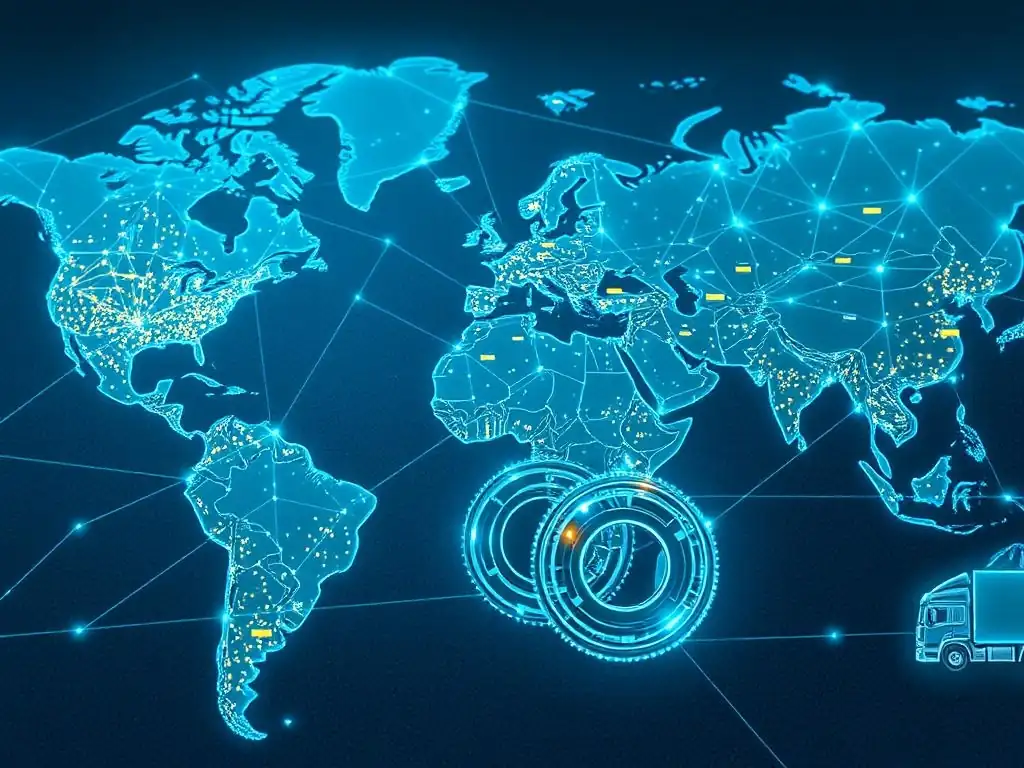
Welcome to Blockchain Trends, your guide to understanding the revolutionary impact of blockchain technology. Are you ready to discover how blockchain is moving beyond cryptocurrencies and reshaping industries? In this article, we delve into the critical role of blockchain supply chain resilience strategies, exploring how this innovative technology, coupled with AI, can fortify your networks against unforeseen disruptions. Imagine a world where supply chains are transparent, secure, and incredibly agile. Intrigued? Let's explore how you can build that future.
Supply Chain Resilience: Building Robust Networks with Blockchain and AI for Disruption Mitigation
- Introduction: The Imperative of Supply Chain Resilience in a Disruptive World
- Blockchain for Enhanced Supply Chain Visibility and Traceability
- AI-Powered Predictive Analytics for Supply Chain Disruption Mitigation
- Synergy: Blockchain and AI Working Together for Unprecedented Resilience
- Use Cases: Real-World Examples of Blockchain and AI Enhancing Supply Chain Resilience
- Implementing Blockchain and AI for Supply Chain Resilience: Key Considerations
- The Future of Resilient Supply Chains: Blockchain and AI Trends
- Conclusion: Building a More Resilient and Transparent Future with Blockchain and AI
-
Frequently Asked Questions
- How can blockchain enhance supply chain resilience against disruptions?
- What role does AI play in conjunction with blockchain to improve supply chain resilience?
- What are some practical blockchain supply chain resilience strategies that businesses can implement?
- How does blockchain help with regulatory compliance in the supply chain, especially in times of disruption?
- What are the future trends in blockchain supply chain resilience, and how can businesses prepare for them?
- Final Reflection: Embracing the Future of Resilient Supply Chains
- Reimagine Your Supply Chain's Future!
Introduction: The Imperative of Supply Chain Resilience in a Disruptive World
Understanding Modern Supply Chain Vulnerabilities and the Need for Robustness
Modern supply chains are intricate global networks, finely tuned for efficiency and cost-effectiveness. However, this complexity also breeds vulnerability. Events ranging from geopolitical instability and natural disasters to pandemics and cyberattacks can trigger cascading disruptions, exposing the fragility of these interconnected systems.
The concentration of manufacturing in specific geographical areas, reliance on just-in-time inventory models, and long, opaque supply routes all contribute to these weaknesses. For instance, the COVID-19 pandemic highlighted the severe impact of unforeseen events, causing factory shutdowns, port congestion, and shortages across numerous sectors, from semiconductors to pharmaceuticals, demonstrating the critical need for robust blockchain supply chain resilience strategies.
The demand for resilience is no longer a matter of operational optimization but a strategic imperative. Businesses are recognizing that supply chain disruptions can lead to significant financial losses, reputational damage, and loss of customer trust. Building robust supply chains requires a paradigm shift from prioritizing cost-efficiency above all else, to embracing a more holistic approach that incorporates risk mitigation, adaptability, and transparency.
This involves adopting technologies and strategies that enable businesses to anticipate, withstand, and recover quickly from disruptions, ensuring business continuity and long-term sustainability. Investing in supply chain resilience is now seen as a competitive advantage, enabling companies to navigate uncertainty and maintain operational excellence even in the face of global challenges.
How Blockchain and AI Can Revolutionize Supply Chain Management
Blockchain and Artificial Intelligence (AI) are emerging as transformative technologies with the potential to fundamentally reshape supply chain management and enhance resilience. Blockchain's inherent characteristics of transparency, immutability, and decentralization address critical pain points in traditional supply chains, such as lack of visibility, trust deficits, and inefficient processes. AI, with its capabilities in data analysis, predictive modeling, and automation, complements blockchain by providing the intelligence layer needed to proactively manage risks and optimize operations in complex supply networks. Together, they offer a powerful toolkit for building next-generation resilient supply chains.
The synergy of blockchain and AI can create a supply chain ecosystem that is not only more efficient but also significantly more resilient to disruptions. Blockchain provides the secure and transparent infrastructure for data sharing and traceability, while AI leverages this data to generate actionable insights, automate decision-making, and predict potential disruptions. For example, AI algorithms can analyze blockchain-recorded data to identify patterns and anomalies that indicate potential risks, allowing for proactive intervention.
Furthermore, smart contracts, powered by blockchain, can automate responses to disruptions based on AI-driven triggers, ensuring rapid and coordinated action across the supply chain network. This integrated approach represents a significant leap forward in blockchain supply chain resilience strategies, enabling businesses to move from reactive crisis management to proactive risk mitigation and adaptive operations.
Blockchain for Enhanced Supply Chain Visibility and Traceability
Creating Immutable Records for Supply Chain Transparency with Blockchain Technology
Blockchain technology provides a revolutionary approach to creating immutable and transparent records of supply chain events. Unlike traditional databases, blockchain utilizes a distributed ledger system where data is recorded in blocks that are cryptographically linked and distributed across a network of participants. This decentralized and immutable nature ensures that once information is recorded on the blockchain, it cannot be altered or tampered with, creating a single source of truth accessible to authorized stakeholders. This inherent transparency is crucial for building trust and accountability within complex supply chains, where multiple parties often operate in silos.
By recording key supply chain events, such as product origin, manufacturing processes, ownership transfers, and shipment details, on a blockchain, businesses can achieve unprecedented levels of transparency. This enhanced visibility allows stakeholders to track products in real-time, verify authenticity, and identify potential bottlenecks or inefficiencies across the entire supply chain network. For consumers, this translates to greater confidence in product provenance and quality.
For businesses, it provides valuable insights into supply chain performance, enabling them to optimize processes, reduce risks, and improve responsiveness to disruptions. The creation of these immutable records is a cornerstone of effective blockchain supply chain resilience strategies, fostering a more transparent and trustworthy ecosystem.
Blockchain-Based Track and Trace Systems: Real-Time Monitoring and Verification
Building upon the foundation of immutable records, blockchain enables the development of sophisticated track and trace systems that provide real-time monitoring and verification of products as they move through the supply chain. Using technologies like IoT sensors and RFID tags, physical goods can be digitally tagged and their movements and conditions recorded on the blockchain at each stage of the journey.
This creates a comprehensive and auditable trail of custody, allowing stakeholders to pinpoint the exact location and status of any product at any given time. This level of granularity is particularly valuable for industries dealing with high-value goods, perishable items, or products requiring strict regulatory compliance.
Blockchain-based track and trace systems significantly enhance supply chain resilience by providing early warnings of potential disruptions. For example, if a shipment is delayed or encounters unexpected conditions, this information is immediately recorded on the blockchain, alerting relevant stakeholders and enabling proactive intervention. Furthermore, the ability to verify the authenticity of products at any point in the supply chain helps to combat counterfeiting and fraud, protecting both businesses and consumers.
Real-time monitoring and verification through blockchain not only improves operational efficiency but also strengthens the overall resilience of the supply chain by enabling faster response times and proactive risk management. These systems are a critical component of modern blockchain supply chain resilience strategies.
Improving Supply Chain Security and Reducing Counterfeiting with Blockchain
Supply chain security and the fight against counterfeiting are significant challenges for global businesses. Traditional supply chains are often vulnerable to fraud, theft, and the infiltration of counterfeit goods, leading to financial losses, brand damage, and potential safety risks for consumers. Blockchain technology offers robust security features that can significantly mitigate these risks. The cryptographic nature of blockchain makes it extremely difficult to tamper with or falsify data, ensuring the integrity and authenticity of supply chain information. Furthermore, the distributed nature of blockchain reduces the risk of single points of failure and makes the system more resistant to cyberattacks.
By implementing blockchain-based solutions, businesses can enhance supply chain security at multiple levels. The immutable record of product provenance and ownership makes it easier to verify the authenticity of goods and detect counterfeit products. Track and trace capabilities allow for the monitoring of product movements and conditions, reducing the risk of theft and diversion.
Smart contracts can automate secure transactions and ensure that payments are only released upon verification of specific milestones or conditions, minimizing the risk of fraud. These security enhancements are vital for building resilient supply chains that are less susceptible to disruptions caused by criminal activities and the proliferation of counterfeit goods. Addressing security concerns is a key aspect of effective blockchain supply chain resilience strategies.
AI-Powered Predictive Analytics for Supply Chain Disruption Mitigation
Leveraging AI for Demand Forecasting and Inventory Optimization
Artificial intelligence, particularly machine learning, offers powerful tools for improving demand forecasting and inventory optimization within supply chains. Accurate demand forecasting is crucial for effective inventory management, minimizing stockouts, and reducing excess inventory costs. Traditional forecasting methods often rely on historical data and linear models, which can be inadequate for capturing the complexities and volatility of modern markets. AI algorithms, on the other hand, can analyze vast datasets from diverse sources, including historical sales data, market trends, social media sentiment, and even weather patterns, to generate more accurate and granular demand forecasts.
By leveraging AI for demand forecasting, businesses can optimize inventory levels across their supply chain network. This means holding the right amount of inventory in the right locations at the right time, minimizing storage costs, reducing waste from obsolete inventory, and improving order fulfillment rates. AI-driven inventory optimization also enhances supply chain resilience by ensuring that businesses are better prepared to meet fluctuating demand and respond to unexpected surges or drops in customer orders.
Furthermore, accurate demand forecasts enable better production planning and resource allocation, leading to smoother operations and reduced lead times. Effective demand forecasting and inventory optimization are essential components of blockchain supply chain resilience strategies, especially when integrated with blockchain for data transparency.
Identifying and Assessing Supply Chain Risks with AI-Driven Analytics
Beyond demand forecasting, AI excels at identifying and assessing a wide range of supply chain risks. By analyzing data from various sources, including news feeds, weather reports, geopolitical data, and supplier performance metrics, AI algorithms can detect early warning signs of potential disruptions. These risks can range from natural disasters and political instability to supplier financial distress and transportation bottlenecks.
Traditional risk management approaches often rely on reactive measures and manual risk assessments, which can be slow and inefficient. AI-driven analytics provide a proactive and automated approach to risk management, enabling businesses to anticipate potential disruptions and take preemptive action.
AI algorithms can not only identify potential risks but also assess their potential impact on the supply chain. By modeling different disruption scenarios and simulating their effects on various parts of the network, AI can help businesses prioritize risks and develop targeted mitigation strategies. For example, AI can identify critical suppliers, vulnerable transportation routes, and potential chokepoints in the supply chain.
This risk assessment capability is crucial for building resilient supply chains that can withstand and recover quickly from disruptions. Proactive risk identification and assessment are integral to robust blockchain supply chain resilience strategies, allowing for informed decision-making and proactive mitigation measures.
Using AI to Optimize Logistics and Transportation Routes for Resilience
Logistics and transportation are critical components of supply chain operations, and optimizing these processes is essential for building resilience. AI can be used to optimize logistics and transportation routes in several ways, enhancing efficiency, reducing costs, and improving responsiveness to disruptions. AI algorithms can analyze real-time traffic data, weather conditions, and transportation network conditions to identify the most efficient and cost-effective routes for shipments. This dynamic route optimization can minimize delays, reduce fuel consumption, and improve delivery times.
Furthermore, AI can be used to optimize warehouse operations, improve fleet management, and automate logistics processes. For example, AI-powered warehouse management systems can optimize storage locations, automate picking and packing processes, and improve inventory flow. AI can also be used to predict potential transportation disruptions, such as port congestion or road closures, allowing businesses to proactively reroute shipments and minimize delays.
Optimizing logistics and transportation routes through AI not only improves operational efficiency but also enhances supply chain resilience by providing greater flexibility and adaptability in the face of disruptions. AI-driven logistics optimization is a valuable asset in developing comprehensive blockchain supply chain resilience strategies.
Synergy: Blockchain and AI Working Together for Unprecedented Resilience
Combining Blockchain's Transparency with AI's Predictive Capabilities
The true power of blockchain and AI in enhancing supply chain resilience lies in their synergistic combination. Blockchain provides the transparent and secure data infrastructure, while AI provides the analytical and predictive capabilities to leverage this data effectively. Blockchain's immutable ledger ensures data integrity and traceability, creating a reliable foundation for AI algorithms to operate on. AI, in turn, can analyze the vast amounts of data recorded on the blockchain to generate actionable insights, predict potential disruptions, and optimize supply chain operations in real-time. This combination unlocks unprecedented levels of visibility, intelligence, and responsiveness within the supply chain ecosystem.
For example, blockchain can track the provenance and condition of goods, providing AI with real-time data on product quality, location, and environmental factors. AI algorithms can then analyze this data to predict potential quality issues, optimize storage conditions, and proactively address potential disruptions before they impact the supply chain.
The transparency provided by blockchain enhances the accuracy and reliability of AI-driven predictions, while AI enhances the value and utility of blockchain data by transforming it into actionable intelligence. This synergistic relationship is central to building truly resilient and intelligent supply chains, representing a significant advancement in blockchain supply chain resilience strategies.
Real-Time Disruption Response: AI-Triggered Blockchain Actions
The synergy of blockchain and AI enables real-time disruption response mechanisms that were previously unattainable. AI algorithms can continuously monitor supply chain data from blockchain and other sources, detecting anomalies and predicting potential disruptions in real-time. When a disruption is detected, AI can trigger automated responses through smart contracts on the blockchain. These smart contracts can be pre-programmed to execute specific actions based on predefined conditions, such as automatically rerouting shipments, activating backup suppliers, or initiating insurance claims.
This automated disruption response system significantly reduces reaction times and minimizes the impact of disruptions. Traditional supply chain disruption management often involves manual processes and delays in communication and decision-making. AI-triggered blockchain actions automate these processes, ensuring rapid and coordinated responses across the entire supply chain network.
For example, if AI detects a weather-related disruption impacting a critical transportation route, a smart contract could automatically reroute shipments to alternative routes and notify all affected stakeholders in real-time. This level of automated and proactive response is a game-changer for blockchain supply chain resilience strategies, enabling businesses to navigate disruptions with agility and minimize operational downtime.
Automated Dispute Resolution and Contract Enforcement with Smart Contracts and AI
Disputes and contract enforcement are often time-consuming and costly processes in traditional supply chains. Blockchain-based smart contracts, combined with AI, offer a more efficient and automated approach to dispute resolution and contract enforcement. Smart contracts are self-executing agreements written in code and stored on the blockchain. They automatically execute the terms of a contract when predefined conditions are met, eliminating the need for intermediaries and reducing the risk of disputes. AI can further enhance smart contract functionality by providing the intelligence to monitor contract performance, detect breaches, and automate dispute resolution processes.
For example, AI can analyze data from blockchain and other sources to verify if contract terms are being met, such as delivery deadlines or quality standards. If a breach is detected, AI can automatically trigger dispute resolution mechanisms defined within the smart contract. These mechanisms could range from automated notifications and mediation processes to the automatic execution of penalties or compensation.
This automated approach to dispute resolution and contract enforcement reduces the time and cost associated with traditional methods, while also increasing transparency and trust among supply chain partners. Streamlining dispute resolution is an important aspect of building resilient and efficient supply chains, and the combination of smart contracts and AI offers a powerful tool for achieving this as part of blockchain supply chain resilience strategies.
Use Cases: Real-World Examples of Blockchain and AI Enhancing Supply Chain Resilience
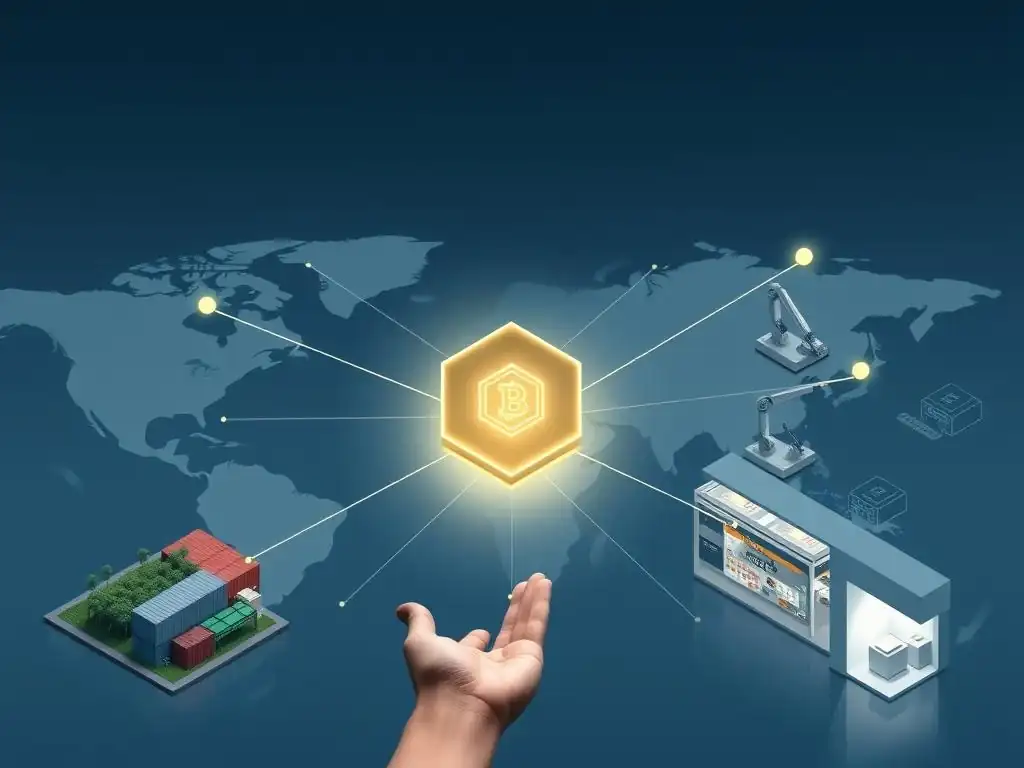
Case Study 1: Maersk and IBM's TradeLens Platform for Global Trade
Maersk, a global shipping giant, and IBM collaborated to develop TradeLens, a blockchain-based platform aimed at digitizing global trade and enhancing supply chain efficiency and resilience. TradeLens utilizes blockchain to create a secure and transparent platform for sharing shipping information among various stakeholders, including shipping lines, ports, customs authorities, and cargo owners. Before TradeLens, the global shipping industry was characterized by fragmented data, paper-based processes, and limited visibility, leading to inefficiencies, delays, and increased costs.
TradeLens addresses these challenges by providing a single, shared view of shipping data, improving transparency, and streamlining documentation processes. Participants in the TradeLens network can securely access and share real-time information about shipment status, customs clearances, and other critical events. This enhanced visibility allows for better planning, faster decision-making, and reduced delays in global trade.
While TradeLens primarily focuses on efficiency, its improved transparency and data sharing capabilities also contribute significantly to supply chain resilience by providing stakeholders with better situational awareness and enabling faster responses to disruptions affecting global trade flows. TradeLens is a prime example of leveraging blockchain for blockchain supply chain resilience strategies in a complex global network.
Case Study 2: Project Provenance: Tracking Tuna from Ocean to Plate Using Blockchain
Project Provenance is a real-world example of using blockchain to enhance traceability and combat seafood fraud in the tuna supply chain. The project utilizes blockchain to track tuna from the moment it is caught in the ocean to the point of consumption, creating a transparent and auditable record of its journey. By scanning QR codes on tuna products, consumers can access detailed information about the fish's origin, fishing methods, and journey through the supply chain. This level of transparency builds consumer trust and empowers informed purchasing decisions, while also combating illegal fishing and seafood mislabeling.
Provenance's blockchain-based traceability system enhances supply chain resilience by providing greater visibility into the seafood supply chain, making it easier to identify and address issues such as illegal fishing or supply chain disruptions. In the event of a product recall or food safety issue, the blockchain record can be used to quickly trace the affected products back to their origin, enabling faster and more targeted recalls, minimizing potential harm to consumers and the industry.
Project Provenance demonstrates the practical application of blockchain for enhancing transparency and resilience in food supply chains, a key aspect of blockchain supply chain resilience strategies for consumer goods.
Case Study 3: Walmart's Use of Blockchain for Food Safety and Traceability
Walmart, one of the world's largest retailers, has been actively exploring and implementing blockchain technology to enhance food safety and traceability in its supply chains, particularly for produce and meat products. Walmart's blockchain initiatives aim to improve the speed and efficiency of food traceability, enabling faster responses to foodborne illness outbreaks and enhancing consumer confidence in food safety. In traditional food supply chains, tracing the origin of contaminated food can be a slow and complex process, often taking days or even weeks.
Walmart's blockchain system significantly reduces traceability time, enabling them to trace the origin of a product back to the farm in seconds, compared to days using traditional methods. This speed and efficiency are critical for containing foodborne illness outbreaks and minimizing their impact.
Furthermore, blockchain provides a more transparent and auditable record of food provenance, enhancing consumer trust and confidence in the safety and quality of Walmart's food products. Walmart's adoption of blockchain for food traceability demonstrates the practical benefits of blockchain for enhancing supply chain resilience in the food industry, showcasing effective blockchain supply chain resilience strategies for large-scale retail operations.
Implementing Blockchain and AI for Supply Chain Resilience: Key Considerations
Data Privacy and Security in a Blockchain-Enabled Supply Chain
While blockchain offers enhanced security features, data privacy and security remain crucial considerations when implementing blockchain in supply chains. Blockchain's transparency, while beneficial for traceability, can also raise concerns about the privacy of sensitive business information and personal data. Organizations need to carefully consider the types of data being recorded on the blockchain and implement appropriate measures to protect sensitive information. This may involve using permissioned blockchains, where access to data is restricted to authorized participants, and employing data encryption techniques to protect data confidentiality.
Furthermore, security vulnerabilities can still exist in blockchain implementations, particularly in smart contracts and associated applications. Thorough security audits and penetration testing are essential to identify and address potential vulnerabilities before deploying blockchain solutions in critical supply chain operations. Compliance with data privacy regulations, such as GDPR and CCPA, is also paramount.
Organizations must ensure that their blockchain implementations are designed and operated in a manner that complies with relevant privacy laws and regulations, balancing the benefits of transparency with the need to protect data privacy. Addressing data privacy and security is a critical prerequisite for successful blockchain supply chain resilience strategies.
Scalability and Interoperability Challenges of Blockchain and AI Solutions
Scalability and interoperability are significant challenges for the widespread adoption of blockchain and AI solutions in supply chains. Blockchain networks, particularly public blockchains, can face scalability limitations in terms of transaction throughput and processing speed. As supply chains involve vast volumes of data and transactions, scalability is crucial for ensuring that blockchain solutions can handle the demands of real-world operations. Similarly, AI algorithms require significant computing resources and data processing capabilities, which can also pose scalability challenges.
Interoperability is another key challenge, as supply chains often involve multiple stakeholders using different systems and technologies. Ensuring that blockchain and AI solutions can seamlessly interoperate with existing systems and across different blockchain platforms is essential for realizing their full potential. Efforts are underway to develop interoperability standards and protocols for blockchain and AI, but further progress is needed to facilitate seamless data exchange and integration across heterogeneous supply chain ecosystems. Addressing scalability and interoperability challenges is crucial for the long-term viability and effectiveness of blockchain supply chain resilience strategies.
Addressing Regulatory Compliance and Legal Frameworks for Blockchain in Supply Chains
The regulatory landscape for blockchain and AI is still evolving, and businesses need to navigate complex and often uncertain legal frameworks when implementing these technologies in supply chains. Issues such as data ownership, liability for smart contract failures, and cross-border data transfer regulations need to be carefully considered. Regulatory compliance requirements can vary across different jurisdictions, adding complexity for global supply chains. Businesses need to engage with legal experts and regulatory bodies to ensure that their blockchain and AI implementations comply with applicable laws and regulations.
Furthermore, the legal enforceability of smart contracts and the legal status of blockchain-based digital identities are still being clarified in many jurisdictions. Developing clear legal frameworks and standards for blockchain and AI in supply chains is essential for fostering trust and encouraging wider adoption. Industry collaboration and engagement with policymakers are crucial for shaping a regulatory environment that supports innovation while addressing potential risks and legal uncertainties. Navigating regulatory compliance and legal frameworks is a critical aspect of responsible and sustainable blockchain supply chain resilience strategies.
The Future of Resilient Supply Chains: Blockchain and AI Trends
Emerging Technologies and Innovations in Blockchain and AI for Supply Chain
The field of blockchain and AI is rapidly evolving, with continuous innovations emerging that are further enhancing their potential for supply chain resilience. In blockchain, advancements such as layer-2 scaling solutions, zero-knowledge proofs for enhanced privacy, and cross-chain interoperability protocols are addressing some of the existing limitations. In AI, advancements in areas like federated learning, explainable AI, and reinforcement learning are opening up new possibilities for supply chain optimization and risk management.
The convergence of blockchain and AI is also driving innovation. For example, the development of AI-powered oracles that can securely and reliably feed real-world data into blockchain smart contracts is enhancing the functionality and applicability of blockchain in supply chains. Furthermore, the integration of AI with decentralized identity solutions is enabling more secure and efficient authentication and access control within blockchain-based supply chain networks. These emerging technologies and innovations are paving the way for even more resilient, efficient, and transparent supply chains in the future, driving the evolution of blockchain supply chain resilience strategies.
The Role of Decentralized Autonomous Organizations (DAOs) in Supply Chain Governance
Decentralized Autonomous Organizations (DAOs) are emerging as a novel model for supply chain governance, leveraging blockchain technology to create more transparent, democratic, and resilient organizational structures. DAOs are organizations governed by rules encoded in smart contracts on a blockchain, rather than by traditional hierarchical structures. DAOs can enable more participatory and transparent decision-making processes within supply chains, involving multiple stakeholders in governance and operations.
In the context of supply chain resilience, DAOs can facilitate more collaborative and coordinated responses to disruptions. For example, a DAO could be established to manage a shared supply chain network, with participants collectively deciding on resource allocation, risk mitigation strategies, and disruption response protocols.
DAOs can also enhance supply chain transparency and accountability by providing a publicly auditable record of governance decisions and actions. While DAOs are still in their early stages of development, they hold significant potential for transforming supply chain governance and enhancing resilience through decentralization and collective decision-making, representing a future direction for blockchain supply chain resilience strategies.
Preparing for the Next Generation of Supply Chain Disruptions with Advanced Technologies
The future of supply chain resilience will be shaped by the ongoing evolution of blockchain and AI, as well as the emergence of other advanced technologies. Technologies like digital twins, the Internet of Things (IoT), and 5G connectivity are further enhancing the capabilities of blockchain and AI in supply chain management.
Digital twins, which are virtual representations of physical assets and supply chain networks, can be integrated with blockchain and AI to provide real-time monitoring, simulation, and predictive analytics for enhanced resilience. IoT sensors provide the data streams needed to fuel AI algorithms and populate blockchain ledgers with real-time information about product conditions and locations.
5G connectivity enables faster and more reliable data transmission, supporting the real-time data exchange required for blockchain and AI-powered supply chain solutions. Preparing for the next generation of supply chain disruptions requires embracing these advanced technologies and developing integrated solutions that leverage their synergistic capabilities. By investing in innovation and adopting a proactive approach to technology adoption, businesses can build supply chains that are not only resilient to current disruptions but also prepared for the unknown challenges of the future. Embracing advanced technologies is key to future-proofing blockchain supply chain resilience strategies.
Conclusion: Building a More Resilient and Transparent Future with Blockchain and AI
Recap of the Benefits of Blockchain and AI for Supply Chain Resilience
Blockchain and AI, when strategically combined, offer a powerful solution for building more resilient and transparent supply chains. Blockchain provides the foundation of trust and transparency through immutable records, enhanced traceability, and improved security. AI adds the intelligence layer, enabling predictive analytics, demand forecasting, risk identification, and automated disruption response. Together, they create a synergistic effect, enabling businesses to proactively manage risks, optimize operations, and respond effectively to disruptions.
The benefits of adopting blockchain and AI for supply chain resilience are multifaceted, including improved visibility, enhanced security, reduced costs, faster response times, and increased customer trust. By embracing these technologies, businesses can move beyond reactive crisis management to proactive risk mitigation, building supply chains that are not only efficient but also robust and adaptable in the face of uncertainty. The integration of blockchain and AI is transforming blockchain supply chain resilience strategies from a theoretical concept to a practical reality.
Call to Action: Embracing Innovation for a More Robust and Efficient Supply Chain Ecosystem
The imperative for supply chain resilience is no longer a matter of choice but a necessity for businesses operating in today's volatile global landscape. Blockchain and AI offer a transformative pathway towards building more robust, efficient, and transparent supply chain ecosystems. Businesses are urged to embrace innovation and explore the potential of these technologies to enhance their supply chain resilience. This involves investing in pilot projects, building internal expertise, and collaborating with technology providers to develop and implement tailored blockchain and AI solutions.
By taking proactive steps to adopt these technologies, businesses can gain a competitive advantage, improve operational efficiency, enhance customer satisfaction, and build a more sustainable and resilient future for their supply chains. The journey towards a more resilient supply chain ecosystem begins with embracing innovation and recognizing the transformative power of blockchain and AI. The time to act is now, to build the next generation of resilient supply chains powered by blockchain supply chain resilience strategies.
Frequently Asked Questions
How can blockchain enhance supply chain resilience against disruptions?
Blockchain offers enhanced transparency and traceability within the supply chain. This allows for faster identification of bottlenecks and disruptions. It also enables more effective mitigation strategies.
What role does AI play in conjunction with blockchain to improve supply chain resilience?
AI algorithms can analyze the immutable blockchain data to predict potential disruptions. They also enable optimized routing and inventory management, leading to a more resilient supply chain. AI helps in proactive risk management.
What are some practical blockchain supply chain resilience strategies that businesses can implement?
Businesses can use blockchain for verifying the authenticity of goods, tracking shipments in real-time, and creating smart contracts for automated dispute resolution. These strategies build trust and efficiency.
How does blockchain help with regulatory compliance in the supply chain, especially in times of disruption?
Blockchain provides an immutable audit trail of all transactions, making it easier to demonstrate compliance with regulations. This is crucial during disruptions when transparency is paramount. It also allows for easier tracking of product origin.
What are the future trends in blockchain supply chain resilience, and how can businesses prepare for them?
Future trends involve increased integration with other technologies, such as IoT and AI. Businesses should focus on building interoperable systems and developing skilled blockchain professionals to stay ahead.
Final Reflection: Embracing the Future of Resilient Supply Chains
The insights explored throughout this article highlight the critical need for proactive disruption mitigation in today's interconnected world. The convergence of blockchain and AI offers more than just technological advancements; it represents a paradigm shift in how we approach supply chain management, moving from reactive responses to predictive and preventative strategies.
The transformative potential of blockchain and AI in fostering supply chain resilience continues to reshape the global landscape. Witnessing the evolution from fragmented, opaque systems to transparent, secure, and intelligent networks is truly remarkable. The best way to predict the future is to create it.
- Peter Drucker. This quote resonates deeply as we actively build the future of supply chains, one block and one algorithm at a time.
As we conclude this exploration, I invite you to consider how these blockchain supply chain resilience strategies can be implemented within your own sphere of influence. Reflect on the vulnerabilities within your current supply chains and envision the possibilities that blockchain and AI unlock. Let us all strive to build more robust, adaptable, and ultimately, more resilient networks that can weather any storm.
Reimagine Your Supply Chain's Future!
Thank you for exploring the importance of resilient supply chains. We hope this article has given you a clearer understanding of how blockchain and AI can strengthen your operations against disruptions. Now, it's time to turn that knowledge into action and create a more robust, future-ready system.
Here are some steps you can take today:
- Lead a pilot blockchain project within your supply chain. Even a small initiative can uncover efficiencies and highlight vulnerabilities.
- Investigate AI-powered analytics tools that can forecast potential disruptions before they affect your operations. Try a free demo to see how they work.
- Share this article with your colleagues and start a conversation about proactively managing supply chain risks. Collaboration is essential!
What is the first step you'll take this week to make your supply chain more resilient? Share your plans in the comments below!
Leave a Reply