
Supply Chain Traceability: Combining AI and Blockchain for EndtoEnd Product Journey Visibility

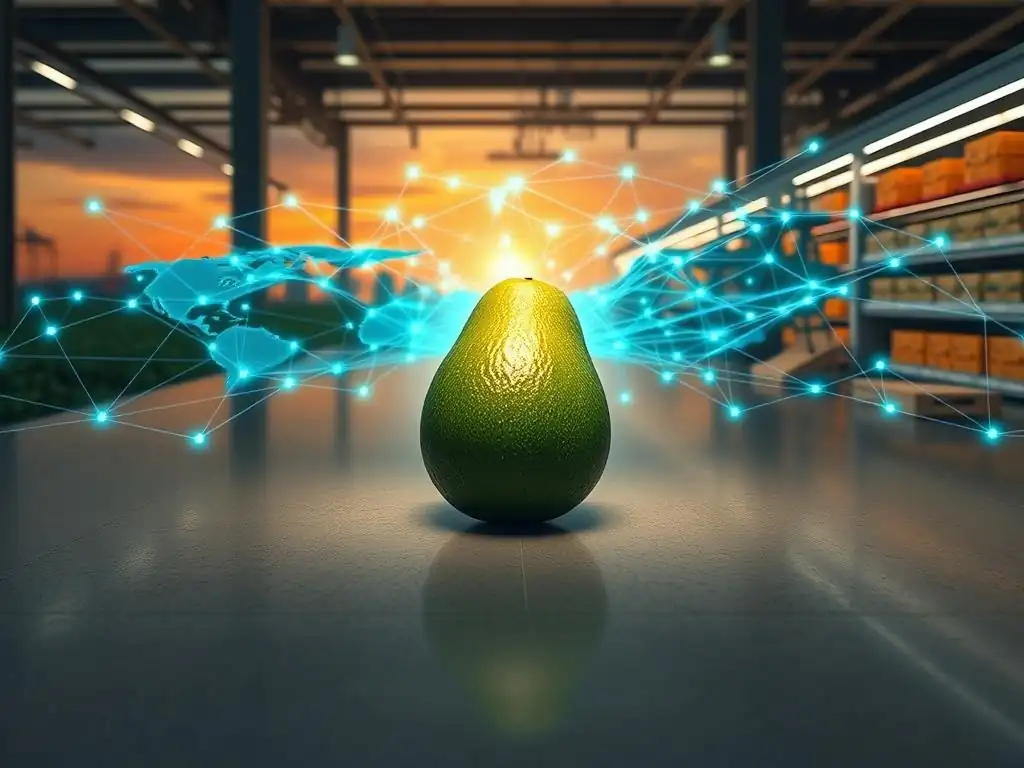
Welcome to Blockchain Trends, your guide to understanding the revolutionary potential of blockchain technology. Are you ready to uncover how blockchain is moving beyond cryptocurrencies to reshape industries? Dive into our latest article, "Supply Chain Traceability: Combining AI and Blockchain for End-to-End Product Journey Visibility," and discover the intriguing benefits of blockchain supply chain traceability. Learn how combining the power of AI and blockchain can create unprecedented transparency and efficiency. What secrets does your product's journey hold?
Food Supply Chain Traceability: Combining AI and Blockchain for Farm-to-Table Transparency
- Introduction: Enhancing Food Supply Chain Transparency with Blockchain and AI
- Understanding the Challenges of Traditional Food Supply Chains
- Blockchain's Role in Food Supply Chain Traceability
- AI's Contribution to Food Supply Chain Optimization
- Combining AI and Blockchain: A Powerful Food Traceability Solution
- Food Supply Chain Traceability Benefits: A Deep Dive
- Use Cases: AI and Blockchain in Action for Food Supply Chain Traceability
- Implementing an AI-Powered Blockchain Traceability System: Key Considerations
- The Future of Food Supply Chain Traceability: Emerging Trends
- Conclusion: Transforming Food Supply Chains with AI and Blockchain
-
Frequently Asked Questions
- What are the primary benefits of using blockchain for supply chain traceability?
- How can AI complement blockchain in achieving end-to-end product journey visibility?
- Beyond cryptocurrencies, what are some real-world blockchain applications in supply chains?
- What are some of the key challenges in implementing blockchain-based supply chain traceability solutions?
- How does blockchain technology contribute to regulatory compliance in the supply chain?
- Final Reflection: Embracing Transparency in the Supply Chain
- Unlock the Power of Supply Chain Transparency!
Introduction: Enhancing Food Supply Chain Transparency with Blockchain and AI
The Growing Need for Food Safety and Transparency
In today's interconnected world, the journey of food from farm to table is complex, often involving numerous intermediaries and geographical distances. This intricate web presents significant challenges in maintaining food safety and transparency. Consumers are increasingly demanding to know the origin, processing methods, and safety assurances of their food.
Recent food safety incidents, such as the 2018 romaine lettuce E. coli outbreak in the US, which affected over 200 people across multiple states, and the European horsemeat scandal in 2013, where horse meat was fraudulently labeled as beef, have dramatically highlighted the vulnerabilities within traditional food supply chains. These events erode consumer trust and underscore the urgent need for robust, transparent, and verifiable food traceability systems.
Furthermore, global food supply chains are becoming longer and more complex, increasing the risk of contamination and fraud. The Food and Agriculture Organization of the United Nations (FAO) estimates that foodborne illnesses cost developing economies approximately $110 billion in lost productivity and medical expenses each year.
This economic burden, coupled with the ethical imperative to protect public health, reinforces the critical importance of enhancing food safety and transparency throughout the supply chain. Consumers are no longer satisfied with simply knowing the brand; they want detailed information about the entire product journey, from sourcing to consumption, driving the demand for innovative traceability solutions.
How Blockchain and AI Synergize for Traceability Solutions in the Food Industry
The convergence of blockchain and Artificial Intelligence (AI) offers a powerful solution to address the pressing need for enhanced food safety and transparency. Blockchain, with its immutable ledger and decentralized nature, provides a robust platform for securely recording and sharing food product information across the supply chain.
Imagine each step of a food product's journey, from the farm where it was grown to the processing facility, distribution center, and finally, the retail store, being recorded as a secure, unalterable transaction on a blockchain. This creates a transparent and auditable trail, making it significantly easier to trace the origin and movement of food products.
AI complements blockchain by providing the intelligent layer needed to analyze the vast amounts of data generated within the food supply chain. AI algorithms can process data from various sources, such as IoT sensors monitoring temperature and humidity during transportation, machine vision systems inspecting product quality, and predictive analytics forecasting demand and potential risks.
By combining blockchain's secure data infrastructure with AI's analytical capabilities, the food industry can achieve unprecedented levels of traceability, enabling proactive risk management, faster response to food safety incidents, and ultimately, increased consumer trust. This synergy creates a powerful ecosystem where data is not only securely recorded but also intelligently utilized to optimize food supply chain operations and enhance food safety.
Understanding the Challenges of Traditional Food Supply Chains
Lack of Transparency and Data Silos Across the Chain
Traditional food supply chains are often characterized by a lack of transparency and fragmented data systems. Information is typically siloed within individual organizations, such as farms, processors, distributors, and retailers, with limited data sharing and interoperability. This creates significant blind spots in the product journey.
For example, a retailer may know the immediate supplier but have limited visibility into the origins of the ingredients or the conditions under which they were produced and transported. This lack of end-to-end visibility makes it difficult to quickly identify the source of contamination in case of a foodborne illness outbreak or to verify the authenticity of food products.
The reliance on paper-based records and manual processes in many parts of the food supply chain further exacerbates the problem of data silos and lack of transparency. Information is often lost, inaccurate, or delayed as it is passed between different stakeholders. This opacity not only hinders traceability but also creates opportunities for fraud and inefficiencies.
For instance, without a centralized and transparent data system, it becomes challenging to verify claims of organic certification or fair trade practices, undermining consumer confidence and potentially harming legitimate producers. The fragmented nature of traditional systems also makes it difficult to optimize supply chain operations, leading to inefficiencies in inventory management and logistics.
Inefficient Tracking and Traceability Leading to Delays
Traditional methods of tracking and tracing food products, often relying on manual record-keeping and disparate systems, are inherently inefficient and prone to delays. In a typical scenario, tracing a product back to its origin might involve contacting multiple intermediaries, sifting through paper documents, and waiting for responses from different parties. This time-consuming process can significantly hinder the ability to respond quickly and effectively to food safety incidents or quality issues. Delays in traceability can have severe consequences, especially in perishable food supply chains, leading to increased spoilage, reduced shelf life, and economic losses.
The inefficiency of traditional traceability systems is further compounded by the complexity of modern food supply chains. A single food product can involve numerous processing steps, transportation legs, and handling points across different geographical locations. Manually tracking and coordinating information across such intricate networks is a logistical nightmare. For example, in the case of a product recall, the lack of efficient traceability can lead to broad, untargeted recalls, resulting in significant food waste and economic disruption. The delays inherent in traditional systems not only increase risks but also undermine the overall efficiency and responsiveness of the food supply chain.
The Risks of Foodborne Illness Outbreaks and Contamination
The lack of effective traceability in traditional food supply chains significantly increases the risks of foodborne illness outbreaks and contamination. When contamination occurs, the inability to quickly and accurately trace the source and scope of the problem delays response times and allows contaminated products to remain in the supply chain for longer, potentially affecting more consumers.
According to the Centers for Disease Control and Prevention (CDC), foodborne illnesses affect approximately 48 million people in the United States each year, resulting in 128,000 hospitalizations and 3,000 deaths. These figures highlight the severe public health consequences of inadequate food safety measures and traceability systems.
Furthermore, the opaque nature of traditional supply chains makes it easier for food fraud and adulteration to occur. Economically motivated adulteration, such as substituting cheaper ingredients for more expensive ones or mislabeling products, can introduce harmful substances into the food supply and pose serious health risks to consumers.
For instance, the melamine contamination of milk powder in China in 2008, which sickened hundreds of thousands of infants, demonstrated the devastating consequences of food fraud enabled by weak traceability and regulatory oversight. The risks associated with foodborne illness outbreaks and contamination underscore the urgent need for more robust and transparent traceability systems in the food industry to protect public health and maintain consumer confidence.
Blockchain's Role in Food Supply Chain Traceability
Immutable Ledger Technology for Secure Food Data Recording
Blockchain technology, at its core, offers an immutable ledger system that is ideally suited for secure food data recording throughout the supply chain. Once data is recorded on a blockchain, it becomes virtually tamper-proof, meaning it cannot be altered or deleted retroactively. This immutability is crucial for building trust and transparency in food traceability, as it provides a verifiable and auditable record of each step in a product's journey.
Imagine a farmer recording details about the origin, planting date, and harvesting conditions of their produce directly onto a blockchain. This information becomes permanently linked to that batch of produce and can be accessed by subsequent stakeholders in the supply chain, ensuring data integrity and preventing fraudulent modifications.
The cryptographic nature of blockchain further enhances data security. Each transaction on the blockchain is cryptographically signed and linked to the previous transaction, creating a chain of records that is extremely difficult to break or manipulate. This robust security is essential for protecting sensitive food supply chain data, such as origin details, processing information, and temperature logs, from unauthorized access or tampering.
By leveraging the immutable and secure nature of blockchain, food companies can establish a high level of confidence in the accuracy and reliability of their traceability data, building trust with consumers and partners alike. This secure data foundation is a cornerstone of blockchain supply chain traceability benefits.
Decentralized Network for Enhanced Trust and Collaboration Among Stakeholders
Blockchain's decentralized network architecture fosters enhanced trust and collaboration among diverse stakeholders in the food supply chain. Unlike traditional centralized systems where data is controlled by a single entity, blockchain distributes data across multiple participants in the network. This eliminates the need for a central authority and promotes a more democratic and transparent data sharing environment. In a blockchain-based food traceability system, farmers, processors, distributors, retailers, and even consumers can participate in the network and access relevant information about food products. This shared access to data fosters greater collaboration and accountability across the entire supply chain.
The decentralized nature of blockchain also reduces the risk of single points of failure and data manipulation. Since data is replicated across multiple nodes in the network, the system remains resilient even if some nodes fail or are compromised. Furthermore, consensus mechanisms inherent in blockchain technology ensure that all participants agree on the validity of transactions before they are added to the ledger, further enhancing data integrity and trust.
By enabling secure and transparent data sharing among stakeholders, blockchain breaks down data silos and fosters a collaborative ecosystem that is essential for effective food supply chain traceability. This collaborative environment is one of the key blockchain supply chain traceability benefits.
Smart Contracts for Automated Compliance with Food Safety Regulations
Smart contracts, self-executing contracts with the terms of the agreement directly written into code, can automate compliance with food safety regulations within a blockchain-based traceability system. These smart contracts can be programmed to automatically verify and enforce compliance at various stages of the food supply chain.
For example, a smart contract could be triggered to automatically verify if a shipment of produce has been transported within the required temperature range before it is accepted at a distribution center. If the temperature logs, recorded by IoT sensors and stored on the blockchain, fall outside the acceptable range, the smart contract could automatically reject the shipment, preventing potentially unsafe food from entering the supply chain.
Smart contracts can also streamline regulatory audits and certifications. By providing regulators with access to the blockchain-based traceability data and smart contract logic, the process of verifying compliance with food safety standards becomes more efficient and transparent. Automated compliance through smart contracts reduces the reliance on manual inspections and paperwork, minimizing the risk of human error and fraud. This automation not only improves food safety but also reduces administrative costs and enhances the overall efficiency of regulatory oversight. The automated compliance and enhanced efficiency are significant blockchain supply chain traceability benefits.
AI's Contribution to Food Supply Chain Optimization
Predictive Analytics for Demand Forecasting and Reducing Food Waste
Artificial Intelligence, particularly predictive analytics, plays a crucial role in optimizing food supply chains by improving demand forecasting and significantly reducing food waste. AI algorithms can analyze vast datasets, including historical sales data, weather patterns, seasonal trends, and even social media sentiment, to predict future demand for specific food products with greater accuracy than traditional forecasting methods.
Accurate demand forecasting allows food producers and retailers to optimize production planning, inventory management, and procurement strategies. For instance, AI can predict a surge in demand for strawberries during a particular holiday weekend, enabling retailers to adjust their orders and ensure sufficient stock levels while minimizing overstocking and potential spoilage.
By reducing overproduction and optimizing inventory levels, predictive analytics powered by AI directly contributes to minimizing food waste throughout the supply chain. Food waste is a significant global problem, with approximately one-third of all food produced for human consumption being wasted, according to the FAO. This waste not only has economic consequences but also significant environmental and social impacts.
AI-driven demand forecasting helps to match supply with demand more effectively, reducing the amount of food that spoils before reaching consumers. This optimization of resources and reduction in waste is a key contribution of AI to creating more sustainable and efficient food systems.
Machine Learning for Early Detection of Foodborne Illness Risks
Machine learning, a subset of AI, offers powerful tools for early detection of foodborne illness risks within the supply chain. Machine learning algorithms can be trained to analyze diverse data sources, such as food safety inspection reports, social media feeds, news articles, and even real-time sensor data, to identify patterns and anomalies that may indicate potential food safety hazards.
For example, machine learning models can analyze social media posts and online reviews to detect early signals of potential foodborne illness outbreaks, such as an unusual spike in consumer complaints about specific symptoms after consuming a particular food product. This early warning system allows for proactive intervention and preventative measures to be taken before a widespread outbreak occurs.
Furthermore, machine learning can be used to analyze historical food safety data to identify high-risk areas, products, or processes within the supply chain. By identifying these patterns, food companies and regulatory agencies can focus their resources and interventions more effectively. For instance, machine learning can identify specific processing plants or geographical regions that have historically had higher rates of food safety violations, allowing for targeted inspections and preventative measures. This proactive approach to food safety, enabled by machine learning, can significantly reduce the incidence and impact of foodborne illnesses, protecting public health and enhancing consumer confidence.
Computer Vision for Quality Control and Grading of Produce
Computer vision, another branch of AI, revolutionizes quality control and grading processes in the food supply chain, particularly for fresh produce. Traditional methods of quality inspection often rely on manual visual assessments, which are subjective, time-consuming, and prone to human error. Computer vision systems, equipped with cameras and image processing algorithms, can automate and standardize the quality inspection process.
These systems can analyze images of fruits, vegetables, and other produce to detect defects, blemishes, bruises, and other quality indicators with greater speed and accuracy than human inspectors. For example, computer vision can automatically grade apples based on size, color, and the presence of any imperfections, ensuring consistent quality and reducing manual labor costs.
The objective and consistent nature of computer vision-based quality control improves the overall quality and consistency of food products reaching consumers. By automatically identifying and rejecting substandard produce, computer vision systems help to minimize food waste and ensure that only high-quality products are delivered to retailers and consumers. Furthermore, the data collected by computer vision systems can be used to provide valuable feedback to farmers and processors, enabling them to optimize their growing and processing practices to improve product quality. This enhanced quality control, driven by AI, contributes to reducing food waste, improving product consistency, and enhancing consumer satisfaction.
Combining AI and Blockchain: A Powerful Food Traceability Solution
End-to-End Product Journey Visibility from Farm to Consumer
The true power of blockchain and AI in food traceability is realized when they are combined to create a holistic solution offering end-to-end product journey visibility from farm to consumer. Blockchain provides the secure and transparent data infrastructure to record every step of the food product's journey, from origin to consumption. AI enhances this visibility by intelligently analyzing the vast amounts of data captured on the blockchain, providing actionable insights and real-time monitoring capabilities.
Imagine a consumer scanning a QR code on a package of beef in a supermarket. Through a blockchain-based system, they can instantly access detailed information about the origin of the beef, the farm it came from, the feeding practices, processing dates, transportation logs, and even quality certifications, all verified and secured on the blockchain.
This end-to-end visibility empowers consumers with unprecedented transparency about their food choices, enabling them to make informed decisions based on factors such as origin, sustainability, and ethical sourcing. For food companies, this combined approach provides a powerful tool to build trust with consumers, differentiate their products, and enhance brand reputation. Furthermore, the comprehensive data captured throughout the product journey enables proactive risk management, faster response to food safety incidents, and optimized supply chain operations. This complete product journey visibility is a major advantage of combining AI and blockchain for food traceability.
Real-Time Monitoring of Food Safety and Temperature Conditions
Combining AI and blockchain enables real-time monitoring of critical food safety parameters, particularly temperature conditions, throughout the supply chain. IoT sensors, integrated with blockchain and AI systems, can continuously monitor temperature, humidity, and other environmental factors during transportation and storage of perishable food products. This sensor data is automatically recorded on the blockchain, providing an immutable and auditable record of environmental conditions.
AI algorithms can then analyze this real-time data to detect deviations from pre-defined safety thresholds and trigger alerts if potential temperature excursions or other food safety risks are detected. For instance, if a shipment of chilled chicken exceeds the safe temperature range during transit, the AI system can automatically notify stakeholders, allowing for immediate corrective actions to be taken to prevent spoilage or food safety hazards.
This real-time monitoring capability significantly enhances food safety and reduces the risk of temperature-related spoilage. Traditional temperature monitoring methods, often involving manual checks and intermittent readings, are less reliable and provide limited visibility into temperature fluctuations throughout the entire journey. By leveraging the continuous monitoring and real-time analysis capabilities of AI and blockchain, food companies can ensure that perishable products are maintained under optimal conditions, extending shelf life, reducing food waste, and safeguarding consumer health. This proactive, real-time monitoring is a crucial benefit of this combined technological approach.
Enhanced Data Security and Integrity for Food Supply Chain Information
The combination of AI and blockchain further strengthens data security and integrity for food supply chain information. Blockchain's inherent security features, such as immutability and cryptography, protect the integrity of the data recorded on the ledger. AI enhances this security by providing advanced threat detection and anomaly detection capabilities. AI algorithms can be trained to identify suspicious activities or anomalies in the blockchain data, such as unauthorized access attempts, data tampering, or fraudulent transactions. For example, AI can detect unusual patterns in data entry or identify inconsistencies that may indicate data manipulation, alerting security personnel to potential threats.
Furthermore, AI can be used to enhance data privacy and access control within the blockchain network. AI-powered access control systems can ensure that only authorized stakeholders have access to specific data based on their roles and permissions. This granular access control is crucial for protecting sensitive business information and complying with data privacy regulations.
By combining blockchain's robust security foundation with AI's advanced threat detection and access control capabilities, food companies can create a highly secure and trustworthy data environment for their supply chain information, mitigating risks of data breaches, fraud, and unauthorized access. This enhanced data security is a vital element of the combined AI and blockchain solution for food traceability.
Food Supply Chain Traceability Benefits: A Deep Dive
Improved Transparency and Accountability in Food Production
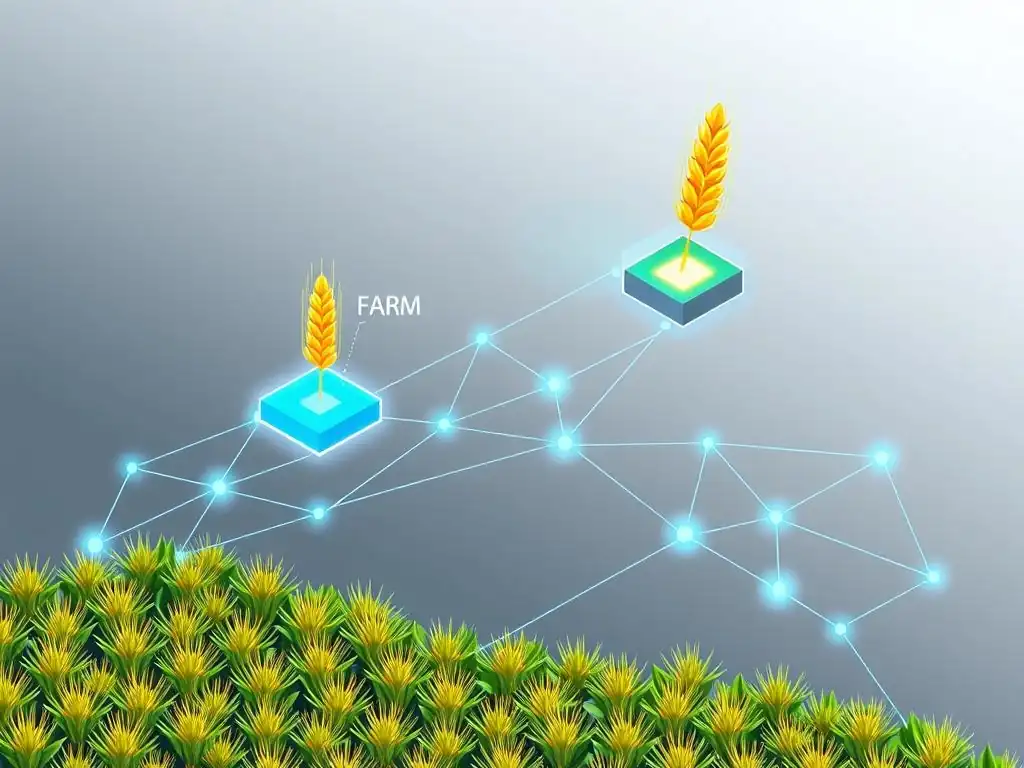
One of the most significant blockchain supply chain traceability benefits is the substantial improvement in transparency and accountability within food production. By recording every step of the food journey on an immutable blockchain, the system creates a transparent and auditable record that is accessible to authorized stakeholders. This enhanced transparency fosters greater accountability at each stage of the supply chain, from farmers to processors, distributors, and retailers. For instance, if a consumer identifies a quality issue with a product, the blockchain record can be easily traced back to the source, identifying the responsible party and enabling swift corrective action.
This increased accountability incentivizes all stakeholders to adhere to higher standards of quality and safety. Producers are more likely to implement best practices in farming and processing when they know their actions are recorded and traceable. Similarly, distributors and retailers are more accountable for maintaining proper storage and handling conditions throughout the supply chain. The transparency provided by blockchain also helps to build trust among stakeholders, as everyone has access to the same verifiable information. This improved transparency and accountability are fundamental blockchain supply chain traceability benefits that contribute to a more ethical and efficient food system.
Reduced Foodborne Illness Outbreaks and Contamination
The enhanced traceability provided by blockchain and AI directly contributes to a significant reduction in foodborne illness outbreaks and contamination. When a food safety incident occurs, rapid and accurate traceability is crucial for identifying the source of contamination and quickly removing affected products from the market.
Blockchain enables near real-time traceability, allowing for faster identification of contaminated batches and pinpointed recalls. For example, if a batch of spinach is identified as the source of an E. coli outbreak, the blockchain record can be used to quickly trace all products originating from that batch, enabling targeted recalls that minimize the impact on consumers and the food industry.
Furthermore, AI-powered predictive analytics can proactively identify potential food safety risks before they escalate into outbreaks. By analyzing data from various sources, AI can detect early warning signs of contamination or identify high-risk areas within the supply chain, allowing for preventative measures to be implemented. This proactive and reactive approach, enabled by blockchain and AI, significantly reduces the likelihood and severity of foodborne illness outbreaks, protecting public health and minimizing the economic and social costs associated with these incidents. This reduction in foodborne illnesses is a crucial blockchain supply chain traceability benefit.
Streamlined Recall Processes and Minimized Impact
Blockchain and AI revolutionize food recall processes, making them significantly more streamlined and minimizing their impact. Traditional recall processes are often slow, inefficient, and prone to errors due to the fragmented nature of data and lack of real-time visibility. Blockchain-based traceability systems provide instant access to comprehensive product journey data, enabling companies to quickly identify affected batches, trace their distribution, and notify relevant stakeholders.
This speed and accuracy drastically reduce the time required to initiate and execute a recall. For instance, in a traditional recall, it might take days or weeks to fully trace and remove affected products from shelves. With blockchain, this process can be reduced to hours, or even minutes in some cases.
The minimized impact of recalls is another key blockchain supply chain traceability benefit. Faster, more targeted recalls reduce the amount of food waste associated with broad, untargeted recalls. By pinpointing the affected batches and locations, companies can minimize the scope of the recall, reducing economic losses and minimizing disruption to the supply chain. Furthermore, streamlined recall processes enhance consumer confidence, as they demonstrate a company's commitment to food safety and their ability to respond quickly and effectively to safety incidents. This improved recall efficiency and minimized impact are significant blockchain supply chain traceability benefits.
Enhanced Consumer Trust and Brand Reputation for Food Producers
Implementing blockchain and AI for food traceability significantly enhances consumer trust and strengthens brand reputation for food producers. In an era where consumers are increasingly concerned about food safety, origin, and ethical sourcing, transparency is paramount. Blockchain-based traceability provides consumers with verifiable proof of product origin, quality, and safety claims. By scanning a QR code on a product package, consumers can access a wealth of information about the product's journey, building confidence in the brand and the food they are consuming. This transparency differentiates brands that prioritize food safety and traceability, enhancing their reputation in the eyes of consumers.
The enhanced consumer trust translates directly into brand loyalty and increased sales. Consumers are more likely to choose brands that are transparent about their supply chains and can demonstrate a commitment to food safety and quality. Positive brand reputation, built on transparency and traceability, creates a competitive advantage in the marketplace.
Furthermore, in the event of a food safety incident, companies with robust traceability systems are better positioned to manage the crisis and maintain consumer trust by demonstrating their ability to quickly identify and address the issue. This enhanced consumer trust and brand reputation are valuable blockchain supply chain traceability benefits that contribute to long-term business success.
Optimized Inventory Management and Reduced Food Waste
Blockchain and AI contribute to optimized inventory management and a significant reduction in food waste throughout the supply chain. AI-powered predictive analytics enables more accurate demand forecasting, allowing food producers and retailers to better match supply with demand. This reduces overproduction and minimizes the amount of food that spoils due to overstocking. For example, retailers can use AI-driven demand forecasts to optimize their orders, ensuring they have sufficient stock to meet consumer demand without accumulating excess inventory that may go to waste.
Blockchain enhances inventory management by providing real-time visibility into product movement and inventory levels across the entire supply chain. Stakeholders can track products from farm to shelf, gaining accurate insights into inventory levels at each stage. This real-time visibility enables more efficient inventory management, reducing stockouts and minimizing the risk of products expiring before they are sold.
By combining AI-driven demand forecasting with blockchain-enabled inventory visibility, food companies can significantly reduce food waste, optimize their operations, and improve profitability. This optimized inventory management and reduced food waste are substantial blockchain supply chain traceability benefits with both economic and environmental advantages.
Use Cases: AI and Blockchain in Action for Food Supply Chain Traceability
Tracking Tuna from Ocean to Plate: Combating Illegal Fishing
The application of AI and blockchain is proving highly effective in tracking tuna from ocean to plate, combating illegal, unreported, and unregulated (IUU) fishing. IUU fishing is a major global problem, depleting fish stocks, harming marine ecosystems, and costing the global economy billions of dollars annually. Blockchain provides a platform for creating a transparent and verifiable record of tuna catch and its journey through the supply chain.
When a tuna is caught, information about the vessel, fishing location, date, and catch method can be recorded on the blockchain. This data is immutable and auditable, making it difficult to falsify or manipulate.
AI enhances this traceability by analyzing data from various sources, including satellite imagery, vessel tracking systems, and catch reports, to verify the legitimacy of fishing activities and detect potential IUU fishing operations. For example, AI algorithms can analyze satellite data to identify vessels operating in restricted areas or engaging in suspicious fishing patterns.
By combining blockchain's secure data recording with AI's analytical capabilities, it becomes possible to create a robust system for tracking tuna from ocean to plate, ensuring that consumers can be confident that their seafood is legally and sustainably sourced. This use case demonstrates the power of AI and blockchain in combating illegal fishing and promoting sustainable seafood practices.
Ensuring Organic Certification of Produce: Verifying Authenticity
AI and blockchain are being used to ensure the organic certification of produce, verifying authenticity and building consumer trust in organic labels. The organic food market is growing rapidly, but concerns about fraud and mislabeling persist. Blockchain can provide a transparent and verifiable record of the entire organic production process, from seed to shelf.
Farmers can record details about their organic farming practices, soil health, pest control methods, and harvesting dates on the blockchain. Certifying bodies can then verify this information and issue digital organic certificates that are also stored on the blockchain, creating an immutable and auditable record of organic certification.
AI enhances this verification process by analyzing data from various sources, such as sensor data from farms, satellite imagery, and certification records, to detect potential inconsistencies or anomalies that may indicate fraudulent organic claims. For example, AI algorithms can analyze satellite images to verify land use history and detect potential violations of organic farming standards.
By combining blockchain's secure record-keeping with AI's analytical capabilities, it becomes possible to create a more robust and trustworthy system for verifying organic certification, ensuring that consumers are getting genuine organic produce and supporting legitimate organic farmers. This application highlights the role of AI and blockchain in enhancing trust and transparency in the organic food sector.
Monitoring Temperature Conditions for Vaccine Distribution: Maintaining Cold Chain Integrity
While not directly food-related, the use case of monitoring temperature conditions for vaccine distribution effectively illustrates the power of AI and blockchain in maintaining cold chain integrity, a critical aspect also relevant to perishable food supply chains. Vaccines are highly temperature-sensitive, and maintaining the cold chain throughout distribution is essential to ensure their efficacy. Blockchain provides a platform for securely recording temperature data from IoT sensors attached to vaccine shipments. These sensors continuously monitor temperature conditions during transportation and storage, and the data is automatically recorded on the blockchain, creating an immutable and auditable record of temperature history.
AI enhances this cold chain monitoring by analyzing the real-time temperature data and predicting potential temperature excursions or cold chain breaches. AI algorithms can learn from historical temperature data and identify patterns that indicate risks to cold chain integrity. For example, AI can predict potential temperature fluctuations based on weather forecasts and transportation routes, allowing for proactive adjustments to be made to maintain optimal temperature conditions.
By combining blockchain's secure data recording with AI's predictive capabilities, it becomes possible to create a robust system for monitoring and maintaining cold chain integrity for vaccines and other temperature-sensitive products, including perishable foods. This example showcases the broad applicability of AI and blockchain for ensuring the integrity of temperature-sensitive supply chains.
Implementing an AI-Powered Blockchain Traceability System: Key Considerations
Choosing a Permissioned Blockchain Platform for Data Privacy
When implementing an AI-powered blockchain traceability system for the food supply chain, choosing a permissioned blockchain platform is a key consideration, particularly for data privacy. Permissioned blockchains, unlike public blockchains, restrict access to the network and data to authorized participants. In a food supply chain context, this means that only verified stakeholders, such as farmers, processors, distributors, retailers, and regulators, would be granted access to the blockchain network and the data recorded on it. This controlled access is crucial for protecting sensitive business information and complying with data privacy regulations, such as GDPR or CCPA.
Public blockchains, while offering greater transparency, may not be suitable for all food supply chain applications due to data privacy concerns. Sharing sensitive business data, such as pricing information, supplier relationships, or proprietary processing methods, on a public blockchain could create competitive disadvantages and raise privacy compliance issues. Permissioned blockchains offer a balance between transparency and privacy, allowing for secure data sharing among trusted partners while maintaining control over data access and visibility. Choosing the right blockchain platform, considering data privacy requirements, is a critical step in implementing a successful AI-powered traceability system.
Selecting AI Technologies for Specific Food Safety and Quality Needs
Careful selection of AI technologies is crucial to address specific food safety and quality needs within a blockchain traceability system. Different AI technologies offer different capabilities, and the choice should be driven by the specific challenges and objectives of the food supply chain. For example, if the primary focus is on improving demand forecasting and reducing food waste, predictive analytics algorithms would be the most relevant AI technology to implement.
If the focus is on enhancing quality control and grading of produce, computer vision systems would be the preferred choice. For early detection of foodborne illness risks, machine learning algorithms for anomaly detection and pattern recognition would be most effective.
A one-size-fits-all approach to AI implementation is unlikely to be successful. Food companies should carefully assess their specific needs and priorities and select AI technologies that are best suited to address those challenges. This may involve combining different AI technologies to create a comprehensive solution. For instance, a system might integrate computer vision for quality control, machine learning for risk detection, and predictive analytics for demand forecasting. Strategic selection and integration of AI technologies, aligned with specific food safety and quality objectives, is essential for maximizing the value of an AI-powered blockchain traceability system.
Data Integration and Interoperability Challenges Between Different Systems
Data integration and interoperability challenges between different systems represent a significant consideration when implementing an AI-powered blockchain traceability system. Food supply chains often involve a complex ecosystem of stakeholders using diverse IT systems and data formats. Integrating data from these disparate systems into a unified blockchain platform can be a complex and time-consuming undertaking. Challenges may arise from incompatible data formats, lack of standardized data protocols, and resistance from stakeholders to share data or modify their existing systems.
Addressing these data integration and interoperability challenges requires careful planning and collaboration among all stakeholders. Adopting standardized data formats and protocols can facilitate data exchange and integration. Developing APIs (Application Programming Interfaces) to enable seamless data flow between different systems is also crucial. In some cases, middleware solutions may be needed to bridge the gap between legacy systems and the blockchain platform. Overcoming data integration and interoperability hurdles is essential for realizing the full potential of an AI-powered blockchain traceability system and achieving end-to-end visibility across the entire food supply chain.
Addressing Regulatory Compliance and Data Privacy Concerns
Navigating regulatory compliance and data privacy concerns is a critical consideration throughout the implementation and operation of an AI-powered blockchain traceability system. Food companies must ensure that their traceability system complies with relevant food safety regulations, data privacy laws, and industry standards. Regulations such as the Food Safety Modernization Act (FSMA) in the US and similar regulations in other countries mandate traceability requirements for certain food products. Data privacy laws, such as GDPR and CCPA, impose strict rules on the collection, processing, and storage of personal data.
Implementing a blockchain traceability system requires careful consideration of these regulatory and privacy requirements. Data privacy by design principles should be incorporated from the outset, ensuring that the system is designed to minimize data collection, anonymize data where possible, and provide users with control over their data. Compliance with relevant regulations should be built into the system's design and operation, including features for data retention, audit trails, and reporting. Engaging with legal and regulatory experts is crucial to ensure that the traceability system meets all applicable requirements and mitigates potential compliance risks.
The Future of Food Supply Chain Traceability: Emerging Trends
The Rise of IoT Sensors for Real-Time Monitoring
The future of food supply chain traceability is inextricably linked to the increasing adoption of Internet of Things (IoT) sensors for real-time monitoring. IoT sensors are becoming smaller, cheaper, and more powerful, making them increasingly feasible to deploy throughout the food supply chain to track a wide range of parameters, including temperature, humidity, location, shock, and light exposure. These sensors can be embedded in packaging, attached to pallets, or integrated into transportation vehicles, providing continuous monitoring of food products as they move through the supply chain.
The data generated by IoT sensors provides a rich stream of real-time information that can be used to enhance traceability, improve food safety, and optimize supply chain operations. This sensor data can be seamlessly integrated with blockchain platforms, providing an immutable and auditable record of environmental conditions and product handling throughout the journey.
AI algorithms can then analyze this sensor data in real-time to detect anomalies, predict potential risks, and trigger alerts, enabling proactive interventions and informed decision-making. The proliferation of IoT sensors is poised to revolutionize food supply chain traceability, enabling a new era of real-time visibility and control.
The Development of AI Algorithms for Predicting Shelf Life
Emerging trends in AI are focused on developing sophisticated algorithms for predicting the shelf life of food products. Accurately predicting shelf life is a complex challenge, as it is influenced by numerous factors, including product type, storage conditions, packaging, and processing methods. Traditional methods for shelf life estimation often rely on conservative assumptions and limited data, leading to inaccurate predictions and potential food waste. AI algorithms, particularly machine learning models, can analyze vast datasets encompassing product characteristics, environmental conditions, and historical shelf life data to develop more accurate and dynamic shelf life predictions.
These AI-powered shelf life prediction models can be integrated into blockchain traceability systems, providing real-time estimates of remaining shelf life for food products as they move through the supply chain. This information can be used to optimize inventory management, reduce food waste, and improve product quality. For example, retailers can use shelf life predictions to prioritize the sale of products nearing their expiration dates, minimizing spoilage and maximizing product freshness for consumers. The development of advanced AI algorithms for shelf life prediction holds significant promise for further optimizing food supply chain efficiency and sustainability.
The Expansion of Blockchain Adoption Across the Food Industry
The future of food supply chain traceability will be characterized by the continued expansion of blockchain adoption across the entire food industry. While early blockchain implementations in food traceability have focused on specific product categories or pilot projects, the trend is towards broader adoption across diverse food sectors and throughout the entire supply chain ecosystem. Increasing awareness of blockchain supply chain traceability benefits, coupled with growing consumer demand for transparency and food safety, is driving this widespread adoption.
As blockchain technology matures and implementation costs decrease, more food companies, from smallholder farmers to large multinational corporations, are recognizing the value proposition of blockchain-based traceability. Industry consortia and collaborative initiatives are emerging to promote blockchain adoption and interoperability across the food industry. Governments and regulatory agencies are also exploring the potential of blockchain to enhance food safety and regulatory compliance. This industry-wide expansion of blockchain adoption will create a more interconnected, transparent, and resilient food supply chain, benefiting all stakeholders from producers to consumers.
Conclusion: Transforming Food Supply Chains with AI and Blockchain
Achieving Unprecedented Levels of Food Safety and Transparency
The synergistic combination of AI and blockchain is fundamentally transforming food supply chains, enabling unprecedented levels of food safety and transparency. Blockchain provides the secure and transparent data infrastructure to record and share information across the supply chain, while AI provides the intelligent layer to analyze data, predict risks, and optimize operations. This powerful combination addresses the critical challenges of traditional food supply chains, such as lack of transparency, data silos, and inefficient traceability. The result is a more transparent, accountable, and resilient food system that benefits all stakeholders.
Through blockchain, consumers gain access to verifiable information about the origin, journey, and safety attributes of their food, empowering them to make informed choices and build trust in food brands. Food producers benefit from enhanced brand reputation, reduced food waste, streamlined operations, and improved compliance with regulations. The combined power of AI and blockchain is not just incremental improvement; it represents a paradigm shift in how food supply chains operate, ushering in a new era of food safety and transparency.
Building More Resilient and Sustainable Food Systems
The implementation of AI and blockchain in food supply chains is not only enhancing food safety and transparency but also contributing to building more resilient and sustainable food systems. Improved traceability and transparency strengthen the resilience of food supply chains by enabling faster response to disruptions, such as food safety incidents or supply chain shocks. The ability to quickly identify and isolate problems minimizes the impact of disruptions and ensures business continuity. Furthermore, AI-driven optimization of inventory management and demand forecasting significantly reduces food waste, a major contributor to environmental and economic unsustainability.
Blockchain's decentralized and collaborative nature promotes more equitable and inclusive food supply chains, empowering smallholder farmers and promoting fair trade practices. Transparency and traceability can help to verify sustainability claims and ethical sourcing, incentivizing responsible production practices and promoting environmental stewardship. By fostering resilience, reducing waste, and promoting sustainability, AI and blockchain are playing a crucial role in building food systems that are not only safer and more transparent but also more environmentally and socially responsible.
The Potential for Increased Consumer Confidence and Reduced Food Waste
Ultimately, the transformative potential of AI and blockchain in food supply chain traceability translates into increased consumer confidence and a significant reduction in food waste. Enhanced transparency empowers consumers with the information they need to trust the food they are eating and make informed purchasing decisions. Verifiable traceability builds confidence in food safety and quality claims, strengthening consumer trust in food brands and the food system as a whole. Increased consumer confidence can lead to greater demand for traceable and transparent food products, further incentivizing adoption of these technologies.
Simultaneously, the optimization capabilities of AI and blockchain, particularly in demand forecasting and inventory management, directly address the global challenge of food waste. By reducing overproduction, minimizing spoilage, and improving shelf life management, these technologies contribute to a more efficient and sustainable use of food resources. The combined impact of increased consumer confidence and reduced food waste demonstrates the profound and positive transformation that AI and blockchain are bringing to the food industry, creating a future where food is safer, more sustainable, and more trustworthy for everyone.
Frequently Asked Questions
What are the primary benefits of using blockchain for supply chain traceability?
Blockchain offers enhanced transparency and immutable record-keeping, making it easier to track products from origin to consumer. This leads to increased trust and reduced fraud.
How can AI complement blockchain in achieving end-to-end product journey visibility?
AI can analyze the blockchain data to identify patterns, predict potential disruptions, and optimize the supply chain, providing actionable insights beyond simple tracking.
Beyond cryptocurrencies, what are some real-world blockchain applications in supply chains?
Examples include tracking food origins to ensure safety, verifying the authenticity of luxury goods, and managing pharmaceutical distribution to prevent counterfeiting, all contributing to Blockchain supply chain traceability benefits.
What are some of the key challenges in implementing blockchain-based supply chain traceability solutions?
Challenges include the initial cost of implementation, integrating blockchain with existing systems, and ensuring all stakeholders are on board with the shared, transparent ledger.
How does blockchain technology contribute to regulatory compliance in the supply chain?
Blockchain provides a verifiable and auditable trail of all transactions, making it easier to meet regulatory requirements and demonstrate compliance, ultimately enhancing Blockchain supply chain traceability benefits.
Final Reflection: Embracing Transparency in the Supply Chain
The journey of a product, from its raw materials to the hands of the consumer, is often shrouded in mystery. However, the fusion of AI and blockchain technology promises to illuminate this path, offering unprecedented supply chain traceability. This is not merely a technological advancement; it's a paradigm shift towards greater transparency, accountability, and ultimately, trust in the products we consume.
The potential for blockchain supply chain traceability benefits extends far beyond simple tracking. It empowers consumers with knowledge, allows businesses to optimize their operations, and fosters a more ethical and sustainable global economy. The future of supply chains is not just about efficiency, but about resilience, transparency, and trust. Blockchain and AI are key enablers of this future.
This shift is already influencing consumer choices and corporate strategies, demanding a higher standard of responsibility from all stakeholders.
As we stand on the cusp of this technological revolution, let us embrace the power of transparency. Consider the impact of your choices, both as consumers and as contributors to the global supply chain. How can you leverage the insights offered by AI and blockchain to demand greater accountability and support ethical practices? The future of our interconnected world depends on our collective commitment to building a more transparent and trustworthy supply chain, one block and one algorithm at a time.
Unlock the Power of Supply Chain Transparency!
Thanks for exploring the future of supply chain traceability with us! We hope you've gained valuable insights into how AI and blockchain are revolutionizing product journey visibility. Now, it's time to put that knowledge into action.
Here's how you can take the next step:
- Dive Deep: Assess the feasibility of integrating a blockchain-based traceability system into your current supply chain. Consider a pilot project to test its impact on efficiency and transparency. This is your primary action.
- Share the Knowledge: Spread the word about the importance of end-to-end product visibility by sharing this article with your colleagues and network. Help others understand the benefits of AI and blockchain.
- Uncover Hidden Insights: Research existing blockchain traceability platforms and identify three key features that could address specific vulnerabilities within your supply chain.
Ready to revolutionize your supply chain? What's the first step you'll take towards embracing AI and blockchain for enhanced traceability?
Leave a Reply