
Beyond Centralized Control: Exploring Decentralized Social Media Platforms

Welcome to Blockchain Trends, your gateway to understanding the revolutionary impact of blockchain technology.
Are you ready to break free from the grip of centralized social media? This article dives deep into the benefits of decentralized social media platforms, revealing how blockchain is reshaping content creation, ownership, and community engagement. Discover the possibilities that lie beyond traditional models and explore a future where users truly own their digital identities and data. Intrigued? Let's unlock the potential of decentralized social media together...
- Benefits of Decentralized Social Media Platforms
-
Frequently Asked Questions
- What are the key benefits of using decentralized social media platforms?
- How do decentralized social media platforms differ from centralized ones?
- How does blockchain technology enable decentralized social media platforms?
- What are some of the challenges facing the adoption of decentralized social media platforms?
- What is the future outlook for decentralized social media platforms and their benefits?
- Final Reflection: Embracing the Decentralized Future
- Empower Your Voice: Dive into the Decentralized Revolution!
Enhanced Data Privacy and User Control
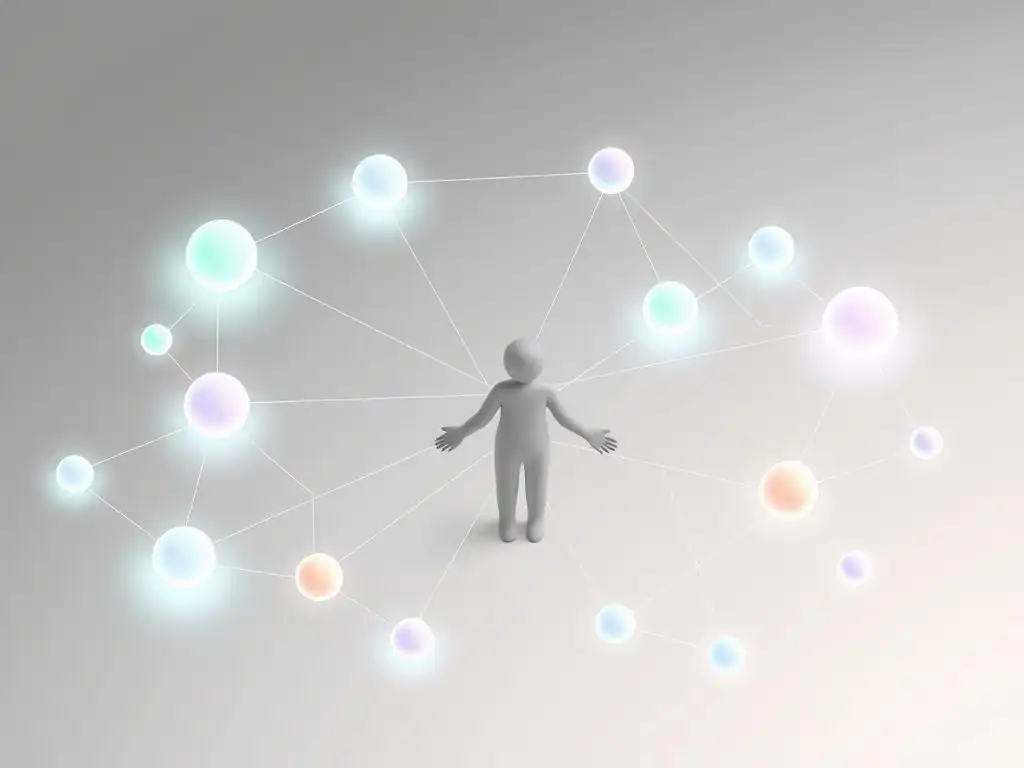
One of the most compelling advantages of decentralized social media platforms lies in their approach to data privacy and user control. In stark contrast to centralized platforms that aggregate and monetize user data as a core business model, decentralized alternatives prioritize user autonomy over personal information. Traditional social media giants often operate in a black box, leaving users with little transparency or control over how their data is collected, stored, and utilized.
Decentralized platforms, often leveraging blockchain technology, offer a paradigm shift by empowering individuals with greater agency over their digital footprint. Users typically retain ownership of their data, deciding who has access and how it is used, moving away from the often opaque practices of centralized corporations. This shift towards user-centric data management is a fundamental benefit, addressing growing concerns about privacy in the digital age.
For example, platforms built on decentralized networks can implement features like end-to-end encryption for direct messaging, ensuring that only the sender and recipient can access the content. Furthermore, some platforms utilize decentralized identifiers (DIDs), allowing users to control their digital identity across different services without relying on a single authority. This contrasts sharply with the data collection practices of centralized platforms.
For instance, reports indicate that Facebook collects thousands of data points per user, ranging from browsing history and location data to personal preferences and interactions. Decentralized platforms, by design, minimize data collection and maximize user control, fostering a more privacy-respecting social media environment.
Freedom of Expression and Reduced Censorship
Decentralized social media platforms offer a significant advantage in promoting freedom of expression and mitigating censorship, issues that have become increasingly prominent concerns with centralized platforms. Centralized social media companies often wield considerable power over content moderation, with decisions sometimes perceived as arbitrary, biased, or politically motivated.
These platforms operate under their own terms of service, which can be changed at any time, potentially silencing voices or perspectives that do not align with the platform's policies or perceived interests. Decentralized platforms, on the other hand, aim to distribute control over content moderation, making it significantly harder for any single entity to censor or deplatform users.
By leveraging decentralized technologies and community-driven governance models, these platforms strive to create spaces where diverse voices can be heard and where content moderation is more transparent and accountable. Some decentralized platforms employ algorithms that are open-source and auditable, allowing users to understand the rules governing content moderation. Others utilize decentralized autonomous organizations (DAOs) to manage content policies, distributing decision-making power among platform participants.
For instance, some platforms are exploring cryptographic methods to ensure content permanence, making it resistant to takedowns and censorship attempts. This contrasts sharply with cases like Twitter's permanent ban of a sitting US president, highlighting the unilateral power centralized platforms possess over speech. Decentralized platforms, by distributing power and promoting transparency, aim to foster a more resilient and censorship-resistant environment for online discourse.
Monetization Opportunities for Creators
Decentralized social media platforms present enhanced monetization opportunities for content creators, addressing a long-standing imbalance in the traditional social media landscape. Centralized platforms often capture a significant portion of the revenue generated by creators, taking cuts from advertising revenue, subscriptions, or virtual gifts. This model can be particularly challenging for smaller creators who struggle to build a sustainable income stream. Decentralized platforms, leveraging blockchain technology and tokenomics, are exploring alternative monetization models that are fairer and more rewarding for creators.
These platforms are experimenting with various approaches, including cryptocurrency-based tipping, microtransactions for content access, and the integration of NFTs (Non-Fungible Tokens) for digital collectibles and exclusive content. Some platforms are designed to directly connect creators with their audience, eliminating intermediaries and reducing platform fees. For example, platforms using blockchain-based tokens can allow creators to receive direct payments from fans in cryptocurrency, bypassing traditional payment processors and their associated fees.
Furthermore, the use of NFTs enables creators to monetize digital art, music, and other content in novel ways, fostering a creator economy where artists can retain greater control over their work and earnings. In contrast, platforms like YouTube can take up to 45% of ad revenue from creators, demonstrating the significant difference in revenue sharing models. Decentralized platforms aim to empower creators with more direct and profitable pathways to monetize their work and build sustainable careers.
Community Governance and Platform Ownership
A key benefit of decentralized social media platforms is the potential for community governance and platform ownership, shifting away from the centralized control structures that dominate the current social media ecosystem. Traditional platforms are owned and operated by corporations, with users having little to no say in platform policies, development, or direction.
Decentralized platforms are exploring models where users and communities can have a more active role in governing the platform, fostering a sense of shared ownership and responsibility. This can lead to platforms that are more responsive to user needs and values, and less susceptible to the whims of a central authority.
Decentralized governance models can take various forms, including the use of Decentralized Autonomous Organizations (DAOs) to manage platform decisions. DAOs utilize blockchain-based voting mechanisms, allowing token holders to participate in proposals related to platform upgrades, content moderation policies, and resource allocation. Some platforms are also exploring models of fractional ownership, where users can earn or purchase tokens that represent a stake in the platform itself.
This aligns incentives between the platform and its users, fostering a more collaborative and community-driven approach to social media. For instance, some projects are experimenting with quadratic voting mechanisms within DAOs to ensure that decisions reflect the intensity of community preferences, rather than just token holdings.
This contrasts sharply with the top-down governance structures of platforms like Facebook or Instagram, where user feedback often has limited impact on platform policies. Decentralized platforms, by empowering communities with governance and ownership, aim to create social media spaces that are truly built for and by their users.
Frequently Asked Questions
Decentralized platforms offer users greater data privacy and control over their content. They also reduce the risk of censorship and manipulation compared to traditional platforms.
Centralized platforms are controlled by a single entity, while decentralized platforms distribute control across a network of users. This leads to increased transparency and resilience against single points of failure.
Blockchain provides a secure and transparent ledger for storing user data and content. This ensures immutability and verifiability, crucial for building trust in the system.
Challenges include scalability issues, a lack of user-friendly interfaces, and difficulty in moderating content effectively. These hurdles need to be overcome for widespread adoption.
The future involves increased integration with other decentralized technologies and a growing focus on user experience and accessibility. This could lead to significant growth in the sector.
Final Reflection: Embracing the Decentralized Future
The exploration of decentralized social media platforms reveals a critical shift in how we perceive online interaction, and its relevance today is undeniable. The promise of user empowerment and data sovereignty offered by these platforms directly challenges the centralized control that has long defined our digital experiences. This is not merely a technological advancement; it's a philosophical one, questioning the very foundations of power within the digital realm.
The rise of decentralized social media is more than just a trend; it's a reflection of a growing desire for autonomy and control over our digital identities. This movement resonates deeply with the increasing awareness of data privacy and the ethical concerns surrounding centralized platforms. The internet was supposed to be a decentralized, open platform. We need to reclaim that vision.
This quote encapsulates the spirit of decentralization, reminding us of the original ideals that shaped the internet and the importance of preserving them.
As we stand at the cusp of a new digital era, let us embrace the potential of decentralized social media to foster more equitable and transparent online communities. Consider the power you hold to shape the future of the internet. Explore these platforms, engage in the conversations they spark, and become an active participant in building a digital world where your voice truly matters. The future of social media is not predetermined; it is being written now, and your contribution is vital.
Empower Your Voice: Dive into the Decentralized Revolution!
Thank you for exploring the potential of decentralized social media platforms with us. We hope you've gained valuable insights into how blockchain can reshape online interactions and empower individual voices. Are you ready to take control of your digital presence?
Here are a few ways to get started:
- Create an account on a decentralized social media platform like Mastodon or Peepeth and begin exploring alternative ways to connect and share. This is your first step toward reclaiming your online identity.
- Share this article with your network and spark a conversation about data privacy and decentralized technologies. Let’s spread awareness!
- Contribute to an open-source decentralized social media project on GitHub. Your coding skills could help shape the future of social interaction.
Which decentralized platform appeals to you most, and what changes would you like to see in the future of social media? Share your thoughts in the comments below!
Leave a Reply