
Buying Your First NFT Artwork: An Intriguing Collector's Guide to Digital Art


Welcome to Blockchain Trends, your compass in the rapidly evolving world of decentralized technology! Beyond the buzzwords of crypto, we delve into the real transformative power of blockchain. Ever wondered how NFTs are revolutionizing the art world? Our latest piece, an NFT art buying guide, demystifies the process and equips you to navigate this exciting digital frontier. Uncover the secrets to collecting digital masterpieces and discover how blockchain is reshaping the very fabric of content creation. Dive in to learn more and start your journey!
Investing in Digital Real Estate: A Comprehensive Guide to Virtual Land
- Introduction to Virtual Land: A Beginner's Guide
- Preparing to Invest in Virtual Land: Essential Steps for New Landlords
- Finding Virtual Land: Exploring Metaverse Platforms
- Understanding Virtual Land Value and Scarcity
- Making Your First Virtual Land Purchase: A Practical Guide
- Developing and Monetizing Your Virtual Land
- The Future of Virtual Land and the Metaverse
- Frequently Asked Questions
- Final Reflection: Embracing the Digital Canvas
- Unveil Your Digital Art Collection: Start Today!
Introduction to Virtual Land: A Beginner's Guide
What is Virtual Land and Why is it Valuable?
Virtual land, at its core, is a digital asset representing ownership of a piece of virtual space within a metaverse platform. Think of it as real estate, but existing within a virtual world accessible through the internet. This land is typically represented as a Non-Fungible Token (NFT), ensuring unique ownership and traceability on a blockchain.
Its value proposition stems from several factors mirroring the principles of physical real estate: scarcity, utility, and demand. Just as land in the physical world is finite, virtual land parcels within a specific metaverse are also limited, creating inherent scarcity. Furthermore, the utility of virtual land is growing as metaverses evolve.
It can be used to host virtual events, build virtual stores, create interactive experiences, display digital art, and even serve as a social hub for communities. As metaverse adoption increases, and more people and businesses seek a presence in these digital realms, the demand for virtual land rises, driving up its potential value.
The allure of virtual land investment is also tied to the burgeoning digital economy and the concept of the metaverse as the next iteration of the internet. Early adopters see virtual land as a foundational element of this new digital frontier, drawing parallels to the early days of the internet and the potential for significant returns as the metaverse matures.
For example, in platforms like Decentraland and The Sandbox, parcels of land have seen exponential price increases since their initial sales, demonstrating the potential for substantial appreciation. This growth is fuelled by both speculative investment and the genuine development of use cases within these virtual worlds, making virtual land a compelling, albeit nascent, asset class.
Understanding the Metaverse and its Ecosystem
The metaverse is best understood as a persistent, shared, 3D virtual world or worlds. It is envisioned as an immersive internet experience that goes beyond browsing websites and social media feeds. Key characteristics of a metaverse include a sense of presence, interoperability across platforms (though still developing), and a digital economy often powered by blockchain technology and cryptocurrencies. Within this ecosystem, virtual land acts as the foundational layer upon which experiences are built. It's the space where users can interact, businesses can establish a presence, and communities can congregate.
The metaverse ecosystem is complex and multifaceted, comprising several interconnected components. Firstly, there are the metaverse platforms themselves, such as Decentraland, The Sandbox, and Otherside, each offering unique environments, features, and communities. Secondly, there's the technology infrastructure, including blockchain networks, virtual reality (VR) and augmented reality (AR) technologies, and the computing power required to run these immersive worlds.
Thirdly, the metaverse economy is emerging, driven by NFTs, cryptocurrencies, and digital assets. Virtual land sits at the intersection of these components, acting as a valuable digital asset within the economic framework of these platforms and contributing to the overall metaverse experience. Understanding this ecosystem is crucial for anyone considering investing in virtual land, as the success and growth of the metaverse as a whole directly impact the value and utility of virtual land assets.
The Rise of Digital Ownership: A Web3 Perspective
The concept of virtual land is deeply intertwined with the Web3 movement and the paradigm shift towards digital ownership. Web3, often referred to as the decentralized web, aims to give users more control over their data and digital assets, moving away from the centralized control of Web2 giants. Virtual land, represented as NFTs on blockchains, embodies this principle perfectly. NFTs provide verifiable proof of ownership, scarcity, and authenticity in the digital realm, addressing a fundamental challenge of digital assets – the ease of replication.
Within a Web3 context, owning virtual land means possessing a truly unique and verifiable digital asset that resides on a decentralized ledger. This ownership is not controlled by a central corporation but is instead governed by the blockchain network. This shift towards digital ownership has profound implications for how we interact with the internet and digital content.
Just as NFTs have revolutionized the art world by enabling digital artists to sell and protect their work, virtual land is democratizing access to digital real estate and empowering individuals to participate in the metaverse economy directly. This Web3 perspective on digital ownership is a key driver behind the growing interest in virtual land, as it represents a move towards a more user-centric and decentralized digital future.
Preparing to Invest in Virtual Land: Essential Steps for New Landlords
Setting Up Your Crypto Wallet: A Step-by-Step Guide for Virtual Land Purchases
Before venturing into the virtual land market, setting up a cryptocurrency wallet is a fundamental first step. A crypto wallet is essentially a digital tool that allows you to manage your cryptocurrencies and interact with blockchain applications, including metaverse platforms and NFT marketplaces. Think of it as your bank account for the digital asset world.
There are various types of wallets, but for virtual land purchases, non-custodial wallets are generally recommended. Non-custodial wallets give you full control of your private keys, which are essential for accessing and managing your crypto assets. Popular examples include MetaMask, Trust Wallet, and Coinbase Wallet (non-custodial version).
The setup process typically involves downloading and installing the wallet extension or mobile app. You'll then be guided through creating a new wallet, which includes generating a seed phrase (also known as a recovery phrase). This seed phrase is a series of 12 or 24 words that acts as the master key to your wallet. It is crucial to store this seed phrase securely offline, ideally written down on paper and kept in a safe place.
Losing your seed phrase means losing access to your wallet and all its contents. Once your wallet is set up and your seed phrase is safely stored, you'll need to fund it with the cryptocurrency required for purchasing virtual land on your chosen metaverse platform. This usually involves buying cryptocurrency from an exchange and transferring it to your wallet address. This wallet address is a public identifier that allows you to receive cryptocurrencies.
Choosing the Right Cryptocurrency for Metaverse Transactions [e.g., MANA, SAND]
The cryptocurrency you'll need for virtual land purchases depends on the specific metaverse platform you're interested in. Each platform often utilizes its own native cryptocurrency for transactions within its ecosystem. For example, Decentraland primarily uses MANA, while The Sandbox uses SAND. Otherside, associated with the Bored Ape Yacht Club, uses ApeCoin (APE) and ETH. Understanding which cryptocurrency is accepted on your target platform is essential before you begin the purchasing process.
MANA, the native token of Decentraland, is used for buying LAND parcels, avatars, wearables, and other goods and services within the Decentraland metaverse. SAND, the utility token of The Sandbox, serves similar purposes within The Sandbox ecosystem, including LAND purchases, asset creation, and gameplay. These cryptocurrencies are not only transactional tokens but also often play a role in the governance of their respective platforms, allowing token holders to participate in decision-making processes.
When choosing the right cryptocurrency, consider the metaverse platforms you are interested in and research which tokens are used within those ecosystems. You can typically acquire these cryptocurrencies on major cryptocurrency exchanges like Binance, Coinbase, or Kraken, and then transfer them to your crypto wallet for use in metaverse transactions.
Securing Your Crypto Assets: Best Practices for Wallet Protection
Security is paramount when dealing with cryptocurrencies and digital assets, especially when investing in virtual land, which can represent a significant financial commitment. Protecting your crypto wallet and the assets within it is crucial to prevent loss due to hacking, scams, or user error. One of the most important best practices is to safeguard your seed phrase.
As mentioned earlier, this phrase is the key to your wallet, and if it falls into the wrong hands, your assets can be compromised. Never store your seed phrase digitally on your computer or phone, and be wary of phishing attempts that may try to trick you into revealing it.
Another key security measure is to enable two-factor authentication (2FA) wherever possible, especially on cryptocurrency exchanges and any platforms where your wallet is connected. 2FA adds an extra layer of security beyond just your password, typically requiring a code from your phone or authenticator app to verify your login. Be cautious about clicking on suspicious links or downloading software from untrusted sources, as these can be vectors for malware that could compromise your wallet.
Regularly update your wallet software and operating system to patch any security vulnerabilities. Consider using a hardware wallet for added security, especially if you hold a significant amount of crypto assets.
Hardware wallets are physical devices that store your private keys offline, making them much less susceptible to online attacks. By implementing these security best practices, you can significantly reduce the risk of losing your crypto assets and ensure a safer experience in the virtual land market.
Finding Virtual Land: Exploring Metaverse Platforms
The virtual land market is not monolithic; it's fragmented across various metaverse platforms, each with its own marketplace, ecosystem, and community. Navigating these marketplaces effectively requires understanding the nuances of each platform and its offerings. Decentraland, one of the pioneers in the virtual land space, features a decentralized marketplace accessible through its website.
Here, users can browse available LAND parcels, bid on auctions, and purchase directly using MANA. The Sandbox, another popular platform, also has its own marketplace where LAND NFTs and other assets can be bought and sold using SAND. Both Decentraland and The Sandbox marketplaces offer filtering and search functionalities to help users find land based on location, size, and price.
Otherside, a more recent entrant from Yuga Labs (creators of Bored Ape Yacht Club), utilizes a different approach. Its initial land sale involved a dynamic NFT minting process, and secondary market trading primarily occurs on established NFT marketplaces like OpenSea and LooksRare, using ETH and APE as currency. When comparing these marketplaces, consider factors like transaction fees, available search filters, user interface, and the overall platform ecosystem.
Some marketplaces might offer more detailed land information, such as previous sales history or proximity to popular districts. It’s also crucial to be aware of gas fees, which are transaction costs on the blockchain, and can vary depending on network congestion. Exploring multiple metaverse platforms and their marketplaces will provide a broader understanding of the available options and help you identify opportunities that align with your investment goals.
Discovering Prime Locations: Tips for Finding High-Value Virtual Real Estate
Just as in the physical world, location is a critical factor in determining the value of virtual land. "Prime locations" in the metaverse are areas that attract high user traffic, offer desirable amenities, or are strategically positioned within the platform's ecosystem. Identifying these prime locations requires research and an understanding of the platform's dynamics.
Look for areas near popular hubs, districts, or points of interest within the metaverse. For example, in Decentraland, districts like Vegas City or Fashion Street are known for high foot traffic and commercial activity. In The Sandbox, areas adjacent to brand-owned LAND or popular experiences often command higher prices.
Another indicator of prime location is proximity to roads, plazas, or public gathering spaces within the metaverse. These areas tend to be more visible and accessible to users, making them potentially more valuable for commercial or social purposes. Pay attention to the platform's roadmap and future development plans. Areas slated for future development or upgrades might become prime locations as the metaverse evolves.
Engage with the metaverse community and participate in platform events to gain insights into trending areas and upcoming developments. Utilizing metaverse explorers and map tools can also aid in visualizing land parcels and identifying strategically advantageous locations. Remember that "prime location" is subjective and can depend on your intended use for the virtual land, whether it's for commercial ventures, social gatherings, or personal enjoyment.
Evaluating Virtual Land: Factors to Consider Before Making a Purchase
Before committing to a virtual land purchase, a thorough evaluation is essential to make informed investment decisions. Several factors should be considered to assess the potential value and risks associated with a particular land parcel. Location, as previously discussed, is paramount. Analyze the land's proximity to key areas, traffic flow, and overall desirability within the metaverse. The size and shape of the land parcel can also impact its utility and value. Larger parcels may offer more flexibility for development, while corner plots or parcels with favorable shapes might be more visually appealing or strategically advantageous.
Consider the utility of the land. What are the potential use cases for this specific parcel? Is it suitable for building a virtual store, hosting events, creating interactive experiences, or simply for personal display? The platform's overall ecosystem and community are crucial factors. A thriving metaverse with a large and engaged user base is more likely to support the value of virtual land within it.
Research the platform's development roadmap, partnerships, and community sentiment. Scarcity is a fundamental driver of value in virtual land. Understand the total supply of land parcels on the platform and the scarcity of the specific type or location you are considering. Finally, assess the price of the land parcel in relation to comparable parcels in the same area and on other platforms. Consider recent sales history and market trends to determine if the asking price is reasonable and represents a sound investment opportunity.
Understanding Virtual Land Value and Scarcity
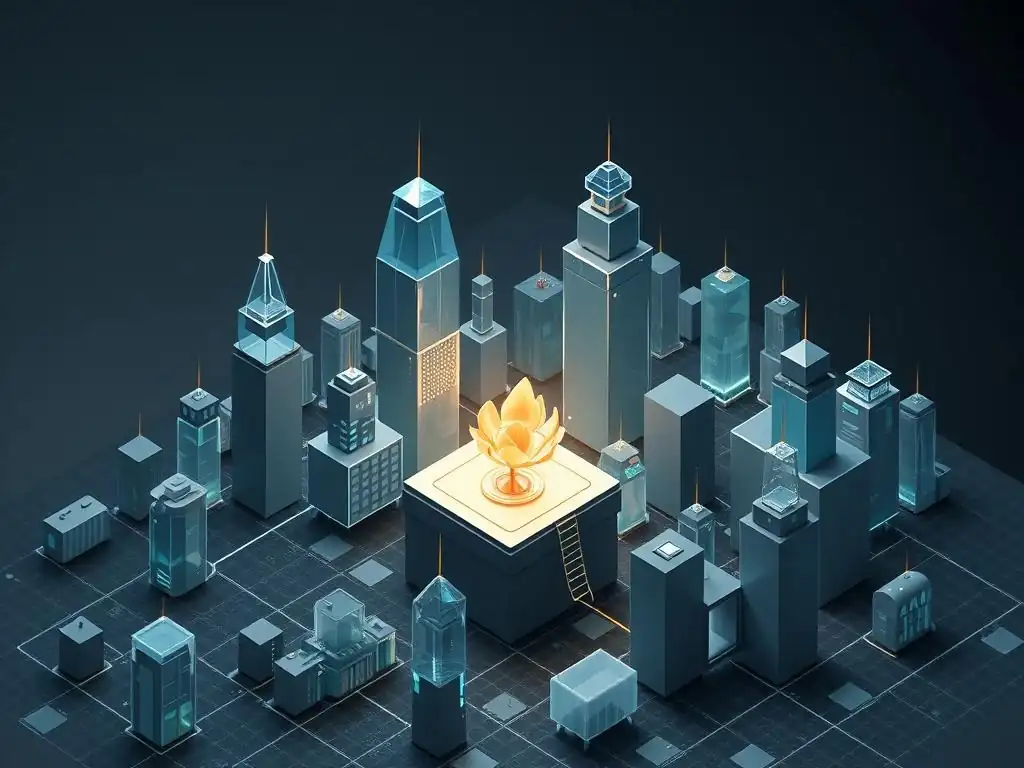
Deciphering Location and Utility in Metaverse Land Parcels
Location and utility are the twin pillars underpinning the value of virtual land. Just as in the physical real estate market, "location, location, location" holds true in the metaverse. However, "location" in virtual worlds is defined by proximity to popular areas, virtual foot traffic, and strategic positioning within the platform's digital geography. Land parcels situated near established hubs, entertainment districts, or brand-owned virtual spaces tend to command higher values due to increased visibility and potential for user engagement. Think of it like owning property on a bustling high street versus a remote rural area.
Utility, the practical application and potential uses of a land parcel, is the other critical determinant of value. A land parcel with high utility offers diverse possibilities for development and monetization. For example, land suitable for building interactive experiences, virtual stores, or event spaces will likely be more valuable than land with limited development potential or in less accessible areas. The interplay between location and utility is crucial.
A prime location with high utility is the most sought-after and valuable combination. For instance, a large parcel of land in a high-traffic district of Decentraland, suitable for constructing a virtual shopping mall or entertainment venue, would possess significant value due to both its prime location and high utility. Understanding how these two factors interact is key to assessing the true worth of any virtual land parcel.
Assessing Project Roadmap and Community Engagement
Beyond location and utility, the long-term value of virtual land is heavily influenced by the project roadmap and the strength of the community surrounding the metaverse platform. A well-defined and ambitious project roadmap indicates the platform's vision for future development, features, and expansions. This roadmap should outline planned upgrades, new functionalities, partnerships, and strategies for attracting and retaining users. A robust roadmap instills confidence in investors and users alike, suggesting that the platform is actively evolving and committed to long-term growth.
Community engagement is equally vital. A vibrant and active community is the lifeblood of any successful metaverse. Strong community engagement signifies user interest, participation, and a sense of ownership in the platform's development. Look for indicators of community health, such as active forums, social media presence, user-generated content, and community-led initiatives.
A strong community not only enhances the overall metaverse experience but also contributes to the organic growth and adoption of the platform, which in turn can positively impact the value of virtual land within that ecosystem. Assess the project roadmap and community engagement by researching the platform's official website, social media channels, community forums, and news articles. These factors provide crucial insights into the platform's long-term prospects and the potential for sustained value appreciation of its virtual land assets.
Recognizing Red Flags: Avoiding Scams and Overpriced Parcels
The burgeoning virtual land market, while promising, also presents risks, including scams and overpriced parcels. Being able to recognize red flags is crucial for protecting your investment and avoiding potential pitfalls. One common red flag is unrealistic promises of guaranteed returns or excessively high yields. Virtual land investment, like any investment, carries risks, and no returns are guaranteed.
Be wary of projects that aggressively market virtual land with inflated promises of quick riches. Another red flag is a lack of transparency regarding the project's team, roadmap, or tokenomics. Legitimate metaverse platforms typically have publicly accessible information about their team members, development plans, and the mechanics of their virtual land ecosystem.
Be cautious of projects with little to no community engagement or a poorly defined utility for their virtual land. A thriving metaverse requires an active user base and compelling use cases for its virtual spaces. Overpriced parcels are another significant concern. Always compare the asking price of a land parcel with comparable parcels in the same area and on other platforms.
Utilize price tracking tools and consult with experienced virtual land investors to gauge fair market value. Be particularly wary of newly launched projects with limited track records or platforms with low user activity, as land in these ecosystems may be speculative and prone to price volatility. Conduct thorough due diligence, research the platform and its team, and exercise caution when evaluating virtual land opportunities to mitigate the risk of scams and overpriced purchases.
Making Your First Virtual Land Purchase: A Practical Guide
Bidding Strategies: How to Secure Your Desired Land Parcel
Securing your desired virtual land parcel often involves navigating bidding processes within metaverse marketplaces. Understanding effective bidding strategies can significantly increase your chances of acquiring land at a favorable price. One common strategy is to research recent sales of comparable land parcels in the same area to establish a realistic valuation. This data can inform your initial bid and prevent you from overpaying. In auction-based marketplaces, consider placing bids strategically, rather than immediately bidding the maximum you're willing to pay. Incrementally increasing your bid in response to other bidders can be a more effective approach.
"Sniping," or placing a bid at the very last moment of an auction, is another strategy, though it can be risky if you encounter technical issues. Setting up automated bidding tools, if available on the marketplace, can help execute bids precisely at the desired time. For fixed-price listings, speed is often crucial, especially for highly sought-after parcels. Be prepared to act quickly and complete the purchase process promptly.
Negotiation may be possible in some instances, particularly for private sales or direct offers to land owners. Don't hesitate to inquire about negotiating the price, especially if you believe the asking price is inflated. Ultimately, a successful bidding strategy combines thorough research, strategic bidding tactics, and a clear understanding of your budget and desired land parcel.
Understanding Gas Fees: Minimizing Transaction Costs on the Blockchain
Gas fees are transaction costs paid to the blockchain network to process and validate transactions, including virtual land purchases. These fees can fluctuate depending on network congestion and can sometimes be substantial, impacting the overall cost of your virtual land investment. Understanding how gas fees work and strategies for minimizing them is crucial for cost-effective virtual land transactions. Gas fees are typically measured in Gwei (Gigawei), a denomination of Ether (ETH), the cryptocurrency used on the Ethereum blockchain, which underlies many metaverse platforms and NFT marketplaces.
Network congestion is the primary driver of gas fee fluctuations. When the blockchain network is busy with many transactions, gas fees tend to increase as users compete to have their transactions processed quickly. Conversely, during periods of low network activity, gas fees are typically lower. To minimize gas fees, consider timing your transactions during off-peak hours, such as late nights or weekends, when network activity is generally lower.
Many crypto wallets and marketplaces allow you to adjust the gas price you are willing to pay. Setting a lower gas price can reduce transaction costs, but it may also result in slower transaction processing times. Utilize gas fee trackers, websites that provide real-time data on current gas prices, to make informed decisions about when to execute your transactions. By understanding gas fee dynamics and employing these strategies, you can effectively minimize transaction costs and optimize your virtual land purchases.
Completing the Transaction: Transferring Ownership of Your Virtual Land
The final step in acquiring virtual land is completing the transaction and ensuring the ownership is properly transferred to your crypto wallet. Once you have successfully bid on or purchased a land parcel on a metaverse marketplace, the transaction needs to be processed on the blockchain. This process involves paying the gas fees and confirming the transaction through your crypto wallet.
After confirming the transaction, it may take some time for the blockchain to process and validate it, depending on network congestion and the gas price you paid. You can typically track the transaction status using a blockchain explorer, a website that provides detailed information about blockchain transactions.
Once the transaction is confirmed, the virtual land NFT representing ownership of the parcel will be transferred to your crypto wallet address. You can verify ownership by viewing your wallet's NFT collection or by checking your wallet address on the blockchain explorer associated with the platform. The metaverse platform's interface should also reflect your ownership of the land parcel.
It's essential to double-check that the NFT is indeed in your wallet and that the ownership transfer is correctly reflected on both the blockchain and the metaverse platform. Take screenshots of the transaction confirmation and ownership details for your records. With the transaction complete and ownership verified, you are now the official owner of your virtual land parcel and can begin exploring its potential for development and monetization within the metaverse.
Developing and Monetizing Your Virtual Land
Building Experiences: Creating Engaging Content on Your Land
Owning virtual land opens up a realm of possibilities for creating engaging experiences and attracting visitors to your digital space. Developing compelling content is key to maximizing the utility and value of your virtual land. Depending on the metaverse platform, you can build a wide variety of experiences, from virtual stores and art galleries to interactive games, social hubs, and educational spaces. Utilize the platform's building tools and software development kits (SDKs) to design and construct your virtual creations. Consider the target audience for your experiences and tailor the content to their interests and preferences.
Interactive elements, such as games, quests, and social features, can significantly enhance user engagement and encourage repeat visits. Collaborate with other creators and businesses within the metaverse to create synergistic experiences and cross-promote your land. Host virtual events, such as concerts, workshops, or meetups, to draw crowds and create buzz around your virtual space. Regularly update and refresh your content to keep it engaging and relevant.
Pay attention to the visual aesthetics and user experience of your virtual creations. A well-designed and user-friendly virtual space will be more appealing and attract more visitors. By focusing on creating high-quality, engaging content, you can transform your virtual land into a vibrant destination within the metaverse and unlock its full potential.
Monetization Strategies: Renting, Advertising, and Commerce in the Metaverse
Virtual land offers various avenues for monetization, allowing landowners to generate revenue from their digital real estate assets. One common strategy is renting out virtual land to individuals or businesses who want to establish a temporary or long-term presence in the metaverse without purchasing land themselves. Renting can provide a steady stream of passive income.
Advertising is another monetization method. Prime virtual land locations with high foot traffic are attractive to advertisers who want to promote their products or services to metaverse users. You can sell advertising space on your land in the form of virtual billboards, sponsored events, or product placements within your virtual experiences.
Commerce within the metaverse is a rapidly growing sector. Virtual land can be used to build virtual stores, showrooms, or marketplaces where you can sell digital goods, NFTs, or even physical products. E-commerce integration within metaverse platforms is becoming increasingly sophisticated, allowing for seamless transactions and virtual shopping experiences.
Consider creating unique digital assets or experiences that users are willing to pay for, such as exclusive NFTs, premium content, or access to special events on your land. Explore partnerships with brands and businesses to create sponsored experiences or branded virtual spaces on your land, generating revenue through collaborations and sponsorships. By strategically implementing these monetization strategies, you can turn your virtual land investment into a revenue-generating asset within the metaverse economy.
Managing Your Virtual Real Estate Portfolio: Tools and Resources
As your virtual land portfolio grows, effective management becomes increasingly important. Utilizing the right tools and resources can streamline portfolio management, track performance, and optimize your virtual real estate holdings. Spreadsheet software, like Google Sheets or Microsoft Excel, can be used to create a basic portfolio tracker, recording details such as land parcel IDs, purchase prices, locations, and monetization activities. Specialized virtual land portfolio management platforms are also emerging, offering more advanced features such as automated valuation, performance analytics, and integration with metaverse marketplaces.
Utilize metaverse explorers and map tools to visualize your land holdings within the virtual worlds and monitor surrounding developments. Engage with online communities and forums dedicated to virtual land investing to stay informed about market trends, platform updates, and best practices. Follow industry news sources and blogs that cover the metaverse and virtual real estate sectors to stay abreast of the latest developments and emerging opportunities.
Consider joining or forming a Decentralized Autonomous Organization (DAO) focused on virtual land investment or metaverse development. DAOs can provide access to collective resources, shared knowledge, and collaborative investment opportunities. By leveraging these tools and resources, you can effectively manage your virtual land portfolio, make informed investment decisions, and maximize the potential of your digital real estate assets.
The Future of Virtual Land and the Metaverse
Trends Shaping the Virtual Land Market: What to Expect in the Coming Years
The virtual land market is dynamic and rapidly evolving, influenced by several emerging trends that will shape its future trajectory. Increased metaverse adoption is a primary driver. As more users and businesses embrace the metaverse for social interaction, entertainment, commerce, and work, the demand for virtual land is expected to rise, potentially driving up prices and increasing its utility.
Interoperability between metaverse platforms is a developing trend that could significantly impact the virtual land market. If virtual worlds become more interconnected, allowing users and assets to move seamlessly between platforms, the value and utility of virtual land could be amplified across the metaverse ecosystem.
The integration of augmented reality (AR) with virtual land is another trend to watch. AR could bridge the gap between the physical and virtual worlds, potentially enabling real-world applications for virtual land, such as overlaying virtual experiences onto physical locations. The evolution of metaverse experiences will also play a crucial role. As metaverse platforms become more immersive, interactive, and feature-rich, the demand for virtual land to host these advanced experiences is likely to increase.
Keep an eye on regulatory developments surrounding virtual assets and the metaverse. Clearer regulations could provide more stability and legitimacy to the virtual land market, potentially attracting more institutional investors and mainstream adoption. These trends suggest a future where virtual land becomes an increasingly integral and valuable component of the digital landscape.
The Role of DAOs in Governing Virtual Worlds
Decentralized Autonomous Organizations (DAOs) are poised to play a significant role in the governance of virtual worlds and the management of virtual land. DAOs are community-led organizations governed by rules encoded on a blockchain, enabling decentralized and transparent decision-making. In the context of virtual land, DAOs can be used to collectively own, manage, and develop virtual land parcels. This can democratize access to virtual real estate and empower communities to shape the development of metaverse spaces.
DAOs can facilitate fractional ownership of virtual land, allowing multiple individuals to jointly own and benefit from a single parcel, reducing the barrier to entry for smaller investors. They can also be used to manage community-owned virtual spaces, such as virtual parks, community centers, or event venues, ensuring that these spaces are developed and maintained in accordance with the community's interests. DAOs can implement transparent and democratic governance mechanisms for virtual land management, allowing token holders to vote on proposals related to land use, development, and monetization strategies.
The use of DAOs in virtual world governance aligns with the Web3 ethos of decentralization and user empowerment, potentially fostering more equitable and community-driven metaverse ecosystems. As metaverse platforms mature, DAOs are likely to become increasingly prevalent in shaping the future of virtual land ownership and governance.
Expanding Your Virtual Land Portfolio: Advanced Strategies for Investors
For investors looking to expand their virtual land portfolio and maximize returns, several advanced strategies can be considered. Diversification across multiple metaverse platforms can mitigate risk and expose your portfolio to a wider range of opportunities. Investing in land parcels with diverse utility, such as commercial, residential, and entertainment-focused land, can also enhance portfolio resilience. Consider strategic land acquisitions in emerging metaverse platforms or in areas slated for future development within established platforms. Early entry into promising projects can potentially yield higher returns as the platform grows.
Explore virtual land development and management services offered by specialized firms. These services can assist with building virtual experiences, managing land portfolios, and optimizing monetization strategies. Actively participate in virtual land trading and flipping, buying undervalued parcels and selling them for profit as market conditions change. Engage in yield farming or staking programs offered by some metaverse platforms or related DeFi protocols to earn passive income on your virtual land holdings.
Consider forming or joining a virtual land investment DAO to pool resources, share expertise, and access larger-scale investment opportunities. Advanced virtual land investment requires ongoing research, market monitoring, and a proactive approach to portfolio management. By employing these strategies, experienced investors can navigate the complexities of the virtual land market and potentially achieve significant returns on their digital real estate investments.
Frequently Asked Questions
How is buying NFT art different from buying traditional art?
Buying NFT art involves using cryptocurrencies and blockchain technology, unlike traditional art which uses fiat currency and physical ownership. NFTs offer unique digital ownership verification that traditional art lacks.
What is a "gas fee" and why do I need to pay it when buying NFT art?
A gas fee is a transaction fee paid to the blockchain network (like Ethereum) to process your NFT purchase. It covers the computational energy needed to validate and record your transaction.
Where can I safely buy NFT art?
Reputable NFT marketplaces like OpenSea, Rarible, and SuperRare are good starting points. Always do your research on the marketplace's security measures and the artist's reputation before making a purchase.
What do I need to get started buying NFT art?
You will need a cryptocurrency wallet (like MetaMask), some cryptocurrency (like Ethereum), and an account on an NFT marketplace. Also, be sure to research the specific NFT artwork you intend to purchase.
How do I store my NFT art securely after buying it?
Store your NFT in a secure cryptocurrency wallet that supports NFTs, preferably a hardware wallet for extra security. Never share your private keys or seed phrase with anyone.
Final Reflection: Embracing the Digital Canvas
The journey into the world of NFT art is more than just a transaction; it's an embrace of a new paradigm where art transcends the physical and finds a vibrant home on the blockchain. This guide, hopefully, has demystified the process, empowering you to navigate the exciting, and sometimes daunting, landscape of digital art ownership. The rise of NFTs signifies a fundamental shift in how we perceive value, ownership, and artistic expression, and its impact is only beginning to unfold.
The allure of NFT art lies not only in its potential investment value but also in its ability to connect artists and collectors in unprecedented ways. Witnessing this evolution firsthand has been incredibly inspiring, highlighting the power of technology to democratize the art world and foster a sense of community. Art washes away from the soul the dust of everyday life.
- Pablo Picasso. This quote resonates deeply as we consider how NFT art offers a fresh perspective, a new way to engage with creativity, and a chance to support artists directly in a rapidly evolving digital age.
Now, armed with this knowledge, I encourage you to explore the digital galleries, connect with artists, and discover the NFT artwork that speaks to you. Don't be afraid to take the plunge and become a part of this revolutionary movement. Let your curiosity guide you, and remember that the most valuable art is that which resonates with your soul. The future of art is being written now, and you have the opportunity to be a part of its story.
Unveil Your Digital Art Collection: Start Today!
Thank you for exploring the fascinating world of NFT art with us. We hope you've gained the confidence and knowledge to take your first steps into this exciting new frontier. Now it's time to turn your interest into action and join the digital art revolution!
Are you ready to begin your NFT collecting journey? Here's what you can do:
- Create a secure cryptocurrency wallet and explore the top NFT marketplaces. This is an essential first step toward owning your first piece of digital art.
- Research the artists we've highlighted and discover hidden gems and emerging talents. You might find the next big star in the digital art scene!
- Share this guide with fellow art lovers and inspire their enthusiasm for digital art. Together, we can build a vibrant NFT community!
What type of digital artwork are you interested in collecting first? Share your initial NFT wishlist in the comments below!
Leave a Reply