
Content's Digital DNA: Establishing Unbreakable Provenance with Blockchain


Welcome to Blockchain Trends, your compass in the rapidly evolving world of decentralized technologies! Are you ready to unlock the true potential of blockchain beyond the hype? In this space, we delve into the transformative applications shaping industries worldwide.
Ever wondered how to guarantee the authenticity and origin of digital content? Our deep dive into blockchain provenance tracking solutions reveals how this revolutionary technology is creating unbreakable chains of custody, ensuring trust and transparency in an increasingly digital world. Discover how content is getting its digital DNA – and why it matters. Dive in and explore the future of verifiable content!
Content's Digital DNA: Establishing Unbreakable Provenance with Blockchain
- Introduction: The Growing Need for Content Provenance Tracking
- Understanding Blockchain Technology for Content Provenance
- Benefits of Blockchain Provenance Tracking for Content
- Blockchain Provenance Tracking Solutions: A Deep Dive
- Implementing Blockchain Provenance Tracking: A Step-by-Step Guide
- Real-World Applications of Blockchain Provenance in Content Creation
- The Future of Blockchain Provenance Tracking for Content
- Conclusion: Embracing Blockchain for Content Authenticity and Trust
-
Frequently Asked Questions
- How does blockchain enhance content provenance tracking compared to traditional methods?
- What are some potential enterprise applications for blockchain provenance tracking solutions?
- What is the role of smart contracts in automating blockchain-based provenance tracking?
- How do regulatory frameworks impact the adoption of blockchain provenance tracking solutions?
- What are the future trends for blockchain provenance tracking solutions, especially beyond just cryptocurrencies?
- Final Reflection: Securing Truth in a Digital Age
- Forge Your Content's Future: Start Proving Provenance!
Introduction: The Growing Need for Content Provenance Tracking
The Problem of Content Authenticity in the Digital Age
In today's hyper-connected digital world, content is king, but trust is paramount. The sheer volume of information consumed daily, coupled with sophisticated manipulation techniques, has eroded public confidence in online content. From deepfakes that convincingly mimic real individuals to subtly altered images and videos designed to mislead, the digital landscape is rife with challenges to content authenticity.
Consider the proliferation of AI-generated content, which, while innovative, blurs the lines of authorship and originality. For instance, a recent study by the Pew Research Center highlighted that 64% of Americans believe fabricated news stories cause a great deal of confusion about current events. This pervasive uncertainty underscores the urgent need for robust mechanisms to verify the origin and history of digital content.
The ease with which digital content can be copied, modified, and redistributed without traceability creates significant vulnerabilities. Traditional methods of content protection, like watermarks and copyright notices, are often easily circumvented or removed, offering little in the way of verifiable provenance. This lack of transparency not only undermines trust in online information but also poses serious risks to industries reliant on content integrity, such as media, journalism, and the arts.
The financial implications are also substantial. For example, the World Economic Forum estimates that the global cost of counterfeiting and piracy could reach \$4.2 trillion by 2022, a significant portion of which is attributable to digital content infringement. This situation necessitates a fundamental shift towards systems that can permanently and verifiably establish content provenance, ensuring authenticity and building trust in the digital realm.
Introducing Blockchain Provenance Tracking Solutions for Digital Content
Blockchain technology emerges as a compelling solution to address the challenges of content authenticity and provenance in the digital age. At its core, blockchain offers an immutable and transparent ledger system, ideal for recording the complete history of digital content from creation to consumption. By leveraging blockchain provenance tracking solutions, content creators, distributors, and consumers can gain unprecedented clarity into the origin, ownership, and modifications of digital assets. This technology provides a verifiable "digital DNA" for content, ensuring its authenticity and preventing unauthorized alterations from going unnoticed.
Blockchain-based provenance tracking solutions are not merely about verifying authorship; they are about establishing a comprehensive and auditable trail for digital content. This includes recording metadata such as creation timestamps, author identities, ownership transfers, and any modifications made throughout the content's lifecycle. Imagine a news article whose journey from initial draft to final publication is permanently recorded on a blockchain.
Any attempt to tamper with the article post-publication would be immediately detectable, fostering greater trust in the information presented. Similarly, in the realm of digital art, blockchain can provide artists with a means to verifiably authenticate their creations and track their ownership, combating art forgery and protecting their intellectual property rights. The adoption of blockchain provenance tracking solutions represents a proactive step towards building a more trustworthy and transparent digital content ecosystem.
Understanding Blockchain Technology for Content Provenance
What is Blockchain and How Does it Work?
Blockchain, at its most fundamental level, is a distributed, immutable ledger that records transactions across many computers. Instead of relying on a central authority, blockchain operates on a decentralized network, making it inherently more secure and resistant to tampering. Information is grouped into "blocks" which are chained together cryptographically, forming a continuous and chronological record – hence the name "blockchain". Each block contains a timestamp and a link to the previous block, creating a chain of data that is extremely difficult to alter retroactively.
The process of adding new blocks to the blockchain involves a consensus mechanism, where network participants validate transactions and agree on the next block to be added. This consensus ensures data integrity and prevents any single entity from controlling or manipulating the blockchain. Popular consensus mechanisms include Proof-of-Work (PoW), used by Bitcoin, and Proof-of-Stake (PoS), which is more energy-efficient.
Once a block is added to the chain, it becomes a permanent and auditable record, visible to all participants on the network. This inherent transparency and immutability are the core characteristics that make blockchain technology so well-suited for applications like content provenance tracking.
Key Concepts: Immutability, Transparency, and Decentralization
Immutability, transparency, and decentralization are the cornerstones of blockchain technology and the key to its effectiveness in content provenance. Immutability ensures that once data is recorded on the blockchain, it cannot be altered or deleted. This is crucial for provenance tracking as it guarantees the integrity of the content's history. Any attempt to modify past records would require altering all subsequent blocks in the chain, a computationally infeasible task in a well-established blockchain network.
Transparency, in the context of blockchain, means that all transactions and records are publicly viewable on the distributed ledger. While the identities of participants may be pseudonymized in some blockchains, the data itself is accessible to anyone with network access. This transparency enhances accountability and allows for independent verification of content provenance.
Decentralization, the absence of a central controlling authority, further strengthens the security and resilience of blockchain systems. By distributing data across a network of nodes, blockchain eliminates single points of failure and reduces the risk of censorship or manipulation. These three principles working in concert provide a robust foundation for building trustworthy content provenance tracking solutions.
Applying Blockchain to Content Creation and Distribution
Blockchain's inherent properties can be strategically applied throughout the content creation and distribution lifecycle to establish and maintain provenance. During content creation, blockchain can be used to timestamp the initial creation of a digital asset, registering the creator's identity and establishing irrefutable proof of origin. This can be achieved through cryptographic hashing of the content and storing the hash along with relevant metadata on the blockchain. For example, a photographer could register the hash of a newly captured image on a blockchain as soon as it is taken, creating a permanent record of its creation time and authorship.
In the distribution phase, blockchain can track the movement and licensing of content across different platforms and users. Smart contracts, self-executing agreements written in code and stored on the blockchain, can automate content licensing and royalty payments, ensuring fair compensation for creators and transparent usage tracking for distributors. Consider a music streaming platform that uses blockchain to manage music rights and royalties.
Each time a song is streamed, a smart contract could automatically distribute royalties to the artists and rights holders based on pre-defined agreements, eliminating intermediaries and enhancing transparency in the royalty distribution process. By integrating blockchain at various stages, a comprehensive and verifiable provenance trail can be established, fostering trust and accountability in the entire content ecosystem.
Benefits of Blockchain Provenance Tracking for Content
Enhancing Trust and Transparency in Digital Media
One of the most significant benefits of blockchain provenance tracking is its ability to enhance trust and transparency in digital media. In an era plagued by misinformation and manipulated content, verifiable provenance becomes a crucial factor in establishing credibility. By providing an immutable and transparent record of content origin and history, blockchain empowers consumers to assess the trustworthiness of the information they encounter. For instance, a news organization could use blockchain to register its articles, allowing readers to verify the article's original source and track any subsequent edits or republications.
This increased transparency extends beyond just verifying the source. Blockchain provenance tracking can also reveal the journey of content, including its modifications, distribution channels, and licensing history. This level of detail allows for a deeper understanding of the content's context and integrity. For example, in the advertising industry, blockchain can be used to track the placement of digital ads, ensuring transparency and accountability in ad spending and combating ad fraud. By fostering a more transparent and verifiable media landscape, blockchain provenance tracking solutions contribute to building greater trust between content creators, distributors, and consumers.
Protecting Intellectual Property Rights with Blockchain
Blockchain offers robust mechanisms for protecting intellectual property (IP) rights in the digital content realm. Traditional copyright systems often face challenges in the digital age due to the ease of content duplication and distribution. Blockchain-based provenance tracking can provide creators with a tamper-proof record of their work, establishing clear ownership and usage rights from the moment of creation. By registering their content on a blockchain, creators can create a verifiable digital certificate of authenticity, making it significantly harder for infringers to claim ownership or misuse their work.
Furthermore, blockchain can facilitate the management and enforcement of IP rights. Smart contracts can automate licensing agreements and royalty distribution, ensuring creators are fairly compensated for the use of their content. Consider a platform for stock photography that utilizes blockchain to manage image licenses.
Photographers can register their images and set licensing terms on the blockchain. When a user purchases a license, a smart contract automatically executes the transaction, granting usage rights and distributing payment to the photographer. This streamlined and transparent system reduces the complexities and costs associated with traditional IP rights management, empowering creators and protecting their livelihoods.
Combating Misinformation and Fake News Using Provenance
The spread of misinformation and fake news poses a serious threat to societal discourse and public trust. Blockchain provenance tracking offers a powerful tool to combat this challenge by enabling users to verify the authenticity and origin of information. By tracing the provenance of news articles, videos, or social media posts back to their source, blockchain can help distinguish credible content from fabricated or manipulated information.
Imagine a social media platform that incorporates blockchain provenance verification for news articles. Users could easily check the provenance of an article before sharing it, helping to curb the spread of unverified or false information.
Beyond source verification, blockchain can also track the journey of information as it is shared and disseminated online. This can help identify instances where content has been altered or taken out of context. Moreover, blockchain can be used to create reputation systems for content sources. News organizations or individuals with a proven track record of accuracy and verified provenance could build a stronger reputation, making their content more trusted by consumers. By empowering users with tools to verify information provenance, blockchain contributes to a more informed and less susceptible public, mitigating the harmful effects of misinformation and fake news.
Streamlining Content Licensing and Royalties Management
Content licensing and royalties management are often complex and inefficient processes, involving numerous intermediaries and manual paperwork. Blockchain technology offers the potential to streamline these processes significantly, making them more transparent, efficient, and cost-effective. Smart contracts, deployed on a blockchain, can automate the entire licensing and royalty distribution workflow, reducing administrative overhead and ensuring fair compensation for content creators.
For instance, in the music industry, artists and rights holders often face delays and inaccuracies in royalty payments. A blockchain-based system could track music usage across various platforms and automatically distribute royalties to the appropriate parties based on pre-defined smart contracts. This eliminates the need for intermediaries like collecting societies and streamlines the payment process. Similarly, in the film and television industry, blockchain can simplify rights management and royalty distribution for actors, writers, and other contributors. By automating and transparentizing content licensing and royalties management, blockchain unlocks new efficiencies and fosters fairer relationships between content creators, distributors, and consumers.
Blockchain Provenance Tracking Solutions: A Deep Dive
Verifiable Credentials for Content Provenance
Verifiable credentials are a key component of blockchain provenance tracking solutions, providing a standardized and secure way to assert claims about content origin and attributes. These digital credentials, issued and verified cryptographically, can be used to represent various aspects of content provenance, such as authorship, creation date, ownership history, and licenses. Based on open standards, verifiable credentials ensure interoperability and allow for seamless exchange of provenance information across different systems and platforms.
In the context of content provenance, a verifiable credential could be issued by a content creator to assert their authorship of a digital asset. This credential, anchored to a blockchain, can be easily verified by anyone, providing irrefutable proof of origin. Furthermore, verifiable credentials can be used to represent licenses and rights associated with content.
For example, a photographer could issue a verifiable credential specifying the usage rights for a particular image. When a user obtains a license, they receive a verifiable credential representing those rights, which can be easily presented and verified. The use of verifiable credentials simplifies provenance verification and enhances trust in digital content by providing a secure and standardized mechanism for asserting and validating claims about its origin and attributes.
Decentralized Storage for Content Integrity
Decentralized storage solutions, often integrated with blockchain technology, play a crucial role in ensuring content integrity within provenance tracking systems. Traditional centralized storage systems are vulnerable to single points of failure, data breaches, and censorship. Decentralized storage networks, on the other hand, distribute content across a network of nodes, making it more resilient, secure, and censorship-resistant. By storing content or content hashes on decentralized storage platforms, blockchain provenance tracking solutions can guarantee the long-term integrity and availability of digital assets.
Platforms like IPFS (InterPlanetary File System) and Filecoin offer decentralized storage solutions that are well-suited for content provenance applications. IPFS, for example, uses content addressing, meaning files are addressed based on their content rather than their location. This ensures that if the content is modified, the address changes, immediately indicating tampering.
Filecoin, built on top of IPFS, adds a blockchain-based incentive layer, rewarding nodes for storing and retrieving data, creating a robust and economically sustainable decentralized storage network. Integrating decentralized storage with blockchain provenance tracking enhances the overall security and reliability of the system, ensuring that content remains immutable and accessible over time.
Comparing Different Blockchain-Based Provenance Platforms
Several blockchain-based platforms are emerging to cater to the growing demand for content provenance tracking solutions. These platforms differ in their underlying blockchain technology, features, and target industries. Understanding these differences is crucial for choosing the right platform for specific content provenance needs. Platforms like Verasity and Truepic are specifically designed for content provenance and authentication. Verasity focuses on combating ad fraud and content piracy in the video industry, using blockchain to track viewership and verify content authenticity. Truepic specializes in photo and video verification, ensuring the authenticity of visual content for news, insurance, and other industries.
Other platforms, while not solely focused on content provenance, offer functionalities that can be leveraged for this purpose. Ethereum, a general-purpose blockchain platform, provides a robust infrastructure for building decentralized applications, including content provenance solutions. Platforms like Hyperledger Fabric, a permissioned blockchain framework, are suitable for enterprise-grade content provenance systems requiring greater control and privacy.
Choosing the optimal blockchain-based provenance platform depends on factors such as the type of content, scalability requirements, security needs, and desired level of decentralization. A careful evaluation of different platform features and capabilities is essential for selecting the solution that best aligns with specific content provenance tracking objectives.
Implementing Blockchain Provenance Tracking: A Step-by-Step Guide
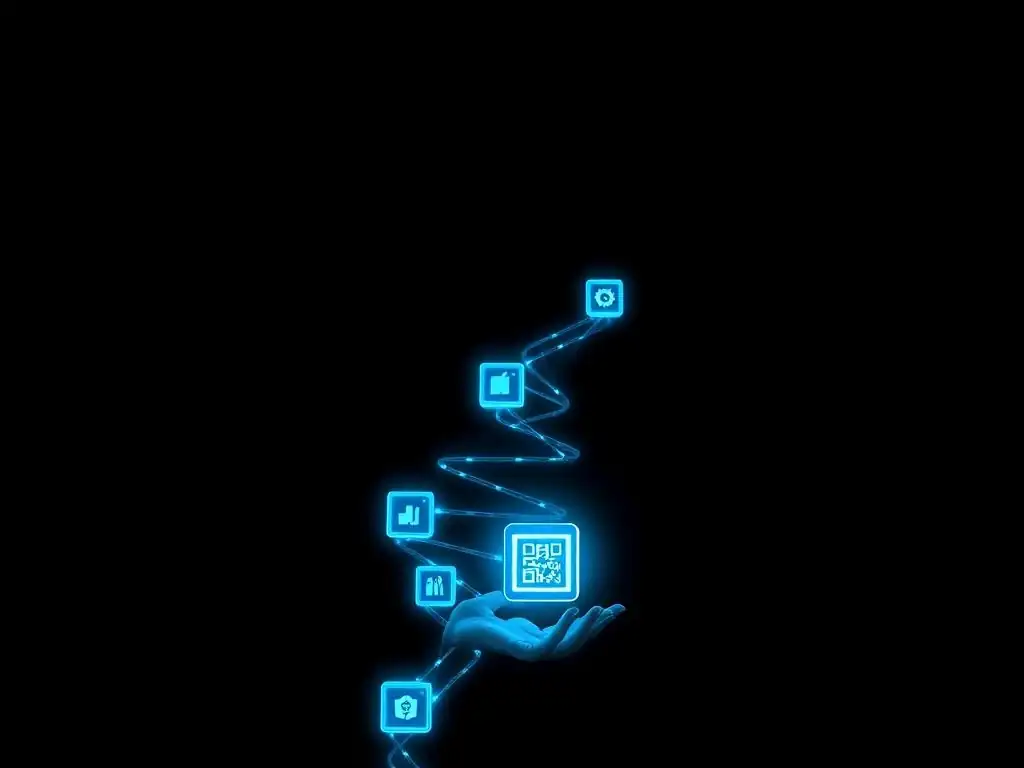
Identifying Content Assets for Provenance Tracking
The first step in implementing blockchain provenance tracking is to clearly identify the content assets that require provenance tracking. This involves determining which types of digital content are most critical to protect and authenticate, based on factors such as value, sensitivity, and risk of manipulation. For media organizations, this might include news articles, videos, and images. For digital artists, it would encompass digital artworks, music, and other creative outputs. For enterprises, it could involve marketing materials, product documentation, and sensitive internal communications.
A thorough content asset inventory is essential to prioritize implementation efforts and allocate resources effectively. Consider the volume of content being created and distributed, the potential impact of content manipulation or misinformation, and the regulatory requirements related to content authenticity. For instance, in the pharmaceutical industry, tracking the provenance of digital marketing materials is crucial to ensure compliance and prevent the spread of misleading information about medications. By clearly defining the scope of content assets for provenance tracking, organizations can lay a solid foundation for successful blockchain implementation.
Choosing the Right Blockchain Platform for Your Needs
Selecting the appropriate blockchain platform is a critical decision that will impact the performance, scalability, security, and cost-effectiveness of your provenance tracking solution. As discussed earlier, various blockchain platforms exist, each with its strengths and weaknesses. Consider factors such as whether a public, permissioned, or private blockchain is most suitable for your use case. Public blockchains like Ethereum offer high transparency and decentralization but may have scalability limitations and higher transaction costs. Permissioned blockchains like Hyperledger Fabric provide greater control and scalability but sacrifice some degree of transparency. Private blockchains offer maximum control but are less transparent and decentralized.
Evaluate the specific requirements of your content provenance tracking system. If transparency and public verifiability are paramount, a public blockchain might be preferred. If data privacy and control are more critical, a permissioned or private blockchain may be more appropriate. Consider the platform's maturity, developer community support, and available tools and integrations. For example, if you require integration with existing content management systems, choose a platform that offers robust APIs and integration capabilities. Carefully weigh the pros and cons of different blockchain platforms to select the one that best aligns with your technical, business, and security requirements.
Integrating Blockchain into Your Content Workflow
Integrating blockchain provenance tracking seamlessly into your existing content workflow is crucial for ensuring user adoption and maximizing efficiency. The integration process should be designed to minimize disruption to existing processes while providing a user-friendly experience. Consider embedding blockchain registration and provenance tracking functionalities directly into your content creation tools, content management systems (CMS), and distribution platforms. For example, a CMS could be enhanced to automatically register new articles on a blockchain upon publication, creating a permanent record of their creation and authorship.
Develop clear workflows and guidelines for content creators and distributors on how to utilize the blockchain provenance tracking system. Provide training and support to ensure smooth adoption and address any potential challenges. Focus on automating as much of the process as possible to minimize manual effort and reduce the risk of errors. For instance, automate the generation of verifiable credentials for content and the registration of content hashes on the blockchain. A well-integrated and user-friendly blockchain provenance tracking system will be more readily adopted by users and contribute to the overall success of the implementation.
Ensuring Data Security and Privacy
While blockchain itself offers inherent security features, additional measures are necessary to ensure data security and privacy within a content provenance tracking system. Consider the types of data being stored on the blockchain and implement appropriate security protocols to protect sensitive information. While content hashes are generally safe to store publicly, personally identifiable information (PII) or confidential business data should be handled with care. Explore techniques like data encryption and pseudonymization to protect sensitive data while still leveraging the benefits of blockchain provenance tracking.
Implement robust access control mechanisms to restrict access to sensitive data and functionalities within the provenance tracking system. Regularly audit your system for security vulnerabilities and conduct penetration testing to identify and address potential weaknesses. Comply with relevant data privacy regulations, such as GDPR or CCPA, when implementing blockchain provenance tracking solutions. Ensure that users are informed about how their data is being collected, used, and stored within the system. By prioritizing data security and privacy, you can build a trustworthy and compliant blockchain provenance tracking system that protects both content and user data.
Real-World Applications of Blockchain Provenance in Content Creation
Case Study: Using Blockchain for Tracking Pharmaceutical Supply Chains (Adapting to Content Context: Digital Marketing Materials Provenance)
While pharmaceutical supply chain tracking is a well-known blockchain application, let's adapt it to a content-centric example: tracking the provenance of digital marketing materials for pharmaceuticals. In the highly regulated pharmaceutical industry, ensuring the accuracy and compliance of marketing content is paramount. Misleading or unverified marketing materials can have serious consequences, including regulatory penalties and patient harm. A blockchain-based provenance tracking system can provide an auditable and transparent record of the creation, review, and distribution of pharmaceutical marketing content.
Imagine a pharmaceutical company using blockchain to track its digital advertisements for a new drug. Every step in the content lifecycle, from initial draft creation by the marketing team to legal and regulatory review, final approval, and distribution across various online channels, is recorded on the blockchain. Each version of the advertisement, along with timestamps and reviewer identities, is immutably logged.
This provides a complete and verifiable history of the marketing material, ensuring compliance with regulations and providing a clear audit trail in case of any disputes or investigations. By leveraging blockchain provenance tracking, pharmaceutical companies can enhance trust in their marketing content and mitigate risks associated with non-compliance or misinformation.
Blockchain's Impact on Journalism and News Integrity
Journalism and news integrity are facing unprecedented challenges in the digital age, with the proliferation of fake news and the erosion of public trust. Blockchain technology offers a promising avenue to restore trust in news media by providing verifiable provenance for news articles and journalistic content. By registering news articles on a blockchain, news organizations can establish irrefutable proof of origin and timestamp the publication, creating a permanent and auditable record. This allows readers to verify the authenticity of news sources and track the journey of articles from creation to dissemination.
Several initiatives are exploring blockchain's potential in journalism. For example, the Civil Media Foundation aimed to create a decentralized news platform using blockchain, empowering journalists and fostering trust through provenance and transparency. While Civil Media faced challenges, the underlying concept of using blockchain to enhance news integrity remains highly relevant. Organizations like the BBC are also exploring blockchain for news provenance to combat misinformation. By adopting blockchain provenance tracking solutions, news organizations can take a proactive step towards rebuilding trust and ensuring the integrity of their reporting in the digital age.
Revolutionizing Digital Art and Collectibles with Provenance
The digital art and collectibles market has experienced explosive growth, but issues of authenticity and provenance remain significant concerns. Blockchain technology, particularly NFTs (Non-Fungible Tokens), has emerged as a transformative force in this space, providing a mechanism to establish verifiable ownership and provenance for digital artworks and collectibles. NFTs, representing unique digital assets on a blockchain, act as certificates of authenticity and ownership, making it possible to verifiably own and trade digital art, music, virtual real estate, and other collectibles.
Platforms like SuperRare, Nifty Gateway, and OpenSea utilize blockchain and NFTs to facilitate the creation, sale, and trading of digital art. Artists can mint NFTs representing their digital artworks, registering them on a blockchain and establishing irrefutable proof of authorship and scarcity. Collectors can purchase these NFTs, gaining verifiable ownership of the digital artwork and the ability to trade them on secondary markets. Blockchain provenance tracking, through NFTs, is revolutionizing the digital art and collectibles market by addressing the fundamental issue of authenticity and enabling a new era of digital ownership and value creation for artists and collectors alike.
The Future of Blockchain Provenance Tracking for Content
Emerging Trends and Technologies
The field of blockchain provenance tracking is rapidly evolving, with several emerging trends and technologies shaping its future. One key trend is the increasing adoption of decentralized identity (DID) solutions in conjunction with blockchain provenance. DIDs enable individuals and organizations to control their digital identities and credentials, facilitating secure and privacy-preserving provenance verification. Combined with verifiable credentials, DIDs offer a powerful framework for establishing trust and authenticity in digital content.
Another emerging trend is the integration of AI and machine learning with blockchain provenance tracking. AI can be used to automatically analyze content and metadata, identifying potential provenance issues or anomalies. Machine learning algorithms can enhance the efficiency and accuracy of provenance verification processes. Furthermore, advancements in blockchain interoperability are crucial for the widespread adoption of provenance tracking. Cross-chain communication protocols and standards will enable seamless exchange of provenance information across different blockchain platforms, fostering a more interconnected and collaborative content ecosystem.
Scalability and Interoperability Challenges
Despite its promise, blockchain provenance tracking faces scalability and interoperability challenges that need to be addressed for widespread adoption. Scalability refers to the ability of blockchain networks to handle increasing transaction volumes and data loads. As more content is registered and tracked on blockchains, scalability becomes a critical factor. Layer-2 scaling solutions, such as rollups and sidechains, are being developed to enhance the scalability of blockchain platforms without compromising security or decentralization.
Interoperability, the ability of different blockchain systems to communicate and exchange data seamlessly, is another significant challenge. The fragmented blockchain landscape, with numerous independent blockchain platforms, hinders the widespread adoption of provenance tracking. Standardization efforts and cross-chain communication technologies are crucial for achieving interoperability and creating a more unified and interconnected blockchain ecosystem for content provenance. Addressing these scalability and interoperability challenges is essential for unlocking the full potential of blockchain provenance tracking and enabling its widespread application across various industries.
The Role of Standards and Regulations
Standards and regulations will play a crucial role in shaping the future of blockchain provenance tracking for content. Industry-wide standards are needed to ensure interoperability, data consistency, and user trust in provenance tracking solutions. Organizations like the W3C (World Wide Web Consortium) are developing standards for verifiable credentials and decentralized identifiers, which are foundational for blockchain-based provenance systems. Standardized data formats and protocols for provenance information will facilitate seamless exchange and verification across different platforms and applications.
Regulations are also likely to influence the development and adoption of blockchain provenance tracking. Governments and regulatory bodies may establish guidelines or mandates for content provenance in specific industries, particularly those dealing with sensitive or critical information, such as news media, healthcare, and finance. Regulations related to data privacy and security will also impact the design and implementation of blockchain provenance systems. A balanced approach, combining industry-driven standards and appropriate regulatory frameworks, is necessary to foster innovation and ensure the responsible and effective use of blockchain provenance tracking for content.
Conclusion: Embracing Blockchain for Content Authenticity and Trust
The Transformative Potential of Blockchain Provenance Tracking
Blockchain provenance tracking holds transformative potential for the digital content ecosystem. By providing an immutable and transparent record of content origin, history, and ownership, blockchain addresses the critical challenges of content authenticity and trust in the digital age. From combating misinformation and protecting intellectual property rights to streamlining content licensing and enhancing transparency, the benefits of blockchain provenance tracking are far-reaching. As the technology matures and adoption increases, blockchain is poised to fundamentally reshape how we create, distribute, and consume digital content.
The impact of blockchain provenance tracking extends beyond individual applications. It has the potential to foster a more trustworthy and accountable digital environment overall. By empowering users with tools to verify content authenticity and provenance, blockchain contributes to building a more informed and less susceptible public. For content creators, blockchain offers enhanced protection for their intellectual property and fairer compensation for their work. For businesses, blockchain provenance tracking can improve brand reputation, ensure regulatory compliance, and enhance operational efficiency.
Moving Towards a More Transparent and Accountable Digital Ecosystem
Embracing blockchain for content provenance is a crucial step towards building a more transparent and accountable digital ecosystem. In a world increasingly reliant on digital information, trust and authenticity are paramount. Blockchain technology provides the tools and mechanisms to establish and maintain trust in digital content, combating misinformation, protecting creators' rights, and fostering a more informed and engaged citizenry. As we move further into the digital age, the adoption of blockchain provenance tracking solutions will be essential for creating a more trustworthy, reliable, and equitable digital future for all.
Frequently Asked Questions
How does blockchain enhance content provenance tracking compared to traditional methods?
Blockchain offers a transparent and immutable ledger. This means that records of content creation, modification, and transfer are securely stored and verifiable, unlike traditional systems which are centralized and prone to manipulation.
What are some potential enterprise applications for blockchain provenance tracking solutions?
Enterprises can use blockchain to track the supply chain of goods, verify the authenticity of products, and manage digital rights more effectively. This boosts consumer confidence and reduces counterfeiting.
What is the role of smart contracts in automating blockchain-based provenance tracking?
Smart contracts automate key processes, such as verifying content ownership and triggering royalty payments. This ensures efficient and transparent execution of provenance tracking rules.
How do regulatory frameworks impact the adoption of blockchain provenance tracking solutions?
Regulatory frameworks are still evolving, but they are increasingly focusing on data privacy and security. Blockchain solutions need to comply with these regulations to ensure legitimate and ethical implementation.
What are the future trends for blockchain provenance tracking solutions, especially beyond just cryptocurrencies?
The future involves greater interoperability between different blockchain platforms. There will also be a focus on integrating AI and IoT to create more sophisticated and automated provenance tracking systems.
Final Reflection: Securing Truth in a Digital Age
The exploration of blockchain provenance tracking solutions highlights a critical need in our increasingly digital world. The rampant spread of misinformation and the ease with which content can be manipulated demand a robust and transparent system for verifying authenticity. This isn't just about protecting intellectual property; it's about safeguarding trust in the information we consume and share, a cornerstone of a healthy society.
The concept of unbreakable provenance, facilitated by blockchain, has profoundly influenced and continues to shape the digital landscape. It's a paradigm shift, moving from a reliance on centralized authorities to a decentralized, verifiable truth. This shift is particularly important as we navigate an era where deepfakes and AI-generated content blur the lines between reality and fabrication. In an age of information overload, people crave authenticity. Blockchain provides a means to verify the source and integrity of information, fostering trust in a world increasingly defined by uncertainty.
As you reflect on the potential of blockchain provenance tracking solutions, consider how you can contribute to a more transparent and trustworthy digital future. What steps can you take, whether as a content creator, consumer, or innovator, to champion the adoption of these technologies? Let us all strive to build a world where truth prevails, and where the digital DNA of content remains forever secure.
Forge Your Content's Future: Start Proving Provenance!
Thank you for exploring how blockchain technology can transform digital ownership and trust. Now is the perfect time to take action and safeguard your creations.
Consider these steps to get started:
- Research blockchain solutions tailored for verifying and certifying digital content. Look for platforms that are user-friendly and offer seamless integration.
- Share this article with your network to raise awareness about the importance of establishing secure content provenance in today's digital landscape.
- Identify three ways you can immediately apply blockchain-based verification to your existing digital assets.
Are you ready to protect your digital legacy? What initial steps will you take to harness blockchain technology for content provenance?
Leave a Reply