
Creator Monetization in the Metaverse: Opportunities and Challenges Ahead

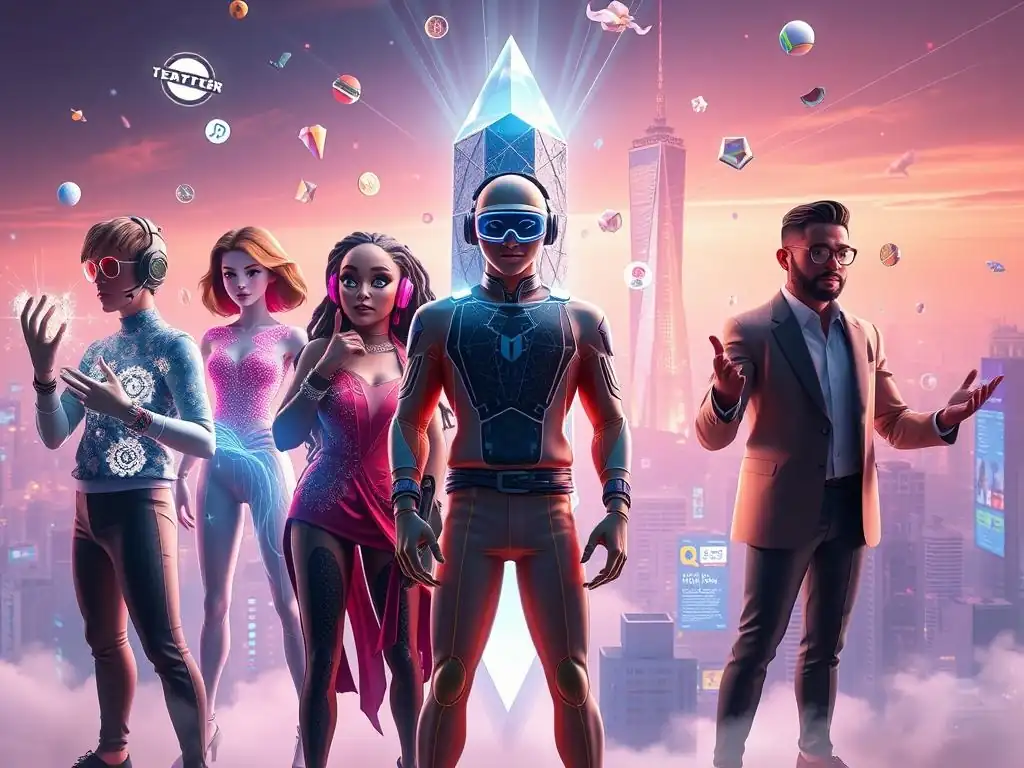
Welcome to Blockchain Trends, your guide to understanding the revolutionary power of blockchain beyond just cryptocurrencies. Ever wondered how creators can truly thrive in the emerging digital landscapes? This week, we delve into the exciting world of Metaverse creator monetization strategies. Discover the innovative opportunities and significant challenges creators face as they navigate this decentralized frontier and explore how blockchain is reshaping the future of content ownership and value. Intrigued? Keep reading to unlock the potential of the metaverse for creators!
Creator Monetization in the Metaverse: Opportunities and Challenges Ahead
- Introduction: The Evolving Landscape of Metaverse Creator Monetization
- Opportunities for Metaverse Creator Monetization
- Challenges in Metaverse Creator Monetization
- Metaverse Creator Monetization Strategies: A Deep Dive
- Case Studies: Successful Metaverse Creator Monetization Examples
- The Future of Metaverse Creator Monetization
- Conclusion: Embracing the Metaverse Monetization Revolution
-
Frequently Asked Questions
- How can Metaverse creators directly monetize their content and experiences?
- What role does blockchain technology play in enabling creator monetization within the Metaverse?
- What are some of the regulatory challenges that Metaverse creators face concerning monetization?
- What are the key strategies for attracting and retaining users to a Metaverse platform to improve creator monetization?
- What are the potential pitfalls or challenges that Metaverse creators may encounter when trying to monetize their work?
- Final Reflection: Navigating the Untamed Frontier of Metaverse Creator Monetization
- Unlock Your Metaverse Monetization Potential!
Introduction: The Evolving Landscape of Metaverse Creator Monetization
Understanding the Rise of the Metaverse and Its Creator Economy
The metaverse, once a concept confined to science fiction, is rapidly becoming a tangible reality, driven by advancements in virtual reality (VR), augmented reality (AR), and blockchain technologies. It represents a persistent, shared, 3D virtual world or worlds, where users can interact with each other, digital objects, and experiences. This evolution is not just about immersive gaming; it's about creating new social, economic, and creative ecosystems.
Within these digital realms, a vibrant creator economy is emerging, mirroring the real world but with unique digital characteristics. Creators in the metaverse encompass a wide spectrum, from digital artists and virtual architects to game developers and experience designers, all contributing to the richness and dynamism of these virtual spaces.
The foundation of this metaverse creator economy is the ability for individuals to build, own, and monetize their digital creations and experiences. Unlike traditional digital platforms where creators often operate under centralized control and revenue sharing models, the metaverse, particularly leveraging blockchain, promises more decentralized and creator-centric systems.
This shift is fueled by the desire for creators to have greater control over their work, direct access to their audience, and fairer compensation for their contributions. The metaverse is not just a new medium for content consumption; it's a new frontier for economic empowerment and creative expression, where metaverse creator monetization strategies are becoming increasingly vital for sustainable growth and innovation.
The Growing Need for Effective Monetization Strategies for Metaverse Creators
As the metaverse expands and attracts a growing user base, the need for effective monetization strategies for metaverse creators becomes paramount. Creators are the lifeblood of any thriving digital ecosystem. They populate these virtual worlds with engaging content, interactive experiences, and valuable digital assets that attract and retain users.
Without viable monetization pathways, creators cannot sustain their efforts, hindering the growth and evolution of the metaverse itself. Furthermore, the metaverse offers unique opportunities for creators that are not always available in the physical world or on traditional web platforms. These include the scarcity and verifiable ownership of digital assets through NFTs, direct engagement with global audiences, and novel forms of interactive experiences that can be directly monetized.
The demand for robust metaverse creator monetization strategies is also driven by the increasing professionalization of metaverse creation. Individuals are transitioning from hobbyist creators to full-time metaverse entrepreneurs, relying on their virtual endeavors for income.
This shift necessitates sophisticated and reliable methods for generating revenue, ranging from selling virtual real estate and digital collectibles to hosting virtual events and offering subscription-based experiences. Effective monetization strategies are not just about financial gain; they are about incentivizing creativity, fostering innovation, and building a sustainable and vibrant metaverse ecosystem where creators are fairly rewarded for their contributions and can continue to build and expand these immersive digital worlds.
Opportunities for Metaverse Creator Monetization
Virtual Land Ownership and Monetization Strategies
Virtual land in the metaverse represents a foundational asset class, offering creators a unique avenue for monetization. Just as physical land provides opportunities for development and revenue generation in the real world, virtual land serves a similar purpose in these digital realms. Ownership of virtual land, often represented as NFTs on the blockchain, grants creators control over a specific parcel of digital space within a metaverse platform.
This ownership allows for a variety of monetization strategies, mirroring real-world real estate principles but adapted for the virtual environment. The value of virtual land is often determined by factors such as location within the metaverse, proximity to popular areas or hubs, and the overall demand for space within that specific virtual world.
Creators can leverage virtual land ownership to generate income through various methods, including renting or leasing their land to other users or businesses, developing virtual structures and experiences on their land to attract visitors and generate revenue, or strategically buying and selling virtual land parcels as the metaverse economy evolves. For example, in platforms like Decentraland and The Sandbox, users own land parcels as NFTs and can build anything from virtual storefronts and art galleries to interactive games and social hubs.
The potential for metaverse creator monetization through virtual land is vast and continues to expand as these virtual worlds mature and attract more users and businesses seeking a presence in the metaverse.
Renting and Leasing Virtual Land in the Metaverse
Renting and leasing virtual land is a straightforward and accessible metaverse creator monetization strategy, particularly for those who own valuable land parcels but may not have the resources or desire to develop experiences themselves. This approach mirrors traditional real estate rentals, where landowners generate passive income by allowing others to use their property for a set period in exchange for rent.
In the metaverse, renting virtual land can involve leasing space to individuals or businesses who want to establish a virtual presence, host events, set up virtual shops, or build experiences on a desirable location without the upfront cost of purchasing land outright.
The rental rates for virtual land vary depending on factors such as the metaverse platform, the size and location of the parcel, and the demand for space in that particular area. For instance, land located near popular social hubs or virtual event venues within Decentraland or The Sandbox often commands higher rental prices. Creators can list their virtual land for rent on metaverse marketplaces or through dedicated virtual real estate agencies. Smart contracts on the blockchain can automate the rental process, ensuring secure and transparent agreements between landowners and renters, further streamlining this metaverse creator monetization strategy.
Developing and Selling Virtual Real Estate
Developing and selling virtual real estate represents a more active and potentially higher-yield metaverse creator monetization strategy. Creators can leverage their design and development skills to build virtual structures, experiences, or entire virtual estates on their owned land parcels, enhancing their value and appeal before selling them to other users or businesses. This strategy goes beyond simply owning land; it involves adding value through creative development, transforming empty virtual plots into desirable virtual properties. Examples of virtual real estate development include building virtual homes, commercial spaces, entertainment venues, or themed experiences.
The value proposition for developed virtual real estate lies in the enhanced utility and aesthetic appeal it offers to potential buyers. A well-designed virtual home in a sought-after metaverse location, or a unique virtual storefront in a bustling commercial district, can command a premium price compared to undeveloped land.
Creators can utilize metaverse building tools and platforms to construct their virtual properties, and then list them for sale on NFT marketplaces specializing in virtual real estate. This approach allows creators to capitalize on both their land ownership and their creative and development expertise, maximizing their potential for metaverse creator monetization through virtual real estate.
Creating and Selling Digital Assets (NFTs) in the Metaverse
Creating and selling digital assets as Non-Fungible Tokens (NFTs) is a cornerstone of metaverse creator monetization strategies. NFTs provide a mechanism for establishing verifiable ownership and scarcity for digital items, making them tradable and collectible within the metaverse ecosystem. This capability has unlocked a vast new market for digital creators to monetize their work directly, bypassing traditional intermediaries and platforms. NFTs in the metaverse can represent a wide range of digital creations, from avatars and wearables to virtual art, in-game items, and virtual event tickets, offering diverse avenues for creators to generate revenue.
The core appeal of NFTs for metaverse creator monetization lies in their ability to create digital scarcity and provenance. Each NFT is unique and its ownership is recorded on the blockchain, providing verifiable proof of authenticity and origin. This scarcity and ownership are crucial for establishing value in digital assets, allowing creators to sell their digital works as limited editions or unique collectibles. The NFT market in the metaverse is dynamic and evolving, with new types of digital assets and use cases constantly emerging, creating continuous opportunities for innovative metaverse creator monetization strategies.
Types of Metaverse NFTs: Avatars, Wearables, Art, and More
The diversity of metaverse NFTs provides a wide landscape for creators to explore various metaverse creator monetization strategies. Avatars, representing user identities in the metaverse, are highly sought-after NFTs. Creators can design and sell unique avatar skins, traits, or entire avatar collections, allowing users to personalize their virtual presence.
Wearables, including virtual clothing, accessories, and equipment, are another popular category. Creators can design and sell fashionable or functional wearables that users can equip their avatars with, expressing their style or enhancing their in-metaverse capabilities. Virtual art, encompassing digital paintings, sculptures, and generative art, translates seamlessly into NFTs, allowing digital artists to monetize their creations as unique collectibles within the metaverse art market.
Beyond these core categories, metaverse NFTs extend to in-game items for play-to-earn games, virtual event tickets granting access to exclusive metaverse experiences, virtual land parcels representing ownership of digital space, and even virtual real estate such as homes and buildings represented as NFTs. The versatility of NFTs allows creators across different disciplines, from artists and fashion designers to game developers and event organizers, to leverage this technology for metaverse creator monetization and build sustainable businesses within these virtual worlds.
NFT Marketplaces and Platforms for Metaverse Creators
NFT marketplaces and platforms are essential infrastructure for metaverse creators to effectively implement their metaverse creator monetization strategies. These platforms provide the tools and ecosystem for creators to mint (create) NFTs from their digital assets, list them for sale, and connect with potential buyers within the metaverse community.
Popular NFT marketplaces like OpenSea, Rarible, and Nifty Gateway, while not exclusively metaverse-focused, host a significant volume of metaverse-related NFTs, including virtual land, avatars, wearables, and digital art. Specific metaverse platforms, such as Decentraland and The Sandbox, also often have their own native NFT marketplaces integrated directly into their virtual worlds, facilitating seamless trading of in-world assets.
Choosing the right NFT marketplace depends on the type of NFTs being sold and the target audience. Marketplaces vary in terms of fees, supported blockchains, community focus, and features offered, such as auction mechanisms, royalty structures for creators on secondary sales, and promotional tools. For metaverse creators, platforms that are integrated within specific metaverse worlds or cater to metaverse-specific NFT categories often provide better visibility and access to relevant buyers, enhancing their metaverse creator monetization potential.
Immersive Experiences and Interactive Content for Monetization
Immersive experiences and interactive content form a dynamic and engaging avenue for metaverse creator monetization. Beyond passive consumption, the metaverse allows creators to craft interactive and participatory experiences that users actively engage with, creating opportunities for direct monetization through various models. These experiences can range from virtual events and concerts to interactive games, simulations, and exclusive access to unique virtual environments. The key is to create compelling and valuable experiences that users are willing to pay for, leveraging the unique interactive and immersive capabilities of the metaverse.
The metaverse provides a canvas for creators to reimagine entertainment, education, and social interaction, transforming passive content consumption into active participation. By designing engaging and rewarding experiences, creators can attract audiences and generate revenue through ticket sales, in-experience purchases, subscription models, or sponsorships, establishing sustainable metaverse creator monetization strategies. The immersive nature of the metaverse, combined with its interactive capabilities, opens up a spectrum of possibilities for creators to craft and monetize compelling digital experiences.
Developing and Hosting Virtual Events and Concerts
Developing and hosting virtual events and concerts in the metaverse represents a significant opportunity for metaverse creator monetization, particularly for musicians, performers, event organizers, and community builders. The metaverse transcends geographical limitations, enabling creators to host events and concerts that can be attended by a global audience simultaneously, expanding reach and revenue potential far beyond physical venues. Virtual events can range from live music performances and DJ sets to conferences, workshops, product launches, and social gatherings, all within immersive virtual environments.
Monetization for virtual events and concerts can be achieved through ticket sales, often implemented as NFTs granting access to the virtual venue, VIP access passes offering exclusive perks, virtual merchandise sales within the event space, and sponsorships from brands seeking to reach a metaverse audience. The immersive nature of the metaverse allows for creative event design, incorporating interactive elements, virtual stages, and unique visual experiences that enhance audience engagement and create memorable virtual gatherings. Successful examples include virtual concerts hosted in platforms like Fortnite and Roblox, demonstrating the viability of metaverse creator monetization through large-scale virtual events.
Creating Interactive Games and Simulations
Creating interactive games and simulations within the metaverse offers a compelling and engaging avenue for metaverse creator monetization, especially for game developers, storytellers, and experience designers. The metaverse provides a platform to build persistent, multiplayer games and simulations where users can interact with each other, explore virtual worlds, complete quests, and earn rewards. These interactive experiences can range from casual social games to complex role-playing games (RPGs) and educational simulations, catering to diverse user interests and monetization models.
Monetization strategies for metaverse games and simulations include selling in-game assets as NFTs, implementing play-to-earn mechanics where users earn cryptocurrency or NFTs for their in-game achievements, offering premium game passes or subscription models for access to exclusive content or features, and incorporating virtual advertising and sponsorships within the game world. The interactive and immersive nature of the metaverse enhances the gaming experience, creating deeper engagement and opportunities for metaverse creator monetization through compelling and rewarding gameplay. Platforms like The Sandbox and Decentraland are specifically designed to empower creators to build and monetize their own metaverse games and experiences.
Offering Paid Access to Exclusive Metaverse Experiences
Offering paid access to exclusive metaverse experiences provides a direct and effective metaverse creator monetization strategy for creators who can craft unique, valuable, and sought-after virtual environments or activities. This approach involves creating exclusive metaverse spaces or experiences and charging users a fee for access, similar to subscription models or pay-per-view content. Exclusive experiences can range from private virtual clubs and social gatherings to guided tours of virtual art galleries, personalized virtual coaching sessions, or access to members-only virtual communities.
Monetization can be implemented through NFT access passes granting entry to the exclusive experience, subscription-based memberships providing ongoing access to exclusive content or communities, or pay-per-session fees for individual experiences like virtual consultations or workshops. The perceived value of the exclusive experience is key to successful metaverse creator monetization through this model. Creators need to offer unique content, personalized interactions, or valuable opportunities that justify the paid access, building a sense of exclusivity and desirability to attract users willing to pay for premium metaverse experiences.
Metaverse Advertising and Sponsorship Opportunities
Metaverse advertising and sponsorship opportunities are emerging as a significant avenue for metaverse creator monetization, connecting brands with the growing metaverse audience and providing creators with new revenue streams. As metaverse platforms attract increasing user bases, businesses are recognizing the potential to reach consumers within these immersive virtual worlds. This creates opportunities for creators to integrate advertising and sponsorships into their metaverse creations, ranging from virtual land and experiences to digital assets and events.
Advertising in the metaverse can take various forms, including virtual billboards and storefronts within virtual worlds, product placement within metaverse experiences, sponsored virtual events and concerts, and branded digital assets like wearables or avatars. Sponsorships can involve brands partnering with metaverse creators to integrate their products or services into creator-generated content, or to sponsor virtual events or experiences hosted by creators.
The key to effective metaverse advertising and sponsorships is to ensure that they are integrated authentically and seamlessly into the metaverse environment, enhancing rather than disrupting the user experience, and providing value to both brands and creators for sustainable metaverse creator monetization.
Integrating Brands and Products into Virtual Worlds
Integrating brands and products into virtual worlds is a core strategy for metaverse advertising and sponsorship, offering creators a way to monetize their metaverse creations by seamlessly incorporating brand messaging and product placements. This approach involves embedding virtual representations of real-world brands and products within metaverse environments, ensuring they are contextually relevant and enhance the user experience rather than feeling intrusive. Examples include virtual storefronts for real-world retailers within a metaverse city, branded virtual wearables that users can equip their avatars with, or product placement within a metaverse game or simulation.
Successful brand integration in the metaverse requires careful consideration of the virtual world's aesthetics and user demographics. The goal is to create authentic and engaging brand experiences that resonate with metaverse users, enhancing their immersion and providing value rather than simply replicating traditional advertising formats. Creators can collaborate with brands to design virtual experiences that showcase products in interactive and engaging ways, fostering positive brand associations and driving metaverse creator monetization through brand partnerships.
Creator Collaborations and Sponsored Content
Creator collaborations and sponsored content represent a powerful form of metaverse advertising and sponsorship, leveraging the influence and creativity of metaverse creators to promote brands and products to their engaged audiences. This approach mirrors influencer marketing in traditional social media, but adapted for the immersive and interactive nature of the metaverse. Brands can partner with metaverse creators to develop sponsored content that integrates brand messaging authentically into the creator's existing metaverse creations, or to co-create new virtual experiences or digital assets that feature the brand.
Collaborations can take various forms, including creators designing branded virtual wearables or avatars, hosting sponsored virtual events or concerts featuring brand messaging, or incorporating product placement into their metaverse games or simulations. The effectiveness of creator collaborations and sponsored content relies on the creator's ability to authentically integrate brand messaging into their content in a way that resonates with their audience and aligns with their creative style. This approach allows brands to tap into the established audiences of metaverse creators, while providing creators with a valuable metaverse creator monetization stream through sponsored partnerships.
The Role of Blockchain in Secure and Transparent Monetization
Blockchain technology plays a crucial role in enabling secure and transparent metaverse creator monetization strategies. The decentralized and immutable nature of blockchain provides the foundation for verifiable ownership of digital assets, transparent transaction records, and efficient payment systems, addressing key challenges in traditional digital content monetization. Blockchain's capabilities are particularly relevant in the metaverse context, where digital ownership, scarcity, and creator autonomy are paramount.
Blockchain underpins the NFT technology that is central to many metaverse monetization models, ensuring verifiable ownership of digital assets like virtual land, avatars, and digital art. Furthermore, blockchain facilitates transparent and secure microtransactions within the metaverse, enabling creators to receive payments directly from users without relying on intermediaries and often with lower transaction fees compared to traditional payment systems. The integration of blockchain into metaverse creator monetization strategies enhances trust, security, and efficiency, fostering a more creator-centric and sustainable metaverse economy.
Using Blockchain to Verify Ownership of Digital Assets
Using blockchain to verify ownership of digital assets is fundamental to metaverse creator monetization, providing a secure and transparent mechanism to establish and prove who owns a particular digital item. This capability is primarily enabled through NFTs, where each NFT representing a digital asset is recorded on a blockchain, creating an immutable and publicly verifiable record of ownership. This eliminates the ambiguity and potential for fraud associated with traditional digital ownership models, where copying and replication can be rampant.
Blockchain-based ownership verification is crucial for establishing the value and tradability of digital assets in the metaverse. When a creator sells an NFT representing a virtual artwork, a virtual land parcel, or a unique avatar, the blockchain record confirms the buyer as the legitimate owner. This verifiable ownership underpins the NFT market and allows creators to confidently monetize their digital creations, knowing that their ownership rights are securely protected and easily demonstrable within the metaverse ecosystem. This trust and security are essential for fostering a thriving metaverse creator monetization environment.
Enabling Microtransactions and Creator Payments with Cryptocurrency
Enabling microtransactions and creator payments with cryptocurrency is a key benefit of blockchain integration for metaverse creator monetization. Cryptocurrencies, operating on blockchain networks, provide a decentralized and efficient payment system for the metaverse, facilitating fast, low-fee transactions directly between creators and users, often bypassing traditional financial intermediaries. This is particularly advantageous for microtransactions, which are common in metaverse experiences like in-game purchases, virtual event tickets, or tips for creators. Traditional payment systems often incur high transaction fees that can make microtransactions economically unviable.
Cryptocurrencies, especially those designed for fast and low-cost transactions, offer a more efficient solution for metaverse creator payments. Creators can accept cryptocurrency payments directly into their digital wallets, reducing reliance on centralized payment processors and potentially receiving a larger share of the revenue due to lower fees. Furthermore, cryptocurrency payments can be processed globally, facilitating seamless transactions between creators and users across different countries and regions, expanding the reach and efficiency of metaverse creator monetization.
Challenges in Metaverse Creator Monetization
Platform Dependence and Centralization Concerns
Platform dependence and centralization concerns pose significant challenges to sustainable metaverse creator monetization. Many existing metaverse platforms are controlled by centralized entities, meaning creators operating within these platforms are subject to the platform's policies, fees, and potential control over their creations and revenue streams. This dependence can limit creator autonomy and expose them to risks associated with platform decisions, such as changes in revenue sharing models, content moderation policies, or even platform shutdowns.
Centralization also raises concerns about data privacy and creator control over their user data. Centralized platforms typically collect user data, which may be used for platform benefit rather than creator empowerment. For metaverse creator monetization to be truly sustainable and equitable, addressing platform dependence and exploring decentralized alternatives is crucial, ensuring creators have greater control over their creations, revenue, and user relationships.
The Risk of Platform Policies and Control
The risk of platform policies and control is a primary concern for metaverse creators operating on centralized platforms. These platforms dictate the rules of engagement, including content guidelines, monetization policies, and revenue sharing arrangements. Changes in these policies, often implemented without prior notice or creator consultation, can significantly impact creator income and business models. For example, a platform could increase its revenue share percentage, reduce creator visibility, or alter content moderation rules in ways that negatively affect creators.
This platform control creates uncertainty and vulnerability for metaverse creators, as their livelihoods are dependent on the platform's decisions. Creators may invest significant time and resources building their metaverse presence and businesses, only to have their revenue streams disrupted or their content restricted due to platform policy changes. This risk highlights the need for greater creator agency and more decentralized metaverse ecosystems that minimize platform control and empower creators to operate with more autonomy and security in their metaverse creator monetization endeavors.
The Need for Decentralized Monetization Solutions
The need for decentralized monetization solutions in the metaverse stems from the limitations and risks associated with platform dependence and centralization. Decentralized solutions aim to empower metaverse creators by reducing reliance on centralized platforms and giving them greater control over their creations, revenue, and user relationships. Blockchain technology offers a pathway to achieve decentralization in metaverse creator monetization.
Decentralized metaverse platforms, built on blockchain, can offer greater creator autonomy, transparent and fairer revenue sharing models, and reduced platform control over content and user data. Decentralized Autonomous Organizations (DAOs) can also play a role in platform governance, allowing creators and users to participate in decision-making processes. Exploring and developing decentralized metaverse monetization solutions is crucial for fostering a more equitable and sustainable metaverse creator economy, where creators are empowered and less vulnerable to the risks of centralized platform control.
Intellectual Property Rights and Copyright Issues
Intellectual property (IP) rights and copyright issues pose complex challenges in the metaverse, particularly for metaverse creator monetization. The ease of digital copying and distribution in virtual environments makes protecting creator content from infringement a significant concern. Furthermore, navigating licensing agreements for using copyrighted material in metaverse creations can be intricate and unclear, especially in the evolving legal landscape of virtual worlds.
Ensuring creators can effectively protect their IP and monetize their original works is essential for fostering a vibrant and innovative metaverse creator economy. Clearer legal frameworks, robust digital rights management (DRM) solutions, and community-driven mechanisms for IP protection are needed to address these challenges and create a more secure and equitable environment for metaverse creator monetization.
Protecting Creator Content from Infringement
Protecting creator content from infringement in the metaverse is a critical challenge that directly impacts metaverse creator monetization. The digital nature of metaverse assets makes them easily copied and distributed without authorization, potentially undermining creator revenue and IP rights. Traditional copyright laws and enforcement mechanisms may not be fully effective in the metaverse context, requiring new approaches to content protection.
NFTs offer a partial solution by establishing verifiable ownership of digital assets, but they do not prevent unauthorized copying of the underlying content. Watermarking, digital signatures, and on-chain content registration can provide additional layers of protection. Furthermore, community-driven initiatives, platform policies, and technological solutions that actively detect and address content infringement are needed to create a more robust system for protecting metaverse creator content and ensuring fair metaverse creator monetization.
Navigating Complex Licensing Agreements
Navigating complex licensing agreements for using copyrighted material in metaverse creations presents another challenge for metaverse creator monetization. Creators often need to incorporate existing music, images, or other copyrighted content into their virtual experiences or digital assets. Obtaining the necessary licenses for such usage can be complex, time-consuming, and costly, especially in the absence of clear and standardized licensing frameworks for metaverse content.
Licensing agreements can vary depending on the type of copyrighted material, the intended use, and the geographic region, creating a fragmented and often opaque landscape for metaverse creators. Simplified licensing options, standardized metaverse-specific licenses, and blockchain-based rights management systems could help streamline the process and make it easier for creators to legally incorporate copyrighted material into their metaverse creations, facilitating metaverse creator monetization while respecting IP rights.
Scalability and Interoperability Limitations
Scalability and interoperability limitations present technical and practical challenges to widespread metaverse creator monetization. Scalability refers to the ability of metaverse platforms and infrastructure to handle a growing number of users, transactions, and data, which is crucial for supporting a large-scale creator economy. Interoperability refers to the ability of different metaverse platforms and digital assets to seamlessly interact with each other, allowing creators to reach a wider audience and users to move their assets and identities across virtual worlds.
Current metaverse platforms often face scalability limitations, leading to congestion, high transaction fees, and restricted user capacity, which can hinder metaverse creator monetization. Lack of interoperability creates fragmented metaverse ecosystems, limiting creator reach and user experience. Addressing these scalability and interoperability challenges is essential for unlocking the full potential of metaverse creator monetization and fostering a truly open and interconnected metaverse.
The Challenge of Reaching a Wide Audience
The challenge of reaching a wide audience in the metaverse stems from the fragmented nature of the current metaverse landscape and the limitations of individual platforms. Creators are often confined to specific metaverse platforms, limiting their potential audience to users within that particular virtual world. This fragmentation makes it difficult for creators to build a broad audience across the metaverse and maximize their metaverse creator monetization potential.
Lack of interoperability between metaverse platforms further exacerbates this challenge, as users cannot easily move their avatars, assets, or identities between different virtual worlds. This creates silos and limits the potential for creators to reach users across the entire metaverse ecosystem. Improving interoperability and developing cross-platform creator tools and distribution channels are crucial for enabling creators to reach a wider audience and unlock greater metaverse creator monetization opportunities.
Ensuring Compatibility Across Different Metaverse Platforms
Ensuring compatibility across different metaverse platforms is a significant technical and standardization challenge that hinders metaverse creator monetization. Currently, metaverse platforms often operate using proprietary technologies and standards, making it difficult for digital assets, avatars, and experiences to seamlessly function across different virtual worlds. This lack of interoperability limits user experience and restricts creator reach, impacting metaverse creator monetization potential.
Developing open standards and protocols for metaverse interoperability is crucial for creating a more unified and interconnected metaverse ecosystem. Standardization efforts could focus on avatar formats, digital asset standards, communication protocols, and cross-platform identity management. Increased interoperability would allow creators to build assets and experiences that can be accessed and utilized across multiple metaverse platforms, expanding their audience reach and facilitating greater metaverse creator monetization opportunities.
Valuation and Price Volatility of Digital Assets

Valuation and price volatility of digital assets, particularly NFTs, present financial risks and challenges for metaverse creator monetization. The value of metaverse NFTs and virtual land can fluctuate significantly based on market sentiment, hype cycles, and broader cryptocurrency market trends. This volatility makes it challenging for creators to rely solely on NFT sales or virtual asset trading for stable income and financial planning.
Understanding the factors driving price fluctuations in the metaverse asset market and developing strategies for managing financial risks are crucial for creators engaged in metaverse creator monetization. Diversifying revenue streams, building long-term value in digital assets, and adopting sound financial management practices are essential for navigating the volatility of the metaverse economy and ensuring sustainable metaverse creator monetization.
Understanding the Fluctuations in NFT Prices
Understanding the fluctuations in NFT prices is crucial for metaverse creators who rely on NFT sales as a primary metaverse creator monetization strategy. NFT prices are influenced by a complex interplay of factors, including market demand, collector sentiment, scarcity, utility, and broader cryptocurrency market trends. Hype cycles and speculative bubbles can drive rapid price increases followed by sharp corrections, creating significant volatility.
Creators need to be aware of these market dynamics and avoid solely relying on short-term price surges for sustainable income. Building a strong community around their creations, focusing on long-term value creation, and understanding market trends are essential for navigating NFT price fluctuations and mitigating financial risks in metaverse creator monetization. Diversifying revenue streams beyond NFT sales can also help creators weather market volatility.
Managing Financial Risks in the Metaverse Economy
Managing financial risks in the metaverse economy is essential for ensuring sustainable metaverse creator monetization. The volatility of digital asset prices, platform dependence risks, and regulatory uncertainty all contribute to the financial challenges facing metaverse creators. Developing sound financial management practices, diversifying revenue streams, and understanding market risks are crucial for navigating this evolving economic landscape.
Creators should avoid putting all their eggs in one basket, diversifying their metaverse creator monetization strategies across different revenue models, platforms, and asset types. Building a financial buffer, tracking income and expenses, and seeking financial advice when needed are important steps for managing financial risks and building a sustainable metaverse creator business. Furthermore, staying informed about regulatory developments and platform policy changes is crucial for proactively mitigating potential financial risks in the metaverse economy.
Regulatory Uncertainty and Legal Compliance
Regulatory uncertainty and legal compliance present significant challenges for metaverse creator monetization, as the legal frameworks governing virtual assets, NFTs, and metaverse activities are still evolving. Navigating evolving regulations on virtual assets, including NFTs and cryptocurrencies, and ensuring compliance with tax laws and financial regulations are complex and require creators to stay informed and adapt to changing legal landscapes.
The lack of clear regulatory guidelines creates uncertainty for metaverse creators and businesses, potentially hindering investment and innovation in the metaverse creator economy. Clearer regulatory frameworks that address issues like digital asset ownership, taxation, IP rights, and consumer protection are needed to foster a more stable and predictable environment for metaverse creator monetization and growth.
Navigating Evolving Regulations on Virtual Assets
Navigating evolving regulations on virtual assets, such as NFTs and cryptocurrencies, is a significant challenge for metaverse creator monetization. Governments and regulatory bodies worldwide are still grappling with how to classify and regulate these digital assets, leading to a fragmented and often unclear regulatory landscape. Regulations can vary significantly across jurisdictions, creating complexity for creators operating globally in the metaverse.
Creators need to stay informed about regulatory developments in their relevant jurisdictions and seek legal advice to ensure compliance with applicable laws. Regulations may impact various aspects of metaverse creator monetization, including NFT sales, cryptocurrency payments, and virtual asset taxation. Proactive monitoring of regulatory changes and adapting business practices accordingly are essential for navigating the evolving regulatory landscape of virtual assets and ensuring legal compliance in metaverse creator monetization.
Ensuring Compliance with Tax Laws and Financial Regulations
Ensuring compliance with tax laws and financial regulations is a critical but often overlooked aspect of metaverse creator monetization. Income generated from metaverse activities, including NFT sales, cryptocurrency earnings, virtual land transactions, and virtual event revenues, is generally subject to taxation. Creators need to understand their tax obligations in their respective jurisdictions and ensure they are properly reporting and paying taxes on their metaverse income.
Tax laws regarding virtual assets and metaverse activities are still evolving, and creators may need to consult with tax professionals to navigate the complexities of tax compliance. Furthermore, financial regulations related to cryptocurrency transactions and virtual asset businesses may also apply, requiring creators to adhere to anti-money laundering (AML) and know-your-customer (KYC) requirements in some cases. Proactive tax planning and compliance are essential for metaverse creators to avoid legal issues and ensure the long-term sustainability of their metaverse creator monetization endeavors.
Metaverse Creator Monetization Strategies: A Deep Dive
Optimizing Content for Discovery in the Metaverse
Optimizing content for discovery in the metaverse is crucial for metaverse creator monetization success. In the vast and expanding metaverse landscape, ensuring that creator content is discoverable by the target audience is essential for attracting users, building a community, and driving revenue. Effective content optimization strategies involve using relevant keywords and metadata, building a strong metaverse presence, and leveraging platform-specific discovery tools.
Just as search engine optimization (SEO) is vital for web content, metaverse content optimization (MCO) is becoming increasingly important for creator success in virtual worlds. Creators need to understand how users discover content within their chosen metaverse platforms and tailor their content and metadata accordingly to maximize visibility and reach their target audience, enhancing their metaverse creator monetization potential.
Using Relevant Keywords and Metadata
Using relevant keywords and metadata is a foundational aspect of optimizing content for discovery in the metaverse. Metaverse platforms often utilize search and discovery mechanisms that rely on keywords and metadata associated with virtual experiences, digital assets, and creator profiles. Creators need to identify the keywords that their target audience is likely to use when searching for content similar to theirs and incorporate these keywords strategically into their content descriptions, titles, and metadata tags.
Relevant metadata can include categories, tags, attributes, and descriptions that accurately represent the nature and content of the metaverse creation. Optimizing keywords and metadata improves the visibility of creator content in metaverse search results and recommendation algorithms, increasing discoverability and driving traffic to their virtual experiences and digital assets, thereby enhancing metaverse creator monetization opportunities.
Building a Strong Metaverse Presence
Building a strong metaverse presence is essential for long-term metaverse creator monetization success. Beyond optimizing individual content pieces, creators need to establish a consistent and engaging presence within their chosen metaverse platforms to build brand recognition, attract followers, and foster a loyal community. This involves creating a compelling avatar or virtual identity, actively participating in metaverse communities, and consistently producing high-quality content that resonates with their target audience.
A strong metaverse presence enhances creator discoverability, builds trust and credibility, and fosters direct relationships with users. Creators can leverage their metaverse presence to promote their digital assets, virtual experiences, and monetization opportunities, creating a virtuous cycle of audience growth and metaverse creator monetization. Consistent engagement, community building, and high-quality content are key pillars of building a strong and sustainable metaverse presence.
Community Building and Engagement Strategies
Community building and engagement strategies are paramount for sustainable metaverse creator monetization. A strong and engaged community provides creators with a loyal audience, generates word-of-mouth marketing, and fosters a sense of belonging and shared purpose around their creations. Building a community in the metaverse involves fostering a loyal fan base, utilizing social media and metaverse communities, and actively engaging with users.
Community is the backbone of many successful metaverse creator monetization models, particularly those relying on NFTs, subscriptions, or patronage. Engaged communities are more likely to support creators through purchases, subscriptions, and active participation in their virtual experiences, creating a sustainable ecosystem for metaverse creator monetization.
Fostering a Loyal Fan Base
Fostering a loyal fan base is crucial for long-term metaverse creator monetization success. Loyal fans are not only more likely to purchase creator content and support their monetization efforts, but they also become advocates and promoters of the creator's work, expanding reach and influence organically. Building a loyal fan base requires consistent engagement, genuine interaction, and providing value to the community beyond just transactional relationships.
Creators can foster loyalty by actively engaging with fans in metaverse communities, responding to comments and feedback, hosting community events, and offering exclusive perks or content to loyal supporters. Building a sense of personal connection and shared experience with fans creates stronger bonds and fosters a more supportive and engaged community, which is essential for sustainable metaverse creator monetization.
Utilizing Social Media and Metaverse Communities
Utilizing social media and metaverse communities is essential for expanding reach, engaging with audiences, and driving metaverse creator monetization. Social media platforms like Twitter, Discord, and Telegram provide channels for creators to promote their metaverse creations, connect with potential users, and build community outside of specific metaverse platforms. Metaverse-specific communities within platforms like Discord, Reddit, and in-world social hubs offer direct access to engaged metaverse users.
Creators should actively participate in relevant social media and metaverse communities, sharing their work, engaging in conversations, and building relationships with potential fans and collaborators. Social media and metaverse communities serve as valuable marketing and engagement channels, driving traffic to creator content and fostering a supportive ecosystem for metaverse creator monetization. Cross-promotion and community collaboration can further amplify reach and impact.
Exploring Different Monetization Models
Exploring different monetization models is crucial for metaverse creators to diversify their revenue streams and adapt to the evolving metaverse economy. Relying on a single monetization model can be risky, especially in the volatile and nascent metaverse market. Creators should consider a mix of monetization models, including subscription-based access to content, pay-per-view events and experiences, donations and crowdfunding, and NFT sales, to build a more resilient and sustainable metaverse creator monetization strategy.
The optimal mix of monetization models will depend on the type of content created, the target audience, and the chosen metaverse platform. Experimentation and adaptation are key to finding the most effective monetization models for individual creators and their specific metaverse niches.
Subscription-Based Access to Content
Subscription-based access to content offers a recurring revenue stream for metaverse creators, providing a more predictable and stable metaverse creator monetization model compared to one-off sales or volatile NFT markets. Creators can offer exclusive content, experiences, or community access to subscribers who pay a recurring fee, typically monthly or annually. Subscription models are well-suited for creators who produce ongoing content or provide consistent value to their audience.
Examples of subscription-based metaverse content include access to exclusive virtual communities, premium virtual events, early access to new content releases, or ongoing virtual tutorials and workshops. Subscription models foster a direct relationship between creators and their audience, building loyalty and providing a sustainable metaverse creator monetization pathway for content creators and community builders.
Pay-Per-View Events and Experiences
Pay-per-view events and experiences provide a direct monetization model for metaverse creators who host virtual events, concerts, workshops, or exclusive experiences. Users pay a one-time fee to access a specific event or experience, providing creators with a direct revenue stream for each event. Pay-per-view models are well-suited for high-value, time-limited events or experiences that attract a paying audience.
Metaverse platforms facilitate pay-per-view access through NFT tickets or in-platform payment systems. Creators can leverage pay-per-view for virtual concerts, conferences, workshops, masterclasses, exclusive virtual parties, or special metaverse performances. The success of pay-per-view metaverse creator monetization depends on the perceived value and appeal of the event or experience and effective marketing to attract paying attendees.
Donations and Crowdfunding
Donations and crowdfunding offer alternative metaverse creator monetization models that rely on community support and patronage. Donations allow fans to directly support creators they appreciate, often through tipping mechanisms or virtual donation jars within metaverse platforms. Crowdfunding platforms enable creators to solicit funding for specific projects or ongoing creative endeavors, leveraging community support to finance their metaverse creations.
Donations and crowdfunding can be particularly valuable for creators who are building a community and providing free content or experiences, allowing them to monetize their efforts through voluntary community contributions. Platforms like Patreon and Ko-fi can be integrated into metaverse creator profiles, and metaverse-specific tipping mechanisms can facilitate direct fan support. Building a strong and engaged community is key to successful metaverse creator monetization through donations and crowdfunding.
Case Studies: Successful Metaverse Creator Monetization Examples
A Metaverse Architect Designing and Selling Virtual Homes
A compelling case study in metaverse creator monetization is that of a metaverse architect who designs and sells virtual homes as NFTs. This architect leverages their 3D modeling and design skills to create unique and aesthetically pleasing virtual residences within metaverse platforms like Decentraland and The Sandbox. These virtual homes are not just simple 3D models; they are interactive spaces that users can own, customize, and showcase within their virtual land parcels. The architect designs homes in various styles, catering to different tastes and preferences, and mints each design as a limited-edition NFT.
These virtual homes are then listed for sale on NFT marketplaces specializing in metaverse assets. The scarcity and unique design of these virtual homes, combined with the growing demand for virtual real estate in popular metaverse locations, drive demand and value. The metaverse architect generates revenue through primary sales of their virtual home NFTs and also earns royalties on secondary market sales, creating a sustainable metaverse creator monetization stream through their design expertise and NFT technology. This example highlights the potential for creators with 3D design skills to capitalize on the virtual real estate market within the metaverse.
A Virtual Musician Hosting Concerts and Selling Digital Merchandise
Another successful metaverse creator monetization example is a virtual musician who hosts concerts and sells digital merchandise within metaverse platforms. This musician leverages the immersive capabilities of the metaverse to create unique and engaging virtual concert experiences that transcend the limitations of physical venues. They perform live sets within virtual worlds, utilizing virtual avatars and stage designs to create visually stunning and interactive performances. These virtual concerts are accessible to a global audience, expanding reach and potential revenue far beyond traditional music venues.
Monetization strategies employed by this virtual musician include selling NFT tickets granting access to their virtual concerts, offering VIP access passes with exclusive perks, and selling digital merchandise as NFTs, such as virtual t-shirts, avatars, or digital collectibles related to their music. The virtual musician leverages the metaverse to create a direct-to-fan monetization model, bypassing traditional music industry intermediaries and building a sustainable metaverse creator monetization stream through their virtual performances and digital merchandise. This case study demonstrates the potential for musicians and performers to leverage the metaverse to reach new audiences and monetize their talent in innovative ways.
A Game Developer Monetizing In-Game Assets Through Play-to-Earn Mechanics
A further compelling example of metaverse creator monetization is a game developer who monetizes in-game assets through play-to-earn mechanics. This developer creates interactive games within metaverse platforms, incorporating blockchain technology to enable players to earn cryptocurrency or NFTs through gameplay. In-game assets, such as virtual items, characters, or land parcels, are represented as NFTs, granting players true ownership and tradability of their in-game achievements and possessions.
The game developer monetizes their game through various play-to-earn mechanics, such as rewarding players with cryptocurrency for completing quests, winning battles, or contributing to the game ecosystem. Players can then trade or sell their earned NFTs on NFT marketplaces, creating a player-driven economy within the game.
The game developer also generates revenue through initial NFT sales, in-game transactions, and potentially through a percentage of secondary market sales of in-game assets. This play-to-earn model fosters player engagement, incentivizes participation, and creates a sustainable metaverse creator monetization ecosystem for game developers, highlighting the potential of blockchain and NFTs to revolutionize game monetization in the metaverse.
The Future of Metaverse Creator Monetization
The Potential of Decentralized Autonomous Organizations (DAOs) for Creator Governance
The future of metaverse creator monetization is likely to be significantly shaped by the potential of Decentralized Autonomous Organizations (DAOs) for creator governance. DAOs are community-led organizations governed by rules encoded on a blockchain, offering a decentralized and transparent alternative to traditional centralized platform governance. In the metaverse context, DAOs can empower creators by giving them greater collective control over platform policies, revenue sharing models, and content moderation.
DAOs can enable creators to participate in platform governance decisions, ensuring that their interests are represented and that platform policies are fair and creator-centric. DAOs can also facilitate decentralized revenue sharing mechanisms, distributing platform revenue more equitably among creators based on their contributions. The adoption of DAOs for metaverse platform governance has the potential to foster a more democratic and creator-empowering metaverse creator monetization ecosystem, shifting power away from centralized platforms and towards the creator community.
The Integration of AI and Machine Learning for Personalized Experiences
The integration of Artificial Intelligence (AI) and Machine Learning (ML) is poised to revolutionize metaverse creator monetization by enabling personalized experiences and enhanced content delivery. AI and ML can be used to analyze user behavior, preferences, and interactions within the metaverse, allowing creators to personalize content, experiences, and monetization strategies to individual users. This personalization can enhance user engagement, increase content relevance, and drive higher metaverse creator monetization rates.
AI-powered recommendation engines can surface relevant creator content to users based on their interests, improving content discoverability and driving traffic to creator experiences and digital assets. ML algorithms can also be used to optimize monetization strategies, such as dynamically adjusting pricing for virtual assets or tailoring advertising placements to user preferences. The integration of AI and ML promises to create more personalized, engaging, and efficient metaverse experiences, ultimately enhancing metaverse creator monetization and user satisfaction.
The Growth of the Metaverse Interoperability and Open Standards
The growth of metaverse interoperability and open standards is crucial for unlocking the full potential of metaverse creator monetization and fostering a truly open and interconnected metaverse ecosystem. Interoperability, the ability of different metaverse platforms and digital assets to seamlessly interact, will break down silos and allow creators to reach a wider audience across multiple virtual worlds. Open standards will facilitate the development of interoperable technologies and protocols, ensuring that metaverse assets and experiences can be accessed and utilized across different platforms.
Increased interoperability and open standards will empower metaverse creators by expanding their reach, reducing platform dependence, and fostering a more unified and accessible metaverse creator economy. Creators will be able to build assets and experiences that can be deployed across multiple metaverse platforms, maximizing their audience and metaverse creator monetization potential. The move towards a more interoperable and open metaverse is essential for fostering innovation, competition, and a thriving creator-centric metaverse ecosystem.
Conclusion: Embracing the Metaverse Monetization Revolution
Key Takeaways for Metaverse Creators
For metaverse creators seeking to thrive in this evolving digital landscape, several key takeaways emerge regarding metaverse creator monetization strategies. Firstly, diversification is paramount. Relying on a single monetization model is risky in the nascent and volatile metaverse market. Creators should explore a mix of revenue streams, including NFT sales, subscriptions, pay-per-view events, sponsorships, and community support, to build a more resilient and sustainable business.
Secondly, community is king. Building a strong and engaged community around their creations is essential for long-term success. Loyal fans are the foundation of sustainable metaverse creator monetization, providing ongoing support, advocacy, and word-of-mouth marketing.
Thirdly, embrace blockchain and NFTs. Blockchain technology and NFTs are fundamental building blocks of the metaverse creator economy, enabling verifiable ownership, digital scarcity, and direct creator monetization. Understanding and leveraging these technologies is crucial for creators seeking to participate in the metaverse revolution. Finally, stay adaptable and informed. The metaverse landscape is rapidly evolving, with new platforms, technologies, and monetization models constantly emerging. Creators need to remain agile, continuously learn, and adapt their strategies to thrive in this dynamic and exciting new frontier of creator monetization.
Preparing for the Future of the Metaverse Creator Economy
Preparing for the future of the metaverse creator economy requires a proactive and forward-thinking approach. Creators should invest in developing metaverse-specific skills, such as 3D modeling, virtual experience design, and blockchain technology understanding. Building a strong online presence across social media and metaverse communities is crucial for reaching audiences and establishing a brand. Experimenting with different metaverse platforms and monetization models is essential to identify what works best for individual creators and their specific niches.
Furthermore, creators should stay informed about emerging trends, regulatory developments, and technological advancements in the metaverse space. Networking with other creators, participating in metaverse communities, and engaging with industry resources are valuable for staying ahead of the curve. The metaverse creator economy is still in its early stages, presenting both immense opportunities and challenges. By embracing a proactive, adaptable, and community-focused approach, metaverse creators can position themselves for success in this exciting and transformative new era of digital creation and monetization.
Frequently Asked Questions
How can Metaverse creators directly monetize their content and experiences?
Metaverse creators can monetize directly through several avenues, including selling virtual assets, offering exclusive experiences, and implementing in-world advertising managed through blockchain for transparency.
What role does blockchain technology play in enabling creator monetization within the Metaverse?
Blockchain technology provides secure and transparent methods for verifying ownership and facilitating transactions, enabling creators to receive fair compensation for their work without relying solely on centralized platforms.
What are some of the regulatory challenges that Metaverse creators face concerning monetization?
Regulatory challenges include uncertainty surrounding virtual asset ownership, taxation of virtual income, and compliance with evolving data privacy laws applicable to user-generated content within the Metaverse.
What are the key strategies for attracting and retaining users to a Metaverse platform to improve creator monetization?
Attracting and retaining users involves creating engaging and immersive experiences, fostering a strong community, and offering incentives for participation that directly benefit both creators and users.
What are the potential pitfalls or challenges that Metaverse creators may encounter when trying to monetize their work?
Challenges include competition from larger corporations, difficulty reaching a wide audience, and fluctuations in the value of virtual assets or in-world currencies, requiring careful planning and diversification.
The exploration of Metaverse creator monetization strategies reveals a landscape brimming with potential, yet fraught with challenges. The transition from traditional content creation to immersive digital experiences demands a fundamental shift in how creators generate revenue, and understanding these emerging models is crucial for anyone hoping to thrive in this nascent digital realm. The opportunities are vast, but navigating the complexities of ownership, interoperability, and evolving user expectations requires foresight and adaptability.
The rise of the Metaverse is not merely a technological evolution; it's a cultural revolution, reshaping how we interact, create, and transact. This shift underscores the importance of empowering creators with sustainable monetization models, ensuring they can continue to build and enrich these virtual worlds. The best way to predict the future is to create it.
- Peter Drucker. This quote resonates deeply as we consider the Metaverse, a space where creators are actively shaping the future of digital interaction and commerce.
As we stand on the cusp of this new era, let us not simply observe the Metaverse's evolution, but actively participate in shaping its future. Consider how you can support creators within these virtual worlds, whether through direct patronage, engagement with their content, or advocacy for fair and equitable monetization practices. The Metaverse's potential is limitless, but its true value lies in the hands of those who build and sustain it. Embrace the opportunity to be a part of this transformative journey, and help ensure that the Metaverse becomes a vibrant and thriving ecosystem for creators and users alike.
Unlock Your Metaverse Monetization Potential!
Thank you for exploring the exciting world of creator monetization in the Metaverse. We hope you now have a clearer understanding of the opportunities and challenges ahead. It's time to turn that knowledge into action and start building your virtual economy.
Here’s how you can take the next step:
- Develop a clear strategy for entering the Metaverse: Craft a monetization plan that leverages your unique skills and aligns with platforms that resonate with your audience. What distinctive experiences or digital assets can you create?
- Explore emerging platforms: Don’t limit yourself to the most popular metaverse environments. Investigate smaller, niche platforms where competition is lower and you can connect more directly with your target community. Consider those built on blockchain technology.
- Share your vision: Discuss your monetization ideas with fellow creators and potential investors. Collaboration and feedback are essential for refining your approach and uncovering new opportunities.
What is the first concrete step you will take today to explore and secure your financial future in the Metaverse? Share your plan in the comments below!
Leave a Reply