
Decentralized Social Networks: A New Era for Content Creators?

Welcome to Blockchain Trends, your compass in the rapidly evolving world of decentralized innovation. Forget fleeting crypto hype; we delve into the real transformative power of blockchain.
Ever wondered how blockchain can empower content creators and revolutionize social media? Our featured article, " Blockchain social networks benefits creators," unveils a new era of autonomy and fair compensation. Discover how decentralized platforms are rewriting the rules and giving creators back control. Intrigued? Explore the potential and uncover the future of social connection.
Decentralized Social Networks: A New Era for Content Creators?
- Introduction: The Rise of Blockchain Social Networks
- What are Decentralized Social Networks?
- Blockchain Social Networks Benefits Creators: A Deep Dive
- Exploring Different Types of Decentralized Social Media Platforms
- The Advantages of Decentralized Social Media over Traditional Platforms
- Challenges and Limitations of Decentralized Social Networks
- The Future of Content Creation on Blockchain Social Networks
- Conclusion: Embracing the Decentralized Revolution for Content Creators
-
Frequently Asked Questions
- What are decentralized social networks, and how do they differ from traditional platforms?
- What are the key blockchain social networks benefits creators can expect?
- How does blockchain technology address the issue of censorship on social media?
- What are some of the challenges facing the adoption of decentralized social networks?
- How will decentralized social networks impact the future of content creation and distribution?
- Final Reflection: Embracing the Creator Revolution
- Unearth Your Voice: Join the Decentralized Revolution!
Traditional social media platforms have become indispensable tools for content creators, offering unprecedented reach and opportunities for audience engagement. Platforms like Facebook, Instagram, X (formerly Twitter), and YouTube have enabled creators to build communities, share their work, and even generate income. However, this centralized model is not without its drawbacks, particularly for the creators themselves. One major limitation is the lack of control creators have over their content and data.
These platforms operate as walled gardens, where user data and content are primarily owned and controlled by the platform itself. Changes in algorithms can drastically reduce content visibility, impacting creators' reach and revenue. Furthermore, creators are often subject to arbitrary content moderation policies, which can lead to demonetization or even platform bans with limited recourse. The current system often favors the platform's interests over the creator's, leaving many feeling exploited and disempowered.
Another significant challenge for creators on traditional platforms is the revenue sharing model. While some platforms offer monetization options, a substantial portion of the revenue generated through advertising or platform fees often goes to the platform itself, rather than the content creators who drive engagement. For instance, YouTube's Partner Program, while offering monetization, takes a significant cut of ad revenue.
Similarly, other platforms may implement complex payout structures or impose high thresholds for creators to access their earnings. This imbalance highlights a fundamental issue: the value creators bring to these platforms is often not adequately compensated, making it difficult for many to sustain themselves solely through their creative work online. This system necessitates a shift towards models that prioritize fair compensation and creator autonomy, driving the exploration of alternative platforms built on blockchain technology.
The Promise of Decentralization: Empowering Content Creators
Decentralization, powered by blockchain technology, presents a compelling alternative to the limitations of traditional social media, particularly for content creators. The core promise of decentralized social networks lies in shifting power dynamics, placing control back into the hands of users and creators. By leveraging blockchain's inherent characteristics of transparency, immutability, and distributed ledger technology, these platforms aim to create a more equitable and creator-centric ecosystem.
This shift is not merely about technological innovation; it's about fundamentally rethinking how online social interactions and content creation should be structured and governed. Decentralization offers the potential to address key pain points experienced by creators on centralized platforms, paving the way for a new era of online content creation.
One of the most significant promises of decentralized social networks is enhanced content ownership and control. On blockchain-based platforms, creators can truly own their content and data. This ownership is often facilitated through NFTs (Non-Fungible Tokens), which can represent ownership of digital assets, including posts, articles, and multimedia content. This means creators are not at the mercy of platform algorithms or policy changes that could suddenly erase their work or limit its reach.
Furthermore, decentralized systems often foster greater transparency in platform governance and algorithms. Decisions about platform development, content moderation, and revenue distribution can be made more democratically, often involving the community of users and creators. This contrasts sharply with the opaque decision-making processes of centralized social media giants, offering creators a voice and a stake in the platforms they contribute to. In essence, decentralized social networks aspire to create a more democratic and creator-empowering online environment.
Decentralized social media platforms represent a paradigm shift from the traditional, centralized social networks that dominate the internet landscape. Unlike platforms like Facebook or X, which are controlled by a single entity, decentralized social networks distribute control and data across a network of users. In essence, no single organization or individual holds ultimate authority over the platform.
This decentralized architecture is typically achieved through the use of blockchain technology, which provides a secure, transparent, and distributed ledger for recording data and transactions. Decentralized social media aims to create a more open, resilient, and user-centric environment, challenging the inherent power imbalances found in centralized systems.
The concept of decentralization in social media extends beyond just technology; it embodies a philosophical shift towards user empowerment and community governance. Decentralized platforms often prioritize principles like data privacy, freedom of expression, and user autonomy. They aim to mitigate the risks associated with centralized control, such as censorship, data breaches, and algorithmic manipulation.
Furthermore, decentralized social networks are often built on open-source software, fostering transparency and allowing for community contributions and platform evolution. This open and collaborative approach contrasts sharply with the proprietary and often opaque nature of traditional social media platforms, fostering a more democratic and participatory online experience.
Blockchain technology is the foundational pillar enabling decentralization in social networking. Its core features, including distributed ledger technology, cryptography, and consensus mechanisms, are crucial for creating platforms that are resistant to censorship, single points of failure, and data manipulation. The distributed ledger aspect means that data, including user profiles, posts, and interactions, is not stored in a central server but replicated across a network of nodes.
This distribution makes it significantly harder for any single entity to control or tamper with the data. Cryptography ensures the security and integrity of data, protecting user privacy and preventing unauthorized access or modifications.
Furthermore, blockchain's consensus mechanisms, such as Proof-of-Work or Proof-of-Stake, enable network participants to collectively agree on the validity of transactions and data additions to the blockchain. This consensus-based approach eliminates the need for a central authority to validate and control the network, further enhancing decentralization.
Smart contracts, self-executing agreements written in code and stored on the blockchain, can automate various platform functions, such as content monetization, governance mechanisms, and identity verification, all in a transparent and trustless manner. By leveraging these features, blockchain provides the technological infrastructure necessary to build social networks that are truly decentralized, secure, and user-empowering, offering significant blockchain social networks benefits creators.
Blockchain-based social networks boast a range of key features that distinguish them from their centralized counterparts. One prominent feature is content ownership. Creators on these platforms often retain full ownership of their content, typically represented through NFTs or similar mechanisms. This ownership allows creators to control how their content is distributed, monetized, and used, unlike traditional platforms where content ownership is often ambiguous or resides with the platform.
Another crucial feature is decentralized data storage. User data is distributed across the blockchain network, rather than being stored in centralized servers, enhancing data privacy and security. This distributed storage model reduces the risk of large-scale data breaches and provides users with greater control over their personal information.
Furthermore, tokenized economies are a common feature in blockchain social networks. These platforms often utilize cryptocurrencies or platform-specific tokens for various functions, such as rewarding content creators, incentivizing user engagement, and governing platform decisions. These tokens can facilitate direct monetization for creators, bypassing traditional advertising intermediaries and platform fees. Censorship resistance is another defining characteristic.
Due to the decentralized nature and distributed ledger, it becomes significantly more difficult for any single entity to censor or remove content. While content moderation policies may still exist within decentralized platforms, they are often community-driven and more transparent than those in centralized systems. These features collectively contribute to a social networking environment that is more equitable, transparent, and beneficial for creators and users alike.
Enhanced Content Ownership and Control
One of the most compelling blockchain social networks benefits creators is the enhanced ownership and control they gain over their content. In the traditional social media landscape, creators essentially license their content to platforms, granting them broad rights to use, distribute, and even monetize it. This often leaves creators feeling disempowered and vulnerable to platform policy changes.
Blockchain-based platforms flip this paradigm, leveraging technologies like NFTs to give creators verifiable ownership of their digital creations. When a creator mints their content as an NFT, they establish an immutable record of ownership on the blockchain, proving their authorship and controlling its scarcity and distribution.
This ownership translates to tangible benefits. Creators can decide how their content is used, where it's distributed, and under what terms. They can sell their content directly to their audience, retain a percentage of secondary sales if it's resold, and even control its usage rights through smart contracts.
For example, a musician could release a song as an NFT, granting fans exclusive access or limited usage rights, directly profiting from each transaction. This level of control is unprecedented in traditional social media, where creators are often at the mercy of platform algorithms and monetization policies. Enhanced content ownership not only empowers creators financially but also fosters a stronger sense of agency and artistic freedom.
Direct Monetization Opportunities for Creators on Blockchain
Blockchain social networks benefits creators significantly by offering direct monetization opportunities that bypass traditional intermediaries and platform fees. In centralized platforms, creators often rely on advertising revenue, brand sponsorships, or platform-specific monetization programs, all of which involve significant cuts taken by the platform. Decentralized social networks, often incorporating cryptocurrencies and tokens, enable creators to directly monetize their content and engage with their audience in new and innovative ways. These direct monetization models are often more transparent and equitable, allowing creators to retain a larger share of the value they generate.
One common approach is through tipping with cryptocurrency. Platforms like Peepeth allow users to directly tip creators with ETH, the native cryptocurrency of Ethereum. This direct flow of value eliminates platform fees and allows creators to receive instant compensation for their work. Another model involves content subscriptions or paywalls powered by blockchain.
Creators can offer exclusive content or premium access to their audience in exchange for cryptocurrency subscriptions, again bypassing traditional payment processors and platform intermediaries. Furthermore, NFTs can be used to monetize digital art, music, writing, and other forms of creative content. Creators can sell limited edition NFTs of their work, creating scarcity and value for collectors and fans. These diverse monetization avenues empower creators to build sustainable income streams directly from their audience, fostering a more creator-centric economy.
Reduced Censorship and Increased Freedom of Expression
One of the most vital blockchain social networks benefits creators is the promise of reduced censorship and increased freedom of expression. Traditional social media platforms, while facilitating global communication, are also susceptible to centralized censorship and content moderation policies that can be perceived as arbitrary or biased. These policies, often dictated by platform owners and influenced by political or commercial pressures, can stifle dissenting voices and limit the scope of acceptable expression.
Decentralized social networks, built on blockchain, offer a more resilient and censorship-resistant alternative. The distributed nature of blockchain makes it significantly harder for any single entity to control or remove content.
While decentralized platforms still grapple with content moderation to address illegal or harmful content, the approach is often more community-driven and transparent. Content moderation policies are often encoded in open-source code or governed by decentralized autonomous organizations (DAOs), allowing for greater user participation and accountability.
Furthermore, the inherent immutability of blockchain means that once content is published on the network, it is extremely difficult to erase or alter it, providing creators with a greater assurance that their work will remain accessible and uncensored. This increased freedom of expression empowers creators to explore diverse topics, express dissenting opinions, and engage in open dialogue without fear of arbitrary censorship or platform deplatforming.
Building a More Engaged and Loyal Community
Blockchain social networks benefits creators by facilitating the building of more engaged and loyal communities. Traditional social media, while connecting creators with vast audiences, often fosters a somewhat superficial and transient form of engagement. Algorithms prioritize viral content and fleeting trends, making it challenging for creators to cultivate deep and lasting relationships with their audience. Decentralized social networks, often built on principles of community ownership and tokenized incentives, can foster a stronger sense of belonging and shared purpose between creators and their followers.
Tokenized economies within decentralized platforms can incentivize user participation and reward community contributions. For example, users might earn platform tokens for engaging with content, participating in community governance, or contributing to platform development. These tokens can then be used to access premium features, support creators directly, or participate in platform decisions.
This shared ownership and incentivization model can foster a more active and invested community, where users are not just passive consumers of content but active participants in the platform's ecosystem. Furthermore, the transparent and open nature of decentralized platforms can build trust and foster stronger relationships between creators and their audience, leading to more loyal and engaged communities that are more resilient and supportive of creators' work.
Mastodon: Federated Open-Source Microblogging
Mastodon stands out as a prominent example of a federated, open-source microblogging platform, often cited as an alternative to X. Instead of being controlled by a single company, Mastodon is a network of interconnected, independently run servers called "instances." Each instance operates under its own rules and moderation policies, allowing users to choose a community that aligns with their values. This federated structure distributes power and reduces the risk of centralized control and censorship. Users can interact with each other across different instances, creating a vast and interconnected social network.
Mastodon prioritizes user privacy and community governance. It is built on open-source software, allowing for transparency and community contributions. Instances are often run by volunteers or non-profit organizations, further emphasizing the community-driven nature of the platform. While Mastodon may not have the same scale as X, it offers a compelling alternative for users seeking a more decentralized, privacy-focused, and community-oriented social media experience. It demonstrates how decentralization can be implemented in practice, providing a working model for blockchain social networks benefits creators and users alike through greater control and community involvement.
Lens Protocol represents a more ambitious approach to decentralized social media infrastructure. Developed by the team behind Aave, a decentralized lending protocol, Lens Protocol focuses on creating a composable and decentralized social graph. Instead of building a standalone social media platform, Lens Protocol provides the underlying infrastructure that allows developers to build various decentralized social applications on top of it. This composability is a key feature, enabling innovation and interoperability within the decentralized social media space.
The core of Lens Protocol is a user-owned profile represented as an NFT on the Polygon blockchain. This profile acts as a portable digital identity, allowing users to take their social graph, including followers, content, and social connections, across different applications built on Lens Protocol. This eliminates the siloed nature of traditional social media, where users are locked into a single platform and lose their social capital when switching platforms.
Lens Protocol aims to empower creators and users by giving them ownership of their social graph and enabling a more open and interconnected decentralized social media ecosystem. By providing the foundational infrastructure, Lens Protocol fosters innovation and growth in the space, indirectly contributing to blockchain social networks benefits creators through a more versatile and creator-centric ecosystem.
Peepeth: Ethereum-Based Microblogging with Tipping
Peepeth is an example of an early blockchain-based microblogging platform built on the Ethereum blockchain. It showcases the potential of blockchain for creating censorship-resistant social media and direct creator monetization. Peepeth utilizes the Ethereum blockchain to store posts ("peeps") and user interactions, making them immutable and resistant to censorship. This blockchain foundation ensures that content, once published, cannot be easily removed or altered, offering creators a greater level of control and permanence.
A key feature of Peepeth is its built-in tipping mechanism. Users can directly tip creators with ETH, providing a direct and transparent way to support their work. This direct monetization model bypasses traditional advertising intermediaries and platform fees, allowing creators to receive compensation directly from their audience.
While Peepeth is not as widely adopted as mainstream platforms, it serves as a valuable case study demonstrating the feasibility of building decentralized social media on blockchain and highlighting the blockchain social networks benefits creators in terms of censorship resistance and direct monetization. It paved the way for further innovation and exploration within the decentralized social media space.
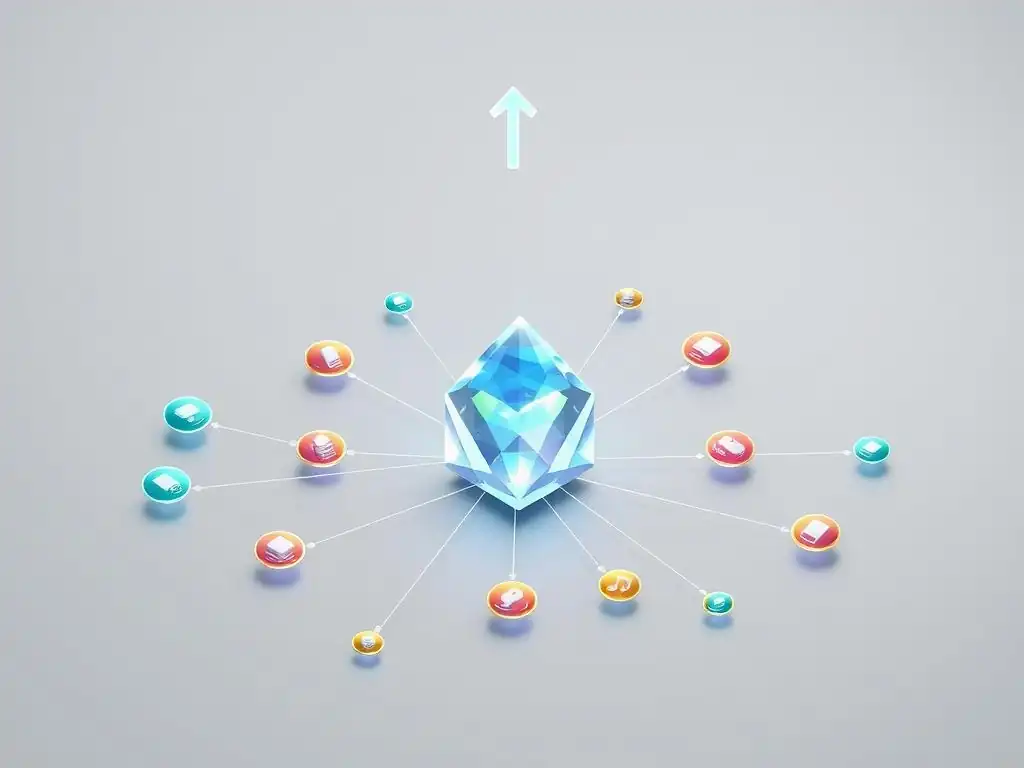
Data privacy is a critical differentiator between decentralized and centralized social networks. Centralized platforms collect vast amounts of user data, which is often used for targeted advertising and platform optimization, but also poses significant privacy risks. Data breaches, algorithmic manipulation, and opaque data usage policies are common concerns in the centralized social media landscape. Decentralized social networks, by design, prioritize user data privacy and aim to minimize data collection and centralized storage.
In decentralized platforms, user data is often distributed across the blockchain network, rather than being stored in centralized servers. This distributed storage model reduces the risk of large-scale data breaches and makes it more difficult for any single entity to access and control user data. Furthermore, many decentralized platforms employ end-to-end encryption and other privacy-enhancing technologies to protect user communications and personal information.
Users often have greater control over their data, deciding what information to share and with whom. This focus on data privacy is a significant advantage of decentralized social media, offering users and creators a more secure and privacy-respecting online environment compared to traditional platforms. This enhanced privacy is a key aspect of blockchain social networks benefits creators and users alike.
Analyzing Content Moderation Policies: Decentralization vs. Centralization
Content moderation is a complex challenge for all social media platforms, but decentralized and centralized platforms approach it in fundamentally different ways. Centralized platforms typically rely on centralized content moderation teams and algorithms to enforce platform policies, which can be opaque, inconsistent, and subject to bias. Decisions about content removal or account suspension are often made unilaterally by the platform, with limited recourse for users. Decentralized platforms, on the other hand, often adopt more community-driven and transparent content moderation models.
Content moderation policies in decentralized networks may be encoded in open-source code or governed by DAOs, allowing for greater user participation and accountability. Moderation decisions may be made through community voting or decentralized dispute resolution mechanisms. While decentralized moderation is not without its challenges, it aims to create a more democratic and transparent system, reducing the risk of arbitrary censorship and platform bias.
The goal is to balance freedom of expression with the need to address harmful content, while empowering the community to play a more active role in shaping platform policies. This more democratic and transparent approach to content moderation is another way blockchain social networks benefits creators by fostering a fairer and more accountable environment.
Examining Revenue Models: Supporting Creators in the Blockchain Era
Revenue models in decentralized social media represent a significant departure from the advertising-driven models of traditional platforms. Centralized platforms heavily rely on advertising revenue, often taking a substantial cut of the value generated by creators. This model can incentivize platforms to prioritize engagement metrics over creator well-being and fair compensation. Decentralized platforms explore alternative revenue models that are more creator-centric and sustainable, often leveraging cryptocurrencies and tokenized economies.
Direct tipping with cryptocurrency, as seen in platforms like Peepeth, allows users to directly support creators without platform intermediaries. Content subscriptions and paywalls powered by blockchain enable creators to offer premium content or exclusive access for a fee, again bypassing traditional payment processors and platform fees. NFTs provide a new avenue for creators to monetize digital assets, selling limited edition works and retaining a percentage of secondary sales.
Furthermore, decentralized platforms may explore tokenized governance models, where platform tokens are distributed to creators and active community members, incentivizing participation and shared ownership. These diverse revenue models aim to create a more equitable and sustainable ecosystem for creators, ensuring that they are fairly compensated for their contributions and fostering a more creator-centric internet. These innovative revenue models are a core aspect of blockchain social networks benefits creators, providing them with more direct and equitable ways to monetize their work.
Scalability remains a significant challenge for blockchain social media platforms. Blockchains, particularly those using Proof-of-Work consensus mechanisms, can have limitations in terms of transaction throughput and processing speed. Traditional social media platforms handle massive volumes of user interactions and data in real-time, which can be difficult to replicate on current blockchain infrastructure. High transaction fees and slow confirmation times on some blockchains can also hinder user experience and limit the practicality of certain social media features, such as real-time interactions and high-frequency content updates.
While scalability solutions are being actively developed for various blockchains, including layer-2 scaling solutions and sharding, they are still evolving and may not yet fully address the demands of large-scale social media platforms. Successfully scaling decentralized social networks to accommodate millions or even billions of users remains a technical hurdle that needs to be overcome. Addressing these scalability issues is crucial for realizing the full potential of blockchain social networks benefits creators and users on a wider scale, ensuring the platforms can handle the demands of a growing user base and complex social interactions.
User Experience and Adoption Barriers
User experience and adoption barriers present another significant challenge for decentralized social networks. Many decentralized platforms require users to have some understanding of blockchain technology, cryptocurrencies, and related concepts, which can be a barrier to entry for mainstream users. Setting up crypto wallets, managing private keys, and understanding blockchain transactions can be technically daunting for those unfamiliar with the technology. The user interfaces and user experiences of some decentralized platforms may also be less polished and intuitive compared to established centralized platforms, which have invested heavily in user-friendly design.
Furthermore, the network effects that have propelled the growth of centralized social media giants are difficult to replicate for new decentralized platforms. Users tend to gravitate towards platforms where their friends and communities are already active. Overcoming these network effects and attracting a critical mass of users to decentralized alternatives requires significant effort in terms of user education, onboarding, and platform development. Improving user experience and lowering adoption barriers are crucial for wider adoption of decentralized social media and ensuring that blockchain social networks benefits creators and users beyond a niche audience.
Addressing Content Governance and Security Concerns
Content governance and security concerns are critical challenges for decentralized social networks. While decentralization aims to reduce censorship and enhance freedom of expression, it also raises questions about how to address illegal, harmful, or offensive content. Defining and enforcing content moderation policies in a decentralized environment can be complex, requiring community-driven governance mechanisms and transparent dispute resolution processes. Striking a balance between freedom of expression and community safety is a delicate and ongoing challenge.
Security is another paramount concern. Blockchain technology itself is generally secure, but decentralized platforms can still be vulnerable to various security threats, such as smart contract vulnerabilities, phishing attacks, and social engineering. Ensuring the security of user accounts, digital assets, and platform infrastructure is essential for building trust and fostering user adoption. Addressing content governance and security concerns effectively is crucial for the long-term sustainability and viability of decentralized social networks and ensuring that blockchain social networks benefits creators and users in a safe and responsible manner.
Predictions for the growth of decentralized social media are largely optimistic, fueled by increasing user concerns about data privacy, censorship, and the power of centralized platforms. As awareness of the limitations of traditional social media grows, more users and creators are likely to explore decentralized alternatives that offer greater control, ownership, and freedom. The ongoing development of blockchain technology and scalability solutions is also expected to contribute to the growth and maturity of decentralized social networks.
Analysts predict a significant increase in the adoption of decentralized social media platforms in the coming years, although the pace and scale of adoption remain uncertain. Some anticipate a gradual migration from centralized to decentralized platforms, while others foresee a coexistence of both models, with decentralized platforms carving out a niche for users who prioritize privacy, freedom, and creator empowerment.
The success of decentralized social media will likely depend on factors such as user experience, scalability improvements, and the ability to address content governance and security challenges effectively. However, the underlying trend towards decentralization and user empowerment suggests a promising future for blockchain social networks benefits creators and reshaping the social media landscape.
The Role of NFTs in the Creator Economy on Blockchain
NFTs are poised to play a significant role in the creator economy on blockchain social networks. As unique digital assets representing ownership of content, NFTs provide creators with new avenues for monetization, content ownership, and community engagement. Creators can use NFTs to sell digital art, music, writing, and other forms of creative content directly to their audience, bypassing traditional intermediaries and platforms. NFTs can also be used to create exclusive content, membership tokens, and digital collectibles, fostering deeper connections between creators and their fans.
The integration of NFTs into decentralized social media platforms can empower creators to build sustainable income streams, retain ownership of their work, and cultivate loyal communities around their creations. The verifiable scarcity and provenance of NFTs add value to digital content, making it more appealing to collectors and fans. As the NFT market matures and becomes more accessible, its role in the creator economy on blockchain social networks is expected to expand, further enhancing blockchain social networks benefits creators and transforming the way creators monetize and interact with their audience.
Decentralized Autonomous Organizations (DAOs) hold significant potential for shaping the future of decentralized social platforms. DAOs are community-governed organizations that operate based on rules encoded in smart contracts on a blockchain. They can be used to govern various aspects of decentralized social networks, including content moderation policies, platform development decisions, and token distribution mechanisms. DAOs can empower communities to collectively manage and steer the direction of decentralized platforms, fostering greater transparency, accountability, and user participation.
In decentralized social media, DAOs can be used to implement community-driven content moderation, where token holders vote on platform policies and resolve disputes. They can also be used to allocate platform resources, fund development initiatives, and reward community contributions. DAOs can promote a more democratic and equitable governance model, shifting power away from centralized entities and towards the community of users and creators. Exploring and implementing DAOs in decentralized social platforms has the potential to create more resilient, community-owned, and user-centric social networks, further amplifying blockchain social networks benefits creators and users through shared governance and ownership.
Conclusion: Embracing the Decentralized Revolution for Content Creators
Blockchain social networks benefits creators in numerous ways, offering a compelling alternative to the limitations of traditional, centralized platforms. By providing enhanced content ownership and control, direct monetization opportunities, reduced censorship, and the ability to build more engaged and loyal communities, decentralized social media empowers creators to thrive in a more equitable and creator-centric online environment. The shift towards decentralization represents a fundamental change in the power dynamics of social media, placing creators at the heart of the ecosystem and giving them greater agency over their work and their relationships with their audience.
The advantages of decentralized platforms extend beyond just creators, benefiting users as well through enhanced data privacy, more transparent content moderation, and greater community participation. While challenges remain in terms of scalability, user experience, and content governance, the potential of decentralized social media to revolutionize content creation and online social interactions is undeniable. As blockchain technology continues to evolve and adoption barriers decrease, the promise of a decentralized social web becomes increasingly tangible.
The decentralized revolution in social media is underway, and content creators have a crucial role to play in shaping its future. Exploring and supporting decentralized social media platforms is not just about adopting new technologies; it's about embracing a new paradigm that prioritizes creator empowerment, user privacy, and community governance. Creators are encouraged to experiment with decentralized platforms, engage with decentralized communities, and contribute to the growth and development of this emerging ecosystem.
By actively participating in decentralized social media, creators can help to build a more equitable and sustainable online environment for themselves and for future generations of creators. Users are also encouraged to explore decentralized alternatives, support creators on these platforms, and advocate for a more decentralized and user-centric internet. The future of content creation is increasingly intertwined with the decentralized web, and embracing this revolution is essential for unlocking the full potential of blockchain social networks benefits creators and transforming the social media landscape for the better.
Frequently Asked Questions
Decentralized social networks leverage blockchain technology to distribute data and control, unlike traditional platforms which are centrally managed. This offers users more control over their data and content.
Creators on decentralized platforms gain greater control over monetization, ownership of their content, and direct interaction with their audience, bypassing intermediaries and associated fees.
Blockchain's immutability makes it difficult to censor content. Decentralized platforms aim to provide censorship-resistant environments for content creators and users.
Challenges include scalability, user experience, and the need for improved regulatory clarity to foster wider acceptance and integration of these platforms.
They promise a more equitable and transparent ecosystem where creators are directly rewarded for their work, potentially disrupting traditional content distribution models and empowering independent artists.
Final Reflection: Embracing the Creator Revolution
The exploration of decentralized social networks reveals a powerful shift in the digital landscape, and its relevance today is undeniable. The promise of blockchain social networks benefits creators by offering them autonomy, fair compensation, and direct engagement with their audience, a stark contrast to the centralized platforms that often exploit their talent. This is not just a technological advancement; it's a fundamental restructuring of power dynamics in the creator economy.
The rise of decentralized platforms has already begun to influence the cultural landscape, fostering a sense of ownership and community that was previously absent. This movement towards creator empowerment resonates deeply with the desire for authenticity and transparency in a world saturated with curated content. The future of content creation is not about algorithms and gatekeepers; it's about direct connection and shared value.
This shift is not merely a trend; it's a fundamental re-evaluation of how we value and reward creative work.
As we stand at the cusp of this new era, I invite you to reflect on your own role in the digital ecosystem. Consider how you can support creators directly, explore decentralized platforms, and advocate for a more equitable and transparent online world. The future of content creation is being written now, and your participation can help shape a landscape where creativity thrives and creators are truly valued.
Unearth Your Voice: Join the Decentralized Revolution!
Thank you for exploring the world of decentralized social networks and their potential impact on content creators. We hope you now have a clearer understanding of the opportunities and challenges ahead. It's time to take action and help shape the future of online content.
Here are some ways you can get involved:
- Start exploring decentralized social platforms! Find one that aligns with your values and create an account to experience it firsthand. This is the most important first step!
- Follow and support your favorite creators who are already experimenting with decentralized platforms. Like, share, or tip their content—let them know you appreciate their innovation!
- Join the conversation! Share your thoughts and experiences with decentralized social networks on existing platforms using relevant hashtags like #DecentralizedSocial or #Web3Creator. You might be surprised by the connections you make!
What is one small step you will take this week to support the growth of decentralized social media? Share your plans in the comments below!
Leave a Reply