
Democratizing Content Creation: Blockchain Leveling the Playing Field for Creators

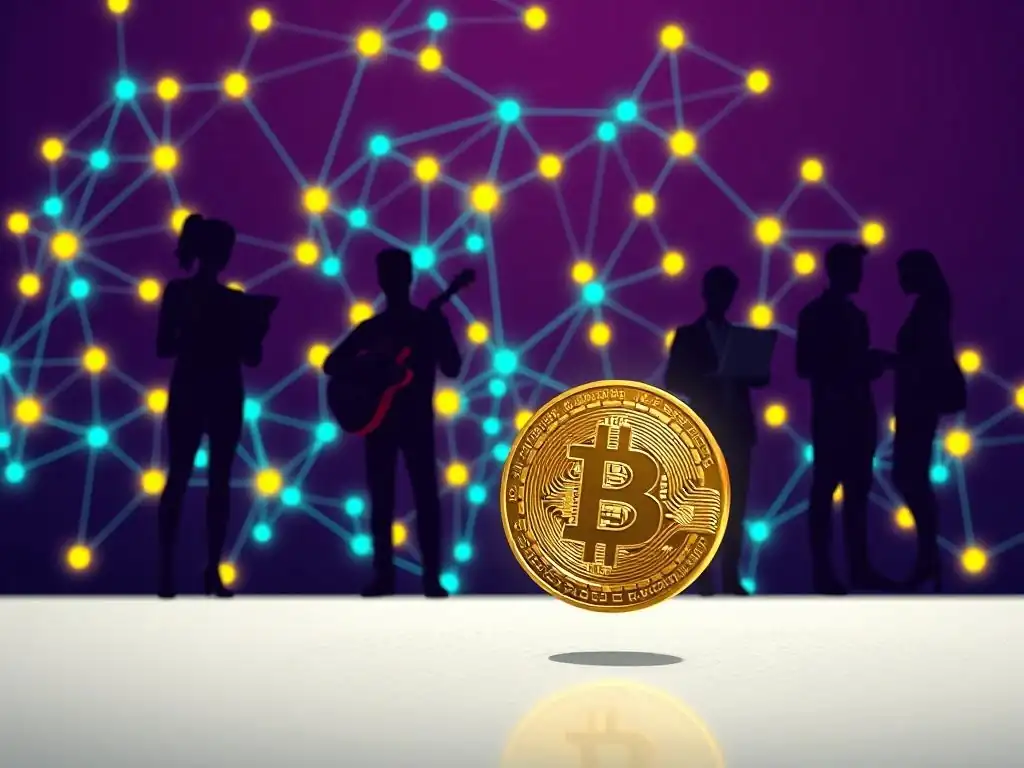
Welcome to Blockchain Trends, your compass in the ever-evolving world of decentralized technologies. Are you ready to discover how blockchain is reshaping industries beyond cryptocurrencies?
This month, we delve into a groundbreaking application: empowering creators. In our feature article, we unpack blockchain content creator monetization strategies, exploring how this technology is poised to revolutionize how artists and writers are compensated for their work. How can blockchain truly level the playing field and give creators back control? Keep reading to find out...
Democratizing Content Creation: Blockchain Leveling the Playing Field for Creators
- Introduction: The Evolving Landscape of Content Creation and Blockchain's Role
- Understanding Blockchain Content Creator Monetization Strategies
- Core Blockchain Technologies Powering the Creator Economy
- Exploring Different Blockchain Content Creator Monetization Models
- Case Studies: Successful Blockchain Content Creator Monetization Examples
- Overcoming Challenges and Addressing Concerns in Blockchain Content Monetization
- The Future of Blockchain and the Creator Economy: Trends and Predictions
- Optimizing Content for Blockchain Monetization: Best Practices
- Conclusion: Blockchain Empowering Creators and Reshaping the Content Landscape
-
Frequently Asked Questions
- How can blockchain technology help content creators receive fairer compensation?
- What are some examples of blockchain-based platforms designed for content creators?
- How does blockchain address the issue of copyright and content ownership for creators?
- What are the regulatory challenges facing blockchain-based content creation platforms?
- How might blockchain influence the future of content creation and distribution?
- Final Reflection: Empowering Creators Through Decentralization
- Unleash Your Creative Power with Blockchain!
Introduction: The Evolving Landscape of Content Creation and Blockchain's Role
The Challenges Faced by Traditional Content Creators
For years, content creators have navigated a digital landscape dominated by centralized platforms. These platforms, while providing reach and infrastructure, often present significant challenges. One of the most prominent issues is the disproportionate revenue share.
Creators frequently find themselves receiving a small fraction of the revenue generated from their content, with the lion's share going to the platforms. For example, on some major video-sharing platforms, creators can earn as little as 55% of advertising revenue, while the platform retains the rest. This imbalance can severely impact the sustainability of independent creators, especially those who are starting out or focusing on niche content.
Beyond revenue splits, creators also grapple with issues of control and censorship. Centralized platforms often dictate content policies that can be opaque and inconsistently applied. Creators may face content demonetization, shadowbanning, or even complete platform removal with limited recourse or explanation. Furthermore, the lack of transparency in algorithms governing content distribution can feel like a black box. Creators struggle to understand how their content is being promoted or suppressed, hindering their ability to effectively reach their audience and build sustainable careers. This dependence on centralized gatekeepers creates a precarious situation for creators, impacting their autonomy and long-term viability.
Blockchain's Potential to Transform Content Creation and Monetization
Blockchain technology emerges as a compelling alternative, offering a paradigm shift in how content is created, distributed, and, crucially, monetized. Its decentralized nature directly addresses the core challenges faced by creators within traditional systems. By leveraging blockchain, creators can potentially bypass intermediaries, establishing direct relationships with their audience and capturing a larger portion of the value they generate. This shift towards decentralization promises to redistribute power and revenue more equitably within the content ecosystem, empowering creators to take control of their work and earnings.
The transformative potential of blockchain extends beyond just fairer revenue models. It introduces concepts like digital ownership and verifiable scarcity through Non-Fungible Tokens (NFTs), opening up entirely new avenues for blockchain content creator monetization strategies. Creators can tokenize their content, offering unique digital assets to fans and collectors, thereby creating new income streams beyond traditional advertising or subscription models.
Moreover, blockchain enables transparent and automated royalty distribution, ensuring creators are fairly compensated for their work, even in secondary markets. This combination of decentralization, ownership, and innovative monetization tools positions blockchain as a powerful force in leveling the playing field for content creators across various disciplines.
Understanding Blockchain Content Creator Monetization Strategies
What is Blockchain Content Creator Monetization?
Blockchain content creator monetization represents a fundamental shift from traditional, platform-centric models to creator-centric ecosystems powered by decentralized technologies. In essence, it refers to the utilization of blockchain technology to enable content creators to earn revenue directly from their work, often bypassing intermediaries and reclaiming greater control over their earnings and distribution. This approach leverages the core principles of blockchain, such as decentralization, transparency, and immutability, to create new pathways for creators to connect with their audiences and monetize their content in innovative ways.
Unlike conventional platforms that often act as gatekeepers and extract a significant portion of revenue, blockchain content creator monetization strategies aim to empower creators with direct control over their content and earnings. This can involve various methods, including selling content as NFTs, establishing tokenized communities, utilizing decentralized streaming platforms, or receiving direct cryptocurrency patronage. The underlying principle is to reduce reliance on centralized entities and foster a more direct and equitable relationship between creators and their supporters, ultimately leading to a more sustainable and creator-friendly content ecosystem.
Key Benefits of Blockchain for Creators: Transparency, Control, and Ownership
Blockchain technology offers a trifecta of benefits that are particularly compelling for content creators: transparency, control, and ownership. Transparency is inherent in blockchain's distributed ledger system, where all transactions are recorded publicly and immutably. For creators, this translates to clear and verifiable records of content ownership, sales, and royalty distribution. Smart contracts, for example, can automatically execute payment terms, ensuring creators receive their due compensation transparently and without reliance on intermediaries. This level of transparency builds trust and accountability within the creator economy.
Control is another significant advantage. By leveraging blockchain, creators can regain control over their content distribution, pricing, and terms of use. They are not bound by the often-restrictive policies of centralized platforms and can directly interact with their audience.
Furthermore, blockchain empowers creators with ownership of their digital assets. NFTs, in particular, provide provable digital scarcity and ownership, allowing creators to monetize their work in new and innovative ways, such as selling limited edition digital art or exclusive content access. This combination of transparency, control, and ownership fundamentally shifts the power dynamic in favor of creators, paving the way for more equitable and sustainable blockchain content creator monetization strategies.
Core Blockchain Technologies Powering the Creator Economy
NFTs (Non-Fungible Tokens) and Digital Ownership
Non-Fungible Tokens, or NFTs, are a cornerstone of blockchain-based creator monetization, primarily due to their ability to represent and authenticate digital ownership. Unlike cryptocurrencies like Bitcoin, which are fungible (interchangeable), each NFT is unique and indivisible, making them ideal for representing ownership of digital assets, including art, music, videos, and collectibles. This uniqueness is cryptographically secured on the blockchain, providing verifiable proof of ownership that is immutable and transparent. For content creators, NFTs offer a revolutionary way to monetize their digital creations by selling them as unique, limited-edition assets directly to their audience or collectors.
The impact of NFTs on digital ownership is profound. Before NFTs, digital content was easily copied and distributed without the creator's control, making it challenging to establish scarcity and monetize digital art or collectibles effectively. NFTs solve this problem by creating digital scarcity and enabling creators to retain verifiable ownership even after selling their work.
Furthermore, NFTs can be programmed to include smart contracts that automatically grant creators royalties on secondary sales. For instance, a digital artist who sells an NFT artwork can receive a percentage of the sale price every time the NFT is resold on a marketplace. This feature ensures continued revenue streams for creators and fosters a more sustainable ecosystem for digital content creation and blockchain content creator monetization strategies.
Decentralized Autonomous Organizations (DAOs) for Community Governance
Decentralized Autonomous Organizations, or DAOs, are emerging as powerful tools for community governance and collaborative content creation within the blockchain ecosystem. DAOs are essentially community-led organizations governed by rules encoded in smart contracts on a blockchain. These rules dictate how the organization operates, how funds are managed, and how decisions are made, typically through token-based voting by DAO members. For content creators, DAOs offer a way to build and engage with their communities in a decentralized and participatory manner, fostering collective ownership and governance over content projects or platforms.
The application of DAOs in the creator economy is multifaceted. Creators can launch DAOs to manage community funds, curate content, make decisions about platform development, or even collectively fund and produce creative projects. For example, a group of writers could form a DAO to collaboratively publish and monetize their work, with token holders having a say in editorial decisions and revenue sharing. DAOs promote transparency and democratic governance, empowering communities to actively participate in the creation and evolution of content ecosystems. This model aligns perfectly with the ethos of blockchain content creator monetization strategies, emphasizing decentralization and community ownership.
Smart Contracts: Automating Payments and Royalties
Smart contracts are self-executing contracts with the terms of the agreement directly written into code. They are a fundamental technology within blockchain, enabling automation, transparency, and trustless interactions. In the context of content creation, smart contracts play a crucial role in automating payments, royalty distribution, and various other processes, streamlining blockchain content creator monetization strategies and ensuring fair compensation for creators. Once deployed on a blockchain, smart contracts execute automatically when predefined conditions are met, eliminating the need for intermediaries and reducing the risk of disputes or delays in payments.
The applications of smart contracts for creators are diverse and impactful. For instance, when a creator sells an NFT, a smart contract can automatically transfer ownership to the buyer and distribute the proceeds according to pre-set rules, including allocating royalties to the creator for future sales. Smart contracts can also facilitate micro-payments for content consumption, enabling users to pay creators directly for access to articles, videos, or music on a pay-per-view basis.
Furthermore, they can automate revenue sharing among collaborators in a content project, ensuring that all contributors are compensated fairly and transparently. By automating these processes, smart contracts significantly enhance efficiency, reduce costs, and foster trust and transparency in creator monetization.
Exploring Different Blockchain Content Creator Monetization Models
NFT-Based Content Sales and Royalties
NFT-based content sales and royalties represent a groundbreaking monetization model directly empowered by blockchain technology. Creators can tokenize their digital content – be it art, music, writing, or videos – as NFTs and sell them directly to collectors and fans. This model allows creators to bypass traditional intermediaries like galleries, record labels, or publishing houses, retaining a larger share of the revenue generated from their work. The initial sale of an NFT provides immediate income for the creator, and the built-in royalty mechanism ensures ongoing revenue streams from secondary market sales, further solidifying blockchain content creator monetization strategies.
The royalty aspect is particularly transformative. Traditional content sales often provide creators with a one-time payment, with little to no benefit from subsequent resales or appreciation in value. NFTs change this paradigm by embedding royalty clauses within the smart contract.
For example, a musician who sells an album as an NFT can program a 10% royalty into the smart contract. Every time that NFT album is resold on a marketplace, the musician automatically receives 10% of the sale price. This creates a perpetual income stream linked to the creator's work and incentivizes the long-term value appreciation of their digital assets, offering a sustainable and innovative approach to blockchain content creator monetization.
Tokenized Communities and Fan Engagement
Tokenized communities are emerging as a powerful method to foster deeper fan engagement and create new blockchain content creator monetization strategies. Creators can issue their own social tokens or community tokens, which act as digital assets representing membership and participation within their community. These tokens can grant holders various benefits, such as access to exclusive content, voting rights in community decisions, early access to new releases, or even direct interactions with the creator. Tokenized communities incentivize fan loyalty and active participation, creating a more engaged and supportive ecosystem around the creator's work.
The utility of these tokens extends beyond mere access. They can be used to reward community members for their contributions, such as curating content, moderating discussions, or promoting the creator's work. For instance, a creator might reward active community members with tokens, which can then be redeemed for exclusive merchandise, experiences, or even governance rights within the community.
This creates a positive feedback loop, where fans are incentivized to engage, contribute, and support the creator, while creators can directly reward and incentivize their most loyal supporters. Tokenized communities foster a sense of ownership and shared purpose, strengthening the bond between creators and their audience and unlocking new avenues for sustainable blockchain content creator monetization.
Decentralized Streaming Platforms and Micro-Payments
Decentralized streaming platforms are disrupting traditional content distribution models by leveraging blockchain technology to offer fairer and more transparent systems for creators and consumers. These platforms aim to eliminate intermediaries and enable direct connections between creators and their audiences. By utilizing blockchain, these platforms can facilitate micro-payments, allowing users to pay creators directly for content consumption on a pay-per-view or per-stream basis. This granular payment system contrasts sharply with traditional subscription or advertising-based models, offering a more equitable and flexible approach to blockchain content creator monetization strategies.
Micro-payments are a key feature of decentralized streaming platforms. Traditional streaming services often rely on complex algorithms to distribute royalties, which can be opaque and result in creators receiving only a small fraction of the revenue generated from their content. Decentralized platforms, powered by blockchain and smart contracts, can enable direct micro-payments from consumers to creators for each stream or view.
This ensures that creators are compensated directly for their work, with minimal platform fees and transparent payment structures. This model is particularly beneficial for independent creators and niche content, allowing them to monetize their work directly from their audience without relying on centralized gatekeepers or complex revenue-sharing agreements, thus promoting more effective blockchain content creator monetization.
Direct Patronage and Donations via Cryptocurrency
Direct patronage and donations via cryptocurrency offer a straightforward and increasingly popular method for fans to support their favorite creators directly, bypassing traditional platform fees and intermediaries. Cryptocurrencies, with their decentralized nature and low transaction fees, provide an efficient and transparent way for fans to send financial support directly to creators. This model fosters a more direct and personal relationship between creators and their audience, strengthening community bonds and enabling sustainable blockchain content creator monetization strategies.
Platforms and tools are emerging that facilitate cryptocurrency donations and patronage for creators. Some platforms integrate cryptocurrency wallets directly into creator profiles, allowing fans to send donations easily. Others utilize blockchain-based crowdfunding or patronage platforms where fans can pledge recurring cryptocurrency contributions to support creators they believe in. This direct support model empowers creators to maintain independence and control over their revenue streams, reducing reliance on platform-dependent monetization methods. The transparency and efficiency of cryptocurrency transactions further enhance the appeal of this patronage model, making it a valuable tool in the evolving landscape of blockchain content creator monetization.
Case Studies: Successful Blockchain Content Creator Monetization Examples

Kings of Leon: Releasing an Album as an NFT
Kings of Leon, a Grammy Award-winning rock band, made headlines in March 2021 by releasing their album "When You See Yourself" as an NFT. This marked a significant moment, showcasing the potential of NFTs for established artists and mainstream blockchain content creator monetization strategies. The band offered three types of NFTs: a special album package, live show tickets, and exclusive audiovisual art. The NFT album package included unique cover art and limited-edition vinyl. This innovative approach generated significant revenue and media attention, demonstrating the viability of NFTs for music distribution and fan engagement.
The Kings of Leon NFT drop reportedly generated over \$2 million in sales. Beyond the financial success, this case study highlights the potential of NFTs to create unique and collectible digital assets for fans, offering experiences beyond traditional album sales. The inclusion of exclusive perks like live show tickets further incentivized fans to purchase the NFTs, showcasing the potential for bundling digital and real-world experiences within NFT offerings. This example served as a catalyst, inspiring other musicians and artists to explore NFTs as a new avenue for content distribution and blockchain content creator monetization.
Mirror.xyz: A Decentralized Publishing Platform
Mirror.xyz is a decentralized publishing platform built on blockchain, specifically designed to empower writers and creators. It leverages blockchain technology to provide a censorship-resistant, creator-owned platform for publishing and monetizing written content. Mirror.xyz utilizes NFTs and cryptocurrency to enable blockchain content creator monetization strategies, offering writers tools to build communities, sell their work as NFTs, and directly engage with their readers without relying on traditional publishing intermediaries. The platform has gained traction within the Web3 and creator communities, showcasing a viable alternative to centralized publishing platforms.
Mirror.xyz stands out for its community-driven approach and focus on creator empowerment. Writers on Mirror.xyz can publish articles, essays, and newsletters, and they have the option to tokenize their work as NFTs. This allows them to sell limited edition articles or offer exclusive content access to NFT holders. Furthermore, Mirror.xyz integrates with cryptocurrency payment systems, enabling writers to receive direct payments from readers and build sustainable blockchain content creator monetization models. The platform's success demonstrates the growing demand for decentralized publishing solutions that prioritize creator ownership and control.
Audius: A Decentralized Music Streaming Platform
Audius is a decentralized music streaming platform built on blockchain, aiming to create a fairer and more transparent ecosystem for musicians and listeners. It directly addresses the issues of unfair revenue splits and lack of transparency prevalent in traditional music streaming services. Audius utilizes blockchain to facilitate direct connections between artists and fans, enabling artists to upload their music, control their content, and earn cryptocurrency directly from listeners. This platform exemplifies blockchain content creator monetization strategies in the music industry, offering a viable alternative to centralized streaming giants.
Audius operates on a decentralized infrastructure, distributing music content across a network of nodes, enhancing resilience and censorship resistance. Artists on Audius retain a significantly larger share of revenue compared to traditional platforms. The platform utilizes its native cryptocurrency, AUDIO, for payments and governance, further decentralizing control and empowering the community. Audius has attracted a growing number of artists and listeners, demonstrating the demand for decentralized music streaming solutions that prioritize artist compensation and control, solidifying its position as a leading example of blockchain content creator monetization in action.
Overcoming Challenges and Addressing Concerns in Blockchain Content Monetization
Scalability Issues and Transaction Fees
While blockchain offers immense potential for creator monetization, scalability issues and transaction fees present significant challenges, particularly for widespread adoption. Many blockchains, especially earlier generations, can struggle to handle a high volume of transactions, leading to network congestion and slower processing times. This scalability limitation can impact the user experience on blockchain-based content platforms, especially those requiring frequent transactions, such as micro-payments for streaming content. Furthermore, transaction fees, often referred to as "gas fees," can fluctuate and become prohibitively expensive on some blockchains, making micro-transactions economically unviable and hindering effective blockchain content creator monetization strategies.
Solutions to scalability challenges are actively being developed and implemented across the blockchain space. Layer-2 scaling solutions, such as sidechains and rollups, are designed to offload transaction processing from the main blockchain, increasing throughput and reducing fees. Furthermore, newer blockchain platforms are being built with scalability as a core design principle, aiming to handle large-scale applications more efficiently. Addressing scalability and transaction fee concerns is crucial for unlocking the full potential of blockchain content creator monetization, making it accessible and economically viable for creators and consumers alike.
Regulatory Uncertainty and Legal Frameworks
Regulatory uncertainty surrounding blockchain technology and cryptocurrencies poses a significant challenge to the widespread adoption of blockchain content creator monetization strategies. The legal and regulatory frameworks for digital assets, NFTs, and decentralized platforms are still evolving globally. This lack of clarity creates ambiguity for creators and platforms operating within the blockchain space, particularly concerning issues such as taxation, intellectual property rights, and securities regulations. Different jurisdictions are taking varying approaches to regulating blockchain, leading to a fragmented and complex legal landscape.
Navigating this regulatory uncertainty requires careful consideration and proactive engagement with legal and regulatory developments. Creators and platforms need to stay informed about evolving regulations in their respective jurisdictions and ensure compliance with applicable laws. Industry bodies and advocacy groups are working to engage with regulators and policymakers to promote clear and sensible regulatory frameworks that foster innovation while addressing legitimate concerns. Addressing regulatory uncertainty is essential to create a stable and predictable environment for the growth and mainstream adoption of blockchain content creator monetization and the broader creator economy.
User Adoption and Education Barriers
User adoption and education represent significant hurdles in the path to mainstream adoption of blockchain content creator monetization strategies. Blockchain technology can be complex and unfamiliar to many creators and consumers. Understanding concepts like cryptocurrency wallets, NFTs, and decentralized platforms requires a learning curve, which can be a barrier to entry for those not already familiar with the technology. Many users may be hesitant to adopt new platforms or payment methods that are perceived as technically challenging or unfamiliar, hindering the widespread uptake of blockchain-based solutions.
Overcoming user adoption barriers requires a concerted effort on education and user experience improvement. Platforms need to prioritize user-friendly interfaces and intuitive design to make blockchain technology more accessible to non-technical users. Educational resources, tutorials, and clear onboarding processes are crucial to guide new users and demystify blockchain concepts. Simplifying the user experience and providing comprehensive educational support are essential steps to broaden user adoption and unlock the full potential of blockchain content creator monetization for a wider audience of creators and consumers.
Security Risks and Smart Contract Vulnerabilities
Security risks and smart contract vulnerabilities are inherent concerns within the blockchain ecosystem that need careful consideration when implementing blockchain content creator monetization strategies. While blockchain technology itself is generally secure, smart contracts, which are often at the core of decentralized applications, can be vulnerable to coding errors or exploits.
If a smart contract contains vulnerabilities, it can be exploited by malicious actors, potentially leading to loss of funds or compromise of content ownership. The immutability of blockchain means that once a smart contract is deployed with vulnerabilities, it can be challenging to rectify them, underscoring the importance of robust security practices.
Mitigating security risks requires a multi-faceted approach. Rigorous smart contract auditing by independent security experts is crucial to identify and address potential vulnerabilities before deployment. Developers need to follow secure coding practices and stay updated on known security threats and best practices. Users also need to be educated about security risks and best practices for managing their cryptocurrency wallets and digital assets. Prioritizing security and addressing smart contract vulnerabilities is paramount to building trust and ensuring the long-term viability and safety of blockchain content creator monetization platforms and applications.
The Future of Blockchain and the Creator Economy: Trends and Predictions
Increased Adoption of Blockchain-Based Platforms
The future of the creator economy is inextricably linked with blockchain technology, and a significant trend is the anticipated increased adoption of blockchain-based platforms by creators across various disciplines. As creators become more aware of the benefits of decentralization, ownership, and new blockchain content creator monetization strategies, they are increasingly seeking alternatives to traditional centralized platforms. The promise of fairer revenue models, greater control over content, and direct engagement with audiences is driving this shift towards blockchain-based solutions.
This adoption trend is expected to accelerate as blockchain technology matures and user experience improves. As scalability solutions address transaction fee concerns and platforms become more user-friendly, the barriers to entry for creators will decrease. Furthermore, success stories of creators thriving on blockchain platforms will serve as powerful catalysts, attracting more creators to explore these new opportunities. The increasing demand for creator-centric platforms and the evolving capabilities of blockchain technology strongly suggest a future where blockchain-based platforms become a mainstream option for content creation and blockchain content creator monetization.
Integration with Web3 Technologies and the Metaverse
The integration of blockchain with Web3 technologies and the metaverse is poised to revolutionize the creator economy and unlock entirely new dimensions for blockchain content creator monetization strategies. Web3, the decentralized web, envisions a future internet built on blockchain principles, emphasizing user ownership and control. The metaverse, immersive virtual worlds, presents new frontiers for content creation and engagement. The convergence of blockchain, Web3, and the metaverse will create synergistic opportunities for creators to build immersive experiences, monetize virtual assets, and engage with audiences in novel ways.
In the metaverse, creators can leverage blockchain to establish ownership of virtual land, create and sell digital avatars and wearables as NFTs, and build interactive experiences within decentralized virtual worlds. Web3 technologies will provide the infrastructure for decentralized identity, data ownership, and interoperability across metaverse platforms. This integration will empower creators to build persistent digital identities, carry their virtual assets across different metaverse environments, and monetize their creations within these immersive spaces. The synergy between blockchain, Web3, and the metaverse will unlock unprecedented possibilities for creators and redefine the landscape of blockchain content creator monetization.
New and Innovative Monetization Models Emerge
The dynamic and rapidly evolving nature of blockchain technology suggests that new and innovative blockchain content creator monetization models will continue to emerge beyond the current landscape. As the technology matures and adoption expands, creative entrepreneurs and developers will explore novel ways to leverage blockchain for creator empowerment and sustainable revenue generation. These emerging models are likely to build upon existing concepts like NFTs, tokenized communities, and decentralized platforms, while also incorporating new functionalities and addressing evolving creator needs.
Examples of potential future monetization models include decentralized content curation and discovery mechanisms, blockchain-based micro-lending for creators, and decentralized autonomous organizations (DAOs) for collaborative content creation and funding. The inherent flexibility and programmability of blockchain technology allow for continuous innovation and experimentation. As the creator economy continues to evolve and embrace decentralized principles, we can anticipate a constant stream of new and innovative blockchain content creator monetization strategies that empower creators and reshape the future of content creation.
Optimizing Content for Blockchain Monetization: Best Practices
Creating High-Quality, Unique Content
In the realm of blockchain content creator monetization strategies, the foundation of success remains the creation of high-quality, unique content that resonates with an audience. While blockchain provides new tools and mechanisms for monetization, it does not replace the fundamental need for compelling and valuable content. Whether it's digital art, music, writing, videos, or interactive experiences, content that is original, well-crafted, and engaging is crucial for attracting an audience and building a sustainable creator career within the blockchain ecosystem.
Creators should focus on developing their unique voice, honing their skills, and consistently producing content that provides value to their target audience. In a decentralized environment where discoverability can be different from traditional platforms, high-quality content becomes even more critical for attracting attention and fostering organic growth. Creators should invest time and effort in crafting content that stands out, builds a loyal following, and justifies the value proposition for fans to support them through blockchain content creator monetization methods.
Building a Strong Community Around Your Work
Building a strong community is paramount for success in blockchain content creator monetization strategies. In a decentralized environment, community becomes a vital asset for creators, providing support, engagement, and a direct audience for their work. Blockchain-based platforms and tools often emphasize community interaction and participation, making community building an integral part of a successful creator strategy. Creators should actively engage with their audience, foster a sense of belonging, and cultivate a loyal community around their content.
Community building can involve various tactics, such as engaging in discussions on social media and blockchain platforms, hosting online events, creating exclusive content for community members, and actively soliciting feedback and input from their audience. Tokenized communities, as discussed earlier, offer a powerful mechanism for fostering deeper engagement and rewarding community participation. A strong and engaged community not only provides direct support for blockchain content creator monetization but also acts as a valuable network for promotion, collaboration, and long-term sustainability in the decentralized creator economy.
Understanding Blockchain Technology and Its Potential
For creators venturing into blockchain content creator monetization strategies, a foundational understanding of blockchain technology and its potential is essential. While deep technical expertise is not necessarily required, creators should grasp the core concepts of blockchain, cryptocurrencies, NFTs, and decentralized platforms. Understanding how these technologies work, their benefits, and their limitations will empower creators to make informed decisions about how to leverage them effectively for monetization and community building.
Creators should invest time in learning about blockchain fundamentals through online resources, tutorials, and community forums. Experimenting with different blockchain platforms and tools, such as creating and selling NFTs or participating in decentralized communities, can provide valuable hands-on experience. This understanding will not only enable creators to navigate the blockchain landscape more confidently but also to identify new and innovative ways to apply blockchain content creator monetization strategies to their specific content and audience.
Promoting Your Content on Relevant Blockchain Platforms
Promoting content effectively on relevant blockchain platforms is crucial for discoverability and success in blockchain content creator monetization strategies. While traditional social media and marketing channels remain important, creators should also actively explore and leverage blockchain-specific platforms and communities to reach their target audience. This includes platforms dedicated to NFTs, decentralized social media networks, and communities focused on specific blockchain ecosystems.
Creators should research and identify the blockchain platforms and communities that are most relevant to their content niche and target audience. Actively engaging in these communities, sharing their work, and participating in discussions can increase visibility and attract potential fans and collectors. Utilizing blockchain-based social media and content sharing platforms can also help creators reach a more crypto-native audience that is already familiar with and supportive of blockchain content creator monetization models. A targeted and strategic approach to promotion on relevant blockchain platforms is essential for maximizing reach and impact in the decentralized creator economy.
Conclusion: Blockchain Empowering Creators and Reshaping the Content Landscape
The Transformative Power of Decentralization
The transformative power of decentralization is at the heart of blockchain's impact on the content creator landscape. By shifting away from centralized platforms and intermediaries, blockchain is empowering creators with unprecedented levels of control, ownership, and revenue potential. Decentralization breaks down traditional gatekeepers, enabling creators to connect directly with their audiences, establish fairer revenue models, and build sustainable careers on their own terms. This fundamental shift towards decentralization is reshaping the power dynamics within the content ecosystem, placing creators at the center and fostering a more equitable and creator-centric future.
The impact of decentralization extends beyond just financial benefits. It fosters greater creative freedom, reduces censorship risks, and promotes community-driven content creation. Creators are no longer solely reliant on the algorithms and policies of centralized platforms, gaining the autonomy to express their creativity authentically and engage with their audience directly. This empowerment through decentralization is the driving force behind the blockchain content creator monetization strategies that are revolutionizing the content landscape and paving the way for a more vibrant and diverse creator economy.
The Future is Decentralized and Creator-Centric
The trajectory of the content economy points firmly towards a future that is increasingly decentralized and creator-centric, with blockchain technology playing a pivotal role in this transformation. As blockchain adoption continues to grow and the technology matures, we can expect to see a further shift away from centralized platforms and towards decentralized ecosystems that prioritize creator empowerment. The emerging trends of NFTs, tokenized communities, decentralized streaming platforms, and direct patronage are all indicative of this fundamental shift.
In this decentralized and creator-centric future, creators will have greater control over their content, their revenue streams, and their relationships with their audiences. Blockchain content creator monetization strategies will become increasingly sophisticated and diverse, offering creators a wide range of tools and models to build sustainable careers. The future of content creation is not just about technology; it is about empowering creators, fostering innovation, and building a more equitable and vibrant content ecosystem where creators are at the heart of the value creation process.
Frequently Asked Questions
How can blockchain technology help content creators receive fairer compensation?
Blockchain facilitates direct monetization through smart contracts, eliminating intermediaries and ensuring a larger share of revenue reaches creators. This also allows for micropayments for individual pieces of content.
What are some examples of blockchain-based platforms designed for content creators?
Platforms like Mirror and Audius use blockchain to enable NFT-based content ownership and tokenized communities, offering alternative funding models and stronger creator-fan relationships. These platforms often prioritize creator control.
How does blockchain address the issue of copyright and content ownership for creators?
Blockchain provides an immutable record of content creation and ownership, making it easier to prove copyright and combat piracy. NFTs, in particular, act as digital certificates of authenticity.
What are the regulatory challenges facing blockchain-based content creation platforms?
Regulations surrounding cryptocurrencies and NFTs are still evolving, posing uncertainty for platforms operating in this space. Data privacy and compliance with existing laws are also key concerns.
How might blockchain influence the future of content creation and distribution?
Blockchain could lead to a more decentralized and equitable content ecosystem, where creators have greater control and audiences can directly support their favorite artists. This may reshape the traditional media landscape.
Final Reflection: Empowering Creators Through Decentralization
The journey we've explored, detailing blockchain's transformative potential for content creators, isn't just a theoretical exercise. It's a glimpse into a future where artists and innovators are directly rewarded for their contributions, free from the constraints of centralized platforms and exploitative intermediaries. The promise of true ownership and transparent monetization is no longer a distant dream, but a tangible possibility being built brick by digital brick.
This shift towards decentralized content creation is profoundly impacting the cultural landscape. It's forcing us to re-evaluate the value we place on creative work and the mechanisms by which creators are compensated. The current system, often characterized by unfair revenue splits and opaque algorithms, is being challenged by a new paradigm. The future of media is not about controlling content, but about empowering creators and their communities.
This quote encapsulates the essence of the movement: a move towards genuine collaboration and shared prosperity within the creative ecosystem.
Now, consider how these principles can resonate in your own life. How can you support creators embracing these new technologies? How can you, as a creator, explore the potential of blockchain to reclaim ownership of your work and connect directly with your audience? The power to shape the future of content creation lies within each of us. Let us embrace the opportunities presented by blockchain and build a more equitable and vibrant creative world, one block at a time.
Unleash Your Creative Power with Blockchain!
Thank you for exploring how blockchain is revolutionizing content creation. Now that you understand the potential for greater autonomy and fairer rewards, it’s time to take action and dive into this innovative space.
Here are some steps you can take today:
- Launch your first collection of digital artworks or media as NFTs. Experiment with different platforms and explore the available smart contract features.
- Join an online community of creators focused on blockchain projects and share your insights and experiences.
- Research decentralized autonomous organizations (DAOs) dedicated to supporting creative initiatives and discover opportunities to get involved.
What kind of content will you tokenize and share on the blockchain? Share your ideas in the comments below!
Leave a Reply