
The End of Deepfakes? Blockchain's Promise for Verifying Digital Content Origins

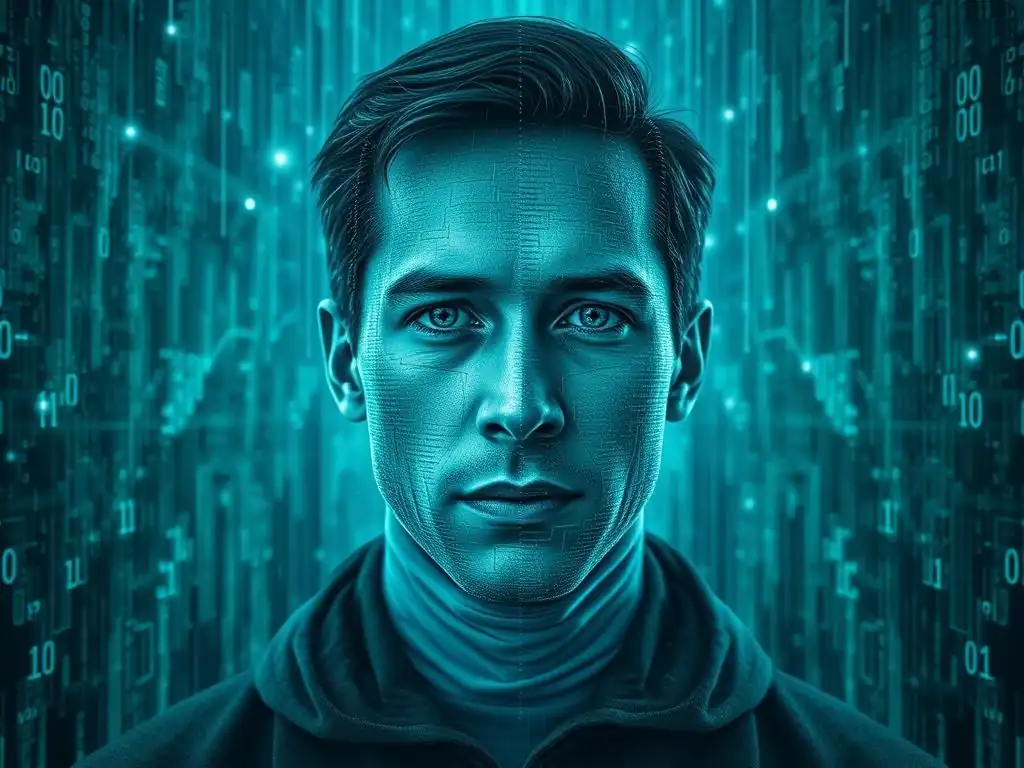
Welcome to Blockchain Trends, your compass in the rapidly evolving world of decentralized technologies!
Are you ready to explore how blockchain is moving beyond cryptocurrency and reshaping industries? This week, we dive deep into the fascinating realm of blockchain's potential to revolutionize content creation and media, specifically addressing a critical challenge of our time. Can blockchain truly be the solution to the proliferation of deepfakes and misinformation? Join us as we unravel the promise of blockchain verifying digital content origins and discover how it might usher in a new era of trust and authenticity online. Intrigued? Let's begin.
The End of Deepfakes? Blockchain's Promise for Verifying Digital Content Origins
- Introduction: The Deepfake Threat and the Need for Content Verification
- Blockchain Technology: A Solution for Digital Content Provenance
- Blockchain-Based Solutions for Content Authentication
- Benefits of Blockchain for Verifying Digital Content Origins
- Applications of Blockchain in Content Verification Across Industries
- Challenges and Limitations of Blockchain-Based Content Verification
- The Future of Content Provenance: Blockchain's Role in a Trustworthy Digital World
- Conclusion: Blockchain as a Key to Restoring Trust in Digital Media
-
Frequently Asked Questions
- ### How can blockchain technology help verify the origin of digital content?
- ### What are the key benefits of using blockchain for verifying digital content origins?
- ### What are some examples of enterprise applications using blockchain for content verification?
- ### What role does regulation play in the adoption of blockchain for digital content verification?
- ### What are the future prospects for blockchain-based content verification systems?
- Final Reflection: Embracing Authenticity in a Digital Age
- Uncover the Truth: Secure the Future of Digital Content!
Introduction: The Deepfake Threat and the Need for Content Verification
Understanding the Rise of Deepfakes and Misinformation
The digital age has ushered in an era of unprecedented information access, but also a growing challenge: the proliferation of misinformation, particularly in the form of deepfakes. Deepfakes, sophisticatedly manipulated videos, images, or audio recordings, leverage artificial intelligence, specifically deep learning techniques, to convincingly fabricate content. These synthetic media pieces are becoming increasingly indistinguishable from authentic content, posing a significant threat to public trust and societal stability.
For instance, a 2020 report by Brookings highlighted the potential of deepfakes to manipulate public opinion during elections, erode trust in institutions, and even incite violence. The ease of creating and disseminating deepfakes on social media platforms amplifies their impact, making it crucial to develop robust methods for verifying digital content origins.
The rapid advancement of deepfake technology has outpaced our ability to detect and counter it effectively. While detection algorithms are being developed, they often play a cat-and-mouse game with deepfake creators who constantly refine their techniques to evade detection. Furthermore, the damage caused by deepfakes can be irreversible.
Even after a deepfake is debunked, the initial impact of its dissemination, especially in emotionally charged contexts, can linger and cause lasting harm to individuals and organizations. Consider the case of the doctored video of a political figure that circulated widely before an election; even when proven false, its initial reach and impact could have swayed public perception. This necessitates a proactive approach focused on establishing content provenance from the outset, rather than solely relying on reactive detection methods.
The Challenge of Verifying Authenticity in the Digital Age
Verifying the authenticity of digital content in today's landscape is a complex and multifaceted challenge. Traditional methods of content verification, such as fact-checking and journalistic scrutiny, are often time-consuming and can struggle to keep pace with the speed and volume of information dissemination online. Moreover, these methods often rely on centralized authorities and are vulnerable to manipulation or bias. For example, centralized databases of verified images or videos can be compromised, or verification processes can be influenced by political or economic pressures. This centralized nature also creates a single point of failure, making the entire system susceptible to attacks.
The decentralized nature of the internet further complicates content verification. Information spreads rapidly across numerous platforms, making it difficult to trace the origin and modifications of digital content. Watermarking and metadata embedding, while helpful, can be easily removed or altered by those intent on malicious manipulation.
The challenge is compounded by the increasing sophistication of editing tools available to the public, allowing for subtle yet impactful alterations to images and videos that can be difficult for the naked eye to detect. In essence, the digital age demands a paradigm shift in how we approach content verification, moving towards decentralized, tamper-proof, and transparent systems that can establish trust at the source.
Blockchain Technology: A Solution for Digital Content Provenance
How Blockchain Can Establish Trust in Digital Media
Blockchain technology, initially popularized by cryptocurrencies like Bitcoin, offers a revolutionary approach to establishing trust and verifying digital content origins. At its core, blockchain is a decentralized, distributed, and immutable ledger that records transactions across a network of computers. This inherent decentralization eliminates the need for a central authority, making the system more resilient and less susceptible to manipulation. Imagine a digital notary service, but instead of relying on a single entity, the verification process is distributed across thousands of computers, making it virtually impossible to tamper with the records.
The key to blockchain's trust-building capability lies in its cryptographic security and consensus mechanisms. Each block of data in the blockchain is cryptographically linked to the previous one, creating a chain of records that is extremely difficult to alter retroactively. Any attempt to modify a block would require changing all subsequent blocks, a computationally infeasible task in a well-established blockchain network.
Furthermore, consensus mechanisms, such as Proof-of-Work or Proof-of-Stake, ensure that all participants in the network agree on the validity of new transactions before they are added to the blockchain. This combination of cryptographic security and decentralized consensus provides a robust foundation for building trust in digital media by establishing verifiable and auditable provenance.
Immutable Records: Securing Content Origins on the Blockchain
Blockchain's immutability is a cornerstone of its value proposition for verifying digital content origins. Once data is recorded on a blockchain, it becomes virtually impossible to alter or delete. This characteristic is crucial for establishing a permanent and tamper-proof record of content creation and modifications. When a piece of digital content, such as a photograph or video, is registered on a blockchain, a cryptographic hash of the content is generated and stored in a block. This hash acts as a unique digital fingerprint of the content at a specific point in time.
This immutable record on the blockchain serves as irrefutable proof of the content's origin and timestamp. Anyone can independently verify the integrity of the content by recalculating the hash and comparing it to the hash stored on the blockchain. If the hashes match, it confirms that the content has not been tampered with since it was registered.
This process effectively creates a digital chain of custody for digital content, allowing for transparent and auditable tracking of its provenance. This is significantly different from traditional methods, where metadata can be easily stripped and origins are often difficult to definitively prove after content has been widely distributed.
Blockchain-Based Solutions for Content Authentication
Decentralized Content Verification Platforms: Truepic and Numbers Protocol
Several innovative platforms are leveraging blockchain technology to create decentralized content verification solutions. Truepic, for example, utilizes blockchain to authenticate photos and videos at the point of capture. Their technology integrates directly into smartphone cameras, embedding cryptographic signatures and metadata onto the blockchain as images are taken.
This ensures that the captured content's origin and integrity are verifiable from the moment of creation, providing strong evidence against manipulation or deepfakes. Truepic is being used in various sectors, including insurance and journalism, to verify visual evidence. For instance, insurance companies can use Truepic to authenticate photos of property damage claims, reducing fraud and streamlining the claims process.
Numbers Protocol is another notable example, focusing on building a decentralized photo network that emphasizes content provenance and ownership. They utilize NFTs (Non-Fungible Tokens) to represent digital photos, allowing photographers to register their work on the blockchain and establish verifiable ownership and provenance. Numbers Protocol also integrates with AI-powered verification tools to further enhance content authenticity assessment.
Their platform aims to create a more transparent and trustworthy ecosystem for digital photography, empowering creators and combating image manipulation. By leveraging blockchain, these platforms are moving towards a future where digital content authenticity can be reliably verified in a decentralized and transparent manner.
Using NFTs for Content Ownership and Verification
Non-Fungible Tokens (NFTs) are emerging as a powerful tool for establishing content ownership and facilitating verification in the digital realm. NFTs are unique digital assets that represent ownership of a specific item, whether it's a piece of digital art, a collectible, or, in this context, digital content like photos, videos, or articles. Because NFTs are recorded on a blockchain, their ownership and transaction history are transparent, immutable, and publicly verifiable. This makes NFTs ideal for demonstrating provenance and authenticity of digital content.
By minting an NFT for a piece of digital content, creators can establish a clear and verifiable record of ownership. This NFT acts as a certificate of authenticity, proving that the creator is the original owner of the content. Furthermore, the transaction history of the NFT on the blockchain provides a transparent audit trail of ownership transfers, enhancing traceability and accountability.
For example, a photographer could mint an NFT for each of their photographs, providing buyers with verifiable proof of authenticity and ownership. This not only protects creators from copyright infringement but also enables a more transparent and trustworthy marketplace for digital content. The use of NFTs for content verification is still evolving, but its potential to revolutionize digital ownership and authenticity is undeniable.
Smart Contracts and Automated Content Provenance Tracking
Smart contracts, self-executing contracts with the terms of the agreement directly written into code, can automate content provenance tracking and verification processes on the blockchain. These contracts can be programmed to trigger specific actions when certain conditions are met, enabling automated workflows for content registration, verification, and rights management. For instance, a smart contract could be designed to automatically register a piece of content on the blockchain when it is created, recording its timestamp, creator information, and cryptographic hash.
Smart contracts can also facilitate automated content verification workflows. Imagine a scenario where a news organization uses smart contracts to automatically verify the authenticity of user-generated content submitted for news reporting. The smart contract could trigger a verification process involving AI-powered analysis and blockchain-based provenance checks, automatically flagging potentially manipulated or unverified content. Furthermore, smart contracts can manage content rights and licenses, automatically tracking usage and ensuring proper attribution and compensation for creators. By automating these processes, smart contracts can significantly streamline content provenance tracking and verification, making it more efficient and reliable.
Benefits of Blockchain for Verifying Digital Content Origins
Enhanced Transparency and Accountability in Media
One of the paramount benefits of leveraging blockchain for content verification is the enhanced transparency and accountability it brings to the media landscape. Traditional media systems often operate with limited transparency regarding content origins and modifications, making it difficult to trace the history of information and hold actors accountable for spreading misinformation. Blockchain, with its immutable and auditable ledger, fundamentally changes this dynamic. Every registration and verification action on a blockchain is permanently recorded and publicly accessible, creating a transparent audit trail of content provenance.
This transparency fosters greater accountability among content creators, distributors, and platforms. When content origins are verifiably tracked on a blockchain, it becomes significantly harder to anonymously spread misinformation or manipulate content without leaving a traceable record. For media organizations, adopting blockchain-based verification can enhance their credibility and demonstrate their commitment to journalistic integrity. For consumers, this increased transparency empowers them to critically evaluate content sources and make more informed decisions about the information they consume. Ultimately, blockchain's transparency can contribute to a more accountable and trustworthy media ecosystem.
Combating Misinformation and Fake News with Blockchain
Blockchain technology offers a powerful arsenal in the fight against misinformation and fake news. By establishing verifiable content origins and immutable records, blockchain makes it significantly more difficult for malicious actors to spread manipulated or fabricated content with impunity. When the provenance of news articles, images, and videos can be reliably verified on a blockchain, it becomes easier to distinguish between authentic information and deepfakes or disinformation campaigns. This capability is crucial in an era where misinformation can spread rapidly and cause significant societal harm.
Blockchain-based verification systems can act as a crucial layer of defense against the spread of fake news. Imagine a news platform that incorporates blockchain verification; readers could easily check the provenance of articles and images, confirming their authenticity and source before accepting them as factual. This empowers individuals to become more discerning consumers of information and reduces their susceptibility to misinformation.
Furthermore, blockchain can facilitate the development of decentralized fact-checking initiatives, where verified information is recorded on a blockchain, making it publicly accessible and resistant to censorship or manipulation. By providing tools for verifiable content origins and decentralized verification, blockchain plays a vital role in combating the growing threat of misinformation.
Empowering Creators with Ownership and Control
Blockchain technology has the potential to significantly empower content creators by granting them greater ownership and control over their work. In traditional digital content ecosystems, creators often face challenges in protecting their copyright, tracking usage, and receiving fair compensation. Blockchain-based solutions, particularly NFTs and smart contracts, offer tools to address these issues and shift the balance of power towards creators. By registering their work as NFTs on a blockchain, creators establish verifiable ownership and provenance, making it easier to protect their intellectual property rights and combat copyright infringement.
Smart contracts can automate royalty payments and licensing agreements, ensuring that creators receive fair compensation for the use of their content. Furthermore, decentralized platforms built on blockchain can provide creators with direct access to their audience, bypassing intermediaries and reducing platform fees. This direct connection empowers creators to build stronger relationships with their communities and monetize their work more effectively.
For example, photographers can use blockchain to directly sell and license their images, retaining a larger share of the revenue and maintaining control over their portfolio. By providing tools for ownership verification, rights management, and direct distribution, blockchain empowers creators to thrive in the digital age.
Applications of Blockchain in Content Verification Across Industries

Journalism: Ensuring the Authenticity of News and Reporting
In the field of journalism, where trust and accuracy are paramount, blockchain technology offers transformative potential for ensuring the authenticity of news and reporting. The rise of deepfakes and misinformation has eroded public trust in traditional media, making it crucial for news organizations to adopt robust verification methods. Blockchain can be used to create verifiable records of news articles, images, and videos, establishing their provenance and integrity. Journalists can register their work on a blockchain upon creation, providing readers with verifiable proof of authenticity and source.
This can help combat the spread of fake news and restore trust in journalistic content. Imagine a news article registered on a blockchain; readers could easily verify its origin and confirm that it has not been tampered with since publication. Furthermore, blockchain can facilitate collaborative fact-checking initiatives within the journalism industry, where verified information and debunked misinformation are recorded on a shared, immutable ledger.
Organizations like the BBC have explored using blockchain for news provenance to combat misinformation. By embracing blockchain, news organizations can enhance their credibility, demonstrate their commitment to accuracy, and contribute to a more trustworthy information ecosystem.
Photography and Art: Protecting Copyright and Provenance
The photography and art industries are grappling with issues of copyright infringement and provenance verification in the digital age. Blockchain technology offers solutions to protect the intellectual property rights of photographers and artists and establish verifiable provenance for their work. By minting NFTs for their photographs and artworks, creators can establish irrefutable ownership and create a transparent record of provenance on the blockchain. This makes it significantly easier to track ownership, combat counterfeiting, and manage digital rights.
For photographers, NFTs can represent ownership of their images, allowing them to sell and license their work directly to collectors and users while retaining control over their copyright. For the art world, blockchain can revolutionize provenance tracking, providing a transparent and immutable record of an artwork's history, from creation to ownership transfers. Platforms like Verisart are using blockchain to provide certificates of authenticity for artworks, enhancing trust and transparency in the art market. By leveraging blockchain, photographers and artists can better protect their creations, establish verifiable provenance, and participate in a more transparent and equitable digital marketplace.
Film and Video: Preventing Deepfake Manipulation
The film and video industry is increasingly concerned about the threat of deepfake manipulation, which can be used to distort reality, damage reputations, and spread misinformation. Blockchain technology offers tools to combat deepfakes by establishing verifiable provenance for film and video content and detecting manipulations. By registering raw footage and final cuts on a blockchain, filmmakers can create a verifiable record of the original content, making it easier to identify and debunk deepfakes. Cryptographic hashes of video frames can be stored on the blockchain, allowing for frame-by-frame verification of content integrity.
Furthermore, blockchain can facilitate the development of decentralized deepfake detection platforms, where AI-powered analysis tools can be used to verify video authenticity, with verification results recorded on the blockchain. This could create a more robust and transparent system for identifying and flagging manipulated video content. Companies like Amber are exploring blockchain-based solutions for media authentication in the film and video industry. By utilizing blockchain, the film and video industry can proactively address the threat of deepfakes and work towards maintaining trust and authenticity in visual media.
Challenges and Limitations of Blockchain-Based Content Verification
Scalability Issues and Transaction Costs
While blockchain offers significant advantages for content verification, it also faces challenges, including scalability issues and transaction costs. Many blockchain networks, particularly those using Proof-of-Work consensus mechanisms, can process only a limited number of transactions per second. This scalability constraint can become a bottleneck when dealing with large volumes of content registrations and verifications, especially in high-volume media environments. For instance, registering every photograph uploaded to a social media platform on a blockchain could quickly overwhelm the network's capacity.
Transaction costs, also known as gas fees, can also be a limiting factor. On some blockchains, transaction fees can fluctuate and become relatively high, making it expensive to register and verify content, particularly for individual creators or smaller organizations. While Layer-2 scaling solutions and newer blockchain technologies are emerging to address these scalability and cost issues, they are still under development and widespread adoption. Overcoming these challenges is crucial for making blockchain-based content verification solutions practical and accessible for widespread use.
The "Garbage In, Garbage Out" Problem: Ensuring Data Integrity
A critical limitation of blockchain-based content verification is the "garbage in, garbage out" problem. Blockchain immutability guarantees that once data is recorded, it cannot be altered. However, blockchain cannot inherently verify the accuracy or truthfulness of the data that is initially recorded. If false or misleading information is registered on the blockchain, the blockchain will immutably record that false information. Therefore, the effectiveness of blockchain-based content verification relies heavily on the integrity of the data input process.
Ensuring data integrity requires robust mechanisms for authenticating the source and context of content before it is registered on the blockchain. This may involve combining blockchain with other verification technologies, such as AI-powered content analysis, digital watermarking, and trusted hardware. For example, while Truepic uses blockchain to secure the record of an image, its value is enhanced by the fact that the image is captured directly through its secure camera application, aiming to ensure authenticity at the capture point. Addressing the "garbage in, garbage out" problem is essential for building truly trustworthy blockchain-based content verification systems.
Regulatory and Legal Considerations for Blockchain Adoption
The adoption of blockchain-based content verification solutions also faces regulatory and legal considerations. The legal status of blockchain technology and digital assets like NFTs is still evolving in many jurisdictions, creating uncertainty around legal frameworks for content ownership and verification. Issues such as cross-border legal recognition of blockchain-based verification, data privacy regulations (like GDPR), and intellectual property rights in the context of decentralized systems need to be addressed.
Regulatory clarity and legal frameworks are crucial for fostering wider adoption of blockchain in content verification. Governments and regulatory bodies need to develop clear guidelines and regulations that address the unique aspects of blockchain technology while ensuring consumer protection and legal certainty. Furthermore, international cooperation and harmonization of regulations are needed to facilitate cross-border interoperability and recognition of blockchain-based verification systems. Navigating these regulatory and legal considerations is essential for realizing the full potential of blockchain in establishing a trustworthy digital content ecosystem.
The Future of Content Provenance: Blockchain's Role in a Trustworthy Digital World
Potential for Widespread Adoption of Blockchain Verification Standards
The future of content provenance points towards a potential for widespread adoption of blockchain verification standards across various industries and platforms. As the threat of deepfakes and misinformation continues to grow, the need for reliable content verification solutions becomes increasingly pressing. Blockchain technology, with its inherent transparency, immutability, and decentralization, is uniquely positioned to address this need. Standardization efforts are emerging to promote interoperability and compatibility between different blockchain-based verification systems, paving the way for wider adoption.
Industry consortia and standards bodies are working on developing common protocols and frameworks for blockchain-based content provenance. For example, initiatives like the Content Authenticity Initiative (CAI), while not exclusively blockchain-based, are exploring blockchain's potential role in establishing content authenticity standards. As these standards mature and become more widely adopted, we can expect to see blockchain verification integrated into more content creation tools, platforms, and workflows. This widespread adoption could lead to a future where verifiable content provenance becomes the norm, rather than the exception, in the digital world.
Integrating Blockchain with AI for Enhanced Content Analysis
The integration of blockchain with Artificial Intelligence (AI) holds immense potential for enhancing content analysis and verification capabilities. AI algorithms can be used to analyze digital content for signs of manipulation or deepfake characteristics, providing valuable insights for verification processes. Combining AI-powered content analysis with blockchain's immutable record-keeping can create a powerful synergy for establishing trustworthy content provenance. AI can be used to pre-screen content for potential manipulation before it is registered on the blockchain, addressing the "garbage in, garbage out" problem.
Furthermore, AI can continuously monitor content registered on the blockchain for any signs of tampering or emerging deepfake techniques. The results of AI analysis can be recorded on the blockchain, providing a verifiable and auditable record of content integrity assessments. This integration of AI and blockchain can lead to more sophisticated and automated content verification systems, capable of detecting increasingly subtle forms of manipulation and ensuring the trustworthiness of digital media. The convergence of these two technologies represents a significant step towards a more secure and verifiable digital future.
The Evolving Landscape of Digital Content Authentication
The landscape of digital content authentication is continuously evolving, driven by technological advancements and the ever-present need to combat misinformation. Blockchain is playing a central role in this evolution, offering a foundational layer for building more trustworthy and transparent content ecosystems. However, blockchain is not a silver bullet, and its effectiveness is enhanced when combined with other technologies and approaches. We can expect to see continued innovation in content authentication, with blockchain integrated alongside AI, cryptography, watermarking, and other verification techniques.
The future of digital content authentication will likely involve a multi-layered approach, combining technological solutions with media literacy initiatives and collaborative efforts across industries and governments. Blockchain's contribution will be in providing a decentralized, immutable, and transparent infrastructure for recording and verifying content provenance, acting as a cornerstone for building a more trustworthy digital world. As the technology matures and adoption expands, blockchain's role in shaping the future of digital content authentication will become increasingly significant.
Conclusion: Blockchain as a Key to Restoring Trust in Digital Media
Blockchain's Potential to Combat Deepfakes and Misinformation
Blockchain technology holds significant potential to combat the growing threat of deepfakes and misinformation in the digital age. By providing tools for verifiable content origins, immutable records, and decentralized verification, blockchain offers a powerful countermeasure to the spread of manipulated and fabricated content. The technology's inherent transparency and accountability mechanisms can help restore trust in digital media by making it easier to distinguish between authentic information and disinformation.
Blockchain-based solutions, such as decentralized verification platforms, NFTs for content ownership, and smart contracts for automated provenance tracking, are already emerging and demonstrating their effectiveness in various industries. While challenges remain, including scalability and regulatory considerations, the ongoing development and adoption of blockchain technology in content verification are promising signs. As deepfake technology becomes more sophisticated, blockchain's role in safeguarding the integrity of digital content will become increasingly critical.
Moving Towards a More Transparent and Verifiable Digital Future
Blockchain technology is not just a technological solution; it represents a paradigm shift towards a more transparent and verifiable digital future. By decentralizing trust and empowering individuals with tools to verify content origins, blockchain is contributing to a more democratic and accountable information ecosystem. While the fight against deepfakes and misinformation is ongoing, blockchain offers a crucial piece of the puzzle, providing a foundation for building a more trustworthy digital world.
As blockchain technology matures and adoption expands, we can envision a future where verifiable content provenance becomes a standard practice, contributing to a more informed and resilient society. The journey towards a fully transparent and verifiable digital future is a collaborative effort, requiring the engagement of technologists, policymakers, media organizations, and individuals. Blockchain technology, with its transformative potential, stands as a key enabler in this crucial endeavor, paving the way for a more trustworthy and reliable digital information landscape for all.
Frequently Asked Questions
### How can blockchain technology help verify the origin of digital content?
Blockchain provides an immutable ledger that records the creation and modification history of digital content. This transparent record allows for tracing the content back to its original source, making it much harder to falsify or misattribute.
### What are the key benefits of using blockchain for verifying digital content origins?
The primary benefits include enhanced trust and transparency. Blockchain also offers tamper-proof records and the ability to combat the spread of deepfakes and misinformation effectively.
### What are some examples of enterprise applications using blockchain for content verification?
Examples include media companies verifying news sources, artists protecting their intellectual property, and brands authenticating advertising content. These applications aim to establish verifiable proof of origin and authenticity.
### What role does regulation play in the adoption of blockchain for digital content verification?
Clear and supportive regulations can encourage wider adoption by establishing legal frameworks for digital content ownership and authenticity. Unclear or restrictive regulations could hinder innovation and implementation.
### What are the future prospects for blockchain-based content verification systems?
The future looks promising, with potential for widespread adoption across various industries. Expect to see increased integration with AI and other technologies to further enhance verification capabilities and combat increasingly sophisticated deepfakes.
Final Reflection: Embracing Authenticity in a Digital Age
The proliferation of deepfakes has cast a long shadow of doubt over the veracity of online content, making the need for robust verification methods more critical than ever. Blockchain technology, with its inherent transparency and immutability, offers a powerful antidote to this digital deception, promising a future where the origins of digital content can be reliably traced and verified. The stakes are high, as the erosion of trust in media threatens the very foundations of informed discourse and democratic processes.
The impact of deepfakes extends far beyond simple misinformation; it strikes at the heart of our ability to discern truth from falsehood, impacting everything from political campaigns to personal reputations. The potential for manipulation is immense, and the urgency to develop effective countermeasures is undeniable. The best weapon against a liar is telling the truth. But what if the truth itself becomes a lie?
– A poignant reminder of the challenges we face in a world saturated with synthetic media. Blockchain verification offers a pathway back to a more trustworthy digital landscape, one where authenticity is valued and protected.
As we stand at the cusp of this technological revolution, let us embrace the potential of blockchain to safeguard the integrity of our digital world. Consider how you can become a more discerning consumer of online content, questioning the sources and demanding verifiable proof. The future of truth depends on our collective commitment to authenticity. Let us strive to build a digital ecosystem where trust prevails, and where the origins of information are transparent and secure for all.
Here's a CTA designed for the end of a "The End of Deepfakes? Blockchain's Promise for Verifying Digital Content Origins" article on BlockchainTrends.org:
Uncover the Truth: Secure the Future of Digital Content!
Thanks for exploring how blockchain technology can revolutionize digital content verification and potentially end the deepfake era. You've gained valuable insights into a critical solution for restoring trust online. Now, let's put that knowledge into action.
Here are some immediate steps you can take:
- Explore Blockchain-Based Content Authentication Platforms: Begin researching and familiarizing yourself with projects actively developing solutions for verifying digital content using blockchain. Dive into their whitepapers and understand their mechanisms.
- Share this article with 3 colleagues in your network. Help raise awareness of this groundbreaking application of blockchain!
- Engage in the discussions in the comments section of our website. Voice your opinion about the topic and learn from what the community has to say.
What steps will you take to champion the use of blockchain for digital content verification in your own field?
Leave a Reply