
The Expanding World of NFT Collectibles: Journeying Beyond Art and Into the Metaverse

Welcome to Blockchain Trends, your go-to source for understanding the real-world impact of blockchain technology.
Ever wondered how blockchain is revolutionizing industries beyond cryptocurrency? Dive into the exciting world of decentralized finance, enterprise solutions, and the evolving regulatory landscape. But first, let's explore a fascinating intersection of blockchain and digital ownership: NFT collectibles. Prepare to journey beyond simple digital art as we uncover the burgeoning realm of NFT collectibles metaverse applications and discover how they are reshaping the future of online experiences. What opportunities await in this rapidly expanding digital frontier? Read on to find out!
NFT Collectibles and the Metaverse: A New Era of Digital Ownership
- Introduction: The Rise of NFT Collectibles
- Understanding NFT Collectibles
- The Metaverse and NFT Integration
- Metaverse Applications of NFT Collectibles
- Investing in NFT Collectibles: Navigating the Market
- The Future of NFT Collectibles
- Conclusion: Embracing the Future of Digital Ownership
-
Frequently Asked Questions
- What are NFT collectibles and how do they differ from regular NFTs?
- How are NFT collectibles being utilized within metaverse applications?
- What are some potential risks associated with investing in NFT collectibles?
- How does blockchain technology enable the creation and trading of NFT collectibles?
- What future trends are expected in the NFT collectibles metaverse applications space?
- Final Reflection: Embracing the Metaverse Revolution Through NFT Collectibles
- Unveil Your Metaverse Adventure: Start Collecting!
Introduction: The Rise of NFT Collectibles
Early NFT Projects: Laying the Foundation
The journey of NFT collectibles began modestly, with early projects demonstrating the potential of blockchain to represent unique digital assets. One of the earliest notable examples is CryptoPunks, launched in 2017. These 10,000 unique pixelated characters, each with distinct attributes, showcased the concept of digital scarcity and ownership on the Ethereum blockchain.
Around the same time, projects like Rare Pepe Wallet emerged, leveraging the Counterparty protocol on Bitcoin to tokenize rare digital trading cards based on the "Rare Pepe" internet meme. These projects, although rudimentary compared to today's sophisticated NFT ecosystems, were pivotal in establishing the foundational principles of NFT collectibles: verifiable digital ownership and scarcity, concepts that would later resonate deeply with the burgeoning metaverse.
These initial experiments were crucial for demonstrating the technical feasibility and conceptual novelty of NFTs. They highlighted how blockchain technology could be used to create and manage digital assets that were provably unique and owned by individuals, not platforms. The limited supply of these early NFT collectibles also began to illustrate the potential for value appreciation based on scarcity and demand, laying the groundwork for the future market dynamics of NFT collectibles and their eventual applications in virtual worlds and metaverses.
Mainstream Adoption: The Growing Appeal of Digital Collectibles
The appeal of digital collectibles experienced a significant surge, moving from niche communities to mainstream consciousness. This shift was fueled by several factors, including increased media attention, celebrity endorsements, and the growing desire for digital ownership in an increasingly online world. Projects like Bored Ape Yacht Club, launched in 2021, became cultural phenomena, attracting high-profile collectors and celebrities such as Justin Bieber and Paris Hilton. The perceived status and community access associated with owning these high-value NFT collectibles amplified their desirability and drove mainstream adoption.
Furthermore, the COVID-19 pandemic accelerated the trend towards digital engagement and online communities. With physical interactions limited, people sought new ways to connect, socialize, and express themselves digitally. NFT collectibles provided a novel avenue for digital self-expression, community building, and investment, resonating with a broader audience than ever before. This period saw a dramatic increase in trading volume and market capitalization for NFT collectibles, solidifying their place in the digital asset landscape and paving the way for deeper integration with metaverse platforms.
The Metaverse Connection: NFTs as Key Enablers
The convergence of NFT collectibles and the metaverse represents a significant evolution in digital ownership and online experiences. NFTs are no longer just standalone digital assets; they are becoming integral components of metaverse ecosystems, acting as keys to unlock experiences, represent digital identities, and facilitate ownership of virtual items within these immersive worlds. The metaverse, envisioned as persistent, shared virtual environments, relies heavily on the concept of digital ownership to create meaningful and engaging user experiences. NFTs provide the crucial infrastructure for establishing and managing this digital ownership within these virtual realms.
Consider virtual land in platforms like Decentraland or The Sandbox, where plots of digital real estate are represented as NFTs. Owning these NFTs grants users the ability to build, develop, and monetize their virtual spaces, mirroring real-world ownership concepts within the metaverse. Similarly, in metaverse gaming environments, in-game items represented as NFTs empower players with true ownership of their hard-earned assets, enabling play-to-earn mechanics and creating more robust and player-centric gaming economies. The integration of NFT collectibles into the metaverse is not merely about digital ownership; it's about creating richer, more interactive, and ultimately more user-controlled digital experiences.
Understanding NFT Collectibles
Defining NFT Collectibles: Uniqueness and Ownership
NFT collectibles are unique digital assets represented on a blockchain, each possessing a distinct identity and verifiable ownership history. Unlike cryptocurrencies like Bitcoin or Ethereum, which are fungible (interchangeable), NFTs are non-fungible, meaning each token is unique and cannot be replaced by another. This uniqueness is encoded within the NFT's metadata, which can represent anything digital, from artwork and music to virtual land and in-game items. This fundamental characteristic of non-fungibility is what makes them ideal for collectibles, as it ensures scarcity and authenticity in the digital realm, mirroring the value drivers in the world of physical collectibles.
The concept of ownership with NFT collectibles is also revolutionary. When you purchase an NFT collectible, you are not just buying a copy or a license; you are acquiring verifiable ownership of the unique digital asset itself, recorded immutably on the blockchain. This ownership is secured cryptographically, making it transparent and resistant to censorship or manipulation.
The blockchain acts as a public ledger, permanently recording the transaction and establishing a clear chain of ownership for each NFT. This verifiable digital ownership is a core tenet of the NFT collectible phenomenon and a key factor driving its adoption, especially within metaverse applications.
Blockchain and Smart Contracts: The Underlying Technology
The functionality of NFT collectibles hinges on two core technologies: blockchain and smart contracts. Blockchain technology provides the secure and transparent infrastructure for recording ownership and transaction history. It is a decentralized, distributed ledger that is resistant to tampering, ensuring the integrity and verifiability of NFT ownership. Different blockchains, such as Ethereum, Solana, and Flow, are commonly used for creating and managing NFTs, each with its own characteristics in terms of transaction speed, fees, and ecosystem.
Smart contracts are self-executing contracts with the terms of the agreement directly written into code. They automate the processes related to NFT creation, transfer, and trading. For example, a smart contract can govern the initial minting of an NFT collectible, ensuring its uniqueness and setting the rules for its distribution.
They also facilitate secondary market transactions, automatically distributing royalties to the original creator whenever an NFT is resold. Smart contracts are essential for ensuring trust and transparency in NFT marketplaces and applications, automating complex processes and reducing the need for intermediaries, thereby streamlining the ecosystem of NFT collectibles and their integration into metaverse applications.
Categories of NFT Collectibles: Art, Music, Virtual Land, and More
The realm of NFT collectibles extends far beyond digital art, encompassing a diverse range of categories that cater to various interests and metaverse applications. Digital art was indeed the initial focal point, with artists leveraging NFTs to sell unique digital creations and bypass traditional art market gatekeepers. Platforms like SuperRare and Nifty Gateway became prominent marketplaces for high-end digital art NFTs. However, the scope has broadened significantly. Music NFTs are emerging as a way for musicians to release exclusive tracks, albums, or even ownership rights to their music, fostering closer connections with fans and exploring new revenue models.
Virtual land NFTs, representing parcels of digital real estate in metaverse platforms like Decentraland and Cryptovoxels, have gained substantial traction. These NFTs allow users to own, develop, and monetize virtual spaces within these immersive worlds, creating new economies and social experiences.
Beyond these prominent categories, NFTs are also used for in-game items, collectibles within gaming metaverses, digital fashion for avatars, tickets for virtual events, domain names, and even membership tokens granting access to exclusive online communities. This expanding universe of NFT collectibles showcases their versatility and potential to represent a wide array of digital assets and experiences within the metaverse and beyond, driving innovation in NFT collectibles metaverse applications.
The Metaverse and NFT Integration
Defining the Metaverse: Immersive Digital Experiences
The metaverse, at its core, represents a vision of persistent, shared, 3D virtual worlds where users can interact with each other, digital objects, and experiences in an immersive manner. It's not a single, unified entity but rather a constellation of interconnected virtual environments, ranging from gaming platforms and social spaces to virtual workplaces and digital economies. Key characteristics of the metaverse include a sense of presence, where users feel like they are actually "inside" the digital environment, and interactivity, allowing for real-time communication and engagement with the virtual world and other users.
The metaverse is envisioned as a space that blurs the lines between the physical and digital realms, offering new forms of social interaction, entertainment, commerce, and even identity expression. While still in its early stages of development, the metaverse is rapidly evolving, driven by advancements in technologies like virtual reality (VR), augmented reality (AR), blockchain, and, crucially, NFTs. The integration of NFTs into metaverse platforms is fundamental to realizing the vision of a truly decentralized and user-owned metaverse, where digital assets and experiences are seamlessly interwoven and empowered by NFT collectibles metaverse applications.
NFTs as Identity and Access: Enhancing Metaverse Interactions
NFTs are playing a crucial role in shaping digital identity and access control within the metaverse, enhancing user interactions and creating more personalized and secure experiences. An NFT can serve as a unique digital avatar, representing a user's identity within a virtual world. For example, owning a specific avatar NFT from a collection can grant a user a distinct visual representation and associated social status within a metaverse platform. Beyond visual identity, NFTs can function as access keys, granting users entry to exclusive metaverse spaces, events, or experiences.
Imagine an NFT acting as a membership card to a virtual club or a ticket to a metaverse concert. This functionality extends to in-game assets, where owning an NFT weapon or item grants access to specific game features or abilities.
Furthermore, NFTs can be used to create verifiable digital credentials and reputation systems within the metaverse, allowing users to build and manage their online identities across different virtual environments. This integration of NFTs for identity and access is streamlining metaverse interactions, fostering a sense of ownership and personalization, and contributing to the development of more robust and user-centric NFT collectibles metaverse applications.
Interoperability Challenges: Bridging Different Metaverse Ecosystems
While the integration of NFTs into the metaverse is progressing rapidly, a significant challenge lies in interoperability – the ability for NFTs and digital assets to seamlessly move and function across different metaverse platforms. Currently, many metaverse ecosystems operate in silos, with NFTs created in one platform often not recognized or usable in another. This lack of interoperability fragments the metaverse experience and limits the potential utility of NFT collectibles. Imagine owning a virtual land NFT in one metaverse but not being able to display your NFT art collection from another platform on your virtual walls.
Addressing interoperability requires technical solutions and industry-wide collaboration. Standardized NFT metadata formats and cross-chain compatibility protocols are crucial steps towards enabling NFTs to be recognized and utilized across different metaverse environments. Projects focused on building bridges between blockchains and metaverses are actively working on solutions to facilitate the transfer and use of NFTs across platforms. Overcoming these interoperability challenges is essential for unlocking the full potential of NFT collectibles metaverse applications and creating a truly interconnected and open metaverse where users can seamlessly move their digital assets and identities.
Metaverse Applications of NFT Collectibles
Gaming: In-Game Assets and Play-to-Earn Mechanics
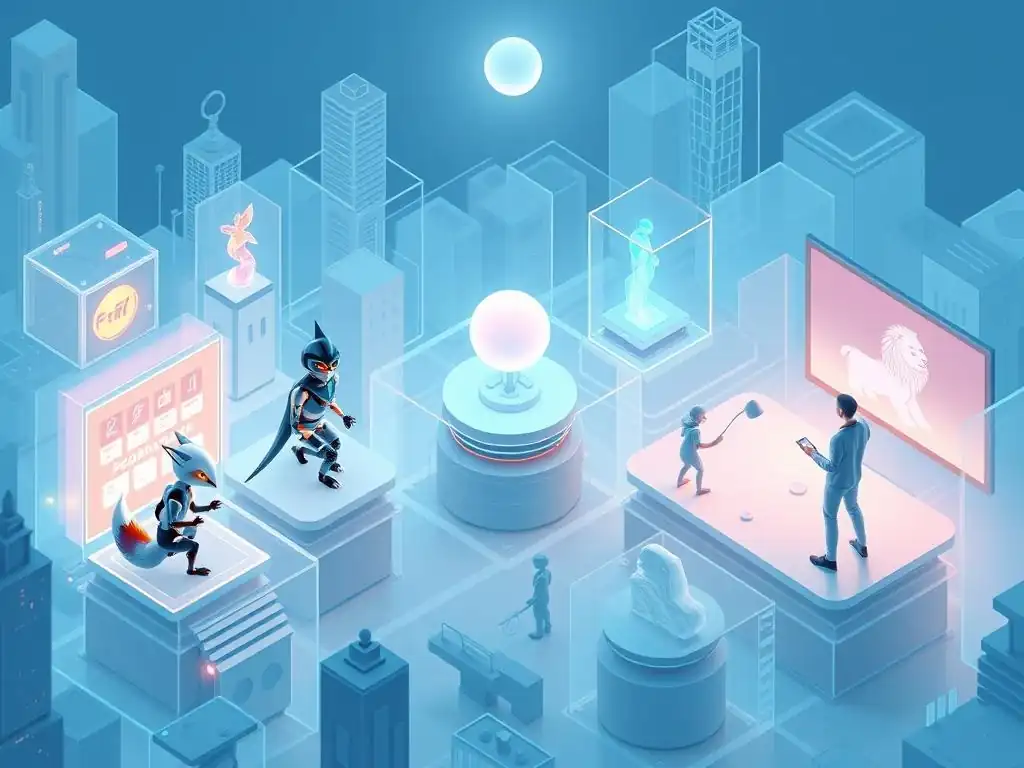
The gaming industry is at the forefront of adopting NFT collectibles, revolutionizing in-game asset ownership and introducing play-to-earn mechanics. Traditionally, in-game items purchased or earned within games are confined to that specific game's ecosystem, with players having no real ownership or control outside of the game.
NFTs change this paradigm by representing in-game assets – such as weapons, characters, virtual land within games, and cosmetic items – as unique, tradable tokens on a blockchain. This shift empowers players with true ownership of their in-game assets, allowing them to buy, sell, and trade these assets outside of the game's controlled environment.
The integration of NFTs has also given rise to play-to-earn gaming models, where players can earn cryptocurrency or NFT rewards by playing games. Games like Axie Infinity and The Sandbox exemplify this model, where players can earn tokens by participating in gameplay, completing quests, or trading NFT assets. This play-to-earn approach is transforming the gaming landscape, creating new economic opportunities for players and fostering more engaged and player-centric gaming communities. NFT collectibles metaverse applications in gaming are not just about digital ownership; they are about creating new forms of entertainment, economic participation, and player empowerment.
Virtual Land: Ownership and Development of Digital Real Estate
Virtual land NFTs are a defining feature of many metaverse platforms, representing ownership of parcels of digital real estate within these virtual worlds. Platforms like Decentraland, The Sandbox, and Cryptovoxels offer users the opportunity to purchase, own, and develop virtual land represented as NFTs.
Owning virtual land in the metaverse is akin to owning physical land in the real world, granting users the ability to build, create experiences, host events, and even monetize their digital properties. The scarcity of virtual land, often limited in supply within each metaverse platform, contributes to its value as an NFT collectible and a digital asset.
Users can develop their virtual land in various ways, from building virtual stores and galleries to creating interactive games and social spaces. Brands are also increasingly acquiring virtual land NFTs to establish a presence in the metaverse, creating virtual storefronts, hosting virtual events, and engaging with consumers in immersive digital environments.
The market for virtual land NFTs has seen significant growth, with plots of land selling for substantial sums, reflecting the growing demand for digital real estate and the potential for value appreciation. Virtual land NFTs are a cornerstone of the metaverse economy, enabling ownership, creativity, and commerce within these evolving digital landscapes and showcasing compelling NFT collectibles metaverse applications.
Fashion: Digital Avatars and Wearable NFTs
The fashion industry is embracing NFT collectibles to create digital fashion for avatars and wearable NFTs, tapping into the growing trend of digital self-expression and metaverse identity. Digital avatars are virtual representations of users within metaverse platforms, and wearable NFTs are digital clothing and accessories that avatars can wear. Luxury fashion brands like Gucci, Balenciaga, and Louis Vuitton have entered the NFT space, releasing limited-edition digital fashion collections as NFTs. These digital wearables allow users to customize their avatars, express their style in the metaverse, and showcase their digital fashion collections.
The appeal of digital fashion NFTs extends beyond aesthetics. Some wearable NFTs offer in-game utility or exclusive access to metaverse events. The digital fashion market is rapidly expanding, with platforms dedicated to buying, selling, and trading wearable NFTs emerging. This trend reflects the increasing importance of digital identity and self-expression in online environments, particularly within the metaverse. Digital fashion NFTs are not just about virtual clothing; they are about creating new forms of digital identity, self-expression, and fashion consumption in the metaverse, demonstrating innovative NFT collectibles metaverse applications.
Music: Exclusive Content and Fan Engagement Through NFTs
The music industry is leveraging NFT collectibles to offer exclusive content and foster deeper fan engagement, exploring new revenue streams and creative possibilities beyond traditional music distribution models. Musicians are releasing music NFTs that can represent ownership of songs, albums, or even exclusive experiences, such as access to private concerts or backstage passes. Music NFTs can also include exclusive content, such as unreleased tracks, behind-the-scenes footage, or personalized messages for NFT holders. These NFTs offer fans a new way to support their favorite artists directly and gain access to unique and valuable digital collectibles.
Platforms dedicated to music NFTs are emerging, facilitating the creation, distribution, and trading of music-related NFTs. Music NFTs are also fostering stronger artist-fan relationships, creating communities around digital collectibles and enabling artists to interact directly with their most dedicated fans.
Beyond exclusive content, music NFTs can also incorporate royalty splits, allowing fans to participate in the financial success of their favorite artists. This integration of NFTs into the music industry is transforming how music is created, distributed, and consumed, opening up new avenues for artist revenue and fan engagement and highlighting exciting NFT collectibles metaverse applications within the music and entertainment sectors.
Valuation Metrics: Scarcity, Utility, and Provenance
Investing in NFT collectibles requires understanding the key valuation metrics that drive their market value. Scarcity is a fundamental factor, as the limited supply of an NFT collectible often contributes to its desirability and potential price appreciation. Projects like CryptoPunks and Bored Ape Yacht Club, with their fixed supply of 10,000 NFTs, exemplify the impact of scarcity on value.
Utility is another crucial metric; NFTs that offer practical use cases within metaverse platforms or games, such as access to exclusive content or in-game advantages, tend to hold greater value. For example, virtual land NFTs in popular metaverse platforms have utility and therefore often command higher prices.
Provenance, or the history of ownership and authenticity of an NFT, also plays a significant role in valuation. NFTs with a well-documented history, created by reputable artists or associated with notable events, are generally considered more valuable. The verifiable ownership record on the blockchain ensures provenance, making it a key factor in assessing the authenticity and desirability of NFT collectibles. Beyond these core metrics, community support, artistic merit, and cultural relevance also influence NFT valuations. Analyzing these factors is crucial for navigating the NFT market and making informed investment decisions in NFT collectibles metaverse applications.
NFT Marketplaces: Platforms for Buying, Selling, and Trading
NFT marketplaces are online platforms that facilitate the buying, selling, and trading of NFT collectibles. These marketplaces provide the infrastructure for users to discover, browse, and transact NFTs across various categories and blockchains. OpenSea is currently the largest and most well-known general NFT marketplace, supporting a wide range of NFTs across multiple blockchains. Other prominent marketplaces include Nifty Gateway, known for its curated digital art drops, and Rarible, which emphasizes creator empowerment and community governance. Specialized marketplaces also exist, focusing on specific categories like music NFTs or metaverse-related NFTs.
NFT marketplaces typically operate using either a fixed-price listing or auction-based system. Buyers can browse NFT listings, view details about each collectible, and place bids or purchase NFTs directly. Marketplaces often provide tools for analyzing NFT data, such as sales history and floor prices, to help users make informed trading decisions. Choosing reputable and secure NFT marketplaces is essential for navigating the NFT market safely and efficiently. These platforms are the gateways to participating in the NFT collectible ecosystem and exploring the vast landscape of NFT collectibles metaverse applications.
Security Best Practices: Protecting Digital Assets from Theft
Securing NFT collectibles is paramount in the digital asset space, as theft and scams are potential risks. Implementing robust security best practices is crucial for protecting your digital assets. Using a hardware wallet, such as Ledger or Trezor, is highly recommended for storing NFTs and cryptocurrencies offline, significantly reducing the risk of online hacking. Hardware wallets provide an extra layer of security by keeping your private keys offline and requiring physical confirmation for transactions. Being cautious of phishing scams is also essential; never click on suspicious links or enter your wallet seed phrase or private keys on untrusted websites.
Two-factor authentication (2FA) should be enabled on all accounts associated with your NFTs, including marketplace accounts and email accounts. This adds an extra layer of security beyond passwords. Regularly reviewing and revoking access permissions for your wallet is also a good practice, ensuring that only trusted applications have access to your NFTs. Educating yourself about common NFT scams and staying informed about security best practices is vital for protecting your digital assets and navigating the NFT space safely. Prioritizing security is crucial for long-term participation in the NFT collectible market and enjoying the benefits of NFT collectibles metaverse applications.
Market Trends: Analyzing the Future of NFT Investments
Analyzing market trends is crucial for understanding the evolving landscape of NFT investments and anticipating future opportunities. The NFT market has experienced periods of rapid growth and volatility, and staying informed about current trends is essential for making informed investment decisions. One notable trend is the increasing focus on utility beyond pure collectibility. NFTs that offer real-world or metaverse utility, such as access to exclusive communities, in-game functionalities, or real-world benefits, are gaining traction. The integration of NFTs into metaverse platforms and gaming ecosystems is a significant trend, driving demand for NFTs that enhance these digital experiences.
Another emerging trend is the diversification of NFT categories beyond art and collectibles, with music NFTs, virtual land NFTs, and digital fashion NFTs gaining prominence. The development of more sophisticated valuation metrics and analytical tools is also contributing to a more mature and informed NFT market. However, market volatility remains a factor, and investors should be aware of the risks associated with NFT investments. Analyzing market trends, understanding the underlying value drivers, and conducting thorough research are crucial for navigating the NFT market and identifying promising NFT collectibles metaverse applications for investment.
The Future of NFT Collectibles
Long-Term Potential: Utility Beyond Speculation
The long-term potential of NFT collectibles extends far beyond speculative investments, driven by their inherent utility and transformative impact on digital ownership. While the initial NFT boom was fueled in part by speculation, the underlying value proposition of NFTs lies in their ability to represent and manage digital assets in a verifiable and decentralized manner.
As the metaverse continues to develop, NFTs will become increasingly integral to digital identities, virtual economies, and online experiences. The utility of NFTs in areas like gaming, virtual land ownership, digital fashion, and music is already evident, and these applications are expected to expand and evolve.
Beyond entertainment and collectibles, NFTs have the potential to revolutionize industries such as ticketing, intellectual property management, and supply chain tracking. The ability to represent unique digital or even physical assets as NFTs opens up a vast array of use cases, extending their utility beyond the current focus on art and collectibles. The long-term success of NFT collectibles hinges on realizing this broader utility and demonstrating their value in practical applications across various sectors. Moving beyond pure speculation and focusing on utility-driven NFT collectibles metaverse applications will be key to their sustainable growth and long-term impact.
Scalability Solutions: Layer-2 and Sharding
Scalability is a critical challenge for the widespread adoption of NFT collectibles, particularly as transaction volumes increase and metaverse applications become more complex. Many popular blockchains used for NFTs, such as Ethereum, face limitations in transaction throughput and high gas fees, which can hinder the scalability of NFT ecosystems. Layer-2 scaling solutions, such as rollups and sidechains, are designed to address these scalability issues by processing transactions off-chain while maintaining the security and decentralization of the main blockchain. These solutions can significantly increase transaction speeds and reduce gas fees, making NFT transactions more efficient and accessible.
Sharding is another promising scalability solution, which involves dividing a blockchain into multiple shards, each capable of processing transactions independently. This parallel processing approach can dramatically increase the overall transaction throughput of the blockchain. The development and implementation of these scalability solutions are crucial for supporting the growth of the NFT market and enabling the seamless integration of NFT collectibles into metaverse applications. Scalable blockchain infrastructure is essential for ensuring that NFT ecosystems can handle the demands of a growing user base and the increasing complexity of NFT use cases.
Creator Economy: Empowering Artists and Building Communities
NFT collectibles are empowering creators and fostering stronger communities around digital assets, contributing to the growth of the creator economy. NFTs provide artists and creators with new avenues for monetization, allowing them to sell their digital creations directly to collectors and bypass traditional intermediaries. The built-in royalty mechanisms in many NFT platforms ensure that creators continue to earn a percentage of secondary market sales, providing ongoing revenue streams. This direct-to-consumer model empowers creators to retain greater control over their work and build closer relationships with their audience.
NFT collectibles are also fostering the formation of vibrant online communities around digital assets. Owning an NFT from a particular collection often grants access to exclusive communities, online forums, and real-world events, creating a sense of belonging and shared ownership among collectors. These communities can become powerful drivers of value and engagement, further empowering creators and fostering a more collaborative and supportive ecosystem. The creator economy, fueled by NFT collectibles, is transforming how digital content is created, distributed, and consumed, empowering artists and building thriving communities around NFT collectibles metaverse applications.
Regulatory Landscape: Legal Considerations and Compliance
The regulatory landscape for NFT collectibles is still evolving, with legal considerations and compliance requirements becoming increasingly important as the market matures. Governments and regulatory bodies worldwide are beginning to examine the legal status of NFTs and their implications for areas such as securities law, taxation, and intellectual property rights. The classification of NFTs as securities or commodities is a key area of regulatory focus, as this determination can have significant implications for compliance requirements. Taxation of NFT transactions and ownership is also under scrutiny, with varying regulations emerging in different jurisdictions.
Intellectual property rights related to NFTs are another important legal consideration. While NFTs represent ownership of a digital asset, the underlying intellectual property rights may still reside with the original creator. Understanding the legal framework surrounding NFTs is crucial for both creators and investors to ensure compliance and mitigate potential risks. As the NFT market continues to grow, regulatory clarity and industry-wide standards will be essential for fostering a sustainable and legally sound ecosystem for NFT collectibles metaverse applications.
Conclusion: Embracing the Future of Digital Ownership
NFTs: Transforming Ownership and Digital Identity
NFTs are fundamentally transforming the concept of digital ownership and shaping the future of digital identity. By providing verifiable ownership and scarcity in the digital realm, NFTs are empowering individuals with greater control over their digital assets and online identities. This shift towards user-centric digital ownership is a paradigm shift, moving away from centralized platforms and towards a more decentralized and user-controlled internet. NFTs are not just about digital collectibles; they represent a broader movement towards digital sovereignty and individual empowerment in the digital age.
The ability to represent digital identities as NFTs is also revolutionizing how users interact within online environments, particularly in the metaverse. NFT avatars, digital credentials, and access keys are enhancing metaverse experiences, creating more personalized, secure, and user-controlled virtual worlds. This transformation of digital ownership and identity is at the heart of the NFT revolution, paving the way for a more open, decentralized, and user-empowered digital future, driven by the innovative applications of NFT collectibles.
The Metaverse Evolution: NFTs as Building Blocks
As the metaverse continues to evolve, NFTs are emerging as fundamental building blocks, essential for creating robust, interoperable, and user-owned virtual worlds. NFTs provide the infrastructure for digital ownership, virtual economies, and decentralized governance within the metaverse. From virtual land and in-game assets to digital fashion and access keys, NFTs are powering the diverse applications and experiences within metaverse platforms. The interoperability of NFTs across different metaverse ecosystems will be crucial for realizing the vision of a truly interconnected and open metaverse.
The future of the metaverse is inextricably linked to the continued development and adoption of NFT technology. NFTs are not just a passing trend; they are a foundational technology that is reshaping the digital landscape and enabling a new era of digital ownership and immersive online experiences. Embracing the potential of NFTs and fostering innovation in NFT collectibles metaverse applications is essential for building the next generation of the internet and realizing the full potential of the metaverse.
Frequently Asked Questions
What are NFT collectibles and how do they differ from regular NFTs?
NFT collectibles are unique, non-fungible tokens representing digital assets, such as art, music, or virtual items. Unlike regular NFTs, which might represent deeds or contracts, collectibles are primarily valued for their rarity and collectible value.
How are NFT collectibles being utilized within metaverse applications?
NFT collectibles are becoming integral parts of the metaverse experience, acting as avatars, virtual land deeds, or in-game items. They offer users a way to own and trade digital assets within virtual worlds, fostering a sense of community and ownership.
What are some potential risks associated with investing in NFT collectibles?
Investing in NFT collectibles carries risks, including price volatility, the potential for fraudulent schemes, and the lack of clear regulation in the NFT market. Thorough research and caution are essential before making any investments.
How does blockchain technology enable the creation and trading of NFT collectibles?
Blockchain technology provides a secure and transparent platform for creating, authenticating, and trading NFT collectibles. The blockchain's immutability ensures the provenance and ownership of each NFT, making transactions verifiable and trustworthy.
What future trends are expected in the NFT collectibles metaverse applications space?
Future trends include increased interoperability between different metaverse platforms, greater integration of NFT collectibles into gaming experiences, and the development of more sophisticated valuation models for these digital assets.
Final Reflection: Embracing the Metaverse Revolution Through NFT Collectibles
The journey through the expanding world of NFT collectibles reveals a profound shift in how we perceive ownership, community, and digital identity. The convergence of NFTs and the metaverse is no longer a futuristic concept, but a present-day reality reshaping industries and redefining user experiences. From virtual real estate to interactive avatars, the applications of NFT collectibles are rapidly evolving, creating unprecedented opportunities for creators, collectors, and businesses alike.
This exploration has highlighted the transformative power of NFTs, not just as digital art, but as keys to unlocking immersive experiences within the metaverse. Witnessing this evolution firsthand underscores the importance of understanding and engaging with this technology, as it promises to redefine social interaction and economic models in the digital realm. The metaverse is coming, and it will affect every product, company, and person that exists.
- Matthew Ball, Metaverse Expert. This quote perfectly encapsulates the pervasive influence the metaverse, fueled by NFT collectibles, will have on our future.
As we stand on the cusp of this metaverse revolution, let us embrace the possibilities and navigate the challenges with open minds and a spirit of innovation. Consider how you can leverage the power of NFT collectibles to create, connect, and contribute to this emerging digital landscape. The future of the metaverse is being written now, and your participation will shape its narrative.
Unveil Your Metaverse Adventure: Start Collecting!
Thank you for exploring the exciting world of NFT collectibles and their journey into the Metaverse. We hope you gained valuable insights into this rapidly evolving space and its potential beyond digital art. Now, it's time to turn that knowledge into action.
Are you ready to get started? Here are some steps to begin your NFT journey:
- Begin by acquiring your first collectible. Browse popular marketplaces and select an NFT that aligns with your interests and budget. This will be your entry point into experiencing the Metaverse!
- Expand your understanding by researching different blockchain platforms and their NFT ecosystems. Consider exploring options beyond Ethereum to discover a variety of opportunities.
- Share your enthusiasm for NFTs! Engage with fellow enthusiasts on social media, participate in online discussions, and help raise awareness about the innovative possibilities NFTs offer.
What unique NFT collectible are you most excited to add to your virtual collection, and why? Share your thoughts in the comments below!
Leave a Reply