
The Impact of Decentralized Social Media on Free Speech

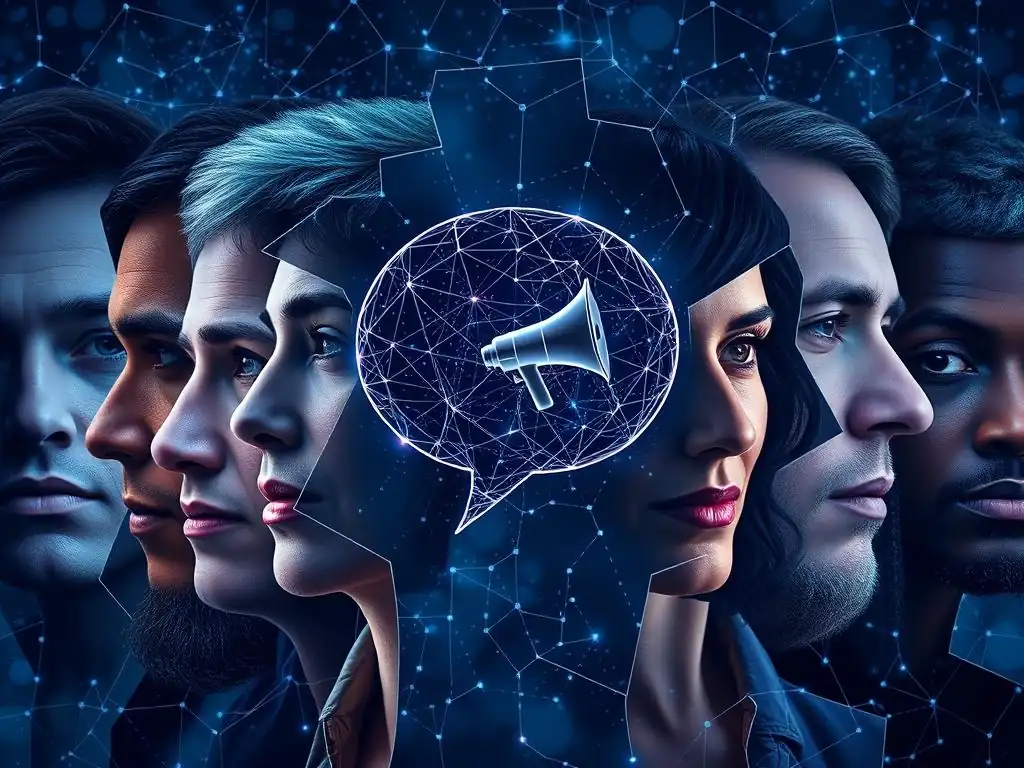
Welcome to Blockchain Trends, your compass in the rapidly evolving world of decentralized technologies! Beyond the hype surrounding cryptocurrencies, we delve into the real-world applications and disruptive potential of blockchain. Curious about how blockchain is revolutionizing content creation and media? Our featured article explores the groundbreaking impact of decentralized social media on free speech, offering a fresh perspective on online expression. Discover how this technology is poised to reshape the digital landscape and empower individuals. Intrigued? Read on to learn more and unlock the possibilities!
The Impact of Decentralized Social Media on Free Speech
- Introduction: Decentralized Social Media and the Promise of Unfettered Free Speech
- Understanding Decentralized Social Media Platforms
- The Argument for Enhanced Free Speech on Decentralized Platforms
- Exploring the Challenges and Potential Drawbacks
- Decentralized Social Media Free Speech: Real-World Examples and Case Studies
- The Role of Governance in Decentralized Social Media
- The Future of Decentralized Social Media and Free Speech
- Conclusion: Decentralized Social Media - A Complex Landscape for Free Speech
-
Frequently Asked Questions
- How does decentralized social media differ from traditional social media platforms?
- What are the potential benefits of decentralized social media for free speech?
- What are the main challenges facing the adoption of decentralized social media?
- How might decentralized social media platforms address content moderation concerns related to harmful speech?
- What is the future outlook for decentralized social media and its impact on free speech?
- Final Reflection: Empowering Voices Through Decentralization
- Ignite Your Voice: Embrace Decentralized Freedom!
The digital age has revolutionized communication, and social media platforms have become central to public discourse. However, the concentration of power in the hands of a few centralized social media giants has sparked concerns about censorship, data privacy, and the manipulation of information. Decentralized social media platforms, built on blockchain technology, emerge as a potential solution, promising a paradigm shift in how we interact online, particularly regarding free speech.
These platforms aim to return control to users, fostering an environment where expression is less susceptible to arbitrary moderation and corporate interests. The core promise of decentralized social media is to provide a digital space where free speech is not just a policy, but a fundamental architectural principle.
This article delves into the multifaceted impact of decentralized social media on free speech. We will explore how the inherent characteristics of blockchain technology underpin this promise, examine the practical challenges and potential drawbacks, and analyze real-world examples to understand the complexities of implementing free speech in decentralized online environments. Ultimately, we aim to provide a balanced perspective on whether decentralized social media can truly deliver on its promise of unfettered free speech and what the implications are for the future of online communication.
Decentralized social media represents a fundamental departure from the traditional model of centralized platforms like Facebook, X (formerly Twitter), and Instagram. At its core, decentralized social media leverages blockchain technology to distribute control and data across a network of users, rather than concentrating it in a single entity.
This means there is no single point of failure or control; the platform's infrastructure is maintained by a distributed network of nodes, often run by volunteers or users incentivized through tokens or other mechanisms. This architecture inherently resists censorship and single-entity control, as there is no central authority that can unilaterally decide what content is allowed or who can participate.
The blockchain foundation ensures transparency and immutability. Every action on the platform, from posting content to following users, is recorded on the blockchain, creating an auditable and permanent record. This transparency extends to the platform's rules and governance, which are often encoded in smart contracts, making them publicly verifiable and resistant to arbitrary changes. Furthermore, blockchain enables users to own their data. In contrast to centralized platforms that profit from user data, decentralized social media platforms often allow users to control their data and even monetize it directly, fostering a more equitable and user-centric ecosystem.
Decentralized social networks are characterized by several key features that distinguish them from their centralized counterparts. Firstly, censorship resistance is paramount. Due to the distributed nature of the blockchain, there's no single entity to pressure or shut down the platform or specific content. Content removal would require a consensus across a vast network, making it significantly more difficult to censor speech, even if controversial.
Secondly, user data ownership is a core principle. Users typically control their private keys and, consequently, their data. This contrasts sharply with centralized platforms where user data is a valuable asset owned and controlled by the company.
Another crucial feature is transparency and immutability. As mentioned earlier, transactions and content are recorded on the blockchain, providing a verifiable and tamper-proof history. This transparency can foster trust and accountability within the network. Furthermore, many decentralized social media platforms incorporate cryptocurrency and tokenomics.
These platforms often utilize native tokens for various functions, such as rewarding content creators, incentivizing node operators, or governing the platform. This tokenized economy can create new economic models for creators and users, moving away from advertising-driven revenue models prevalent in centralized social media. Finally, open-source nature is common in decentralized platforms. The code is often publicly available, allowing for community audits, contributions, and forks, promoting transparency and community-driven development.
The fundamental difference between centralized and decentralized social media lies in governance and control. Centralized platforms, like Facebook or X, are governed by a single corporation. They dictate the terms of service, content moderation policies, algorithms that determine content visibility, and have unilateral control over user data. Decisions are made internally, often with limited transparency and user input. While they may have community guidelines, enforcement is ultimately at the discretion of the platform's moderation teams, which can lead to accusations of bias and inconsistent application of rules.
Decentralized social media, on the other hand, aims for distributed governance and control. Ideally, governance is shared among users, token holders, or node operators. Content moderation policies, platform updates, and other critical decisions are often determined through community consensus mechanisms, such as voting or proposals.
Control over user data is shifted from the platform to the individual user. While decentralized platforms may still have community guidelines, enforcement mechanisms are often more transparent and potentially more resistant to arbitrary decisions, ideally based on community-defined rules rather than the whims of a central authority. This shift in governance and control is at the heart of the promise of enhanced free speech, as it aims to reduce the power of any single entity to dictate the boundaries of online expression.
The Argument for Enhanced Free Speech on Decentralized Platforms
Decentralization as a Shield Against Censorship
Decentralization inherently acts as a potent shield against censorship in the digital realm. In centralized social media, censorship can occur at various levels, from platform-wide content bans to shadow banning individual accounts, all controlled by a single entity. Government pressure, corporate interests, or internal biases can all influence these decisions. However, decentralized platforms, by their very architecture, are designed to resist such centralized censorship efforts. Because no single organization controls the platform's infrastructure, there is no single point of pressure or failure.
Shutting down a decentralized platform or censoring specific content becomes significantly more complex. It would require a coordinated attack on a distributed network, a task that is technically and logistically challenging. Furthermore, the immutability of blockchain records ensures that once content is published, it is exceedingly difficult to remove or alter retroactively. This inherent resistance to censorship is a cornerstone of the argument for enhanced free speech on decentralized platforms, offering users a space where their voices are less vulnerable to suppression by centralized authorities.
How Blockchain Technology Protects User Expression
Blockchain technology underpins the free speech protections offered by decentralized social media in several key ways. Firstly, distributed ledger technology ensures that content is not stored in a single, vulnerable location but is replicated across numerous nodes. This redundancy makes it incredibly difficult to erase or censor information permanently. Even if some nodes are taken offline, the network can continue to function, and the content remains accessible from other nodes.
Secondly, cryptographic security plays a vital role. Blockchain utilizes cryptography to secure transactions and user identities, providing a level of security and privacy that is often lacking in centralized systems. This security protects user expression by making it more difficult for malicious actors to tamper with content or silence users through account takeovers or other forms of cyberattacks.
Furthermore, smart contracts can be used to encode the platform's rules and governance mechanisms transparently and immutably. Content moderation policies, for instance, can be defined in smart contracts, ensuring that they are consistently applied and resistant to arbitrary changes by platform administrators. The combination of distributed ledger technology, cryptography, and smart contracts creates a robust technical foundation for protecting user expression and fostering a more censorship-resistant online environment.
Resistance to Platform Manipulation and Content Suppression
Beyond censorship resistance, decentralized social media platforms offer increased resistance to platform manipulation and content suppression tactics often seen on centralized platforms. Algorithms on centralized platforms are often opaque and proprietary, leading to concerns about algorithmic bias, filter bubbles, and the manipulation of information feeds to serve commercial or political agendas. These algorithms can inadvertently or intentionally suppress certain viewpoints or limit the reach of specific types of content.
Decentralized platforms, in contrast, often aim for greater algorithmic transparency or even user-configurable algorithms. Some platforms allow users to choose their own algorithms or to contribute to the development of open-source algorithms, giving them more control over their content feeds and reducing the potential for algorithmic manipulation.
Furthermore, the tokenized economies of some decentralized platforms can incentivize user engagement and content creation in ways that are less susceptible to manipulation than advertising-driven models. By rewarding users directly for their contributions, these platforms can foster a more diverse and authentic content ecosystem, less influenced by the metrics and incentives that drive manipulation on centralized platforms. The combination of algorithmic transparency, user control, and alternative economic models contributes to a more resilient and less manipulable environment for online discourse, further enhancing the potential for free speech.
Exploring the Challenges and Potential Drawbacks
The Spread of Misinformation and Disinformation on Decentralized Networks
While the promise of enhanced free speech on decentralized social media is compelling, it is crucial to acknowledge the potential drawbacks and challenges. One of the most significant concerns is the potential for the unchecked spread of misinformation and disinformation. In an environment with minimal content moderation, false or misleading information can proliferate rapidly, potentially causing real-world harm. Centralized platforms, despite their flaws, often invest significant resources in fact-checking and content moderation to combat misinformation, albeit with varying degrees of effectiveness and amidst criticisms of bias.
Decentralized platforms, lacking a central authority, face a more complex challenge in addressing misinformation. While decentralization offers censorship resistance, it also removes a readily available mechanism for content removal, even when demonstrably false or harmful. Relying solely on community moderation or algorithmic solutions to combat misinformation in a decentralized environment is still largely untested and faces significant hurdles in terms of scalability, effectiveness, and potential for manipulation by malicious actors. The challenge is to find mechanisms to mitigate the spread of misinformation without undermining the core principles of free speech and decentralization.
Moderation Challenges in a Decentralized Environment
Content moderation in a decentralized environment presents unique and significant challenges. Traditional content moderation relies on centralized teams that enforce platform-wide rules and guidelines. In decentralized platforms, this centralized model is absent by design.
While the absence of centralized moderation is a key feature for free speech advocates, it also creates difficulties in addressing harmful content, hate speech, illegal activities, and other forms of undesirable behavior. Community-based moderation, often proposed as a solution, faces its own set of challenges. Scaling community moderation to handle large volumes of content, ensuring fairness and consistency in moderation decisions, and preventing moderation systems from being gamed or manipulated are all complex issues.
Different decentralized platforms are experimenting with various moderation models, including reputation systems, decentralized autonomous organizations (DAOs) for governance, and algorithmic moderation tools. However, no single solution has emerged as universally effective, and the ideal balance between free speech and responsible moderation in decentralized environments remains an ongoing area of experimentation and debate. The challenge is to develop moderation mechanisms that are effective in mitigating harm without replicating the censorship concerns associated with centralized platforms.
Difficulty in Enforcing Community Guidelines and Legal Standards
Enforcing community guidelines and legal standards is significantly more complex in decentralized social media compared to centralized platforms. Centralized platforms operate under the legal jurisdiction of the countries where they are based and where their users reside. They can be compelled by legal authorities to remove illegal content, comply with court orders, and cooperate with law enforcement. Decentralized platforms, with their distributed infrastructure and often anonymous or pseudonymous users, operate in a more legally ambiguous space. Determining jurisdiction, identifying responsible parties, and enforcing legal standards across a decentralized network are all complex legal and technical challenges.
Even enforcing community guidelines, which are less legally binding than legal standards, is difficult. While community moderation can address some violations, enforcing more serious infractions or dealing with persistent rule-breakers can be challenging without a central authority with enforcement powers.
The lack of clear legal frameworks and enforcement mechanisms for decentralized platforms raises concerns about accountability and the potential for these platforms to become havens for illegal activities or harmful content that would be prohibited on centralized platforms. Finding ways to balance decentralization with responsible platform management and compliance with legal standards is a critical challenge for the future of decentralized social media.

Mastodon: Examining its Free Speech Policies and Implementation
Mastodon, a decentralized microblogging platform, provides a compelling case study for examining free speech policies in practice. Mastodon is a federated network of independently run servers (instances), each with its own moderation policies. This federated structure embodies decentralization, as no single entity controls the entire network. While Mastodon promotes free speech, it is not a free-for-all. Individual instances are responsible for setting and enforcing their own rules, which can vary significantly. Some instances may have stricter moderation policies than others, banning hate speech, harassment, or misinformation, while others may adopt a more permissive approach.
This federated model offers users a degree of choice. Users can choose to join instances that align with their own free speech values and moderation preferences. However, it also creates a fragmented landscape where free speech is not uniformly defined or protected across the entire network.
While Mastodon instances generally respect the principle of free expression, they also recognize the need to balance it with community safety and the prevention of harmful content. Instances often rely on community moderation and reporting mechanisms to enforce their policies, and users who violate the rules of a particular instance can be banned from that instance, although they may still be able to participate in other parts of the Mastodon network.
Steemit: A Case Study of Content Moderation Decisions
Steemit, one of the earlier blockchain-based social media platforms, offers a valuable case study in content moderation decisions within a decentralized context. Steemit, built on the Steem blockchain, rewarded content creators and curators with cryptocurrency. While promoting free speech was a core tenet, Steemit also faced challenges related to spam, plagiarism, and low-quality content.
Initially, Steemit relied heavily on community voting and downvoting to moderate content. Users could flag content they deemed inappropriate, and content with too many downvotes could be hidden or penalized. However, this system faced criticisms of being susceptible to manipulation, with powerful users or groups potentially downvoting content they disagreed with, even if it did not violate any explicit rules.
Steemit's experience highlights the difficulties of relying solely on community-based moderation, particularly in a system where users have financial incentives to manipulate the system. Over time, Steemit experimented with different moderation approaches, including algorithmic tools and more formalized moderation roles. The platform's evolution demonstrates the ongoing challenge of balancing free speech with the need to maintain a healthy and functional social media environment, even in a decentralized setting. Steemit's journey underscores that decentralization alone does not automatically solve the complexities of content moderation and that ongoing adaptation and experimentation are necessary.
Analyzing User Experiences and Perspectives on Free Speech
Analyzing user experiences and perspectives on free speech within decentralized social media platforms is crucial to understanding the practical implications of these platforms. Anecdotal evidence and limited user surveys suggest a mixed bag of experiences. Some users appreciate the greater control and censorship resistance offered by decentralized platforms, feeling more empowered to express themselves freely without fear of arbitrary moderation. They value the ability to engage in discussions that might be restricted or suppressed on centralized platforms. For these users, decentralized social media represents a welcome alternative to the perceived censorship and algorithmic manipulation of mainstream platforms.
However, other users express concerns about the lack of robust moderation, the potential for encountering harmful content, and the challenges of navigating decentralized environments. The fragmented nature of some decentralized networks, like Mastodon, can also be seen as a drawback by users accustomed to the more unified experience of centralized platforms. Furthermore, the technical complexities and user interfaces of some decentralized platforms can be barriers to entry for less tech-savvy users.
Understanding the diverse range of user experiences and perspectives is essential for evaluating the success and limitations of decentralized social media in promoting free speech and creating viable alternatives to centralized platforms. More comprehensive user research is needed to gain a deeper understanding of these experiences and inform the future development of decentralized social media.
Different Governance Models for Decentralized Platforms
Governance is a critical aspect of decentralized social media, shaping how platforms are managed, how rules are made and enforced, and ultimately, how free speech is balanced with other considerations. Various governance models are being explored and implemented in decentralized platforms, each with its own strengths and weaknesses. One common model is token-based governance.
Platforms distribute governance tokens to users, often based on their contributions or engagement. Token holders can then vote on proposals related to platform updates, content moderation policies, or resource allocation. This model aims to distribute decision-making power among active users and align incentives with the platform's long-term success.
Another model is DAO (Decentralized Autonomous Organization) governance. DAOs are organizations governed by code and smart contracts, with rules and decision-making processes encoded on the blockchain. DAOs can be used to manage decentralized social media platforms, automating governance processes and ensuring transparency and immutability. Federated governance, as seen in Mastodon, involves distributing governance across independent instances.
Each instance is responsible for governing itself, while broader network-level governance may be achieved through agreements or protocols between instances. Hybrid models also exist, combining elements of token-based, DAO, and federated governance to create more nuanced and adaptable governance structures. The choice of governance model significantly impacts the balance of power, the efficiency of decision-making, and the overall direction of the decentralized platform.
Community-Driven Content Moderation: Approaches and Effectiveness
Community-driven content moderation is often touted as a key advantage and a necessary approach for decentralized social media platforms. In the absence of centralized moderation teams, decentralized platforms often rely on their communities to identify and address problematic content. Various approaches to community moderation are being implemented. Reputation systems are common, where users gain or lose reputation based on their behavior and contributions.
Users with higher reputation may have greater influence in moderation decisions or be trusted to flag content more effectively. Voting mechanisms allow users to vote on content flags or moderation proposals, enabling collective decision-making. Decentralized moderation tools are also emerging, providing users with tools to filter content, block users, or create custom moderation rules for their own feeds.
The effectiveness of community-driven moderation is still under evaluation. While it aligns with the principles of decentralization and user empowerment, it also faces challenges. Ensuring fairness and preventing bias in community moderation is crucial. Systems can be gamed or manipulated by coordinated groups or malicious actors.
Scaling community moderation to handle large volumes of content and diverse communities is also a significant challenge. Furthermore, the effectiveness of community moderation can vary depending on the specific platform, community culture, and the tools and mechanisms implemented. Ongoing research and experimentation are needed to optimize community-driven moderation approaches and assess their long-term viability.
Balancing Free Speech with Responsible Platform Management
Balancing free speech with responsible platform management is a central challenge for decentralized social media. While maximizing free speech is a core goal, platforms also need to address harmful content, illegal activities, and maintain a functional and welcoming environment for users. Finding the right balance is complex and requires careful consideration of various factors. Overly restrictive moderation can stifle free expression and undermine the core value proposition of decentralized platforms. Conversely, insufficient moderation can lead to the proliferation of harmful content, erode user trust, and potentially attract negative legal or regulatory attention.
Achieving this balance requires a nuanced approach that goes beyond simple content removal decisions. Transparency in moderation policies and enforcement is crucial. Users need to understand the rules and how they are applied. Appeals processes and mechanisms for users to challenge moderation decisions are also important for ensuring fairness and accountability. Algorithmic moderation tools, used judiciously and transparently, can assist community moderation efforts and help identify potentially problematic content. Ultimately, responsible platform management in decentralized social media is an ongoing process of adaptation, community engagement, and finding innovative solutions that uphold free speech principles while mitigating potential harms.
Potential for Broader Adoption and Mainstream Integration
The future of decentralized social media and its impact on free speech hinges on its potential for broader adoption and mainstream integration. Currently, decentralized social media platforms remain niche, with relatively small user bases compared to centralized giants. Several factors could contribute to wider adoption. Growing user awareness of data privacy concerns, censorship risks, and the limitations of centralized platforms may drive more users to seek alternatives.
Improvements in user experience and accessibility are crucial. Making decentralized platforms easier to use, more intuitive, and more feature-rich can lower the barriers to entry for mainstream users. Integration with existing web infrastructure and services can also facilitate adoption. Seamless interoperability with other platforms and services can make decentralized social media more convenient and appealing.
Mainstream integration may also depend on the development of robust and scalable decentralized infrastructure. Blockchain technology is constantly evolving, and advancements in scalability, transaction speeds, and energy efficiency can make decentralized platforms more viable for mass adoption. Furthermore, the emergence of compelling use cases and applications beyond free speech advocacy can attract a broader audience. Decentralized platforms with unique features, strong communities, and innovative functionalities have a greater chance of achieving mainstream appeal and driving wider adoption.
The Evolving Regulatory Landscape for Decentralized Platforms
The regulatory landscape for decentralized platforms, including social media, is still evolving and uncertain. Governments and regulatory bodies worldwide are grappling with how to approach decentralized technologies and their implications. Regulation of cryptocurrencies and blockchain technology in general will indirectly impact decentralized social media platforms that utilize these technologies. Content moderation and liability are key regulatory concerns. Governments may seek to hold decentralized platforms accountable for illegal content or harmful speech, even if they lack centralized control. However, applying traditional regulatory frameworks designed for centralized entities to decentralized networks presents significant challenges.
Data privacy regulations, such as GDPR and CCPA, also have implications for decentralized social media. While decentralization can enhance user data privacy, platforms still need to comply with data protection laws. Cross-border regulation is particularly complex, as decentralized platforms often operate globally and transcend national jurisdictions.
The future regulatory landscape will significantly shape the development and adoption of decentralized social media. Regulations that are overly restrictive or ill-suited to the nature of decentralized technologies could stifle innovation and limit the potential benefits for free speech and user empowerment. A balanced and informed regulatory approach is needed to foster responsible innovation while mitigating potential risks.
Long-Term Implications for Online Discourse and Freedom of Expression
The long-term implications of decentralized social media for online discourse and freedom of expression are profound and far-reaching. If decentralized platforms achieve wider adoption, they could fundamentally reshape the online information ecosystem. Increased censorship resistance could lead to a more diverse and less controlled public sphere, where marginalized voices and dissenting opinions have a greater chance to be heard.
Enhanced user data ownership and control could shift the power balance away from centralized corporations and towards individual users, fostering a more equitable and user-centric internet. Algorithmic transparency and user-configurable algorithms could reduce algorithmic bias and manipulation, empowering users to curate their own information experiences.
However, the long-term implications also depend on how the challenges of misinformation, moderation, and governance are addressed. If decentralized platforms fail to effectively mitigate harmful content or become dominated by echo chambers and extremist groups, the promise of enhanced free speech could be undermined.
The future of online discourse and freedom of expression in a decentralized social media landscape will depend on the choices made by platform developers, users, regulators, and society as a whole. Finding the right balance between freedom and responsibility, innovation and regulation, will be crucial in shaping a future where decentralized technologies truly empower individuals and enhance online discourse.
Recap of Key Benefits and Challenges
Decentralized social media offers a compelling vision for the future of online communication, particularly concerning free speech. The key benefits include enhanced censorship resistance, user data ownership, algorithmic transparency, and community-driven governance. These features hold the promise of a more open, equitable, and user-empowered internet, where freedom of expression is more robustly protected. Decentralization offers a technological architecture that inherently resists centralized control and censorship, addressing growing concerns about the power of centralized social media giants.
However, decentralized social media also faces significant challenges. These include the potential for the spread of misinformation and disinformation, complexities of content moderation in decentralized environments, and difficulties in enforcing community guidelines and legal standards. These challenges are not insurmountable, but they require careful consideration, ongoing experimentation, and community-driven solutions. The lack of centralized control, while a benefit for free speech, also presents hurdles in addressing harmful content and maintaining a functional and responsible online environment.
The Ongoing Debate: Finding the Right Balance Between Freedom and Responsibility
The debate surrounding decentralized social media and free speech is ongoing and complex. It is fundamentally about finding the right balance between freedom and responsibility in the digital age. Maximizing free speech is a noble goal, but it must be balanced with the need to mitigate harm, promote responsible online behavior, and maintain a functional and trustworthy information ecosystem. Decentralized social media is not a panacea, and it is not without its risks and limitations. It represents a paradigm shift that requires a nuanced understanding of both its potential benefits and its inherent challenges.
The future of decentralized social media and its impact on free speech will depend on how effectively these challenges are addressed and how thoughtfully the balance between freedom and responsibility is navigated. Ongoing innovation in governance models, moderation mechanisms, and user education will be crucial. Ultimately, the success of decentralized social media in fostering a truly free and open online environment will require a collaborative effort involving developers, users, researchers, policymakers, and the broader community, working together to shape a future where technology empowers freedom of expression in a responsible and sustainable way.
Frequently Asked Questions
Decentralized social media platforms leverage blockchain technology to distribute control, unlike traditional platforms that centralize data and decision-making. This difference impacts data ownership and content moderation policies.
Decentralized platforms can enhance free speech by reducing censorship due to the lack of a single controlling entity. Users may have more control over their data and content.
Challenges include scalability issues, complex user interfaces, and the difficulty of moderating harmful content without a central authority. User adoption remains a significant hurdle.
Solutions often involve community-based moderation systems or algorithmic filtering, but the lack of central control presents challenges in effectively combating hate speech and misinformation. Self-regulation is key.
The future depends on overcoming current challenges and demonstrating sustainable models for content moderation and user experience. Increased focus on user privacy and data sovereignty is essential for wider adoption.
Final Reflection: Empowering Voices Through Decentralization
The exploration of decentralized social media platforms reveals a crucial intersection between technology and fundamental human rights. The promise of unfettered free speech, shielded from centralized control, is no longer a distant ideal but a tangible possibility reshaping the digital landscape. This shift carries profound implications, challenging traditional power structures and offering individuals unprecedented autonomy over their online presence and expression.
The influence of decentralized social media extends far beyond mere technological innovation; it's a cultural and social movement. Witnessing the rise of these platforms underscores the inherent human desire for authentic connection and unfiltered dialogue. I disapprove of what you say, but I will defend to the death your right to say it.
- Voltaire. This quote resonates deeply in the context of decentralized platforms, highlighting the core principle of protecting even dissenting voices, fostering a more robust and inclusive public discourse.
As we navigate this evolving digital frontier, let us embrace the potential of decentralized social media to amplify marginalized voices and foster genuine dialogue. Consider how you can contribute to a more equitable and open online environment, supporting platforms that prioritize free speech and user autonomy. The future of online communication rests on our collective commitment to building a truly decentralized and democratic digital world.
Ignite Your Voice: Embrace Decentralized Freedom!
Thank you for exploring the impact of decentralized social media with Blockchain Trends. We hope you gained valuable insights into how these platforms are transforming free speech. Now, let's turn that knowledge into action and help build a more open and censorship-resistant online world.
Here are a few ways you can get involved:
- Join a decentralized social media platform to experience free speech firsthand. This is your chance to be a pioneer!
- Learn about the governance models and technical foundations of various decentralized social media projects to deepen your understanding.
- Share this article with your network and start a conversation about the future of free speech on the blockchain. Let’s inform more people!
What steps will you take today to promote free speech in the decentralized web?
Leave a Reply