
The Learning Curve of Blockchain for Creators: Getting Started and Thriving

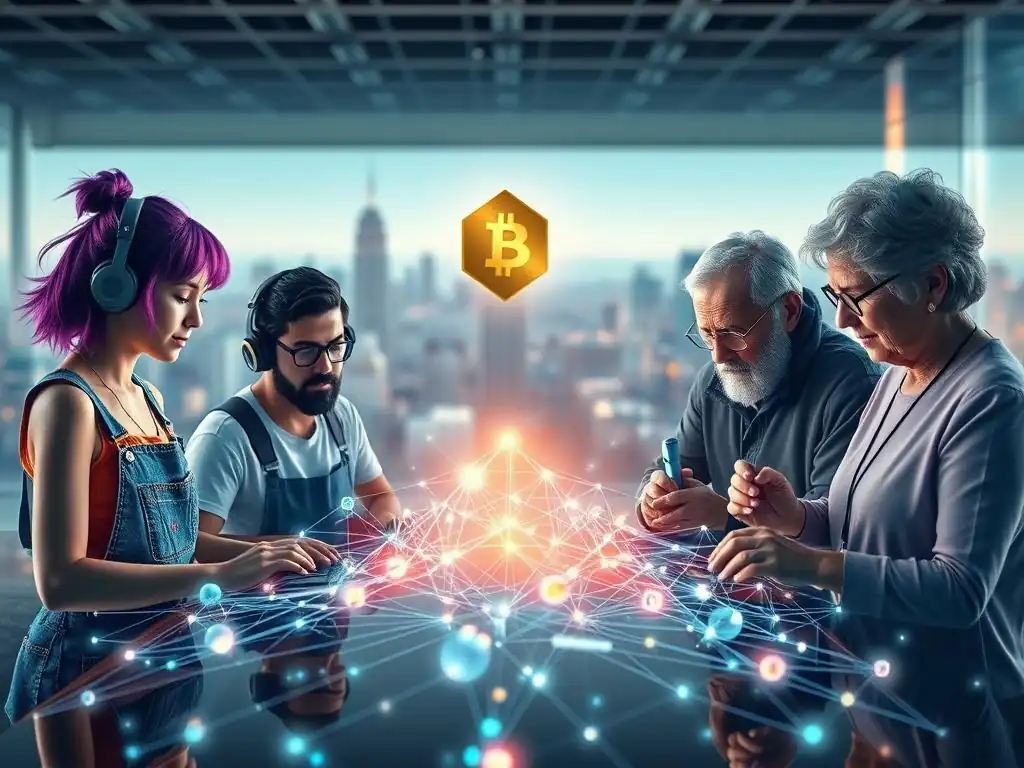
Welcome to Blockchain Trends, your guide to understanding the revolutionary power of blockchain technology. Are you a creative professional looking to leverage this groundbreaking technology? Dive in to discover how Blockchain for creative beginners can unlock new opportunities, protect your work, and revolutionize how you connect with your audience. Curious how blockchain can empower your creativity? Keep reading to uncover the secrets!
The Learning Curve of Blockchain for Musicians: Getting Started and Thriving
- Blockchain for Musical Beginners: An Introduction to the Creator Economy
- Phase 1: Blockchain Basics for Musical Artists
- Phase 2: Exploring Blockchain Monetization Strategies
- Phase 3: Thriving in the Blockchain Music Space
- Phase 4: Overcoming Challenges and Avoiding Pitfalls
- The Future of the Blockchain Music Economy
-
Frequently Asked Questions
- What are the fundamental concepts a creative beginner needs to grasp to understand blockchain?
- How can blockchain be used to protect and monetize creative works?
- What are some practical blockchain applications that creative beginners can start experimenting with today?
- What are the regulatory considerations that creative beginners should be aware of when using blockchain?
- Where can creative beginners find reliable resources and communities to learn more about blockchain?
- Final Reflection: Embracing the Decentralized Future
- Ignite Your Blockchain Journey!
Blockchain for Musical Beginners: An Introduction to the Creator Economy
Understanding the Blockchain Music Economy: Opportunities for Artists
The music industry, while brimming with creativity and passion, has long presented challenges for artists in terms of fair compensation and control over their work. Traditional models often involve intermediaries who take significant cuts of revenue, leaving musicians with a fraction of the earnings generated from their artistic endeavors.
The emergence of blockchain technology offers a paradigm shift, promising to reshape the music economy and empower artists in unprecedented ways. This new landscape, often referred to as the blockchain music economy, leverages decentralized and transparent systems to create direct connections between artists and their fans, fostering new revenue streams and greater autonomy.
Within this blockchain music economy, artists are presented with a wealth of opportunities previously unavailable. Imagine a world where musicians can directly sell their music to fans without relying on streaming platforms or record labels as gatekeepers. Blockchain makes this possible through technologies like Non-Fungible Tokens (NFTs), allowing artists to tokenize their songs, albums, or even concert tickets as unique digital assets.
This not only provides a new avenue for direct sales but also opens doors to innovative forms of fan engagement, such as offering exclusive content or experiences to NFT holders. Furthermore, blockchain facilitates micropayments and royalty distribution in a transparent and efficient manner, ensuring artists receive fair compensation for every stream or play of their music.
Why Musicians Should Explore Blockchain Technology: Key Benefits
For musicians navigating the complexities of the modern music industry, exploring blockchain technology is no longer a futuristic fantasy but a strategic imperative. The benefits are multifaceted, offering solutions to long-standing industry challenges and unlocking new potential for artistic and financial growth. One of the most compelling advantages is increased revenue potential. By utilizing blockchain-based platforms and tools, musicians can bypass traditional intermediaries and retain a larger share of their earnings. Selling music directly to fans through NFTs or participating in decentralized streaming services can significantly improve income streams compared to conventional models.
Beyond financial gains, blockchain empowers musicians with greater control over their creative output and intellectual property. Smart contracts, self-executing agreements coded on the blockchain, can automate royalty payments and ensure artists are automatically compensated whenever their music is used or resold. This transparency and automation minimize disputes and ensure fair compensation.
Moreover, blockchain facilitates community building and direct engagement with fans. Artists can leverage decentralized autonomous organizations (DAOs) to create fan communities where members have a voice in decisions related to the artist's career, fostering a deeper sense of connection and loyalty. This direct interaction, unmediated by traditional platforms, can be invaluable for building a sustainable and engaged fanbase in the digital age.
Phase 1: Blockchain Basics for Musical Artists
Demystifying Blockchain: Essential Concepts for Beginners
For musicians eager to dive into the blockchain realm, understanding the fundamental concepts is the first crucial step. At its core, blockchain is a revolutionary database technology. Imagine a digital ledger that is distributed across numerous computers, making it incredibly secure and transparent. This ledger records transactions in "blocks" that are chained together chronologically and cryptographically secured, hence the name "blockchain". Each block contains a set of verified transactions, and once added to the chain, it becomes immutable, meaning it cannot be altered or deleted. This immutability and decentralization are key features that distinguish blockchain from traditional databases.
Think of blockchain as a shared, transparent record book that everyone can access but no single entity controls. This distributed and transparent nature is what makes blockchain so powerful for various applications, including music. In the context of music, blockchain can track ownership of songs, manage royalties, and facilitate direct transactions between artists and fans without the need for intermediaries. Understanding that blockchain is essentially a secure and transparent system for recording and verifying information is the foundational knowledge musicians need to start exploring its potential in their careers.
Understanding Crypto Wallets: Your Gateway to the Blockchain
To interact with the blockchain world, musicians need a crucial tool: a cryptocurrency wallet. A crypto wallet is essentially a software program or hardware device that allows users to manage their digital assets, such as cryptocurrencies and NFTs. It's not like a physical wallet holding cash; instead, it stores the private keys necessary to access and control your digital assets on the blockchain. Think of it as your digital bank account specifically designed for the decentralized web.
There are various types of crypto wallets, including software wallets (desktop and mobile apps), hardware wallets (physical devices offering enhanced security), and web wallets (browser extensions). For beginners, software wallets like MetaMask or Trust Wallet are popular choices due to their user-friendliness and accessibility.
When setting up a wallet, you will receive a "seed phrase" or "recovery phrase," a series of words that act as a master key to your wallet. It is paramount to securely store this phrase offline, as it's the only way to recover your assets if you lose access to your wallet.
Your wallet will also provide you with public addresses, which are like bank account numbers that you can share to receive cryptocurrencies or NFTs. Understanding how to set up and use a crypto wallet is essential for participating in the blockchain music economy, as it's your gateway to transacting and managing your digital musical assets.
Choosing the Right Blockchain for Your Music [e.g., Ethereum, Solana, Tezos, Audius]
The blockchain ecosystem is not monolithic; various blockchains exist, each with its own characteristics, strengths, and weaknesses. For musicians venturing into this space, choosing the right blockchain to build upon is a significant decision. Ethereum is arguably the most well-known and established blockchain for NFTs and decentralized applications (dApps). It boasts a large and active community, a wide range of tools and resources, and a robust ecosystem for creators. However, Ethereum can sometimes suffer from high transaction fees, known as "gas fees," especially during periods of network congestion.
Solana is another popular blockchain that has gained traction due to its high transaction speed and significantly lower fees compared to Ethereum. This makes it an attractive option for musicians looking to mint and sell NFTs frequently or engage in microtransactions. Tezos is another blockchain known for its energy efficiency and focus on governance, which may appeal to environmentally conscious artists.
Audius, specifically designed for music, is a decentralized streaming platform built on its own blockchain, offering musicians a direct way to share their music and monetize it. When choosing a blockchain, musicians should consider factors like transaction fees, speed, community support, available tools, and the specific functionalities that best align with their goals, whether it's NFT sales, decentralized streaming, or community building. Each blockchain offers a unique environment, and understanding these nuances is key to making an informed decision.
Phase 2: Exploring Blockchain Monetization Strategies
NFTs for Musicians: Minting and Selling Your Music
Non-Fungible Tokens (NFTs) have emerged as a revolutionary tool for musicians to monetize their work and connect with fans in new ways. An NFT is a unique digital asset that represents ownership of a specific item, in this case, a piece of music, artwork, or even a collectible experience. Unlike cryptocurrencies, which are fungible (interchangeable), each NFT is distinct and verifiable on the blockchain, proving its authenticity and ownership. For musicians, NFTs offer a powerful way to sell limited edition songs, albums, merchandise, concert tickets, or exclusive access passes directly to their fans.
Minting an NFT essentially means creating and registering your digital asset on the blockchain. This process involves uploading your music or associated content to an NFT marketplace platform and paying a small fee (often in cryptocurrency) to record the NFT on the blockchain. Once minted, your music NFT becomes a unique and tradable asset that fans can purchase and collect.
Platforms like OpenSea, Rarible, and Foundation are popular NFT marketplaces where musicians can list and sell their music NFTs. The beauty of music NFTs lies in their potential to create scarcity and exclusivity, allowing artists to offer unique digital collectibles that fans can cherish and potentially resell, creating a new dynamic within the music ecosystem.
Creating and Selling Music NFTs: A Step-by-Step Guide
Creating and selling music NFTs might seem daunting at first, but it's a process that can be broken down into manageable steps. First, you need to choose an NFT marketplace platform that aligns with your needs and target audience. Popular platforms include OpenSea, Rarible, Nifty Gateway, and specialized music NFT platforms like Catalog and Sound. Next, you'll need to connect your crypto wallet to the chosen platform.
This wallet will be used to pay for transaction fees and receive payments from NFT sales. Before minting, prepare the digital asset you want to tokenize. This could be an audio file of your song, album artwork, a video clip, or a combination of these. Ensure the file is in a supported format and of high quality.
Once your platform is chosen, your wallet is connected, and your digital asset is ready, you can begin the minting process. On the platform, you'll typically find a "Create" or "Mint NFT" button. Follow the platform's instructions to upload your file, add a title, description, and set the price for your NFT. You can choose to sell your NFT at a fixed price or through an auction.
Consider setting up royalty percentages, which ensure you receive a percentage of the sale price whenever your NFT is resold in the secondary market. After setting all details, you will initiate the minting transaction, which requires paying a "gas fee" to the blockchain network. Once the transaction is confirmed, your music NFT is live and ready to be listed for sale on the marketplace. Promote your NFT launch through social media and your fan base to drive sales and engagement.
Beyond NFTs: Exploring Other Blockchain Monetization Models
While NFTs are currently the most prominent blockchain monetization strategy for musicians, the technology offers a broader spectrum of possibilities. Beyond selling unique digital collectibles, musicians can explore other innovative models to generate revenue and engage with their audience. Two particularly promising avenues are tokenized music and Decentralized Autonomous Organizations (DAOs) for music.
Tokenized Music: Earning from Your Creations
Tokenized music goes beyond simply selling a digital asset. It involves creating and distributing tokens that represent fractional ownership or rights to a song, album, or even an artist's entire catalog. Imagine fans being able to invest in their favorite artist's music by purchasing these tokens.
These tokens can grant holders various benefits, such as a share of royalties generated by the music, exclusive access to content, voting rights in artistic decisions, or even governance over a music platform. Platforms are emerging that facilitate the creation and distribution of music tokens, offering musicians a new way to raise funding, share revenue with fans, and build stronger artist-fan relationships. Tokenized music represents a shift towards a more democratized music economy where fans can directly participate in the financial success of their favorite artists.
Decentralized Autonomous Organizations (DAOs) for Music: Building Fan Communities
Decentralized Autonomous Organizations (DAOs) offer a revolutionary way for musicians to build and manage fan communities in a decentralized and community-driven manner. A DAO is essentially an online community with shared governance and transparent rules encoded on the blockchain. For musicians, DAOs can be used to create fan clubs where members collectively own and manage resources, make decisions through voting, and share in the rewards of the community's success. Imagine a music DAO where fans can vote on song selections for an upcoming album, participate in the creation of merchandise, or even contribute to funding new projects.
DAOs foster a sense of ownership and participation among fans, transforming them from passive consumers into active contributors and stakeholders in the artist's career. Membership in a music DAO can be granted through NFTs or tokens, providing exclusive access and benefits. DAOs can also facilitate transparent and automated distribution of funds, ensuring that community members are fairly compensated for their contributions. By leveraging DAOs, musicians can cultivate deeply engaged fan communities, foster loyalty, and create new avenues for collaborative creativity and shared success in the blockchain music space.
Phase 3: Thriving in the Blockchain Music Space
Building Your Brand on the Blockchain: Tips for Musicians
Thriving in the blockchain music space requires more than just understanding the technology; it demands a strategic approach to brand building and audience engagement. For musicians, this means extending their existing brand into the Web3 realm while leveraging the unique opportunities blockchain offers. Consistency is key. Maintain a consistent brand identity across all platforms, both Web2 (traditional social media) and Web3 (blockchain platforms). Use similar visuals, messaging, and tone to ensure a cohesive brand experience for your audience.
Authenticity resonates deeply in the blockchain community. Be transparent about your journey into Web3, share your learning process, and genuinely engage with your fans. Don't just see blockchain as a monetization tool; embrace the ethos of community and collaboration. Experiment with different blockchain platforms and tools to find what works best for your brand and audience.
Consider creating unique NFT collections that reflect your musical style and personality. Collaborate with other artists and creators in the blockchain space to expand your reach and build connections within the community. By building an authentic and consistent brand presence in Web3, musicians can attract new fans, foster loyalty, and establish themselves as pioneers in the evolving blockchain music landscape.
Engaging with Your Audience: Community Building in the Web3 Era
Community is at the heart of Web3, and for musicians, building a strong and engaged community is paramount for long-term success in the blockchain space. Blockchain tools offer unprecedented opportunities to connect with fans directly and foster a sense of ownership and participation. Utilize platforms like Discord and Telegram to create dedicated communities for your NFT holders or DAO members. These platforms allow for real-time interaction, discussions, and announcements.
Reward early adopters and loyal fans with exclusive perks and benefits. This could include early access to new music, exclusive content, behind-the-scenes glimpses, or even voting rights within a DAO. Actively participate in community discussions, respond to questions, and solicit feedback from your fans. Show them that their opinions and contributions are valued.
Host virtual events and AMAs (Ask Me Anything sessions) within your community to foster deeper connections and provide opportunities for direct interaction. Consider incorporating gamification elements into your community engagement, such as rewarding active members with NFTs or tokens. By prioritizing community building and fostering genuine connections with fans in Web3, musicians can create a loyal and supportive ecosystem around their music, driving engagement and long-term sustainability.
As the blockchain music space is still relatively nascent, navigating the legal and regulatory landscape is crucial for musicians. Regulations surrounding cryptocurrencies, NFTs, and decentralized technologies are evolving globally, and it's essential to stay informed and compliant. Understand the legal implications of selling NFTs, including copyright considerations and intellectual property rights. Ensure you have the necessary rights to tokenize and sell your music.
Be aware of tax implications related to cryptocurrency and NFT transactions. Consult with a tax professional to understand your tax obligations in your jurisdiction. Familiarize yourself with data privacy regulations, especially when collecting and managing fan data within blockchain communities. Consider seeking legal advice from lawyers specializing in blockchain and Web3 to ensure you are operating within legal boundaries and mitigating potential risks. As the regulatory landscape evolves, staying informed and proactive in addressing legal and compliance matters will be crucial for musicians to thrive sustainably in the blockchain music space.
Phase 4: Overcoming Challenges and Avoiding Pitfalls
Common Mistakes Beginners Make with Blockchain Music
Entering the blockchain music space can be exciting, but beginners often fall into common pitfalls that can hinder their progress. One frequent mistake is neglecting security. Failing to properly secure crypto wallets and seed phrases can lead to loss of funds and assets. Always store seed phrases offline and use strong passwords. Another common error is jumping into expensive NFTs without understanding the market dynamics or doing due diligence. Research NFT projects and marketplaces thoroughly before investing.
Many beginners also underestimate the importance of community building. Simply minting NFTs and expecting immediate success is unrealistic. Actively engage with your audience, build a community, and provide value beyond just digital collectibles. Ignoring gas fees or transaction costs can also be a costly mistake. Be mindful of network congestion and choose blockchains with reasonable fees for your activities. Finally, rushing into complex blockchain strategies without a solid understanding of the basics can lead to confusion and frustration. Start with the fundamentals, learn gradually, and seek guidance from experienced individuals in the blockchain music community.
Understanding Smart Contract Risks and Security
Smart contracts are self-executing agreements encoded on the blockchain, automating processes like royalty distribution and NFT transactions. While powerful, they also come with inherent risks and security considerations. Smart contracts are immutable once deployed, meaning bugs or vulnerabilities cannot be easily fixed. Auditing smart contracts by reputable security firms is crucial to identify and mitigate potential vulnerabilities before deployment.
Smart contract exploits and hacks are a reality in the blockchain space. Be aware of common attack vectors, such as reentrancy attacks or flash loan attacks, and ensure your smart contracts are designed to prevent these vulnerabilities. Reliance on unaudited or poorly written smart contracts can lead to financial losses or unintended consequences. Always prioritize security when developing or interacting with smart contracts. Educate yourself about smart contract security best practices and stay informed about emerging threats and vulnerabilities in the blockchain ecosystem.
Staying Informed: Resources for Blockchain Musicians
The blockchain space is rapidly evolving, and staying informed is crucial for musicians seeking to thrive. Numerous resources are available to help musicians navigate this dynamic landscape. Online publications like Cointelegraph, CoinDesk, and Blockworks provide up-to-date news and analysis on blockchain technology, cryptocurrencies, and NFTs. Websites dedicated to the music NFT space, such as Water & Music and MusicNFTs.io, offer valuable insights and community discussions.
Platforms like YouTube and podcasts host a wealth of educational content on blockchain and Web3. Follow blockchain influencers and thought leaders on social media platforms like Twitter to stay abreast of emerging trends and discussions. Join online communities and forums, such as Discord servers dedicated to music NFTs or blockchain music DAOs, to connect with other musicians and learn from their experiences.
Attend online or in-person events and conferences focused on blockchain and music to network and gain deeper knowledge. Continuous learning and engagement with the blockchain community are essential for musicians to adapt, innovate, and succeed in this transformative space.
The Future of the Blockchain Music Economy
Emerging Trends in Blockchain and Music Creation
The blockchain music economy is not static; it's a dynamic and evolving landscape constantly shaped by emerging trends and technological advancements. One prominent trend is the increasing integration of Artificial Intelligence (AI) with blockchain in music creation. AI tools can assist musicians in composing, producing, and even generating unique musical NFTs, pushing creative boundaries. Another trend is the growth of decentralized music streaming platforms that offer fairer compensation models for artists compared to traditional platforms. These platforms leverage blockchain to ensure transparent royalty distribution and empower artists with greater control over their music.
The Metaverse and virtual worlds are also becoming increasingly relevant to the blockchain music economy. Musicians are exploring virtual concerts, NFT-based virtual merchandise, and immersive fan experiences within metaverse environments. Interoperability between different blockchains and platforms is another crucial trend, aiming to create a more seamless and interconnected Web3 music ecosystem. As technology advances and adoption grows, these emerging trends will continue to shape the future of blockchain and music creation, offering musicians new creative and economic opportunities.
The Role of Blockchain in Empowering Musicians
Blockchain technology is poised to play a transformative role in empowering musicians, shifting the balance of power in the music industry. By enabling direct connections between artists and fans, blockchain eliminates the need for intermediaries who often take a disproportionate share of revenue. NFTs and tokenized music provide musicians with new monetization models, allowing them to retain greater control over their earnings and intellectual property. Decentralized platforms and DAOs empower artists to build independent careers, foster community-driven ecosystems, and engage with fans on their own terms.
Blockchain promotes transparency and fairness in the music industry by automating royalty distribution and ensuring artists are properly compensated for their work. It also fosters greater artistic freedom and innovation by providing musicians with new tools and platforms to create, distribute, and monetize their music in unconventional ways. Ultimately, blockchain empowers musicians to become more independent, financially sustainable, and creatively fulfilled, ushering in a new era of artist autonomy in the music industry.
Conclusion: Embracing the Blockchain Revolution for Musical Success
The learning curve of blockchain for musicians may seem steep initially, but the potential rewards are immense. By embracing this technological revolution, musicians can unlock new avenues for creativity, monetization, and fan engagement, paving the way for sustainable and fulfilling careers in the digital age. From understanding blockchain basics to exploring NFT strategies and building Web3 communities, the journey into the blockchain music space is an ongoing process of learning and adaptation.
The key to success lies in continuous education, experimentation, and genuine engagement with the blockchain community. Musicians who are willing to embrace this transformative technology, navigate its challenges, and capitalize on its opportunities are poised to thrive in the evolving music landscape. The blockchain revolution is not just about technology; it's about empowering artists, fostering community, and building a more equitable and sustainable future for the music industry. For musicians ready to embark on this journey, the blockchain music economy offers a world of possibilities waiting to be explored and realized.
Frequently Asked Questions
What are the fundamental concepts a creative beginner needs to grasp to understand blockchain?
A creative beginner should first understand the core concepts of decentralization, immutability, and distributed ledgers. These concepts form the foundation of blockchain technology and its potential applications beyond cryptocurrency. Understanding these basics is crucial.
How can blockchain be used to protect and monetize creative works?
Blockchain enables creators to tokenize their work as NFTs, providing proof of ownership and enabling direct sales to fans. This cuts out intermediaries and allows creators to retain more control over their revenue and intellectual property.
What are some practical blockchain applications that creative beginners can start experimenting with today?
Beginners can explore platforms for NFT creation, decentralized social media, and blockchain-based royalty systems. These platforms provide accessible entry points to understand the practical applications of blockchain.
What are the regulatory considerations that creative beginners should be aware of when using blockchain?
Creators should be aware of copyright laws, NFT regulations, and the legal implications of selling digital assets. Understanding these regulations is essential for compliant and ethical use of blockchain technology.
Where can creative beginners find reliable resources and communities to learn more about blockchain?
Online courses, blockchain forums, and communities dedicated to NFTs and creative applications offer valuable learning resources. Actively participating in these groups can provide mentorship and support for beginners.
Final Reflection: Embracing the Decentralized Future
The journey into blockchain for creative beginners can feel daunting, a steep learning curve indeed. However, as we've explored, the potential for artists and creators to reclaim ownership, foster direct connections with their audience, and unlock new revenue streams makes the effort undeniably worthwhile. The decentralized future is not a distant dream; it's unfolding now, and those who embrace it stand to shape its very form.
The transformative power of blockchain extends far beyond mere technological innovation. It's reshaping the cultural landscape, empowering creators to bypass traditional gatekeepers and build sustainable careers on their own terms. This shift towards autonomy and transparency resonates deeply, reminding us that creativity thrives when liberated from constraints. The future of art is not in museums, but in the hands of the people.
- Lita Albuquerque, highlighting the democratization of art through technology.
Now, armed with the knowledge and insights shared, it's time to take the leap. Don't be intimidated by the complexities; start small, experiment, and connect with the vibrant community of blockchain-savvy creators. The future of your creative work, and perhaps the future of art itself, may very well depend on your willingness to explore this exciting new frontier. Embrace the learning curve, and let's build a more equitable and empowering ecosystem for creators, together.
Ignite Your Blockchain Journey!
Thank you for exploring the world of blockchain for creators. We hope this article has provided a solid foundation for understanding the opportunities and challenges ahead. Now, it's time to put that knowledge into action and begin building your decentralized future.
Here are a few ways to get started:
- Create Your First Smart Contract: Don't be intimidated! Begin with a simple tutorial and try deploying a basic smart contract on a test network. Gaining hands-on experience is incredibly valuable.
- Join the Blockchain Community: Connect with fellow creators and developers on platforms like Discord or Reddit to learn from others and share your experiences. Search for groups related to blockchain creators or relevant project names.
- Schedule a "Blockchain Brainstorm" Session: Dedicate an hour this week to brainstorm three specific ways you can incorporate blockchain into your creative work. Write down your ideas and choose one to research further.
Are you ready to start building on the blockchain? What creative project are you most eager to decentralize?
Leave a Reply