
NFT Art and Digital Identity: Expressing Your Unique Self in the Metaverse

Welcome to Blockchain Trends, your compass in the ever-evolving world of decentralized technologies!
Ever wondered how blockchain is reshaping more than just finance? Dive into the fascinating intersection of creativity and technology as we explore the pivotal role of NFT art in defining your digital identity within the metaverse. Discover how these unique digital assets are revolutionizing ownership, expression, and community in the burgeoning digital landscape. Intrigued? Let's unlock the future, together.
Digital Music Ownership and Artist Empowerment: NFTs in the Music Industry
- Introduction: The Convergence of NFTs, Digital Music, and Artist Empowerment
- Defining Music NFTs and Their Functionality
- Artist Empowerment Through NFT Music Releases
- Exploring Platforms for Minting, Selling, and Collecting Music NFTs
- The Benefits of Owning Music NFTs for Fans
- Challenges and Considerations for Music NFTs
- Future Trends in Music NFTs and the Music Industry
- Case Studies: Artists and Projects Leveraging Music NFTs
- Conclusion: Embracing the Power of NFTs to Reshape the Music Industry
-
Frequently Asked Questions
- How can NFTs be used to represent digital identity in the metaverse?
- What is the relationship between NFT art and expressing personal identity?
- How does blockchain technology ensure the authenticity of NFT art used for digital identity?
- What are the potential regulatory challenges surrounding the use of NFTs for digital identity in the metaverse?
- Beyond art, what other applications of NFTs contribute to building a comprehensive digital identity in the metaverse?
- Final Reflection: Forging Identity in the Digital Canvas
- Unleash Your Metaverse Persona!
Introduction: The Convergence of NFTs, Digital Music, and Artist Empowerment
Understanding the Challenges of Traditional Music Distribution
The traditional music industry, while capable of reaching vast audiences, presents significant challenges for artists, particularly independent creators. For decades, the landscape has been dominated by record labels acting as gatekeepers, controlling distribution, marketing, and ultimately, a large portion of revenue. Artists often find themselves signing complex contracts that grant labels extensive rights over their work, leaving them with a relatively small percentage of royalties from streaming and sales. This system, built around physical media and later adapted to digital downloads, is often criticized for its lack of transparency and equitable compensation for musicians.
Furthermore, the rise of streaming platforms, while democratizing access to music for listeners, has further squeezed artist earnings. While streaming services boast massive catalogs and global reach, the per-stream payouts are notoriously low, often fractions of a cent. For emerging artists, relying solely on streaming revenue to sustain a career is incredibly difficult, requiring millions of streams to generate a viable income. This dependence on intermediaries and the complexities of royalty collection create a system where artistic control and financial rewards are often disproportionately distributed.
The Promise of NFTs for Direct Artist-Fan Connection
Non-Fungible Tokens (NFTs) offer a compelling alternative paradigm, promising to revolutionize the music industry by fostering direct connections between artists and their fans. By leveraging blockchain technology, NFTs provide a mechanism for musicians to bypass traditional intermediaries and establish a more autonomous and transparent relationship with their audience.
This direct connection can manifest in various forms, from selling music directly as NFTs to creating exclusive fan communities and experiences accessible only to NFT holders. The inherent nature of NFTs as unique digital assets allows for the creation of scarcity and verifiable ownership in the digital realm, concepts that were previously challenging to implement effectively in digital music.
This shift towards direct artist-fan engagement is not just about financial gains; it's also about fostering a stronger sense of community and loyalty. NFTs can represent more than just digital music files; they can embody unique experiences, access to exclusive content, and a deeper connection to the artist's creative journey. This fosters a sense of ownership and participation for fans, moving beyond passive consumption to active support and engagement within the artist's ecosystem. The potential to build thriving, decentralized communities around music is a key aspect of the NFT promise.
How NFTs Enable New Revenue Streams and Ownership Models
NFTs unlock a plethora of new revenue streams and ownership models for musicians, moving beyond the limitations of traditional sales and streaming royalties. Artists can sell limited edition music releases as NFTs, creating digital scarcity and collectibility, akin to physical vinyl records or limited edition prints. These NFTs can represent ownership of a song, an album, or even a share in the future royalties of a track. This introduces a new dimension of value, allowing fans to not only consume music but also invest in and support their favorite artists directly.
Beyond direct sales, NFTs facilitate innovative ownership models. Smart contracts embedded within NFTs can automatically distribute royalties to collaborators, producers, and even early supporters, ensuring transparent and efficient revenue sharing. Furthermore, NFTs can enable fractional ownership of music, allowing fans to collectively own a piece of their favorite song or album. This democratization of ownership not only empowers artists but also allows fans to become active participants in the financial success of the music they love, forging a more symbiotic and sustainable ecosystem.
Defining Music NFTs and Their Functionality
What Constitutes a Music NFT?
A Music NFT, at its core, is a unique digital asset representing ownership of a piece of music or related musical content, secured on a blockchain. Unlike a standard digital music file that can be endlessly copied, a Music NFT is verifiably unique and scarce, much like a physical collectible.
This uniqueness is cryptographically guaranteed by the underlying blockchain technology, ensuring that each NFT is distinct and its ownership is transparently recorded and traceable on the public ledger. The metadata associated with a Music NFT can contain various types of information, including the music file itself, artwork, lyrics, behind-the-scenes content, and even access keys to exclusive experiences.
Essentially, a Music NFT transforms digital music from a freely reproducible commodity into a valuable and collectible digital asset. It provides a verifiable certificate of authenticity and ownership in the digital realm, addressing a core challenge in the digital music space – establishing scarcity and value for digital creations. This fundamental shift in perception and ownership is what underpins the transformative potential of Music NFTs for artists and fans alike, creating new avenues for value creation and artist empowerment.
Different Types of Music NFTs: Songs, Albums, Collectibles, Experiences
Music NFTs are not monolithic; they encompass a diverse range of formats and functionalities, catering to different artistic visions and fan engagement strategies. The most straightforward type is a Song NFT, representing ownership of a single track, often released in limited editions. Album NFTs extend this concept to entire albums, potentially offering bonus tracks or exclusive artwork to NFT holders. Beyond direct music releases, there are Collectible Music NFTs, which can be digital artwork animated with snippets of music, unique visual representations of songs, or even virtual merchandise associated with an artist.
Furthermore, Experience-Based Music NFTs are gaining traction, offering holders access to exclusive events, virtual meet-and-greets, behind-the-scenes content, or even voting rights in artist decisions. These NFTs transform fan engagement from passive consumption to active participation and community membership. The versatility of Music NFTs allows artists to experiment with different formats, from limited edition song releases to immersive fan experiences, creating a dynamic and evolving landscape for digital music ownership and artist-fan interaction.
The Role of Smart Contracts in Royalty Distribution and Ownership
Smart contracts are the backbone of Music NFT functionality, automating and streamlining crucial processes like royalty distribution and ownership management. These self-executing contracts, coded directly into the blockchain, define the terms of ownership, usage rights, and revenue sharing for each Music NFT. When a Music NFT is sold or traded, the smart contract automatically executes the agreed-upon terms, ensuring transparent and efficient transactions without the need for intermediaries.
For royalty distribution, smart contracts can be programmed to automatically split revenue among multiple parties – the artist, producer, songwriters, and even early investors – according to pre-defined percentages. This eliminates the complexities and opacity of traditional royalty collection systems, providing artists with greater control and transparency over their earnings. Moreover, smart contracts facilitate secondary market royalties, ensuring that artists continue to earn a percentage of sales every time their Music NFT is traded on platforms like OpenSea or Rarible, fostering a more sustainable and equitable ecosystem for creators.
Artist Empowerment Through NFT Music Releases
Direct Sales and Control Over Pricing
Music NFTs empower artists with unprecedented control over their sales and pricing strategies, directly circumventing the limitations imposed by traditional distribution models. Artists can set their own prices for their Music NFTs, reflecting the perceived value of their work and the exclusivity of the offering. This contrasts sharply with streaming platforms where artists have little to no control over per-stream payouts, which are often determined by opaque algorithms and industry standards. By selling directly to fans through NFT platforms, artists retain a significantly larger portion of the revenue, maximizing their earnings and financial autonomy.
Furthermore, direct sales through NFTs eliminate the need for complex negotiations and contracts with record labels or distributors regarding pricing and revenue splits. Artists can experiment with different pricing models, from fixed prices for limited edition releases to tiered pricing for different levels of exclusivity or access. This direct control over pricing and sales strategies empowers artists to build sustainable careers on their own terms, fostering a more independent and artist-centric music industry.
Building a Community Through Exclusive NFT Content and Experiences
Music NFTs serve as powerful tools for building and nurturing artist communities, fostering deeper connections with fans beyond transactional interactions. NFTs can unlock exclusive content and experiences for holders, creating a sense of belonging and privileged access within the artist's ecosystem. This can range from early access to new music releases and behind-the-scenes content to invitations to virtual or physical events, Q&A sessions, and even collaborative creative projects.
By rewarding NFT holders with unique perks and experiences, artists can cultivate a loyal fanbase that is invested not just in their music but also in their artistic journey. This fosters a stronger sense of community and shared ownership, transforming fans from passive listeners into active participants and advocates. The exclusivity and community-building aspects of Music NFTs are key to creating sustainable and thriving artist ecosystems in the digital age, fostering genuine connections and long-term fan loyalty.
Eliminating Intermediaries and Maximizing Revenue
One of the most significant advantages of Music NFTs for artists is the elimination of traditional intermediaries, such as record labels, distributors, and collection societies, leading to maximized revenue retention. By selling directly to fans through NFT platforms, artists bypass the complex web of middlemen that typically take a significant cut of music revenue. Smart contracts ensure transparent and automated royalty distribution, further minimizing the need for intermediaries and reducing administrative overhead.
The reduced reliance on intermediaries translates directly to higher earnings for artists. Instead of receiving a small percentage of streaming royalties or sales revenue after deductions by labels and distributors, artists retain a much larger share of the proceeds from NFT sales. This increased revenue potential empowers artists to invest more in their craft, create higher quality music, and build sustainable careers independently, fostering a more equitable and creator-centric music industry.
Exploring Platforms for Minting, Selling, and Collecting Music NFTs
Understanding Different Blockchain Ecosystems and Their Features
The world of Music NFTs is built upon various blockchain ecosystems, each with its own features, strengths, and communities. Ethereum is arguably the most prominent blockchain for NFTs, boasting a large and established ecosystem with popular marketplaces like OpenSea and Rarible.
Its robust infrastructure and wide adoption make it a popular choice for artists and collectors, although transaction fees (gas fees) can sometimes be a concern. Other notable blockchain ecosystems include Flow, known for its scalability and user-friendly experience, often favored for collectibles and gaming NFTs, and Tezos, which emphasizes energy efficiency and lower transaction costs, appealing to environmentally conscious creators and collectors.
Choosing the right blockchain ecosystem depends on various factors, including the artist's target audience, desired transaction fees, environmental considerations, and the specific features offered by each platform. Researching different blockchains and their respective NFT marketplaces is crucial for artists to make informed decisions about where to mint and sell their Music NFTs, aligning their choices with their artistic vision and business goals.
Once minted, Music NFTs need platforms for showcasing and selling them to collectors and fans. Specialized NFT marketplaces, such as OpenSea, Rarible, Nifty Gateway, and Foundation, act as virtual galleries and auction houses for digital assets, including Music NFTs. These marketplaces provide tools for artists to list their NFTs, set prices, manage auctions, and interact with potential buyers. Each marketplace has its own curatorial approach, fee structure, and community, so artists should explore different options to find platforms that align with their style and audience.
Beyond dedicated NFT marketplaces, social media platforms are also playing an increasingly important role in promoting and distributing Music NFTs. Platforms like Twitter, Discord, and Instagram are becoming hubs for NFT communities, where artists can connect with fans, announce drops, and build hype around their Music NFT releases. Integrating social media marketing with marketplace listings is crucial for maximizing visibility and driving sales in the competitive NFT landscape.
Building Fan Engagement Through NFT-Gated Content and Events
Music NFTs are not just about selling digital assets; they are also powerful tools for building deeper fan engagement and creating exclusive experiences. NFT-gated content and events leverage the ownership verification capabilities of NFTs to provide exclusive access to holders, fostering a sense of community and rewarding loyal fans. This can take many forms, from exclusive Discord channels and private virtual concerts to early access to new releases and physical meet-and-greets reserved for NFT holders.
By creating NFT-gated experiences, artists can cultivate a more engaged and invested fanbase, moving beyond transactional relationships to build genuine communities around their music. This approach not only provides added value for NFT holders but also strengthens artist-fan connections, fostering loyalty and long-term support. The potential for innovation in NFT-gated content and experiences is vast, offering artists creative ways to reward their fans and build thriving ecosystems around their music.
The Benefits of Owning Music NFTs for Fans
Supporting Artists Directly and Building Deeper Connections
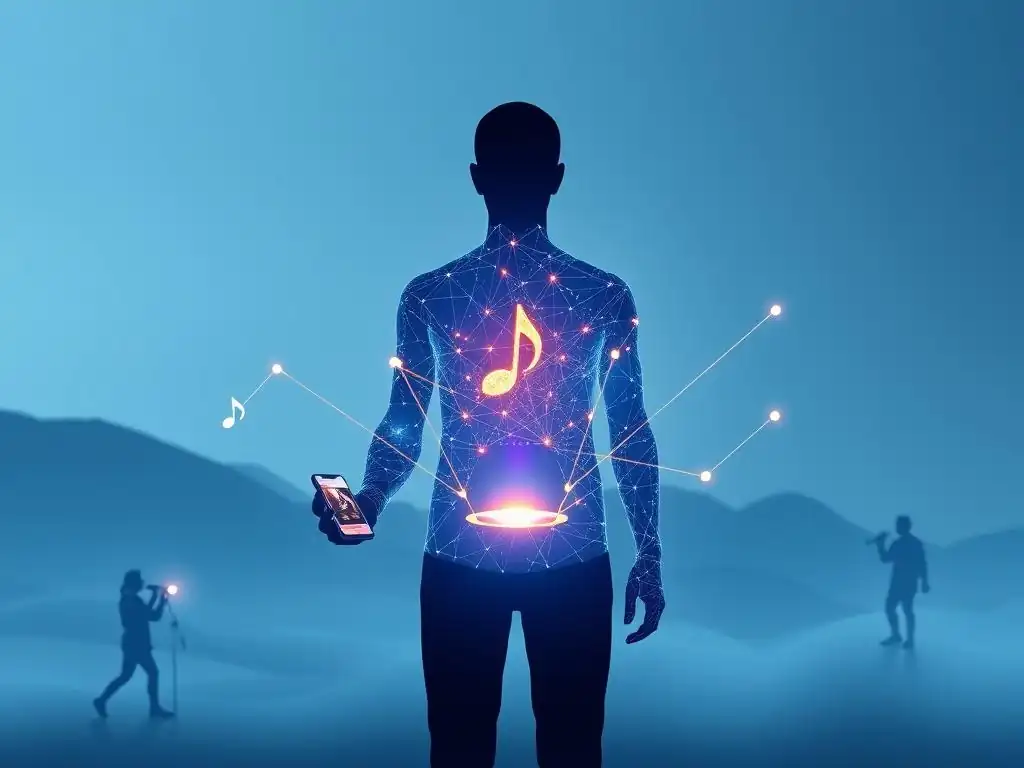
Owning Music NFTs allows fans to directly support their favorite artists in a tangible and meaningful way, fostering a deeper connection beyond passive consumption. Unlike streaming, where a tiny fraction of revenue reaches the artist, purchasing a Music NFT provides direct financial support, enabling artists to continue creating and innovating. This direct support empowers artists to remain independent and pursue their artistic vision without being beholden to traditional industry gatekeepers.
Furthermore, owning a Music NFT can create a stronger sense of connection to the artist's work and journey. It signifies a deeper level of engagement and investment, moving beyond simply listening to music to actively participating in the artist's ecosystem. This direct support and deeper connection are key motivators for fans embracing Music NFTs, fostering a more symbiotic and rewarding relationship between artists and their audience.
Access to Exclusive Content, Experiences, and Community
Music NFTs often unlock access to exclusive content, experiences, and communities, providing tangible benefits beyond simply owning a piece of digital music. NFT holders may gain access to bonus tracks, behind-the-scenes content, early releases, and exclusive merchandise, creating a VIP experience for dedicated fans. Furthermore, many Music NFT projects foster private communities, often on platforms like Discord, where NFT holders can interact directly with the artist and fellow fans, creating a sense of belonging and shared passion.
These exclusive perks and community access enhance the value proposition of Music NFTs for fans, transforming them from mere digital collectibles into keys to unlocking a richer and more engaging artist ecosystem. This added utility and community aspect are crucial for driving fan adoption of Music NFTs, creating a win-win scenario where fans gain exclusive benefits while directly supporting their favorite artists.
Potential for Value Appreciation and Secondary Market Trading
Music NFTs, like other digital collectibles, have the potential for value appreciation and can be traded on secondary markets, offering fans a potential return on their investment. Limited edition Music NFTs from popular artists or historically significant releases can become highly sought after, increasing in value over time. Marketplaces like OpenSea and Rarible facilitate secondary market trading, allowing fans to buy and sell Music NFTs among themselves, creating a dynamic and potentially profitable market.
While not all Music NFTs are guaranteed to appreciate in value, the potential for secondary market trading adds another layer of appeal for fans. For collectors, acquiring rare or historically significant Music NFTs can be seen as both a way to support artists and a potential investment. This potential for value appreciation and secondary market liquidity contributes to the overall attractiveness of Music NFTs as digital assets and collectibles within the evolving digital landscape.
Challenges and Considerations for Music NFTs
One of the primary challenges facing Music NFTs, and the broader NFT space, is the environmental impact associated with certain blockchain technologies, particularly proof-of-work blockchains like the original Ethereum. These blockchains require significant energy consumption for transaction validation, raising concerns about their carbon footprint. While Ethereum has transitioned to a more energy-efficient proof-of-stake mechanism, and other blockchains like Flow and Tezos are inherently more environmentally friendly, the environmental narrative remains a significant hurdle for wider adoption.
Addressing these concerns requires a multi-pronged approach. Artists and platforms can choose to utilize eco-friendly blockchains. Furthermore, ongoing technological advancements are focused on improving blockchain energy efficiency. Openly communicating about these efforts and adopting sustainable practices are crucial for mitigating environmental concerns and fostering a more responsible NFT ecosystem.
Copyright and licensing are complex considerations in the Music NFT space, requiring careful attention to ensure artists and collectors are operating within legal boundaries. Minting an NFT does not automatically grant copyright ownership. Artists must ensure they have the necessary rights to the music they are tokenizing, whether it's original compositions or properly licensed samples and recordings. Similarly, buyers of Music NFTs typically acquire ownership of the token itself, but not necessarily the underlying copyright to the music, unless explicitly stated in the NFT's terms.
Clear and transparent licensing agreements are crucial for Music NFTs. Smart contracts can be programmed to define usage rights, royalty splits, and other licensing terms associated with the NFT, ensuring clarity and legal compliance. Artists and platforms must prioritize legal clarity and transparency to avoid copyright infringement and build a sustainable and legally sound Music NFT ecosystem.
Overcoming Barriers to Entry for Artists and Fans
Despite the immense potential of Music NFTs, barriers to entry exist for both artists and fans, hindering wider adoption. For artists, the technical aspects of minting and selling NFTs, understanding blockchain technology, and navigating the NFT marketplace landscape can be daunting. For fans, the need for cryptocurrency wallets, understanding blockchain transactions, and the perceived complexity of the NFT space can be significant hurdles.
Simplifying the user experience is crucial for overcoming these barriers. Platforms are working to create more user-friendly interfaces, abstracting away some of the technical complexities of blockchain technology. Education and accessible resources are also essential for demystifying NFTs and making them more accessible to both artists and fans. Lowering these barriers to entry is key to unlocking the full potential of Music NFTs and fostering broader adoption within the music industry.
Future Trends in Music NFTs and the Music Industry
Integration of NFTs with Streaming Services
The future likely holds a closer integration of NFTs with existing music streaming services, bridging the gap between traditional consumption models and blockchain-based ownership. Imagine streaming platforms allowing users to connect their crypto wallets and directly support artists by purchasing Music NFTs directly from within the streaming interface. This integration could offer a seamless pathway for fans to discover and purchase Music NFTs from their favorite artists while continuing to enjoy the convenience of streaming.
This integration could also lead to innovative streaming models, where NFT ownership grants premium streaming features, ad-free listening, or even a share in the streaming revenue generated by a specific track or artist. The convergence of NFTs and streaming services has the potential to create a more dynamic and artist-centric streaming landscape, offering new avenues for revenue generation and fan engagement.
Development of Decentralized Music Platforms
Looking further ahead, the rise of decentralized music platforms built entirely around NFTs and blockchain technology is a likely trend. These platforms would operate independently of traditional intermediaries, empowering artists to directly distribute their music, manage their royalties, and connect with fans in a fully decentralized ecosystem. Decentralized Autonomous Organizations (DAOs) could even play a role in governing these platforms, creating community-owned and artist-driven music ecosystems.
These decentralized platforms could offer a radical alternative to the centralized streaming model, providing artists with greater autonomy, transparency, and control over their careers. The development of robust and user-friendly decentralized music platforms could be a major catalyst for the widespread adoption of Music NFTs and the transformation of the music industry towards a more decentralized and equitable future.
The Potential of NFTs for Collaborative Music Creation
Beyond individual artist releases, NFTs hold immense potential for revolutionizing collaborative music creation and ownership. Imagine a group of musicians collaborating on a track and minting a collaborative NFT that automatically splits royalties among all contributors based on pre-defined smart contract terms. This would streamline the often complex process of collaborative revenue sharing and ensure transparent and equitable compensation for all involved.
Furthermore, NFTs could facilitate decentralized music production, where artists from around the world can collaborate remotely on tracks, with ownership and royalties automatically managed through smart contracts. This could foster new forms of creative collaboration and democratize music production, breaking down geographical barriers and empowering artists to connect and create in novel and innovative ways.
Case Studies: Artists and Projects Leveraging Music NFTs
[Case Study 1: An Independent Artist Successfully Funding Their Album with NFTs]
[Insert a real or approximate case study of an independent artist who successfully funded their album through NFT sales. Detail the artist's strategy, the type of NFTs they offered, the results achieved, and key takeaways. For example, focus on an artist like Grimes or Kings of Leon and approximate figures if exact data is unavailable, clearly indicating approximations.]
[Case Study 2: A Major Label Experimenting with NFT Music Releases]
[Insert a real or approximate case study of a major record label experimenting with NFT music releases. Detail the label's approach, the type of NFTs released, the artist involved, the reception from fans and the industry, and the lessons learned. For example, focus on Universal Music Group's partnership with Curio and approximate details based on public information.]
[Case Study 3: A Platform Facilitating Direct Artist-Fan Engagement Through NFTs]
[Insert a real or approximate case study of a platform specifically designed to facilitate direct artist-fan engagement through Music NFTs. Detail the platform's features, the types of artists using it, examples of successful artist-fan interactions, and the platform's impact on the Music NFT ecosystem. For example, focus on platforms like Sound.xyz or Catalog and approximate details based on publicly available information.]
Conclusion: Embracing the Power of NFTs to Reshape the Music Industry
The Transformative Potential of NFTs for Artist Empowerment
NFTs represent a paradigm shift in the music industry, offering transformative potential for artist empowerment and a more equitable ecosystem. By enabling direct artist-fan connections, new revenue streams, and greater control over creative output, NFTs empower musicians to build sustainable careers on their own terms. This shift moves away from the traditional intermediary-dominated model towards a more decentralized and artist-centric landscape, where creators are directly rewarded for their work and can cultivate deeper relationships with their audience.
The ability for artists to directly monetize their music and build communities through NFTs represents a fundamental change in the power dynamics of the music industry. This empowerment not only benefits artists financially but also fosters greater artistic freedom and innovation, paving the way for a more diverse and vibrant music ecosystem.
Building a More Sustainable and Equitable Music Ecosystem
Music NFTs have the potential to contribute to a more sustainable and equitable music ecosystem for both artists and fans. By reducing reliance on intermediaries and increasing revenue retention for creators, NFTs can help artists build financially viable careers. Furthermore, the transparent and automated nature of blockchain technology can streamline royalty distribution and ensure fair compensation for all stakeholders in the music creation process.
For fans, Music NFTs offer a more direct and meaningful way to support their favorite artists, fostering deeper connections and providing access to exclusive experiences. This creates a more symbiotic and mutually beneficial relationship between artists and their audience, moving beyond passive consumption towards active participation and community building within the music ecosystem.
The Future of Music Ownership in a Decentralized World
The future of music ownership is increasingly intertwined with decentralized technologies like NFTs. As the music industry continues to evolve in the digital age, NFTs offer a compelling vision for a more decentralized, artist-centric, and community-driven ecosystem. While challenges remain, the transformative potential of NFTs to reshape music ownership, artist empowerment, and fan engagement is undeniable. Embracing this technology and navigating its complexities will be crucial for building a thriving and sustainable future for music in a decentralized world.
Frequently Asked Questions
How can NFTs be used to represent digital identity in the metaverse?
NFTs can act as unique identifiers for users within the metaverse. They can verify ownership of digital assets and grant access to exclusive experiences, effectively creating a verifiable digital identity.
What is the relationship between NFT art and expressing personal identity?
NFT art allows individuals to curate and showcase their digital aesthetic preferences. Owning and displaying specific NFTs can become a form of self-expression, communicating values and interests within the metaverse.
How does blockchain technology ensure the authenticity of NFT art used for digital identity?
Blockchain's immutable ledger provides a verifiable record of ownership and creation. This ensures the authenticity of NFT art, preventing fraud and guaranteeing the uniqueness of a digital identity.
What are the potential regulatory challenges surrounding the use of NFTs for digital identity in the metaverse?
Regulations are still evolving, but potential challenges include data privacy concerns, anti-money laundering (AML) compliance, and the legal status of digital assets in different jurisdictions.
Beyond art, what other applications of NFTs contribute to building a comprehensive digital identity in the metaverse?
NFTs can represent credentials, skills, memberships, and even reputation scores. These collectively build a more complete and portable digital identity across various metaverse platforms and applications.
Final Reflection: Forging Identity in the Digital Canvas
The exploration of NFT art within the metaverse reveals a profound shift in how we perceive and express ourselves online. This convergence of art, technology, and identity is no longer a futuristic concept, but a vibrant reality reshaping our digital interactions. The ability to own and showcase unique digital creations allows individuals to curate a personalized online presence, moving beyond generic profiles and embracing authentic self-expression in the metaverse.
The impact of this phenomenon extends far beyond mere aesthetics. NFT art empowers individuals to define their digital identity on their own terms, fostering a sense of ownership and belonging within virtual communities. It challenges traditional notions of art ownership and accessibility, democratizing the creative process and allowing artists to connect directly with their audience. Art is not what you see, but what you make others see.
- Edgar Degas. This quote perfectly encapsulates the power of NFT art to shape perceptions and forge connections in the metaverse.
As we navigate this evolving digital landscape, let us embrace the potential of NFT art to cultivate a more authentic and expressive metaverse. Consider how you can leverage these tools to define your own digital identity, support artists pushing the boundaries of creativity, and contribute to a future where self-expression knows no bounds. The canvas is digital, the possibilities are limitless, and the future of identity is in your hands.
Unleash Your Metaverse Persona!
Thank you for exploring the exciting world of NFT art and its ability to shape digital identities. We hope you've gained inspiring ideas on how to express your authentic self within the metaverse. Now is the perfect time to take action and start your creative journey!
Here are some ways to get started:
- Create your own NFT avatar! Experiment with different styles, platforms, and features to develop a digital representation that truly reflects who you are.
- Visit NFT marketplaces to discover artists and communities that align with your vision. Engage with them—you're likely to find your tribe!
- Participate in virtual galleries or metaverse events to showcase your NFT art and connect with other creators. You might uncover a hidden talent along the way!
What is one unique trait you want to express through your NFT avatar? Share your ideas in the comments below!
Leave a Reply