
The NFT Art Market Boom: Intriguing Trends, Indepth Analysis, and Future Predictions

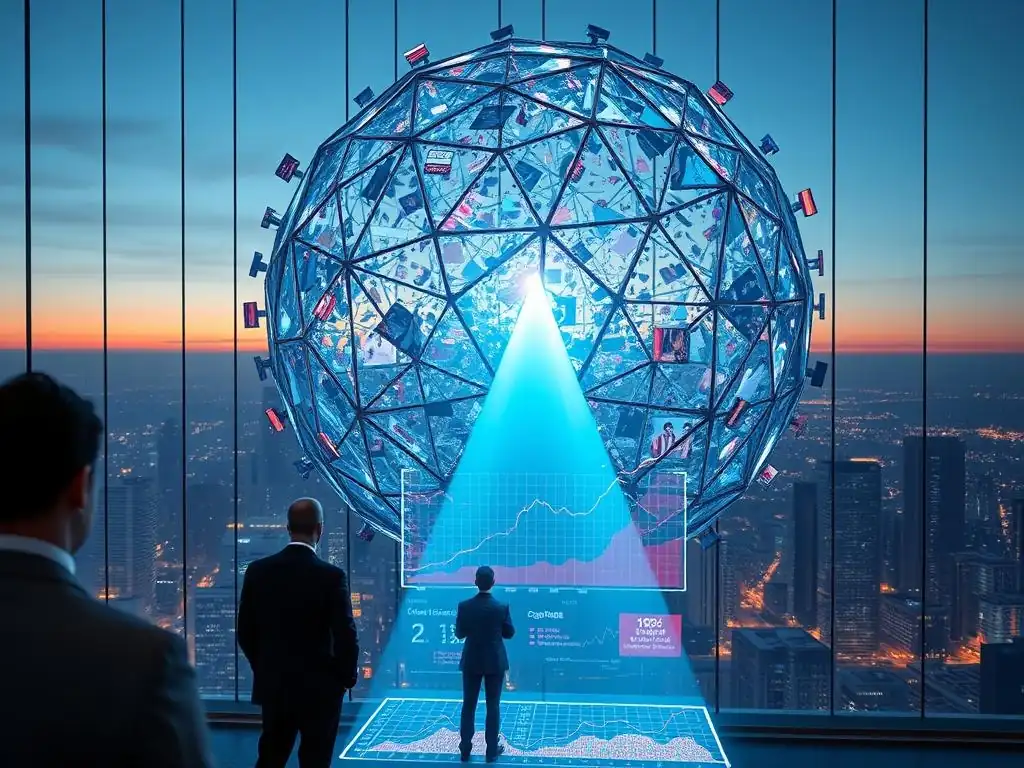
Welcome to Blockchain Trends, your go-to source for understanding the transformative power of blockchain technology. Beyond the hype of cryptocurrencies, we delve into the real-world applications shaping our future. Intrigued by the digital canvas? This week, we're diving deep into NFT art market trends, uncovering the forces driving its boom, the emerging patterns, and what the future holds for this dynamic intersection of art and technology. Ready to explore the evolving landscape? Let's begin...
The NFT Art Market: Trends, Analysis, and Future
- Introduction: The NFT Art Market
- Key Trends Shaping the NFT Art Market
- Analysis of the NFT Art Landscape
- Challenges and Opportunities
- Future Predictions
- Conclusion: The Enduring Impact of NFTs
-
Frequently Asked Questions
- What are the main driving forces behind the current NFT art market boom?
- How is blockchain technology contributing to the NFT art market's security and authenticity?
- What are some emerging NFT art market trends besides just digital paintings?
- What are the key regulatory challenges facing the NFT art market?
- What are the predictions for the future growth and evolution of the NFT art market?
- Final Reflection: Riding the Wave of Digital Creativity
- Ignite Your NFT Journey!
Introduction: The NFT Art Market
NFTs and Digital Art: An Overview
Non-Fungible Tokens (NFTs) have emerged as a revolutionary force within the digital art world, providing a mechanism to tokenize and authenticate unique digital assets. Unlike cryptocurrencies, which are fungible and interchangeable, each NFT is distinct, carrying specific metadata that proves ownership and provenance. This inherent uniqueness makes NFTs ideally suited for digital art, where originality and authenticity are paramount. The technology allows artists to create limited edition digital artworks, collectibles, and other digital creations, imbuing them with verifiable scarcity and ownership rights in a way never before possible in the digital realm.
The rise of NFTs has democratized the art market, opening up new avenues for digital artists to monetize their work directly. Before NFTs, digital artists often struggled with copyright infringement and the challenge of selling digital art as unique pieces. NFTs solve this by creating a verifiable record of ownership on the blockchain, ensuring that artists can receive credit and compensation for their creations. This shift has empowered digital artists and fostered a vibrant ecosystem for digital art creation, collection, and trading.
NFTs Disrupting Traditional Art
NFTs are not only transforming the digital art sphere but also challenging the established norms of the traditional art world. Historically, the traditional art market has been characterized by high barriers to entry, opaque pricing mechanisms, and a reliance on intermediaries like galleries and auction houses. NFTs are disrupting this model by providing artists with direct access to a global market, reducing reliance on intermediaries, and increasing transparency in art transactions. This disruption is forcing traditional art institutions to adapt and explore how NFTs and blockchain technology can be integrated into their operations.
Furthermore, NFTs are expanding the very definition of art. Beyond static images, NFTs can represent a wide array of digital creations including animations, music, virtual real estate, and even in-game items. This broadening scope is attracting a new generation of artists and collectors, unbound by the constraints of physical mediums. Traditional art forms are also experimenting with NFTs, using them to create digital representations of physical artworks or to offer unique digital experiences alongside physical pieces, blurring the lines between the physical and digital art worlds.
Key Trends Shaping the NFT Art Market
Trend 1: Blue-Chip NFT Dominance
One significant trend in the NFT art market is the increasing dominance of "blue-chip" NFT collections. These are established, highly valued NFT projects like CryptoPunks, Bored Ape Yacht Club, and Art Blocks, which have garnered significant attention and investment. For example, CryptoPunk #5822 sold for approximately $23.7 million in February 2022, demonstrating the high value attributed to these top-tier collections. These blue-chip NFTs are often seen as status symbols and safe havens within the volatile NFT market, attracting investors seeking established projects with a proven track record.
The dominance of blue-chip NFTs reflects a maturing market where collectors are seeking quality and long-term value. While the broader NFT market can be speculative, blue-chip collections are perceived as more resilient and less susceptible to fleeting trends. This trend also highlights a stratification within the NFT art market, with a clear distinction emerging between high-value, established projects and newer, less-proven collections. The focus on blue-chip NFTs also influences market dynamics, often concentrating trading volume and media attention on a select few projects.
Trend 2: Generative Art's Continued Growth
Generative art, created through autonomous systems like algorithms and code, has experienced remarkable growth within the NFT art space. Platforms like Art Blocks have been instrumental in popularizing generative art NFTs, allowing artists to create and distribute unique, algorithmically generated artworks. Art Blocks has facilitated the minting of numerous successful generative art collections, with some individual pieces fetching prices in the hundreds of thousands or even millions of dollars. The appeal of generative art lies in its unpredictable nature and the infinite variations possible within a defined set of rules, offering collectors unique and algorithmically scarce pieces.
The rise of generative art NFTs showcases the innovative intersection of art and technology. Artists are leveraging code as a creative medium, pushing the boundaries of artistic expression and exploring new aesthetic possibilities. The transparent and verifiable nature of blockchain technology aligns perfectly with generative art, as the code used to create the artwork is often publicly accessible, ensuring the integrity and uniqueness of each piece. This trend signals a growing appreciation for algorithmic art and its potential to shape the future of digital art.
Trend 3: Community-Driven NFT Projects
Community is a crucial element in the NFT art market, and community-driven NFT projects are gaining significant traction. These projects prioritize community engagement, often granting NFT holders exclusive access to online communities, events, and future project decisions. Projects like Friends With Benefits (FWB), a decentralized autonomous organization (DAO), exemplify this trend, offering membership and exclusive benefits to NFT holders. The sense of belonging and shared ownership fostered by these communities adds significant value beyond the artwork itself, creating a strong network effect.
The success of community-driven NFT projects demonstrates the importance of social and participatory aspects in the digital art world. Collectors are not just acquiring art; they are becoming part of a community and identity. This trend reflects a shift from passive art consumption to active participation and co-creation within art ecosystems. The strong community aspect can also contribute to the long-term value and sustainability of NFT projects, as engaged communities are more likely to support and promote the project's growth.
Trend 4: NFTs Expanding Beyond Visual Art
While initially associated primarily with visual art, NFTs are rapidly expanding into diverse creative domains. Music NFTs are gaining momentum, allowing musicians to release limited edition songs, albums, and exclusive content directly to fans. Kings of Leon, for example, released an album as an NFT in 2021, demonstrating the potential for NFTs to revolutionize music distribution. Similarly, NFTs are being used for virtual fashion, gaming assets, and even literary works, showcasing the versatility of NFT technology across various creative industries.
This expansion beyond visual art signifies the broader applicability of NFTs as a tool for digital ownership and monetization across various content types. NFTs are becoming a standard for proving ownership and authenticity in the digital realm, extending their reach beyond art into entertainment, gaming, and other sectors. This diversification of NFT use cases strengthens the overall NFT ecosystem and opens up new opportunities for creators and collectors in different fields.
Trend 5: Eco-Friendly NFT Initiatives
Concerns about the environmental impact of certain blockchains, particularly Ethereum's proof-of-work mechanism, have led to a growing demand for eco-friendly NFT solutions. Proof-of-stake blockchains like Tezos and Polygon, which consume significantly less energy, are gaining popularity within the NFT art community. Platforms built on these blockchains are actively promoting themselves as sustainable alternatives, attracting environmentally conscious artists and collectors. Furthermore, initiatives focused on carbon offsetting and reducing the environmental footprint of NFTs are emerging, reflecting a growing awareness of sustainability within the NFT space.
The rise of eco-friendly NFT initiatives demonstrates a growing ethical consciousness within the NFT market. Artists and collectors are increasingly considering the environmental impact of their NFT activities and seeking more sustainable options. This trend is driving innovation in blockchain technology and encouraging the development of more energy-efficient solutions. The focus on sustainability is crucial for the long-term viability and broader adoption of NFTs, addressing a key concern and fostering a more responsible NFT ecosystem.
Analysis of the NFT Art Landscape
NFT Sales Data: Volume, Price, and Artist Performance
Analyzing NFT sales data provides valuable insights into the health and trends of the NFT art market. While the NFT market experienced explosive growth in 2021, reaching billions of dollars in sales volume, fluctuations and corrections are inherent in this nascent market. Data from platforms like CryptoSlam and NonFungible.com reveal trends in sales volume, average prices, and the performance of individual artists and collections. For instance, while overall sales volume may fluctuate, specific artists or collections might consistently command high prices, indicating sustained demand and collector interest.
Examining sales data also reveals shifts in market preferences and emerging trends. Changes in average sale prices can indicate shifts in market sentiment or the emergence of new popular categories. Analyzing artist performance, such as sales volume and average prices achieved, provides insights into which artists are gaining traction and commanding higher values. This data-driven approach is crucial for understanding market dynamics and identifying opportunities and risks within the NFT art landscape.
NFT Marketplaces: OpenSea, SuperRare, and Others
NFT marketplaces are the primary platforms for buying, selling, and trading NFT art. OpenSea is the largest general NFT marketplace, offering a wide range of NFTs across various categories. SuperRare, on the other hand, focuses on curated, high-quality digital art NFTs, positioning itself as a premium marketplace. Other notable marketplaces include Nifty Gateway, known for its curated drops and collaborations with established artists, and Foundation, which emphasizes artist autonomy and decentralized sales. Each marketplace caters to different segments of the NFT art market, offering varying levels of curation, commission structures, and community focus.
The diversity of NFT marketplaces reflects the evolving needs and preferences of artists and collectors. OpenSea's open and inclusive platform allows for broader accessibility, while curated marketplaces like SuperRare and Nifty Gateway prioritize quality and exclusivity. The choice of marketplace can significantly impact an artist's reach, sales, and the type of collectors they attract. Understanding the different features and focuses of these marketplaces is essential for navigating the NFT art market effectively.
Blockchain's Impact on Art Ownership
Blockchain technology fundamentally alters the concept of art ownership. By recording ownership information on a decentralized and immutable ledger, NFTs provide verifiable proof of ownership that is transparent and publicly accessible. This contrasts with traditional art ownership, which often relies on physical certificates of authenticity and can be subject to fraud and disputes. Blockchain-based ownership simplifies provenance tracking, making it easier to verify the history and authenticity of an artwork.
The impact of blockchain on art ownership extends beyond mere verification. It empowers digital artists to retain control over their creations and directly benefit from secondary market sales through royalties. It also facilitates fractional ownership of high-value artworks, making art investment more accessible to a wider range of collectors. Blockchain technology is fundamentally reshaping the power dynamics in the art world, shifting towards greater artist empowerment and transparency in ownership and transactions.
NFT Royalties and Artist Compensation
NFT royalties represent a significant innovation in artist compensation within the digital art realm. NFT smart contracts can be programmed to automatically grant artists a percentage of secondary market sales, ensuring they continue to benefit from the appreciation of their work over time. Typical royalty rates range from 5% to 10% of each secondary sale price, providing a continuous revenue stream for artists. This is a significant departure from the traditional art market, where artists often do not receive ongoing compensation after the initial sale.
The implementation of NFT royalties is empowering digital artists and fostering a more sustainable ecosystem for digital art creation. Royalties incentivize artists to create high-quality work and contribute to the long-term growth of the NFT art market. This mechanism also addresses a long-standing grievance of artists in the traditional art world, who often feel undervalued and undercompensated. NFT royalties are establishing a new standard for artist compensation and contributing to a more equitable and artist-centric art market.
Challenges and Opportunities
Authenticity and Copyright Concerns
Despite the authentication capabilities of NFTs, challenges related to authenticity and copyright persist within the NFT art market. While NFTs verify ownership of a specific digital token, they do not inherently guarantee the originality or copyright of the underlying artwork. Instances of artwork being "minted" as NFTs without the original creator's consent have occurred, highlighting the need for vigilance and robust copyright enforcement mechanisms. Furthermore, the ease of creating NFTs can lead to the proliferation of counterfeit or unauthorized copies of artworks.
Addressing authenticity and copyright concerns requires a multi-faceted approach. Marketplaces are increasingly implementing stricter verification processes for artists and artworks. Community vigilance and reporting mechanisms play a crucial role in identifying and flagging potentially infringing NFTs. Legal frameworks and intellectual property laws need to adapt to the unique challenges posed by NFTs to effectively protect artists' rights in the digital realm.
Wash Trading and Market Manipulation
Wash trading, a form of market manipulation where an individual simultaneously buys and sells the same asset to artificially inflate trading volume and price, is a concern within the NFT art market. Due to the pseudonymity and decentralized nature of blockchain, wash trading can be challenging to detect and prevent. Inflated trading volumes can create a false sense of market demand and attract unsuspecting buyers into overvalued NFTs.
Combating wash trading requires technological solutions and market surveillance. Blockchain analytics tools can help identify suspicious trading patterns and flag potentially manipulative transactions. Marketplaces are also implementing measures to detect and prevent wash trading, such as transaction monitoring and stricter user verification processes. Increased transparency and regulatory oversight are crucial for mitigating market manipulation and fostering a fair and trustworthy NFT art market.
Regulatory Uncertainty
Regulatory uncertainty surrounding NFTs is a significant challenge for the long-term growth and stability of the NFT art market. The legal classification of NFTs, whether as securities, commodities, or a new asset class, remains unclear in many jurisdictions. This lack of regulatory clarity creates uncertainty regarding taxation, compliance requirements, and legal protections for NFT holders. Different countries and regions are taking varying approaches to NFT regulation, leading to a fragmented and potentially inconsistent regulatory landscape.
Navigating regulatory uncertainty requires proactive engagement and collaboration between industry stakeholders and regulators. Clear and consistent regulatory frameworks are needed to provide legal certainty and foster responsible innovation in the NFT space. Industry associations and advocacy groups are playing a crucial role in educating regulators and advocating for balanced and pragmatic regulatory approaches that support the growth of the NFT art market while protecting consumers and addressing potential risks.
Opportunities for Artists and Collectors
Despite the challenges, the NFT art market presents significant opportunities for both artists and collectors. For artists, NFTs offer a direct route to market, enabling them to bypass traditional intermediaries and connect directly with collectors globally. NFTs provide new revenue streams through primary sales and ongoing royalties, empowering artists to monetize their digital creations more effectively. The technology also fosters new forms of artistic expression and creative experimentation.
For collectors, NFTs offer the opportunity to own unique digital artworks and support artists directly. NFTs provide verifiable ownership and provenance, enhancing the value and collectibility of digital art. The fractional ownership capabilities of NFTs democratize art investment, making it accessible to a wider audience. The evolving NFT art market offers a dynamic and exciting space for collectors to discover new artists, build digital art collections, and participate in a burgeoning digital art movement.
Future Predictions
Prediction 1: Layer-2 Solutions Adoption
The adoption of layer-2 scaling solutions for blockchains like Ethereum will become increasingly crucial for the NFT art market. Layer-2 solutions, such as Polygon and Optimism, offer faster transaction speeds and significantly lower gas fees compared to the main Ethereum blockchain. High gas fees on Ethereum can be a barrier to entry for artists and collectors, particularly for smaller transactions. Layer-2 solutions address this issue, making NFTs more accessible and affordable for a wider audience.
Increased adoption of layer-2 solutions will likely lead to a more vibrant and inclusive NFT art market. Lower transaction costs will encourage greater trading activity and facilitate the growth of micro-transactions in the NFT space. Artists will be able to mint and sell NFTs at lower costs, and collectors will be able to engage in more frequent trading without incurring prohibitive gas fees. Layer-2 solutions are essential for scaling the NFT art market and enabling its continued growth.
Prediction 2: Metaverse Integration
The integration of NFTs into metaverse platforms will further blur the lines between the digital and physical worlds and create new avenues for NFT art utilization. Metaverses, persistent virtual worlds, offer immersive environments for displaying, interacting with, and experiencing NFT art. Users can showcase their NFT collections in virtual galleries, use NFTs as avatars or virtual assets, and participate in virtual art events and exhibitions within metaverse platforms.
Metaverse integration will enhance the utility and social aspects of NFT art. NFTs will become not just collectibles but also integral components of virtual identities and experiences within metaverses. This integration will create new demand for NFT art and drive innovation in virtual art experiences. The metaverse will provide a new canvas for digital artists and a new space for collectors to showcase and interact with their NFT art collections.
Prediction 3: AI-Generated Art Expansion
Artificial intelligence (AI) will play an increasingly significant role in the creation and evolution of NFT art. AI algorithms can be used to generate unique and complex artworks, pushing the boundaries of artistic expression. AI-generated art NFTs are already emerging, showcasing the potential of AI as a creative tool in the digital art space. Advancements in AI technology will likely lead to more sophisticated and aesthetically compelling AI-generated art NFTs.
The expansion of AI-generated art will raise interesting questions about authorship, creativity, and the definition of art itself. AI may become a collaborator or even an autonomous creator in the art world. AI-generated art NFTs will likely attract a new segment of collectors interested in the intersection of art, technology, and artificial intelligence. This trend will further diversify the NFT art landscape and challenge traditional notions of artistic creation.
Prediction 4: Enhanced Curation and Discovery
As the NFT art market matures, enhanced curation and discovery mechanisms will become increasingly important for navigating the vast and rapidly growing NFT landscape. With millions of NFTs available, discovering high-quality and relevant artworks can be challenging. Curated NFT platforms, AI-powered recommendation engines, and improved search functionalities will play a crucial role in helping collectors discover artists and artworks that align with their interests.
Enhanced curation and discovery will improve the overall user experience and efficiency of the NFT art market. Curated platforms will offer a more refined and selective selection of artworks, making it easier for collectors to find quality pieces. Recommendation engines will personalize art discovery based on individual preferences. Improved search functionalities will enable users to efficiently search and filter through the vast NFT art catalog. These advancements will contribute to a more organized and accessible NFT art market.
Prediction 5: Blurring Physical and Digital Art Boundaries
The boundaries between physical and digital art will continue to blur, with NFTs playing a key role in bridging the two worlds. NFTs can be used to represent ownership of physical artworks, creating digital twins that track provenance and facilitate digital trading of physical art. Hybrid art forms that combine physical and digital elements are also emerging, further blurring the lines between the two realms. NFTs will facilitate new forms of art experiences that seamlessly integrate the physical and digital.
This blurring of boundaries will expand the possibilities for artistic expression and art collecting. Artists can create artworks that exist simultaneously in the physical and digital realms, offering collectors unique and multifaceted art experiences. NFTs will enable new forms of art ownership and investment that span both physical and digital assets. The convergence of physical and digital art through NFTs will create a richer and more interconnected art ecosystem.
Conclusion: The Enduring Impact of NFTs
The Future of Art: Digital and Decentralized
NFTs are not merely a passing trend but represent a fundamental shift in the art world towards digital and decentralized models. They have empowered digital artists, democratized art ownership, and introduced new forms of artistic expression and engagement. The enduring impact of NFTs will be to accelerate the digitization of art and foster a more inclusive, transparent, and artist-centric art ecosystem. The future of art is increasingly digital and decentralized, with NFTs playing a central role in shaping this evolution.
The transformative potential of NFTs extends beyond the art market, influencing broader trends in digital ownership, creator economies, and the metaverse. As blockchain technology matures and adoption expands, NFTs will likely play an increasingly significant role in various aspects of digital life, from content creation to virtual identities. The NFT art market is just the beginning, signaling a broader shift towards a more decentralized and digitally-driven future.
Staying Informed [Call to Action: Follow for Updates]
The NFT art market is a dynamic and rapidly evolving space. Staying informed about the latest trends, analyses, and future predictions is crucial for navigating this exciting landscape. Follow Blockchain Trends for continuous updates and in-depth coverage of the NFT art market and the broader world of blockchain innovation.
Frequently Asked Questions
What are the main driving forces behind the current NFT art market boom?
The boom is fueled by increased accessibility through online platforms, a desire for unique digital ownership, and the potential for high returns on investment.
How is blockchain technology contributing to the NFT art market's security and authenticity?
Blockchain provides an immutable ledger verifying ownership and provenance. This ensures traceability and combats art fraud by guaranteeing the artwork's authenticity.
What are some emerging NFT art market trends besides just digital paintings?
Beyond traditional digital art, we see trends like generative art, interactive NFTs, and NFTs representing physical art, creating new avenues for artists and collectors.
What are the key regulatory challenges facing the NFT art market?
Regulatory challenges include defining NFTs legally, addressing intellectual property rights, and preventing money laundering and other illicit activities within the market.
What are the predictions for the future growth and evolution of the NFT art market?
The future likely involves increased institutional adoption, greater integration with the metaverse, and a focus on sustainable and eco-friendly NFT creation and trading practices.
Final Reflection: Riding the Wave of Digital Creativity
The exploration of NFT art market trends reveals more than just fluctuating prices and digital collectibles; it unveils a fundamental shift in how we perceive ownership, value, and artistic expression in the digital age. The boom, while potentially volatile, has undeniably democratized art creation and consumption, allowing artists to connect directly with their audiences and bypass traditional gatekeepers.
The impact of NFTs extends far beyond the financial realm, influencing the very fabric of our cultural landscape. The rise of digital ownership, fueled by NFTs, is reshaping how we interact with art, music, and even virtual real estate, creating new communities and economies. The metaverse is coming, and it's going to be big. We're going to be able to do things in the metaverse that we can't do in the real world.
- Mark Zuckerberg. This quote, while broad, speaks to the potential of NFTs to unlock new experiences and possibilities within these emerging digital spaces.
As we stand at the cusp of this digital revolution, let us not only observe the NFT art market trends but also actively engage with the underlying principles of creativity, ownership, and community. Consider how you can support digital artists, explore new forms of artistic expression, and contribute to a future where art is accessible, inclusive, and truly transformative. The future of art is being written now, and your participation can help shape its narrative.
Ignite Your NFT Journey!
Thank you for exploring the fascinating world of NFT art with us. We hope this analysis has provided valuable insights into current market trends and future possibilities. Now, it's time to take action and deepen your engagement!
Here are some ways to expand your understanding and involvement with NFTs:
- Start your NFT collection! Use your newfound knowledge to research artists and platforms, and confidently acquire your first piece of digital art.
- Share this article with fellow art enthusiasts to spark conversations about the future of digital art and blockchain technology.
- Identify and follow an emerging NFT artist who is innovating in digital art—share their work with us in the comments!
What aspect of the NFT art market are you most excited to explore further? Share your thoughts below!
Leave a Reply