
NFT Art in the Metaverse: Immersive Experiences for Your Digital Collectibles

Welcome to Blockchain Trends, your go-to resource for navigating the ever-evolving world of blockchain technology! Ready to step beyond the hype and discover the truly transformative power of this revolutionary innovation?
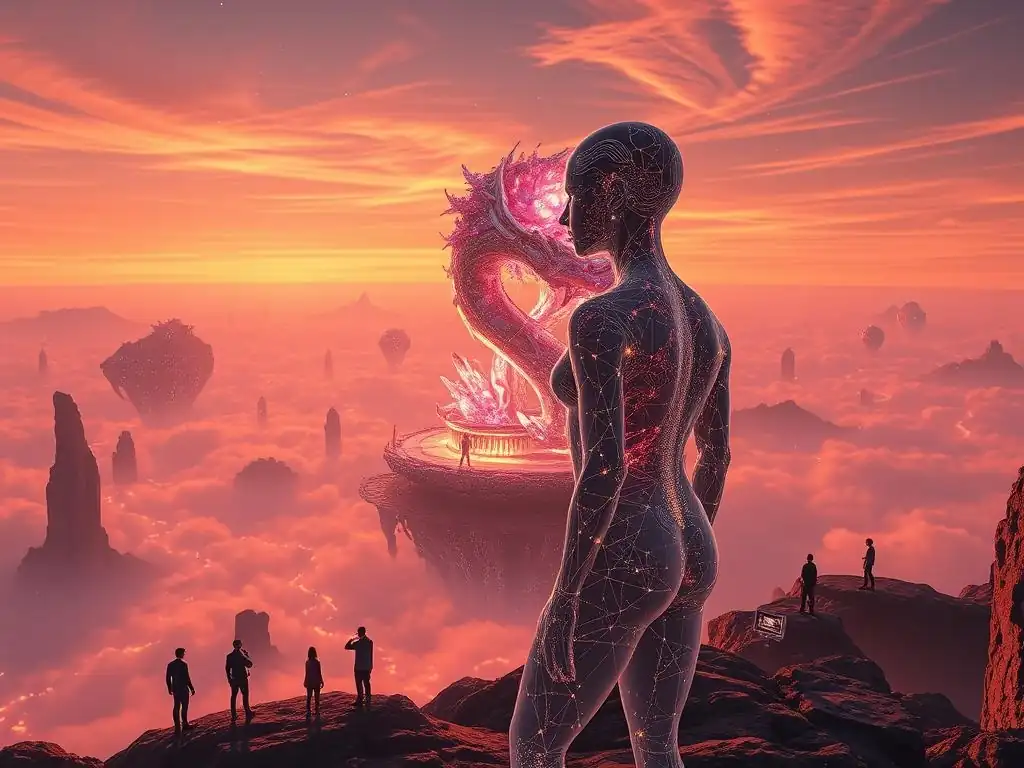
Today, we're diving deep into a fascinating intersection of art, technology, and community: NFT art metaverse experiences. Imagine a world where your digital collectibles come to life, allowing you to curate immersive exhibitions and connect with fellow art enthusiasts in unprecedented ways. Intrigued? Keep reading to explore how NFTs are reshaping the art landscape and what this means for the future of digital ownership and creative expression.
- Understanding NFT Art and the Metaverse
- The Evolution of NFT Art in Virtual Worlds
- Key Metaverse Platforms for NFT Art Showcase
- Creating and Curating NFT Art Metaverse Experiences
- Benefits of Showcasing NFT Art in the Metaverse
- Challenges and Considerations for NFT Art Metaverse Integration
- The Future of NFT Art Metaverse Experiences
- Investing in NFT Art Metaverse Projects
- Conclusion: The Immersive Future of NFT Art
-
Frequently Asked Questions
- How are NFT art and the metaverse interconnected?
- What types of "NFT art metaverse experiences" are currently available?
- What are the benefits of showcasing NFT art in the metaverse compared to traditional methods?
- What are some of the challenges facing the widespread adoption of NFT art metaverse experiences?
- How might regulation impact the future of NFT art and metaverse experiences?
- Final Reflection: Embracing the Metaverse Canvas
- Unveil Your Digital Masterpiece: Enter the Metaverse
Understanding NFT Art and the Metaverse
What are NFTs (Non-Fungible Tokens)?
Non-Fungible Tokens, or NFTs, are unique digital assets that represent ownership of a specific item or piece of content on a blockchain. Unlike cryptocurrencies like Bitcoin or Ethereum, which are fungible (interchangeable), each NFT is distinct and cannot be replaced by another. This uniqueness is digitally verified and secured on the blockchain, providing a transparent and immutable record of ownership.
Think of them as digital certificates of authenticity and ownership for digital or even physical assets. This revolutionary technology allows for the tokenization of various items, from digital art and collectibles to virtual real estate and in-game items, opening up new possibilities for creators and collectors alike.
NFTs leverage blockchain technology to ensure scarcity and verifiable ownership in the digital realm. This scarcity is artificially created, but cryptographically enforced, making digital items collectible in a way that was previously impossible. For example, a digital artwork, previously infinitely reproducible, can now be issued as an NFT, creating a limited edition version whose ownership is tracked and publicly verifiable. This has been particularly transformative for the art world, where artists can directly sell their digital creations to a global audience and collectors can own and trade unique digital artworks with confidence in their authenticity and provenance.
Defining the Metaverse: Virtual Worlds and Digital Ownership
The metaverse, in its simplest form, is a persistent, shared, 3D virtual world or worlds. It's conceived as a network of interconnected, immersive digital environments where users can interact with each other and digital objects through avatars. While still evolving, the metaverse aims to blur the lines between the physical and digital realms, offering users experiences ranging from social interactions and entertainment to commerce and work. Key characteristics often include a sense of presence, real-time interactivity, and user-generated content, creating a feeling of immersion and shared experience.
Digital ownership is a cornerstone of many metaverse visions, especially those built on blockchain technologies. In these decentralized metaverses, users truly own their digital assets, such as avatars, virtual land, and in-world items, often represented as NFTs. This concept is crucial as it empowers users with control over their digital identities and creations within these virtual spaces. The integration of blockchain and NFTs in the metaverse is not just about owning digital collectibles; it's about establishing a new paradigm of digital property rights and economies within these immersive virtual worlds, fostering a more user-centric and decentralized internet.
NFT Art Metaverse Experiences
NFT art metaverse experiences represent the convergence of digital art, blockchain technology, and immersive virtual worlds. These experiences go beyond simply viewing NFT art on a marketplace or website; they involve showcasing and interacting with digital artworks within the metaverse's 3D environments. Imagine walking through a virtual art gallery in Decentraland or The Sandbox, where each artwork is an NFT that you can purchase, collect, and even display in your own virtual space. This new paradigm transforms the way art is experienced, shifting from passive viewing to active engagement and immersion.
These immersive experiences offer NFT artists and collectors unprecedented opportunities. Artists can create interactive and dynamic art installations tailored specifically for the metaverse, pushing the boundaries of digital art beyond static images or videos.
Collectors can curate their own virtual galleries, showcasing their NFT art collections to a global audience, fostering community, and even generating new forms of revenue through virtual exhibitions or rentals of their virtual spaces. NFT art metaverse experiences are not just about displaying art; they are about creating new social, cultural, and economic ecosystems around digital art within these burgeoning virtual worlds, significantly enhancing the value and utility of NFT art.
The Evolution of NFT Art in Virtual Worlds
From 2D to Immersive 3D Art
The initial wave of NFT art was largely focused on 2D digital images, GIFs, and short videos. Platforms like CryptoPunks and Bored Ape Yacht Club popularized profile picture (PFP) NFTs, establishing a market for collectible digital avatars. However, as the metaverse concept gained traction, the demand for more immersive and interactive NFT art experiences grew, prompting a shift from primarily 2D to increasingly 3D and interactive art forms. Artists began exploring 3D modeling, animation, and virtual reality (VR) compatible formats to create art that could truly inhabit and enhance metaverse environments.
This evolution towards immersive 3D art is driven by the inherent capabilities of metaverse platforms. Virtual worlds offer spaces to display and interact with 3D objects in a way that traditional web platforms cannot. Artists are now creating intricate 3D sculptures, interactive installations, and even entire virtual environments as NFTs.
For example, artists like Beeple, known for his 2D digital art, have also ventured into creating 3D and VR-compatible art pieces, recognizing the potential of the metaverse to showcase their work in more engaging and dynamic ways. This shift expands the creative possibilities for NFT artists and enriches the user experience within virtual worlds.
Early NFT Art Integration Examples
Early integrations of NFT art within virtual worlds were relatively basic but laid the foundation for today's more sophisticated experiences. Platforms like Cryptovoxels and Decentraland emerged as early adopters, providing virtual land parcels where users could build and customize spaces, including virtual galleries to display their NFT art. These platforms offered simple mechanisms for connecting crypto wallets and displaying NFT images on virtual walls, marking the first steps towards creating NFT art metaverse experiences.
One notable early example is the emergence of virtual art galleries within Cryptovoxels. Users began purchasing virtual land and constructing galleries to showcase their personal NFT collections. These early galleries were often rudimentary, resembling basic digital rooms with NFT images pinned to the walls. However, they demonstrated the fundamental concept of experiencing and sharing NFT art within a virtual world. Events and virtual openings were also organized within these platforms, showcasing the potential for community building and social interaction around NFT art in the metaverse, paving the way for more elaborate and immersive experiences.
The Demand for Interactive NFT Art Experiences
The demand for interactive NFT art experiences is fueled by a desire for richer engagement and a move beyond passive consumption of digital art. Collectors and enthusiasts are no longer satisfied with simply owning an NFT image; they seek to interact with the art, explore its context, and share it with others in meaningful ways. The metaverse provides the perfect environment for this, offering the tools and spaces to create dynamic and engaging art experiences that go beyond static displays. This demand is driving innovation in NFT art creation and metaverse platform development.
Interactive elements can range from simple features like zooming and rotating 3D NFT sculptures to more complex functionalities such as interactive narratives embedded within the artwork or gamified experiences linked to NFT ownership. For example, an NFT artwork could be designed as a virtual puzzle within a metaverse gallery, where solving the puzzle unlocks additional content or benefits for the NFT owner.
This desire for interactivity is not just about entertainment; it’s about creating deeper connections with the art and fostering a sense of community around shared experiences. Artists are increasingly experimenting with these interactive possibilities, recognizing that they can enhance the value and appeal of their NFT art in the metaverse.
Key Metaverse Platforms for NFT Art Showcase
Decentraland: NFT Galleries
Decentraland is a decentralized virtual world built on the Ethereum blockchain, known for its strong focus on user-owned virtual land and NFT integration. It offers a robust platform for showcasing NFT art through customizable virtual galleries. Users can purchase land parcels as NFTs and build upon them, creating galleries of varying sizes and designs to display their NFT art collections. Decentraland’s open and decentralized nature makes it a popular choice for artists and collectors seeking to exhibit and trade NFT art in a community-driven environment.
Within Decentraland, numerous virtual art galleries have emerged, ranging from individual collector showcases to professionally curated exhibitions. For instance, Sotheby's, the renowned auction house, has established a virtual gallery in Decentraland, demonstrating the platform’s credibility and appeal to established art institutions. These galleries often host virtual events, art openings, and auctions, attracting visitors from around the globe and creating dynamic social hubs for NFT art enthusiasts. Decentraland's LAND NFTs and its built-in marketplace facilitate the buying, selling, and trading of both virtual land and the NFT art displayed within it, creating a complete ecosystem for NFT art metaverse experiences.
The Sandbox: Interactive NFT Art Worlds
The Sandbox is another prominent metaverse platform that emphasizes user-generated content and NFT ownership, but with a distinct focus on gaming and interactive experiences. It provides tools for users to create voxel-based assets, including avatars, items, and even entire game worlds, all represented as NFTs. For NFT art, The Sandbox offers a unique opportunity to integrate artworks into interactive environments, blending art display with gaming and playful exploration. This platform's approach to NFTs and user-generated content makes it particularly appealing for artists looking to create engaging and gamified NFT art metaverse experiences.
In The Sandbox, NFT art can be showcased not just in galleries but also integrated into interactive games and experiences. Artists can create voxel-based NFT artworks and embed them within playable worlds, allowing users to interact with the art in a more dynamic and immersive way.
For example, an artist could create an NFT sculpture that serves as a key element within a game level, or design an entire virtual art park where users can explore and interact with various NFT artworks through gameplay mechanics. This gamified approach to NFT art in the metaverse opens up new possibilities for artistic expression and user engagement, attracting a diverse audience beyond traditional art collectors.
Cryptovoxels: Virtual Land and NFT Art Display
Cryptovoxels is one of the earliest metaverse platforms focused on virtual land ownership and NFT art display. It's characterized by its grid-based world and straightforward building tools, making it relatively accessible for users to create virtual galleries and spaces. Each parcel of land in Cryptovoxels is an NFT, allowing users to own, develop, and monetize their virtual properties. The platform's simplicity and focus on land ownership have made it a popular choice for NFT art collectors and galleries seeking to establish a presence in the metaverse.
Cryptovoxels is home to a diverse array of virtual art galleries, ranging from independent artist showcases to galleries representing established NFT art collections. Its ease of use has fostered a vibrant ecosystem of user-created content, with many users building elaborate and visually striking galleries to display their NFTs. Furthermore, Cryptovoxels has seen the emergence of virtual art districts and neighborhoods, where multiple galleries cluster together, creating virtual art hubs and facilitating community interaction. The platform's focus on virtual land as NFTs and its user-friendly building tools have made it a cornerstone for NFT art metaverse experiences.
Spatial distinguishes itself from other metaverse platforms by prioritizing social interaction and accessibility across various devices, including VR headsets, web browsers, and mobile devices. It focuses on creating realistic and immersive 3D avatars and environments, making it a compelling platform for social gatherings, meetings, and, importantly, NFT art showcases. Spatial's cross-platform accessibility and emphasis on social presence make it particularly suitable for creating engaging and widely accessible NFT art metaverse experiences.
Spatial provides users with tools to easily create virtual spaces and display NFT art, offering a streamlined and user-friendly experience. Its support for VR headsets enhances the sense of immersion, allowing users to experience NFT art in a more visceral and engaging way.
Artists and galleries are using Spatial to host virtual exhibitions, art openings, and social events centered around NFT art, leveraging the platform's strong social features and cross-platform accessibility to reach a wider audience. Spatial's focus on social VR and ease of use positions it as a significant platform for the future of NFT art metaverse experiences, particularly for those seeking social and immersive interactions.
Creating and Curating NFT Art Metaverse Experiences
Designing Virtual Art Galleries
Designing virtual art galleries in the metaverse requires a different approach compared to physical galleries. While physical galleries are constrained by real-world physics and space limitations, virtual galleries offer boundless creative freedom. Designers can experiment with unconventional layouts, gravity-defying structures, and immersive environments that would be impossible in the physical world. However, effective virtual gallery design still needs to consider user experience, flow, and the overall presentation of the NFT art.
Key considerations for designing virtual NFT art galleries include spatial arrangement, lighting, and thematic coherence. The layout should guide visitors smoothly through the exhibition, highlighting key artworks and creating a sense of discovery. Lighting plays a crucial role in setting the mood and emphasizing the details of the NFT art, just as in physical galleries.
Thematic coherence, whether based on artist, style, or concept, helps create a cohesive and engaging experience for visitors. For example, a gallery showcasing abstract NFT art might employ minimalist design and dynamic lighting, while a gallery featuring fantasy-themed art could incorporate fantastical architectural elements and immersive soundscapes. Thoughtful design is crucial for creating virtual galleries that effectively showcase NFT art and enhance the visitor experience.
Incorporating Interactive Elements
Incorporating interactive elements is crucial to elevate NFT art metaverse experiences beyond simple virtual displays. Interactivity can range from subtle features like allowing users to zoom in and rotate 3D NFT sculptures to more complex functionalities like interactive narratives, gamified exploration, or social interactions triggered by proximity to specific artworks. These interactive elements can significantly enhance user engagement, deepen the connection with the art, and create memorable experiences within the virtual gallery.
Examples of interactive elements include incorporating artist interviews or audio commentaries that play when a user approaches an NFT artwork, embedding hidden messages or puzzles within the virtual environment that relate to the art, or creating collaborative art experiences where users can contribute to or modify an NFT artwork within the metaverse. For instance, a virtual gallery could include interactive buttons next to each NFT, allowing users to learn more about the artist, the artwork's creation process, or its provenance.
Another example could be incorporating virtual avatars of the artists themselves into the gallery, allowing for live Q&A sessions or artist talks within the metaverse. Strategic use of interactive elements can transform passive viewing into active participation, making NFT art metaverse experiences more engaging and valuable.
Optimizing NFT Art for Metaverse Performance
Optimizing NFT art for metaverse performance is a critical technical consideration for creators and curators. Metaverse platforms, while increasingly powerful, still have limitations in terms of rendering complex 3D models and handling large file sizes, especially for users accessing the metaverse on lower-end devices or with slower internet connections. Unoptimized NFT art can lead to slow loading times, lag, and a poor overall user experience, detracting from the intended artistic impact. Therefore, artists and curators need to employ optimization techniques to ensure their NFT art performs smoothly within metaverse environments.
Optimization strategies include reducing the polygon count of 3D models, compressing textures without sacrificing visual quality, and using efficient file formats. For 3D NFT art, techniques like mesh decimation and texture baking can significantly reduce file size and improve rendering performance. For 2D NFT art displayed in virtual galleries, optimizing image resolution and using formats like compressed JPEGs or WebP can improve loading times.
Furthermore, considering the target metaverse platform's specific technical requirements and limitations is crucial. Platforms like Decentraland and The Sandbox have specific guidelines for asset optimization, and adhering to these guidelines is essential for ensuring that NFT art is displayed correctly and performs well for all users. Prioritizing optimization is key to delivering seamless and enjoyable NFT art metaverse experiences.
Benefits of Showcasing NFT Art in the Metaverse
Enhanced Visibility for NFT Artists
Showcasing NFT art in the metaverse offers artists significantly enhanced visibility compared to traditional online platforms or physical galleries alone. The metaverse provides a global, 24/7 accessible stage for artists to present their work to a potentially vast and diverse audience. Unlike physical galleries with geographical limitations and opening hours, virtual galleries in the metaverse are always open and can be accessed by anyone with an internet connection, regardless of location. This expanded reach can dramatically increase an artist's exposure and recognition within the global art community and beyond.
The immersive and interactive nature of metaverse experiences also contributes to enhanced visibility. Visitors to virtual galleries are more likely to spend time exploring and engaging with the art compared to quickly scrolling through images on a website. Virtual gallery events, such as art openings and artist talks, can further amplify visibility by attracting media attention and generating social buzz.
Moreover, the inherent social aspects of the metaverse, where users interact with each other and share their experiences, can lead to organic promotion and word-of-mouth marketing for NFT artists and their work. The metaverse provides a powerful platform for NFT artists to break geographical barriers and connect with a global audience, fostering greater visibility and opportunities.
New Revenue Streams
Showcasing NFT art in the metaverse opens up new and diverse revenue streams for artists and collectors beyond traditional sales of NFTs. Virtual galleries themselves can become revenue-generating assets through various monetization models. Artists and collectors can rent out virtual gallery spaces to other artists for exhibitions, creating a passive income stream. Virtual galleries can also host sponsored events, brand collaborations, or virtual auctions, generating revenue through partnerships and commissions.
Furthermore, the interactive capabilities of the metaverse enable new forms of revenue generation directly tied to the art experience. Virtual galleries can incorporate pay-per-view exhibitions, where visitors pay a small fee to access exclusive content or events. NFT art can be integrated into metaverse games or experiences, creating opportunities for in-game purchases or play-to-earn models.
For example, an artist could create a limited edition NFT artwork that grants access to exclusive areas within a virtual gallery or unlocks special abilities in a metaverse game. These innovative revenue streams, unique to the metaverse, offer NFT artists and collectors new ways to monetize their creations and virtual spaces, diversifying their income and fostering a more sustainable ecosystem for NFT art.
Building Community Around NFT Collections
The metaverse provides an ideal environment for building strong communities around NFT art collections. Virtual galleries serve as social hubs where collectors, artists, and enthusiasts can gather, interact, and share their passion for digital art. Unlike isolated online marketplaces, metaverse galleries foster a sense of shared space and presence, enabling more meaningful social interactions and community building. These communities can become valuable assets for artists and collectors alike, fostering loyalty, collaboration, and collective appreciation of NFT art.
Virtual gallery events, such as art openings, artist talks, and community meetups, are instrumental in fostering community engagement. These events provide opportunities for collectors to connect with artists directly, for enthusiasts to discover new art and artists, and for the community to collectively celebrate NFT art and culture.
Furthermore, metaverse platforms often incorporate social features like avatars, chat, and voice communication, facilitating real-time interactions and relationship building. NFT art metaverse experiences are not just about displaying art; they are about creating social spaces where communities can form, thrive, and contribute to the growth and evolution of the NFT art world.
Creating Unique User Experiences
Showcasing NFT art in the metaverse allows for the creation of unique and immersive user experiences that are simply not possible in traditional art viewing settings. The metaverse transcends the limitations of physical space, offering artists and curators boundless creative freedom to design extraordinary and unforgettable art experiences. From surreal gallery architectures to interactive art installations and gamified explorations, the metaverse opens up a realm of possibilities for pushing the boundaries of art presentation and user engagement.
Imagine experiencing NFT art within a virtual gallery floating in space, exploring an underwater art exhibition, or interacting with a dynamic art piece that responds to your movements within the metaverse. These are just a few examples of the unique user experiences that can be created in NFT art metaverse environments.
The immersive nature of VR and the interactive capabilities of metaverse platforms allow for multi-sensory art experiences that engage viewers on a deeper level. By leveraging the unique affordances of the metaverse, artists and curators can craft truly memorable and transformative encounters with NFT art, enhancing its impact and appeal to a wider audience.
Challenges and Considerations for NFT Art Metaverse Integration
Technical Limitations and Interoperability
Despite the exciting potential, NFT art metaverse integration faces several technical limitations and interoperability challenges. Current metaverse platforms are still under development and may suffer from performance issues, such as lag, slow loading times, and limitations in rendering complex graphics, especially for users with lower-end devices or internet connections. These technical constraints can hinder the user experience and limit the complexity and sophistication of NFT art metaverse experiences.
Interoperability is another significant challenge. Different metaverse platforms often operate in silos, with limited or no compatibility between them. This lack of interoperability means that NFT art and virtual assets created for one platform may not be easily transferable or usable in another.
For example, an NFT art piece displayed in a Decentraland gallery might not be viewable or function correctly in The Sandbox. Addressing these technical limitations and fostering greater interoperability between metaverse platforms are crucial for the long-term growth and seamless integration of NFT art metaverse experiences. Standardized protocols and cross-platform compatibility initiatives are needed to create a more unified and accessible metaverse for NFT art.
Ensuring Authenticity and Provenance
While NFTs themselves inherently provide a degree of authenticity and provenance, ensuring these aspects within the metaverse context still presents challenges. Displaying an NFT in a virtual gallery does not automatically guarantee that the displayed artwork is the legitimate NFT or that the virtual gallery itself is an authorized venue for showcasing that particular NFT. Verifying the authenticity and provenance of NFT art within the metaverse requires robust mechanisms and protocols to prevent counterfeiting and ensure trust.
Solutions could involve integrating digital signatures and cryptographic verification directly into metaverse platforms, allowing users to easily verify the authenticity of displayed NFTs. Virtual galleries could also implement provenance tracking systems, providing a clear and auditable record of an NFT's ownership history and exhibition history within the metaverse.
Furthermore, collaborations between NFT marketplaces, metaverse platforms, and authentication services could establish industry standards and best practices for ensuring the authenticity and provenance of NFT art in virtual worlds. Building trust and confidence in the authenticity of NFT art is essential for the continued growth and adoption of NFT art metaverse experiences.
Addressing Copyright and Intellectual Property
Copyright and intellectual property (IP) issues are complex and require careful consideration in the context of NFT art metaverse integration. While NFTs grant ownership of a specific digital asset, they do not necessarily transfer the underlying copyright or IP rights associated with the artwork itself. Artists and collectors need to be aware of the legal implications of displaying and using NFT art in the metaverse, particularly regarding commercial use, reproduction, and derivative works.
Clear guidelines and legal frameworks are needed to address copyright and IP issues in the NFT art metaverse space. Platforms and marketplaces should provide clear terms of service regarding IP rights and usage permissions for NFT art. Artists should clearly define the scope of rights granted to NFT owners, specifying whether ownership includes commercial use rights or is limited to personal display.
Furthermore, mechanisms for reporting and addressing copyright infringement within the metaverse are necessary to protect the rights of artists and IP holders. Navigating the complexities of copyright and IP is crucial for fostering a legally sound and artist-friendly environment for NFT art metaverse experiences.
Environmental Impact of Metaverse Activities and NFTs
The environmental impact of metaverse activities and NFTs is a growing concern that needs to be addressed for sustainable NFT art metaverse integration. Many blockchain networks, particularly Ethereum, which is widely used for NFTs, have historically relied on energy-intensive proof-of-work (PoW) consensus mechanisms. While Ethereum has transitioned to a more energy-efficient proof-of-stake (PoS) mechanism, concerns remain about the overall energy consumption associated with blockchain transactions and metaverse activities.
Minimizing the environmental footprint of NFT art metaverse experiences requires a multi-faceted approach. Choosing energy-efficient blockchain platforms and NFT minting options is a crucial first step. Exploring layer-2 scaling solutions and sidechains can also reduce the energy consumption per transaction.
Metaverse platforms themselves can adopt energy-efficient infrastructure and practices, such as using renewable energy sources to power their servers. Furthermore, promoting awareness and encouraging responsible practices within the NFT art community, such as carbon offsetting initiatives and supporting eco-friendly NFT projects, are essential for mitigating the environmental impact and fostering a more sustainable future for NFT art in the metaverse.
The Future of NFT Art Metaverse Experiences
AI-Powered NFT Art Generation and Curation
The future of NFT art metaverse experiences is likely to be significantly shaped by artificial intelligence (AI), both in terms of art generation and curation. AI algorithms are increasingly capable of generating original and aesthetically compelling digital art, opening up new possibilities for NFT artists and creators. AI-generated NFT art could become more prevalent in metaverse galleries, offering unique and dynamically evolving artworks.
AI can also play a crucial role in curating NFT art within the metaverse. AI-powered curation systems could analyze vast amounts of NFT art data, identify emerging trends, and personalize art recommendations for metaverse visitors. Imagine virtual galleries with AI curators that dynamically adjust the displayed artworks based on visitor preferences, creating personalized and engaging art experiences.
AI could also assist in detecting and flagging potentially inauthentic or plagiarized NFT art, enhancing trust and provenance within the metaverse art ecosystem. The integration of AI in NFT art generation and curation promises to revolutionize how art is created, discovered, and experienced in virtual worlds.
Personalized Art Experiences
Personalized art experiences are poised to become a defining feature of the future NFT art metaverse. As metaverse platforms become more sophisticated and data-driven, they will be able to tailor art experiences to individual user preferences and interests. Imagine walking into a virtual gallery where the artworks displayed are dynamically curated based on your past art viewing history, your stated preferences, or even your emotional responses to previous art encounters within the metaverse.
Personalization could extend beyond art selection to encompass the entire virtual gallery environment. The lighting, music, and even the virtual architecture of the gallery could adapt to create a personalized atmosphere that enhances the user's enjoyment and engagement with the art. AI-powered avatars could act as personalized art guides, providing tailored information and insights about the displayed artworks. Personalized NFT art metaverse experiences will aim to create deeply engaging and meaningful encounters with digital art, catering to individual tastes and preferences and fostering a more intimate connection between art and viewer.
Integration of AR/VR Technologies
The integration of augmented reality (AR) and virtual reality (VR) technologies will further enhance the immersiveness and accessibility of NFT art metaverse experiences. VR headsets already offer a highly immersive way to experience metaverse galleries, but AR technologies can bridge the gap between the physical and digital worlds, bringing NFT art into our everyday surroundings.
Imagine using AR glasses to overlay NFT art onto your physical walls, creating a personal virtual art gallery within your home or office. AR could also enhance physical art galleries by providing digital overlays that reveal additional information, animations, or interactive elements associated with physical artworks.
VR will continue to drive deeply immersive metaverse experiences, while AR will expand the reach of NFT art beyond virtual worlds and into our physical reality. The convergence of AR and VR technologies will create hybrid art experiences that seamlessly blend the digital and physical realms, making NFT art more accessible and engaging than ever before.
DAOs in NFT Art Curation and Management
Decentralized Autonomous Organizations (DAOs) are likely to play an increasingly important role in the curation and management of NFT art metaverse experiences. DAOs are community-governed organizations that operate autonomously based on smart contracts, enabling decentralized decision-making and collective ownership. NFT art DAOs could be formed to curate virtual galleries, manage NFT art collections, and fund emerging NFT artists, empowering communities and decentralizing control over the art ecosystem.
Imagine a DAO that collectively owns and manages a virtual art gallery in the metaverse, with DAO members voting on which NFT art to display, how to organize exhibitions, and how to allocate revenue generated by the gallery. NFT art DAOs could also pool resources to acquire valuable NFT art pieces, democratizing access to high-end digital art and creating shared ownership opportunities.
DAOs can foster greater transparency, community participation, and decentralization in the NFT art world, shifting power away from centralized institutions and towards artists and collectors themselves. The rise of DAOs in NFT art curation and management could lead to a more democratic and community-driven future for NFT art metaverse experiences.
Investing in NFT Art Metaverse Projects
Evaluating Metaverse-Based NFT Art Platforms
Investing in metaverse-based NFT art platforms requires careful evaluation and due diligence. Several factors should be considered when assessing the potential of a platform, including its user base, transaction volume, technology infrastructure, community engagement, and long-term vision. Platforms with a strong and growing user base, high transaction volume, and robust technology infrastructure are generally considered more promising investment opportunities.
Analyzing the platform's community engagement and governance model is also crucial. Platforms with active and engaged communities and decentralized governance structures tend to be more resilient and sustainable in the long run. Furthermore, understanding the platform's long-term vision and roadmap is essential for assessing its growth potential and its ability to adapt to the evolving metaverse landscape. Comparing different platforms across these key metrics and conducting thorough research are essential steps for making informed investment decisions in metaverse-based NFT art platforms.
Identifying Promising NFT Artists and Collections
Identifying promising NFT artists and collections for investment requires a keen eye for artistic talent, market trends, and community sentiment. While past performance is not always indicative of future success, analyzing an artist's previous work, sales history, and community following can provide valuable insights. Emerging artists with unique styles, innovative approaches, and strong community engagement often represent high-potential investment opportunities.
Monitoring market trends and paying attention to collector sentiment are also important aspects of identifying promising NFT art. Following NFT art marketplaces, social media channels, and art publications can provide valuable insights into trending styles, popular artists, and emerging market niches.
Engaging with the NFT art community, attending virtual gallery openings, and participating in online discussions can also help investors gain a deeper understanding of the market and identify promising artists and collections before they become mainstream. Investing in NFT art is not just about financial returns; it's also about supporting artists and contributing to the growth of the digital art ecosystem.
Risks and Rewards of Investing in Virtual Art Assets
Investing in virtual art assets, including NFT art and virtual land in the metaverse, presents both significant risks and potential rewards. The NFT art market is still relatively nascent and volatile, and prices can fluctuate significantly based on market sentiment, hype cycles, and broader economic conditions. Investing in virtual art assets carries inherent risks, including market risk, liquidity risk, and technological risk.
However, the potential rewards of investing in virtual art assets can be substantial. The NFT art market has demonstrated explosive growth, and early investors in successful NFT projects and artists have seen significant returns. Virtual land in prime metaverse locations can also appreciate in value as the metaverse ecosystem grows and adoption increases.
Furthermore, virtual art assets can offer unique utility and experiences within the metaverse, providing not just financial returns but also cultural and social value. Understanding the risks and rewards, conducting thorough research, and diversifying investments are key to navigating the complexities of investing in virtual art assets and maximizing potential returns while mitigating risks.
Conclusion: The Immersive Future of NFT Art
The integration of NFT art within the metaverse marks a significant evolution in how digital art is created, experienced, and valued. NFT art metaverse experiences are transforming digital collectibles from static images into immersive, interactive, and social engagements. By leveraging the unique capabilities of virtual worlds, artists and curators are pushing the boundaries of artistic expression and creating new forms of user experiences that transcend the limitations of the physical world.
While challenges related to technology, interoperability, and sustainability remain, the future of NFT art in the metaverse is bright. Advancements in AI, AR/VR technologies, and decentralized governance structures like DAOs are poised to further enhance and democratize NFT art metaverse experiences. As the metaverse continues to evolve and mature, NFT art is set to play a central role in shaping its cultural landscape, creating new opportunities for artists, collectors, and enthusiasts alike, and ushering in an immersive and engaging future for digital art.
Frequently Asked Questions
How are NFT art and the metaverse interconnected?
NFT art in the metaverse allows collectors to display and interact with their digital assets in immersive virtual environments, creating new forms of engagement and ownership. This connection bridges the gap between digital ownership and experiential immersion.
What types of "NFT art metaverse experiences" are currently available?
Examples include virtual galleries to showcase NFTs, interactive games incorporating NFT assets, and social spaces where users can display and trade their digital collectibles. These experiences are constantly evolving.
What are the benefits of showcasing NFT art in the metaverse compared to traditional methods?
The metaverse offers enhanced visibility, interactivity, and community engagement for NFT artists and collectors. This surpasses the limitations of displaying art in physical galleries or online marketplaces.
What are some of the challenges facing the widespread adoption of NFT art metaverse experiences?
Challenges include the high cost of entry (e.g., land acquisition), technical complexities, and concerns about interoperability between different metaverse platforms. Addressing these will be crucial for mass adoption.
How might regulation impact the future of NFT art and metaverse experiences?
Regulation surrounding NFT ownership, intellectual property, and financial transactions within the metaverse could significantly shape its future. Clear guidelines are needed to foster innovation while protecting users.
Final Reflection: Embracing the Metaverse Canvas
The journey through the world of NFT art metaverse experiences reveals a powerful truth: digital ownership is evolving beyond mere possession and transforming into immersive participation. The lines between art, technology, and community are blurring, creating entirely new avenues for artistic expression and audience engagement. This isn't just about owning a digital image; it's about stepping inside the artwork, interacting with it, and becoming part of its story.
The impact of this shift is already being felt across the cultural landscape. NFT art metaverse experiences are not just a trend; they represent a fundamental change in how we perceive and interact with art, ownership, and community. They offer artists unprecedented control and direct connection with their audience, while simultaneously empowering collectors to become active participants in the creative process. Art is not what you see, but what you make others see.
- Edgar Degas. This quote resonates deeply within the context of the NFT art metaverse, where the viewer's experience is actively shaped and enhanced, creating a shared and evolving artistic narrative.
As we stand on the cusp of this digital revolution, consider the possibilities that lie ahead. How can you embrace the potential of NFT art metaverse experiences, not just as a collector or artist, but as a participant in shaping the future of art and community? Let us all strive to explore, create, and connect within these immersive worlds, building a future where art transcends the physical realm and truly becomes a shared experience for all.
Unveil Your Digital Masterpiece: Enter the Metaverse
Thank you for exploring the exciting world of NFT art in the metaverse with us! We hope you've gained valuable insights into how these immersive experiences are transforming digital collectibles. Now, it's time to bring your own collection to life!
Here's how you can dive deeper into the metaverse art scene:
- Create your own personalized NFT gallery in a virtual world! Select a platform and showcase your unique collection.
- Attend virtual art events and meetups. Connect with other collectors and creators to expand your knowledge and network.
- Share your favorite metaverse art experience on social media and tag us to inspire others! Let's build a thriving community together.
What innovative ways will you find to display your NFT art in the metaverse? Share your ideas in the comments below!
Leave a Reply