
NFT Collectibles Beyond Art: Unveiling Music, Fashion, and Virtual Assets as NFTs

Welcome to Blockchain Trends, your compass in the ever-evolving landscape of decentralized innovation. Dive into a world where blockchain's potential transcends cryptocurrency, shaping industries from finance to supply chains. Curious about how blockchain is revolutionizing the creative industries? This week, we’re unlocking the fascinating intersection of NFTs, music, fashion, and virtual assets, exploring how these digital collectibles are disrupting traditional models and creating entirely new opportunities. Prepare to discover the future of ownership and creative expression – the journey starts here!
NFT Collectibles Beyond Art: Unveiling Music, Fashion, and Virtual Assets as NFTs
- Expanding the NFT Landscape: Beyond Digital Art
- NFTs Revolutionizing the Music Industry: Music NFTs
- Fashion NFTs: Bridging the Physical and Digital Worlds
- Virtual Assets as NFTs: Land, Items, and Experiences in the Metaverse
- Benefits of NFTs for Music, Fashion, and Virtual Assets
- Challenges and Considerations for NFTs in Emerging Sectors
- The Future of NFTs: Integration and Innovation
- Conclusion: NFTs - Reshaping Ownership and Value Across Industries
-
Frequently Asked Questions
- How are NFTs being utilized within the music industry?
- What role do NFTs play in the fashion industry?
- What are some examples of "virtual assets" being tokenized as NFTs?
- How does the use of NFTs in music, fashion, and virtual assets differ from their use in traditional art?
- What are the potential challenges or risks associated with using NFTs in music, fashion, and virtual assets?
- Final Reflection: The Expanding Universe of NFT Ownership
- Unlock the Future: Mint Your Own NFT Journey Today!
Expanding the NFT Landscape: Beyond Digital Art
The Evolution of NFTs: From JPEGs to Diverse Applications
Non-Fungible Tokens (NFTs) first captured mainstream attention through the realm of digital art. Early examples like CryptoPunks and Bored Ape Yacht Club demonstrated the potential for unique digital ownership, primarily within the visual arts. These projects, often featuring collectible JPEGs, established the foundational concepts of digital scarcity and provenance on the blockchain. However, the initial perception of NFTs as solely digital art collectibles was quickly proven to be a narrow view. The technology's inherent properties of uniqueness and verifiable ownership opened doors to a much wider range of applications, extending far beyond static images.
The evolution of NFTs can be traced from these early digital art experiments to a dynamic ecosystem encompassing diverse sectors. Music, fashion, and virtual worlds are now actively embracing NFTs, leveraging their capabilities to transform traditional models and create entirely new digital experiences. This shift represents a significant maturation of the NFT space, moving beyond speculative collecting towards practical utility and real-world applications. The initial hype around purely visual NFTs paved the way for a deeper exploration of how these unique digital assets can revolutionize industries and empower creators in various domains.
Understanding the Core Value Proposition of NFTs in New Sectors
The underlying value proposition of NFTs, regardless of the sector, remains consistent: verifiable digital ownership and scarcity. This core principle translates powerfully into music, fashion, and virtual assets, offering solutions to long-standing challenges and unlocking novel opportunities. In the music industry, NFTs offer artists direct control over their creations and new avenues for monetization, bypassing traditional intermediaries and fostering closer connections with fans.
For fashion, NFTs bridge the gap between the physical and digital, enabling verifiable authenticity, digital fashion experiences, and new forms of brand engagement. Within virtual worlds, NFTs establish ownership of digital land, in-game items, and unique experiences, forming the backbone of a decentralized metaverse economy.
Beyond ownership, NFTs bring enhanced transparency and provenance to these sectors. Every NFT transaction is recorded on the blockchain, creating an immutable record of ownership history and authenticity. This transparency is crucial for combating counterfeiting in fashion, ensuring fair compensation for musicians, and establishing clear property rights in virtual worlds.
Furthermore, NFTs facilitate the creation of digital scarcity, mimicking the exclusivity of physical collectibles in the digital realm. This scarcity, combined with verifiable ownership, drives value and enables innovative business models that were previously impossible in purely digital environments. The ability to represent unique digital or even digitized physical assets as NFTs is the key to their expanding utility across diverse industries.
NFTs Revolutionizing the Music Industry: Music NFTs
Music NFTs: Empowering Artists and Fans
Music NFTs are reshaping the music industry by offering artists a direct-to-fan model that bypasses traditional record labels and streaming platforms. For decades, musicians have struggled with unfair royalty rates and limited control over their work within the centralized music industry. Music NFTs offer a potential solution by allowing artists to sell their music directly to fans as unique digital assets.
This direct relationship empowers artists to retain a larger share of revenue, set their own terms, and foster a more intimate connection with their audience. Fans, in turn, gain verifiable ownership of music, transforming them from passive listeners to active supporters and stakeholders in an artist's career.
This paradigm shift extends beyond mere financial transactions. Music NFTs can foster stronger artist-fan communities. Artists can use NFTs to grant exclusive access to content, behind-the-scenes material, early releases, and even real-world experiences like meet-and-greets or concert tickets. For fans, owning a Music NFT can represent more than just possessing a digital file; it can signify membership in an exclusive community, a badge of support, and a direct link to the artist they admire. This creates a more engaged and loyal fanbase, moving beyond transactional streaming relationships towards deeper, community-driven interactions.
Exploring Different Types of Music NFTs: Songs, Albums, and Experiences
The versatility of NFTs allows for a wide range of applications within the music industry, going beyond simply tokenizing songs and albums. While single song NFTs and album NFTs are fundamental, offering fans the opportunity to own a piece of music history, the possibilities extend much further. Limited edition releases, exclusive tracks, and even unreleased demos can be packaged as NFTs, creating scarcity and collectibility. Artists are also experimenting with NFTs that grant access to exclusive content, such as behind-the-scenes footage, personalized messages, or early access to future releases.
Beyond content ownership, Music NFTs can represent experiences. Concert tickets, VIP passes, and even virtual meet-and-greets can be issued as NFTs, providing verifiable authenticity and potentially unlocking secondary markets for these experiences. Furthermore, Music NFTs can be integrated with decentralized autonomous organizations (DAOs) to give fans a voice in an artist's career decisions, fostering a truly collaborative and community-driven approach to music creation and distribution. This multifaceted approach demonstrates the potential of Music NFTs to revolutionize not just music ownership, but the entire artist-fan relationship.
Case Study: Grimes' NFT Sales and Their Impact
Grimes, the Canadian musician and visual artist, stands out as a prominent early adopter of Music NFTs, demonstrating their commercial viability and artistic potential. In February 2021, Grimes launched "WarNymph Collection Vol. 1," a collection of digital art pieces and music NFTs.
This collection, sold through the NFT marketplace Nifty Gateway, generated approximately \$6 million in sales within minutes. One of the most notable pieces, a unique digital artwork and song titled "Death of the Old," sold for nearly \$389,000. This successful sale highlighted the significant financial opportunities that NFTs could offer artists, particularly those willing to experiment with new technologies and engage directly with their fanbase.
Grimes' foray into NFTs had a ripple effect within the music industry. It demonstrated to other artists, both established and emerging, the potential for NFTs to create new revenue streams and bypass traditional industry gatekeepers. Her success story helped legitimize Music NFTs in the eyes of many, contributing to the growing awareness and adoption of this technology within the music world. Beyond the financial aspect, Grimes' work also showcased the artistic possibilities of NFTs, blurring the lines between music and visual art and pushing the boundaries of digital creativity.
The Future of Music Ownership and Royalties with NFTs
Music NFTs hold the promise of a more transparent and equitable future for music ownership and royalty distribution. Currently, royalty payments in the traditional music industry are often complex and opaque, with artists receiving a small fraction of the revenue generated from their work. NFTs, powered by blockchain technology, offer the potential to automate royalty splits and ensure that artists are compensated fairly and transparently. Smart contracts embedded within Music NFTs can automatically distribute royalties to all rights holders whenever an NFT is sold or resold, eliminating intermediaries and reducing the risk of underpayment.
Moreover, Music NFTs can facilitate fractional ownership of songs and albums. Artists could sell shares of their music as NFTs, allowing fans and investors to own a piece of the royalties generated. This could create new funding models for artists and democratize music ownership. The transparency of the blockchain ensures that royalty distribution is verifiable and auditable, building trust and accountability within the music ecosystem. While the widespread adoption of NFT-based royalty systems is still in its early stages, the potential for a more artist-centric and transparent music industry is undeniable.
Fashion NFTs: Bridging the Physical and Digital Worlds
Digital Fashion NFTs: Virtual Apparel and Accessories
Digital fashion NFTs represent a groundbreaking shift in how we consume and interact with clothing. These NFTs are essentially virtual garments and accessories designed exclusively for the digital realm. They exist only as digital assets, wearable by avatars in virtual worlds, used as filters on social media, or displayed as digital collectibles. Digital fashion NFTs cater to a growing demand for self-expression and identity in online spaces, offering a unique and sustainable alternative to physical clothing consumption. Brands are increasingly recognizing the potential of this market, creating digital-only collections and collaborating with NFT artists to design exclusive virtual wearables.
The appeal of digital fashion NFTs lies in their exclusivity, novelty, and the evolving nature of digital identity. Just as in the physical world, digital fashion allows individuals to express their personality and style in virtual environments. NFT technology ensures the scarcity and authenticity of these digital garments, making them collectible and tradable assets. Furthermore, digital fashion NFTs offer a sustainable approach to fashion, eliminating the environmental impact associated with physical clothing production and disposal. As the metaverse and virtual interactions become more prevalent, digital fashion NFTs are poised to become a significant part of the fashion industry.
NFTs for Physical Fashion Items: Authenticity and Ownership
Beyond purely digital garments, NFTs are also revolutionizing the physical fashion world by providing solutions for authenticity verification and ownership tracking. Counterfeiting is a major problem in the fashion industry, costing brands billions of dollars annually and eroding consumer trust. NFTs can be linked to physical fashion items, creating a digital twin that verifies the item's authenticity and provenance.
This can be achieved by embedding a unique NFC chip or QR code into the physical garment, which, when scanned, links to the item's corresponding NFT on the blockchain. This provides irrefutable proof of authenticity and combats the proliferation of counterfeit goods.
Moreover, NFTs can track the ownership history of physical fashion items throughout their lifecycle. From the initial purchase to resales and even rentals, every transaction can be recorded on the blockchain, creating a transparent and immutable record of ownership. This enhances the resale value of fashion items, particularly luxury goods, and builds trust within the secondhand market. NFTs also empower brands to engage directly with consumers even after the initial sale, offering exclusive benefits and experiences to NFT holders, fostering long-term brand loyalty and community.
Collaborations and Partnerships: Nike's RTFKT Acquisition
Nike's acquisition of RTFKT Studios in December 2021 serves as a landmark example of a major fashion brand embracing NFTs and the metaverse. RTFKT is a leading creator of virtual sneakers and digital collectibles, known for its highly sought-after NFT drops and innovative approach to digital fashion. Nike's strategic acquisition signaled a clear commitment to entering the metaverse and leveraging NFTs to expand its brand presence and reach a new generation of consumers. This move validated the potential of NFTs within the mainstream fashion industry and accelerated the adoption of digital collectibles by other major brands.
The Nike and RTFKT partnership exemplifies the synergy between established fashion giants and innovative NFT creators. RTFKT's expertise in digital fashion and NFT technology, combined with Nike's brand power and global reach, creates a formidable force in the emerging metaverse fashion landscape. Together, they are exploring new ways to create and distribute digital fashion, engage with consumers in virtual worlds, and build a strong brand presence in the metaverse economy. This collaboration highlights the growing recognition within the fashion industry that NFTs are not just a passing trend but a fundamental shift in consumer behavior and brand engagement.
The Metaverse and Fashion NFTs: Dressing Your Avatar
Fashion NFTs are intrinsically linked to the metaverse, serving as the primary means of self-expression and identity for avatars within these virtual worlds. In metaverse environments, where digital avatars represent individuals, fashion becomes a crucial element of personal presentation and social interaction. Fashion NFTs allow users to customize their avatars with unique and exclusive virtual garments, accessories, and footwear, reflecting their individual style and status within the metaverse. The scarcity and verifiability of NFTs ensure that digital fashion in the metaverse retains value and exclusivity, mirroring the dynamics of the physical fashion world.
The metaverse provides a fertile ground for fashion NFTs to flourish. Virtual worlds offer immersive environments where users can showcase their digital fashion, participate in virtual fashion shows, and interact with brands and designers in new and engaging ways. Fashion NFTs are not just about dressing avatars; they are about building digital identities, participating in virtual economies, and expressing oneself in the evolving landscape of the metaverse. As metaverse platforms continue to develop and user adoption grows, fashion NFTs are poised to become an integral part of the digital self and the virtual social experience.
Virtual Assets as NFTs: Land, Items, and Experiences in the Metaverse
Virtual Land NFTs: Ownership and Development in Virtual Worlds
Virtual land NFTs represent digital real estate within metaverse platforms, allowing users to own, develop, and monetize virtual spaces. These NFTs represent unique parcels of land within virtual worlds like Decentraland, The Sandbox, and Cryptovoxels, granting owners control over the content and experiences within their digital territories.
Just as in the physical world, virtual land in the metaverse can be used for a variety of purposes, including building virtual stores, hosting events, creating social spaces, and even generating passive income through virtual real estate rentals or advertising. The limited supply of virtual land NFTs in many metaverse platforms contributes to their scarcity and potential appreciation in value.
The ownership of virtual land NFTs is recorded on the blockchain, ensuring verifiable and transparent property rights within the metaverse. This ownership empowers users to build and create within their virtual spaces, fostering user-generated content and decentralized metaverse economies. Virtual land NFTs are becoming increasingly sought after as metaverse platforms grow in popularity, with individuals, brands, and organizations investing in virtual real estate to establish a presence and participate in the developing metaverse ecosystem. The concept of digital land ownership, enabled by NFTs, is fundamental to the vision of a decentralized and user-owned metaverse.
In-Game Item NFTs: True Ownership and Interoperability
In-game item NFTs are transforming the gaming industry by granting players true ownership of their digital assets. Traditionally, in-game items purchased or earned within video games are controlled by the game developers, residing within centralized game servers. NFTs change this paradigm by representing in-game items as unique digital assets owned by the players themselves, recorded on the blockchain. This true ownership allows players to trade, sell, or transfer their in-game items outside of the game ecosystem, creating player-driven economies and new forms of monetization.
The potential of in-game item NFTs extends beyond individual games. Interoperability, the ability for NFTs to be used across different games and platforms, is a key promise of this technology.
Imagine owning a sword NFT earned in one game and being able to use it in another compatible game, or trading it on an open NFT marketplace for cryptocurrency or other digital assets. While interoperability is still under development, the vision of cross-game asset utilization is a powerful driver for the adoption of in-game item NFTs, promising a future where players truly own their digital gaming assets and can benefit from their in-game achievements across multiple virtual worlds.
Virtual Experiences as NFTs: Exclusive Access and Unique Opportunities
Virtual experiences, ranging from online concerts and virtual conferences to exclusive metaverse events and digital art exhibitions, are increasingly being offered as NFTs. These NFTs function as digital tickets or access passes, granting holders entry to exclusive virtual events and experiences within the metaverse or online platforms. By issuing virtual experiences as NFTs, creators and organizers can ensure verifiable access control, limit attendance to create exclusivity, and potentially enable secondary markets for these digital tickets.
Virtual experience NFTs offer new ways for creators to monetize their events and engage with their audience. They can create tiered access levels, offering different NFT tiers with varying levels of exclusivity and benefits. Furthermore, virtual experience NFTs can foster a sense of community and belonging, with NFT holders gaining access to exclusive online groups or forums associated with the event or experience. As virtual events and online experiences become more sophisticated and integrated into our lives, virtual experience NFTs are likely to become a common method for accessing and participating in these digital engagements.
Benefits of NFTs for Music, Fashion, and Virtual Assets
Enhanced Ownership and Provenance Through NFTs
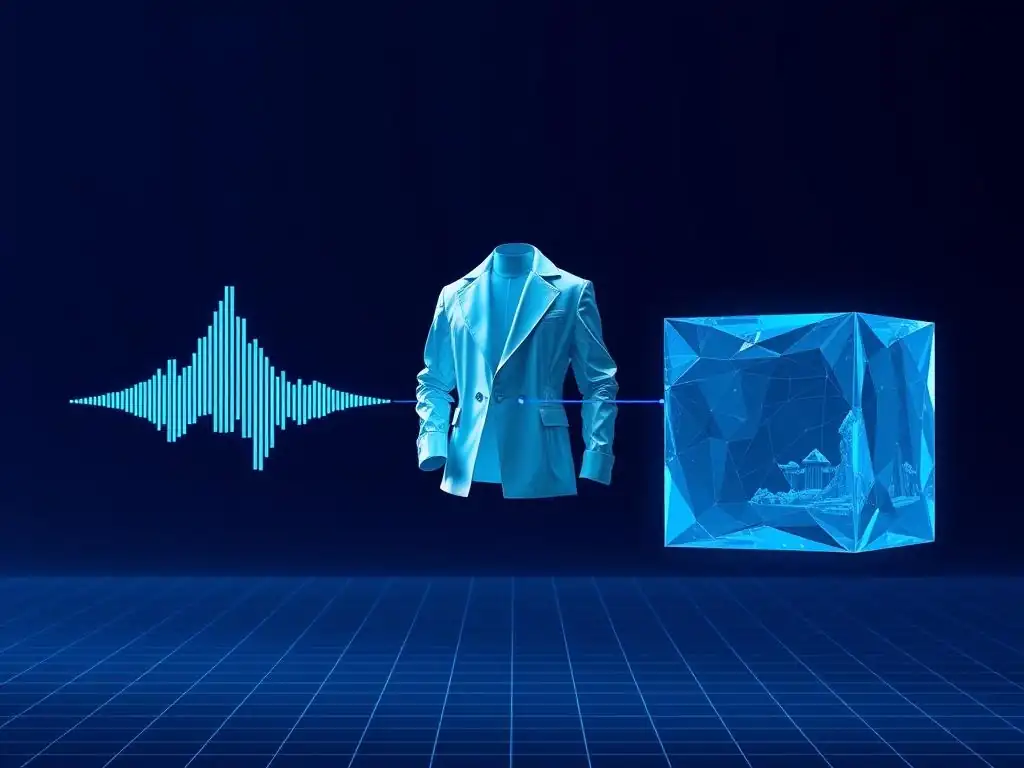
Across music, fashion, and virtual assets, NFTs fundamentally enhance ownership and provenance. By recording ownership on a blockchain, NFTs provide an immutable and transparent record of who owns a digital asset and its history of ownership. This verifiable provenance is crucial for establishing authenticity, combating counterfeiting, and building trust in digital asset transactions. For creators, NFTs ensure that their ownership rights are clearly defined and protected. For collectors and consumers, NFTs provide assurance that they are acquiring genuine digital assets with a verifiable history.
This enhanced ownership extends beyond mere digital files. NFTs can represent ownership of real-world assets linked to their digital counterparts, bridging the gap between the physical and digital realms. In fashion, NFTs can verify the authenticity of physical garments. In virtual worlds, NFTs establish ownership of digital land and in-game items. The ability to definitively prove ownership and trace the provenance of digital and digitized assets is a core benefit of NFTs, driving their adoption across diverse sectors.
New Revenue Streams and Monetization Models for Creators
NFTs unlock entirely new revenue streams and monetization models for creators in music, fashion, and virtual asset industries. In the music industry, artists can bypass traditional intermediaries and sell their music directly to fans as NFTs, retaining a larger share of the revenue. In fashion, designers can create and sell digital fashion NFTs, tapping into a new market for virtual wearables and collectibles. Within virtual worlds, creators can monetize virtual land, in-game items, and virtual experiences through NFT sales and secondary markets.
Beyond direct sales, NFTs facilitate innovative monetization strategies such as royalties on secondary market transactions. Creators can program NFTs to automatically receive a percentage of every subsequent sale on NFT marketplaces, ensuring ongoing revenue generation. This creates a sustainable ecosystem where creators benefit not only from the initial sale but also from the continued appreciation and trading of their digital assets. NFTs empower creators to take control of their monetization and build direct relationships with their audience, fostering a more creator-centric economy.
Community Building and Engagement Through NFT Collectibles
NFTs are powerful tools for community building and engagement, fostering stronger connections between creators and their audiences in music, fashion, and virtual asset spaces. NFT collectibles create a sense of shared ownership and belonging, transforming passive consumers into active community members. Artists can use NFTs to grant exclusive access to content, experiences, and online communities, rewarding loyal fans and fostering a deeper connection. Fashion brands can use NFTs to build exclusive communities around their digital and physical collections, offering NFT holders special perks and early access.
Within virtual worlds, NFT ownership can signify membership in specific communities or grant access to exclusive virtual spaces and events. NFTs facilitate direct communication and interaction between creators and their communities, fostering a sense of shared purpose and collective ownership. This community-driven approach enhances brand loyalty, strengthens fan engagement, and creates a more vibrant and participatory ecosystem around digital collectibles.
Increased Transparency and Security in Digital Asset Transactions
Blockchain technology, the foundation of NFTs, provides increased transparency and security to digital asset transactions in music, fashion, and virtual asset markets. Every NFT transaction is recorded on a public ledger, creating a transparent and auditable record of ownership and sales history. This transparency reduces fraud, increases trust, and fosters a more efficient and reliable digital asset marketplace. The cryptographic security of blockchain technology also protects NFT assets from unauthorized access and manipulation, ensuring the integrity and security of digital ownership.
Smart contracts, embedded within NFTs, automate and secure transaction processes, reducing the need for intermediaries and minimizing the risk of disputes. This enhanced transparency and security are particularly valuable in sectors where trust and provenance are paramount, such as luxury fashion and digital collectibles. NFTs leverage the inherent security and transparency of blockchain to create a more trustworthy and efficient ecosystem for digital asset transactions.
Challenges and Considerations for NFTs in Emerging Sectors
Scalability and Transaction Costs on Blockchain Networks
Scalability and transaction costs, particularly on certain blockchain networks, pose challenges to the widespread adoption of NFTs in emerging sectors. Some popular blockchains, like Ethereum, have faced network congestion and high gas fees, especially during periods of high NFT trading activity. These high transaction costs can make minting, buying, and selling NFTs prohibitively expensive, particularly for smaller transactions or for creators targeting a broader audience. Scalability limitations can also impact the speed and efficiency of NFT transactions, hindering mass adoption.
However, the blockchain space is rapidly evolving, with the development of layer-2 scaling solutions and alternative blockchain networks that offer lower transaction fees and faster processing times. Solutions like Polygon, Solana, and Flow are gaining traction as more scalable and cost-effective platforms for NFTs. As blockchain technology continues to advance, scalability and transaction cost challenges are expected to diminish, paving the way for broader and more accessible NFT adoption.
Regulatory Uncertainty and Legal Frameworks Surrounding NFTs
Regulatory uncertainty and the lack of clear legal frameworks surrounding NFTs present significant challenges for their widespread adoption in emerging sectors. The legal status of NFTs, their classification as securities or commodities, and the regulatory oversight they fall under are still being debated and evolving in different jurisdictions. This regulatory ambiguity creates uncertainty for businesses and individuals engaging with NFTs, particularly regarding taxation, intellectual property rights, and consumer protection.
The lack of clear legal frameworks can also hinder institutional adoption and investment in the NFT space. Businesses require regulatory clarity to ensure compliance and mitigate legal risks. As governments and regulatory bodies worldwide grapple with the implications of NFTs, the development of clear and comprehensive legal frameworks is crucial for fostering a stable and regulated NFT ecosystem that encourages innovation and protects consumers.
Environmental Concerns and Sustainable NFT Practices
Environmental concerns associated with certain blockchain networks, particularly those using proof-of-work consensus mechanisms like early Ethereum, have raised questions about the sustainability of NFTs. Proof-of-work blockchains require significant energy consumption for transaction validation, contributing to carbon emissions. This environmental impact has become a growing concern for environmentally conscious creators and consumers in the NFT space.
However, the NFT ecosystem is increasingly shifting towards more sustainable practices. Many new NFT projects are launching on proof-of-stake blockchains, which are significantly more energy-efficient than proof-of-work blockchains. Ethereum itself is transitioning to a proof-of-stake consensus mechanism, drastically reducing its energy consumption. Furthermore, initiatives promoting carbon offsetting and carbon-neutral NFTs are emerging, aiming to mitigate the environmental impact of NFT creation and trading. The move towards sustainable NFT practices is crucial for ensuring the long-term viability and ethical adoption of this technology.
Security Risks and Protecting NFT Assets
Security risks, including scams, hacks, and theft, are inherent challenges in the NFT space, requiring users to exercise caution and adopt robust security practices to protect their NFT assets. Phishing scams, fake NFT marketplaces, and vulnerabilities in smart contracts are potential threats to NFT owners. The irreversible nature of blockchain transactions means that stolen or lost NFTs are often difficult, if not impossible, to recover.
Protecting NFT assets requires users to adopt best practices such as using secure cryptocurrency wallets, enabling two-factor authentication, being wary of suspicious links and offers, and carefully researching NFT projects and marketplaces before engaging. Hardware wallets offer an extra layer of security by storing private keys offline. As the NFT space matures, security protocols and user education are becoming increasingly important to mitigate risks and ensure the safe and responsible use of NFTs.
The Future of NFTs: Integration and Innovation
Cross-Platform Interoperability of NFTs
The future of NFTs is increasingly focused on cross-platform interoperability, enabling NFTs to be used and transferred across different platforms, metaverses, and applications. Currently, many NFTs are siloed within specific platforms or ecosystems, limiting their utility and portability. Cross-platform interoperability aims to break down these silos, creating a more open and interconnected NFT ecosystem where users can seamlessly move their digital assets between different virtual worlds and applications.
Achieving true NFT interoperability requires standardization of NFT protocols and collaboration between different platforms and developers. Initiatives are underway to develop interoperability standards and bridges that connect different blockchains and NFT ecosystems. Cross-platform interoperability promises to unlock the full potential of NFTs, enhancing their utility, value, and user experience by allowing digital assets to be truly portable and universally accessible across the digital landscape.
The Role of NFTs in the Metaverse Economy
NFTs are poised to play a central role in the developing metaverse economy, serving as the foundation for digital ownership, virtual commerce, and decentralized metaverse ecosystems. NFTs will represent digital land, virtual assets, in-game items, digital fashion, virtual experiences, and even digital identities within the metaverse. They will facilitate the creation of user-owned and user-governed metaverse platforms, empowering individuals to participate in and benefit from the growing virtual economy.
The metaverse economy is envisioned as a decentralized and open ecosystem where NFTs are the building blocks of digital ownership and value exchange. NFTs will enable new forms of virtual commerce, content creation, and social interaction within the metaverse. As the metaverse evolves, NFTs are expected to become increasingly integral to its infrastructure and economic framework, shaping the future of digital ownership and virtual experiences.
Prediction: NFT Adoption in the Sports Collectibles Market
Looking ahead, significant NFT adoption is predicted in the sports collectibles market, mirroring the success of traditional sports trading cards but in a digital format. Sports NFTs can represent digital trading cards, video highlights, memorabilia, and even virtual experiences related to sports teams and athletes. The inherent collectibility and fan engagement associated with sports make it a natural fit for NFTs. Platforms like NBA Top Shot have already demonstrated the immense popularity and market potential of sports NFTs.
The sports collectibles market is ripe for disruption by NFTs. Digital sports collectibles offer advantages over physical trading cards, including enhanced scarcity, dynamic content, and global accessibility. NFTs can create new revenue streams for sports leagues, teams, and athletes, while providing fans with innovative ways to engage with their favorite sports and build digital collections. The sports collectibles market is expected to be a major driver of NFT adoption in the coming years, attracting both sports fans and NFT enthusiasts alike.
Conclusion: NFTs - Reshaping Ownership and Value Across Industries
NFTs are demonstrably reshaping ownership and value across a multitude of industries, extending far beyond their initial association with digital art. From revolutionizing the music industry by empowering artists and fans, to bridging the physical and digital worlds of fashion, and establishing ownership in the burgeoning metaverse, NFTs are proving to be a transformative technology.
While challenges related to scalability, regulation, environmental impact, and security remain, the ongoing innovation and integration of NFTs suggest a future where digital ownership and verifiable provenance become fundamental aspects of various sectors. As NFTs continue to evolve and mature, their impact on how we create, consume, and interact with digital assets will undoubtedly continue to expand, reshaping industries and redefining the concept of value in the digital age.
Frequently Asked Questions
How are NFTs being utilized within the music industry?
NFTs are revolutionizing music by allowing artists to directly sell their music, exclusive content, and experiences to fans, bypassing traditional intermediaries. This enables new revenue streams and increased artist control.
What role do NFTs play in the fashion industry?
NFTs are enabling the creation of digital fashion items, virtual wearables, and exclusive access to fashion events. They offer a way to verify authenticity and scarcity in the digital world.
What are some examples of "virtual assets" being tokenized as NFTs?
Virtual land in metaverses, in-game items, and avatars are all examples of virtual assets being tokenized as NFTs. This creates digital ownership and allows for trading and value accrual.
How does the use of NFTs in music, fashion, and virtual assets differ from their use in traditional art?
While art NFTs often focus on scarcity and artistic value, these applications emphasize utility and experience. They provide functionality beyond simple ownership, such as access or exclusive content.
What are the potential challenges or risks associated with using NFTs in music, fashion, and virtual assets?
Challenges include regulation uncertainty, environmental concerns (depending on the blockchain), and the need for user education to understand the technology and its implications.
Final Reflection: The Expanding Universe of NFT Ownership
The journey through the evolving landscape of NFTs, from digital art to revolutionary ownership of music, fashion, and virtual assets, reveals a profound shift in how we perceive and interact with value in the digital age. This exploration underscores the transformative potential of NFTs to democratize access, empower creators, and redefine the boundaries of ownership in an increasingly interconnected world.
The impact of NFTs extends far beyond mere collectibles; it's reshaping the cultural and social fabric. The ability to directly support artists and own a piece of their creative output, whether it's a song, a virtual garment, or a plot of land in the metaverse, fosters a deeper connection and sense of community. The future is already here – it's just not evenly distributed.
- William Gibson. This quote resonates deeply, as the potential of NFTs to revolutionize industries is undeniable, yet its full impact is still unfolding.
As we stand at the cusp of this digital revolution, I invite you to reflect on the possibilities that NFTs unlock. Consider how you can leverage this technology to support the creators you admire, participate in emerging digital economies, and shape the future of ownership. Embrace the potential, explore the opportunities, and become an active participant in the expanding universe of NFTs.
Unlock the Future: Mint Your Own NFT Journey Today!
Thanks for diving into the exciting world of NFTs and their diverse applications beyond just art! We hope you've discovered the immense potential of NFTs in music, fashion, and virtual assets. Now, it's time to take your newfound knowledge and put it into action.
Here's how you can continue exploring the NFT universe:
- Dive Deeper: Research and identify an NFT marketplace that resonates with your interests – whether it's music, fashion, or virtual assets. Familiarize yourself with its features, artists, and community.: This is your gateway to understanding the practical side of NFT ownership.
- Explore: Follow your favorite artists or brands on social media to see if they are launching an NFT collection or digital assets, it's good to stay informed!
- Engage: Join NFT community forums or Discord channels to connect with creators, collectors, and enthusiasts, sharing insights and experiences.
What unique type of digital content are you most excited to see tokenized as an NFT, and why? Share your thoughts in the comments below!
Leave a Reply