
NFTs in Fashion: The Intriguing World of Digital Collectibles and Virtual Apparel

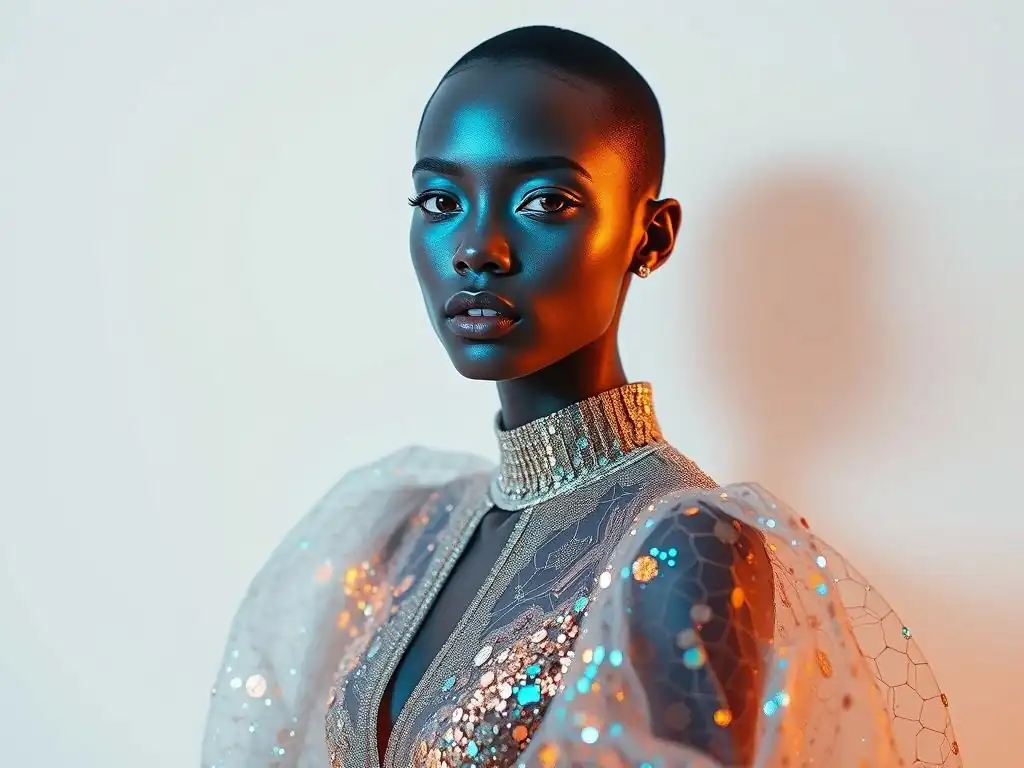
Welcome to Blockchain Trends, your go-to source for understanding the real-world impact of blockchain technology. Beyond the hype of cryptocurrencies, discover how this revolutionary technology is reshaping industries.
Are you ready to explore the cutting-edge intersection of fashion and blockchain? Dive in to our latest article and unravel the fascinating world of NFTs fashion virtual apparel trends. From digital collectibles to the future of virtual wardrobes, we'll explore how NFTs are poised to revolutionize the fashion industry. Intrigued? Let's delve deeper...
NFTs in Fashion: The Intriguing World of Digital Collectibles and Virtual Apparel
- Introduction to NFTs and the Fashion Industry Revolution
- Exploring the Intersection of NFTs, Fashion, and the Metaverse
- Key Trends in NFTs Fashion Virtual Apparel
- Notable Examples of NFTs Fashion Success Stories
- Benefits of NFTs for Fashion Brands and Consumers
- The Future of NFTs in Fashion: Predictions and Possibilities
- Investing in NFTs Fashion: A Guide for Beginners
- Conclusion: NFTs and the Future of Fashion's Digital Transformation
-
Frequently Asked Questions
- What are NFTs and how are they related to fashion?
- How can fashion brands utilize NFTs beyond just selling digital clothing?
- What are some of the key benefits of using NFTs for virtual apparel?
- What are some of the regulatory challenges surrounding NFTs in the fashion industry?
- What are the emerging trends in NFTs and virtual apparel that fashion enthusiasts should be aware of?
- Final Reflection: Embracing the Digital Runway
- Unleash Your Inner Digital Fashionista!
Introduction to NFTs and the Fashion Industry Revolution
Understanding NFTs: A Primer on Non-Fungible Tokens
Non-fungible tokens (NFTs) represent unique digital assets verified using blockchain technology. Unlike cryptocurrencies such as Bitcoin or Ethereum, where each unit is identical, NFTs are one-of-a-kind items that can represent digital art, collectibles, or even virtual fashion items. This uniqueness and verifiability are transforming how value and authenticity are established in the digital space, making NFTs a significant asset class for both creators and collectors.
The concept of NFTs has rapidly evolved from a niche idea into a burgeoning market segment. Detailed data from early adopters indicate that the NFT market reached billions in transaction volume during its peak surge, highlighting the global appetite for digital ownership. This evolution has led to innovative applications in industries beyond art, including music, sports, and notably the fashion sector where digital wearables play a pivotal role.
The Rise of Digital Fashion: How NFTs Are Transforming the Industry
Digital fashion is carving a new path in the fashion industry by merging creativity with technology. Designers have begun to experiment with avatars and virtual outfits, giving rise to an entirely new market where style and technology blend seamlessly. Traditional fashion brands are investing in NFTs to launch exclusive digital collections that transcend physical limitations, offering consumers unique creative experiences.
The trend toward NFTs in digital fashion is supported by robust technological infrastructures and increasing consumer willingness to explore virtual worlds. Retail data shows that virtual apparel markets are set to rise in tandem with the growth of the metaverse, leading to innovative models such as limited-run digital fashion drops and immersive brand experiences. This movement is not only redefining fashion consumption but also providing brands with novel ways to engage with digitally-native audiences.
Exploring the Intersection of NFTs, Fashion, and the Metaverse
Virtual Apparel and Digital Collectibles: Defining Key Terms
Virtual apparel refers to digital clothing items designed for avatars and virtual environments. These items, often created as NFTs, offer consumers the ability to express individuality without the physical limitations of fabric and design. Detailed analyses have demonstrated that the integration of virtual apparel in gaming and social platforms contributes significantly to heightened user interaction and increased brand visibility.
Digital collectibles extend beyond fashion, encompassing any unique asset represented on a blockchain. In the context of NFTs fashion virtual apparel trends, digital collectibles are increasingly being used to authenticate and trade luxury digital items. With real-world case studies showcasing record-breaking sale prices for limited-edition items, industry experts view these assets as both investments and symbols of digital identity.
NFTs as Certificates of Authenticity for Luxury Fashion Items
NFTs serve as digital certificates that verify the authenticity and ownership of luxury items within the fashion industry. This blockchain-based verification process minimizes counterfeiting, an issue that has long plagued high-end fashion brands. Experts in the field assert that NFTs have introduced unprecedented transparency into luxury goods provenance, thereby enhancing consumer trust.
By embedding ownership records directly onto the blockchain, fashion brands can effortlessly track the history and authenticity of an item. For example, renowned maisons have started issuing NFTs alongside their high-fashion pieces, ensuring that every item carries an indelible record of authenticity. This innovative approach not only streamlines the luxury resale market but also enriches the narrative of brand heritage and exclusivity.
Fashion NFTs and Metaverse Integration: A New Era of Wearables
Fashion NFTs are at the forefront of a metamorphosis that is redefining wearables in the digital age. The incorporation of NFTs into metaverse platforms is leading to the creation of exclusive virtual fashion experiences, providing users the opportunity to invest in rare digital apparel. Industry reports suggest that the virtual fashion market will continue to grow as major platforms roll out immersive shopping experiences rooted in blockchain technology.
The integration between fashion NFTs and the metaverse represents a collaborative effort between technology and design. Forward-thinking brands are not only crafting digital garments but are also curating entire virtual ecosystems where consumers can showcase their digital identities. These initiatives are supported by real-world events and collaborations that validate the expanding opportunities in this space, offering a glimpse into a future where fashion and technology become inextricable.
Key Trends in NFTs Fashion Virtual Apparel
Trend 1: Exclusive Digital Fashion Drops and Limited-Edition NFTs
Exclusive digital fashion drops are revolutionizing how brands engage with consumers in the NFT space. These limited-edition releases are not only highly anticipated by collectors but also serve as a robust marketing tool to stimulate social media buzz and drive brand engagement. Reports indicate that some digital fashion drops have seen sales spikes of over 300% on launch days.
The scarcity and uniqueness of these NFT releases contribute to their high collectible value. Fashion brands are aligning their launch strategies with blockchain events to maximize impact, and successful campaigns have shown that limited-edition NFTs can create new revenue streams while reinforcing brand prestige in the digital landscape.
Trend 2: NFTs as Membership Passes and Loyalty Programs for Fashion Brands
NFTs are being creatively used as digital membership passes that grant access to exclusive events, early releases, and behind-the-scenes content. Fashion brands are developing loyalty programs where holding specific NFTs opens up a range of benefits, thus increasing consumer retention. Data from pilot programs have shown up to a 25% increase in consumer engagement among NFT holders.
These membership NFTs provide a dual benefit: they ensure exclusivity and build a community of brand advocates. By merging loyalty programs with blockchain technology, brands can seamlessly manage rewards and incentives while tapping into a tech-savvy consumer base that values authenticity and innovation.
Trend 3: Customizable Virtual Avatars and NFT-Based Outfits
Customization has become a key expectation in digital culture, and NFT-based outfits now offer users the chance to personalize their digital identities. This trend is particularly noticeable in gaming and virtual social platforms, where custom avatars are central to user experience. Recent studies indicate that the customization market within the digital fashion sector is set to grow by over 40% in the coming years.
As consumers demand more control over their digital appearance, NFT platforms are rising to the challenge by offering a wide range of outfit options that can be mixed and matched. This trend not only fuels creativity but also establishes a dynamic marketplace where designers and consumers co-create value in an interactive digital canvas.
Trend 4: Democratization of Fashion Design Through NFT Platforms
The democratization of fashion design through blockchain platforms is reshaping how creative talent is discovered and rewarded. Independent designers are now leveraging NFTs to bypass traditional barriers in the fashion industry, gaining immediate access to global audiences. Industry insights reveal that grassroots efforts have led to the emergence of several breakout digital fashion houses that challenge established luxury brands.
Blockchain-enabled platforms empower creators by providing transparent revenue-sharing models and reducing reliance on intermediaries. Real-world examples show that NFT platforms are fostering an inclusive environment where techniques and ideas are freely shared, ultimately enriching the fashion ecosystem with a diverse array of novel designs and cultural expressions.
Notable Examples of NFTs Fashion Success Stories
Case Study 1: RTFKT and Their NFT Sneaker Collaboration with Nike
RTFKT, a digital fashion startup known for its pioneering work in NFT-based wearables, made headlines with its collaboration on NFT sneakers with Nike. This partnership blended real-world craftsmanship with digital innovation, resulting in a collection that broke records in the digital collectibles market. Analysts have noted that the collection's success lies in its harmonious integration of brand heritage and futuristic design.
The NFT sneakers not only served as exclusive collectibles but also as interactive assets for virtual platforms, setting a precedent for future collaborations between high-end fashion brands and digital innovators. The project's success has inspired numerous other ventures aiming to merge traditional fashion with cutting-edge blockchain technology, emphasizing the growing market interest in NFTs fashion virtual apparel trends.
Case Study 2: DressX and Their Virtual Fashion Marketplace
DressX has emerged as a key player in the virtual fashion marketplace by providing a platform where users can buy, sell, and showcase NFT-based virtual clothing. With a focus on sustainability and digital innovation, DressX offers designers a unique ecosystem to experiment and thrive without the environmental impact of physical production. Market reports indicate that DressX has seen rapid growth, with digital sales increasing significantly year-on-year.
The platform’s emphasis on accessibility and creativity has democratized fashion design, making virtual apparel an exciting alternative to traditional fashion consumption. Consumers value DressX for its interactive features, community engagement initiatives, and the ability to experiment with digital identities in a space that is both innovative and ethically conscious.
Analyzing the Impact of These NFT Fashion Initiatives
The success stories of RTFKT and DressX illustrate significant shifts in the fashion industry's structure and consumer expectations. Analyses suggest that these initiatives have not only expanded revenue channels for brands but have also redefined the role of authenticity and design in a blockchain-powered ecosystem. As consumer preferences evolve towards more personalized and interactive experiences, these NFTs-driven strategies are setting new industry benchmarks.
Moreover, the integration of digital collectibles with traditional fashion narratives has opened up discussions on value creation and ownership in the virtual space. With tangible impacts on market strategies, these case studies reinforce the relevance of NFTs fashion virtual apparel trends in shaping a more dynamic and inclusive fashion landscape.
Benefits of NFTs for Fashion Brands and Consumers

For Brands: New Revenue Streams and Enhanced Brand Engagement
For fashion brands, NFTs offer a lucrative avenue to generate fresh revenue streams while cultivating a deeper connection with tech-savvy consumers. By tokenizing digital creations, brands can bypass traditional distribution channels and capture a broader audience. Studies have demonstrated that brands introducing NFT-based initiatives have experienced increased profitability from direct consumer sales and secondary market royalties.
Additionally, NFT integrations encourage ongoing engagement through community-based events and digital experiences. The ability to track and verify ownership on the blockchain also provides brands with detailed consumer insights, helping them refine their marketing strategies and product offerings to align with current trends in NFTs fashion virtual apparel trends.
For Consumers: Ownership, Rarity, and Self-Expression in the Digital Realm
Consumers benefit from the transparency and security of NFTs, which assure the authenticity and rarity of digital fashion items. Owning a limited-edition digital collectible is not just a financial investment but also a statement of style and self-expression. Numerous digital fashion enthusiasts report a deeper emotional connection to artifacts that represent innovation, scarcity, and futuristic design.
Moreover, NFTs enable consumers to participate actively in the digital economy. This sense of ownership extends beyond the monetary value, fostering communities centered on shared interests and aesthetic appreciation. As consumers maneuver within virtual environments, the ability to customize digital identities through NFT-based fashion becomes an integral part of their overall lifestyle and self-expression strategy.
Addressing Concerns: Sustainability and Ethical Considerations of NFTs in Fashion
While NFTs contribute significantly to the evolution of digital fashion, sustainability and ethical concerns remain at the forefront. Critics have highlighted the high energy consumption associated with blockchain technologies and questioned the environmental impact of NFT transactions. However, recent advancements in blockchain protocols, including proof-of-stake mechanisms, have substantially reduced energy demands.
Fashion brands are increasingly demonstrating a commitment to ethical practices by adopting greener blockchain solutions and partnering with eco-conscious platforms. These initiatives not only address environmental concerns but also build consumer trust. By aligning with sustainability goals, brands participating in NFTs fashion virtual apparel trends are fostering an ethical ecosystem that values innovation alongside social and environmental responsibility.
The Future of NFTs in Fashion: Predictions and Possibilities
The Evolution of Virtual Apparel and Digital Identities
The future of virtual apparel lies in its seamless integration with digital identities, serving as the nexus for personal expression in virtual spaces. As augmented reality (AR) and virtual reality (VR) technologies become more commonplace, digital fashion is expected to evolve into a fully immersive experience. Industry experts predict that the virtual apparel market may rival traditional fashion sectors in terms of consumer engagement and revenue generation.
Additionally, the continuous fusion of design, technology, and blockchain innovations will set the stage for more interactive and personalized experiences. Consumers will likely see an era where customizing and curating digital identities is as important as traditional physical wardrobes—a shift that underscores the significance of NFTs in the broader context of digital transformation and fashion trends.
NFTs and the Creation of a More Inclusive and Accessible Fashion Ecosystem
By democratizing access to fashion design and enabling direct consumer participation, NFTs are contributing to a more inclusive industry. This shift allows independent designers from underrepresented communities to showcase their work without the constraints of traditional gatekeeping. Market observations have noted that more diverse collections are emerging on NFT platforms, driving cultural and creative diversification.
Inclusivity is further enhanced by the global reach of blockchain technology. Consumers from different geographical regions and backgrounds now have the opportunity to partake in, invest in, and influence fashion trends. The movement toward a more democratized fashion ecosystem promises not only increased creativity but also a more balanced distribution of opportunities and rewards in the digital fashion landscape.
Challenges and Opportunities for the Continued Growth of NFTs in Fashion
As the NFT space expands, challenges such as regulatory uncertainties, market volatility, and technological barriers must be addressed. Real-world data from early market cycles reveal that while some initiatives have experienced explosive growth, others have faced setbacks due to rapidly evolving legal frameworks and fluctuating demand. These challenges call for strategic collaborations between regulators, technologists, and creative communities to ensure sustainable growth.
On the flip side, emerging opportunities abound in the form of cross-industry collaborations and innovations. Fashion brands have significant potential to harness blockchain for supply chain transparency, consumer engagement, and even virtual reality experiences. These opportunities illustrate how addressing challenges head-on can lead to a more robust and resilient NFTs fashion virtual apparel trends market, paving the way for future success.
Investing in NFTs Fashion: A Guide for Beginners
Understanding the NFT Fashion Market and Identifying Valuable Collectibles
For beginners stepping into the NFT fashion market, gaining a solid understanding of the digital landscape is essential. Market research indicates that early adopters who focus on exclusive digital drops and unique digital assets tend to reap long-term benefits. A thorough analysis of market trends, transaction volumes, and historical performance can guide investors toward acquiring valuable NFT collectibles.
Successful investment in digital fashion demands careful examination of brand reputation, rarity of the asset, and potential for future utility. Investors are advised to monitor emerging trends, such as NFT-based membership passes or customizable virtual wearables, to identify projects aligned with NFTs fashion virtual apparel trends. This informed approach can open up new avenues for sustained portfolio growth and creative engagement.
Risks and Rewards of Investing in Digital Fashion NFTs
Investing in digital fashion NFTs comes with a unique set of risks and rewards. On one hand, the potential for high returns is evident in cases where limited-edition digital assets appreciate significantly after their initial release. Market examples show that some NFT drops have doubled in value within months, rewarding early adopters with substantial gains.
Conversely, the digital fashion space can be volatile, and investors must be cautious of market fluctuations and technological vulnerabilities. Risk management strategies, such as diversification and rigorous research, are crucial to navigating this emerging asset class. Balancing potential high rewards with inherent risks enables investors to participate in this dynamic market while protecting their capital.
Tips for Securing and Managing Your NFT Fashion Assets
Securing your NFT fashion assets is paramount in the ever-evolving digital marketplace. Utilizing robust digital wallets and understanding blockchain security protocols are foundational steps for protecting your investments. Many seasoned collectors recommend using hardware wallets and multi-factor authentication to mitigate hacking risks, ensuring that your digital assets remain secure.
In addition to security measures, effective management of NFT holdings involves staying informed about market trends and regular portfolio assessments. Engaging with reputable communities and platforms can provide critical insights and support long-term asset management. These practices are essential for anyone looking to thrive in the realm of NFTs fashion virtual apparel trends, providing both security and strategic oversight.
Conclusion: NFTs and the Future of Fashion's Digital Transformation
Recap of Key Trends and Insights
The evolution of NFTs in fashion has been marked by key trends such as exclusive digital drops, membership-based NFTs, customizable virtual wearables, and the democratization of design. These developments have transformed traditional fashion narratives by introducing blockchain verifiability, increased consumer engagement, and innovative revenue streams for brands. Detailed market analyses and success stories highlight the transformative impact of NFTs in redefining value and authenticity in the fashion world.
Summarizing the insights, it is clear that the convergence of blockchain, digital art, and fashion is paving the way for a more innovative, inclusive, and sustainable industry. The trends driving NFTs fashion virtual apparel trends are not fleeting; they are reshaping consumer behavior and industry structures for the long term, thereby creating opportunities for both established brands and emerging creators.
The Long-Term Impact of NFTs on the Fashion Industry and Consumer Behavior
In the long term, NFTs are poised to reshape the fashion industry by fostering a digital ecosystem that values authenticity, interactivity, and inclusivity. As digital identities become increasingly significant, the role of virtual apparel in expressing individuality and enabling self-expression is expected to grow. Detailed projections point toward a future where blockchain-driven traceability and secure ownership are as essential as quality craftsmanship in luxury fashion.
For consumers, this transformation translates into enriched experiences that blend physical and digital realities. The long-term impact of NFTs on consumer behavior is apparent in their growing demand for personalized, unique digital assets that offer both artistic value and investment potential. As the fashion industry continues to adapt to this digital transformation, NFTs will undoubtedly remain a central element in bridging the gap between creative innovation and consumer engagement.
Frequently Asked Questions
NFTs, or non-fungible tokens, are unique digital assets representing ownership of items. In fashion, they're used to represent ownership of virtual apparel or digital collectibles, offering authenticity and scarcity in the digital realm.
How can fashion brands utilize NFTs beyond just selling digital clothing?
Fashion brands can leverage NFTs for brand loyalty programs, exclusive access to events, and as a means of verifying the authenticity of physical goods through digital twins. This expands their engagement beyond simple transactions.
What are some of the key benefits of using NFTs for virtual apparel?
Key benefits include verifiable ownership, scarcity, and the ability to wear or showcase virtual apparel in metaverse environments. This creates new revenue streams and expands consumer engagement.
What are some of the regulatory challenges surrounding NFTs in the fashion industry?
Regulatory challenges include clarifying intellectual property rights in the digital space, addressing concerns about consumer protection in NFT markets, and navigating evolving legal frameworks.
What are the emerging trends in NFTs and virtual apparel that fashion enthusiasts should be aware of?
Emerging trends include personalized virtual avatars, interoperability of digital assets across different metaverses, and the integration of AI-powered design for creating unique virtual apparel.
Final Reflection: Embracing the Digital Runway
The exploration of NFTs in fashion, from digital collectibles to virtual apparel, reveals a landscape brimming with potential and disruption. This intersection of technology and artistry is not merely a fleeting trend, but a fundamental shift in how we perceive, consume, and express ourselves through fashion. The rise of NFTs in this space signals a democratization of design and ownership, empowering creators and consumers alike in ways previously unimaginable.
This digital revolution continues to reshape the cultural landscape, blurring the lines between the physical and virtual realms. Witnessing the emergence of virtual fashion weeks and the creation of unique digital identities underscores the profound impact of NFTs on self-expression. Fashion is instant language,
as Miuccia Prada famously stated. NFTs are now providing a new dialect within that language, allowing individuals to communicate their style and values in the metaverse and beyond.
As we stand at the cusp of this digital frontier, I invite you to consider the implications of NFTs in fashion for your own life. How can you embrace this technology to express your unique style, support emerging designers, or contribute to a more sustainable and inclusive fashion industry? The possibilities are endless, and the future of fashion is waiting to be shaped by your creativity and vision.
Unleash Your Inner Digital Fashionista!
Thank you for exploring the exciting world of NFTs and fashion. We hope you now have a better understanding of how digital collectibles are transforming self-expression. Are you ready to take your first step into this innovative realm?
Here are some ways to get started:
- Explore Virtual Worlds: Dive into platforms like Decentraland or The Sandbox and discover fashion-focused NFT projects that are gaining popularity. Look for opportunities to acquire your first piece of digital apparel—this is the perfect first step.
- Learn About NFT Marketplaces: Get acquainted with platforms such as OpenSea or Rarible. Filter by fashion categories to stay updated on new collections and emerging designers.
- Share Your Ideas: What innovative fashion trends would you love to see in the NFT space? Share your thoughts with fellow fashion enthusiasts on your social media channels.
What is the first piece of digital fashion you dream of owning, and how would you style it in the virtual world?
Leave a Reply