
Podcasts and Blockchain: Decentralized Distribution and Monetization Strategies


Welcome to Blockchain Trends, your compass in the ever-evolving world of decentralized technologies. Beyond the hype of cryptocurrencies, lies a revolution impacting industries from finance to media. Intrigued by the potential of blockchain to reshape content creation? This week, we dive deep into Blockchain Podcasts Monetization Strategies, exploring how creators are leveraging decentralized platforms to reclaim ownership and unlock new revenue streams. Are you ready to discover how blockchain is changing the podcasting landscape? Read on to uncover the secrets!
Podcasts and Blockchain: Decentralized Distribution and Monetization Strategies
- Introduction: The Convergence of Podcasts and Blockchain Technology
- Understanding the Current Podcast Monetization Landscape
- Blockchain-Based Solutions for Podcast Distribution
- Blockchain Podcasts Monetization Strategies: Detailed Analysis
- Case Studies: Blockchain Podcasts in Action
- Overcoming Challenges in Blockchain Podcast Adoption
- The Future of Blockchain and Podcasts: Predictions and Trends
- Conclusion: Empowering Podcast Creators Through Decentralization
-
Frequently Asked Questions
- How can blockchain technology revolutionize podcast distribution?
- What are some blockchain-based monetization strategies for podcasts?
- How does blockchain enhance transparency in podcast advertising?
- What are the regulatory challenges surrounding blockchain-based podcasting?
- What is the future potential of decentralized podcasting platforms?
- Final Reflection: Empowering Voices Through Decentralization
- Amplify Your Voice: Launch Your Decentralized Podcast Journey!
Introduction: The Convergence of Podcasts and Blockchain Technology
Exploring the Synergy: How Blockchain Enhances Podcast Distribution
The podcasting landscape, while experiencing exponential growth in listenership and content creation, faces inherent challenges in distribution and monetization. Traditional podcasting relies heavily on centralized platforms for hosting and distribution, leading to potential bottlenecks in content access and creator revenue streams. Blockchain technology offers a compelling alternative, promising to decentralize these processes and empower creators with greater control and earning potential. By leveraging the inherent characteristics of blockchain – transparency, immutability, and decentralization – podcasts can break free from platform dependencies, fostering a more equitable and open ecosystem for both creators and listeners.
The synergy between podcasts and blockchain is rooted in the shared desire for content autonomy and direct creator-listener relationships. Blockchain's distributed ledger technology can revolutionize podcast distribution by enabling peer-to-peer content sharing, reducing reliance on intermediaries, and enhancing content discoverability through decentralized networks. This shift not only grants creators more control over their content but also opens up new avenues for direct monetization and audience engagement, paving the way for a more sustainable and creator-centric podcasting future.
The Potential of Decentralized Platforms for Podcast Creators
Decentralized platforms built on blockchain offer a compelling value proposition for podcast creators seeking independence and enhanced control over their work. Currently, creators often depend on centralized hosting services and distribution platforms, which can impose restrictions, take significant cuts of revenue, and potentially censor content. Decentralization addresses these issues by distributing content across a network of nodes, making it resistant to single points of failure or censorship. This inherent resilience is particularly appealing to independent podcasters who value creative freedom and direct engagement with their audience.
Moreover, decentralized platforms can facilitate new monetization models that are more favorable to creators. Smart contracts, a core feature of blockchain, can automate revenue sharing, ensure transparent royalty distribution, and enable innovative subscription models. By cutting out intermediaries, creators can retain a larger share of their earnings and build stronger, more direct relationships with their listeners. This shift towards decentralization empowers creators to own their content, control their distribution, and benefit more directly from their creative efforts, fostering a more sustainable and thriving podcasting ecosystem.
Understanding the Current Podcast Monetization Landscape
Traditional Podcast Monetization Models: Limitations and Challenges
The conventional podcast monetization landscape is dominated by a few established models, primarily advertising, subscriptions through platforms like Patreon, and affiliate marketing. Advertising, while widely used, often requires significant listenership to generate substantial revenue, leaving many smaller or niche podcasts struggling to monetize effectively. Furthermore, ad revenue is often mediated by podcast hosting platforms or ad networks, taking a percentage of the earnings and sometimes lacking transparency in ad placement and rates. Subscription models, while offering a more direct revenue stream, still rely on platform dependence and can be challenging to implement and manage independently.
Affiliate marketing, another common approach, depends on listeners making purchases through specific links, which can feel less organic and intrusive to the listening experience. These traditional models, while functional to varying degrees, share limitations in terms of creator control, revenue distribution fairness, and reliance on centralized intermediaries. The current system often favors larger podcasts with established audiences, making it difficult for emerging creators to build sustainable revenue streams and hindering the overall diversity and growth of the podcasting ecosystem.
The Need for Innovative Solutions in Podcast Revenue Generation
The limitations of traditional podcast monetization models highlight a clear need for innovative solutions that can empower creators and foster a more sustainable podcasting ecosystem. Many podcasters face challenges in earning a living wage from their craft, despite dedicating significant time and resources to content creation. This financial precarity can stifle creativity and limit the diversity of voices within the podcasting space. Listeners, too, are increasingly seeking ways to directly support creators they value, beyond simply tolerating advertisements or subscribing through centralized platforms that may not align with their values.
Innovative solutions are needed to address these challenges by providing creators with more control over their monetization strategies, ensuring fairer revenue distribution, and fostering stronger connections with their audience. Blockchain technology emerges as a promising avenue for innovation in this space, offering the potential to create decentralized, transparent, and creator-centric monetization models. These new approaches can leverage the unique capabilities of blockchain to overcome the limitations of traditional methods and unlock new possibilities for podcast revenue generation and creator empowerment.
Blockchain-Based Solutions for Podcast Distribution
Decentralized Podcast Hosting Platforms: A New Paradigm
Decentralized podcast hosting platforms represent a paradigm shift in content distribution, moving away from centralized servers controlled by single entities towards distributed networks. These platforms leverage blockchain technology and decentralized storage solutions like IPFS (InterPlanetary File System) to host podcast audio files across a network of nodes. This distributed nature inherently enhances content resilience and censorship resistance, as there is no single point of failure or control. If one node goes offline, the content remains accessible through other nodes in the network.
This decentralized infrastructure also empowers creators with greater control over their content. Unlike traditional hosting platforms, decentralized solutions often grant creators full ownership of their content keys and data. This ownership translates to greater autonomy in managing their podcast, setting their own terms of service, and directly interacting with their audience without platform intermediaries dictating the rules. Examples of emerging decentralized podcast platforms are beginning to appear, showcasing the potential of this new paradigm to reshape podcast distribution and creator empowerment.
Benefits of Using Blockchain for Podcast Content Delivery
Utilizing blockchain for podcast content delivery offers a multitude of benefits that address key challenges within the traditional podcasting ecosystem. One significant advantage is enhanced censorship resistance. In a decentralized system, content is distributed across numerous nodes, making it exceptionally difficult for any single entity to censor or remove content. This is particularly crucial for podcasts covering sensitive or controversial topics, ensuring freedom of speech and access to diverse perspectives.
Furthermore, blockchain-based delivery can improve content availability and reliability. The distributed nature of the network minimizes downtime and ensures content accessibility even in the face of network disruptions. This enhanced reliability is vital for maintaining consistent listenership and building trust with the audience. Beyond resilience and censorship resistance, blockchain can also streamline content delivery through faster download speeds and reduced bandwidth costs in certain decentralized network configurations, ultimately improving the user experience and making podcast consumption more efficient and accessible.
Blockchain Podcasts Monetization Strategies: Detailed Analysis
Cryptocurrency Micropayments for Podcast Content
Cryptocurrency micropayments present a novel approach to podcast monetization, enabling listeners to directly support creators with small amounts of cryptocurrency for individual episodes or content pieces. This model moves away from large, recurring subscription fees and allows for granular support based on perceived value. For example, listeners could send a small amount of Bitcoin or other cryptocurrencies as a "tip" for an episode they particularly enjoyed, fostering a direct and immediate connection between creator and listener.
This system leverages the low transaction fees and global accessibility of cryptocurrencies to facilitate frictionless payments. Micropayments can be integrated into podcast players or creator websites, providing a seamless and convenient way for listeners to show their appreciation and contribute to the sustainability of their favorite podcasts. While the individual amounts may be small, the collective impact of micropayments from a dedicated audience can create a viable and direct revenue stream for creators, especially for niche or independent podcasts that may not attract large advertising deals or subscription numbers.
Tokenized Podcast Subscriptions: Rewarding Listeners and Creators
Tokenized podcast subscriptions introduce a new dimension to listener engagement and creator monetization by utilizing blockchain-based tokens. Instead of traditional fiat subscriptions, creators can issue their own tokens, which listeners can acquire to gain access to premium content, exclusive communities, or other benefits. These tokens can represent membership, access rights, or even governance rights within the podcast ecosystem, creating a more interactive and rewarding experience for listeners.
For creators, tokenized subscriptions offer greater flexibility in designing their membership models and rewarding their loyal audience. Tokens can be distributed not only through purchase but also through engagement, such as listening to episodes, participating in discussions, or sharing content. This incentivizes active participation and builds a stronger sense of community around the podcast. Furthermore, these tokens can potentially be traded on decentralized exchanges, adding another layer of value and utility for listeners and creating a more dynamic and engaging subscription model compared to traditional, static memberships.
NFTs for Podcasts: Exclusive Content and Community Building
Non-Fungible Tokens (NFTs) offer a unique avenue for podcast creators to monetize exclusive content and cultivate a strong community around their work. NFTs can represent ownership of unique podcast episodes, bonus content, early access releases, or even virtual merchandise related to the podcast. By offering these as NFTs, creators can generate revenue through initial sales and potentially through secondary market royalties if the NFTs are traded.
NFTs can also serve as access passes to exclusive communities or events related to the podcast. Holding a specific NFT could grant listeners entry to private Discord channels, Q&A sessions with the hosts, or even in-person meetups. This fosters a sense of belonging and exclusivity, strengthening the bond between creators and their most dedicated fans. Examples are emerging of podcasts using NFTs to reward early supporters, create limited edition collectibles, and build vibrant, engaged communities around their content.
Decentralized Advertising on Podcasts: Transparency and Control
Decentralized advertising, powered by blockchain, addresses many of the transparency and control issues associated with traditional podcast advertising. Current advertising models often rely on intermediaries and opaque systems, making it difficult for creators to understand ad placement, track performance accurately, and ensure fair compensation. Blockchain can introduce transparency by recording ad transactions and performance metrics on an immutable ledger, providing creators with verifiable data and greater control over their advertising revenue.
Smart contracts can automate ad placement and payment processes, ensuring that creators are compensated fairly and promptly based on pre-defined terms. Decentralized advertising networks can also offer more privacy-focused solutions, potentially leveraging zero-knowledge proofs or other privacy-preserving technologies to deliver targeted ads without compromising user data. This shift towards transparency and control in podcast advertising can empower creators to monetize their content more effectively and ethically, fostering a more trustworthy and sustainable advertising ecosystem.
Case Studies: Blockchain Podcasts in Action
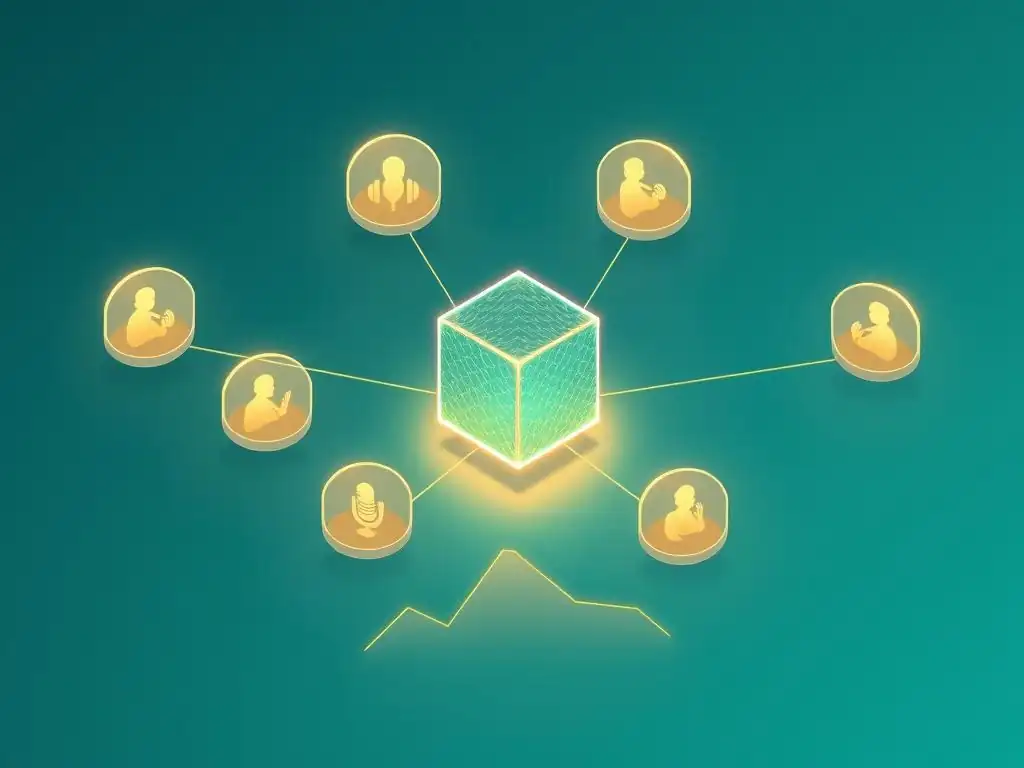
Bankless: Using NFTs to Build a Community
Bankless, a popular podcast and media platform focused on crypto and decentralized finance, has effectively utilized NFTs to cultivate a thriving community and offer exclusive benefits to its audience. Bankless launched "Bankless Badges" as NFTs, which served as digital membership passes granting access to a private Discord server, exclusive content, and early access to events. These NFTs were not just collectibles but functional keys to a valuable community experience.
The success of Bankless's NFT strategy demonstrates the potential of NFTs for building engaged communities around podcasts. By offering tangible utility and exclusive access through NFTs, Bankless incentivized audience participation and created a strong sense of belonging among its listeners. The value of these NFTs also increased over time, further rewarding early supporters and demonstrating the potential for NFTs to become valuable assets within a podcast ecosystem.
Proof: Exploring Decentralized Distribution and Creator Ownership
Proof, a podcast exploring the intersection of technology, culture, and the future, exemplifies the adoption of decentralized distribution methods. While specific details of their infrastructure may evolve, Proof has actively explored and advocated for decentralized podcasting solutions, emphasizing creator ownership and control. They have experimented with platforms and tools that leverage blockchain for content hosting and distribution, aiming to reduce reliance on centralized platforms and promote a more open and censorship-resistant podcasting ecosystem.
Proof's approach highlights the growing awareness within the podcasting community of the benefits of decentralized distribution. By actively exploring and promoting these technologies, Proof contributes to the broader movement towards a more creator-centric and independent podcasting landscape. Their commitment to decentralization serves as an example for other podcasts seeking greater autonomy and control over their content distribution.
Green Pill: Tokenized Membership and Community Governance
Green Pill, a podcast focused on regenerative cryptoeconomics and Web3, embodies the concept of tokenized membership and community governance within the podcasting space. While specific details of their tokenized system may vary and evolve, Green Pill explores and advocates for models where listeners can become active participants in the podcast's ecosystem through token ownership. These tokens can potentially grant voting rights on content direction, access to exclusive community spaces, and other forms of participatory engagement.
Green Pill’s experimentation with tokenized membership reflects a broader trend towards decentralized governance in online communities and content platforms. By empowering listeners with ownership and governance rights, podcasts like Green Pill can foster a more collaborative and community-driven approach to content creation and platform development. This model has the potential to create stronger bonds between creators and their audience and foster a more sustainable and participatory podcasting ecosystem.
Overcoming Challenges in Blockchain Podcast Adoption
Scalability Issues and Potential Solutions
One of the primary challenges facing widespread blockchain adoption in podcasting, and across many industries, is scalability. Traditional blockchains can face limitations in transaction throughput and speed, which could impact the efficiency of micropayments, tokenized subscriptions, or other blockchain-based functionalities within a podcast platform. High transaction fees during periods of network congestion can also pose a barrier to micropayments and frequent token interactions.
However, various scaling solutions are being developed and implemented within the blockchain space. Layer-2 scaling solutions, such as Lightning Network for Bitcoin or sidechains, aim to increase transaction speed and reduce fees by processing transactions off-chain while still benefiting from the security of the main blockchain. Furthermore, newer blockchain protocols are being designed with scalability in mind, offering higher transaction throughput and lower fees from the outset. As these scaling solutions mature and become more widely adopted, the scalability challenges for blockchain podcasting will likely diminish.
Regulatory Uncertainty and Legal Considerations
The regulatory landscape surrounding blockchain technology and cryptocurrencies is still evolving globally, creating uncertainty and potential legal considerations for podcast creators and platforms adopting these technologies. Regulations regarding token sales, cryptocurrency transactions, and the legal status of NFTs can vary significantly across jurisdictions, requiring creators to navigate a complex and sometimes ambiguous legal environment.
Podcast creators considering blockchain-based monetization strategies need to be mindful of these regulatory uncertainties and seek legal counsel to ensure compliance in their relevant jurisdictions. Clearer regulatory frameworks are needed to foster innovation and adoption of blockchain technologies within the podcasting industry while also protecting consumers and ensuring responsible use. As regulations become more defined and harmonized, the legal barriers to blockchain podcasting will likely decrease, encouraging wider adoption and innovation.
User Adoption and Education: Bridging the Gap
User adoption and education represent a significant hurdle to mainstream blockchain podcasting. Many podcast listeners are unfamiliar with blockchain technology, cryptocurrencies, and concepts like NFTs. The perceived complexity and technical jargon associated with these technologies can create a barrier to entry for potential users, hindering the widespread adoption of blockchain-based podcast platforms and monetization models.
Bridging this gap requires a concerted effort in user education and the development of user-friendly interfaces. Podcast platforms utilizing blockchain need to prioritize simplicity and ease of use, abstracting away the technical complexities of blockchain from the user experience. Clear and accessible educational resources are also crucial to onboard new users and demystify blockchain concepts. As user education improves and user interfaces become more intuitive, the adoption barriers for blockchain podcasting will gradually decrease, paving the way for broader user participation.
The Future of Blockchain and Podcasts: Predictions and Trends
The Rise of Decentralized Podcast Networks
The future is likely to witness the emergence and growth of decentralized podcast networks, offering creators alternatives to centralized platforms and fostering a more open and creator-centric ecosystem. These networks will leverage blockchain for content hosting, distribution, and monetization, empowering creators with greater control, censorship resistance, and direct access to their audience. Decentralized networks can potentially be structured as DAOs (Decentralized Autonomous Organizations), allowing creators and listeners to collectively govern the network and its future development.
These networks will likely offer a range of features tailored to the needs of podcasters, including decentralized hosting solutions, integrated cryptocurrency payment systems, NFT marketplaces for exclusive content, and community governance mechanisms. As decentralized technologies mature and user adoption grows, these networks have the potential to become a significant force in the podcasting industry, challenging the dominance of centralized platforms and reshaping the landscape of content creation and distribution.
The Impact of Web3 on Podcast Creation and Consumption
Web3, the decentralized and user-centric iteration of the internet, is poised to significantly impact both podcast creation and consumption. Web3 principles align perfectly with the desire for creator empowerment, data ownership, and community-driven platforms. Blockchain-based podcasting is a key component of the Web3 vision for content creation and consumption, offering a more equitable and transparent alternative to the current centralized web.
Web3 technologies will enable new forms of podcast creation, such as collaborative podcasting through decentralized platforms, and new consumption models, such as listener-owned podcast libraries and decentralized podcast players. The focus on user ownership and control within Web3 will empower listeners to have more agency over their data and content consumption experiences. As Web3 technologies mature and become more accessible, their impact on the podcasting industry will become increasingly profound, transforming how podcasts are created, distributed, and consumed.
The Evolution of Podcast Monetization with Blockchain Technology
Blockchain technology will drive a significant evolution in podcast monetization strategies, moving beyond traditional advertising and subscription models towards more diverse, creator-centric, and community-driven revenue streams. Cryptocurrency micropayments, tokenized subscriptions, and NFTs will become increasingly prevalent, offering creators new ways to monetize their content and engage with their audience.
We can anticipate the rise of hybrid monetization models that combine traditional approaches with blockchain-based solutions. Creators may utilize a combination of advertising, subscriptions, and NFT sales to diversify their revenue streams and cater to different segments of their audience. The focus will shift towards building sustainable and resilient revenue models that empower creators to thrive and continue producing high-quality content, fostering a more vibrant and economically viable podcasting ecosystem.
Conclusion: Empowering Podcast Creators Through Decentralization
Key Takeaways: Blockchain's Role in the Podcast Ecosystem
Blockchain technology offers a transformative potential for the podcast ecosystem, addressing key challenges related to distribution, monetization, and creator empowerment. Decentralization, censorship resistance, and enhanced transparency are core benefits that blockchain brings to podcasting. By leveraging blockchain, creators can gain greater control over their content, bypass intermediaries, and establish more direct and rewarding relationships with their listeners.
Blockchain-based monetization strategies, including micropayments, tokenized subscriptions, and NFTs, offer innovative alternatives to traditional models, enabling creators to diversify their revenue streams and build sustainable businesses. While challenges related to scalability, regulation, and user adoption remain, the potential benefits of blockchain for podcasting are substantial and warrant continued exploration and development.
The Future of Sustainable Podcast Revenue Streams
The future of podcast revenue streams is increasingly intertwined with blockchain technology and the principles of decentralization. Blockchain empowers creators to build more sustainable and resilient revenue models, reducing reliance on centralized platforms and fostering direct creator-listener relationships. As blockchain technologies mature and user adoption increases, we can expect to see a significant shift towards decentralized monetization strategies within the podcasting industry.
This shift will not only benefit individual creators but also contribute to the overall health and diversity of the podcasting ecosystem. By enabling more sustainable revenue streams for a wider range of creators, blockchain can foster greater innovation, creativity, and diversity of voices within the podcasting space, ultimately enriching the listening experience for audiences worldwide.
Frequently Asked Questions
How can blockchain technology revolutionize podcast distribution?
Blockchain enables decentralized podcast distribution, bypassing traditional platforms. This allows creators to maintain greater control over their content and audience relationships, reducing reliance on intermediaries. This can lead to more direct engagement with listeners.
What are some blockchain-based monetization strategies for podcasts?
Blockchain offers various monetization options, including cryptocurrency micropayments for episodes or subscriptions. Other options are NFTs for exclusive content and the use of decentralized advertising networks which offer more control for creators and advertisers.
How does blockchain enhance transparency in podcast advertising?
Blockchain provides an immutable record of advertising transactions. This increased transparency helps prevent ad fraud and ensures that creators are fairly compensated for their advertising revenue, using smart contracts to automate payments.
What are the regulatory challenges surrounding blockchain-based podcasting?
The regulatory landscape for blockchain technology is still evolving. Podcasts using blockchain for monetization need to navigate securities laws, data privacy regulations, and potential tax implications, which differ by country.
What is the future potential of decentralized podcasting platforms?
Decentralized podcasting platforms could foster a more equitable and innovative ecosystem. This potentially includes user-owned platforms, where listeners have a say in platform governance and creators receive a larger share of revenue, leading to greater community ownership.
Final Reflection: Empowering Voices Through Decentralization
The exploration of blockchain's potential to revolutionize podcast distribution and monetization, as detailed in this article, underscores a critical shift: the democratization of content creation and ownership. No longer solely reliant on centralized platforms, podcasters can leverage blockchain technology to forge direct connections with their audience, fostering transparency and control over their creative output and revenue streams. This paradigm shift is not just theoretical; it's actively shaping the future of digital media.
The impact of decentralized podcasting extends far beyond mere technological innovation. It represents a fundamental re-evaluation of power dynamics within the media landscape. This journey into blockchain-based podcasting has reinforced my belief in the power of individual creators to thrive outside traditional gatekeepers. It's about fostering a more equitable ecosystem where creators are fairly compensated for their work and listeners have greater agency in supporting the content they value. The future of media is decentralized, peer-to-peer, and owned by the creators and the community.
- Naval Ravikant
As we stand at the cusp of this decentralized revolution, I invite you to consider the implications of these emerging technologies. How can you, as a creator or a listener, contribute to a more equitable and transparent media landscape? Embrace the potential of blockchain to empower voices, foster genuine connections, and build a future where creativity flourishes without limitations. Let's collectively shape a future where blockchain podcasts monetization strategies are not just a technical solution, but a pathway to a more vibrant and democratic digital world.
Amplify Your Voice: Launch Your Decentralized Podcast Journey!
Thank you for exploring the world of podcasts and blockchain! We hope you've gained valuable insights into the exciting potential of decentralized distribution and monetization. Now, let's turn those insights into action.
Ready to take the next step? Here are a few ways to get started:
- Embark on your decentralized podcasting adventure by researching platforms that enable content control and direct audience engagement. Discover how these platforms can help you maintain ownership of your content and connect more closely with your listeners. This is the most important action you can take!
- Explore integrating cryptocurrency payments into your existing podcast setup. Even a small step, like accepting Bitcoin tips, can open new avenues of support from your audience.
- Share this article with fellow podcasters or blockchain enthusiasts who might find it valuable. Let's build a community around decentralized audio!
What innovative monetization strategies are you considering for your blockchain-powered podcast? Share your ideas in the comments below!
Leave a Reply