
Regulating Content Provenance: Government and Blockchain in the Age of Disinformation

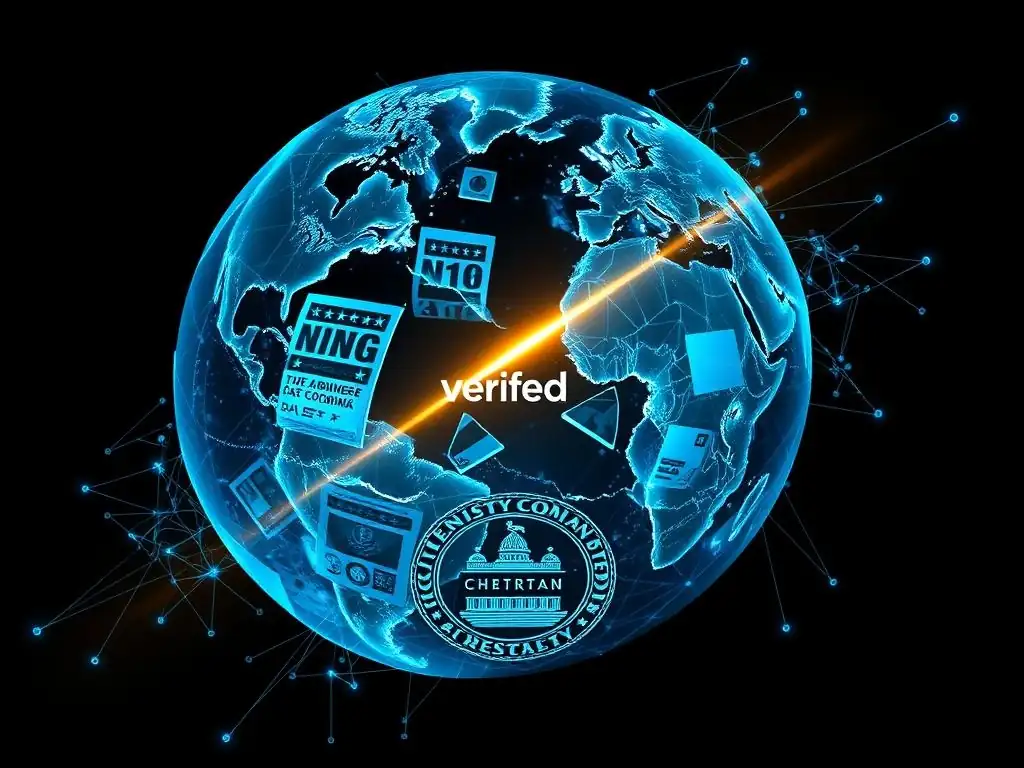
Welcome to Blockchain Trends, your guide to understanding the real-world applications of blockchain technology. Beyond the hype of cryptocurrencies, blockchain is revolutionizing industries.
In this article, we delve into a critical area: blockchain content provenance regulation. Can blockchain truly be the key to combating disinformation? Explore how governments and decentralized systems are converging to reshape content creation and media, and what the future holds for verifiable online information. Read on to discover the potential and the challenges ahead.
Regulating Content Provenance: Government and Blockchain in the Age of Disinformation
- Introduction: The Rise of Disinformation and the Need for Content Provenance
- The Role of Government in Blockchain Content Provenance Regulation
- Blockchain Solutions for Content Provenance: A Technical Overview
- Comparing Centralized vs. Decentralized Approaches to Content Provenance
- The Intersection of Blockchain Content Provenance and Data Privacy Regulations
- Case Studies: Government and Blockchain Working Together for Content Provenance
- The Future of Blockchain Content Provenance Regulation
- Addressing Concerns and Criticisms of Blockchain for Content Provenance
- Conclusion: Blockchain, Government, and the Fight Against Disinformation
-
Frequently Asked Questions
- What exactly is content provenance and why is it important in the context of blockchain?
- How can blockchain technology be used to address the problem of disinformation spreading online?
- What are some of the challenges governments face when trying to regulate content provenance using blockchain?
- How does "Blockchain Trends" view the future of content provenance regulation in the age of disinformation?
- What are the potential benefits of successful "Blockchain content provenance regulation" for businesses and consumers?
- Final Reflection: Navigating Truth in a Digital Age
- Uncover the Truth: Empower Yourself with Provenance!
Introduction: The Rise of Disinformation and the Need for Content Provenance
The Growing Threat of Disinformation and its Impact
The proliferation of disinformation poses a significant threat to societies worldwide. False or misleading information, often spread rapidly through social media and online platforms, erodes public trust in institutions, fuels social unrest, and can even undermine democratic processes. Studies have shown a direct correlation between exposure to disinformation and negative societal outcomes.
For example, research from MIT indicated that false news stories on Twitter are 70% more likely to be retweeted than true stories, and reach significantly more people in a shorter time frame. This rapid and widespread dissemination of falsehoods makes it increasingly difficult for individuals to discern truth from fiction, leading to misinformed decisions and fractured public discourse.
The consequences of unchecked disinformation are far-reaching. In the political sphere, disinformation campaigns can sway elections and destabilize governments. In public health, false narratives about vaccines or treatments can have deadly consequences, as seen during the COVID-19 pandemic. Economically, disinformation can damage brand reputations and disrupt markets. The World Economic Forum consistently ranks disinformation and misinformation among the top global risks, highlighting its potential to destabilize economies and societies. Addressing this threat requires a multifaceted approach, with content provenance emerging as a critical tool in the fight against disinformation.
Understanding Content Provenance: Defining Authenticity and Origin
Content provenance, in the context of digital media, refers to the documented history of a piece of content, tracing its origin, modifications, and ownership throughout its lifecycle. It's about establishing a verifiable record of "who created what, when, and how." This concept is crucial for establishing trust and accountability in the digital realm, where content can be easily manipulated and disseminated without clear attribution. Think of it like the "chain of custody" for evidence in a legal setting, or the provenance record for a piece of art, which authenticates its history and value.
In essence, content provenance aims to answer fundamental questions about a piece of digital content: Is it authentic? Has it been tampered with? Where did it originate? Who created it?
By providing answers to these questions, content provenance mechanisms empower users to critically evaluate the information they encounter online. This is particularly important in fields like journalism, where accurate reporting is paramount, and in creative industries, where intellectual property rights need to be protected. Without a robust system of content provenance, the digital landscape remains vulnerable to manipulation and deception, hindering informed decision-making and eroding trust in digital information sources.
Why Blockchain is a Key Technology for Establishing Content Provenance
Blockchain technology, with its inherent properties of immutability, transparency, and decentralization, offers a compelling solution for establishing and managing content provenance. Unlike traditional centralized databases, blockchain provides a tamper-proof record of transactions, making it exceptionally difficult to alter historical data without detection. This characteristic is crucial for ensuring the integrity of content provenance information, as any attempt to manipulate the record would be immediately apparent.
Furthermore, the decentralized nature of blockchain eliminates single points of failure and control. In a blockchain-based content provenance system, information is distributed across a network of computers, making it resistant to censorship and manipulation by any single entity. This distributed ledger technology allows for a transparent and auditable record of content creation and modification.
Cryptographic hashing and digital signatures, core components of blockchain, further enhance security by ensuring the authenticity and integrity of the data stored on the chain. These features combined make blockchain a uniquely suited technology to address the challenges of content provenance in the age of disinformation and fake news, offering a robust and reliable foundation for establishing trust in digital content.
The Role of Government in Blockchain Content Provenance Regulation
The Need for Regulatory Frameworks for Digital Content Authenticity
As blockchain technology gains traction for content provenance, the role of government in establishing regulatory frameworks becomes increasingly critical. While blockchain itself offers technological solutions, legal and policy frameworks are necessary to ensure widespread adoption, standardization, and ethical implementation. Governments can play a vital role in defining standards for digital content authenticity, encouraging industry best practices, and providing legal recourse for issues related to content manipulation and disinformation.
The absence of clear regulations could lead to fragmentation and inconsistency in content provenance initiatives, hindering interoperability and widespread adoption. Furthermore, regulatory frameworks are needed to address potential misuse of blockchain for malicious purposes and to ensure compliance with existing laws related to data privacy, intellectual property, and freedom of expression. Governments can also incentivize the development and adoption of blockchain-based content provenance solutions through funding, tax breaks, or public-private partnerships, accelerating the development of a more trustworthy digital ecosystem.
Government Initiatives and Policies Addressing Disinformation
Governments worldwide are increasingly recognizing the urgent need to combat disinformation and are implementing various initiatives and policies to address this challenge. These efforts range from media literacy programs aimed at educating citizens about identifying fake news to legislative measures designed to hold online platforms accountable for the content they host. Many governments are also exploring the potential of technology, including blockchain, to enhance content verification and provenance.
For example, the European Union has launched the European Digital Media Observatory (EDMO), a project aimed at fostering collaboration between fact-checkers, researchers, and media organizations to combat disinformation. Several national governments within the EU are also developing their own national strategies to counter disinformation, often incorporating elements of media literacy, platform accountability, and technological solutions.
In the United States, the Cybersecurity and Infrastructure Security Agency (CISA) has been actively working to raise awareness about disinformation threats and to coordinate efforts across government agencies to combat them. These initiatives, while varied in their approach, underscore the growing global recognition of disinformation as a significant societal challenge requiring government intervention.
Challenges in Regulating Decentralized Systems like Blockchain
Regulating decentralized systems like blockchain presents unique challenges for governments accustomed to traditional, centralized regulatory approaches. The borderless and distributed nature of blockchain networks complicates jurisdictional issues and enforcement mechanisms. Traditional regulatory tools, designed for centralized entities, may not be directly applicable to decentralized technologies, requiring innovative approaches and international cooperation.
One key challenge is identifying and holding accountable individuals or entities responsible for malicious activities within a decentralized network. The pseudonymity often associated with blockchain transactions can further complicate this process. Moreover, the rapid pace of technological innovation in the blockchain space necessitates flexible and adaptable regulatory frameworks that can keep pace with evolving technologies and use cases. Governments must navigate the delicate balance between fostering innovation and mitigating risks, ensuring that regulations do not stifle the potential benefits of blockchain technology while effectively addressing potential harms, including in the context of blockchain content provenance regulation.
Blockchain Solutions for Content Provenance: A Technical Overview
How Blockchain Technology Ensures Content Integrity and Traceability
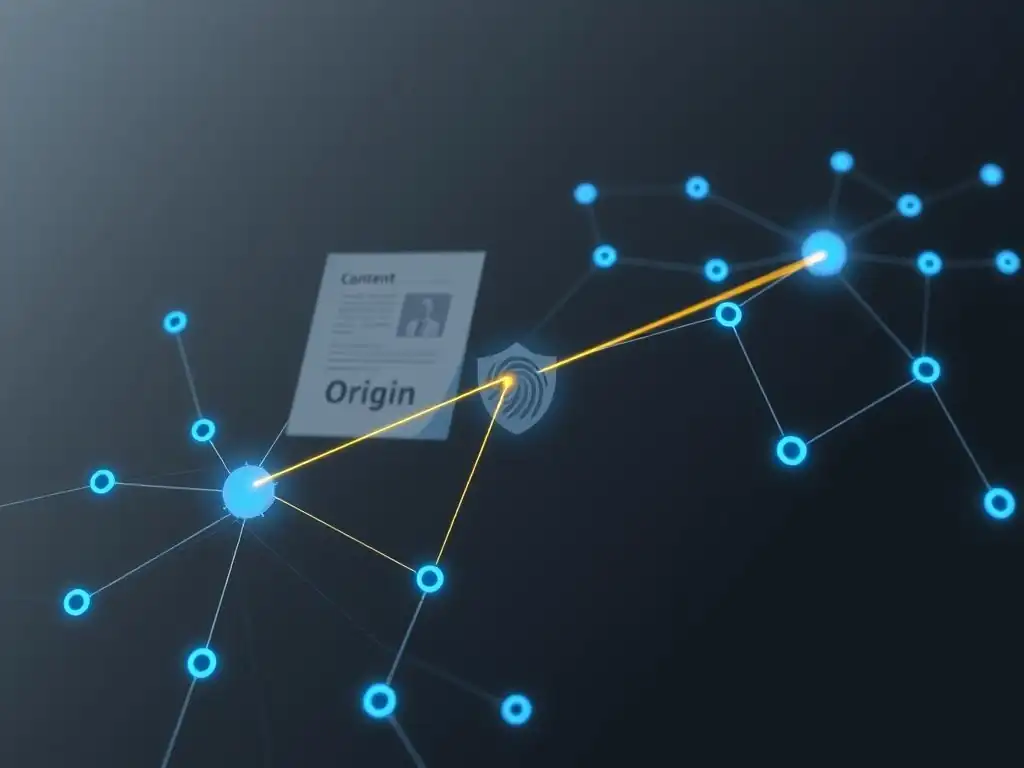
Blockchain technology ensures content integrity and traceability through a combination of cryptographic techniques and a distributed ledger system. When content provenance information is recorded on a blockchain, it is cryptographically hashed and timestamped, creating a unique and immutable record. This hash acts as a digital fingerprint of the content and its associated metadata, ensuring that any alteration to the content or its provenance information would result in a different hash, immediately detectable by the network.
The distributed nature of the blockchain, where identical copies of the ledger are maintained by multiple participants (nodes), further enhances security and resilience. Any attempt to tamper with the blockchain would require altering the ledger across a majority of nodes, a computationally infeasible task in well-established and sufficiently decentralized blockchains. Through consensus mechanisms, such as Proof-of-Work or Proof-of-Stake, blockchain networks ensure agreement among nodes on the validity of transactions, further solidifying the integrity and traceability of content provenance data recorded on the chain. This technical architecture provides a robust and verifiable foundation for establishing trust in digital content.
Use Cases: Blockchain Applications in News, Media, and Creative Industries
Blockchain technology is finding diverse applications in news, media, and creative industries to enhance content provenance and combat disinformation. In news media, blockchain can be used to create a verifiable record of article authorship, publication date, and any subsequent edits, providing readers with greater confidence in the integrity of news sources. Organizations like the BBC have explored using blockchain for news provenance to combat deepfakes and verify the authenticity of news content.
In the creative industries, blockchain can be used to protect intellectual property rights and track the usage of digital assets. Platforms are emerging that utilize blockchain to register copyrights and licenses for music, images, and videos, providing creators with a transparent and auditable record of ownership and usage. Furthermore, blockchain-based provenance systems can be used to trace the supply chain of media content, ensuring transparency and accountability in the distribution and monetization of creative works. These use cases demonstrate the broad applicability of blockchain for enhancing content provenance across various sectors within the media and creative landscape.
Exploring Different Blockchain Platforms for Content Provenance (e.g., Ethereum, Hyperledger Fabric)
Several blockchain platforms offer distinct features and capabilities that make them suitable for content provenance applications. Public blockchains like Ethereum, known for their decentralization and robust smart contract functionality, provide a transparent and permissionless environment for building content provenance solutions. Ethereum's extensive ecosystem and established infrastructure make it a popular choice for projects seeking broad accessibility and community involvement.
On the other hand, permissioned blockchains like Hyperledger Fabric, developed by the Linux Foundation, offer greater control over network participants and data access. Hyperledger Fabric is often preferred by enterprises and organizations that require stricter privacy and compliance controls, making it suitable for use cases where content provenance needs to be managed within a closed or consortium-based environment.
Other platforms like Corda and EOS also offer unique features that may be advantageous for specific content provenance applications, depending on the specific requirements for scalability, privacy, and governance. The choice of blockchain platform often depends on the specific use case, the desired level of decentralization, and the regulatory environment.
Comparing Centralized vs. Decentralized Approaches to Content Provenance
The Limitations of Centralized Content Management Systems
Centralized content management systems (CMS), while widely used, present inherent limitations when it comes to establishing robust content provenance. In a centralized system, a single entity controls the content repository and provenance records, creating a single point of failure and vulnerability. This centralized control makes the system susceptible to manipulation, censorship, and data breaches. If the central authority is compromised or acts maliciously, the integrity of the entire content provenance system can be undermined.
Furthermore, centralized systems often lack transparency and auditability. Users have limited visibility into how provenance information is managed and verified, making it difficult to build trust in the system. The lack of independent verification mechanisms also makes it challenging to detect and prevent unauthorized modifications or data tampering. These limitations highlight the need for more robust and decentralized approaches to content provenance, particularly in the context of combating disinformation and ensuring digital content authenticity.
Advantages of Blockchain-Based Content Provenance Solutions
Blockchain-based content provenance solutions offer several key advantages over centralized systems, primarily stemming from their decentralized and immutable nature. Decentralization eliminates the single point of failure inherent in centralized systems, making blockchain solutions more resilient to attacks and censorship. The immutability of blockchain records ensures that provenance information cannot be altered retroactively without detection, providing a higher level of trust and verifiability.
Transparency is another significant advantage. Blockchain networks, by design, offer varying degrees of transparency, allowing participants and, in some cases, the public to audit provenance records and verify content authenticity independently. This transparency fosters trust and accountability, which are crucial for combating disinformation. Moreover, blockchain's cryptographic security mechanisms, including hashing and digital signatures, provide strong guarantees of data integrity and authenticity, surpassing the security capabilities of typical centralized content management systems.
Addressing Scalability and Interoperability Challenges in Blockchain
While blockchain offers significant advantages for content provenance, challenges related to scalability and interoperability need to be addressed for widespread adoption. Scalability refers to the ability of a blockchain network to handle a large volume of transactions efficiently. Some blockchain platforms, particularly older generations, have faced limitations in transaction throughput, which could become a bottleneck for content provenance systems dealing with massive amounts of digital content. However, advancements in blockchain technology, such as layer-2 solutions and sharding, are actively being developed to improve scalability.
Interoperability, the ability of different blockchain systems to communicate and exchange data, is another crucial challenge. In a fragmented blockchain landscape, lack of interoperability could hinder the seamless exchange of content provenance information across different platforms and applications. Initiatives focused on developing interoperability standards and cross-chain communication protocols are essential to realize the full potential of blockchain for content provenance and to foster a more interconnected and trustworthy digital ecosystem.
The Intersection of Blockchain Content Provenance and Data Privacy Regulations
GDPR and CCPA Compliance for Blockchain-Based Content Systems
The intersection of blockchain content provenance and data privacy regulations, such as GDPR (General Data Protection Regulation) and CCPA (California Consumer Privacy Act), presents important considerations for developers and implementers of blockchain-based systems. These regulations emphasize user rights to data privacy, including the right to access, rectify, and erase personal data. Blockchain's immutability, while beneficial for provenance, can pose challenges for complying with data erasure requests under GDPR and CCPA.
Careful consideration must be given to the types of data stored on the blockchain and how personal data is handled within content provenance systems. Solutions such as data minimization, pseudonymization, and off-chain storage of sensitive personal data are crucial for ensuring compliance. Furthermore, transparency and user consent mechanisms are essential to inform users about how their data is being used and to provide them with control over their personal information within blockchain-based content provenance systems.
Balancing Transparency and User Privacy in Content Provenance Solutions
Balancing transparency, a core principle of blockchain, with user privacy requirements is a key design challenge for content provenance solutions. While transparency is essential for verifying content authenticity and building trust, it must be carefully managed to avoid unnecessary disclosure of personal or sensitive information. Striking the right balance requires thoughtful design choices and the implementation of privacy-enhancing technologies.
Techniques such as zero-knowledge proofs and homomorphic encryption can enable verification of content provenance without revealing the underlying data. Selective disclosure mechanisms can allow users to control what provenance information is shared and with whom. Furthermore, privacy-preserving data aggregation and analytics techniques can be employed to gain insights from provenance data without compromising individual privacy. Careful consideration of these techniques and a privacy-by-design approach are essential for developing blockchain-based content provenance solutions that are both transparent and privacy-respecting.
Implementing Privacy-Enhancing Technologies (PETs) in Blockchain Applications
Implementing Privacy-Enhancing Technologies (PETs) is crucial for reconciling the transparency of blockchain with the requirements of data privacy regulations in content provenance applications. PETs encompass a range of techniques designed to minimize data collection, anonymize data, and provide users with greater control over their personal information. Examples of PETs relevant to blockchain content provenance include zero-knowledge proofs, which allow for verifying information without revealing the information itself, and secure multi-party computation, which enables collaborative data processing without sharing raw data.
Homomorphic encryption allows computations to be performed on encrypted data, preserving privacy while enabling data analysis. Differential privacy adds statistical noise to datasets to protect individual privacy while enabling aggregate analysis. By strategically integrating PETs into blockchain-based content provenance systems, developers can build solutions that are both robust in terms of provenance tracking and compliant with stringent data privacy regulations, ensuring that user privacy is protected while fostering trust in digital content.
Case Studies: Government and Blockchain Working Together for Content Provenance
Example 1: Singapore's OpenCerts Platform for Verifying Educational Credentials
Singapore's OpenCerts platform provides a compelling example of government and blockchain working together to enhance content provenance, specifically in the domain of educational credentials. OpenCerts utilizes blockchain technology to issue and verify digital certificates for educational qualifications, such as diplomas and degrees. The platform, developed in collaboration with the Singapore government, educational institutions, and technology providers, aims to combat fraud and streamline the verification process for academic credentials.
By issuing certificates on a blockchain, OpenCerts ensures the authenticity and immutability of these records. Employers and other stakeholders can easily and securely verify the credentials of individuals by checking the blockchain, eliminating the need for manual verification processes and reducing the risk of fraudulent certificates. OpenCerts has been widely adopted by educational institutions in Singapore, demonstrating the practical benefits of blockchain for content provenance in a government-supported initiative. As of 2023, over 100 institutions in Singapore are issuing certificates via OpenCerts, and the platform has issued hundreds of thousands of verifiable digital credentials.
Example 2: The New York Times' News Provenance Project with IBM Garage
The New York Times, in collaboration with IBM Garage, has explored the use of blockchain for news provenance through a pilot project aimed at enhancing transparency and combating disinformation in journalism. This project investigated using blockchain to track the origin and history of news content, providing readers with greater insight into the sourcing and verification process behind news articles. The initiative focused on creating a provenance layer for news content, recording metadata related to authorship, editing, and publishing on a blockchain.
While not a full-scale public implementation, this project served as a significant exploration of blockchain's potential for news provenance within a major media organization. The New York Times and IBM Garage demonstrated the technical feasibility of using blockchain to create a verifiable record of news content origin and modifications. This case study highlights the interest and exploration of blockchain for content provenance within the media industry, driven by the need to restore trust and combat the spread of disinformation in news reporting.
Analyzing the Successes and Challenges of These Implementations
Analyzing the successes and challenges of implementations like OpenCerts and The New York Times' project provides valuable insights into the practical application of blockchain for content provenance. OpenCerts demonstrates the success of blockchain in streamlining verification processes and enhancing trust in educational credentials. Its widespread adoption in Singapore highlights the benefits of government backing and collaboration with stakeholders for successful implementation. Key success factors include a clear use case, strong government support, and collaboration among relevant institutions.
The New York Times' project, while a pilot, showcases the potential of blockchain for enhancing news provenance and transparency. It highlights the technical feasibility of applying blockchain in the media industry to address disinformation concerns. Challenges observed in these and similar implementations include scalability concerns, particularly for high-volume content systems, and the need for user-friendly interfaces to access and interpret blockchain-based provenance information. Furthermore, interoperability between different blockchain platforms and integration with existing content management systems remain ongoing challenges to overcome for broader adoption.
The Future of Blockchain Content Provenance Regulation
Emerging Trends in Blockchain Technology and Content Authenticity
Emerging trends in blockchain technology are further enhancing its capabilities for content authenticity and provenance. Advancements in zero-knowledge proofs and other privacy-enhancing technologies are making it possible to build more privacy-preserving content provenance systems. Developments in layer-2 scaling solutions are addressing scalability concerns, enabling blockchain to handle larger volumes of content provenance data more efficiently.
Interoperability solutions, such as cross-chain bridges and communication protocols, are improving the ability of different blockchain networks to interact, fostering a more interconnected and versatile ecosystem for content provenance. Furthermore, the increasing adoption of decentralized identity solutions is contributing to more robust and user-centric content provenance systems, enabling individuals to control their digital identities and attest to the authenticity of their content more effectively. These technological advancements are collectively shaping a future where blockchain plays an even more prominent role in establishing trust and authenticity in the digital realm.
Predictions for Government Regulation of Digital Content Provenance
Predictions for government regulation of digital content provenance point towards an increasing focus on establishing frameworks that promote transparency, accountability, and user trust. Governments are likely to play a more active role in setting standards for digital content authenticity and in encouraging the adoption of provenance technologies, including blockchain. Regulatory initiatives may include mandating provenance mechanisms for certain types of content, particularly in sectors vulnerable to disinformation, such as news media and public health information.
Governments may also incentivize the development and deployment of blockchain-based content provenance solutions through funding programs, tax incentives, and public-private partnerships. International collaboration and harmonization of regulations are also anticipated to address the cross-border nature of digital content and blockchain technology. The future regulatory landscape is expected to balance the need for innovation with the imperative to combat disinformation and protect citizens from the harms of manipulated and inauthentic digital content, likely leading to increased blockchain content provenance regulation.
The Role of Standards and Interoperability in the Future of Content Provenance
Standards and interoperability will play a crucial role in shaping the future of content provenance, particularly for blockchain-based solutions. Establishing common standards for content provenance metadata, data formats, and protocols is essential for ensuring interoperability across different platforms and applications. Standardization efforts can facilitate the seamless exchange of provenance information and promote wider adoption of content provenance technologies.
Organizations like the W3C (World Wide Web Consortium) and ISO (International Organization for Standardization) are actively working on developing standards related to digital content provenance and verifiable credentials, which will be instrumental in guiding the development and implementation of interoperable solutions. Furthermore, fostering collaboration between industry stakeholders, technology developers, and regulatory bodies is crucial for establishing widely accepted standards and promoting interoperability in the evolving landscape of content provenance. Standardization and interoperability will be key enablers for realizing the full potential of blockchain and other technologies to create a more trustworthy and transparent digital ecosystem.
Addressing Concerns and Criticisms of Blockchain for Content Provenance
Debunking Myths about Blockchain's Inherent Security and Immutability
While blockchain offers strong security and immutability properties, it's crucial to debunk myths about its absolute invulnerability. Blockchain is not inherently immune to all forms of attack. "51% attacks," where a malicious actor gains control of more than half of the network's computing power, can theoretically allow for transaction manipulation, although practically very difficult and expensive in large, well-established blockchains like Bitcoin or Ethereum. Smart contract vulnerabilities, if present in the code governing blockchain applications, can also be exploited.
Furthermore, while blockchain records are generally immutable once confirmed, the security of the entire system depends on the security of the underlying infrastructure and cryptographic protocols. Misconceptions about blockchain's absolute security can lead to overconfidence and inadequate security practices. A nuanced understanding of blockchain's security strengths and limitations is essential for building robust and reliable content provenance solutions, avoiding the trap of assuming inherent and absolute security.
Mitigating the Risk of Malicious Actors Using Blockchain
While blockchain is designed to enhance trust and transparency, it's not immune to misuse by malicious actors. There is a risk that malicious actors could leverage blockchain technology to create and disseminate disinformation under the guise of provenance. For example, bad actors could register fabricated content provenance information on a blockchain, attempting to lend false credibility to their disinformation campaigns.
Mitigating this risk requires a multi-layered approach. This includes robust verification mechanisms to validate the identity of entities registering content provenance information on the blockchain. Reputation systems and trust scores can be integrated to assess the credibility of provenance providers. Furthermore, user education and critical thinking skills are crucial to empower individuals to evaluate content provenance information critically and to avoid blindly trusting blockchain-based claims without further scrutiny. Technical safeguards must be complemented by social and educational measures to effectively address the potential for malicious use of blockchain for content provenance.
Addressing the Environmental Impact of Blockchain Technology
The environmental impact of certain blockchain technologies, particularly Proof-of-Work (PoW) based blockchains like Bitcoin, is a valid concern that needs to be addressed in the context of content provenance applications. PoW consensus mechanisms require significant energy consumption, raising concerns about their carbon footprint. However, it's important to note that not all blockchain technologies are energy-intensive.
Alternative consensus mechanisms, such as Proof-of-Stake (PoS), are significantly more energy-efficient. Many newer blockchain platforms and enterprise-focused blockchains like Hyperledger Fabric utilize PoS or other energy-efficient consensus algorithms. Furthermore, ongoing research and development efforts are focused on improving the energy efficiency of blockchain technologies across the board. When considering blockchain for content provenance, it's essential to choose platforms that utilize energy-efficient consensus mechanisms and to prioritize sustainable practices to minimize the environmental impact. The choice of blockchain platform should consider both functionality and environmental sustainability.
Conclusion: Blockchain, Government, and the Fight Against Disinformation
The Potential for a More Transparent and Trustworthy Digital Ecosystem
Blockchain technology, when strategically combined with government initiatives and regulatory frameworks, holds immense potential to foster a more transparent and trustworthy digital ecosystem. By providing robust mechanisms for content provenance, blockchain can empower individuals to verify the authenticity and origin of digital information, enhancing trust in online content and combating the pervasive threat of disinformation. This enhanced transparency can rebuild confidence in digital media, institutions, and online interactions, fostering a more informed and resilient society.
The immutability and transparency of blockchain records can also promote accountability and responsibility in the digital sphere. By establishing clear provenance trails for digital content, blockchain can help to attribute responsibility for content creation and modification, deterring malicious activities and promoting ethical content practices. This shift towards a more transparent and accountable digital ecosystem is crucial for navigating the challenges of the information age and for building a future where digital information can be trusted and relied upon.
Call to Action: Fostering Collaboration and Innovation in Content Provenance
Realizing the full potential of blockchain for content provenance requires a collaborative and innovative approach involving governments, technology developers, media organizations, and the public. Governments should play a proactive role in establishing supportive regulatory frameworks, fostering public-private partnerships, and investing in research and development in this field. Technology developers need to continue innovating to improve the scalability, interoperability, and privacy-preserving capabilities of blockchain-based content provenance solutions.
Media organizations should explore and adopt blockchain technologies to enhance their own content provenance practices and to contribute to a more trustworthy news ecosystem. Public education and media literacy initiatives are crucial to empower individuals to understand and utilize content provenance tools effectively and to critically evaluate digital information. A collective effort, fostering collaboration and innovation across these sectors, is essential to harness the transformative power of blockchain for content provenance and to effectively combat disinformation.
Final Thoughts on the Importance of Blockchain Content Provenance Regulation
Blockchain content provenance regulation is not merely about controlling technology; it's about safeguarding the integrity of information in the digital age and protecting the foundations of a well-informed society. As disinformation continues to pose a significant threat to democratic processes, public health, and social cohesion, establishing robust mechanisms for content provenance becomes increasingly urgent. Government regulation, in conjunction with technological innovation and industry best practices, is crucial to create a digital environment where authenticity and trust prevail over manipulation and deception.
The future of a healthy digital ecosystem depends on our collective ability to address the challenges of disinformation effectively. Blockchain content provenance regulation, developed thoughtfully and implemented strategically, can be a vital tool in this ongoing fight, contributing to a more transparent, trustworthy, and resilient digital world for all.
Frequently Asked Questions
What exactly is content provenance and why is it important in the context of blockchain?
Content provenance refers to the origin and history of a piece of digital content. It's important because blockchain can provide an immutable record, helping to combat disinformation by verifying the source and modifications of content.
How can blockchain technology be used to address the problem of disinformation spreading online?
Blockchain can create a verifiable chain of custody for digital content. This allows users to trace the content back to its original source, making it harder to spread manipulated or fabricated information.
What are some of the challenges governments face when trying to regulate content provenance using blockchain?
Governments need to balance the need for transparency and accountability with concerns about privacy and freedom of speech. Scalability and interoperability with existing systems also present significant hurdles.
How does "Blockchain Trends" view the future of content provenance regulation in the age of disinformation?
We believe regulation will focus on establishing standards for blockchain-based provenance systems. This will likely involve international cooperation and guidelines on data privacy and security.
What are the potential benefits of successful "Blockchain content provenance regulation" for businesses and consumers?
Businesses can benefit from enhanced brand reputation and consumer trust. Consumers gain greater confidence in the authenticity of the information they consume, leading to better-informed decisions.
The exploration of blockchain's potential in regulating content provenance, as detailed in this article, is not merely an academic exercise; it's a critical necessity in today's information ecosystem. The proliferation of disinformation, fueled by increasingly sophisticated technologies, demands innovative solutions. The convergence of government oversight and decentralized blockchain technology offers a promising, though complex, path towards restoring trust and accountability in the digital realm.
The challenge of verifying content authenticity has profoundly impacted our collective understanding of reality. The erosion of trust in traditional institutions and media outlets underscores the urgency of developing robust and transparent systems for content provenance. This isn't just about identifying fake news; it's about preserving the integrity of our shared narrative. In an era of deepfakes and manipulated narratives, the ability to trace the origin and journey of information is paramount to safeguarding democracy and informed decision-making.
As we conclude this exploration of blockchain content provenance regulation, I invite you to consider your own role in shaping a more truthful digital future. What steps can you take to become a more discerning consumer of information? How can you support initiatives that promote transparency and accountability online? The future of truth hinges on our collective commitment to demanding verifiable content and fostering a culture of critical thinking. Let us embrace the potential of blockchain and responsible regulation to build a more informed and trustworthy world.
Uncover the Truth: Empower Yourself with Provenance!
Thank you for exploring the important relationship between blockchain technology, government initiatives, and content regulation. You now have a better understanding of how these elements can work together to combat misinformation. It's time to take action!
- Become an advocate for content verification: Share this article with your network to raise awareness about the importance of trustworthy information and how blockchain can help establish transparency.
- Investigate open-source blockchain projects dedicated to verifying content provenance. Consider contributing your skills to develop or test solutions that enhance transparency and accountability.
- Reach out to your local representatives to support policies that promote standards for verifiable content. Advocate for responsible regulation that encourages innovation while protecting the integrity of information.
What practical steps will you take to support content provenance and combat disinformation in your community?
Leave a Reply