
The Rise of Decentralized Platforms: A New Era for Independent Creators

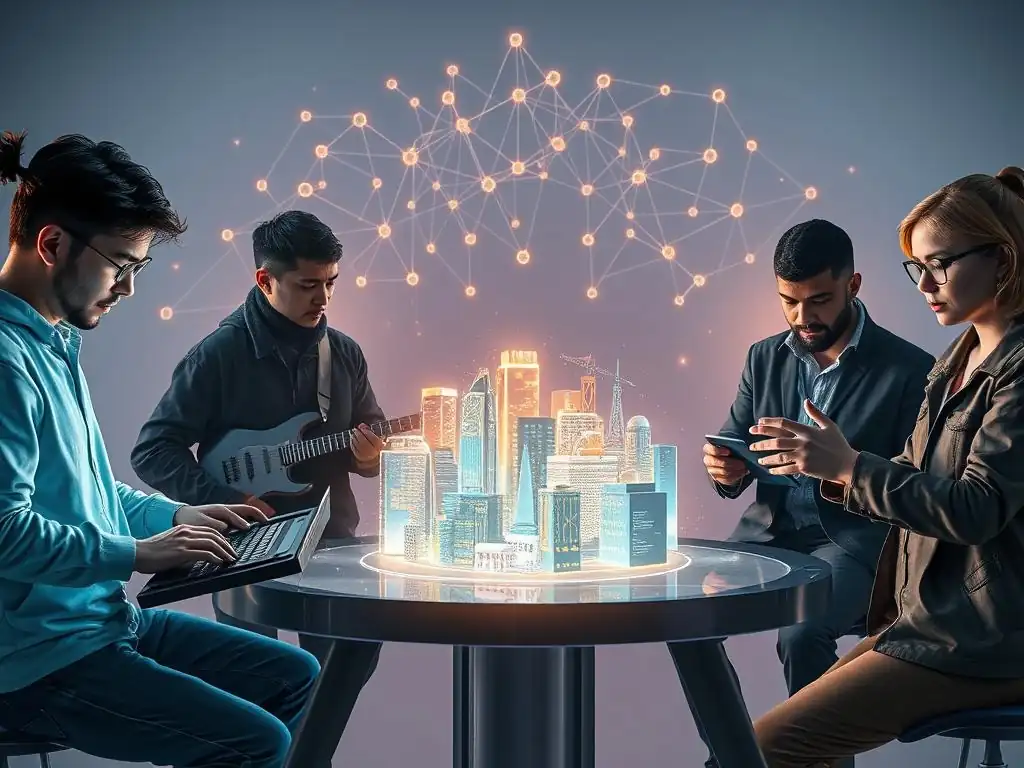
Welcome to Blockchain Trends, your gateway to understanding the revolutionary impact of blockchain technology.
Intrigued by how blockchain is reshaping industries beyond just cryptocurrencies? Dive into the world of Decentralized Finance (DeFi), enterprise solutions, and the evolving regulatory landscape. But first, let's explore something truly groundbreaking: blockchain creator monetization strategies. Discover how independent creators are leveraging decentralized platforms to unlock new revenue streams and control their content like never before. Ready to witness the future of digital content ownership?
The Rise of Decentralized Platforms: A New Era for Independent Creators
- Introduction: Decentralized Platforms Empowering Independent Creators
- Understanding Decentralized Platforms and Creator Monetization
- Blockchain Creator Monetization Strategies: A Deep Dive
- Benefits of Decentralized Platforms for Independent Creators
- Challenges and Considerations for Decentralized Creator Platforms
- Case Studies: Successful Decentralized Platforms for Creators
- The Future of Decentralized Platforms and Independent Creation
- Conclusion: Embracing a Decentralized Future for Creators
-
Frequently Asked Questions
- How can blockchain technology help independent creators monetize their work?
- What are some examples of blockchain-based platforms supporting creator monetization?
- What are the key advantages of using decentralized platforms for creator monetization compared to traditional platforms?
- What are some challenges that creators might face when adopting blockchain creator monetization strategies?
- How might regulations impact the future of blockchain creator monetization strategies?
- Final Reflection: Embracing the Creator Revolution
- Ignite Your Creative Freedom: Embrace Decentralization!
Introduction: Decentralized Platforms Empowering Independent Creators
The Growing Need for Alternative Content Creation Platforms
The digital landscape for content creators is increasingly dominated by centralized platforms. While these platforms offer vast audiences and established infrastructure, they often come with significant drawbacks for creators. Many independent artists, writers, musicians, and video producers find themselves subject to algorithmic biases that limit visibility, revenue models that heavily favor the platform, and terms of service that can change abruptly, impacting their livelihoods.
The current centralized model often leads to creators receiving a disproportionately small share of the revenue generated from their work, while platforms capture the lion's share through advertising and subscription models. This imbalance fuels a growing demand for alternative platforms that prioritize creator autonomy and fair compensation.
Furthermore, concerns about censorship and platform control are becoming more prominent. Centralized platforms hold immense power over content distribution and moderation, raising questions about freedom of expression and the potential for biased content policies. Creators are seeking platforms where they have more control over their content, their audience relationships, and their monetization strategies. The need for alternative platforms is not just about financial fairness; it's about regaining control, fostering genuine community, and building a sustainable future for independent content creation in an environment that values transparency and creator empowerment.
Blockchain Technology: The Foundation of Decentralized Creator Economies
Blockchain technology emerges as a powerful solution to address the limitations of centralized content platforms and build a new paradigm for creator economies. Its inherent characteristics – decentralization, transparency, and immutability – provide the foundational infrastructure for platforms that empower creators directly. Unlike traditional databases, blockchain distributes data across a network of computers, eliminating single points of failure and control. This decentralized nature ensures that no single entity can unilaterally alter or censor content, providing creators with greater security and autonomy over their work.
Moreover, blockchain's transparent and immutable ledger system enables verifiable ownership and provenance of digital assets. This is crucial for establishing clear rights for creators and enabling new forms of monetization based on digital scarcity and verifiable authenticity. Smart contracts, self-executing agreements coded on the blockchain, automate processes like royalty payments, content licensing, and revenue sharing, eliminating intermediaries and ensuring transparent and efficient transactions. By leveraging these features, blockchain technology paves the way for decentralized platforms that are not only fairer to creators but also foster greater trust and transparency within the entire content ecosystem.
Understanding Decentralized Platforms and Creator Monetization
What are Decentralized Platforms? Key Features & Benefits
Decentralized platforms, in contrast to their centralized counterparts, are built on distributed networks, often leveraging blockchain technology. Key features of these platforms include the absence of a central authority controlling the platform's operations, content, or user data. Instead, governance is often distributed among users or token holders, fostering a more democratic and community-driven environment. Decentralized platforms prioritize user ownership and control, allowing creators to directly interact with their audience without intermediaries dictating terms or extracting excessive fees.
The benefits for creators are multifaceted. Decentralization offers resilience against censorship and single points of failure. It enhances transparency in revenue distribution and platform operations, often made auditable through blockchain ledgers. Furthermore, decentralized platforms can facilitate novel monetization models that are not feasible within centralized systems, such as direct micropayments, tokenized communities, and NFT-based content ownership. By shifting power away from platform gatekeepers and towards creators and users, decentralized platforms aim to create a more equitable and sustainable ecosystem for digital content.
How Blockchain Facilitates Direct Creator Monetization
Blockchain technology revolutionizes creator monetization by enabling direct and disintermediated transactions between creators and their audiences. Traditional platforms often act as intermediaries, taking a significant cut of creator earnings through advertising revenue splits or subscription fees. Blockchain eliminates this intermediary role by facilitating peer-to-peer transactions using cryptocurrencies or platform-specific tokens. Smart contracts can automate payment processes, ensuring creators receive their earnings directly and transparently, often with significantly lower transaction fees compared to traditional payment processors.
Moreover, blockchain enables new monetization models beyond traditional advertising and subscriptions. Creators can tokenize their content, offering limited edition digital assets secured by NFTs, allowing fans to directly support creators by purchasing unique digital collectibles or experiences. Micro-payments become economically viable on blockchain networks, allowing creators to monetize even small pieces of content or interactions. By empowering direct monetization and introducing new revenue streams, blockchain fundamentally alters the financial dynamics of the creator economy, shifting value back to the creators themselves.
Exploring Different Models of Blockchain Creator Monetization Strategies
Blockchain technology unlocks a diverse range of monetization strategies for creators, moving beyond traditional advertising and subscription models. One prominent approach is tokenization, where creators issue their own digital tokens that represent ownership, access, or utility within their community or content ecosystem. These tokens can be used for various purposes, such as granting access to exclusive content, voting rights in platform governance, or even representing fractional ownership of a creator's work.
Another powerful model leverages Non-Fungible Tokens (NFTs) to create provably unique digital assets. Creators can tokenize artwork, music, videos, or even digital collectibles as NFTs, offering fans the opportunity to own verifiable pieces of digital culture and directly support creators through purchases and secondary market transactions. Decentralized Autonomous Organizations (DAOs) offer a collaborative monetization approach, enabling creators and their communities to collectively manage and monetize content projects, sharing ownership and revenue transparently.
Furthermore, blockchain facilitates micropayments, making it economically feasible to monetize granular content or interactions, such as pay-per-view articles or tips for individual pieces of content. These diverse strategies showcase the transformative potential of blockchain for empowering creators financially.
Blockchain Creator Monetization Strategies: A Deep Dive
Tokenization of Content: A New Revenue Stream for Creators
Tokenization of content represents a significant shift in how creators can generate revenue. Instead of relying solely on platform-mediated advertising or subscriptions, creators can issue their own digital tokens, creating a direct economic link with their audience. These tokens can function in various ways, acting as access passes to premium content, governance tokens for community decision-making, or even representing fractional ownership of a creator's work. For example, a musician might issue tokens that grant holders access to exclusive tracks or behind-the-scenes content, while also giving them voting rights on future creative projects.
The value of these tokens is driven by the creator's community and the utility they offer. As a creator's popularity grows and the demand for their content increases, the value of their tokens can also appreciate, creating a mutually beneficial ecosystem where both creators and their supporters can benefit financially. This model fosters a stronger sense of community and shared ownership, moving away from the transactional nature of traditional platform monetization. Tokenization empowers creators to build sustainable, independent economies around their work, directly incentivizing audience engagement and loyalty.
NFTs (Non-Fungible Tokens): Unlocking Unique Value for Digital Assets
Non-Fungible Tokens (NFTs) have emerged as a revolutionary tool for creators to monetize digital assets by establishing verifiable scarcity and ownership. Unlike cryptocurrencies which are fungible (interchangeable), NFTs are unique digital tokens representing ownership of a specific digital item, such as artwork, music, videos, or collectibles. This uniqueness allows creators to sell digital assets as limited edition items, similar to physical collectibles, creating a sense of exclusivity and value. For instance, a digital artist can release a limited edition of their artwork as NFTs, which collectors can purchase and trade, with the artist potentially earning royalties on secondary sales.
NFTs provide creators with unprecedented control over their digital creations. They can define the scarcity, set royalties for future sales, and directly connect with collectors. The transparent and immutable nature of blockchain ensures verifiable ownership and provenance, addressing the issue of digital counterfeiting and enabling creators to benefit from the appreciation of their digital assets over time.
The NFT market has demonstrated significant growth, with platforms like OpenSea and Rarible facilitating millions of dollars in transactions, highlighting the potential for NFTs to become a significant revenue stream for digital creators across various disciplines. In 2021, NFT sales volume reached approximately $25 billion, showcasing the burgeoning market for digital collectibles and creator monetization through NFTs.
Decentralized Autonomous Organizations (DAOs) for Collaborative Content Creation
Decentralized Autonomous Organizations (DAOs) offer a novel approach to collaborative content creation and monetization, particularly suited for communities of creators and fans who want to collectively manage and benefit from shared projects. DAOs are essentially community-governed entities that operate based on rules encoded in smart contracts on a blockchain. These rules dictate how decisions are made, how funds are managed, and how revenue is distributed, ensuring transparency and democratic governance. In the context of content creation, a DAO could be formed to manage a shared media platform, a collaborative art project, or even a decentralized film production.
Within a creator DAO, token holders (who could be creators, fans, or investors) collectively decide on project direction, content strategy, and resource allocation through voting mechanisms facilitated by smart contracts. Revenue generated by the DAO, for example, from platform subscriptions or content sales, is automatically distributed to token holders according to pre-defined rules, ensuring fair and transparent compensation. This model fosters a sense of shared ownership and collective responsibility, empowering creators to collaborate and build sustainable projects together, moving beyond individual creator silos and towards community-driven content ecosystems.
Micropayments and Streamlined Transactions on Blockchain
Blockchain technology makes micropayments economically viable for content creators, opening up new possibilities for monetizing granular content and rewarding audience engagement in small increments. Traditional payment systems often incur high transaction fees, making micropayments impractical for small transactions. However, blockchain networks, particularly layer-2 solutions and networks designed for low transaction fees, can facilitate near-instantaneous and cost-effective micropayments. This enables creators to monetize individual articles, videos, music tracks, or even interactions like comments or likes.
For instance, a writer could implement a pay-per-article model, allowing readers to pay a small amount in cryptocurrency to access individual pieces of content, rather than requiring a subscription. Similarly, platforms can reward users with micropayments for contributing to content creation, such as translating articles, moderating communities, or providing valuable feedback. Micropayments streamline transactions, reduce reliance on intrusive advertising, and allow creators to directly monetize the value they provide, even in small increments, fostering a more direct and granular relationship with their audience and enabling new forms of content consumption and creator support.
Benefits of Decentralized Platforms for Independent Creators
Enhanced Control Over Content and Intellectual Property
Decentralized platforms empower creators with significantly enhanced control over their content and intellectual property rights. On traditional centralized platforms, creators often grant broad licenses to the platform, potentially losing control over how their content is used, distributed, and even monetized. Decentralized platforms, built on blockchain, allow creators to retain ownership of their content and define the terms of its usage through smart contracts and tokenized ownership. Creators can choose how their content is licensed, who can access it, and how it can be monetized, exercising greater autonomy over their creative output.
Furthermore, the immutability of blockchain provides a permanent and verifiable record of content ownership and provenance. This helps protect against copyright infringement and plagiarism, as creators can easily prove their ownership and the timestamp of their content creation. Decentralized platforms often utilize decentralized storage solutions, ensuring that content is not controlled by a single entity and is resistant to censorship or takedowns by platform operators. By returning control to creators, decentralized platforms foster a more equitable and creator-centric digital environment.
Fairer Revenue Distribution and Reduced Platform Fees
One of the most significant benefits of decentralized platforms is the potential for fairer revenue distribution and significantly reduced platform fees. Centralized platforms often take a substantial cut of creator earnings, sometimes as high as 30-50% or more, through advertising revenue splits, subscription fees, and transaction charges. Decentralized platforms, leveraging blockchain and smart contracts, can drastically reduce or even eliminate these intermediary fees. Smart contracts can automate revenue sharing directly between creators and the platform or community, ensuring transparent and efficient payouts.
Many decentralized platforms operate with minimal platform fees, often covering only the operational costs of the network, or utilize tokenomic models where the platform itself is owned and governed by its users, including creators. This shift towards fairer revenue distribution allows creators to retain a larger share of the value they generate, directly increasing their income and incentivizing content creation. By minimizing platform extraction and maximizing creator earnings, decentralized platforms aim to create a more sustainable and equitable creator economy.
Building Direct Relationships with Audiences and Community Engagement
Decentralized platforms facilitate the building of direct and meaningful relationships between creators and their audiences, fostering stronger community engagement. Traditional platforms often act as intermediaries, limiting direct interaction and data ownership for creators regarding their audience. Decentralized platforms, often utilizing blockchain-based social graphs and tokenized communities, enable creators to connect directly with their fans without platform gatekeepers. Creators can own their audience data, directly communicate with their community, and reward engagement through tokens or other mechanisms.
Tokenized communities can incentivize audience participation through token rewards for contributions, curation, or content sharing. This fosters a sense of shared ownership and active participation within the creator's ecosystem. Decentralized platforms often prioritize community governance, allowing creators and their audiences to collectively shape the platform's direction and content policies. By fostering direct relationships and empowering community participation, decentralized platforms create a more vibrant and loyal fan base, strengthening the creator-audience bond and fostering a more sustainable creator ecosystem.
Increased Transparency and Data Ownership
Transparency and data ownership are core tenets of decentralized platforms, offering significant advantages to creators. Traditional platforms often operate with opaque algorithms and data practices, leaving creators in the dark about how their content is being distributed, monetized, and how their audience data is being used. Decentralized platforms, built on blockchain, inherently offer greater transparency through their publicly auditable ledgers and open-source code. Creators can have greater visibility into platform operations, revenue flows, and community governance processes.
Furthermore, decentralized platforms often prioritize user data ownership. Instead of platforms controlling and profiting from user data, creators and users on decentralized platforms typically have greater control over their personal information and content data. Some platforms even utilize decentralized identity solutions, empowering users to manage their own digital identities and data across different platforms. This increased transparency and data ownership fosters greater trust and accountability within the creator ecosystem, empowering creators and users alike.
Challenges and Considerations for Decentralized Creator Platforms

Scalability Issues and Blockchain Network Limitations
Despite the promise of decentralized platforms, scalability and blockchain network limitations remain significant challenges. Many blockchain networks, particularly early generations like Bitcoin and Ethereum mainnet, have limited transaction throughput and can experience network congestion, leading to slow transaction speeds and high gas fees, especially during periods of high demand. These scalability issues can hinder the user experience on decentralized platforms, particularly for applications requiring high transaction volumes, such as social media platforms or content streaming services.
While layer-2 scaling solutions and newer, more scalable blockchains are emerging, scalability remains a key area of ongoing development and improvement. Decentralized platforms need to carefully consider the underlying blockchain infrastructure and scaling solutions to ensure they can handle growing user bases and transaction volumes without compromising performance or user experience. Overcoming these scalability challenges is crucial for the widespread adoption of decentralized creator platforms.
Regulatory Uncertainty and Legal Considerations for Tokenized Content
The regulatory landscape surrounding blockchain technology and tokenized content is still evolving and often uncertain, posing legal challenges for decentralized creator platforms. Regulations concerning cryptocurrencies, NFTs, and token offerings vary significantly across jurisdictions, creating complexity and potential legal risks for platforms and creators operating in multiple regions. Classifying tokens as securities or utilities, and navigating evolving KYC/AML (Know Your Customer/Anti-Money Laundering) regulations, requires careful legal consideration.
Furthermore, intellectual property rights in the context of NFTs and tokenized content are still being defined legally. Questions around copyright ownership, licensing, and enforcement in decentralized environments require clarity and legal frameworks. Decentralized platforms and creators need to stay informed about evolving regulations, seek legal counsel, and adopt best practices to navigate the complex and uncertain legal landscape surrounding blockchain and tokenized content to ensure compliance and mitigate legal risks.
User Adoption and Education Barriers
User adoption and education represent significant hurdles for the widespread adoption of decentralized creator platforms. Many users are unfamiliar with blockchain technology, cryptocurrencies, and concepts like NFTs and DAOs. The user experience on decentralized platforms can sometimes be more complex and less intuitive compared to established centralized platforms, requiring users to manage crypto wallets, understand gas fees, and navigate new interfaces. Overcoming these user experience and education barriers is crucial for attracting mainstream users and creators to decentralized platforms.
Effective onboarding processes, user-friendly interfaces, and educational resources are essential for bridging the knowledge gap and making decentralized platforms accessible to a wider audience. Simplifying the user experience, providing clear explanations of blockchain concepts, and offering robust user support are critical steps in driving user adoption and making decentralized platforms more appealing and accessible to creators and their audiences.
Ensuring Content Moderation and Preventing Misinformation
Content moderation and preventing misinformation pose unique challenges for decentralized platforms. While decentralization offers benefits in terms of censorship resistance, it also raises concerns about content moderation and the potential for the spread of harmful or illegal content. Unlike centralized platforms that have centralized control over content moderation policies and enforcement, decentralized platforms require different approaches to content moderation that align with their decentralized nature and values.
Developing community-driven moderation mechanisms, utilizing decentralized moderation tools, and implementing clear content guidelines are essential for addressing content moderation challenges in decentralized environments. Balancing censorship resistance with the need to prevent harmful content and misinformation requires careful consideration and innovative solutions that respect freedom of expression while ensuring platform safety and responsible content practices.
Case Studies: Successful Decentralized Platforms for Creators
Mirror: Showcasing Innovative Blockchain Creator Monetization
Mirror stands out as a prominent example of a decentralized publishing platform leveraging blockchain for innovative creator monetization. Built on the Ethereum blockchain, Mirror empowers writers to publish articles, essays, and newsletters as NFTs. This allows writers to monetize their content directly by selling limited edition NFT versions of their work to readers and collectors. Writers on Mirror can also launch tokenized communities, rewarding loyal readers with tokens that grant access to exclusive content, community governance, and other benefits.
Mirror has gained traction among writers, journalists, and thinkers seeking alternative publishing models that prioritize creator ownership and direct monetization. The platform's focus on NFTs and tokenization has demonstrated the viability of blockchain-based revenue streams for writers, showcasing a successful example of blockchain creator monetization strategies in action. Notable writers and publications have utilized Mirror, highlighting its potential to disrupt traditional publishing models.
Audius: Highlighting Community-Driven Content Creation
Audius is a decentralized music streaming platform built on blockchain, offering a compelling case study in community-driven content creation and fair compensation for musicians. Audius empowers artists to upload and share their music directly with fans, bypassing traditional music industry intermediaries. The platform utilizes its native token, $AUDIO, to reward artists, curators, and listeners for their contributions to the platform ecosystem. Artists earn $AUDIO tokens based on their content's popularity and engagement, fostering a direct and transparent revenue stream.
Audius highlights the power of community governance and tokenomics in creating a fairer and more sustainable music ecosystem. The platform's decentralized infrastructure ensures censorship resistance and artist autonomy, while its token-based reward system incentivizes both content creation and community participation. With millions of monthly active users and a growing library of music, Audius demonstrates the potential of decentralized platforms to transform the music industry and empower independent musicians through blockchain creator monetization strategies. As of late 2023, Audius reported over 7 million registered users, demonstrating significant growth in its user base.
Zora: Demonstrating the Power of NFT-Based Content Ownership
Zora is a decentralized marketplace specifically focused on NFTs, showcasing the power of NFT-based content ownership across various creative domains. Zora provides creators with tools to mint and sell NFTs of their digital works, including art, music, videos, and collectibles. The platform emphasizes creator control and ownership, allowing creators to set their own terms of sale, royalties, and secondary market rules. Zora has become a popular platform for artists, musicians, and digital creators to directly monetize their work through NFTs and build direct relationships with collectors.
Zora's success highlights the growing demand for NFT-based content ownership and the potential of NFTs to unlock new revenue streams for creators across diverse creative fields. The platform's focus on creator empowerment and direct-to-fan sales demonstrates a viable model for blockchain creator monetization, particularly within the burgeoning NFT market. Zora has facilitated numerous high-profile NFT drops and collaborations, solidifying its position as a leading platform in the NFT creator economy.
The Future of Decentralized Platforms and Independent Creation
Predictions for the Growth of Blockchain Creator Monetization Strategies
The future of decentralized platforms and blockchain creator monetization strategies appears exceptionally promising. Industry analysts predict significant growth in the creator economy, with blockchain-based solutions playing an increasingly vital role. The increasing demand for creator autonomy, fairer revenue models, and direct audience relationships will continue to drive adoption of decentralized platforms. As blockchain technology matures and scalability solutions improve, decentralized platforms are poised to become more user-friendly and accessible to mainstream creators and audiences.
Experts anticipate further innovation in blockchain creator monetization strategies, including more sophisticated tokenomic models, interoperable NFT ecosystems, and decentralized social media platforms. The integration of decentralized finance (DeFi) tools with creator platforms could unlock new financial opportunities for creators, such as yield farming and decentralized lending.
The growth of the metaverse and virtual worlds is also expected to fuel demand for decentralized platforms and NFT-based digital assets, creating new avenues for creator monetization and engagement. Predictions indicate that the NFT market alone could reach hundreds of billions of dollars in value in the coming years, further amplifying the opportunities for blockchain creator monetization.
The Role of Interoperability and Cross-Chain Solutions
Interoperability and cross-chain solutions are crucial for the future growth and widespread adoption of decentralized creator platforms. Currently, many blockchain platforms operate in silos, limiting the seamless flow of assets and data between different networks. Interoperability solutions, such as cross-chain bridges and communication protocols, are essential for enabling creators to reach wider audiences, leverage assets across different blockchains, and build more integrated and versatile decentralized platforms.
Cross-chain NFTs, for example, would allow creators to sell and manage their NFTs across multiple blockchain marketplaces, increasing liquidity and reach. Interoperable decentralized social media platforms would enable users to seamlessly port their profiles and social graphs across different platforms, reducing platform lock-in and fostering a more open and interconnected decentralized web. The development and adoption of interoperability standards and cross-chain technologies are critical for unlocking the full potential of decentralized creator platforms and creating a more interconnected and user-centric decentralized ecosystem.
The Impact on Traditional Media and Content Distribution Models
Decentralized platforms and blockchain creator monetization strategies are poised to have a profound impact on traditional media and content distribution models. The rise of decentralized platforms challenges the dominance of centralized media giants and introduces a more creator-centric and community-driven alternative. Traditional media companies may face increasing pressure to adapt to decentralized technologies and explore new monetization models to compete with emerging decentralized platforms.
Blockchain-based content ownership and micropayment systems could disrupt traditional subscription and advertising models, offering consumers more granular and flexible ways to access and support content. Decentralized platforms could empower independent journalists, filmmakers, and musicians to bypass traditional gatekeepers and reach audiences directly, fostering greater diversity and innovation in content creation and distribution. The long-term impact on traditional media will likely involve a hybrid model, with traditional players adopting some decentralized technologies while decentralized platforms continue to grow and disrupt the status quo, leading to a more diverse and dynamic media landscape.
Conclusion: Embracing a Decentralized Future for Creators
Decentralized Platforms: A Paradigm Shift in the Creator Economy
Decentralized platforms represent a paradigm shift in the creator economy, moving away from centralized control and towards a more creator-centric and community-driven model. By leveraging blockchain technology, these platforms empower independent creators with greater autonomy, fairer revenue distribution, and direct relationships with their audiences. This shift has the potential to fundamentally reshape the digital landscape, creating a more equitable and sustainable ecosystem for content creation and consumption.
The rise of decentralized platforms is not just about technology; it's about a fundamental shift in power dynamics within the creator economy. It's about empowering independent voices, fostering genuine community, and building a future where creators are fairly compensated for their work and have greater control over their creative destinies. This paradigm shift is driven by a growing demand for alternatives to centralized platforms and a recognition of the transformative potential of blockchain technology to create a more democratic and decentralized digital world.
Empowering Independent Creators Through Blockchain Technology
Blockchain technology is the key enabler of this decentralized revolution in the creator economy. Its inherent characteristics – decentralization, transparency, and immutability – provide the foundation for platforms that truly empower independent creators. Blockchain facilitates direct creator monetization, protects intellectual property rights, and fosters transparent and community-driven governance. From tokenized content to NFT-based ownership and DAO-governed platforms, blockchain offers a diverse toolkit for building a more equitable and sustainable creator ecosystem.
By embracing blockchain technology, decentralized platforms are not just offering alternative platforms; they are building a new infrastructure for the creator economy, one that is built on principles of fairness, transparency, and creator empowerment. This technology is not just about disrupting existing models; it's about creating entirely new possibilities for independent creators to thrive and build sustainable careers in the digital age.
The Potential for a More Equitable and Sustainable Content Ecosystem
The ultimate potential of decentralized platforms lies in creating a more equitable and sustainable content ecosystem. By shifting power away from centralized gatekeepers and towards creators and communities, these platforms pave the way for fairer revenue distribution, greater transparency, and stronger creator-audience relationships. This more equitable ecosystem can foster greater diversity in content creation, support independent voices, and incentivize high-quality content by ensuring creators are fairly rewarded for their work.
A sustainable content ecosystem built on decentralized principles can benefit not only creators but also audiences. Consumers can gain more control over their data, support creators directly, and participate in community-driven content platforms that align with their values. The decentralized future of content creation holds the promise of a more vibrant, diverse, and equitable digital landscape, where creators and audiences can thrive together in a truly collaborative and sustainable ecosystem.
Frequently Asked Questions
How can blockchain technology help independent creators monetize their work?
Blockchain enables direct creator-to-fan relationships, bypassing traditional intermediaries like streaming services. This allows for higher revenue shares and greater control over content distribution.
What are some examples of blockchain-based platforms supporting creator monetization?
Platforms are emerging that use NFTs (Non-Fungible Tokens) to sell unique digital assets. Other platforms use cryptocurrencies for micropayments and subscriptions, directly rewarding creators.
What are the key advantages of using decentralized platforms for creator monetization compared to traditional platforms?
Decentralized platforms offer increased transparency and control over earnings. They also reduce the risk of censorship and platform dependence, allowing creators to build stronger communities.
What are some challenges that creators might face when adopting blockchain creator monetization strategies?
Challenges include the complexity of blockchain technology, the fluctuating value of cryptocurrencies, and the need to educate fans about new payment methods.
How might regulations impact the future of blockchain creator monetization strategies?
Regulatory scrutiny around cryptocurrencies and NFTs could create uncertainty. Clear and balanced regulations are needed to foster innovation while protecting consumers and creators.
Final Reflection: Embracing the Creator Revolution
The journey through decentralized platforms and their potential to revolutionize creator monetization has revealed a landscape ripe with opportunity. The power shift from centralized gatekeepers to individual creators is not just a trend, but a fundamental restructuring of the digital economy. This shift, fueled by blockchain technology, promises a future where creators retain control over their content, their audience, and their earnings, finally breaking free from the constraints of traditional models.
This movement towards decentralization is profoundly shaping the cultural landscape, empowering independent voices and fostering genuine connections between creators and their communities. Witnessing this evolution firsthand has solidified my belief in the transformative power of blockchain to democratize access and opportunity. The future of work is not about finding a job, it's about creating one.
This quote perfectly encapsulates the spirit of the decentralized creator economy, where individuals are empowered to build their own empires and define their own success.
As we stand on the cusp of this new era, I invite you to reflect on your own role in shaping the future of content creation. Consider how you can leverage these decentralized platforms and blockchain creator monetization strategies to support independent artists, build authentic communities, and contribute to a more equitable and vibrant digital world. The power to create and connect lies within each of us; let us embrace it and build a future where creativity thrives.
Okay, here's a CTA I've written based on the article "The Rise of Decentralized Platforms: A New Era for Independent Creators," the website "Blockchain Trends," and the domain "blockchaintrends.org":
Ignite Your Creative Freedom: Embrace Decentralization!
Thank you for exploring the exciting potential of decentralized platforms and how they're empowering independent creators! We hope you found valuable insights into shaping your future in this revolutionary landscape. Now, let's turn that knowledge into action!
Here are a few ways to get started on your decentralized journey:
- Launch your own profile on a decentralized platform like Mirror or Mastodon and start building your audience! This is your primary step toward owning your content and connecting directly with your fans.
- Explore different Decentralized Autonomous Organizations (DAOs) relevant to your creative niche and consider contributing your skills or ideas.
- Share this article with fellow creators who might benefit from understanding the power of decentralized platforms and building their Web3 presence.
What's one small step you'll take today to reclaim ownership of your creations and explore the world of decentralized platforms? Share your plans in the comments below!
Leave a Reply