
Smart Contracts for Creators: Automating Royalties and Revenue Streams


Welcome to Blockchain Trends, your guide to understanding the revolutionary impact of blockchain technology!
Dive into the burgeoning world of decentralized systems and explore how blockchain is reshaping industries beyond cryptocurrencies. Ever wondered how to ensure fair compensation and automate revenue streams for creators in the digital age? Our deep dive into blockchain royalties automation creator contracts offers a fascinating look at the future of content creation and distribution. Discover how smart contracts are empowering artists and innovators – and why this technology is poised to change the game. Read on to unlock the potential!
Smart Contracts for Creators: Automating Royalties and Revenue Streams
- Introduction: The Creator Economy and the Need for Automated Royalties
- Blockchain Royalties Automation: Empowering Creators Through Smart Contracts
- Implementing Smart Contracts for Automated Creator Payments
- Benefits of Blockchain-Based Royalty Automation for Creators
- Case Studies: Success Stories of Creators Using Smart Contracts for Royalties
- Overcoming Challenges and Future Trends in Blockchain Royalties Automation
- Conclusion: Blockchain Royalties - A Game Changer for the Creator Economy
-
Frequently Asked Questions
- What are creator contracts in the context of blockchain, and how do they relate to royalties?
- How does blockchain enable the automation of royalties for creators?
- What are the benefits of using smart contracts for managing creator royalties compared to traditional methods?
- What are some potential enterprise applications of blockchain-based royalty automation for creators?
- What are the key regulatory considerations surrounding blockchain-based royalty automation and creator contracts?
- Final Reflection: Embracing the Future of Creator Empowerment
- Unlock Your Creative Future!
Introduction: The Creator Economy and the Need for Automated Royalties
The Rise of Independent Creators and the Challenges of Monetization
The creator economy has witnessed explosive growth in recent years, fueled by platforms like YouTube, Instagram, TikTok, and Patreon. Millions of individuals are now generating income through their creative endeavors, ranging from content creation and digital art to music and online education. This burgeoning landscape represents a significant shift in how value is created and distributed online, empowering individuals to directly connect with their audiences and monetize their talents. However, alongside this growth, creators face persistent challenges in securing fair compensation and managing their revenue streams effectively.
One of the most pressing issues for independent creators is the complexity and opacity of royalty systems. Traditional royalty structures, particularly in industries like music and publishing, are often convoluted, involving numerous intermediaries and opaque reporting mechanisms. This complexity can lead to significant delays in payments, inaccurate royalty calculations, and a lack of transparency for creators regarding how their work is generating revenue.
Furthermore, the administrative burden of tracking and claiming royalties can be overwhelming, diverting creators' time and energy away from their core creative work. The need for a more efficient, transparent, and creator-centric system for managing and distributing royalties is paramount for the continued growth and sustainability of the creator economy.
Understanding the Pain Points: Manual Royalty Tracking and Payment Delays
Manual royalty tracking and payment processes are rife with inefficiencies and pain points for creators. Currently, many creators rely on spreadsheets, manual invoices, and intermediaries to manage their royalties. This approach is not only time-consuming and prone to errors but also lacks transparency. Creators often have limited visibility into how their content is being used and monetized, making it difficult to verify the accuracy of royalty reports and payments. This lack of transparency breeds mistrust and can lead to disputes between creators and platforms or distributors.
Payment delays are another significant pain point. Traditional royalty systems often involve lengthy processing times, meaning creators may have to wait months, or even years, to receive the revenue they are due. For instance, in the music industry, artists can experience substantial delays in receiving royalties from streaming platforms and publishing rights organizations.
These delays can severely impact creators' financial stability and hinder their ability to reinvest in their creative businesses. The unpredictable nature of manual royalty systems and the lack of real-time tracking create significant financial uncertainty and administrative burdens for creators, hindering their ability to thrive in the digital age.
How Blockchain Technology Addresses Creator Monetization Challenges
Blockchain technology offers a powerful solution to address the challenges of creator monetization, particularly in the realm of royalty management. Its inherent characteristics of transparency, immutability, and automation align perfectly with the needs of the creator economy. By leveraging blockchain, creators can gain greater control over their content, establish transparent and verifiable royalty terms, and automate the distribution of revenue directly to their wallets. This technology has the potential to revolutionize how creators are compensated for their work, fostering a more equitable and sustainable ecosystem.
The core innovation lies in smart contracts, self-executing agreements written in code and deployed on a blockchain. These smart contracts can be programmed to automatically distribute royalties based on predefined rules, eliminating the need for intermediaries and manual processes. Blockchain's transparent ledger ensures that all transactions are recorded and auditable, providing creators with a clear and verifiable record of their earnings.
Furthermore, the decentralized nature of blockchain reduces reliance on centralized platforms, empowering creators to establish direct relationships with their audiences and manage their revenue streams with greater autonomy. Blockchain royalties automation, therefore, presents a compelling paradigm shift for creator monetization, promising increased efficiency, transparency, and control.
Blockchain Royalties Automation: Empowering Creators Through Smart Contracts
What are Smart Contracts and How Do They Work?
Smart contracts are essentially self-executing contracts with the terms of the agreement directly written into code. These contracts reside on a blockchain network and automatically execute predefined actions when specific conditions are met. Think of them as digital vending machines: once the conditions are fulfilled (e.g., payment is made), the agreed-upon action is automatically triggered (e.g., the product is dispensed). In the context of blockchain royalties automation creator contracts, a smart contract can be programmed to automatically distribute royalties to creators whenever their content is used or sold, based on pre-agreed terms.
The functionality of smart contracts hinges on the decentralized and immutable nature of blockchain. Once a smart contract is deployed on the blockchain, it cannot be altered or tampered with. This immutability ensures that the terms of the royalty agreement are securely recorded and enforced transparently.
When a triggering event occurs, such as a sale of a digital artwork or a stream of a song, the smart contract automatically verifies the conditions and executes the royalty distribution. This process eliminates the need for manual intervention, reduces the risk of errors or fraud, and significantly streamlines royalty payments for creators. The underlying blockchain technology provides the security and transparency necessary for these automated agreements to function reliably and efficiently.
Key Features of Smart Contracts for Royalty Management
Smart contracts offer several key features that are particularly beneficial for royalty management in the creator economy. These features address the pain points of traditional systems and empower creators with greater control and transparency over their revenue streams. The core advantages stem from the inherent characteristics of blockchain technology combined with the programmable logic of smart contracts.
Immutability and Transparency in Revenue Distribution
Immutability is a cornerstone of blockchain technology, and it plays a critical role in ensuring the integrity of smart contract-based royalty systems. Once a smart contract is deployed, its code and the terms of the royalty agreement are permanently recorded on the blockchain and cannot be altered by any single party. This immutability provides creators with assurance that the agreed-upon royalty terms will be enforced consistently and transparently.
Every transaction related to royalty distribution, including the triggering events and the amounts paid, is recorded on the public blockchain ledger, creating an auditable and transparent record. This transparency eliminates the opacity often associated with traditional royalty systems, fostering trust and accountability between creators and platforms. For example, a musician can verify in real-time that every stream of their song on a blockchain-integrated music platform triggers the correct royalty payment as defined in the smart contract.
Automated Royalty Splits and Real-Time Tracking
Smart contracts enable the automation of complex royalty splits, a feature particularly valuable for collaborative projects. Creators can pre-program the smart contract to automatically distribute royalties among multiple collaborators, such as songwriters, producers, and featured artists, based on predefined percentages. This eliminates the need for manual calculations and distribution, reducing administrative overhead and minimizing the potential for errors or disputes.
Furthermore, blockchain's real-time transaction processing allows for near-instantaneous royalty payouts. As soon as a triggering event occurs, such as a sale or a stream, the smart contract automatically executes the royalty distribution, providing creators with faster access to their earnings compared to traditional systems that often involve lengthy payment cycles. This real-time tracking and automated distribution significantly improve cash flow for creators and enhances the efficiency of the entire royalty management process.
Enhanced Security and Reduced Fraud Risk
Smart contracts, secured by the robust cryptography of blockchain, offer enhanced security and significantly reduce the risk of fraud in royalty management. Traditional royalty systems are vulnerable to manipulation and inaccuracies due to manual processes and centralized control. Blockchain's decentralized and distributed nature makes it extremely difficult to tamper with or alter transaction records.
The cryptographic security ensures that only authorized parties can access and manage the smart contract, preventing unauthorized modifications or fraudulent activities. Furthermore, the transparent and auditable nature of blockchain transactions makes it easier to detect and trace any discrepancies or irregularities, deterring fraudulent behavior. For creators, this translates to a more secure and reliable system for managing their royalties, minimizing the risk of underpayment or misappropriation of their earnings.
Implementing Smart Contracts for Automated Creator Payments
Defining Royalty Terms and Conditions within the Smart Contract
The first crucial step in implementing smart contracts for automated creator payments is clearly defining the royalty terms and conditions directly within the smart contract code. This requires careful consideration of various factors, including the type of content, usage rights, royalty rates, and payment frequency. The smart contract must be programmed to accurately reflect the agreed-upon terms between the creator and the platform or buyer. This involves specifying the triggering events that initiate royalty payments, such as a sale, stream, or usage license.
For instance, a smart contract for a digital artwork might define royalty terms based on primary sales and secondary market resales. It could specify a percentage royalty for the artist on each initial sale and a smaller percentage for any subsequent resales on NFT marketplaces.
Similarly, a smart contract for music royalties could outline different royalty rates for streaming, downloads, and licensing agreements, and specify the frequency of payouts (e.g., daily, weekly, or monthly). The clarity and precision of these defined terms within the smart contract are paramount to ensuring accurate and automated royalty distribution, minimizing ambiguity and potential disputes.
Integrating Smart Contracts with Content Platforms and Marketplaces
Seamless integration of smart contracts with existing content platforms and marketplaces is essential for widespread adoption of blockchain royalties automation creator contracts. This integration involves connecting the platform's infrastructure with the blockchain network hosting the smart contracts. Content platforms need to be adapted to recognize and interact with smart contracts to trigger royalty payments automatically whenever content is consumed or transacted upon. This often requires developing APIs (Application Programming Interfaces) that allow communication between the platform and the blockchain.
For example, a music streaming platform integrating smart contracts would need to update its system to automatically trigger royalty payments to artists' wallets whenever their songs are streamed. This could involve modifying the platform's payment processing system to interact with the smart contract deployed on the blockchain.
Similarly, NFT marketplaces need to ensure that smart contracts are correctly implemented for each NFT to automatically distribute resale royalties to the original creators whenever NFTs are traded. This integration process is critical for bridging the gap between traditional content platforms and the decentralized capabilities of blockchain, enabling a smoother transition towards automated royalty systems.
Examples of Blockchain-Based Royalty Automation Platforms for Creators
Several platforms are emerging that are pioneering blockchain-based royalty automation for creators across various creative fields. These platforms demonstrate the practical application of smart contracts in streamlining royalty distribution and empowering creators with greater control over their earnings. One notable example in the music industry is platforms utilizing blockchain to track music usage and automatically distribute royalties to artists and rights holders based on streaming activity and licensing agreements. These platforms aim to create a more transparent and efficient royalty ecosystem for musicians.
In the realm of digital art and NFTs, platforms like SuperRare and KnownOrigin have integrated smart contracts to automatically manage and distribute resale royalties to artists. When an NFT artwork is resold on these platforms, the smart contract automatically allocates a percentage of the sale price to the original creator, ensuring they continue to benefit from the appreciation of their work in the secondary market.
Furthermore, platforms like Patreon are exploring blockchain solutions to provide creators with more direct control over their subscription revenue and to automate payouts to their community members. These examples illustrate the growing momentum and diverse applications of blockchain-based royalty automation platforms across the creator economy.
Benefits of Blockchain-Based Royalty Automation for Creators
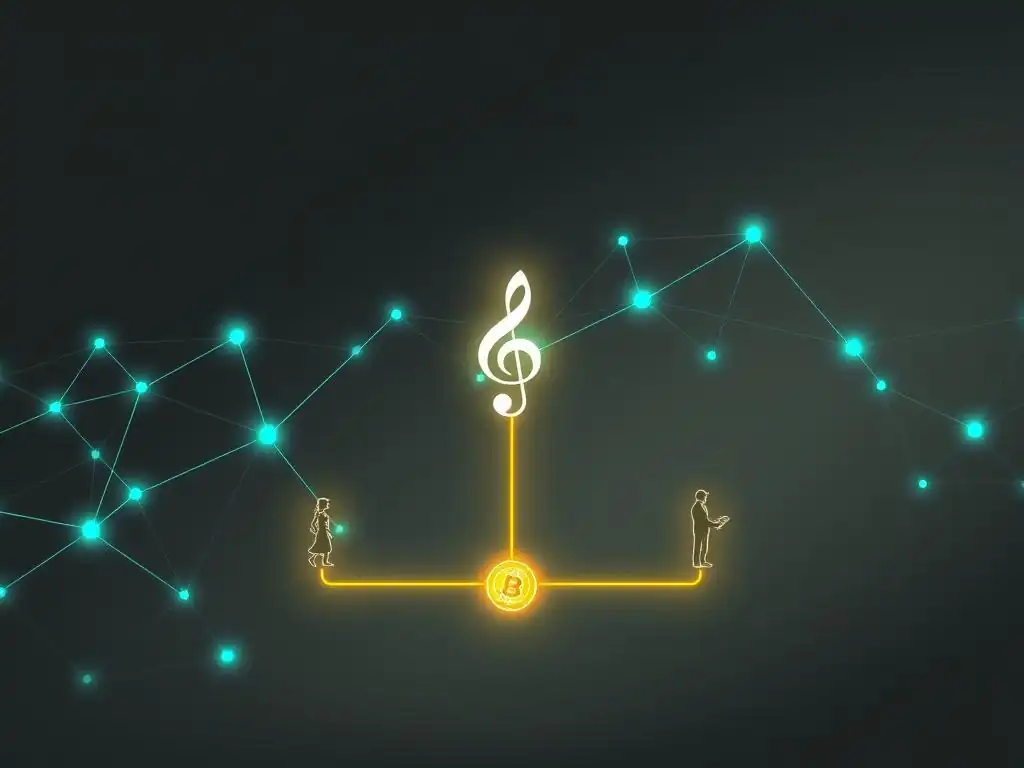
Increased Transparency and Trust in Royalty Payments
One of the most significant benefits of blockchain-based royalty automation is the dramatic increase in transparency and trust in royalty payments. Traditional royalty systems are often opaque, with creators lacking clear visibility into how their content generates revenue and how royalties are calculated. Smart contracts, deployed on a public blockchain, provide a completely transparent and auditable record of all royalty transactions. Creators can track in real-time every instance their content is used and verify the corresponding royalty payments directly on the blockchain ledger.
This transparency fosters trust between creators and platforms. By eliminating the "black box" nature of traditional royalty systems, blockchain empowers creators to have confidence that they are being paid fairly and accurately. For example, a visual artist selling NFTs with embedded resale royalties can instantly verify on the blockchain that they receive their percentage share whenever their artwork is resold, without relying on potentially opaque reports from marketplaces. This increased transparency and verifiability are crucial for building a more equitable and trustworthy creator economy.
Streamlined Royalty Distribution and Reduced Administrative Overhead
Blockchain royalties automation significantly streamlines the royalty distribution process, drastically reducing administrative overhead for both creators and platforms. Traditional manual royalty systems are labor-intensive, requiring extensive paperwork, manual calculations, and reconciliation processes. Smart contracts automate these processes, eliminating the need for intermediaries and reducing the potential for human error. Once the smart contract is set up with the defined royalty terms, the distribution process becomes automatic and efficient.
For creators, this means less time spent on administrative tasks related to tracking and claiming royalties, freeing them up to focus on their creative work. For platforms, automation reduces the operational costs associated with royalty management, making the entire system more efficient and scalable. For instance, a music platform using smart contracts for royalties can automate payouts to thousands of artists simultaneously, eliminating the need for manual processing of individual royalty statements and payments. This streamlining and efficiency are key advantages of blockchain-based royalty automation.
New Revenue Streams and Monetization Opportunities for Creators
Blockchain technology and smart contracts can unlock new revenue streams and monetization opportunities for creators that were previously difficult or impossible to implement with traditional systems. One prominent example is automated resale royalties for digital art and collectibles through NFTs. Smart contracts enable artists to automatically receive a percentage of every subsequent sale of their work on the secondary market, creating a continuous revenue stream that extends beyond the initial sale. This concept of perpetual royalties is transformative for artists, providing them with ongoing compensation for the value their work retains and appreciates over time.
Beyond resale royalties, smart contracts can facilitate micropayments for content consumption, enabling new models for monetizing granular content, like individual articles or short video clips. Blockchain's efficiency in handling small transactions makes micropayments viable, opening up possibilities for creators to monetize their content in more flexible and direct ways. Furthermore, smart contracts can facilitate fractional ownership of creative assets, allowing creators to share ownership and revenue with their communities, fostering deeper engagement and new forms of collaborative monetization. These new revenue streams and monetization models demonstrate the innovative potential of blockchain for empowering creators financially.
Enhanced Control and Ownership of Creative Work
Blockchain-based royalty automation empowers creators with enhanced control and ownership over their creative work. Traditional systems often involve creators relinquishing significant control to intermediaries and platforms, particularly regarding usage rights and revenue distribution. Smart contracts enable creators to define and enforce their usage rights and royalty terms directly through code, giving them greater autonomy and control over how their work is used and monetized.
By utilizing blockchain, creators can establish verifiable proof of ownership and provenance for their digital assets, which is particularly relevant in the context of NFTs and digital collectibles. This enhanced ownership and control extend to royalty management, as creators can directly manage their smart contracts and track their royalty earnings transparently, reducing reliance on centralized platforms and intermediaries. For creators, this means regaining agency over their creative output and establishing a more direct and equitable relationship with their audience and the market.
Case Studies: Success Stories of Creators Using Smart Contracts for Royalties
Music Industry: Streamlining Royalty Distribution for Musicians
The music industry, plagued by complex and opaque royalty systems for decades, is increasingly exploring blockchain and smart contracts to streamline royalty distribution for musicians. Platforms like Ujo Music (now part of ConsenSys) have pioneered the use of blockchain to create a more transparent and efficient royalty ecosystem for artists. Ujo Music built a platform where musicians could register their music rights on the blockchain and use smart contracts to automatically distribute royalties to rights holders whenever their music was streamed or used.
While Ujo Music is no longer operating as a standalone platform, its early work and insights have significantly influenced the development of blockchain-based solutions in the music industry. Other initiatives, such as the Open Music Initiative, are exploring industry-wide standards for using blockchain to improve music rights management and royalty distribution.
Emerging platforms are now leveraging blockchain to offer musicians more direct control over their music rights and faster, more transparent royalty payments. Although widespread adoption is still ongoing, these early examples and ongoing initiatives demonstrate the potential of blockchain to revolutionize music royalties, moving towards a more equitable and efficient system for artists.
Visual Arts: Automating Resale Royalties for Digital Artists
The visual arts, particularly the digital art world, has witnessed significant success in utilizing smart contracts to automate resale royalties for artists through Non-Fungible Tokens (NFTs). Platforms like SuperRare, Nifty Gateway, and KnownOrigin have been instrumental in popularizing NFTs and embedding smart contracts that automatically distribute resale royalties to digital artists. When an NFT artwork created on these platforms is initially sold and subsequently resold on the secondary market, the smart contract automatically triggers a royalty payment to the original artist, typically a percentage of the resale price, such as 10%.
This automated resale royalty mechanism has been transformative for digital artists, providing them with a continuous revenue stream and recognizing their ongoing contribution to the value of their work. For example, digital artists like Beeple have seen substantial earnings from resale royalties on platforms like Nifty Gateway, demonstrating the real financial impact of smart contract-based royalties. The success of NFTs and automated resale royalties in the digital art space has showcased the power of blockchain to create new and equitable revenue models for creators, particularly in the digital realm.
Overcoming Challenges and Future Trends in Blockchain Royalties Automation
Addressing Scalability and Gas Fee Concerns
While blockchain royalties automation offers numerous benefits, challenges related to scalability and gas fees need to be addressed for wider adoption. Public blockchains like Ethereum, which are commonly used for smart contracts, can experience network congestion during periods of high demand, leading to slower transaction speeds and increased gas fees (transaction costs). High gas fees can be particularly problematic for micro-transactions and frequent royalty payouts, potentially making blockchain-based solutions less cost-effective, especially for smaller creators or platforms with high transaction volumes.
Scalability solutions and Layer-2 technologies are actively being developed to address these challenges. Layer-2 solutions, such as sidechains and rollups, aim to offload transaction processing from the main blockchain, increasing transaction throughput and reducing gas fees. For example, Optimistic Rollups and zk-Rollups are Layer-2 technologies that bundle multiple transactions together and process them off-chain before submitting a summarized proof to the main Ethereum chain. These solutions hold promise for making blockchain more scalable and cost-effective for royalty automation, enabling wider adoption across the creator economy.
The Role of Layer-2 Solutions in Optimizing Smart Contract Performance
Layer-2 solutions are crucial for optimizing the performance and cost-effectiveness of smart contracts used for blockchain royalties automation creator contracts. By processing transactions off the main blockchain, Layer-2 technologies can significantly reduce gas fees and improve transaction speeds, making blockchain more accessible and practical for everyday use cases like royalty payouts. Different Layer-2 solutions offer varying trade-offs in terms of security, decentralization, and scalability.
For example, sidechains are independent blockchains that run parallel to the main chain and can offer faster transaction speeds and lower fees, but they may have different security models. Rollups, on the other hand, inherit the security of the main chain while still providing significant scalability improvements. The choice of Layer-2 solution depends on the specific requirements of the royalty automation platform and the trade-offs between cost, speed, and security. As Layer-2 technologies mature and become more widely adopted, they are expected to play a pivotal role in making blockchain royalties automation more efficient and scalable.
Interoperability and Cross-Chain Compatibility for Wider Adoption
Interoperability and cross-chain compatibility are essential for the widespread adoption of blockchain royalties automation across different platforms and ecosystems. Currently, various blockchain networks exist, and assets and data are often siloed within individual chains. For creators to seamlessly manage their royalties across different platforms and marketplaces built on different blockchains, interoperability is crucial. Cross-chain compatibility would allow smart contracts and digital assets to be transferred and recognized across different blockchain networks, creating a more unified and interconnected creator economy.
Projects focused on blockchain interoperability are actively developing solutions to bridge different chains, such as cross-chain bridges and communication protocols. These technologies aim to enable seamless transfer of assets and data between different blockchains, fostering greater interoperability and reducing fragmentation. For royalty automation, cross-chain compatibility would mean that a creator could manage their royalties and digital assets across various platforms, regardless of the underlying blockchain technology, leading to a more user-friendly and efficient ecosystem.
The Future of Decentralized Content Creation and Monetization
The future of content creation and monetization is increasingly leaning towards decentralization, with blockchain royalties automation playing a central role. As creators seek greater control over their work and revenue streams, decentralized platforms and blockchain-based solutions offer a compelling alternative to traditional centralized models. Blockchain empowers creators to establish direct relationships with their audiences, manage their rights transparently, and automate royalty distribution efficiently.
The trend towards decentralized autonomous organizations (DAOs) in the creator economy further reinforces this shift. DAOs can be used to collectively manage creative projects, distribute revenue, and govern community-driven platforms, all powered by blockchain and smart contracts. The combination of blockchain royalties automation, decentralized platforms, and DAOs has the potential to fundamentally reshape the creator economy, fostering a more equitable, transparent, and creator-centric ecosystem where artists and creators are empowered to thrive.
Conclusion: Blockchain Royalties - A Game Changer for the Creator Economy
Key Takeaways: The Power of Smart Contracts for Creator Empowerment
Smart contracts are emerging as a game-changer for the creator economy, offering a powerful tool for automating royalties and empowering creators financially. By leveraging blockchain technology, smart contracts provide increased transparency, efficiency, and security in royalty management, addressing the long-standing pain points of traditional systems. The key takeaways are clear: blockchain royalties automation creator contracts offer creators greater control over their revenue streams, reduce administrative burdens, and unlock new monetization opportunities.
The immutability and transparency of blockchain ensure that royalty terms are enforced fairly and verifiably, fostering trust between creators and platforms. Automated royalty splits and real-time tracking provide creators with faster access to their earnings and greater visibility into their revenue generation. Ultimately, smart contracts are not just about automating payments; they are about empowering creators to regain agency over their creative work and build more sustainable and equitable careers in the digital age.
The Future of Creator Revenue Models and the Role of Blockchain
The future of creator revenue models is inextricably linked to blockchain technology and the potential of decentralized systems. As the creator economy continues to evolve, blockchain royalties automation is poised to become a foundational element of how creators are compensated for their work. We can expect to see wider adoption of blockchain-based royalty platforms across various creative industries, from music and art to writing and education.
Beyond automated royalties, blockchain is enabling new and innovative revenue models for creators, such as fractional ownership of creative assets, tokenized communities, and decentralized content marketplaces. These models empower creators to engage more directly with their audiences, build stronger communities, and diversify their revenue streams beyond traditional platform-dependent models. Blockchain technology is not just about improving existing systems; it is about creating entirely new paradigms for creator monetization and fostering a more vibrant and sustainable creator economy.
Call to Action: Exploring Blockchain Solutions for Your Creative Work
For creators looking to take control of their royalties and explore new revenue streams, exploring blockchain solutions is a crucial step. Whether you are a musician, artist, writer, or content creator, understanding the potential of blockchain royalties automation creator contracts can significantly impact your creative career. Investigate platforms and tools that are leveraging blockchain to streamline royalty management and empower creators.
Consider experimenting with NFTs for your digital creations and explore platforms that offer automated resale royalties. Engage with communities and resources focused on blockchain and the creator economy to learn more and connect with fellow creators and innovators. The shift towards decentralized systems is underway, and by embracing blockchain solutions, creators can position themselves at the forefront of this transformative wave, building a more equitable and sustainable future for creative work.
Frequently Asked Questions
What are creator contracts in the context of blockchain, and how do they relate to royalties?
Creator contracts are smart contracts built on blockchain that automatically manage and distribute royalties. They ensure creators receive fair compensation for their work whenever it's used or resold.
How does blockchain enable the automation of royalties for creators?
Blockchain's immutable and transparent ledger allows for verifiable tracking of usage and sales. Smart contracts then automatically trigger royalty payments based on pre-defined rules, eliminating intermediaries and manual processes.
What are the benefits of using smart contracts for managing creator royalties compared to traditional methods?
Smart contracts offer increased transparency, reduced transaction fees, and faster payouts compared to traditional systems. This leads to greater trust and efficiency for both creators and consumers.
What are some potential enterprise applications of blockchain-based royalty automation for creators?
Enterprises can use it to manage licensing agreements, streamline content distribution, and offer innovative revenue models for artists, musicians, and other content creators.
What are the key regulatory considerations surrounding blockchain-based royalty automation and creator contracts?
Understanding copyright law, data privacy regulations, and securities laws is crucial. Navigating these complexities ensures legal compliance and protects the rights of all parties involved.
Final Reflection: Embracing the Future of Creator Empowerment
The journey we've explored through smart contracts and blockchain royalties automation reveals a powerful shift in how creators are compensated and valued. This isn't just about technology; it's about reclaiming control and fostering a more equitable creative ecosystem. The potential to bypass traditional gatekeepers and directly connect creators with their audience, while ensuring transparent and automatic royalty distribution, is a game-changer in an era where creative work is often undervalued.
The impact of blockchain technology on the creative landscape is only beginning to unfold, and its potential to empower artists and innovators is immense. Witnessing this evolution firsthand underscores the importance of understanding and embracing these new tools. The future of art is not in the museum, but in the hands of the people who create it.
This quote, though not directly about blockchain, perfectly encapsulates the spirit of decentralization and creator autonomy that blockchain royalties automation promises.
Now, more than ever, it's crucial to consider how you can leverage these advancements to support creators and participate in this evolving ecosystem. Whether you're an artist seeking new revenue streams or a consumer looking to directly support the work you love, explore the possibilities that blockchain royalties automation offers. The future of creativity is being written now, and your participation can help shape a fairer and more vibrant world for all.
Unlock Your Creative Future!
Thank you for exploring the exciting world of smart contracts and how they can transform your revenue streams. You’ve gained valuable insights into automating royalties and empowering yourself as a creator. Now, it’s time to turn that knowledge into action!
Here are a few ways to move forward:
- Try out a practical smart contract tutorial this week and start building your first royalty automation tool. This step will help you achieve greater creative independence.
- Explore other applications of smart contracts beyond royalties, such as tokenized access to exclusive content or decentralized autonomous organizations for collaboration.
- Share this article with fellow creators who could benefit from understanding smart contracts. Let’s build a community of empowered artists!
What creative project are you most excited to automate with smart contracts? Share your ideas in the comments below!
Leave a Reply