
User Experience in Blockchain Creator Platforms: Making it Easy for Everyone

Welcome to Blockchain Trends, your gateway to understanding the real-world impact of blockchain technology. Forget the hype and dive into the transformative applications beyond cryptocurrencies.
Ever wondered how to make blockchain accessible to everyone, not just developers? Our latest article explores Blockchain creator platform UX design, unveiling how intuitive interfaces are revolutionizing content creation and empowering a new generation of blockchain innovators. Discover how seamless design is key to unlocking the full potential of decentralized systems and building a future where anyone can harness the power of blockchain. Ready to see the future of content creation?
User Experience in NFT Marketplace Platforms: Empowering Creators and Collectors
- Introduction: The Rise of NFT Marketplaces and the UX Imperative
-
Key Elements of Effective NFT Marketplace UX Design
- Simplifying Blockchain Concepts: Abstraction and Intuitive Interfaces
- Onboarding Creators and Collectors: A Seamless and Engaging Experience
- NFT Creation and Minting: User-Friendly Tools and Workflows
- NFT Discovery and Purchase: Making it Clear and Accessible
- Community Building and Engagement: Fostering Interaction
- Addressing Common UX Challenges in NFT Marketplaces
- Examples of Good NFT Marketplace UX
- Future Trends in NFT Marketplace UX Design
- Conclusion: The Future of NFTs Depends on User-Centric Design
-
Frequently Asked Questions
- What are the key UX challenges in blockchain creator platforms?
- How can simplified interfaces improve the adoption of blockchain creator platforms?
- What role does education play in enhancing the UX of blockchain creator platforms?
- How can blockchain creator platforms be designed to cater to both novice and experienced users?
- What are some emerging trends in UX design for blockchain creator platforms?
- Final Reflection: Bridging the Blockchain Divide
- Unleash Your Blockchain Potential!
Introduction: The Rise of NFT Marketplaces and the UX Imperative
Understanding the NFT Ecosystem and Creator Economy
The NFT (Non-Fungible Token) ecosystem has exploded, transforming digital ownership and creator monetization. NFTs represent unique digital assets, ranging from art and collectibles to virtual real estate and music. This technology has given rise to a vibrant creator economy where artists, musicians, and other digital content creators can directly monetize their work by selling NFTs to a global audience.
Unlike traditional digital content distribution models, NFTs offer creators greater control over their work, enabling them to set royalties for secondary sales and build direct relationships with their communities. This shift towards decentralization and creator empowerment is fundamentally reshaping industries and creating new economic opportunities.
The NFT market has witnessed exponential growth in recent years. In 2021, NFT sales volume surged to over $25 billion, a staggering increase compared to the previous year. This growth is fueled by increasing mainstream adoption, celebrity endorsements, and the recognition of NFTs as valuable digital assets. Marketplaces like OpenSea, Rarible, and Foundation have emerged as key platforms connecting creators and collectors, facilitating the discovery, trading, and management of NFTs. As the ecosystem matures, the focus is shifting from mere speculation to building sustainable models that prioritize user experience and long-term value creation for both creators and collectors.
Why User Experience (UX) Matters in NFT Adoption for Creators and Collectors
User Experience (UX) is paramount for the continued growth and mainstream adoption of NFT marketplaces, especially for both creators and collectors. For creators, a seamless and intuitive platform is crucial for onboarding and effectively showcasing their work. Complex interfaces and technical jargon can deter artists, musicians, and other creatives who may not be deeply familiar with blockchain technology. A positive UX empowers creators to easily mint, manage, and sell their NFTs, fostering participation and innovation within the ecosystem. If the process is cumbersome, creators may be less inclined to utilize NFT platforms, hindering the growth of the creator economy.
Similarly, for collectors, a user-friendly experience is essential for discovering, purchasing, and managing NFTs. Navigating the complexities of blockchain, wallets, and gas fees can be daunting for new users. A well-designed UX simplifies these processes, making NFT collecting accessible to a broader audience. Intuitive navigation, clear information architecture, and transparent transaction processes build trust and encourage participation. Ultimately, a superior UX for both creators and collectors lowers the barrier to entry, drives adoption, and ensures the long-term viability and success of the NFT marketplace ecosystem.
The Current State of UX in NFT Marketplaces: Opportunities for Improvement
While NFT marketplaces have made significant strides, the current state of UX still presents considerable opportunities for improvement. Many platforms are perceived as technically complex and intimidating, particularly for users new to blockchain and NFTs. The onboarding process can be convoluted, involving multiple steps and requiring users to understand concepts like crypto wallets, gas fees, and blockchain networks. This complexity can lead to user frustration and abandonment, limiting the potential reach and impact of these platforms.
Furthermore, the user interface of some NFT marketplaces can be cluttered and unintuitive. Navigation may be confusing, and essential information such as pricing, royalties, and NFT metadata may not be readily accessible. The NFT creation or minting process, while becoming simpler, can still be challenging for non-technical creators. Improving search and filtering functionalities, simplifying transaction processes, and providing clearer educational resources are crucial steps towards enhancing the overall user experience and fostering wider adoption of NFT marketplaces.
Key Elements of Effective NFT Marketplace UX Design
Simplifying Blockchain Concepts: Abstraction and Intuitive Interfaces
Abstracting Complexity: Hiding Technical Jargon
Effective NFT marketplace UX design hinges on abstracting the underlying blockchain complexity. Users, especially creators and new collectors, should not be required to possess deep technical knowledge of blockchain technology to participate. Platforms should strive to hide technical jargon and replace it with user-friendly terminology. For instance, instead of using terms like "gas fees" or "transaction hashes," interfaces can refer to "processing fees" or "transaction confirmation numbers." This abstraction minimizes cognitive load and makes the platform more approachable for a wider audience.
The goal is to create a seamless experience where users can interact with NFTs without being overwhelmed by the intricacies of the underlying blockchain. By focusing on the user's goals – creating, buying, selling, and collecting NFTs – and simplifying the technical aspects, platforms can significantly improve user engagement and adoption. This involves carefully crafting user interfaces that prioritize clarity, simplicity, and intuitive workflows, effectively shielding users from unnecessary technical details.
Intuitive Interface Design: Easy Navigation and Clear Workflows
Intuitive interface design is paramount for a positive user experience in NFT marketplaces. Navigation should be straightforward and logical, allowing users to easily find what they are looking for. Clear visual hierarchies, well-organized menus, and consistent design patterns contribute to effortless navigation. Workflows for key actions, such as NFT creation, purchase, and management, should be streamlined and intuitive, minimizing the number of steps required and providing clear guidance at each stage.
Consider the example of browsing NFTs. An intuitive interface would feature robust filtering and sorting options, allowing users to quickly narrow down their search based on categories, creators, price ranges, and other relevant criteria. NFT listings should present information clearly and concisely, highlighting essential details like price, creator, and description. Interactive elements, such as previews and zoom functionalities, can enhance the browsing experience. By prioritizing intuitive design, NFT marketplaces can reduce user frustration and encourage exploration and engagement.
Onboarding Creators and Collectors: A Seamless and Engaging Experience
Streamlined Account Creation and Wallet Setup
The onboarding process is the first crucial interaction users have with an NFT marketplace. A streamlined account creation and wallet setup process is essential for a positive first impression. Account creation should be quick and easy, requiring minimal information and offering social login options for convenience. Wallet setup, often perceived as a significant hurdle for new users, needs to be simplified and guided. Platforms can offer integrated wallet solutions or provide clear and step-by-step instructions for connecting existing wallets.
Some platforms are exploring "custodial wallets" to further simplify onboarding for new users. These wallets are managed by the platform, eliminating the need for users to handle private keys initially. While custodial wallets raise discussions about decentralization, they can significantly lower the barrier to entry for novice users. Regardless of the wallet approach, the onboarding experience should be designed to be as seamless and user-friendly as possible, minimizing friction and encouraging users to explore the platform further.
Interactive Tutorials and Guides for Beginners
To further enhance onboarding, NFT marketplaces should incorporate interactive tutorials and guides specifically designed for beginners. These resources can walk new users through the platform's functionalities, explain key NFT concepts, and provide step-by-step instructions for common tasks. Interactive tutorials, where users learn by doing within a simulated environment, can be particularly effective in engaging new users and building confidence.
Guides can cover topics such as understanding NFTs, setting up a crypto wallet, navigating the marketplace interface, creating and selling NFTs, and purchasing NFTs. These resources should be easily accessible within the platform, ideally integrated into the onboarding flow and available for reference at any time. By providing comprehensive and user-friendly educational materials, NFT marketplaces can empower new users to confidently navigate the world of NFTs and participate in the creator economy.
NFT Creation and Minting: User-Friendly Tools and Workflows
Simplified NFT Creation Process for Non-Technical Creators
For NFT marketplaces to truly empower creators, the NFT creation and minting process must be user-friendly, especially for non-technical individuals. Traditionally, minting NFTs involved coding and complex technical steps, but modern platforms are offering simplified tools and workflows. Drag-and-drop interfaces, template-based creation, and guided processes are making NFT minting accessible to creators without coding skills. These tools abstract away the technical complexities of smart contracts and blockchain interactions, allowing creators to focus on their art and content.
Platforms are also incorporating features like batch minting, which allows creators to mint multiple NFTs simultaneously, and lazy minting, where NFTs are only minted when a purchase is made, reducing upfront gas fees for creators. By continuously simplifying the minting process, NFT marketplaces can attract a wider range of creators, from artists and musicians to writers and educators, fostering a more diverse and vibrant creator economy.
Clear Guidance on Metadata and Royalties
Clear guidance on metadata and royalties is crucial during the NFT creation process. Metadata, which includes the description, properties, and attributes of an NFT, is essential for discoverability and provenance. Platforms should provide clear instructions and user-friendly forms for creators to input relevant metadata accurately. Similarly, royalty settings, which determine the percentage creators earn from secondary sales, should be easily configurable and transparent.
Platforms can offer pre-defined metadata templates for different types of NFTs and provide visual aids to guide creators in selecting appropriate properties and attributes. For royalties, clear explanations of how royalties work and the implications of different royalty percentages are essential. By providing clear guidance and user-friendly tools for metadata and royalty management, NFT marketplaces can empower creators to effectively control and monetize their digital creations.
NFT Discovery and Purchase: Making it Clear and Accessible
Effective Filtering and Search Functionality
NFT discovery is a critical aspect of the marketplace experience for collectors. Effective filtering and search functionality are essential for users to find NFTs that match their interests. Marketplaces should offer a wide range of filters, including categories, subcategories, creators, price ranges, properties, and traits. Robust search functionality that allows users to search by keywords, creator names, and NFT titles is also crucial.
Advanced filtering options, such as rarity filters for collectible NFTs and attribute-based filters for generative art, can further enhance the discovery experience. Visual filtering options, such as browsing NFTs by color palettes or artistic styles, can also be beneficial. By providing powerful and intuitive filtering and search tools, NFT marketplaces can help collectors efficiently discover new NFTs and creators, driving engagement and sales.
Transparent Pricing and Bidding Mechanisms
Transparency in pricing and bidding mechanisms is vital for building trust and facilitating fair transactions in NFT marketplaces. Pricing information should be clearly displayed for each NFT, including the current price, historical prices, and price history charts. For auctions, bidding mechanisms should be transparent and easy to understand. Platforms should clearly display the current highest bid, the minimum bid increment, and the auction end time.
Real-time updates on bids and price changes are essential for creating a dynamic and engaging auction environment. Clear explanations of different auction types, such as English auctions and Dutch auctions, can also enhance transparency. By ensuring transparent pricing and bidding processes, NFT marketplaces can foster a fair and trustworthy environment for both buyers and sellers.
Community Building and Engagement: Fostering Interaction
Integrated Community Features: Forums, Chat, and Social Sharing
NFT marketplaces are not just platforms for buying and selling digital assets; they are also becoming hubs for communities of creators and collectors. Integrated community features, such as forums, chat functionalities, and social sharing options, are crucial for fostering interaction and engagement. Forums can provide spaces for users to discuss NFTs, creators, and market trends. Chat features allow for real-time communication between buyers and sellers or among community members.
Social sharing options enable users to easily share their NFTs and marketplace activities on social media platforms, promoting NFTs and driving traffic to the marketplace. Some platforms are also integrating features like creator profiles and follower systems, allowing users to connect directly with their favorite creators and build relationships. By fostering a sense of community, NFT marketplaces can enhance user loyalty and create a more vibrant and engaging ecosystem.
Curation and Featured Collections
Curation and featured collections play a significant role in NFT discovery and community building. Marketplaces often curate and feature selected NFTs and collections to highlight noteworthy artists and projects. Curated collections can be based on themes, artistic styles, or emerging trends. Featuring promising new creators or established artists can increase their visibility and attract collectors.
Curation can also help guide new users towards high-quality NFTs and collections, reducing the overwhelming nature of large marketplaces. Some platforms employ community curation mechanisms, allowing users to vote on or suggest NFTs to be featured. By strategically curating and featuring content, NFT marketplaces can shape trends, support emerging talent, and enhance the overall quality of the platform's offerings.
Addressing Common UX Challenges in NFT Marketplaces
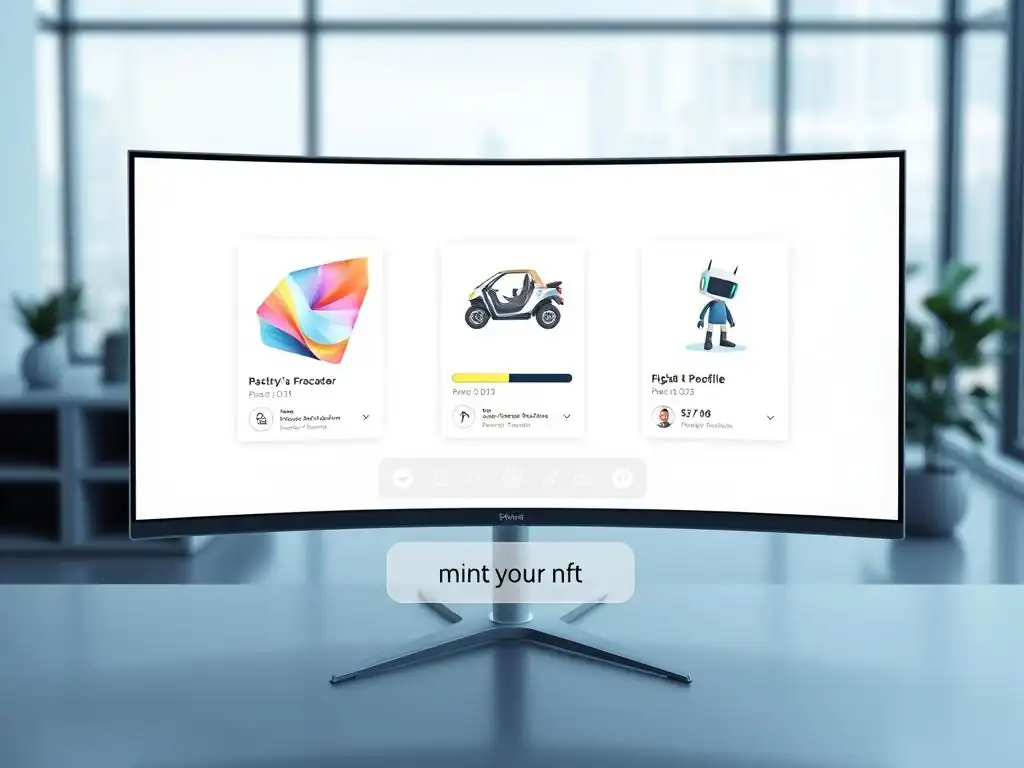
Overcoming the Perceived Complexity of Blockchain Technology
Using Visualizations and Analogies to Explain NFT Concepts
A major UX challenge in NFT marketplaces is overcoming the perceived complexity of blockchain technology. Many users are intimidated by the technical jargon and abstract concepts associated with blockchain. To address this, platforms can effectively utilize visualizations and analogies to explain NFT concepts in a more accessible way. For example, analogies comparing NFTs to digital certificates of authenticity or unique digital trading cards can help users grasp the core concept of digital ownership.
Visualizations, such as infographics and animated explainer videos, can simplify complex processes like NFT minting, transactions, and wallet interactions. Interactive visualizations, where users can explore and manipulate elements to understand how NFTs work, can be particularly engaging and effective. By leveraging visual and analogical explanations, NFT marketplaces can demystify blockchain technology and make NFTs more approachable to a wider audience.
Providing Contextual Help and Support Throughout the Platform
Contextual help and support are crucial for guiding users through the NFT marketplace experience and addressing their questions and concerns in real-time. Tooltips, inline explanations, and contextual help icons can provide immediate assistance within the user interface. For example, hovering over a "gas fee" label could trigger a tooltip explaining what gas fees are and why they are necessary.
Comprehensive help documentation, FAQs, and knowledge bases should be readily accessible within the platform. Live chat support and responsive customer service can provide personalized assistance for more complex issues. By embedding help and support resources directly within the user experience, NFT marketplaces can empower users to navigate the platform confidently and resolve any challenges they encounter.
Managing Gas Fees and Transaction Costs: Transparency and Control
Clear Communication of Gas Fees and Potential Costs
Gas fees, the transaction fees on blockchain networks, are a significant UX challenge in NFT marketplaces. Users are often surprised and confused by gas fees, which can fluctuate and sometimes be substantial. Clear communication of gas fees and potential costs is essential for transparency and user trust. Platforms should display estimated gas fees upfront, before users initiate transactions.
Explanations of what gas fees are, why they exist, and how they are calculated can help users understand these costs. Visual representations of gas fee fluctuations, such as gas price charts, can provide further context. By proactively communicating gas fees and potential transaction costs, NFT marketplaces can avoid user frustration and unexpected expenses.
Options for Optimizing Transaction Costs
Providing users with options for optimizing transaction costs can significantly improve the UX related to gas fees. Some platforms offer options for users to choose different gas fee levels, allowing them to prioritize transaction speed versus cost. "Slow," "average," and "fast" options can be presented with estimated transaction times and corresponding gas fees.
Batch transactions, where multiple actions are grouped into a single transaction, can reduce overall gas costs. Platforms can also explore layer-2 scaling solutions, which offer lower transaction fees compared to layer-1 blockchains like Ethereum. By providing users with control over transaction costs and exploring cost-optimization strategies, NFT marketplaces can mitigate the negative UX impact of gas fees.
Security and Trust: Building Confidence in the Platform
Emphasizing Security Measures and Best Practices
Security and trust are paramount in the NFT ecosystem, given the financial value associated with digital assets. NFT marketplaces must prioritize security and effectively communicate their security measures to users. Emphasizing security best practices, such as two-factor authentication, secure wallet connections, and regular security audits, can build user confidence.
Clear communication about the platform's security protocols, data encryption methods, and measures to prevent fraud and scams is crucial. Security certifications and partnerships with reputable security firms can further enhance trust. By demonstrating a strong commitment to security and transparency, NFT marketplaces can foster a safe and trustworthy environment for creators and collectors.
Providing Clear and Concise Information About Data Privacy
Data privacy is another critical aspect of trust in NFT marketplaces. Users need to be confident that their personal information and transaction data are handled securely and responsibly. Platforms should provide clear and concise information about their data privacy policies, outlining what data is collected, how it is used, and with whom it is shared.
Privacy policies should be easily accessible and written in plain language, avoiding legal jargon. Options for users to control their data privacy settings and preferences should be provided. Compliance with relevant data privacy regulations, such as GDPR, further demonstrates a commitment to user privacy. By prioritizing data privacy and transparency, NFT marketplaces can build user trust and foster long-term relationships.
Wallet Integration and Management: Simplifying the User Journey
Support for Multiple Wallets and Easy Connection Options
Wallet integration is a core component of the NFT marketplace UX. Supporting a wide range of popular crypto wallets and providing easy connection options is essential for user convenience. Marketplaces should integrate with leading wallets like MetaMask, WalletConnect, and Coinbase Wallet, among others. Clear instructions and step-by-step guides for connecting different wallets should be provided.
Wallet connection should be a seamless and intuitive process, ideally requiring just a few clicks. Options for users to choose their preferred wallet and easily switch between wallets can enhance flexibility. By offering broad wallet compatibility and simplified connection processes, NFT marketplaces can cater to a wider range of users and reduce friction in the user journey.
Simplified Wallet Management within the Platform
Beyond connection, simplified wallet management within the platform can significantly improve the user experience. Some marketplaces are integrating features that allow users to view their NFT holdings directly within the platform interface, eliminating the need to switch between the marketplace and their wallet. Transaction history and wallet balance information can also be conveniently displayed.
For custodial wallets, platforms manage wallet functionalities directly, simplifying the user experience even further. Regardless of the wallet type, the goal is to provide users with a streamlined and integrated wallet management experience within the NFT marketplace, reducing complexity and enhancing usability.
Examples of Good NFT Marketplace UX
OpenSea: Case Study of a User-Friendly Platform
Streamlined NFT Creation and Purchase Processes
OpenSea, one of the largest NFT marketplaces, is often cited as an example of good UX in the space. OpenSea has made significant efforts to streamline both NFT creation and purchase processes. Their "create" flow is relatively intuitive, guiding creators through the steps of uploading their artwork, adding metadata, and setting royalties. While still requiring some understanding of blockchain concepts, OpenSea's interface is generally considered more user-friendly compared to earlier platforms.
The purchase process on OpenSea is also relatively straightforward. NFT listings are presented clearly, with transparent pricing and bidding options. Filtering and search functionalities are robust, allowing users to navigate the vast marketplace effectively. OpenSea's focus on accessibility and ease of use has contributed to its widespread adoption and success.
Foundation: Highlighting Innovative UX Approaches
Focus on Artistic Presentation and Curation
Foundation is an NFT marketplace that distinguishes itself with a strong focus on artistic presentation and curation, resulting in a unique UX. Foundation emphasizes the visual aspect of NFTs, with a clean and minimalist interface that showcases artwork prominently. The platform's design prioritizes aesthetics and artistic discovery, creating a gallery-like experience.
Foundation's curated approach, focusing on high-quality art and established artists, also contributes to its distinct UX. The platform's exclusivity and emphasis on artistic merit attract a specific audience of collectors who value aesthetics and curation. Foundation demonstrates how a focus on artistic presentation and curation can shape a unique and compelling NFT marketplace UX.
Future Trends in NFT Marketplace UX Design
The Role of Augmented Reality (AR) and Virtual Reality (VR) in NFT Experiences
The future of NFT marketplace UX is likely to be significantly influenced by Augmented Reality (AR) and Virtual Reality (VR) technologies. AR and VR can create immersive and interactive experiences for viewing, interacting with, and showcasing NFTs. Imagine browsing a virtual NFT gallery in VR, physically walking around and examining digital artworks in detail. AR could allow users to overlay digital NFTs onto their real-world environment, showcasing their digital collections in a tangible way.
These technologies can transform the way users experience NFTs, moving beyond traditional 2D interfaces to create more engaging and immersive interactions. AR and VR have the potential to enhance the sense of ownership and connection with digital assets, further driving NFT adoption and engagement.
Personalized Recommendations and Discovery
Personalized recommendations and discovery mechanisms will become increasingly important in NFT marketplaces as the volume of NFTs continues to grow. AI-powered recommendation engines can analyze user behavior, preferences, and past interactions to suggest relevant NFTs and creators. Personalized feeds and curated recommendations can help users discover NFTs they are more likely to be interested in, improving the discovery experience and driving engagement.
Personalized search results and tailored filtering options can also enhance the discovery process. By leveraging data and AI, NFT marketplaces can create more personalized and efficient discovery experiences, helping users navigate the vast NFT landscape and find hidden gems.
Decentralized Identity (DID) and Enhanced Privacy
Decentralized Identity (DID) technologies are poised to play a significant role in enhancing privacy and user control in NFT marketplaces. DIDs allow users to control their digital identities and data without relying on centralized intermediaries. Integrating DIDs into NFT marketplaces can empower users with greater control over their personal information and transaction data.
DID-based authentication and authorization can enhance security and privacy. Self-sovereign identity solutions can reduce reliance on traditional account-based systems, giving users more autonomy over their digital identities. As privacy concerns grow, DID technologies are likely to become increasingly important in shaping the future of NFT marketplace UX, prioritizing user control and data sovereignty.
Conclusion: The Future of NFTs Depends on User-Centric Design
Investing in UX as a Key Driver of NFT Adoption
Investing in user experience is not just about improving aesthetics; it is a fundamental driver of NFT adoption and long-term success for NFT marketplaces. A user-centric design approach, prioritizing simplicity, intuitiveness, and accessibility, is crucial for attracting a wider audience of creators and collectors. As the NFT ecosystem matures, UX will become an increasingly critical differentiator between successful platforms and those that struggle to gain traction.
Marketplaces that prioritize UX will be better positioned to onboard new users, foster engagement, and build thriving communities. Continuous improvement and iteration based on user feedback are essential for maintaining a competitive edge and ensuring long-term growth in the rapidly evolving NFT landscape.
Empowering Creators and Collectors Through Intuitive and Accessible Platforms
Ultimately, the future of NFTs and the creator economy hinges on empowering both creators and collectors through intuitive and accessible platforms. By focusing on user-centric design, NFT marketplaces can lower the barrier to entry, making NFTs accessible to everyone, regardless of their technical expertise. Platforms that prioritize UX will empower creators to effectively monetize their work and collectors to seamlessly discover and engage with digital art and collectibles.
This user-centric approach will drive wider adoption, foster innovation, and unlock the full potential of NFTs to transform digital ownership and the creator economy. The future of NFTs is not just about technology; it is about creating platforms that are truly user-friendly, empowering individuals, and building a more inclusive and accessible digital world.
Frequently Asked Questions
What are the key UX challenges in blockchain creator platforms?
The primary challenges revolve around complexity and user understanding. Many users struggle with the inherent technical jargon and the novel concepts within blockchain, leading to high abandonment rates.
How can simplified interfaces improve the adoption of blockchain creator platforms?
Simplified interfaces can abstract away the underlying technical details, focusing on user-friendly workflows and visual representations. This makes the platform more accessible to users without a strong technical background.
What role does education play in enhancing the UX of blockchain creator platforms?
Education is crucial for demystifying blockchain concepts. Tutorials, tooltips, and interactive guides can empower users to understand the technology and confidently navigate the platform.
How can blockchain creator platforms be designed to cater to both novice and experienced users?
Offering different levels of complexity is key. A platform can provide a simplified mode for beginners and an advanced mode for experienced developers who need more control.
What are some emerging trends in UX design for blockchain creator platforms?
Emerging trends include no-code/low-code solutions, AI-powered assistance, and integration with familiar development tools. These trends aim to lower the barrier to entry and streamline the creation process.
Final Reflection: Bridging the Blockchain Divide
The exploration of Blockchain creator platform UX design reveals a critical juncture in the technology's evolution. What began as a complex, developer-centric space is now poised to become accessible to a wider audience, thanks to thoughtful and intuitive user experience design. The ease with which individuals can now create and deploy blockchain applications will ultimately determine the technology's widespread adoption and its transformative impact on various industries.
The shift towards user-friendly blockchain creator platforms is not just a technological advancement; it's a cultural one. It represents a democratization of power, allowing individuals with innovative ideas, regardless of their technical expertise, to participate in the blockchain revolution. The best way to predict the future is to create it.
- Peter Drucker. This quote resonates deeply with the potential of improved UX in blockchain, empowering creators to shape the future of decentralized applications and services.
As we conclude this exploration, consider the role you can play in shaping this future. Reflect on how you can advocate for user-centered design in the blockchain space, whether you're a developer, a designer, or simply an enthusiast. Embrace the opportunity to learn, experiment, and contribute to making blockchain technology truly accessible to everyone, unlocking its full potential for innovation and positive change.
Unleash Your Blockchain Potential!
Thank you for exploring ways to make blockchain creator platforms more accessible. We hope you gained valuable insights into simplifying the user experience for everyone. Now, it's time to turn that knowledge into action!
Ready to make a real impact? Here are a few ways to get started:
- Create a prototype! Experiment with simplifying an existing blockchain creator platform’s interface and share your mockups with the community. This hands-on approach is the best way to make a practical difference.
- Join forums and communities dedicated to blockchain development. Share your insights and UX ideas, and start conversations about improving user onboarding.
- Contribute to open-source blockchain projects. Look for opportunities to enhance the user experience of existing tools and make them more accessible for beginners.
What specific UX challenges have you faced in blockchain creator platforms, and what innovative solutions would you like to see? Share your thoughts in the comments below!
Leave a Reply