
Accessibility in the Metaverse: Ensuring Inclusivity in Blockchain Gaming Worlds

Welcome to Blockchain Trends, your guide to understanding the revolutionary impact of blockchain technology!
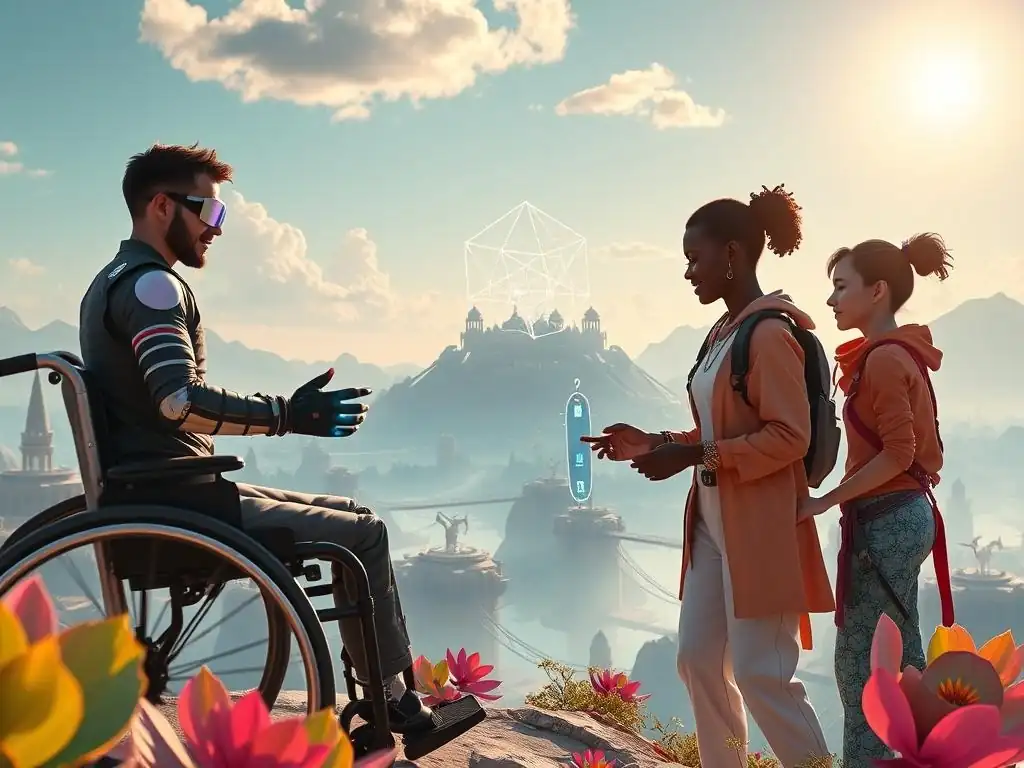
Dive into a world beyond cryptocurrencies and explore the vast potential of decentralized systems. Are blockchain games truly accessible to all? This week, we're unlocking a critical discussion on blockchain gaming inclusivity, examining how to build metaverse worlds that are not only innovative but also equitable and welcoming for everyone. Intrigued? Keep reading to discover the challenges and solutions shaping the future of inclusive blockchain gaming.
Accessibility in the Metaverse: Ensuring Inclusivity in Blockchain Gaming Worlds
- Introduction: The Promise of an Inclusive Metaverse for Blockchain Gamers
- Understanding Accessibility Challenges in Existing Metaverse Platforms
- The Importance of Blockchain Gaming Inclusivity
- Designing Accessible Blockchain Games: Practical Strategies
- Blockchain Solutions for Enhancing Metaverse Accessibility
- Case Studies: Examples of Accessible Blockchain Gaming Initiatives
- The Future of Accessible Blockchain Gaming & Metaverse Experiences
- Conclusion: Building a More Accessible and Inclusive Metaverse for Blockchain Gaming
-
Frequently Asked Questions
- How can blockchain gaming developers make their metaverse worlds more accessible to players with disabilities?
- What are some of the key challenges in achieving true inclusivity within blockchain gaming environments?
- How can decentralized autonomous organizations (DAOs) contribute to promoting inclusivity in blockchain gaming?
- What role does regulation play in fostering a more inclusive blockchain gaming ecosystem?
- How can blockchain technology itself be leveraged to enhance inclusivity in gaming beyond accessibility features?
- Final Reflection: Building Bridges in the Metaverse
- Advocate for an Inclusive Metaverse!
Introduction: The Promise of an Inclusive Metaverse for Blockchain Gamers
The metaverse, a persistent, shared, 3D virtual space, is rapidly evolving and promises to revolutionize how we interact, socialize, and even game. Within this digital frontier, blockchain gaming is emerging as a powerful force, offering players new forms of ownership, decentralized economies, and immersive experiences.
However, as we build these exciting new virtual worlds, it is crucial to ensure they are accessible and inclusive to everyone, regardless of their abilities or socioeconomic backgrounds. The promise of the metaverse should extend to all, and this article will delve into the critical aspects of accessibility within blockchain gaming, exploring the challenges, opportunities, and practical strategies for creating truly inclusive virtual environments.
Understanding Accessibility Challenges in Existing Metaverse Platforms
While the metaverse holds immense potential, current platforms and blockchain games often present significant accessibility barriers that hinder participation for many individuals. These challenges span various categories, from physical and sensory limitations to cognitive and socioeconomic factors. Understanding these hurdles is the first step toward building more inclusive and accessible metaverse experiences for blockchain gamers. Addressing these issues proactively is not only ethically sound but also expands the potential user base and enriches the overall metaverse ecosystem.
Physical Accessibility Barriers in Virtual Worlds
Navigating virtual worlds primarily relies on physical interaction through controllers, keyboards, or VR headsets, posing significant challenges for individuals with motor impairments. For example, players with limited hand dexterity may find it difficult to use standard controllers designed for complex button combinations and rapid movements commonly found in blockchain games that require quick reactions or intricate strategies. Furthermore, metaverse platforms often assume a level of physical mobility and coordination that is not universally shared.
Consider the popular blockchain-based metaverse game, The Sandbox, which, while offering creative building tools, traditionally relies on mouse and keyboard inputs for navigation and object manipulation, potentially excluding players who use alternative input devices or have mobility limitations affecting their fine motor skills. The lack of adaptable control schemes and customizable interaction methods creates a significant barrier to entry for many potential blockchain gamers.
Beyond input methods, the very nature of extended virtual reality experiences can present physical barriers. Wearing VR headsets for prolonged periods can cause discomfort or even motion sickness for some users, limiting their ability to engage with blockchain games in the metaverse. This is particularly relevant for individuals with vestibular disorders or those sensitive to visually stimulating environments.
While advancements are being made in headset ergonomics and mitigating motion sickness, current VR technology is not universally comfortable or usable for all. This physical discomfort can directly impede access to immersive blockchain gaming experiences within platforms like Decentraland or Somnium Space, which heavily promote VR integration.
Sensory Accessibility Issues in Blockchain Games
Sensory accessibility is another critical area often overlooked in metaverse platforms and blockchain games. Visual impairments, hearing loss, and sensory sensitivities can significantly impact a user's ability to fully engage with and enjoy these virtual environments. Many blockchain games rely heavily on visual cues for gameplay information, navigation, and communication. For instance, in many play-to-earn blockchain games, visual interfaces are crucial for managing in-game assets, understanding game mechanics, and interacting with other players.
Without proper alternative text descriptions for visual elements, adjustable font sizes, and customizable color contrast, players with visual impairments are at a distinct disadvantage. Similarly, auditory information is frequently used for game feedback, spatial awareness, and social interaction within metaverse games. Players with hearing loss may miss crucial audio cues or struggle to participate in voice-based communication if subtitles or visual representations of sound are not adequately implemented.
Sensory sensitivities, such as those experienced by individuals with autism spectrum disorder, can also be exacerbated by the often fast-paced and visually overwhelming nature of some blockchain games. Bright flashing lights, rapid scene changes, and complex visual clutter can create sensory overload and make metaverse gaming environments uncomfortable or even unusable. While some games offer limited customization options, they rarely address the full spectrum of sensory needs.
For example, a blockchain-based racing game with intense visual effects and loud engine noises might be highly inaccessible to someone with sensory sensitivities, even if the core gameplay mechanics are appealing. Addressing these sensory accessibility issues requires a proactive approach to design, incorporating options for visual and auditory customization, reduced motion settings, and clear, uncluttered user interfaces.
Cognitive Accessibility and User Experience in Metaverse Gaming
Cognitive accessibility addresses the needs of individuals with cognitive disabilities, learning differences, and age-related cognitive decline. Metaverse platforms and blockchain games can be complex environments, requiring users to process information quickly, remember instructions, and navigate intricate interfaces. For players with cognitive impairments, these complexities can present significant barriers to entry and successful gameplay.
Blockchain games often introduce novel concepts like NFTs, cryptocurrency wallets, and decentralized finance, which can be particularly challenging for users unfamiliar with these technologies or those who require simpler, more intuitive interfaces. The learning curve associated with understanding blockchain mechanics and navigating decentralized marketplaces can be steep, especially for individuals with cognitive disabilities.
Furthermore, the user experience within many metaverse platforms and blockchain games is often not optimized for cognitive accessibility. Overly complex menus, inconsistent navigation, and unclear instructions can lead to confusion and frustration. Consider the process of setting up a cryptocurrency wallet to participate in a blockchain game; this often involves multiple steps, technical jargon, and security protocols, which can be daunting for users with cognitive impairments.
Simplifying user interfaces, providing clear and concise instructions, offering tutorials and onboarding support, and ensuring consistent navigation are crucial steps in making metaverse gaming more cognitively accessible. Moreover, game design itself should consider cognitive load, avoiding overly complex mechanics or information overload, and offering adjustable difficulty levels to cater to a wider range of cognitive abilities.
Socioeconomic Barriers to Metaverse Access and Blockchain Gaming
Beyond physical, sensory, and cognitive accessibility, socioeconomic factors play a significant role in determining who can access and participate in the metaverse and blockchain gaming. The cost of entry into the metaverse, particularly for immersive VR experiences, can be substantial. VR headsets, powerful computers, and reliable internet connections are often prerequisites for fully engaging with many metaverse platforms.
This financial barrier disproportionately affects individuals from lower socioeconomic backgrounds, creating a digital divide within the metaverse. Furthermore, blockchain gaming itself often involves financial investments, such as purchasing NFTs or cryptocurrencies to participate in play-to-earn economies. These upfront costs can exclude individuals who lack the financial resources to invest in these digital assets.
The play-to-earn model, while promising new economic opportunities, also raises concerns about accessibility. While some blockchain games offer scholarship programs or rental systems to lower the barrier to entry, these initiatives are not always widely available or sustainable. The reliance on cryptocurrency transactions and the volatility of digital asset markets can also create financial risks and uncertainties, particularly for individuals with limited financial literacy or resources.
Addressing socioeconomic barriers requires exploring alternative access models, such as subsidized hardware or software, free-to-play or low-cost blockchain games, and educational initiatives to promote digital literacy and financial inclusion within the metaverse gaming space. Creating truly inclusive blockchain gaming worlds necessitates a conscious effort to mitigate these socioeconomic disparities and ensure equitable access for all.
The Importance of Blockchain Gaming Inclusivity
Blockchain gaming inclusivity is not merely a matter of ethical consideration; it is also a strategic imperative for the growth and sustainability of the metaverse and the blockchain gaming industry. By prioritizing accessibility, developers and platforms can unlock a wealth of benefits, from expanding their audience reach and enhancing user experience to fostering a more equitable and diverse metaverse community. Furthermore, ethical considerations demand that we strive to create virtual worlds that are welcoming and accessible to everyone, regardless of their abilities or backgrounds.
Reaching a Wider Audience Through Accessible Design
Accessible design inherently broadens the potential audience for blockchain games. By addressing the diverse needs of players with disabilities, developers tap into a significant and often underserved market segment. Globally, over one billion people live with some form of disability, representing a substantial portion of the population.
Ignoring accessibility means excluding a vast pool of potential players who are eager to participate in the metaverse and engage with blockchain gaming experiences. Moreover, accessible design benefits not only individuals with disabilities but also a wider range of users, including older adults, people with temporary impairments, and those using assistive technologies. For instance, clear and customizable user interfaces, designed initially for cognitive accessibility, can improve the user experience for all players, making games easier to learn and navigate.
Expanding audience reach translates directly to increased engagement, larger player communities, and potentially greater revenue for blockchain game developers. In a competitive market, accessibility can be a key differentiator, attracting players who value inclusivity and appreciate games that are designed with their needs in mind. By embracing accessible design principles from the outset, blockchain game developers can create more successful and impactful virtual worlds that resonate with a broader and more diverse audience.
Enhancing User Experience for All Players in Blockchain Games
Accessibility improvements often lead to a better user experience for everyone, not just players with disabilities. Features designed for accessibility, such as customizable controls, clear visual cues, and simplified interfaces, can enhance gameplay for all users, regardless of their abilities. For example, providing alternative input methods, initially intended for players with motor impairments, can also benefit players who prefer different control schemes or those who experience temporary injuries. Similarly, adjustable font sizes and color contrast, designed for visual accessibility, improve readability and reduce eye strain for all players, especially during extended gaming sessions.
A focus on accessibility encourages developers to create more intuitive, user-friendly, and well-designed blockchain games. The process of considering diverse user needs often leads to innovations in game design and interface development that benefit the entire player base. By prioritizing user experience and incorporating accessibility best practices, blockchain game developers can create more engaging, enjoyable, and ultimately more successful games for everyone.
Fostering a More Equitable and Diverse Metaverse Community
Inclusivity is essential for building a truly equitable and diverse metaverse community. The metaverse should be a space where everyone feels welcome, respected, and empowered to participate, regardless of their background, abilities, or identities. Blockchain gaming, as a significant part of the metaverse ecosystem, has a crucial role to play in fostering this inclusivity. By actively addressing accessibility barriers and promoting diversity, blockchain game developers can contribute to creating virtual worlds that reflect the richness and diversity of the real world.
A diverse and inclusive metaverse community is not only ethically desirable but also culturally and creatively richer. Different perspectives, experiences, and abilities bring new ideas, innovations, and forms of expression to the metaverse. By embracing inclusivity, blockchain gaming can become a more vibrant, dynamic, and ultimately more rewarding space for all participants. Creating accessible and inclusive blockchain games is a step towards realizing the full potential of the metaverse as a truly global and democratized digital realm.
Ethical Considerations for Blockchain Gaming Accessibility
Beyond the practical benefits, there are fundamental ethical considerations that underscore the importance of blockchain gaming accessibility. Everyone deserves equal access to the opportunities and experiences offered by the metaverse, including the entertainment, social connections, and economic potential of blockchain gaming. Excluding individuals with disabilities from these virtual worlds is not only discriminatory but also perpetuates existing inequalities in the digital realm. As creators and builders of the metaverse, we have a moral responsibility to ensure that these digital spaces are designed to be inclusive and accessible to all.
The principles of universal design, which aim to create products and environments that are usable by all people to the greatest extent possible, should guide the development of blockchain games and metaverse platforms. Accessibility is not an afterthought or a niche feature; it is a core principle of ethical design and a fundamental aspect of creating a just and equitable metaverse. By prioritizing accessibility, the blockchain gaming industry can demonstrate its commitment to social responsibility and contribute to building a more inclusive and equitable future for all.
Designing Accessible Blockchain Games: Practical Strategies
Creating accessible blockchain games requires a proactive and intentional approach to design, incorporating accessibility considerations from the earliest stages of development. Several practical strategies can be implemented to enhance accessibility across different aspects of game design, from user interfaces and input methods to communication and gameplay mechanics. These strategies are not merely technical fixes; they represent a fundamental shift in mindset towards designing for inclusivity and ensuring that blockchain games are welcoming and usable by everyone.
Implementing Assistive Technology Compatibility
Ensuring compatibility with assistive technologies is paramount for making blockchain games accessible to players who rely on these tools. Assistive technologies, such as screen readers, screen magnifiers, speech recognition software, and alternative input devices, are essential for individuals with disabilities to interact with digital content. Blockchain games should be designed to work seamlessly with these technologies, allowing players to navigate menus, access game information, and participate in gameplay using their preferred assistive tools.
For example, ensuring that all in-game text and visual elements are compatible with screen readers allows players with visual impairments to access game information and navigate interfaces independently. Similarly, supporting alternative input devices, such as switch controls or eye-tracking systems, enables players with motor impairments to control the game using methods that suit their abilities.
Testing blockchain games with assistive technologies throughout the development process is crucial for identifying and addressing compatibility issues. Engaging with accessibility experts and players with disabilities during testing can provide valuable feedback and ensure that games are truly accessible and usable. Adhering to accessibility standards and guidelines, such as the Web Content Accessibility Guidelines (WCAG), can also help developers ensure compatibility with a wide range of assistive technologies and create more inclusive gaming experiences.
Creating Customizable User Interfaces for Blockchain Games
Customizable user interfaces are essential for accommodating the diverse needs and preferences of blockchain gamers. Allowing players to personalize their game interface enables them to tailor the visual, auditory, and interaction aspects of the game to their individual requirements. Customization options should include adjustable font sizes, color contrast settings, customizable color palettes, and the ability to disable distracting animations or visual effects.
For players with visual impairments, high contrast modes and adjustable font sizes can significantly improve readability. For players with sensory sensitivities, options to reduce visual clutter, disable flashing lights, and adjust audio levels can make the game environment more comfortable and usable.
Beyond visual and auditory customization, user interface customization should also extend to control schemes and input methods. Allowing players to remap controls, customize button layouts, and choose between different input methods, such as keyboard, mouse, controller, or touch input, provides greater flexibility and accessibility. Consider blockchain games that involve complex resource management or strategic decision-making; customizable interfaces allowing players to prioritize information display or streamline actions can significantly improve cognitive accessibility and overall user experience.
Providing Alternative Input Methods for Metaverse Interaction
Traditional input methods, such as keyboards and mice, can be barriers for players with motor impairments. Providing alternative input methods is crucial for ensuring that blockchain games are accessible to a wider range of players. Support for game controllers is a fundamental step, as controllers often offer more ergonomic and customizable control options compared to keyboards and mice. Beyond standard controllers, blockchain games should also explore support for adaptive controllers, switch controls, eye-tracking systems, and voice recognition software.
Adaptive controllers, like the Xbox Adaptive Controller, allow players to customize their input devices and create personalized control setups that suit their specific needs. Switch controls enable players with limited mobility to control the game using one or more buttons or switches, which can be activated with various body parts. Eye-tracking systems and voice recognition software offer hands-free input methods, opening up metaverse interaction to players with severe motor impairments.
Implementing alternative input methods requires careful consideration of game mechanics and interface design. Game controls should be designed to be mappable to a variety of input devices, and user interfaces should be navigable using different input methods. Providing clear instructions and tutorials on how to use alternative input methods is also essential for ensuring that players can effectively utilize these accessibility features.
Ensuring Clear and Concise Communication Within the Game
Communication is a vital aspect of many blockchain games, particularly those with multiplayer or social elements. Ensuring clear and concise communication is crucial for accessibility, especially for players with hearing loss, cognitive disabilities, or language differences. Providing text-based chat options alongside voice chat is essential for players who are deaf or hard of hearing, or who prefer text-based communication. Subtitles and captions for all in-game audio, including dialogue, sound effects, and music, are also crucial for auditory accessibility. Subtitles should be customizable in terms of font size, color, and background to ensure readability.
For players with cognitive disabilities or language differences, using clear, simple language in in-game text and instructions is important. Avoiding jargon, complex sentence structures, and ambiguous phrasing can improve comprehension and reduce cognitive load. Providing visual aids, such as icons and diagrams, alongside text descriptions can also enhance communication and make game information more accessible. In multiplayer blockchain games, features like text-to-speech and speech-to-text can further enhance communication accessibility, allowing players with different communication preferences and abilities to interact effectively.
Blockchain Solutions for Enhancing Metaverse Accessibility

Blockchain technology itself offers unique solutions that can be leveraged to enhance accessibility within the metaverse and blockchain gaming. Decentralized identity, smart contracts, NFTs, and DAOs can all play a role in creating more personalized, automated, and community-driven accessibility features. By harnessing the power of blockchain, we can move beyond traditional accessibility approaches and explore innovative solutions that are tailored to the decentralized and user-centric nature of the metaverse.
Decentralized Identity (DID) for Personalized Accessibility Settings
Decentralized Identity (DID) can empower users to manage and control their own digital identities and data, including accessibility preferences. With DID, players could create a portable digital identity that stores their accessibility settings, such as preferred font sizes, color contrast, input methods, and communication preferences.
This DID could be used across different metaverse platforms and blockchain games, ensuring that players' accessibility settings are consistently applied wherever they go in the metaverse. Instead of having to configure accessibility settings for each individual game or platform, players could simply use their DID to automatically apply their preferred settings, streamlining the onboarding process and ensuring a consistent and personalized user experience.
Blockchain technology provides a secure and transparent infrastructure for managing DID and accessibility data. Players would have full control over their data and could choose which platforms and games have access to their accessibility preferences. This user-centric approach to accessibility aligns with the decentralized ethos of blockchain and empowers individuals to take ownership of their digital experiences. Implementing DID for accessibility could significantly reduce the burden of configuring accessibility settings across multiple metaverse environments and create a more seamless and personalized metaverse experience for all users.
Smart Contracts for Automated Accessibility Features
Smart contracts, self-executing contracts with the terms of the agreement directly written into code, can automate the implementation of accessibility features within blockchain games. For example, smart contracts could be used to automatically adjust game difficulty based on a player's accessibility profile or to dynamically generate alternative text descriptions for visual elements based on user preferences. In play-to-earn blockchain games, smart contracts could be used to automatically distribute accessibility grants or scholarships to players with disabilities, ensuring equitable access to economic opportunities within the game.
Smart contracts can also be used to enforce accessibility standards and guidelines within blockchain gaming platforms. Developers could create smart contracts that verify that games meet certain accessibility criteria before they are listed on a platform or receive funding. This could incentivize developers to prioritize accessibility and ensure that blockchain games are built with inclusivity in mind from the outset. The automation and transparency provided by smart contracts can streamline the implementation and enforcement of accessibility features, making it easier for developers to create accessible games and for players to access them.
NFTs for Accessible Avatars and In-Game Assets
Non-Fungible Tokens (NFTs) can be used to create and manage accessible avatars and in-game assets that cater to diverse needs and preferences. NFTs could represent avatars with customizable accessibility features, such as prosthetic limbs, hearing aids, or visual aids.
Players could own and trade these accessible avatars, allowing them to express their identities and personalize their metaverse presence in ways that reflect their individual needs and preferences. NFTs can also represent in-game assets with built-in accessibility features, such as items that provide visual or auditory cues for players with sensory impairments or tools that simplify gameplay for players with cognitive disabilities.
The unique and verifiable nature of NFTs ensures the authenticity and ownership of accessible avatars and assets. This can create a thriving market for accessible digital assets and incentivize creators to design and develop inclusive content for the metaverse. NFTs can also be used to represent accessibility badges or certifications, recognizing players and developers who contribute to creating a more accessible and inclusive metaverse gaming ecosystem.
DAOs for Community-Driven Accessibility Initiatives
Decentralized Autonomous Organizations (DAOs) can empower communities to collectively govern and fund accessibility initiatives within blockchain gaming and the metaverse. DAOs can be formed around specific accessibility goals, such as developing open-source accessibility tools, creating accessibility guidelines for blockchain games, or funding accessibility research and development. DAO members could vote on proposals, allocate resources, and collaborate on projects aimed at enhancing metaverse accessibility. This community-driven approach to accessibility ensures that initiatives are aligned with the needs and priorities of the users they are intended to serve.
Blockchain technology provides the infrastructure for transparent and democratic DAO governance. Voting and decision-making processes are recorded on the blockchain, ensuring accountability and preventing manipulation. DAOs can also utilize cryptocurrency to fund accessibility initiatives, creating a decentralized and sustainable funding model. By empowering communities to take ownership of accessibility initiatives, DAOs can foster a more inclusive and collaborative approach to building an accessible metaverse for blockchain gaming.
Case Studies: Examples of Accessible Blockchain Gaming Initiatives
While the field of accessible blockchain gaming is still nascent, several existing initiatives demonstrate the potential for creating more inclusive virtual worlds. These case studies highlight different approaches to accessibility, from lowering the barrier to entry and promoting self-expression to empowering creators with diverse abilities. These examples offer valuable insights and inspiration for future accessibility efforts within the blockchain gaming and metaverse space.
Axie Infinity's Scholarship Program: Lowering the Barrier to Entry
Axie Infinity, a popular play-to-earn blockchain game, has implemented a scholarship program that addresses socioeconomic barriers to entry. The game requires players to purchase Axie NFTs to participate, which can be a significant upfront investment. The scholarship program allows players, particularly those from developing countries, to borrow Axies from existing players (managers) and earn a share of the in-game rewards. This lowers the financial barrier to entry and provides economic opportunities for players who might otherwise be excluded from the play-to-earn ecosystem.
While not directly focused on disability accessibility, Axie Infinity's scholarship program demonstrates a successful model for addressing socioeconomic inclusivity in blockchain gaming. This model could be adapted and expanded to specifically target individuals with disabilities who may face financial barriers to accessing blockchain gaming opportunities. Scholarship programs could be combined with accessibility grants or subsidies to further reduce the cost of entry and ensure equitable access for all players, regardless of their socioeconomic background or abilities.
Decentraland's Customizable Avatar Options: Promoting Self-Expression
Decentraland, a decentralized metaverse platform, offers extensive avatar customization options that promote self-expression and inclusivity. Players can create avatars that reflect their identities, preferences, and even disabilities. The platform allows users to customize various aspects of their avatars, including body type, skin tone, hair style, clothing, and accessories. While not explicitly designed for accessibility, these customization options enable players to create avatars that represent themselves authentically and express their individuality within the metaverse.
Decentraland's avatar customization system provides a foundation for further enhancing accessibility. Future developments could include the addition of more specific accessibility features, such as options to include assistive devices like wheelchairs, hearing aids, or prosthetic limbs in avatars. Expanding avatar customization options to be more inclusive of diverse abilities and identities can contribute to creating a more welcoming and representative metaverse environment for all players.
The Sandbox's VoxEdit: Empowering Creators with Diverse Abilities
The Sandbox, another popular metaverse platform, offers VoxEdit, a user-friendly tool for creating voxel-based assets and avatars. VoxEdit is designed to be accessible to creators with varying levels of technical skills, empowering individuals with diverse abilities to contribute to the metaverse ecosystem. The tool's intuitive interface and drag-and-drop functionality make it easier for users to create and customize assets without requiring complex coding or design expertise. This lowered barrier to entry enables a wider range of creators, including those with disabilities, to participate in building and shaping the metaverse.
The Sandbox's focus on user-generated content and accessible creation tools fosters a more inclusive and diverse metaverse community. By empowering creators with diverse abilities to contribute their talents and perspectives, platforms like The Sandbox can become richer, more creative, and more representative of the global population. Continuing to develop and improve accessible creation tools is crucial for ensuring that the metaverse is not only accessible to players but also to creators from all backgrounds and abilities.
The Future of Accessible Blockchain Gaming & Metaverse Experiences
The future of accessible blockchain gaming and metaverse experiences hinges on continued innovation, collaboration, and a commitment to inclusivity from developers, platforms, and the broader community. Advancements in assistive technology, evolving regulations, and the development of universal accessibility standards will all play crucial roles in shaping a more accessible and equitable metaverse. Overcoming existing challenges and promoting a culture of inclusivity are essential for realizing the full potential of blockchain gaming and the metaverse for everyone.
Advancements in Assistive Technology and Metaverse Integration
Ongoing advancements in assistive technology will be instrumental in enhancing metaverse accessibility. Improved VR headsets with better ergonomics and reduced motion sickness, more sophisticated eye-tracking systems, and more intuitive brain-computer interfaces (BCIs) will open up new possibilities for metaverse interaction for individuals with disabilities. The integration of these advanced assistive technologies with blockchain gaming platforms will create more immersive and accessible experiences. For example, BCIs could enable players with severe motor impairments to control avatars and interact with virtual environments using their thoughts, bypassing traditional input methods altogether.
Further development of haptic feedback technology can also enhance sensory accessibility, providing tactile cues and feedback for players with visual impairments or those who prefer multisensory experiences. The convergence of assistive technology advancements with blockchain technology will pave the way for more personalized, intuitive, and ultimately more accessible metaverse gaming experiences for a wider range of users.
The Role of Regulation in Promoting Blockchain Gaming Inclusivity
Regulation can play a crucial role in promoting blockchain gaming inclusivity and ensuring that metaverse platforms adhere to accessibility standards. Governments and regulatory bodies can establish accessibility guidelines and requirements for metaverse platforms and blockchain games, similar to existing accessibility regulations for websites and digital content. These regulations could mandate features such as alt text for images, subtitle support, customizable interfaces, and compatibility with assistive technologies. Enforcing accessibility standards through regulation can create a level playing field and ensure that all metaverse platforms and blockchain games are designed with inclusivity in mind.
Furthermore, regulations could address socioeconomic barriers to metaverse access by promoting digital inclusion initiatives and providing subsidies or financial assistance for individuals with disabilities to access metaverse technologies and blockchain gaming opportunities. Government support and regulatory frameworks can be powerful catalysts for driving accessibility and inclusivity within the rapidly evolving metaverse landscape.
The Potential for Universal Accessibility Standards in the Metaverse
The development of universal accessibility standards for the metaverse is essential for ensuring interoperability and consistent accessibility across different platforms and blockchain games. Standardized accessibility guidelines, protocols, and APIs would enable developers to create accessible content that works seamlessly across various metaverse environments. Organizations like the World Wide Web Consortium (W3C), which developed the Web Content Accessibility Guidelines (WCAG), could play a leading role in developing and promoting metaverse accessibility standards.
Universal accessibility standards would benefit both developers and users. Developers would have clear guidelines to follow when designing accessible metaverse experiences, reducing development costs and ensuring consistency. Users would benefit from a more seamless and predictable metaverse experience, knowing that accessibility features will be available and function consistently across different platforms and games. Establishing universal accessibility standards is a crucial step towards creating a truly open, interoperable, and inclusive metaverse.
Overcoming Challenges and Promoting Blockchain Gaming Inclusivity
Despite the promising future, significant challenges remain in achieving widespread blockchain gaming inclusivity. Raising awareness among developers and platform providers about the importance of accessibility, providing accessibility training and resources, and fostering a culture of inclusivity within the blockchain gaming community are crucial steps. Overcoming ingrained biases and misconceptions about disability and accessibility is also essential. Accessibility should not be viewed as an afterthought or a niche concern but as a fundamental aspect of good design and ethical development.
Promoting collaboration between accessibility experts, blockchain developers, game designers, and players with disabilities is vital for driving innovation and creating truly inclusive metaverse experiences. Open communication, shared knowledge, and a commitment to co-design are essential for ensuring that accessibility solutions are effective, user-centered, and aligned with the diverse needs of the metaverse community. By working together and prioritizing inclusivity, we can build a more accessible and equitable metaverse for blockchain gaming and beyond.
Conclusion: Building a More Accessible and Inclusive Metaverse for Blockchain Gaming
The metaverse and blockchain gaming hold immense potential to create new forms of entertainment, social interaction, and economic opportunity. However, realizing this potential for everyone requires a conscious and concerted effort to prioritize accessibility and inclusivity. Addressing physical, sensory, cognitive, and socioeconomic barriers is crucial for ensuring that the metaverse is a welcoming and equitable space for all, including individuals with disabilities.
By implementing practical design strategies, leveraging blockchain solutions, and fostering a community-driven approach to accessibility, we can build a more inclusive metaverse for blockchain gaming and beyond. The future of the metaverse should be one where everyone can participate, contribute, and thrive, regardless of their abilities or backgrounds. Building an accessible and inclusive metaverse is not just an ethical imperative; it is an essential step towards realizing the full potential of this transformative technology and creating a more equitable and connected digital future for all.
Frequently Asked Questions
How can blockchain gaming developers make their metaverse worlds more accessible to players with disabilities?
Developers can implement accessibility features such as customizable interfaces, alternative input methods, and descriptive audio cues. This ensures that individuals with varying physical and cognitive abilities can fully participate. Further, they can use blockchain tech to ensure data privacy and security of user data.
What are some of the key challenges in achieving true inclusivity within blockchain gaming environments?
One challenge is the digital divide, where access to necessary technology and reliable internet is unequal. Another is the lack of diverse representation in game development teams, leading to biased design. Finally, there is technical complexity that can deter new users.
How can decentralized autonomous organizations (DAOs) contribute to promoting inclusivity in blockchain gaming?
DAOs can empower the community to vote on accessibility initiatives and funding allocations. They can also support the creation of inclusive gaming guilds and communities. Finally, these structures can help ensure accountability for developers.
What role does regulation play in fostering a more inclusive blockchain gaming ecosystem?
Regulation can establish standards for accessibility and data privacy in metaverse platforms. It can also promote fair competition and prevent discriminatory practices. Furthermore, it can help protect vulnerable users from scams.
How can blockchain technology itself be leveraged to enhance inclusivity in gaming beyond accessibility features?
Blockchain can enable ownership of in-game assets for all players, regardless of background. It can also facilitate fair and transparent revenue sharing with creators from diverse communities. Finally, blockchain provides immutable records of inclusivity efforts.
Final Reflection: Building Bridges in the Metaverse
The exploration of accessibility within blockchain gaming worlds reveals a crucial truth: true innovation lies not just in technological advancement, but in its equitable distribution and usability for all. As we've seen, the metaverse, and particularly blockchain gaming, holds immense potential, but that potential remains unrealized if significant portions of the population are excluded due to accessibility barriers. The future of these immersive experiences hinges on our commitment to building inclusive environments from the ground up.
The ongoing influence of accessibility considerations in the metaverse is undeniable. It's not simply a matter of ticking boxes; it's about fundamentally reshaping how we design and interact with digital spaces. This shift requires a conscious effort to understand and address the diverse needs of potential users, ensuring that everyone can participate and benefit from the opportunities presented. The power of the Web is in its universality. Access by everyone regardless of disability is an essential aspect.
- Tim Berners-Lee. This quote underscores the foundational principle that should guide our development of the metaverse: inclusivity is not an afterthought, but a core requirement.
Now, I invite you to consider your own role in shaping a more accessible metaverse. How can you, whether as a developer, a gamer, or simply an interested observer, contribute to building bridges instead of barriers? Let us all strive to create blockchain gaming worlds where everyone can thrive, explore, and connect, regardless of their abilities. The future of the metaverse is not predetermined; it is being written now, by each of us, through our choices and actions. Let's choose inclusivity.
Okay, here's a CTA for the end of an article titled "Accessibility in the Metaverse: Ensuring Inclusivity in Blockchain Gaming Worlds" on the website "Blockchain Trends" (blockchaintrends.org):
Advocate for an Inclusive Metaverse!
Thank you for exploring how to make the metaverse a more accessible and inclusive space for everyone. Now that you're equipped with this knowledge, let's work together to build a future where everyone can participate in the exciting world of blockchain gaming. Here's how you can get started:
- Take the first step: Actively seek out and support metaverse projects that prioritize accessibility. Look for features like customizable interfaces, alternative input methods, and diverse representation.:
- Share this article with your network and spark conversations about the importance of accessibility in the metaverse. Let's amplify the message!
- Consider submitting your feedback and ideas directly to blockchain gaming developers. Your insights can help shape a more inclusive metaverse.
What specific accessibility feature do you think is most crucial for ensuring equitable experiences in blockchain gaming worlds? Share your thoughts in the comments below!
Leave a Reply