
Avatars Evolved: Identity and SelfExpression in Blockchain Metaverse Games

Welcome to Blockchain Trends, your compass in the ever-evolving world of decentralized innovation!
Delve into the fascinating realm where blockchain transcends cryptocurrency and reshapes industries. Are you ready to discover how blockchain is revolutionizing digital identity? In this article, we explore the intriguing evolution of blockchain metaverse avatar identity, examining how it's redefining self-expression and ownership within immersive gaming environments. Curious about how decentralized systems are empowering players like never before? Read on to unlock the future of digital personas and virtual worlds!
Avatars Evolved: Identity and Self-Expression in Blockchain Metaverse Games
- Introduction: The Rise of Blockchain Metaverse Avatars
- The Evolution of Avatars: From Simple Icons to Complex Digital Identities
- Blockchain Metaverse Avatar Identity: Key Features and Benefits
- Self-Expression in Blockchain Metaverse Games: Beyond Aesthetics
- The Role of NFTs in Defining Blockchain Metaverse Avatar Identity
- Challenges and Future Trends in Blockchain Metaverse Avatar Identity
- Case Studies: Examining Avatar Identity in Popular Blockchain Games
- Conclusion: The Transformative Power of Blockchain Avatars for Digital Identity
-
Frequently Asked Questions
- What is the relationship between blockchain technology and metaverse avatars?
- How does blockchain enhance avatar identity in metaverse games?
- What are the key benefits of using a blockchain-based avatar in a metaverse game?
- How does the concept of "Blockchain metaverse avatar identity" relate to the broader idea of self-expression?
- What are some potential challenges and future considerations for blockchain metaverse avatar identities?
- Final Reflection: Reimagining Self in the Digital Frontier
- Forge Your Metaverse Identity: Unleash Your Avatar!
Introduction: The Rise of Blockchain Metaverse Avatars
Defining the Blockchain Metaverse and its Significance for Identity
The blockchain metaverse represents a significant evolution of virtual worlds, characterized by decentralization, user ownership, and enhanced digital sovereignty. Unlike traditional online games or virtual platforms where user data and assets are controlled by centralized entities, the blockchain metaverse leverages distributed ledger technology to offer users greater control over their digital experiences and identities.
This shift is profound, especially concerning identity, as it allows for the creation of persistent and portable digital selves that are not tied to a single platform. In this evolving digital landscape, the concept of identity is being redefined, moving from platform-dependent profiles to user-owned, blockchain-secured representations.
The significance of the blockchain metaverse for identity is multifaceted. It empowers users with true ownership of their digital assets, including avatars, through Non-Fungible Tokens (NFTs). This ownership is not merely symbolic; it translates to tangible control over digital property, enabling users to trade, sell, and utilize their avatars across different compatible metaverse platforms.
Furthermore, the immutability and transparency of blockchain technology enhance the security and provenance of digital identities, reducing the risks of fraud and identity theft prevalent in centralized systems. This foundational shift towards user-centricity is reshaping how individuals perceive and manage their digital presence in virtual spaces.
Why Avatars are Crucial for Self-Expression in Virtual Worlds
Avatars are more than just visual representations in virtual worlds; they are the primary conduits for self-expression and social interaction within these digital realms. In the metaverse, where physical presence is absent, avatars become the embodiment of a user's identity, personality, and aspirations.
They serve as a visual manifestation of self, allowing individuals to project their desired image, experiment with different personas, and express their creativity in ways that might be constrained in the physical world. The ability to customize and personalize avatars enables users to craft unique digital identities that resonate with their inner selves and communicate their individuality to others.
The importance of avatars for self-expression is amplified in blockchain metaverse games due to the enhanced ownership and customization possibilities. Within these immersive environments, avatars are not simply pre-set characters; they are dynamic, evolving entities that can reflect a user's achievements, preferences, and social standing within the virtual community.
The level of detail and personalization available, often coupled with the scarcity and uniqueness afforded by blockchain technology, elevates avatars from mere game elements to powerful tools for self-representation and social signaling. As users invest time, effort, and sometimes financial resources into their avatars, they become deeply intertwined with their digital identities, making self-expression through avatars a cornerstone of the metaverse experience.
The Evolution of Avatars: From Simple Icons to Complex Digital Identities
Early Avatar Systems: Limitations and Basic Customization
The earliest avatar systems were rudimentary, often limited by technological constraints and the nascent understanding of digital identity. In early online forums and chat rooms of the late 20th century, avatars were typically simple, static images, often chosen from a pre-defined library or uploaded as small, low-resolution GIFs or JPEGs. Customization was minimal, if available at all, and users had little agency in shaping their digital representation beyond selecting a generic icon. Examples include the basic profile pictures used in early internet forums like Usenet or the simple character sprites in text-based Multi-User Dungeons (MUDs).
These early avatars, while functional for basic identification, offered limited scope for self-expression. They were primarily intended to distinguish users from one another in online interactions rather than to convey personality or individuality. The technical limitations of the time, such as bandwidth constraints and processing power, restricted the complexity and dynamism of these avatars. Consequently, early avatar systems served mainly as functional identifiers, lacking the depth and customization that would later become crucial for self-expression in virtual worlds. The focus was on utility rather than creating immersive or personally meaningful digital representations.
The Emergence of Customizable Avatars and User Agency
The late 1990s and early 2000s witnessed a significant shift towards more customizable avatars, driven by advancements in graphics technology and a growing understanding of the social and psychological importance of digital self-representation. Games like The Sims and virtual worlds like Second Life introduced robust avatar creation tools, allowing users to modify facial features, hairstyles, clothing, and even body types. This era marked the emergence of user agency in avatar design, granting individuals greater control over their digital appearance and enabling them to express themselves more fully within virtual environments.
This evolution was not solely technological; it also reflected a cultural shift towards recognizing the importance of digital identity. As online interactions became more prevalent and virtual worlds grew in complexity, the desire for personalized and expressive avatars intensified.
Platforms responded by providing increasingly sophisticated customization options, including sliders for fine-tuning facial features, extensive wardrobes of virtual clothing, and even the ability to create custom textures and models. This increased user agency empowered individuals to craft avatars that were not just identifiers but also reflections of their personal style, creativity, and desired self-image, paving the way for the more sophisticated avatar systems seen in blockchain metaverse games today.
Blockchain-Based Avatars: A Paradigm Shift in Ownership and Control
Blockchain technology has ushered in a paradigm shift in avatar ownership and control, moving away from platform-centric models to user-centric paradigms. Traditional online games and virtual worlds typically retain ownership of user accounts and in-game assets, including avatars. Users essentially license the right to use these digital items within the confines of a specific platform, with no real ownership or portability.
Blockchain-based avatars, however, are often represented as NFTs, granting users true and verifiable ownership recorded on a public ledger. This ownership extends beyond mere usage rights; it encompasses the ability to control, transfer, and potentially monetize the avatar independently of any single platform.
This shift towards user ownership is transformative for digital identity. With blockchain-based avatars, users are no longer at the mercy of platform policies or potential account closures that could result in the loss of their digital assets and identities. The immutability and transparency of blockchain provide a secure and permanent record of ownership, fostering a sense of digital sovereignty.
Furthermore, the interoperable nature of blockchain technology promises a future where avatars can potentially transcend platform boundaries, allowing users to carry their digital identities and assets across different metaverse environments. This represents a fundamental change in how digital identity is conceived and managed, empowering users with unprecedented control and agency over their virtual selves.
Blockchain Metaverse Avatar Identity: Key Features and Benefits
True Ownership and Interoperability of Digital Avatars
One of the most significant features of blockchain metaverse avatar identity is true ownership. Unlike traditional in-game avatars that are tied to a specific platform's terms of service, blockchain avatars, often represented as NFTs, provide users with verifiable and immutable ownership. This ownership is secured on the blockchain, meaning that the record of who owns the avatar is publicly accessible and tamper-proof. For example, if a user owns an avatar NFT in a game built on the Ethereum blockchain, their ownership is recorded on the Ethereum ledger and cannot be unilaterally revoked by the game developers.
This true ownership unlocks the potential for interoperability. While still in its early stages, the vision for blockchain metaverse avatars includes the ability to use a single avatar across multiple compatible metaverse platforms and games. Imagine owning an avatar that you can use in a virtual world like Decentraland, then seamlessly transport it to a blockchain-based game like The Sandbox, retaining its appearance, attributes, and history.
This interoperability is a key differentiator from traditional avatar systems, where digital identities are siloed within individual platforms. The underlying blockchain technology and NFT standards are laying the groundwork for a more connected and user-centric metaverse experience where digital identities are portable and truly owned by the users.
Enhanced Security and Provenance of Avatar Assets
Blockchain technology inherently provides enhanced security and provenance for avatar assets. Because avatar NFTs are recorded on a distributed ledger, transactions and ownership history are transparent and auditable. This transparency reduces the risk of fraud and counterfeiting, common issues in centralized digital asset marketplaces. For instance, when purchasing a rare or valuable avatar NFT, a buyer can easily verify its authenticity and provenance by tracing its transaction history on the blockchain, ensuring they are acquiring a legitimate asset.
Furthermore, the cryptographic security of blockchain networks protects avatar NFTs from unauthorized access and manipulation. Private keys control ownership, and these keys are held exclusively by the user, providing a strong layer of security against theft or unauthorized transfer. This security is crucial for building trust in the digital ownership of avatars and other metaverse assets. The combination of transparency, immutability, and cryptographic security offered by blockchain technology makes it a robust foundation for establishing secure and verifiable digital identities in the metaverse, offering a significant improvement over the security vulnerabilities often associated with centralized systems.
Avatar Customization and Personalization Options in Blockchain Games
Blockchain games are pushing the boundaries of avatar customization and personalization, offering users unprecedented control over their digital appearance. Beyond basic aesthetic adjustments, many blockchain metaverse games are incorporating advanced customization features that allow for intricate modifications to avatar features, clothing, accessories, and even animations. Examples include games that allow users to design and mint their own unique avatar components as NFTs, creating a vibrant ecosystem of user-generated avatar assets. This level of customization empowers users to create avatars that are truly unique and reflective of their individual style and preferences.
Moreover, personalization in blockchain metaverse games often extends beyond mere aesthetics to encompass functional attributes and in-game capabilities. Avatars can be customized with skills, abilities, and equipment that directly impact gameplay. For example, in some blockchain RPGs, avatar customization might involve choosing specific character classes, assigning skill points, and equipping avatars with NFT-based weapons and armor that enhance their combat prowess or other in-game functionalities. This deeper level of personalization not only enhances self-expression but also allows users to tailor their avatars to their preferred playstyles and in-game roles, further blurring the lines between digital identity and in-game persona.
Monetization Opportunities: Earning with Your Digital Identity
Blockchain metaverse avatars introduce novel monetization opportunities, allowing users to potentially earn income from their digital identities. Because blockchain avatars are often represented as NFTs, they can be bought, sold, and traded on open marketplaces. Users who invest time and creativity into designing or acquiring rare and desirable avatars can potentially profit by selling them to other players or collectors. The scarcity and uniqueness of certain avatar NFTs can drive up their value, creating a marketplace for digital avatar assets.
Beyond direct sales, avatars can also become income-generating assets within metaverse games. Some blockchain games incorporate play-to-earn mechanics, where users can earn cryptocurrency or other digital rewards by actively participating in the game with their avatars. This could involve completing quests, winning battles, creating content, or providing services within the game world. In these ecosystems, avatars are not just representations of identity; they are also potential tools for economic activity and income generation. This integration of identity and economic potential is a defining characteristic of blockchain metaverse avatars, blurring the lines between gaming, identity, and digital economies.
Self-Expression in Blockchain Metaverse Games: Beyond Aesthetics
Avatars as Representations of User Values and Beliefs
In blockchain metaverse games, avatars transcend mere aesthetic representations and can serve as powerful expressions of user values and beliefs. The choices users make in customizing and utilizing their avatars can communicate their affiliations, interests, and even their moral compass within the virtual world. For instance, choosing to equip an avatar with specific symbols or clothing associated with a particular in-game faction or ideology can signal a user's alignment with those values. Similarly, actions taken within the game environment, enacted through the avatar, can further reinforce these expressions of values and beliefs.
This deeper level of self-expression through avatars is facilitated by the permanence and ownership afforded by blockchain technology. Because avatars and their associated assets are owned by the user and recorded on a public ledger, they carry a greater sense of significance and authenticity. The choices users make regarding their avatars become more meaningful when they are not ephemeral or easily revocable. This permanence encourages users to invest more deeply in crafting avatars that genuinely reflect their values and beliefs, fostering a more meaningful and identity-driven metaverse experience.
Expressing Creativity and Individuality through Unique Avatar Designs
Blockchain metaverse games provide fertile ground for expressing creativity and individuality through unique avatar designs. The robust customization tools and the potential for user-generated content empower users to craft avatars that are truly distinct and reflective of their personal artistic vision. From intricately designed clothing and accessories to uniquely sculpted facial features and body modifications, the possibilities for creative avatar expression are vast and constantly expanding. The NFT-based nature of many blockchain avatar systems further encourages creativity by allowing users to create, mint, and potentially monetize their unique avatar designs.
The emphasis on user-generated content within many blockchain metaverses fosters a vibrant ecosystem of avatar creativity. Users can not only customize their own avatars but also create and share avatar assets with others, contributing to a dynamic and evolving visual landscape. This collaborative and user-driven approach to avatar design stands in contrast to more centralized platforms where avatar options are often limited and controlled by platform developers. Blockchain metaverse games are thus becoming hubs for digital creativity, where avatars serve as canvases for self-expression and artistic innovation.
Shared avatar identities can play a crucial role in building communities and fostering social connections within blockchain metaverse games. Groups of users may choose to adopt similar avatar styles, themes, or even specific avatar NFTs to signal their affiliation and create a sense of collective identity. This can range from loosely coordinated trends to more formally organized guilds or communities that adopt specific avatar aesthetics to distinguish themselves. The shared visual language of avatars can facilitate instant recognition and foster a sense of belonging among like-minded individuals within the metaverse.
The scarcity and collectibility of certain avatar NFTs can further enhance community building. Owning a rare or sought-after avatar NFT can become a badge of honor and a symbol of belonging to an exclusive group. These shared digital assets can serve as conversation starters and points of connection, facilitating social interactions and strengthening community bonds. In this way, blockchain metaverse avatars are not just individual representations but also social markers that contribute to the formation and cohesion of virtual communities, creating a richer and more socially engaging metaverse experience.
The Role of NFTs in Defining Blockchain Metaverse Avatar Identity
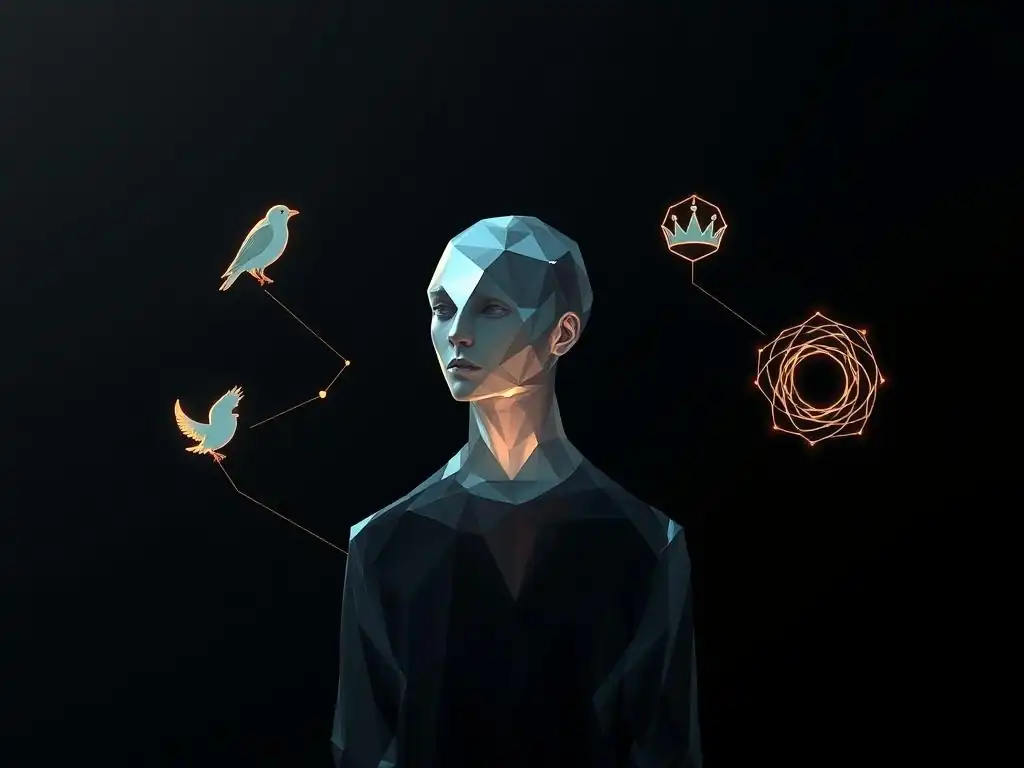
Understanding Non-Fungible Tokens (NFTs) and their Application to Avatars
Non-Fungible Tokens (NFTs) are cryptographic tokens that represent unique digital assets on a blockchain. Unlike fungible tokens like cryptocurrencies, where each unit is interchangeable, NFTs are distinct and indivisible, making them ideal for representing unique items such as digital art, collectibles, and, crucially, metaverse avatars. Each NFT has a unique identifier and metadata that verifies its authenticity and ownership on the blockchain. This inherent uniqueness and verifiable ownership are what make NFTs so transformative for digital identity, particularly in the context of metaverse avatars.
The application of NFTs to avatars means that each avatar can be a unique digital asset with provable scarcity and ownership. When an avatar is represented as an NFT, the user who holds the private key associated with that NFT is the undisputed owner of that avatar. This ownership is recorded on the blockchain and is independent of any specific game or platform. NFTs provide the technological foundation for true digital ownership of avatars, enabling users to control, manage, and potentially monetize their digital identities in ways that were not previously possible in traditional online environments.
NFT Avatars: Scarcity, Uniqueness, and Collectibility
NFT avatars inherently possess scarcity, uniqueness, and collectibility, which significantly enhances their value and appeal within blockchain metaverse games. The limited supply of many NFT avatar collections, often predetermined at the time of creation, creates scarcity, driving up demand and perceived value. This scarcity contrasts sharply with traditional in-game avatars, which are often mass-produced and readily available to all players. The limited nature of NFT avatars makes them more exclusive and desirable, contributing to their collectibility.
Uniqueness is another defining characteristic of NFT avatars. Each NFT avatar is distinct, often with variations in traits, attributes, or visual characteristics that differentiate it from others in the same collection. This uniqueness allows users to own a truly one-of-a-kind digital representation, further enhancing its appeal for self-expression and social signaling. The combination of scarcity, uniqueness, and verifiable ownership makes NFT avatars highly collectible digital assets, attracting not only gamers but also collectors and investors who recognize their potential value and cultural significance within the burgeoning metaverse.
Examples of Successful NFT Avatar Projects in Blockchain Games
Several successful NFT avatar projects within blockchain games demonstrate the growing popularity and impact of this technology. Axie Infinity, for example, features NFT avatars called Axies, which are not only visually distinct but also possess unique attributes and abilities that impact gameplay. Axie NFTs have become highly sought after, with some selling for hundreds of thousands of dollars, showcasing the market value of NFT avatars within play-to-earn ecosystems.
Another example is The Sandbox, a metaverse platform that allows users to create, own, and monetize virtual land and assets, including customizable avatars. The Sandbox has partnered with numerous brands and artists to release official NFT avatar collections, further driving adoption and demonstrating the versatility of NFT avatars in representing diverse digital identities. Projects like these illustrate the successful integration of NFT avatars into blockchain games, highlighting their role in enhancing user ownership, enabling new forms of digital identity, and fostering thriving in-game economies around digital collectibles.
Challenges and Future Trends in Blockchain Metaverse Avatar Identity
Addressing Scalability and Interoperability Issues
Scalability and interoperability are significant challenges facing the widespread adoption of blockchain metaverse avatar identity. Current blockchain networks, particularly those used for NFTs, can experience scalability limitations, leading to high transaction fees and slow processing times, especially during periods of high demand. This can hinder the seamless transfer and utilization of avatars across different metaverse platforms and games. Addressing these scalability issues is crucial for ensuring a smooth and user-friendly experience for blockchain avatar owners.
Interoperability remains another key hurdle. While the vision of using avatars across multiple metaverses is compelling, technical standards and cross-platform compatibility are still under development. Different blockchain platforms, NFT standards, and game engines can create silos, making it challenging to seamlessly port avatars and their associated data between different environments. Overcoming these interoperability challenges requires industry-wide collaboration and the development of open standards that facilitate the seamless movement of digital identities across the evolving metaverse landscape.
Ensuring Ethical Considerations and Preventing Misuse
As blockchain metaverse avatar identity becomes more prevalent, ethical considerations and the prevention of misuse are paramount. Concerns arise around issues such as avatar identity theft, deepfakes using avatar representations, and the potential for avatars to be used for malicious purposes within virtual environments. Ensuring the ethical and responsible use of blockchain avatars requires careful consideration of privacy, security, and user safety.
Preventing misuse involves developing robust security measures to protect avatar NFTs from theft and unauthorized access. It also requires establishing community guidelines and moderation policies within metaverse platforms to address issues such as avatar impersonation and harassment. Furthermore, educating users about responsible avatar ownership and the potential risks associated with digital identity in the metaverse is crucial for fostering a safe and ethical environment for self-expression and social interaction.
The Future of Avatar Technology: AI Integration and Personalized Experiences
The future of avatar technology in the blockchain metaverse is poised for significant advancements, particularly with the integration of Artificial Intelligence (AI) and the pursuit of more personalized experiences. AI could play a transformative role in avatar customization, enabling dynamic and adaptive avatars that evolve based on user interactions and preferences. Imagine avatars that learn from user behavior and automatically adjust their appearance, expressions, or even abilities to better reflect the user's evolving digital identity.
AI could also enhance avatar interactivity and realism. AI-powered avatars could exhibit more nuanced and lifelike behaviors, improving communication and social interactions within the metaverse. Furthermore, personalized experiences tailored to individual avatar identities could become more prevalent. Metaverse platforms could leverage avatar data to curate personalized content, recommendations, and social connections, creating more engaging and relevant experiences for each user based on their unique digital self.
The Impact of Regulations on Blockchain Metaverse Avatar Ownership
The evolving regulatory landscape surrounding blockchain technology and NFTs will inevitably impact blockchain metaverse avatar ownership. Governments and regulatory bodies worldwide are grappling with how to classify and regulate digital assets like NFTs, and these regulations could have significant implications for the ownership, transfer, and taxation of blockchain avatars. Clarity and consistency in regulations are needed to foster a stable and predictable environment for the growth of the blockchain metaverse and the development of avatar-based digital identities.
The impact of regulations could range from tax implications for NFT avatar transactions to legal frameworks governing digital ownership and intellectual property rights related to avatars. Navigating this evolving regulatory landscape will be crucial for blockchain metaverse platforms, game developers, and avatar owners alike. Striking a balance between fostering innovation and protecting users within a regulated framework will be essential for the long-term success and mainstream adoption of blockchain metaverse avatar identity.
Case Studies: Examining Avatar Identity in Popular Blockchain Games
Axie Infinity: Avatars as Battling Creatures and Economic Drivers
Axie Infinity provides a compelling case study of how avatars can function as both battling creatures and economic drivers within a blockchain game. In Axie Infinity, players collect, breed, and battle with NFT avatars called Axies. These Axies are not merely visual representations; they are core game assets with unique stats, abilities, and breeding potential that directly impact gameplay. The Axie avatars are integral to the game's play-to-earn mechanics, as players can earn cryptocurrency (Smooth Love Potion - SLP) by battling with their Axies and completing daily quests.
The identity of an Axie avatar is intrinsically linked to its in-game functionality and economic value. Different Axie types, body parts, and breed counts influence their battle effectiveness and rarity, which in turn affects their market value. Players invest time and resources into building teams of Axie avatars, strategizing their breeding and battling to maximize their earnings.
The success of Axie Infinity demonstrates how blockchain avatars can be deeply integrated into gameplay and serve as both a form of digital identity and a key component of a thriving in-game economy. The Axie avatars are not just about self-expression in terms of visual customization, but also about strategic identity within the game's battling and economic system.
Decentraland offers a different perspective on avatar identity, focusing on avatars as digital landowners and social connectors within a decentralized virtual world. In Decentraland, users own virtual land parcels represented as NFTs, and their avatars are their primary means of interacting with this land and the broader virtual environment. Avatars in Decentraland are highly customizable, allowing users to express their individuality and create unique digital personas. While not directly tied to in-game combat or economic mechanics in the same way as Axies, Decentraland avatars are central to social interaction, exploration, and participation in the virtual world's events and communities.
Avatar identity in Decentraland is closely tied to social status and community affiliation. Users often customize their avatars to reflect their interests, personalities, and affiliations with different groups or communities within Decentraland. The ability to own land and build upon it further enhances avatar identity, as users can create spaces and experiences that reflect their digital selves and contribute to the overall fabric of the Decentraland metaverse. Avatars in Decentraland exemplify how blockchain avatars can facilitate social connection, community building, and the expression of digital land ownership within a decentralized virtual world.
Comparing and Contrasting Avatar Implementation Strategies
Comparing Axie Infinity and Decentraland highlights different avatar implementation strategies within blockchain games. Axie Infinity utilizes avatars as functional game assets with direct gameplay and economic implications, emphasizing strategic identity and play-to-earn mechanics. Avatar identity is defined by in-game stats, abilities, and breeding potential, driving economic activity within the game. In contrast, Decentraland focuses on avatars as social connectors and representations of digital land ownership within a virtual world, emphasizing self-expression, social interaction, and community building. Avatar identity is defined by visual customization, social affiliations, and participation in the broader Decentraland metaverse.
These case studies demonstrate the versatility of blockchain metaverse avatar identity. Avatars can be implemented in diverse ways to serve different purposes within blockchain games and virtual worlds, ranging from functional game assets to social representations and digital landowners. The specific implementation strategy depends on the game's mechanics, target audience, and overall vision for digital identity within the metaverse. Both Axie Infinity and Decentraland showcase successful, albeit distinct, approaches to leveraging blockchain avatars to enhance user engagement, foster digital ownership, and create unique metaverse experiences.
Conclusion: The Transformative Power of Blockchain Avatars for Digital Identity
The Future of Identity and Self-Expression in the Metaverse
The future of identity and self-expression in the metaverse is inextricably linked to the continued evolution of blockchain avatar technology. As metaverse platforms become more immersive and interconnected, avatars will play an increasingly central role in how individuals represent themselves, interact with others, and participate in digital economies. The trend towards user-owned, interoperable, and highly customizable avatars is set to accelerate, empowering users with greater control over their digital identities and unlocking new possibilities for self-expression.
We can anticipate further advancements in avatar technology, including enhanced AI integration, more realistic and expressive avatar representations, and deeper levels of personalization. The metaverse will likely become a space where individuals can curate and evolve multiple digital identities, each tailored to different contexts and communities. Blockchain technology will continue to underpin this evolution, providing the secure and decentralized foundation for a user-centric metaverse where digital identity is truly owned and controlled by the individual.
Embracing the Potential of Blockchain Metaverse Avatar Identity
Embracing the potential of blockchain metaverse avatar identity requires a multi-faceted approach. For users, it means exploring the creative and expressive possibilities of customizable avatars and understanding the implications of true digital ownership. For game developers and metaverse platform creators, it entails building robust and interoperable avatar systems that prioritize user agency and ethical considerations. For the broader technology industry, it necessitates fostering collaboration and developing open standards to ensure the seamless and secure movement of digital identities across the metaverse.
The transformative power of blockchain avatars lies in their ability to redefine digital identity, shifting it from platform-dependent profiles to user-owned, portable, and expressive digital selves. By embracing this potential, we can unlock a future metaverse that is more user-centric, empowering, and conducive to genuine self-expression and meaningful social connection in the digital age. Blockchain metaverse avatar identity is not just about pixels and polygons; it is about fundamentally changing how we perceive and manage our selves in the ever-expanding digital frontier.
Frequently Asked Questions
What is the relationship between blockchain technology and metaverse avatars?
Blockchain allows for decentralized ownership of metaverse avatars, ensuring users have true digital identity and control over their virtual representation, unlike traditional gaming platforms. This fosters a more robust and secure metaverse ecosystem.
How does blockchain enhance avatar identity in metaverse games?
Blockchain provides a verifiable and immutable record of an avatar's history and attributes, enabling a persistent digital identity that transcends individual games. This leads to greater user autonomy and interoperability.
What are the key benefits of using a blockchain-based avatar in a metaverse game?
Benefits include ownership and control over your digital identity, the ability to transfer avatars across platforms, and the potential to monetize your avatar's unique features or skills within the metaverse economy.
How does the concept of "Blockchain metaverse avatar identity" relate to the broader idea of self-expression?
Blockchain empowers users to customize and express themselves through their avatars without fear of censorship or platform restrictions. This fosters creative freedom and allows for diverse representations of identity within the metaverse.
What are some potential challenges and future considerations for blockchain metaverse avatar identities?
Challenges include scalability and interoperability across different blockchain networks, as well as regulatory uncertainties surrounding digital assets and virtual identities. Future considerations include improved user experience and wider adoption of decentralized identity solutions.
Final Reflection: Reimagining Self in the Digital Frontier
The exploration of Blockchain Metaverse Avatar Identity reveals a profound shift in how we perceive and express ourselves. No longer confined by physical limitations, we are witnessing the emergence of digital selves, intricately woven into the fabric of blockchain-powered worlds. This evolution isn't just about gaming; it's about redefining identity in an increasingly digital age, where our avatars become extensions of our personalities and aspirations.
The power of self-expression through these avatars is transformative, allowing for experimentation and exploration of identities previously unimaginable. This journey into the metaverse has personally highlighted the fluidity of identity and the potential for genuine connection beyond physical appearances. The best and most beautiful things in the world cannot be seen or even touched - they must be felt with the heart.
- Helen Keller. This quote resonates deeply, reminding us that true connection transcends the superficial, and the metaverse offers a unique space to cultivate such connections through shared experiences and self-expression.
As we venture further into these digital realms, let us embrace the opportunity to craft avatars that reflect our authentic selves, fostering a metaverse where creativity, inclusivity, and genuine connection thrive. Consider how you can leverage these platforms to explore new facets of your identity, build meaningful relationships, and contribute to a future where digital expression empowers us all. The future of identity is being written now, and your avatar is your pen.
Forge Your Metaverse Identity: Unleash Your Avatar!
Thank you for exploring the evolving world of avatars in blockchain metaverse games. We hope this article has sparked your imagination and highlighted the exciting possibilities for self-expression within these digital realms. Now, it's time to take your understanding to the next level and begin crafting your own metaverse persona.
Here are a few ways to dive deeper and start shaping your digital identity:
- Design Your Dream Avatar: Start experimenting with different blockchain metaverse platforms and their avatar creation tools. Focus on creating an avatar that truly reflects your personality and interests—making it bold and unique. This is the primary action you should focus on!
- Share Your Vision: Post a sketch or description of your ideal metaverse avatar on social media, tagging your platform’s hashtag and inspiring others to explore their digital identities.
- Explore Unexpected Avatars: Research lesser-known blockchain games that offer unique and unconventional avatar options, challenging traditional representations of identity. You might find a hidden gem!
What special feature or characteristic will you give your metaverse avatar to make it stand out and truly represent you? Share your ideas in the comments below!
Leave a Reply