
How Blockchain is Enhancing Security and Fair Play in Online Gaming

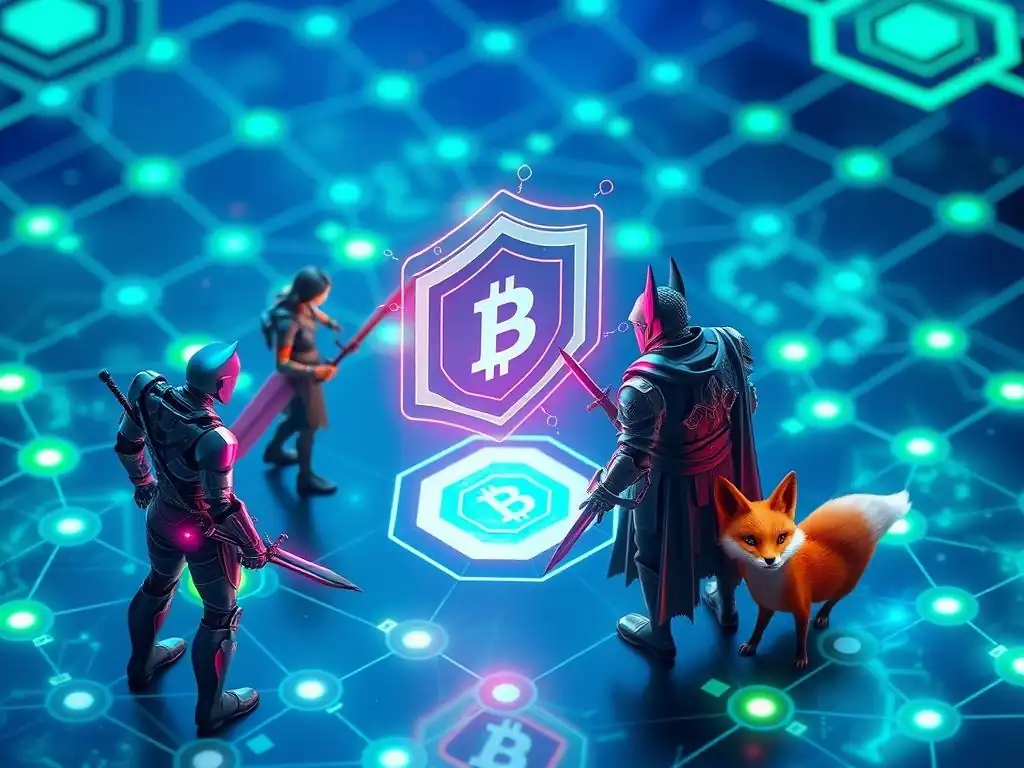
Welcome to Blockchain Trends, your guide to understanding the revolutionary impact of blockchain technology beyond the hype.
Dive into our latest exploration of how this technology is reshaping industries, starting with the exciting world of online gaming. Are you ready to discover the blockchain gaming security benefits that are transforming the landscape of fair play and data protection? This is just the beginning; unlock the potential and see how blockchain is creating a more secure and transparent future for gamers and developers alike. Read on to learn more!
How Blockchain is Enhancing Security and Fair Play in Online Gaming
- Introduction: The Evolution of Online Gaming and the Need for Enhanced Security
- Blockchain Gaming Security Benefits: A Paradigm Shift
- Transparency and Provable Fairness in Blockchain Gaming
- Enhanced Security Measures Through Blockchain Technology
- Addressing Common Security Vulnerabilities in Online Gaming with Blockchain
- Real-World Examples: Blockchain Games Leading the Way in Security
- The Future of Blockchain Gaming Security and Fair Play
- Overcoming Challenges in Implementing Blockchain Gaming Security
- Conclusion: Embracing Blockchain for a Secure and Fairer Gaming Future
-
Frequently Asked Questions
- How does blockchain technology enhance security in online gaming?
- In what ways does blockchain contribute to fair play in gaming environments?
- Can blockchain help combat fraud and cheating in online games?
- What are the "Blockchain gaming security benefits" for game developers?
- How does blockchain address the issue of ownership and control of in-game assets?
- Final Reflection: Embracing Trust in the Digital Arena
- Level Up Your Gaming Experience: Dive Deeper into Blockchain!
Introduction: The Evolution of Online Gaming and the Need for Enhanced Security
The Rise of Online Gaming and its Inherent Security Challenges
The online gaming industry has witnessed explosive growth over the past two decades, evolving from simple text-based adventures to immersive, graphically rich virtual worlds. This expansion has been fueled by advancements in internet technology, increased accessibility of gaming devices, and the rise of esports. Millions of players worldwide now engage in online games, participating in massive multiplayer online role-playing games (MMORPGs), competitive esports titles, and social casino games. This digital migration has created vibrant online communities and economies within these virtual realms, with players investing significant time and resources into their in-game avatars, assets, and progress.
However, the very nature of online gaming, with its complex digital ecosystems and valuable in-game assets, has made it a prime target for malicious actors. The centralized architectures of traditional gaming platforms present numerous vulnerabilities, ranging from account hacking and cheating to complex fraud schemes and distributed denial-of-service (DDoS) attacks.
As the stakes increase, so does the sophistication and frequency of these security threats, demanding a more robust and transparent approach to safeguarding the gaming experience for players and developers alike. The inherent digital nature of online gaming, while providing immense opportunities for entertainment and community, also necessitates a constant arms race against evolving security risks.
Why Traditional Security Measures Fall Short in Online Games
Traditional security measures in online gaming, while continuously evolving, often struggle to keep pace with the ingenuity of hackers and cheaters. Many games rely on client-side security measures, which are inherently vulnerable as they can be manipulated by players with sufficient technical skills. Server-side security, while more robust, can be complex and expensive to implement effectively across massive online environments. Furthermore, the closed and often opaque nature of traditional gaming systems makes it difficult for players to verify the fairness of gameplay or the security of their assets.
For instance, centralized databases storing player accounts and in-game items become single points of failure, vulnerable to large-scale breaches. Incidents of massive data leaks from major gaming companies have exposed millions of players' personal information and account details, highlighting the limitations of traditional centralized security models. Anti-cheat systems, often reactive rather than proactive, struggle to detect sophisticated cheating methods, leading to frustration and unfair advantages for malicious players.
The lack of transparency in game mechanics and item ownership also raises concerns about fairness and trust, particularly in games involving real-money transactions or valuable in-game assets. These shortcomings underscore the need for a fundamentally different approach to online gaming security – one that is more decentralized, transparent, and resilient.
Blockchain Gaming Security Benefits: A Paradigm Shift
Blockchain's Role in Revolutionizing Online Gaming Security
Blockchain technology offers a transformative approach to online gaming security, moving away from centralized, vulnerable systems towards a decentralized, transparent, and secure paradigm. At its core, blockchain provides a distributed, immutable ledger that records transactions across a network of computers. This inherent decentralization eliminates single points of failure and makes it significantly more difficult for malicious actors to tamper with game data or compromise player accounts. By leveraging blockchain, game developers can build more secure and trustworthy gaming environments, enhancing the overall player experience and fostering greater confidence in the integrity of the game.
The application of blockchain in gaming extends beyond mere security enhancements. It enables the creation of provably fair gaming mechanics, empowers players with true ownership of in-game assets, and fosters more transparent and equitable game economies. The cryptographic nature of blockchain ensures data integrity and authenticity, making it ideal for securing digital assets and verifying transactions within game ecosystems.
This fundamental shift towards decentralization and transparency represents a significant advancement in blockchain gaming security benefits, promising to address many of the inherent security challenges that have plagued traditional online gaming for years. Blockchain's capabilities are not just incremental improvements; they represent a paradigm shift in how online games can be designed and secured.
Key Benefits of Blockchain for Online Game Security
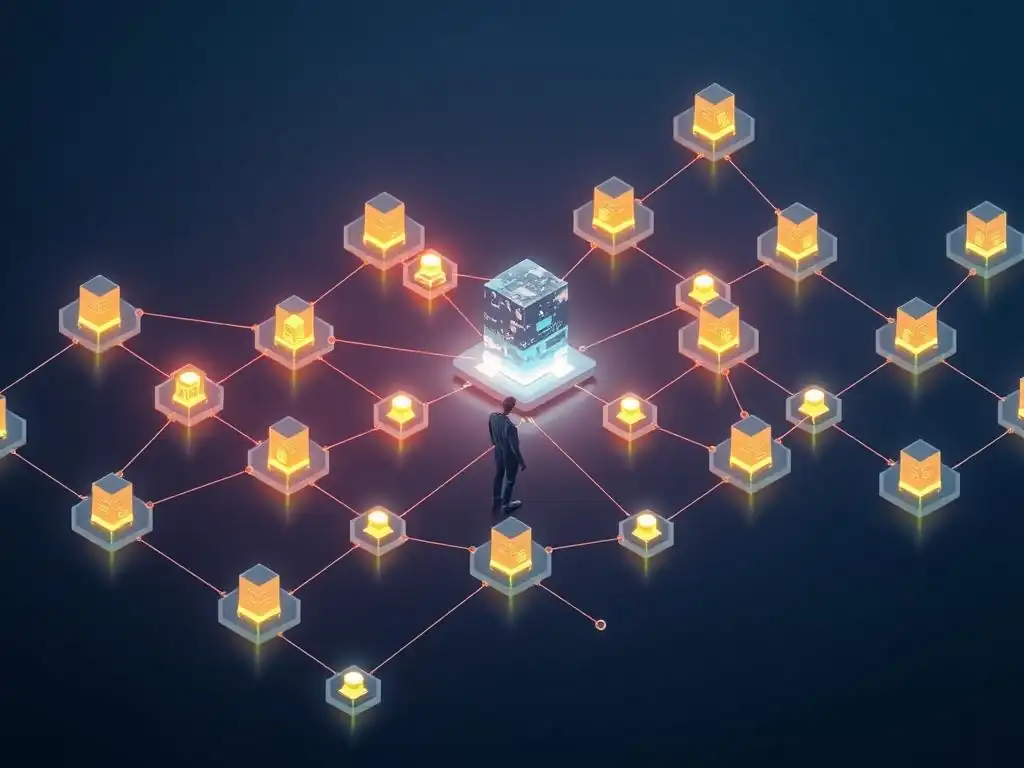
The integration of blockchain technology into online gaming unlocks a multitude of blockchain gaming security benefits, directly addressing critical vulnerabilities and enhancing the overall gaming experience. One of the primary advantages is enhanced security through decentralization. By distributing game data and logic across a blockchain network, the reliance on centralized servers, which are prime targets for attacks, is significantly reduced. This distributed nature makes it exponentially harder for hackers to compromise the entire system.
Furthermore, blockchain's immutability ensures that game data, once recorded on the ledger, cannot be altered or tampered with. This is crucial for preventing cheating, ensuring fair gameplay, and maintaining the integrity of in-game economies. Transparency is another key benefit.
Blockchain-based games can offer players verifiable proof of fairness, particularly in games involving random number generation or loot box mechanics. The technology also facilitates secure and transparent ownership of digital assets through Non-Fungible Tokens (NFTs), giving players true control and verifiable proof of ownership over their in-game items. These combined benefits contribute to a more secure, fair, and trustworthy gaming environment, fostering greater player engagement and confidence in the long-term viability of blockchain-based games.
Transparency and Provable Fairness in Blockchain Gaming
Decentralized Random Number Generation (dRNG) for Fair Outcomes
Traditional online games often rely on centralized Random Number Generators (RNGs) to determine outcomes for various in-game events, such as loot drops, critical hits, or card draws. However, these centralized RNGs are inherently opaque, raising concerns about potential manipulation or bias, even if unintentional. Players have no way to independently verify the fairness of these systems, leading to a lack of trust, particularly in games involving real-money transactions or competitive gameplay.
Blockchain technology offers a solution through Decentralized Random Number Generation (dRNG). dRNG utilizes cryptographic protocols and distributed networks to generate random numbers in a transparent and verifiable manner. The process involves multiple participants, often network nodes, contributing to the generation of a random number, making it virtually impossible for any single entity to manipulate the outcome.
This ensures that randomness is truly random and unbiased, and importantly, provably so. Players can verify the integrity of the RNG process on the blockchain, fostering trust and confidence in the fairness of game mechanics. dRNG is a cornerstone of blockchain gaming security benefits related to fair play, establishing a foundation of trust that is difficult to achieve with traditional centralized systems.
Immutability and Auditability: Ensuring Transparent Gameplay
Blockchain's core features of immutability and auditability are crucial for ensuring transparent gameplay in online gaming. Immutability means that once a transaction or game event is recorded on the blockchain, it cannot be altered or deleted. This creates a permanent and tamper-proof record of all in-game activities, from item acquisitions and trades to match outcomes and leaderboard rankings. This immutability inherently enhances blockchain gaming security benefits by preventing manipulation of game history.
Auditability, closely linked to immutability, allows anyone with access to the blockchain to verify the history of transactions and game events. This transparency empowers players to independently audit game mechanics, verify the fairness of outcomes, and investigate any suspicious activity. For example, players can track the provenance of in-game items, ensuring they are legitimately obtained and not duplicated or fraudulently generated.
In competitive gaming, the auditable nature of blockchain can provide irrefutable evidence of match results and prevent disputes arising from unclear or unverifiable outcomes. This level of transparency and verifiability is unprecedented in traditional online gaming and represents a significant leap forward in fostering trust and fair play.
Enhanced Security Measures Through Blockchain Technology
Preventing Cheating and Hacking with Blockchain
Cheating and hacking are persistent problems in online gaming, undermining fair play and damaging the overall player experience. Traditional anti-cheat measures often operate reactively, struggling to keep pace with evolving cheating methods. Blockchain technology offers proactive solutions to mitigate cheating and hacking, contributing significantly to blockchain gaming security benefits. The inherent transparency and immutability of blockchain make it much harder for cheaters to manipulate game data or gain unfair advantages without detection.
For example, by storing critical game logic and player progression data on the blockchain, developers can make it significantly more difficult for players to tamper with game files or use cheat engines. The decentralized nature of blockchain also reduces the reliance on vulnerable client-side security measures, as core game functions can be verified and enforced by the distributed network.
Furthermore, the auditable nature of blockchain can help identify and track suspicious activities, making it easier to detect and ban cheaters. While blockchain is not a silver bullet, it introduces a new layer of security and transparency that significantly raises the barrier for cheaters and hackers, creating a fairer and more enjoyable gaming environment for legitimate players.
Secure Asset Ownership and Management with NFTs
Non-Fungible Tokens (NFTs) are a cornerstone of blockchain gaming security benefits related to asset ownership and management. NFTs are unique cryptographic tokens that represent ownership of a specific digital asset, such as in-game items, characters, or virtual land. Unlike traditional in-game items that are typically controlled and owned by the game developer, NFTs give players true ownership and control over their digital assets. This ownership is verifiable on the blockchain, providing irrefutable proof of authenticity and provenance.
NFTs enhance security by eliminating the risk of item duplication or fraudulent generation, as each NFT is unique and its ownership history is transparently recorded on the blockchain. They also provide players with greater control over their assets, allowing them to freely trade, sell, or transfer their NFTs outside of the game's centralized ecosystem, often on open NFT marketplaces. This empowers players and creates new economic opportunities within gaming communities.
Furthermore, the secure and transparent nature of NFT ownership reduces the risk of account theft and item loss, as ownership is tied to the player's blockchain address, which is secured through cryptographic keys. NFTs are therefore not just about digital ownership, but also about enhancing the security and control players have over their valuable in-game assets.
Addressing Common Security Vulnerabilities in Online Gaming with Blockchain
Tackling Account Hacking and Phishing Attempts
Account hacking and phishing are prevalent security threats in online gaming, often resulting in the loss of valuable in-game assets and personal information. Traditional centralized account management systems are vulnerable to breaches and social engineering attacks. Blockchain technology offers solutions to mitigate these vulnerabilities and enhance blockchain gaming security benefits in account protection.
Decentralized identity solutions, built on blockchain, can replace traditional username/password systems with more secure cryptographic key-based authentication. This eliminates the reliance on easily phishable passwords and reduces the risk of centralized database breaches compromising account credentials. Furthermore, the use of NFTs for in-game assets means that even if a player's game account is temporarily compromised, their valuable assets stored as NFTs on the blockchain remain secure, as ownership is tied to their blockchain address, not just their game account.
Two-factor authentication (2FA) can be further enhanced through blockchain-based solutions, providing an additional layer of security and making it significantly harder for hackers to gain unauthorized access to player accounts. These blockchain-based approaches offer a more robust and user-centric approach to account security compared to traditional methods.
Mitigating Distributed Denial-of-Service (DDoS) Attacks
Distributed Denial-of-Service (DDoS) attacks are a common form of cyberattack that can cripple online gaming services by overwhelming servers with malicious traffic, making games unplayable for legitimate users. Traditional centralized gaming infrastructure is particularly vulnerable to DDoS attacks, as a single point of failure can disrupt the entire service. Blockchain technology, with its decentralized and distributed nature, offers inherent resilience against DDoS attacks, contributing to blockchain gaming security benefits in service availability.
By distributing game servers and network infrastructure across a blockchain network, the impact of a DDoS attack is significantly reduced. Instead of targeting a single centralized server, attackers would need to overwhelm a vast and distributed network, making DDoS attacks significantly more difficult and costly to execute successfully. Furthermore, blockchain-based networks often incorporate sophisticated traffic filtering and mitigation techniques at the network level, further enhancing resilience against malicious traffic. While not completely immune, blockchain-based gaming platforms are inherently more resistant to DDoS attacks than traditional centralized systems, ensuring greater uptime and service availability for players.
Real-World Examples: Blockchain Games Leading the Way in Security
Case Study 1: Axie Infinity and its Security Implementation
Axie Infinity, a popular blockchain-based play-to-earn game, provides a compelling case study of blockchain gaming security benefits in practice. The game utilizes NFTs to represent Axies, the collectible creatures players use to battle and earn rewards. These Axie NFTs are securely stored on the Ronin blockchain, a sidechain specifically designed for Axie Infinity, providing players with true ownership and control over their digital assets.
The Ronin blockchain, while experiencing a significant security breach in 2022, which resulted in the theft of cryptocurrency and NFTs, also highlights the importance of robust security protocols even within blockchain ecosystems. Following the breach, Sky Mavis, the game developer, implemented enhanced security measures, including multi-signature wallets and strengthened internal security practices.
Despite the breach, Axie Infinity's use of blockchain and NFTs demonstrates the potential for secure asset ownership and player empowerment in gaming. The incident also served as a crucial learning experience for the blockchain gaming industry, emphasizing the need for continuous security audits, robust infrastructure, and proactive risk management. Axie Infinity's commitment to rebuilding trust and enhancing security post-breach showcases the resilience and evolving security landscape within blockchain gaming.
Case Study 2: Gods Unchained and its Fair Play Mechanisms
Gods Unchained, a trading card game built on the Ethereum blockchain, exemplifies blockchain gaming security benefits related to fair play and transparency. The game utilizes NFTs to represent collectible game cards, ensuring provable scarcity and player ownership. Furthermore, Gods Unchained implements decentralized random number generation (dRNG) to ensure the fairness of card pack openings and in-game card draws. This dRNG system is transparently auditable on the blockchain, allowing players to verify the randomness and fairness of card distribution, unlike traditional card games where the odds are often opaque and unverifiable.
Gods Unchained also leverages blockchain's immutability to record all card transactions and game outcomes, creating a transparent and auditable game history. This transparency fosters trust among players and reduces the potential for manipulation or unfair advantages. The game's commitment to fair play, enabled by blockchain technology, has contributed to its growing popularity within the blockchain gaming community. Gods Unchained serves as a strong example of how blockchain can be used to build more transparent, fair, and trustworthy gaming experiences, directly addressing player concerns about game integrity and randomness.
The Future of Blockchain Gaming Security and Fair Play
Emerging Trends in Blockchain-Based Game Security
The field of blockchain gaming security benefits is constantly evolving, with several emerging trends shaping the future of secure and fair gaming ecosystems. One key trend is the increasing adoption of Layer-2 scaling solutions, such as zk-rollups and optimistic rollups, to address scalability challenges on main blockchains like Ethereum. These Layer-2 solutions enhance transaction throughput and reduce gas fees, making blockchain gaming more accessible and efficient without compromising security. Another trend is the development of more sophisticated decentralized identity solutions, leveraging technologies like zero-knowledge proofs, to enhance user privacy and security in blockchain games.
Furthermore, there is a growing focus on interoperability between different blockchain gaming platforms and metaverses. This interoperability will require robust cross-chain security protocols to ensure the secure transfer and management of digital assets across different blockchain networks. The integration of AI and machine learning into blockchain security systems is also an emerging trend, promising to enhance threat detection and proactive security measures in blockchain games. These trends indicate a continued evolution towards more secure, scalable, and user-friendly blockchain gaming ecosystems.
The Potential of Blockchain to Create More Secure and Trustworthy Gaming Ecosystems
Blockchain technology has the potential to fundamentally transform online gaming, creating more secure and trustworthy gaming ecosystems that benefit both players and developers. By addressing key security vulnerabilities and enhancing transparency and fair play, blockchain can foster greater player confidence, engagement, and participation in online games. The blockchain gaming security benefits are not just limited to preventing cheating or hacking; they extend to creating more equitable and player-centric game economies, where players have true ownership of their assets and can participate in decentralized governance.
As blockchain technology matures and adoption increases, we can expect to see more sophisticated and secure blockchain-based gaming platforms emerge. The potential for blockchain to create truly decentralized and player-owned metaverses, where security and fairness are built into the very fabric of the gaming experience, is immense. This future vision of blockchain gaming promises to be more secure, transparent, and empowering than traditional centralized gaming models, fostering a new era of trust and innovation in the online gaming industry.
Overcoming Challenges in Implementing Blockchain Gaming Security
Scalability Issues and Potential Solutions
While blockchain offers significant blockchain gaming security benefits, scalability remains a key challenge for widespread adoption in online gaming. Many blockchain networks, particularly older ones like Ethereum, have limitations in transaction throughput and can experience high gas fees, especially during periods of high network activity. These scalability issues can hinder the performance and user experience of blockchain games, particularly those requiring a high volume of on-chain transactions, such as real-time action games or massive multiplayer online games.
However, significant progress is being made in addressing blockchain scalability challenges. Layer-2 scaling solutions, as mentioned earlier, offer promising solutions by processing transactions off-chain and then anchoring them to the main blockchain, significantly increasing transaction throughput and reducing gas fees. Sharding, another scaling technique, involves dividing the blockchain into smaller, more manageable shards, allowing for parallel processing of transactions.
Furthermore, the development of more efficient and scalable Layer-1 blockchains, specifically designed for gaming and other high-throughput applications, is also progressing rapidly. These technological advancements are paving the way for more scalable and performant blockchain gaming platforms, overcoming a major hurdle to wider adoption.
Regulatory Considerations for Blockchain Gaming
Regulatory considerations represent another significant challenge for the widespread implementation of blockchain gaming security benefits. The regulatory landscape for blockchain technology and cryptocurrencies is still evolving globally, and there is a lack of clear and consistent regulations specifically tailored to blockchain gaming. Concerns around money laundering, gambling regulations, and the classification of NFTs as securities are all relevant regulatory challenges that blockchain game developers need to navigate.
Different jurisdictions have varying approaches to regulating blockchain and crypto assets, creating a complex and fragmented regulatory environment for global blockchain games. Lack of regulatory clarity can create uncertainty and hinder investment and innovation in the blockchain gaming space. However, proactive engagement with regulators and industry collaboration are crucial to shaping a favorable regulatory framework for blockchain gaming. Finding a balance between fostering innovation and addressing legitimate regulatory concerns is essential to unlock the full potential of blockchain gaming while ensuring responsible and compliant development and operation.
Conclusion: Embracing Blockchain for a Secure and Fairer Gaming Future
The Long-Term Impact of Blockchain on Online Gaming Security
The long-term impact of blockchain technology on online gaming security is poised to be transformative. By fundamentally shifting the paradigm from centralized, vulnerable systems to decentralized, transparent, and secure architectures, blockchain offers a powerful toolkit for enhancing blockchain gaming security benefits and fostering a fairer gaming ecosystem. The enhanced security, transparency, and provable fairness enabled by blockchain have the potential to address many of the persistent security challenges that have plagued traditional online gaming for years.
In the long run, we can expect to see blockchain become increasingly integrated into the core infrastructure of online games, not just as a niche technology but as a foundational element of secure and trustworthy gaming platforms. This integration will lead to a more secure and enjoyable gaming experience for players, fostering greater trust in online game economies and communities. The shift towards player-owned assets and decentralized game governance, facilitated by blockchain, will also reshape the power dynamics in the gaming industry, empowering players and creating new economic opportunities within virtual worlds.
The Need for Standardized Security Protocols in Blockchain Gaming
As blockchain gaming adoption grows, the need for standardized security protocols becomes increasingly critical. While blockchain inherently offers enhanced security, vulnerabilities can still arise from poorly designed smart contracts, insecure implementations, or lack of robust security practices within blockchain gaming platforms. Standardized security protocols and best practices are essential to ensure a consistent level of security across the blockchain gaming ecosystem and to mitigate potential risks.
Industry-wide collaboration and the development of open-source security frameworks are crucial steps towards establishing these standards. Auditing smart contracts and blockchain gaming platforms by independent security experts should become a standard practice to identify and address potential vulnerabilities proactively. Furthermore, educating developers and players about blockchain gaming security benefits and best practices is essential to fostering a security-conscious culture within the blockchain gaming community. By establishing and adhering to standardized security protocols, the blockchain gaming industry can build a more secure, trustworthy, and sustainable future for online gaming.
Frequently Asked Questions
How does blockchain technology enhance security in online gaming?
Blockchain provides immutable and transparent records of in-game assets and transactions, making it extremely difficult for hackers to manipulate or duplicate items. This increased security builds trust among players and developers.
In what ways does blockchain contribute to fair play in gaming environments?
Blockchain ensures verifiable randomness for in-game events and loot drops, eliminating the potential for developers to unfairly influence outcomes. Smart contracts can also automate rules enforcement, promoting fairness.
Can blockchain help combat fraud and cheating in online games?
Yes, by creating a tamper-proof ledger of player actions and assets, blockchain makes it easier to detect and prevent cheating. This includes preventing the illegal sale of in-game items and accounts.
What are the "Blockchain gaming security benefits" for game developers?
Developers benefit from enhanced security measures, reduced fraud, and increased player trust. This can lead to higher player retention and a more positive reputation for the game.
How does blockchain address the issue of ownership and control of in-game assets?
Blockchain empowers players with true ownership of their in-game items, allowing them to trade, sell, or transfer them freely. This decentralized ownership model gives players more control over their digital assets.
Final Reflection: Embracing Trust in the Digital Arena
The exploration of blockchain's integration into online gaming reveals a powerful shift towards enhanced security and verifiable fairness, a necessity in an increasingly digital world. The vulnerabilities and opacity that have plagued traditional online gaming platforms are now being challenged by the transparent and immutable nature of blockchain technology, paving the way for a more trustworthy and engaging gaming experience for all.
This technological evolution is not merely about code; it's about fostering a sense of community and trust within the gaming landscape. The potential for blockchain to revolutionize how we interact with digital assets and each other is profound, and gaming serves as a compelling proving ground. Trust is the new currency, and blockchain is the ledger.
This quote encapsulates the core principle driving the adoption of blockchain in gaming: a move towards verifiable truth and decentralized control.
As we stand on the cusp of this new era, I invite you to consider the implications of blockchain technology beyond the realm of gaming. How can we apply these principles of transparency and security to other aspects of our lives, fostering greater trust and accountability in our digital interactions? Let us embrace the potential of blockchain to build a more equitable and secure future, one block at a time.
Level Up Your Gaming Experience: Dive Deeper into Blockchain!
Thank you for exploring how blockchain is transforming online gaming. Now that you see the benefits of enhanced security and fairer gameplay, it's time to take action and be part of this exciting future.
Here are some ways to get started:
- Try out a blockchain-based game today to experience how verifiable randomness and true player ownership can change the gaming experience.
- Share this article with your gaming friends and start a conversation about the advantages of blockchain technology.
- Read whitepapers of innovative blockchain gaming projects to better understand the technology behind this revolution.
Are you ready to promote a more secure and transparent online gaming environment? Share your favorite blockchain game or a developer you admire in the comments below!
Leave a Reply