
How Blockchain Technology is Enhancing Game Development and Distribution

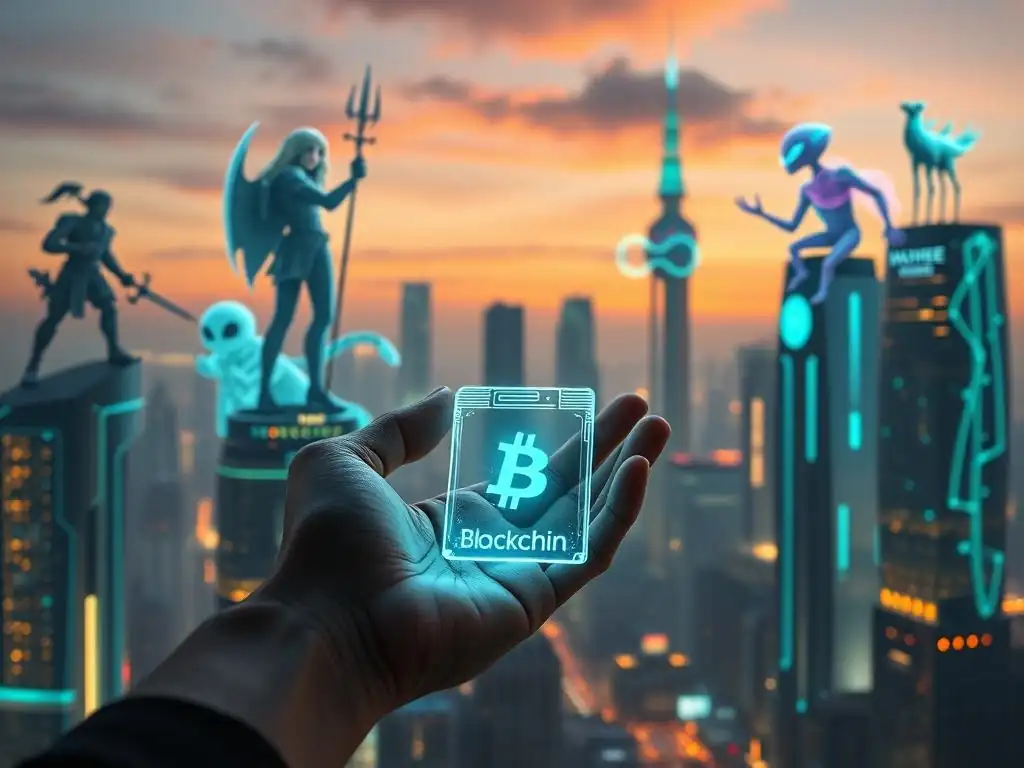
Welcome to Blockchain Trends, your compass in the rapidly evolving world of decentralized technology! Beyond the hype, we delve into the real-world applications of blockchain, from revolutionizing finance to transforming industries. Intrigued by how blockchain is reshaping the gaming landscape? Discover the surprising blockchain gaming distribution benefits and how they're poised to change the way games are developed, delivered, and experienced. Ready to level up your understanding?
How Blockchain Technology is Enhancing Game Development and Distribution
- Introduction: The Convergence of Blockchain and Gaming
- Understanding the Current Landscape of Game Development and Distribution
- Blockchain Technology: A Paradigm Shift for Gaming
- Blockchain Gaming Distribution Benefits: Revolutionizing the Industry
- Key Applications of Blockchain in Game Development
- The Advantages of Blockchain for Game Developers
- The Benefits of Blockchain for Gamers
- Case Studies: Blockchain Games and Their Success
- Overcoming Challenges in Blockchain Game Adoption
- The Future of Blockchain Gaming Distribution: A Vision
- Conclusion: Embracing the Potential of Blockchain in Gaming
-
Frequently Asked Questions
- What are the main benefits of using blockchain for game distribution?
- How can blockchain help game developers retain a larger share of revenue?
- What role does blockchain play in combating in-game asset fraud and illegal trading?
- How does blockchain technology enable new forms of player ownership in games?
- What are the potential regulatory challenges surrounding blockchain-based game distribution?
- Final Reflection: Embracing the Decentralized Gaming Future
- Ignite Your Gaming Future: Explore Blockchain's Potential!
Introduction: The Convergence of Blockchain and Gaming
Blockchain Trends: Exploring Gaming's Decentralized Future
Blockchain technology, initially famed for cryptocurrencies, is rapidly extending its reach into diverse sectors, and the gaming industry stands as a particularly fertile ground for its transformative capabilities. Blockchain Trends, as a platform, recognizes this shift and aims to explore the myriad ways blockchain is reshaping digital landscapes, particularly within gaming.
The promise of decentralization, enhanced security, and new economic models offered by blockchain aligns perfectly with the evolving needs and desires of both game developers and players. This article will delve into the specifics of how blockchain is not just modifying, but fundamentally revolutionizing game development and, crucially, game distribution.
The gaming industry is a massive global market, generating billions in revenue annually. However, despite its economic power, certain aspects of the industry, particularly concerning developer revenue and player ownership of digital assets, have remained relatively static. Blockchain technology enters this space as a potential disruptor, offering solutions to long-standing issues. From creating more equitable revenue sharing models to granting players true ownership of in-game items, blockchain's integration into gaming is poised to create a more decentralized, transparent, and ultimately, more engaging ecosystem.
Evolution of Gaming with Blockchain: An Overview
The evolution of gaming has been marked by significant technological leaps, from arcade cabinets to home consoles, and now to the era of online and mobile gaming. Blockchain represents the next significant step in this evolution, moving beyond mere graphical or gameplay advancements to fundamentally altering the underlying structure of the gaming industry itself. This shift isn't just about adding cryptocurrency payments; it's about decentralizing power, giving developers more control over their creations, and empowering players with true ownership and agency within game worlds.
This article will explore the journey of gaming's integration with blockchain, highlighting key milestones and emerging trends. We will examine how blockchain is being used not only to create new types of games but also to address existing challenges in game development and distribution. From enhancing security and transparency to fostering stronger player communities and creating new economic models, blockchain is paving the way for a more decentralized and player-centric future for gaming.
Understanding the Current Landscape of Game Development and Distribution
Traditional Game Development Challenges: Centralization and Control
Traditional game development faces numerous challenges, many stemming from the centralized nature of the industry. Large publishers often wield significant control over development studios, dictating project timelines, creative direction, and revenue sharing. This centralized model can stifle innovation, limit developer autonomy, and create an environment where smaller studios struggle to compete. Furthermore, the reliance on centralized platforms for distribution means developers are often subject to platform fees and restrictions, impacting their profitability and reach.
Another key challenge is the issue of intellectual property rights and revenue distribution. While developers create the games, the platforms often control the distribution and a significant portion of the revenue generated. This imbalance can be particularly pronounced for independent developers who lack the negotiating power of larger studios. The traditional system, while functional, often leaves developers with less control over their creations and a smaller share of the financial rewards, hindering creativity and sustainable growth within the industry.
The Rise of Digital Game Distribution Platforms and Their Limitations
The rise of digital game distribution platforms like Steam, PlayStation Network, and Xbox Live has revolutionized how games are accessed and purchased. These platforms offer convenience, instant access, and global reach, significantly benefiting both developers and players. They have streamlined the process of game discovery and purchase, moving away from physical media and towards a purely digital ecosystem. For developers, these platforms provide a readily available marketplace to reach a massive audience, simplifying distribution logistics.
However, these platforms, while beneficial, also introduce limitations. They operate as centralized entities, imposing significant platform fees, often around 30% of revenue, which cuts into developer profits. Furthermore, developers are bound by platform rules and restrictions, limiting their control over pricing, distribution strategies, and even content. While these platforms have democratized access to games, they also reinforce a centralized power structure within the gaming industry, highlighting the need for alternative, more decentralized distribution models.
Blockchain Technology: A Paradigm Shift for Gaming
Decentralization: Putting Power Back in the Hands of Developers and Players
Decentralization, a core tenet of blockchain technology, offers a fundamental shift in power dynamics within the gaming industry. By moving away from centralized platforms and intermediaries, blockchain empowers both game developers and players. For developers, decentralization means greater control over their games, including distribution, monetization, and community engagement. They can bypass traditional gatekeepers and connect directly with their audience, fostering a more direct and transparent relationship.
For players, decentralization translates to greater ownership and agency within game worlds. Blockchain enables true ownership of in-game assets, moving beyond mere licenses to verifiable digital property. Players can have more say in game governance, participate in decentralized economies, and benefit directly from the games they play. This shift towards decentralization promises a more equitable and player-centric gaming ecosystem, where value is distributed more fairly among creators and participants.
Transparency and Immutability: Ensuring Fair Play and Data Integrity
Blockchain's inherent transparency and immutability are crucial for fostering trust and fairness in gaming environments. Transparency, through publicly auditable ledgers, ensures that game mechanics, asset distribution, and even random number generation can be verified, eliminating concerns about hidden biases or unfair practices. This level of openness builds confidence among players and developers alike, fostering a more trustworthy gaming ecosystem.
Immutability, the inability to alter recorded data on the blockchain, is equally vital. It ensures the integrity of game data, preventing cheating, fraud, and unauthorized modifications. For example, in-game assets registered on a blockchain cannot be duplicated or tampered with, guaranteeing their scarcity and authenticity. This combination of transparency and immutability addresses key concerns in online gaming, creating a more secure and equitable environment for all participants.
Smart Contracts: Automating Game Logic and Revenue Sharing
Smart contracts, self-executing agreements coded on the blockchain, offer powerful automation capabilities for game logic and revenue sharing. These contracts can automate various in-game processes, from item distribution and quest rewards to tournament payouts, ensuring fairness and efficiency. By removing the need for intermediaries to manage these processes, smart contracts reduce costs and minimize the potential for human error or manipulation.
Furthermore, smart contracts revolutionize revenue sharing models in gaming. They can automatically distribute revenue directly to developers, artists, and even players based on predefined rules. This transparent and automated system ensures that creators are fairly compensated for their work and reduces reliance on centralized payment processors. Smart contracts facilitate more equitable and efficient revenue distribution, fostering a more sustainable and collaborative environment for game development.
Blockchain Gaming Distribution Benefits: Revolutionizing the Industry
Enhanced Security: Protecting Against Piracy and Cheating
Blockchain technology offers significant enhancements to game security, addressing persistent issues like piracy and cheating. By utilizing blockchain for game distribution and asset management, developers can create more secure systems that are resistant to traditional piracy methods. The decentralized and encrypted nature of blockchain makes it significantly harder to illegally copy and distribute games, protecting developer revenue and intellectual property. This is a major blockchain gaming distribution benefit, as it directly tackles a long-standing challenge in the industry.
Moreover, blockchain's transparency and immutability contribute to a more cheat-resistant gaming environment. By recording in-game actions and asset ownership on a blockchain, developers can detect and prevent cheating more effectively. The tamper-proof nature of blockchain records makes it difficult for cheaters to manipulate game data or gain unfair advantages. This enhanced security, a key blockchain gaming distribution benefit, fosters fairer gameplay and improves the overall player experience.
Increased Transparency: Tracking Game Assets and Player Ownership
Transparency is a core blockchain gaming distribution benefit, offering unprecedented visibility into game assets and player ownership. Blockchain provides a public and auditable record of all in-game assets, their origins, and their ownership history. This transparency eliminates ambiguity and disputes regarding asset ownership, creating a more trustworthy environment for players. Players can verifiably prove ownership of their digital assets, fostering a sense of security and control.
This enhanced transparency extends to game distribution itself. Blockchain can be used to track game sales and distribution in a transparent and auditable manner, ensuring that developers receive accurate revenue reporting. This level of transparency reduces the potential for fraud and discrepancies in revenue sharing, building trust between developers and distribution platforms. The increased transparency offered by blockchain is a significant blockchain gaming distribution benefit for all stakeholders in the gaming ecosystem.
Improved Player Engagement: Fostering Community and Collaboration
Blockchain technology can significantly improve player engagement and foster stronger communities within games. By enabling true ownership of in-game assets and creating decentralized economies, blockchain incentivizes player participation and contribution. Players are no longer just consumers but become active participants in the game ecosystem, with a vested interest in its success. This enhanced engagement is a crucial blockchain gaming distribution benefit, as it leads to more vibrant and sustainable game communities.
Blockchain also facilitates new forms of player collaboration and governance. Decentralized Autonomous Organizations (DAOs) can be integrated into games, allowing players to collectively make decisions about game development, content updates, and community rules. This participatory approach empowers players and fosters a sense of ownership and belonging, further enhancing engagement and building stronger, more loyal communities. This community-building aspect is a powerful blockchain gaming distribution benefit, contributing to the long-term success of blockchain-based games.
Key Applications of Blockchain in Game Development
Blockchain-Based In-Game Assets: True Ownership and Interoperability
One of the most transformative applications of blockchain in gaming is the creation of blockchain-based in-game assets. Unlike traditional in-game items that are typically controlled by game developers and exist only within a specific game, blockchain-based assets offer true ownership to players. These assets, often represented as Non-Fungible Tokens (NFTs), are recorded on a blockchain, granting players verifiable and permanent ownership. This ownership extends beyond the game itself, allowing players to potentially trade, sell, or even use their assets in other compatible games or platforms, enabling interoperability.
This true ownership of in-game assets represents a paradigm shift in the relationship between players and games. Players are no longer just renting or licensing digital items; they genuinely own them. This ownership fosters a sense of investment and attachment to in-game assets, enhancing player engagement and creating new economic opportunities within gaming ecosystems. The potential for interoperability further amplifies the value of these assets, creating a more open and interconnected gaming metaverse.
Non-Fungible Tokens (NFTs): Unique Digital Collectibles and Game Items
Non-Fungible Tokens (NFTs) are a cornerstone of blockchain gaming, enabling the creation of unique digital collectibles and game items. Each NFT is a unique cryptographic token that represents a specific digital asset, such as a character skin, weapon, virtual land, or collectible card. The non-fungible nature of NFTs ensures scarcity and uniqueness, making them valuable as collectibles and in-game assets. This scarcity and verifiable uniqueness are key drivers of value and desirability for digital items within blockchain games.
NFTs revolutionize the concept of digital ownership within games. Because each NFT is unique and its ownership is recorded on a blockchain, players can verifiably prove ownership of their digital items. This verifiable scarcity and ownership create a market for digital collectibles and in-game assets, enabling players to trade, sell, and collect unique digital items in a way that was not previously possible in traditional gaming. NFTs are driving a new era of digital collectibles and player-owned assets within the gaming industry.
Decentralized Marketplaces: Facilitating Peer-to-Peer Trading of Game Assets
Decentralized marketplaces are emerging as a crucial component of the blockchain gaming ecosystem, facilitating peer-to-peer trading of game assets. These marketplaces, often built on blockchain technology, allow players to directly buy, sell, and trade their blockchain-based in-game assets, such as NFTs, with each other, without relying on centralized platforms or intermediaries. This peer-to-peer trading empowers players and creates more liquid and efficient markets for digital assets.
These decentralized marketplaces offer several advantages over traditional centralized marketplaces. They often charge lower transaction fees, provide greater transparency, and offer players more control over their assets and transactions. By removing intermediaries, decentralized marketplaces foster a more direct and equitable trading environment, benefiting both buyers and sellers of in-game assets. These marketplaces are essential for realizing the full potential of player-owned assets and creating thriving blockchain-based game economies.
Play-to-Earn (P2E) Gaming: Rewarding Players for Their Contributions
Play-to-Earn (P2E) gaming is a revolutionary model enabled by blockchain technology, rewarding players for their time, skills, and contributions to game ecosystems. In P2E games, players can earn cryptocurrency or NFTs by playing the game, completing tasks, contributing to the community, or achieving in-game milestones. This model transforms gaming from a purely entertainment activity into a potential source of income, particularly in regions where traditional earning opportunities are limited.
P2E gaming fundamentally shifts the economic model of games, distributing value and rewards directly to players. By participating in the game ecosystem, players can earn tangible rewards that have real-world value, creating a more engaging and economically empowering gaming experience. This model has gained significant traction, particularly in emerging economies, demonstrating the potential of blockchain to create new economic opportunities through gaming and reward player contributions in a meaningful way.
The Advantages of Blockchain for Game Developers
Reducing Development Costs: Streamlining Processes and Eliminating Intermediaries
Blockchain technology can contribute to reducing game development costs by streamlining various processes and eliminating the need for certain intermediaries. Smart contracts can automate tasks like royalty distribution and in-game asset management, reducing administrative overhead and manual processes. Decentralized distribution models can potentially lower platform fees compared to traditional centralized platforms, increasing developer revenue share and profitability.
Furthermore, blockchain can facilitate new forms of crowdfunding and community-driven development, reducing reliance on traditional funding sources. By leveraging token sales or decentralized autonomous organizations (DAOs), developers can raise capital directly from their community and involve players in the development process. These factors combined can contribute to more efficient and cost-effective game development, particularly for independent developers and smaller studios.
Expanding Revenue Streams: Utilizing New Monetization Models
Blockchain opens up new and diverse revenue streams for game developers beyond traditional monetization models like upfront game purchases or in-app purchases. The integration of NFTs allows developers to generate revenue from the sale of unique in-game assets, creating new digital economies within their games. Play-to-earn models can attract and retain players by offering them economic incentives, expanding the player base and creating sustainable game economies.
Additionally, blockchain enables developers to explore decentralized autonomous organizations (DAOs) for game governance and revenue sharing. DAOs can facilitate community ownership and participation, potentially leading to new monetization models based on community contributions and shared ownership. These new revenue streams, enabled by blockchain, offer developers greater flexibility and potential for long-term sustainability and growth.
Building Stronger Communities: Fostering Loyalty and Participation
Blockchain technology is instrumental in building stronger and more engaged game communities. By empowering players with true ownership of in-game assets and enabling decentralized governance models, blockchain fosters a sense of ownership and participation within game communities. Players who have a financial stake and a voice in game development are more likely to be loyal and active members of the community.
Furthermore, blockchain facilitates transparent and community-driven development processes. DAOs can allow players to vote on game updates, suggest new features, and participate in community governance, creating a more collaborative and inclusive development environment. This increased player involvement and sense of ownership contribute to stronger, more vibrant, and more loyal game communities, benefiting both developers and players alike.
The Benefits of Blockchain for Gamers
True Ownership of In-Game Assets: Controlling and Trading Digital Possessions
For gamers, one of the most compelling benefits of blockchain is true ownership of in-game assets. Unlike traditional games where digital items are typically licensed and controlled by game developers, blockchain empowers players with verifiable ownership of their in-game possessions. Through NFTs, players can truly own their digital collectibles, characters, and items, granting them control over these assets and the ability to trade or sell them outside of the game ecosystem.
This true ownership fundamentally changes the player experience. Players are no longer just consumers of digital content; they become digital asset owners, with the ability to accumulate value, build digital collections, and participate in player-driven economies. This shift towards player ownership enhances engagement, creates new economic opportunities for players, and fosters a more equitable and player-centric gaming ecosystem.
Enhanced Security and Fairness: Protecting Against Cheating and Fraud
Blockchain technology provides enhanced security and fairness for gamers, addressing common concerns in online gaming. The transparency and immutability of blockchain help to combat cheating and fraud. Verifiable ownership of assets and transparent game mechanics reduce the potential for unfair advantages and illicit activities. This enhanced security creates a more trustworthy and enjoyable gaming environment for all players.
Furthermore, blockchain can improve account security and protect against unauthorized access. Decentralized identity solutions and blockchain-based authentication methods can enhance player account security, reducing the risk of hacking and account theft. This improved security and fairness contribute to a more positive and secure gaming experience, fostering trust and confidence among players.
New Gaming Experiences: Exploring Innovative Gameplay Mechanics
Blockchain technology enables entirely new gaming experiences and innovative gameplay mechanics that were not possible in traditional gaming. Play-to-earn models, decentralized economies, and player-driven governance create new forms of gameplay centered around player ownership, economic participation, and community collaboration. These innovative mechanics expand the possibilities of game design and create richer, more engaging, and more rewarding gaming experiences.
Blockchain also facilitates the creation of persistent and interconnected game worlds and metaverses. Interoperable blockchain-based assets can be used across multiple games and platforms, creating a more unified and interconnected gaming ecosystem. This interoperability and the potential for player-owned metaverses open up exciting new possibilities for game design and player interaction, pushing the boundaries of what is possible in gaming.
Case Studies: Blockchain Games and Their Success
Axie Infinity: Pioneering the Play-to-Earn Model
Axie Infinity stands as a prominent example of a successful blockchain game, pioneering the play-to-earn (P2E) model. This Pokémon-inspired game allows players to collect, breed, and battle digital creatures called Axies, which are represented as NFTs. Players can earn cryptocurrency (Smooth Love Potion - SLP and Axie Infinity Shards - AXS) by playing the game, completing quests, and winning battles. Axie Infinity demonstrated the potential of P2E to create a thriving game economy and provide income opportunities for players, particularly in developing countries.
The success of Axie Infinity highlights the appeal of P2E gaming and the transformative potential of blockchain to create new economic models within the gaming industry. The game's vibrant community and player-driven economy showcase the engagement and economic opportunities that blockchain-based games can offer. Axie Infinity serves as a significant case study in the blockchain gaming distribution benefits and the broader potential of blockchain in gaming.
Decentraland: Building a Metaverse with User-Owned Land
Decentraland is another notable example of a successful blockchain project, focusing on building a decentralized metaverse with user-owned virtual land. In Decentraland, users can purchase, develop, and trade virtual land parcels represented as NFTs. This virtual world allows users to create and experience content, play games, socialize, and even conduct business within a user-owned and decentralized environment.
Decentraland exemplifies the potential of blockchain to create user-owned and decentralized metaverses. The platform's success demonstrates the demand for virtual worlds where users have true ownership and control over their digital assets and experiences. Decentraland serves as a compelling case study in the application of blockchain for building immersive and user-centric virtual worlds, showcasing another facet of blockchain gaming distribution benefits and the broader metaverse potential.
Overcoming Challenges in Blockchain Game Adoption
Scalability Issues: Addressing Transaction Speed and Capacity
Scalability remains a significant challenge for blockchain game adoption. Traditional blockchain networks, like Ethereum, can face limitations in transaction speed and capacity, especially when handling the high volume of transactions typical in popular games. Slow transaction speeds and high gas fees can negatively impact the player experience and hinder the widespread adoption of blockchain gaming.
However, solutions to scalability issues are constantly evolving. Layer-2 scaling solutions, such as sidechains and rollups, are being developed to increase transaction throughput and reduce fees on blockchain networks. Furthermore, newer blockchain platforms specifically designed for gaming are emerging, offering improved scalability and performance. Addressing scalability is crucial for ensuring the smooth and seamless integration of blockchain into mainstream gaming.
Regulatory uncertainty surrounding cryptocurrencies and NFTs poses another challenge for blockchain game adoption. The legal and regulatory landscape for digital assets is still evolving globally, creating uncertainty for both developers and players. Different jurisdictions have varying approaches to regulating cryptocurrencies and NFTs, making it challenging for developers to navigate the legal complexities and ensure compliance.
Clearer and more consistent regulations are needed to foster a more stable and predictable environment for blockchain gaming. Industry collaboration with regulators and policymakers is crucial to establish legal frameworks that support innovation while addressing potential risks. Navigating regulatory uncertainty is essential for the long-term growth and mainstream adoption of blockchain gaming.
User Experience: Simplifying Blockchain Integration for Mainstream Gamers
User experience is a critical factor for mainstream blockchain game adoption. The complexities of blockchain technology, such as cryptocurrency wallets, gas fees, and NFT marketplaces, can be daunting for non-technical gamers. Simplifying the user experience and making blockchain integration seamless and intuitive is crucial for attracting mainstream gamers to blockchain-based games.
Efforts are underway to improve the user experience in blockchain gaming. User-friendly wallets, simplified onboarding processes, and abstracted blockchain interactions are being developed to make blockchain gaming more accessible to a wider audience. Focusing on user experience and simplifying blockchain integration is paramount for overcoming adoption barriers and bringing blockchain gaming to the mainstream.
The Future of Blockchain Gaming Distribution: A Vision
Predictions for the Growth of Blockchain Gaming
Predictions for the growth of blockchain gaming are overwhelmingly positive. Analysts project significant growth in the blockchain gaming market in the coming years, driven by increasing adoption of NFTs, play-to-earn models, and the expanding metaverse. The convergence of gaming, blockchain, and Web3 technologies is expected to fuel further innovation and growth in the industry. The increasing awareness of blockchain gaming distribution benefits is also expected to drive adoption by both developers and players.
As blockchain technology matures and user experience improves, mainstream adoption of blockchain gaming is anticipated to accelerate. The potential for true ownership, play-to-earn opportunities, and enhanced security and transparency are compelling drivers for gamers and developers alike. The future of gaming is increasingly intertwined with blockchain, with significant growth and transformation expected in the years to come.
The Role of Blockchain in Shaping the Future of Entertainment
Blockchain's impact extends beyond gaming and is poised to shape the future of entertainment more broadly. The principles of decentralization, true ownership, and community engagement, which are central to blockchain gaming, can be applied to various entertainment sectors, including music, film, and art. Blockchain can empower creators, connect them directly with their audiences, and create new economic models for content creation and distribution.
The rise of the metaverse, driven in part by blockchain technologies, is blurring the lines between gaming, entertainment, and social interaction. Blockchain is playing a key role in building decentralized and user-owned metaverses where users can create, interact, and transact within virtual worlds. This transformative potential of blockchain is set to reshape the entertainment landscape, creating more immersive, interactive, and user-centric experiences.
Integration of AI and VR/AR in Blockchain Games
The future of blockchain gaming is likely to see increasing integration with other emerging technologies, particularly artificial intelligence (AI) and virtual/augmented reality (VR/AR). AI can enhance gameplay, personalize player experiences, and create more dynamic and engaging game worlds within blockchain games. VR/AR technologies can further immerse players in blockchain-based metaverses and create more interactive and visually rich gaming experiences.
The combination of blockchain, AI, and VR/AR has the potential to create truly transformative gaming and entertainment experiences. AI can power intelligent non-player characters (NPCs), generate dynamic game content, and personalize gameplay based on player preferences. VR/AR can create immersive and interactive virtual worlds where players can fully engage with blockchain-based games and metaverses. This convergence of technologies is expected to drive the next wave of innovation in blockchain gaming and the broader metaverse.
Conclusion: Embracing the Potential of Blockchain in Gaming
Blockchain Gaming Distribution Benefits: A Summary
Blockchain technology offers a multitude of blockchain gaming distribution benefits that are revolutionizing the gaming industry. From enhanced security and transparency to improved player engagement and new monetization models, blockchain is addressing long-standing challenges and creating new opportunities for both developers and players. The decentralized nature of blockchain empowers developers, grants true ownership to players, and fosters stronger communities within games.
The key blockchain gaming distribution benefits include enhanced security against piracy and cheating, increased transparency in asset tracking and ownership, improved player engagement through community building and economic incentives, and new revenue streams for developers. These benefits are driving the adoption of blockchain in gaming and paving the way for a more decentralized, equitable, and player-centric future for the industry.
The Transformative Power of Decentralization in the Gaming Industry
The transformative power of decentralization, enabled by blockchain, is reshaping the gaming industry in profound ways. Decentralization is shifting power away from centralized platforms and intermediaries and into the hands of developers and players. This shift is fostering greater innovation, creativity, and player agency within gaming ecosystems. The move towards decentralization is not just a technological trend; it represents a fundamental change in the power dynamics and economic models of the gaming industry.
Blockchain's ability to decentralize game development and distribution, coupled with its inherent security and transparency, is creating a more equitable and sustainable ecosystem for gaming. By embracing the potential of decentralization, the gaming industry can unlock new levels of innovation, player engagement, and economic opportunity. The future of gaming is undoubtedly intertwined with blockchain, and the transformative power of decentralization will continue to shape its evolution.
Frequently Asked Questions
What are the main benefits of using blockchain for game distribution?
Blockchain offers several key benefits, including increased transparency in transactions, reduced reliance on traditional intermediaries, and enhanced security against piracy and fraud.
Blockchain allows developers to bypass centralized platforms like Steam or app stores, enabling them to directly distribute games and retain a larger percentage of revenue.
What role does blockchain play in combating in-game asset fraud and illegal trading?
Blockchain's immutable ledger provides a transparent and secure record of all in-game asset ownership and transactions, making it significantly harder to forge or illegally trade assets.
How does blockchain technology enable new forms of player ownership in games?
Blockchain allows for the creation of unique, non-fungible tokens (NFTs) representing in-game items, giving players true ownership and the ability to trade or sell these assets freely.
What are the potential regulatory challenges surrounding blockchain-based game distribution?
The regulatory landscape is still evolving, and there are concerns about compliance with laws related to securities, gambling, and data privacy in blockchain-based gaming environments.
Final Reflection: Embracing the Decentralized Gaming Future
The exploration of blockchain technology's impact on game development and distribution reveals a profound shift, highlighting the democratization of the gaming landscape. No longer solely controlled by centralized entities, the power is gradually shifting towards developers and players, fostering a more transparent, equitable, and innovative ecosystem. This transformation is not just theoretical; it's actively reshaping how games are created, funded, and experienced.
The rise of blockchain gaming is more than just a technological advancement; it represents a fundamental change in the relationship between creators and consumers. This shift towards player ownership and verifiable scarcity resonates deeply with a generation that values authenticity and community. The future of gaming is not just about playing games, but about owning a piece of the game itself.
This sentiment encapsulates the potential for blockchain to empower players and create truly immersive and rewarding experiences.
As we stand on the cusp of this decentralized gaming revolution, I invite you to consider the possibilities. How can you, as a developer, player, or investor, contribute to building a more open and equitable gaming future? Embrace the potential of blockchain to unlock new levels of creativity, ownership, and community engagement, and let us collectively shape a gaming landscape that benefits everyone.
Ignite Your Gaming Future: Explore Blockchain's Potential!
Thank you for exploring how blockchain is revolutionizing game development and distribution. We hope you've gained valuable insights into the exciting possibilities that lie ahead. Now, it's time to take action and help shape the future of gaming.
Here's how you can get started:
- Develop your own blockchain-enabled game idea: Consider how technologies like non-fungible tokens (NFTs), decentralized finance (DeFi), or play-to-earn mechanics can create a unique and engaging gaming experience.
- Research existing blockchain gaming projects and communities to learn from their successes and challenges, informing your own efforts.
- Share this article with fellow gamers and developers to inspire conversations about the transformative potential of blockchain in gaming.
What innovative blockchain application do you see shaping the future of gaming? Share your thoughts in the comments below!
Leave a Reply