
How Blockchain is Transforming Traditional Game Publishing Models

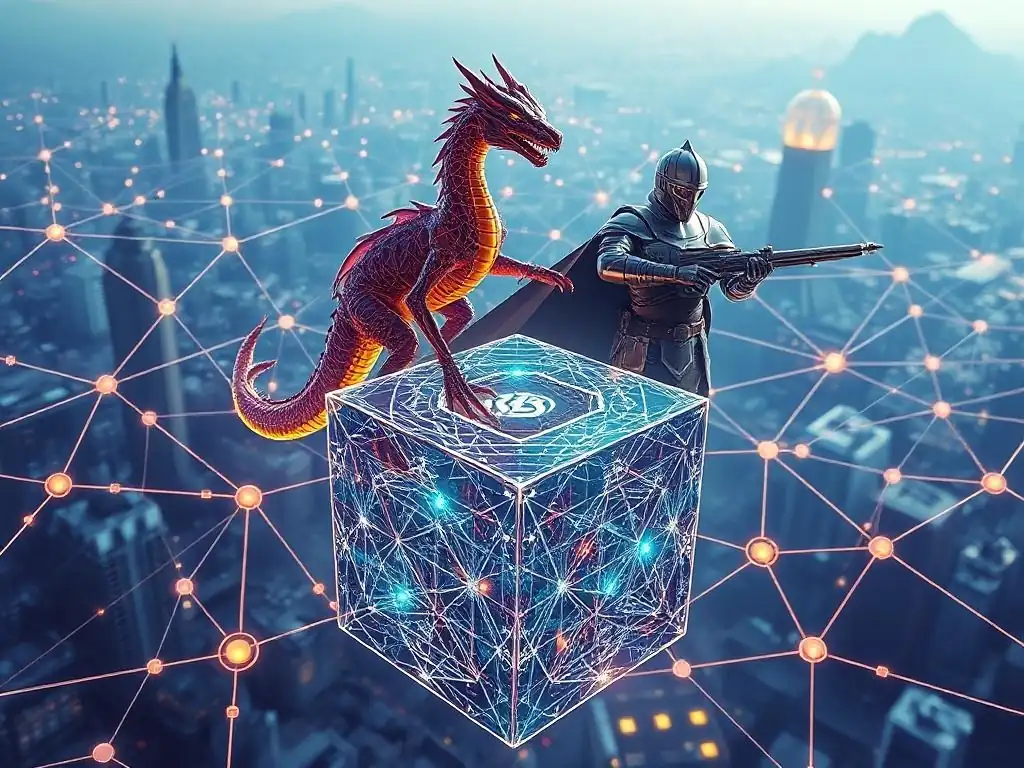
Welcome to Blockchain Trends, your go-to source for understanding the revolutionary power of blockchain technology. Forget just cryptocurrencies! Dive deep into the exciting world of decentralized finance, enterprise solutions, and the regulatory landscape shaping this innovative space. Intrigued by how this technology impacts your favorite industries? Then you're in the right place! Up next, we unravel How Blockchain is Transforming Traditional Game Publishing Models, exploring how this shift could redefine the games we play, and who controls them. What hidden opportunities lie within this disruption? Read on to find out!
How Blockchain is Transforming Traditional Game Publishing Models
- Introduction: The Disruptive Force of Blockchain in Gaming
- Blockchain's Impact on Game Publishing: Key Transformations
- Benefits of Blockchain-Based Game Publishing
- Use Cases: Blockchain Games Leading the Charge
- Challenges and Considerations for Blockchain Game Publishing
- The Future of Game Publishing: A Blockchain-Powered Ecosystem
- Conclusion: Blockchain's Transformative Power in Game Publishing
-
Frequently Asked Questions
- How is blockchain technology disrupting traditional game publishing?
- What are the key benefits of using blockchain in game publishing?
- What are NFTs and how are they used in blockchain gaming?
- How does blockchain enable new "play-to-earn" gaming models?
- What are the potential challenges of implementing blockchain in game publishing?
- Final Reflection: Embracing the Decentralized Future of Gaming
- Ignite Your Game Dev Revolution!
Introduction: The Disruptive Force of Blockchain in Gaming
The State of Traditional Game Publishing: Challenges and Limitations
Traditional game publishing, while a well-established industry, faces several inherent challenges. The current model is often characterized by a centralized structure where large publishers hold significant power, acting as gatekeepers to the market. Independent developers often struggle to secure funding and distribution deals, limiting innovation and diversity in game content.
Furthermore, players in traditional gaming ecosystems frequently lack true ownership over in-game assets, with items and progress being tied to the game developer's servers and terms of service. This creates a system where the value generated within the game primarily benefits the publisher, with limited returns for players beyond entertainment.
Another significant limitation lies in the revenue distribution model. Traditional publishing agreements typically involve a substantial cut taken by publishers and distribution platforms, leaving developers with a smaller percentage of the profits. This can hinder the financial sustainability of smaller studios and limit their ability to reinvest in future projects. Additionally, the lack of transparency in revenue reporting and royalty payments can create distrust and disputes between developers and publishers. The industry's reliance on centralized servers also poses risks of data breaches and service disruptions, impacting the player experience and the long-term viability of games.
Blockchain Technology: A New Paradigm for Game Distribution
Blockchain technology offers a compelling alternative to the limitations of traditional game publishing, presenting a paradigm shift towards decentralization, transparency, and player empowerment. At its core, blockchain is a distributed ledger system that provides a secure and transparent record of transactions. This foundational technology can be leveraged to restructure game publishing models, moving away from centralized control towards a more equitable and open ecosystem. By utilizing blockchain, developers can bypass traditional gatekeepers and directly connect with players, fostering a more direct and transparent relationship.
The application of blockchain in game distribution extends beyond simply selling games. It enables the tokenization of in-game assets, allowing players to truly own their digital items as NFTs (Non-Fungible Tokens). These NFTs can be traded and utilized across different games and platforms within the blockchain ecosystem, creating a more interconnected and player-centric gaming experience.
Moreover, blockchain facilitates new funding mechanisms like Initial Game Offerings (IGOs), allowing developers to raise capital directly from the community, bypassing traditional venture capital routes and fostering a more democratized approach to game development funding. This shift towards blockchain-based systems promises to reshape the dynamics of game publishing, empowering both creators and players in unprecedented ways.
Blockchain's Impact on Game Publishing: Key Transformations
Decentralized Game Development: Empowering Independent Creators
Blockchain technology is significantly impacting game publishing by fostering decentralized game development, which empowers independent creators. Traditionally, independent game developers often face hurdles in securing funding, marketing support, and distribution channels. Blockchain platforms and decentralized autonomous organizations (DAOs) are emerging as viable alternatives, providing indie developers with the tools and resources to create and publish their games independently. Smart contracts on the blockchain can automate royalty splits and ensure transparent revenue distribution among development teams, fostering trust and collaboration within decentralized development environments.
Furthermore, blockchain-based game development platforms are offering new avenues for community involvement in the game creation process. Developers can engage directly with players for feedback, incorporate community-driven features, and even distribute governance tokens, allowing players to participate in decision-making processes related to game development and future updates.
This collaborative approach not only fosters a stronger sense of community ownership but also leads to games that are more aligned with player preferences and desires. The rise of decentralized development is enabling a wave of innovation and creativity in the gaming industry, driven by independent creators who are no longer solely reliant on traditional publishing structures.
Revolutionizing Funding: Initial Game Offerings (IGOs) and Tokenization
Blockchain is revolutionizing game publishing funding models through Initial Game Offerings (IGOs) and tokenization, presenting a significant departure from traditional investment routes. IGOs are similar to Initial Coin Offerings (ICOs) but specifically tailored for the gaming industry, allowing game developers to raise capital by selling tokens or NFTs representing in-game assets or future game access to the community. This method of fundraising democratizes investment in game development, allowing players and enthusiasts to directly support projects they believe in, bypassing the need for venture capital firms or traditional publishers as the primary funding source.
Tokenization extends beyond fundraising, transforming the very economics of game development and publishing. Game assets, characters, and even in-game currencies can be tokenized as NFTs, creating provable scarcity and ownership. These tokens can be traded on decentralized marketplaces, generating new revenue streams for developers and players alike. Moreover, utility tokens can be integrated into game ecosystems to incentivize player engagement, reward participation, and govern in-game economies. This shift towards tokenized economies empowers both developers and players, fostering a more sustainable and community-driven model for game funding and development, effectively transforming traditional game publishing finance.
Enhancing Player Ownership: NFTs and In-Game Assets on the Blockchain
One of the most transformative aspects of blockchain in game publishing is the enhancement of player ownership through NFTs and in-game assets on the blockchain. In traditional gaming, players often purchase in-game items or spend time earning rewards that are ultimately controlled by the game publisher. These assets are tied to the game's ecosystem and cannot be truly owned or transferred outside of it. Blockchain technology, specifically NFTs, changes this paradigm by providing players with verifiable and immutable ownership of their digital assets.
NFTs representing in-game items, characters, or land are unique digital tokens recorded on the blockchain. This record of ownership is transparent and publicly verifiable, ensuring that players have definitive proof of their asset ownership. Unlike traditional in-game items, blockchain-based NFTs can be traded on open marketplaces, allowing players to buy, sell, and exchange their assets outside of the game environment.
This true digital ownership empowers players, creating a secondary market for in-game assets and potentially generating real-world value from their gaming activities. The concept of player-owned assets is a cornerstone of the blockchain gaming revolution, fundamentally altering the relationship between players and games and transforming traditional game publishing models centered around publisher control.
Transparent Revenue Sharing: Cutting Out the Middleman in Game Sales
Blockchain technology facilitates transparent revenue sharing in game publishing by effectively cutting out the traditional middlemen in game sales. In the conventional publishing model, a significant portion of game revenue is taken by publishers and distribution platforms, often leaving developers with a smaller share. Blockchain-based distribution platforms and decentralized marketplaces can offer a more direct and transparent route to market for game developers, reducing or eliminating the fees charged by intermediaries.
Smart contracts on the blockchain can automate revenue splits, ensuring that developers receive their agreed-upon share of sales proceeds instantly and transparently. This eliminates the need for lengthy payment cycles and reduces the risk of disputes over royalties. Furthermore, blockchain can enable new revenue sharing models, such as rewarding players for contributing to the game ecosystem or participating in community events through tokenized incentives. By fostering more direct interactions between developers and players and streamlining revenue distribution, blockchain is paving the way for a more equitable and efficient game publishing landscape, effectively transforming traditional revenue models and empowering creators.
Benefits of Blockchain-Based Game Publishing
Increased Transparency and Trust in Game Development
Blockchain-based game publishing inherently fosters increased transparency and trust within the game development ecosystem. The immutable and transparent nature of blockchain technology provides a publicly auditable record of transactions, ownership, and game mechanics. This transparency extends to various aspects of game publishing, including revenue sharing, in-game asset provenance, and the fairness of game algorithms. For developers, blockchain offers verifiable proof of ownership and intellectual property rights, reducing the risk of plagiarism or unauthorized use of their work.
For players, blockchain enhances trust by providing transparency into game economies and in-game asset scarcity. The ability to verify the limited supply of NFTs or track the flow of in-game currencies builds confidence in the game's economy and reduces concerns about inflation or manipulation.
Furthermore, open-source blockchain-based games or game development platforms can allow for community audits of the codebase, further enhancing transparency and trust in the integrity of the game and its mechanics. This increased transparency and trust are crucial for building a sustainable and thriving blockchain gaming ecosystem, contrasting sharply with the often opaque nature of traditional game publishing.
Enhanced Player Engagement and Community Building
Blockchain-based game publishing is demonstrably enhancing player engagement and community building within the gaming sphere. The principles of decentralization and player ownership inherent in blockchain gaming foster a stronger sense of community and participation. Players are not just consumers but become active participants in the game ecosystem, contributing to its growth and development. Tokenized rewards and play-to-earn mechanics incentivize player engagement and create a more rewarding gaming experience beyond mere entertainment.
NFT ownership empowers players and creates a sense of investment in the game's success. Players with valuable in-game assets are more likely to be invested in the game's long-term viability and actively participate in the community. Decentralized governance models, often facilitated through DAOs, allow players to have a voice in game development decisions, further strengthening community bonds and fostering a sense of shared ownership. This enhanced player engagement and community building are key differentiators of blockchain gaming, moving away from passive consumption towards active participation and shared ownership, a stark contrast to traditional game publishing models.
New Revenue Streams for Developers and Players
Blockchain technology unlocks new and diversified revenue streams for both game developers and players within the game publishing landscape. For developers, blockchain facilitates innovative funding mechanisms like IGOs, direct sales of NFTs, and decentralized marketplace commissions, reducing reliance on traditional publisher advances and revenue shares. The ability to tokenize in-game assets creates secondary markets where developers can earn royalties on NFT trades, generating ongoing revenue streams beyond initial game sales.
For players, blockchain introduces play-to-earn mechanics, allowing them to earn cryptocurrency or valuable NFTs through gameplay. These earnings can be traded, sold, or reinvested within the game ecosystem, transforming gaming from a purely entertainment expense into a potentially profitable activity. The ownership of in-game assets as NFTs also creates opportunities for players to monetize their gaming skills and time investment by trading or renting out their assets. These new revenue streams, facilitated by blockchain, are reshaping the economics of gaming, creating a more sustainable and rewarding ecosystem for both creators and players and challenging traditional game publishing revenue models.
Reduced Costs and Improved Efficiency in Game Distribution
Blockchain-based game publishing offers the potential for reduced costs and improved efficiency in game distribution compared to traditional methods. By leveraging decentralized networks and smart contracts, blockchain platforms can streamline various aspects of game distribution, eliminating intermediaries and reducing associated fees. Decentralized marketplaces for NFTs and in-game assets can offer lower transaction fees compared to centralized platforms, increasing efficiency for both developers and players.
Smart contracts automate royalty payments and revenue splits, reducing administrative overhead and ensuring timely payouts to developers. Furthermore, blockchain can facilitate direct distribution of games from developers to players, bypassing traditional distribution platforms and their associated costs. The transparency and immutability of blockchain can also reduce fraud and piracy, further improving efficiency and protecting developer revenue. These cost reductions and efficiency improvements are significant advantages of blockchain-based game publishing, making it a more attractive and sustainable model compared to traditional, often costly, distribution channels.
Use Cases: Blockchain Games Leading the Charge
Axie Infinity: A Play-to-Earn Pioneer Utilizing NFTs
Axie Infinity stands as a prominent example of a play-to-earn blockchain game that pioneered the utilization of NFTs in a gaming context. Developed by Sky Mavis, Axie Infinity is a Pokémon-inspired game built on the Ethereum blockchain where players collect, breed, battle, and trade digital creatures called Axies, represented as NFTs. The game's economic model revolves around the Smooth Love Potion (SLP) and Axie Infinity Shards (AXS) tokens, which players can earn through gameplay and use within the game ecosystem.
Axie Infinity's success demonstrates the viability of play-to-earn mechanics and the appeal of NFT-based ownership in gaming. During its peak popularity, the game generated significant revenue and provided income opportunities for players, particularly in developing countries. The game's decentralized marketplace for Axie NFTs facilitated a thriving economy, with some Axies selling for hundreds of thousands of dollars. Axie Infinity exemplifies how blockchain can transform game publishing by creating player-owned economies and empowering players to earn real-world value through their gaming activities, moving away from traditional models where in-game value is solely controlled by the publisher.
Decentraland: A User-Owned Virtual World Powered by Blockchain
Decentraland represents a groundbreaking use case of blockchain in creating a user-owned virtual world, powered by blockchain technology. Decentraland is a decentralized metaverse built on the Ethereum blockchain where users can purchase, develop, and monetize virtual land parcels represented as NFTs. The platform is governed by a decentralized autonomous organization (DAO), giving users control over the platform's policies and development direction.
Within Decentraland, users can create and experience content, applications, and games, interacting with each other and building virtual businesses. The platform's native token, MANA, is used for transactions within the metaverse, including purchasing land and in-world goods and services. Decentraland showcases the potential of blockchain to create truly decentralized and user-owned virtual worlds, moving beyond traditional centralized game environments. It demonstrates how blockchain can enable new forms of digital ownership, governance, and economic activity within virtual spaces, fundamentally altering the landscape of online interactions and game publishing in virtual worlds.
Analyzing the Success Factors of These Blockchain Game Publishers
Analyzing the success factors of blockchain game publishers like Axie Infinity and Decentraland reveals key elements contributing to their impact on the industry. One crucial factor is the implementation of robust play-to-earn or player-owned economy models. These models incentivize player engagement by rewarding participation and creating opportunities for earning real-world value through gameplay, a significant departure from traditional models. The utilization of NFTs for in-game assets, providing verifiable ownership and enabling secondary markets, is another key success factor. This empowers players and creates a more engaging and rewarding gaming experience.
Community-driven development and governance, often facilitated through DAOs, also play a vital role. Involving the community in decision-making processes fosters a sense of ownership and loyalty, leading to stronger player retention and community growth. Furthermore, successful blockchain games often prioritize user experience and accessibility, making it relatively easy for new players to understand and engage with the blockchain elements without requiring deep technical knowledge. These factors – play-to-earn mechanics, NFT utilization, community governance, and user-friendly design – collectively contribute to the success of blockchain game publishers in transforming traditional game publishing models and attracting a growing player base.
Challenges and Considerations for Blockchain Game Publishing
Scalability Issues and Blockchain Network Limitations
Despite its transformative potential, blockchain game publishing faces scalability issues and limitations inherent in current blockchain networks. Many popular blockchains, like Ethereum, have faced challenges in handling high transaction volumes and maintaining low transaction fees, especially during periods of peak network activity. These scalability limitations can impact the performance and user experience of blockchain games, particularly those with a large number of players or frequent in-game transactions.
High gas fees on some blockchains can also be a barrier to entry for players and developers, making microtransactions or frequent in-game asset trading economically unviable. While layer-2 scaling solutions and newer, more scalable blockchains are emerging, scalability remains a significant challenge for the widespread adoption of blockchain gaming. Game developers need to carefully consider the scalability capabilities of different blockchain networks when choosing a platform for their games to ensure a smooth and cost-effective experience for players, addressing this key consideration in blockchain transforming game publishing models.
Regulatory Uncertainty Surrounding Blockchain Gaming
Regulatory uncertainty surrounding blockchain gaming poses a significant challenge to its long-term growth and mainstream adoption. The legal and regulatory landscape for cryptocurrencies, NFTs, and blockchain-based activities is still evolving globally, creating uncertainty for game developers and publishers. Different jurisdictions have varying approaches to regulating digital assets and blockchain technologies, making it complex for game companies to navigate compliance requirements and operate across borders.
Concerns about money laundering, securities regulations, and consumer protection in the context of blockchain gaming are attracting regulatory scrutiny. The lack of clear and consistent regulations can create legal risks and hinder investment in blockchain gaming projects. Game developers need to stay informed about the evolving regulatory landscape and seek legal counsel to ensure compliance and mitigate risks as blockchain gaming matures and seeks wider acceptance within the established gaming industry.
Educating Players and Developers About Blockchain Technology
A significant hurdle for blockchain game publishing is the need for widespread education for both players and developers about blockchain technology and its applications in gaming. Many traditional gamers are unfamiliar with concepts like cryptocurrencies, NFTs, and blockchain wallets, creating a barrier to entry for mainstream adoption. Developers who are accustomed to traditional game development workflows may also require education and training to effectively utilize blockchain tools and integrate blockchain mechanics into their games.
Overcoming this education gap requires clear and accessible resources that explain the benefits of blockchain gaming in a user-friendly manner. Game developers need to create onboarding experiences that are intuitive and guide new players through the process of setting up wallets and interacting with blockchain elements. Furthermore, educational initiatives targeting game developers are needed to foster a wider pool of talent capable of building and innovating within the blockchain gaming space, crucial for the continued growth of blockchain transforming game publishing models.
Security Concerns and Smart Contract Audits
Security concerns and the need for rigorous smart contract audits are critical considerations for blockchain game publishing. Blockchain games rely on smart contracts to manage in-game economies, asset ownership, and game logic. Vulnerabilities in smart contracts can be exploited by malicious actors, leading to financial losses for players and damage to the game's reputation. The decentralized and immutable nature of blockchain means that once a vulnerability is exploited, it can be difficult or impossible to rectify.
Therefore, comprehensive smart contract audits by reputable security firms are essential before launching blockchain games or deploying updates. These audits help identify potential vulnerabilities and ensure the security and integrity of the game's smart contracts. Developers must prioritize security best practices and conduct regular audits throughout the game's lifecycle to mitigate risks and maintain player trust in the security of blockchain-based game assets and economies, a vital aspect of responsible blockchain game publishing.
The Future of Game Publishing: A Blockchain-Powered Ecosystem
Predictions for the Adoption of Blockchain in Game Development
Predictions for the adoption of blockchain in game development are overwhelmingly positive, suggesting a significant shift towards blockchain-powered ecosystems in the future of game publishing. Industry analysts and experts anticipate a substantial increase in the number of blockchain games being developed and launched in the coming years. The growing awareness of the benefits of blockchain, such as player ownership, play-to-earn mechanics, and decentralized governance, is driving interest from both developers and players.
Major game publishers are also beginning to explore and experiment with blockchain technology, indicating a potential mainstream adoption trend. The metaverse and Web3 initiatives are further accelerating the integration of blockchain into gaming, as blockchain provides the foundational infrastructure for decentralized and user-owned virtual worlds. While challenges remain, the long-term trajectory points towards a future where blockchain becomes an integral part of game development and publishing, transforming traditional models and creating new opportunities for innovation and player empowerment, solidifying blockchain transforming game publishing models.
The Role of DAOs in Decentralized Game Publishing
Decentralized Autonomous Organizations (DAOs) are poised to play a pivotal role in shaping the future of decentralized game publishing. DAOs provide a framework for community-driven governance and decision-making in blockchain games. In a DAO-governed game, players and token holders can participate in proposals, voting, and decision-making processes related to game development, updates, and community management. This decentralized governance model empowers players and fosters a stronger sense of ownership and community participation.
DAOs can be used to manage game treasuries, distribute rewards, and allocate resources transparently and democratically. They can also facilitate decentralized game development, allowing independent developers to collaborate and contribute to game projects in a more open and equitable manner. As blockchain gaming matures, DAOs are expected to become increasingly prevalent, shaping the governance and operation of decentralized game ecosystems and representing a fundamental shift in the power dynamics of game publishing, moving away from centralized control towards community-led initiatives.
The Evolution of In-Game Economies with Blockchain
The evolution of in-game economies with blockchain is leading to more dynamic, player-driven, and potentially real-world interconnected economic systems within games. Blockchain enables the creation of truly player-owned in-game assets as NFTs, fostering secondary markets and player-to-player trading. Play-to-earn mechanics incentivize player participation and create opportunities for players to generate income through gameplay, blurring the lines between gaming and earning.
Blockchain-based in-game currencies and tokens can be integrated with decentralized finance (DeFi) protocols, allowing for more complex financial interactions and potentially connecting in-game economies with the broader financial ecosystem. The transparency and auditability of blockchain enhance trust in in-game economies, reducing concerns about inflation or manipulation. The future of in-game economies is likely to be characterized by increased player empowerment, real-world value integration, and decentralized governance, representing a significant evolution from traditional, publisher-controlled in-game economies and fundamentally altering the landscape of game publishing economics.
Conclusion: Blockchain's Transformative Power in Game Publishing
Embracing Decentralization for a More Equitable Gaming Industry
Embracing decentralization through blockchain technology is crucial for creating a more equitable gaming industry, benefiting both developers and players. Traditional game publishing models often concentrate power and revenue in the hands of large publishers, leaving independent developers and players with limited agency. Blockchain offers a pathway towards a more democratized ecosystem where developers can directly connect with players, retain a larger share of revenue, and foster stronger community engagement.
Player ownership of in-game assets, enabled by NFTs, empowers players and creates new economic opportunities within games. Decentralized governance models, facilitated by DAOs, give players a voice in game development and management. By shifting towards decentralized systems, the gaming industry can become more inclusive, innovative, and sustainable, fostering a more equitable distribution of value and power, and realizing the full potential of blockchain transforming game publishing models for the betterment of the entire gaming ecosystem.
The Potential for Innovation and Growth in Blockchain Gaming
The potential for innovation and growth in blockchain gaming is immense, promising to reshape the future of the gaming industry. Blockchain technology opens up new avenues for game mechanics, economic models, and player experiences that were not possible in traditional gaming. Play-to-earn mechanics, NFT-based ownership, and decentralized governance are just the beginning of the innovation wave. The integration of blockchain with emerging technologies like the metaverse and Web3 will further accelerate innovation and create entirely new gaming paradigms.
The growth of blockchain gaming is attracting investment, talent, and a growing player base, signaling a significant shift in the gaming landscape. As blockchain technology matures and adoption increases, we can expect to see even more innovative and groundbreaking applications emerge, transforming game publishing and creating a more vibrant, engaging, and rewarding gaming ecosystem for both creators and players. The future of game publishing is inextricably linked to the continued innovation and growth of blockchain gaming, paving the way for a new era of decentralized, player-centric, and economically empowered gaming experiences.
Frequently Asked Questions
How is blockchain technology disrupting traditional game publishing?
Blockchain is introducing decentralization and transparency to the industry. This allows for new revenue models like play-to-earn and reduces reliance on centralized platforms, ultimately giving more power to developers and players.
What are the key benefits of using blockchain in game publishing?
Benefits include enhanced digital asset ownership for players through NFTs, improved game security and anti-cheat measures, and the potential for new fundraising mechanisms such as token sales.
What are NFTs and how are they used in blockchain gaming?
NFTs (Non-Fungible Tokens) represent unique in-game items or characters. Players can truly own and trade these assets on blockchain marketplaces, creating a new economy within games.
How does blockchain enable new "play-to-earn" gaming models?
Play-to-earn models allow players to earn cryptocurrency or NFTs by participating in and contributing to the game. This incentivizes engagement and can create real-world value from in-game activities.
What are the potential challenges of implementing blockchain in game publishing?
Challenges include the high energy consumption of some blockchain networks, the regulatory uncertainty surrounding digital assets, and the technical complexity of integrating blockchain into existing game development pipelines.
Final Reflection: Embracing the Decentralized Future of Gaming
The exploration of blockchain's impact on game publishing reveals a profound shift, and its current relevance is undeniable. The potential for true ownership, enhanced transparency, and direct creator-to-player relationships is no longer a futuristic fantasy, but a tangible reality disrupting the established order. The traditional gatekeepers are facing a formidable challenger, one that empowers both developers and gamers in unprecedented ways.
This transformation extends far beyond mere technological upgrades; it's reshaping the very culture of gaming. The democratization of game development and distribution, fueled by blockchain, promises a more diverse and innovative landscape, where independent creators can thrive and players can actively participate in the game's evolution. The future of gaming isn't just about better graphics or more immersive worlds; it's about ownership, community, and a fairer ecosystem for everyone involved.
This sentiment encapsulates the core promise of blockchain in gaming: a future where power is distributed, not concentrated.
As we stand at the cusp of this decentralized revolution, I invite you to consider your role in shaping the future of gaming. Embrace the possibilities that blockchain offers, support the developers who are pioneering this new frontier, and demand transparency and fairness from the industry. The power to transform the game publishing model lies within each of us. Let's build a future where gaming is truly for the players, by the players.
Ignite Your Game Dev Revolution!
Thank you for exploring how blockchain is reshaping the game publishing landscape. You've gained valuable insights into the future of gaming, and now it's time to take action and be part of this exciting transformation.
Here's how you can get started:
- Create your first blockchain-enabled game prototype. Start with small projects, experiment with non-fungible tokens for in-game assets, and learn through hands-on experience.
- Join the community forum to discuss your ideas and connect with other developers and enthusiasts pioneering this innovative space.
- Share this article with your network to inspire conversations about the transformative potential of blockchain in gaming.
What innovative blockchain game ideas are you working on right now? We’d love to hear about them in the comments!
Leave a Reply